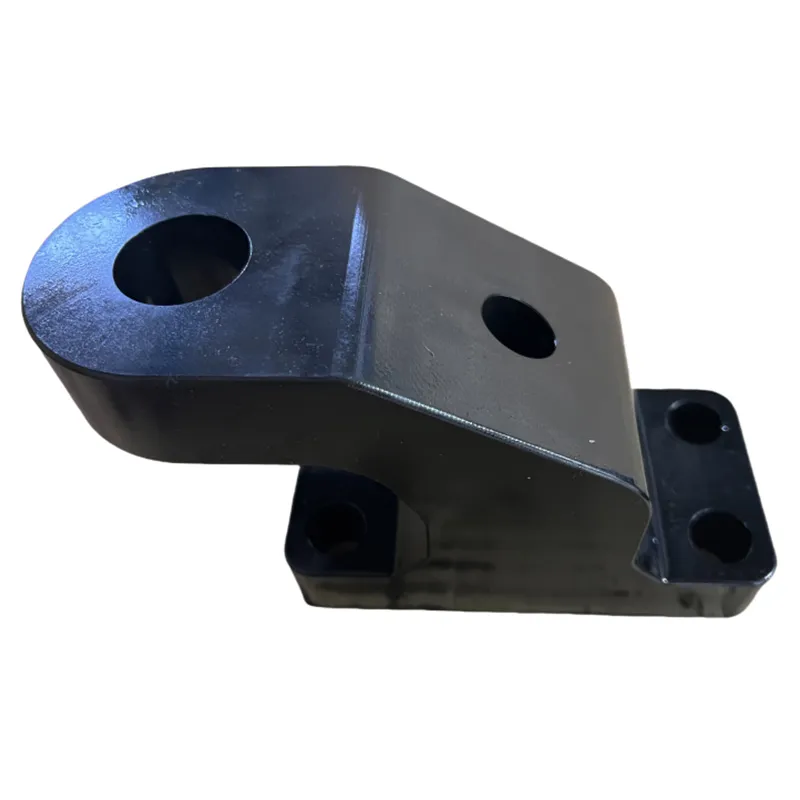
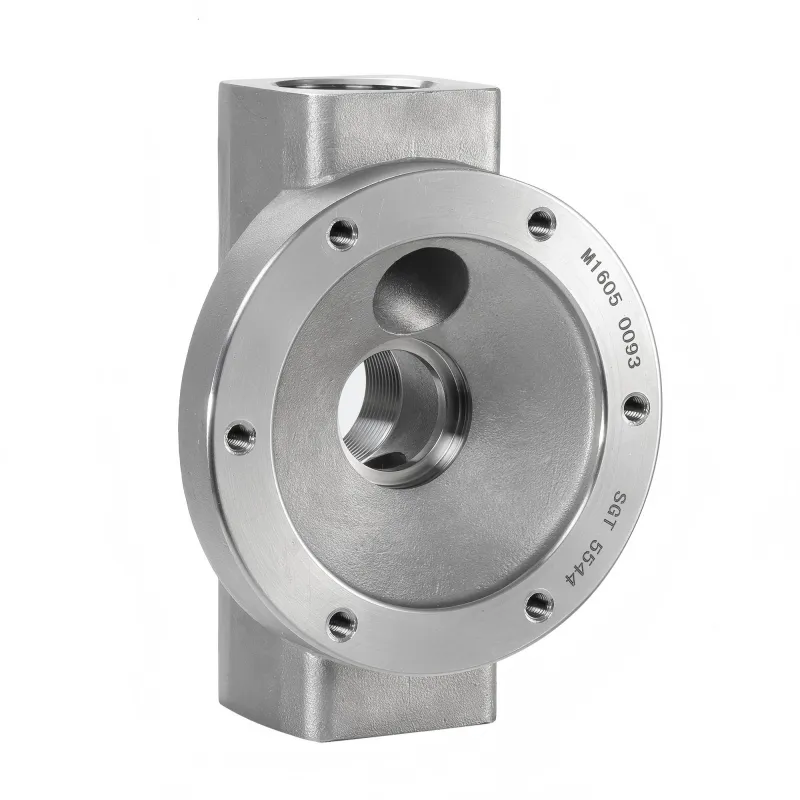
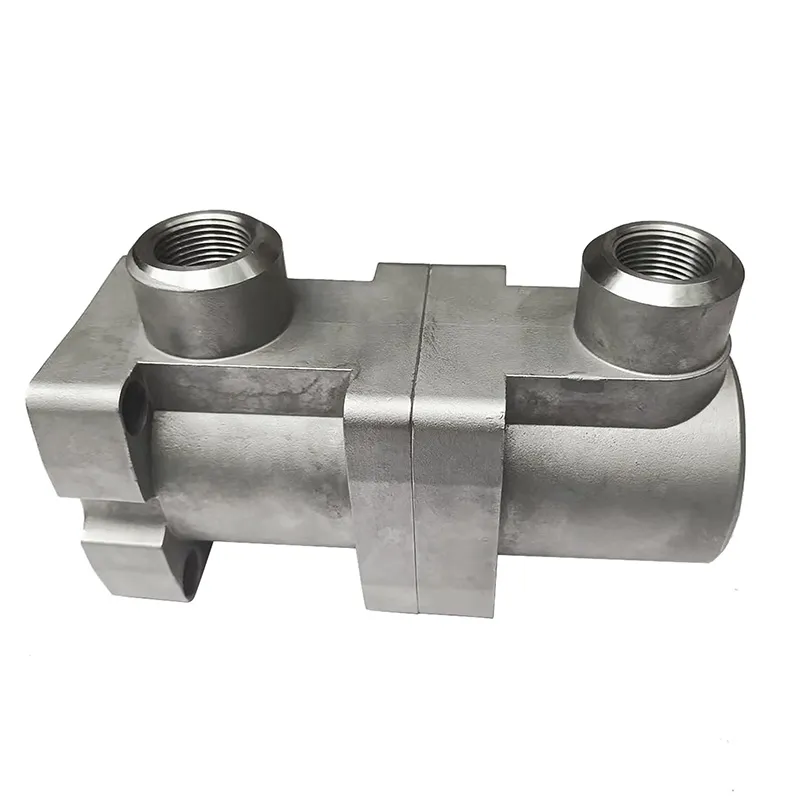
When you first hear 'investment casting cost per kg,' it's tempting to think there's a standard rate card out there. I used to think that way too. The reality is messier. That figure isn't a sticker price; it's the end point of a dozen variables colliding, and quoting purely on a per-kilo basis without context is how projects go sideways fast. It's a starting point for a conversation, not an answer.
Where the Per Kg Quote Falls Apart
Let's get the obvious out of the way. Yes, material cost is a huge driver. A kilogram of 304 stainless steel versus a kilogram of Inconel 718? The raw alloy cost difference is massive. But if you're only looking at that, you're already lost. The real cost starts with the shape you're trying to create. A simple, solid knob will have a wildly different investment casting cost per kg compared to a thin-walled, intricate turbine blade of the same final weight. The blade consumes more ceramic shell material, has a higher risk of shell cracking, requires more precise wax tooling, and often sees a higher scrap rate. The cost per kilogram for the complex part can be double or triple that of the simple one, even with identical material.
Then there's the order volume. This is where newcomers get tripped up. The unit cost for a 50-piece prototype run is astronomical compared to a 10,000-piece production order. The fixed costs—designing the wax die, setting up the process parameters, first-article inspection—get amortized over the total units. For small batches, the investment casting cost per kg is dominated by these setup and engineering efforts, not the metal. I've seen quotes where the per-kg cost for a small run was so high it scared clients off, but when we recalculated for a larger volume, it became competitive with forging. The volume question has to be settled first.
Finishing is the silent budget killer. As-cast? Light grit blast? Full CNC machining to tight tolerances? Each adds layers of cost that have nothing to do with the weight of the casting. A part might come out of the shell at a reasonable investment casting cost per kg, but if it needs five-axis machining on every surface, the final component cost is in the machining, not the casting. A shop that does both, like Qingdao Qiangsenyuan Technology Co., Ltd. (QSY), has an advantage here. They can see the whole process from wax to finished part, which often leads to design tweaks early on to reduce total cost, rather than optimizing just for the casting stage.
The Hidden Levers: Wax, Shell, and Yield
Wax tooling is an art. A cheap, single-cavity aluminum die might work for a few hundred pieces. For complex geometries or high volumes, you need multi-cavity, hardened steel dies. That initial tooling investment can be tens of thousands, but it drastically cuts the per-unit wax pattern cost. The choice here directly feeds into your final investment casting cost per kg. Do you amortize it over the first order, or plan for future repeats? It's a strategic decision.
The shell-building process is another area of hidden variables. A standard zirconia-silica face coat works for most steels. But for reactive alloys like titanium or those high-nickel superalloys QSY lists, you need specialty binders and refractories. These materials are expensive, and the process is more labor-intensive. The shell cost per unit can easily be 30-50% higher. And if the shell fails during dewaxing or pouring? That's a total loss of all costs incurred up to that point. Yield rate is the ultimate governor of cost. A 90% yield versus a 70% yield changes the economics of the entire job. Achieving high yield on complex parts is where decades of experience, like QSY's 30-year history, pay off. It's not something you find in a textbook.
Heat treatment and testing are often afterthoughts in a quote. Does the part need solution treatment and aging? Does it require 100% X-ray or dye penetrant inspection? These are line items that add cost per part, not per kilogram. I once worked on a aerospace bracket where the post-casting heat treatment and NDT costs ended up being 40% of the total part cost. The investment casting cost per kg for the raw casting was good, but the final part cost wasn't. You have to scope the entire specification.
A Real-World Comparison: Two Parts, Same Weight
Here's a concrete example from a few years back. We had two parts, both finishing at roughly 1.2 kg in 17-4 PH stainless steel. Part A was a compact, chunky valve housing. Part B was a lightweight structural bracket with thin ribs and mounting lugs. From a pure metal weight perspective, they were identical.
Part A's cost breakdown was straightforward. Simple wax tool (single cavity, aluminum die). Easy shell build with good yield. Minimal finishing—just a grit blast and machining of a few sealing faces. The final investment casting cost per kg was competitive, and the total part price made sense.
Part B was a nightmare. The thin ribs required a complex wax die with removable cores. The shell building was tricky—keeping those thin sections filled without hot tears was a challenge, dropping our initial yield to 65%. Every part needed extensive CNC machining on the lugs. The per-kg cost for the casting itself was nearly 2.5 times that of Part A. The project only survived because we worked with the designer and the foundry (a shop with a strong machining division, much like what you'd find at QSY's integrated facility) to slightly thicken some ribs and adjust lug geometry for easier machining. We traded a tiny bit of weight for a huge gain in manufacturability. The revised part's investment casting cost per kg came down by about 30%. That's the kind of collaboration that defines a successful project.
Why an Integrated Supplier Changes the Calculus
This leads to a crucial point. Getting a true total cost picture is incredibly hard when you're dealing with a standalone foundry, a separate machine shop, and a third-party heat treater. Communication gaps, logistical friction, and finger-pointing when issues arise all add hidden transactional costs. This is where the model of a company like Qingdao Qiangsenyuan Technology Co., Ltd. (QSY) makes sense. Having shell mold casting, investment casting, and CNC machining under one roof isn't just a marketing bullet point.
It means the machinists can talk to the pattern makers early on. They can suggest adding a millimeter of stock in a critical area to ensure clean-up, or recommend a draft angle change that makes the wax ejection cleaner. These small tweaks in the design-for-manufacturability (DFM) stage have an outsized impact on the final component cost and reliability. The cost savings aren't always in a lower investment casting cost per kg on the quote sheet; they're in the avoided scrap, the reduced machining time, and the faster overall turnaround. You're paying for coherence.
Their material range, from cast irons up to cobalt and nickel alloys, also indicates a level of process control. Handling those special alloys isn't just about having a furnace that gets hot enough. It's about knowing how to gate and riser for them, which shell systems to use, and how to control solidification. That expertise prevents costly metallurgical failures. For a buyer, it means you can trust that the quoted investment casting cost per kg for a superalloy part is based on real, hardened experience, not hopeful guesswork.
Navigating the Quote: Questions to Ask
So, when you're evaluating a quote based on cost per kilogram, what should you dig into? First, clarify the basis. Is this cost for the as-cast condition, or does it include a standard finish? What's the assumed order quantity? Is tooling cost included or separate?
Second, ask about the yield assumption. A reputable shop will have a target yield based on part geometry and material. If they won't give you a number, be wary. A low yield estimate is a red flag for process instability. Third, explicitly list all post-casting requirements. Get separate quotes for heat treatment, NDT, and machining. This transparency lets you see where the real money is going.
Finally, engage in DFM. The cheapest investment casting cost per kg often comes from a design that respects the process's strengths and limitations. Send your drawing to a capable, integrated supplier early. Their feedback on wall thickness uniformity, draft angles, and feature consolidation might add a week to the timeline but can save 20% on the total cost. It turns a simple price inquiry into a partnership, which is really how you control cost in this business. The per-kg number is just the door you walk through to start that conversation.