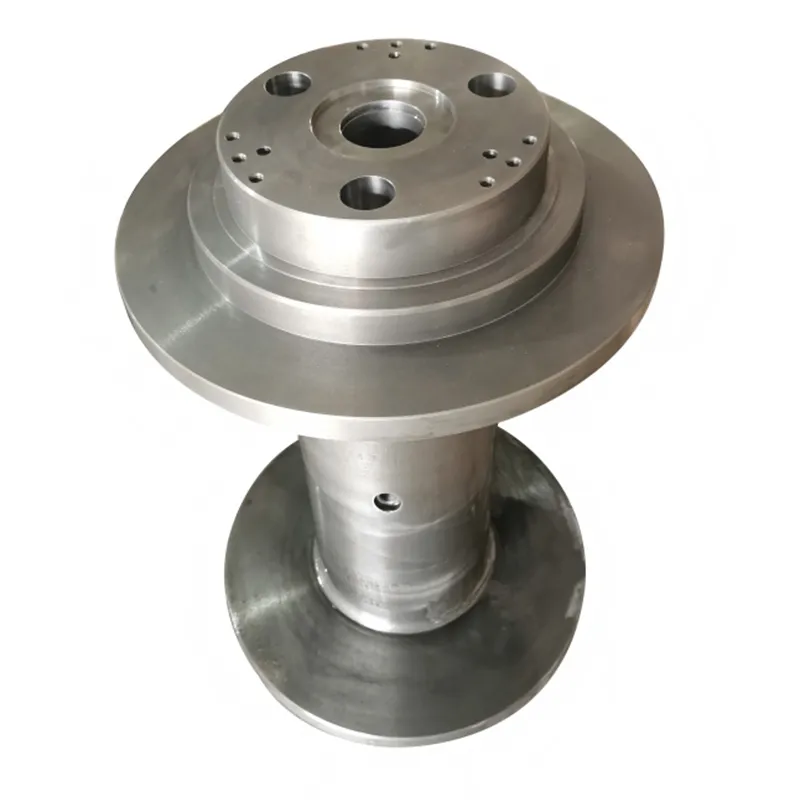
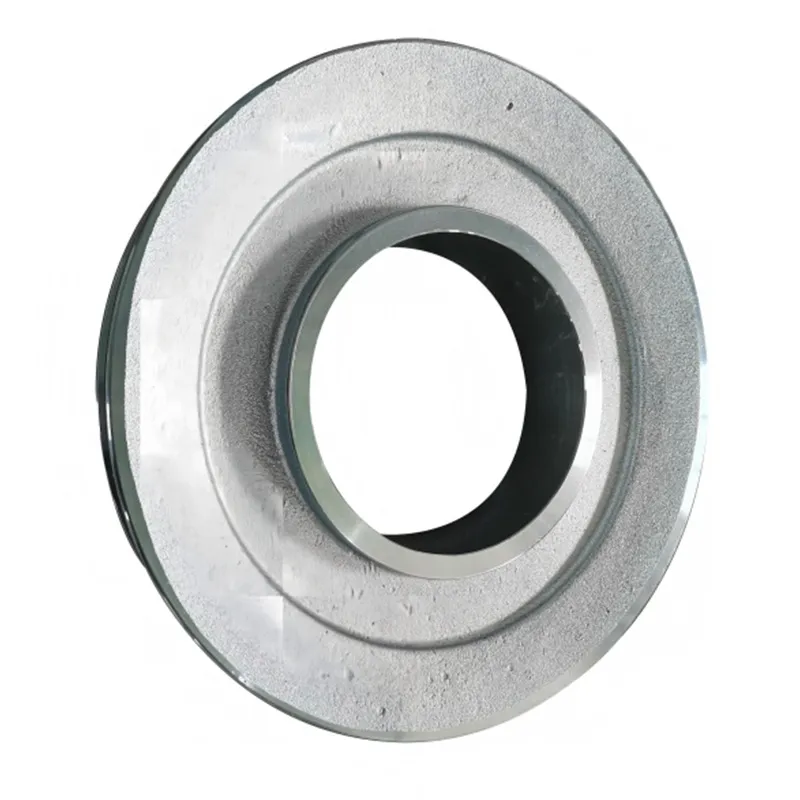
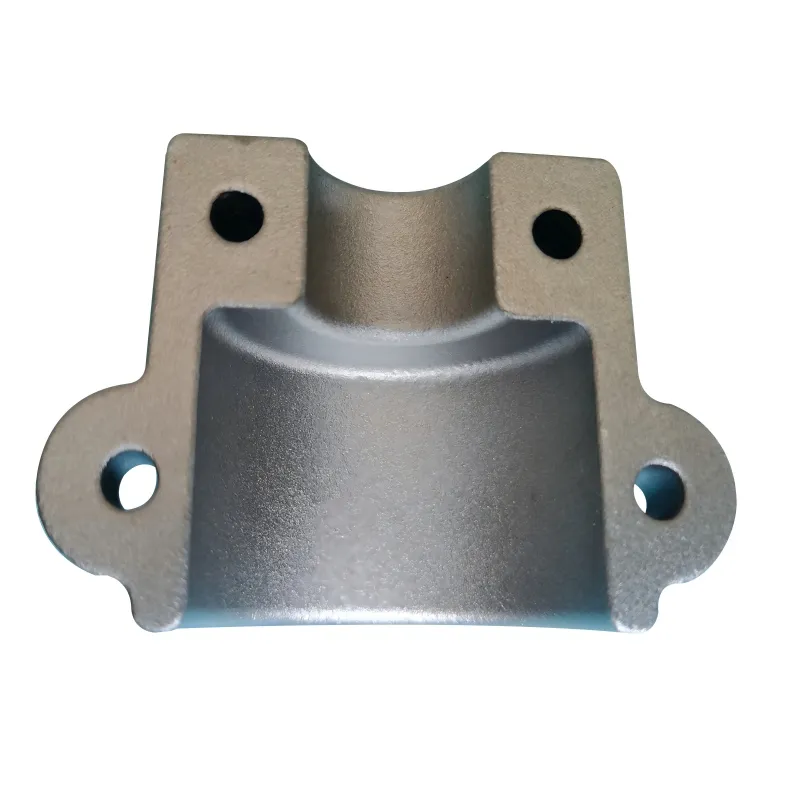
When you hear 'investment casting for engineering machinery,' the immediate image might be of pristine, complex turbine blades for aerospace. That's a common, almost reflexive association. But in the dirt-under-the-fingernails world of earthmovers, excavators, and heavy-duty gearboxes, the application is grittier, the tolerances are negotiated differently, and the cost-pressure is relentless. It's not about achieving theoretical perfection; it's about delivering a part that survives a 20-ton load in a mud pit for 10,000 hours without failing. That distinction is everything.
The Misplaced Allure of Complexity
Clients often come in fixated on geometry. Look at this internal channel, they say, pointing to a CAD model. And yes, investment casting excels at that. But for a boom arm linkage or a hydraulic valve body, the real value isn't just shaping the impossible. It's material integrity under impact and fatigue. I've seen beautifully complex wax patterns translate into castings that failed in field testing because the alloy selection was treated as an afterthought. The process starts with the material, not the mold. Companies that get this, like Qingdao Qiangsenyuan Technology Co., Ltd. (QSY), have the longevity to show for it. Thirty years in this niche means they've seen what alloys work where. Their focus on special alloys—nickel-based for corrosion in slurry pumps, cobalt-based for wear faces in crusher parts—is a telltale sign of practical experience, not just a brochure bullet point.
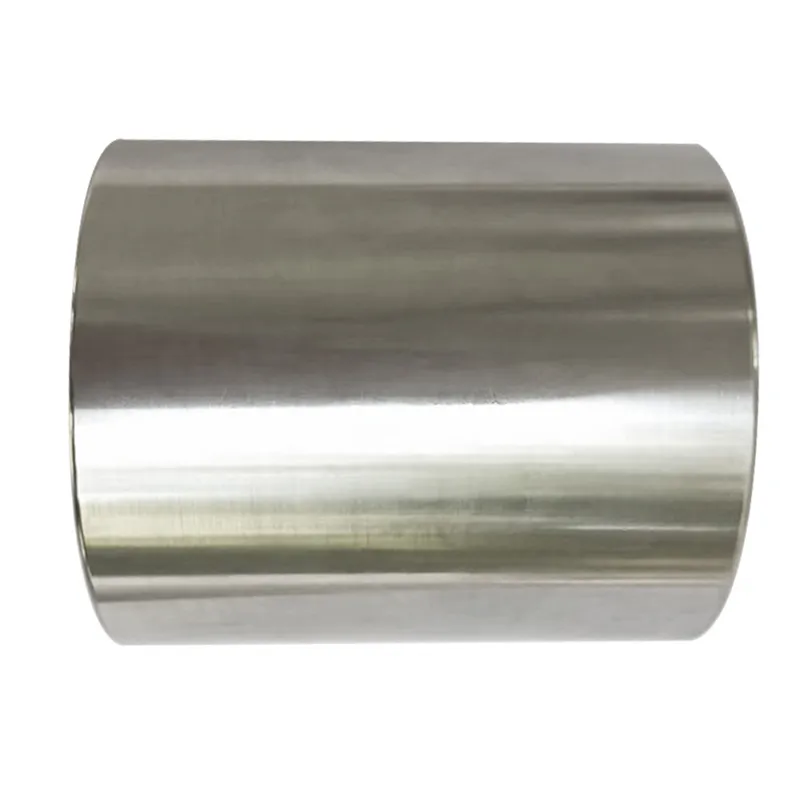
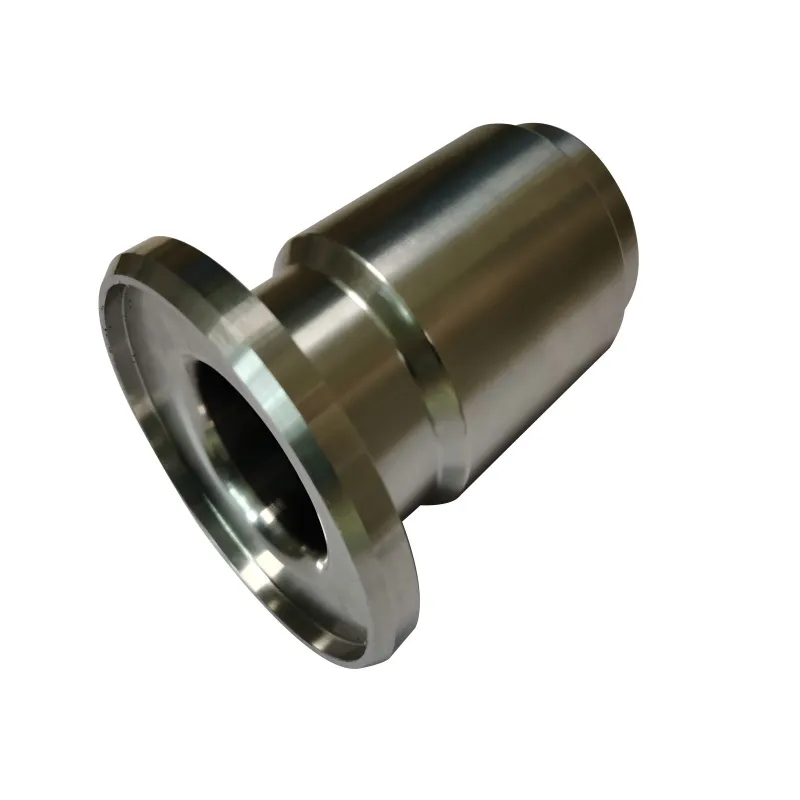
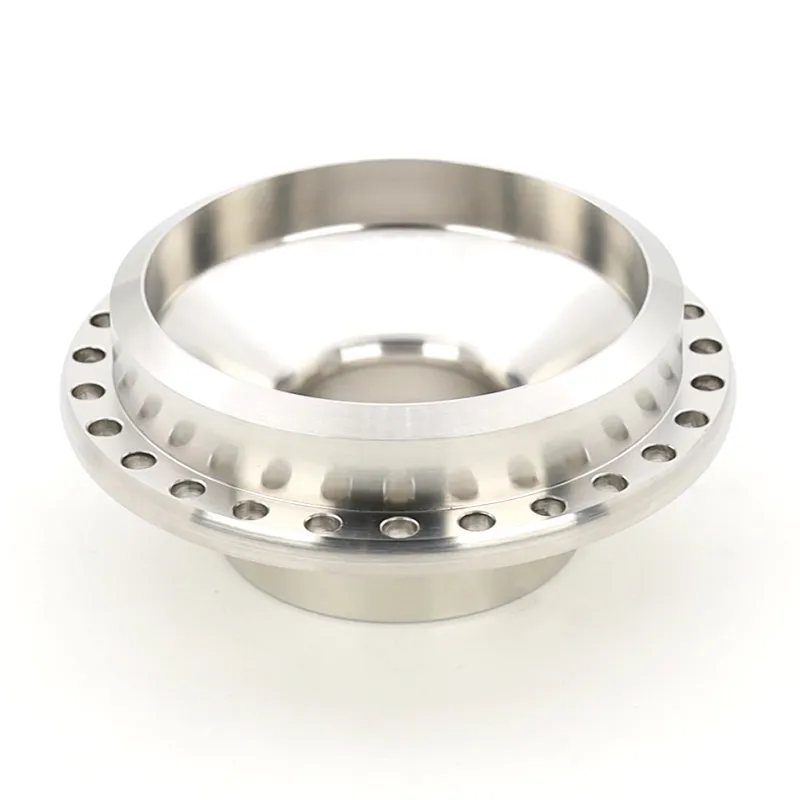
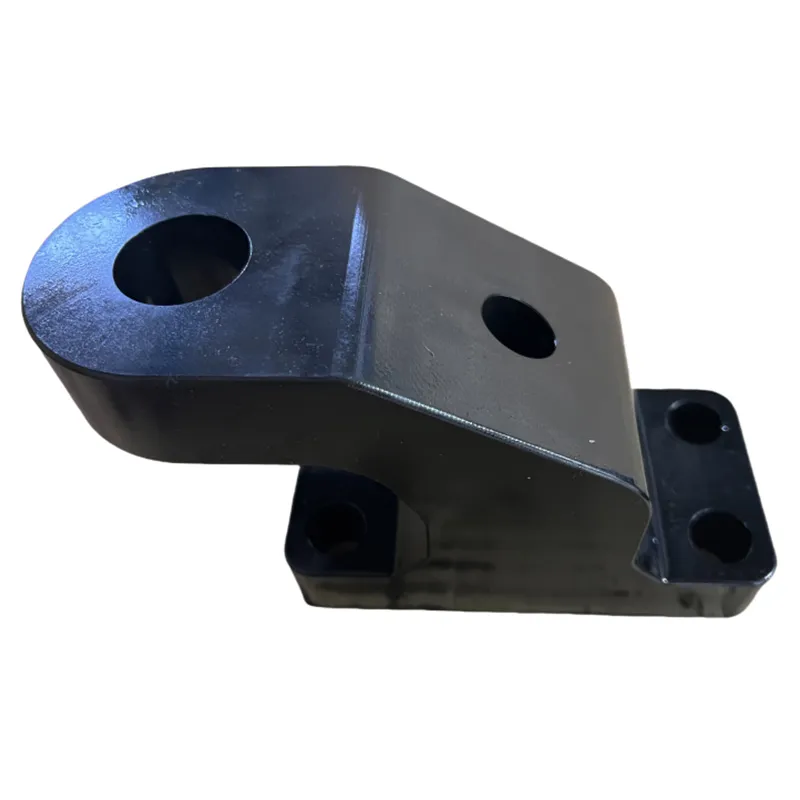
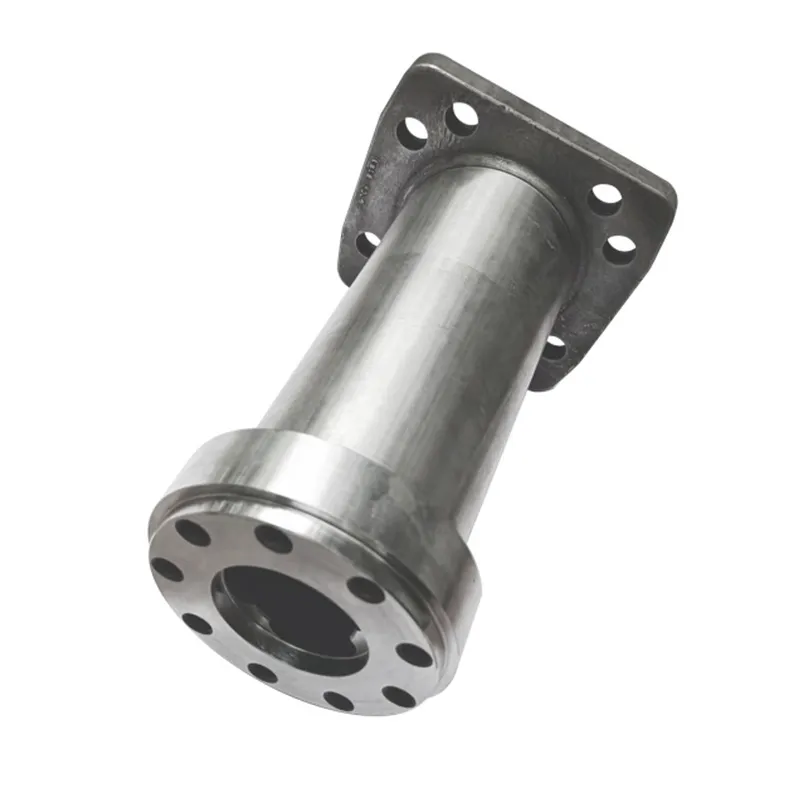
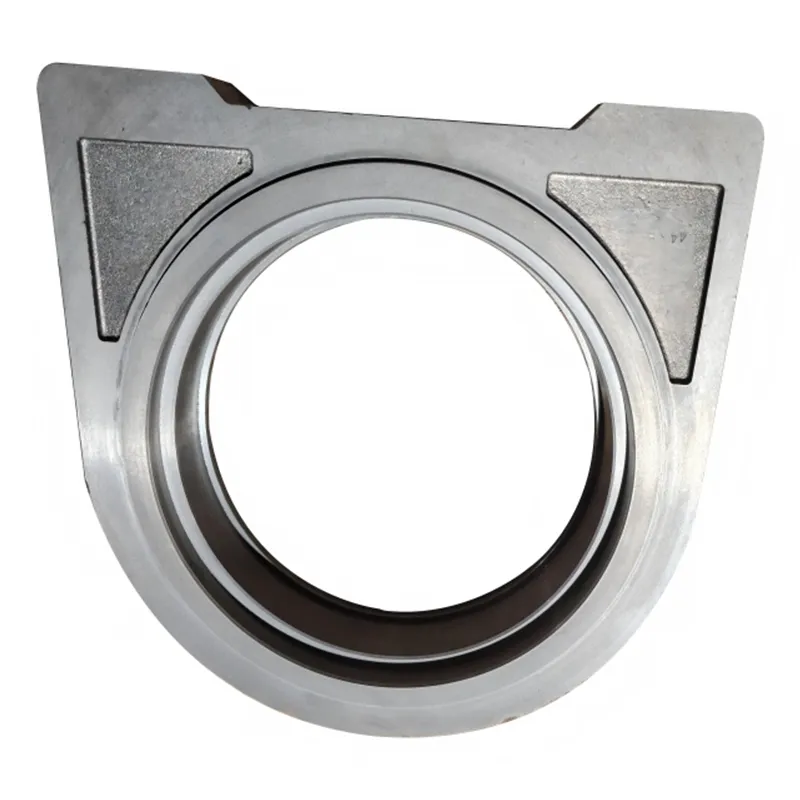
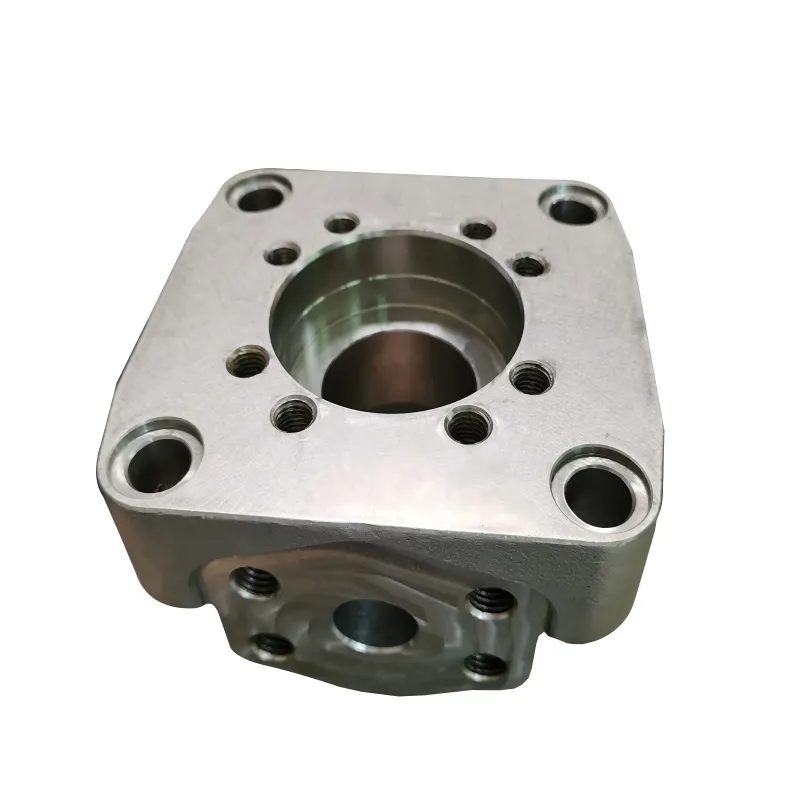
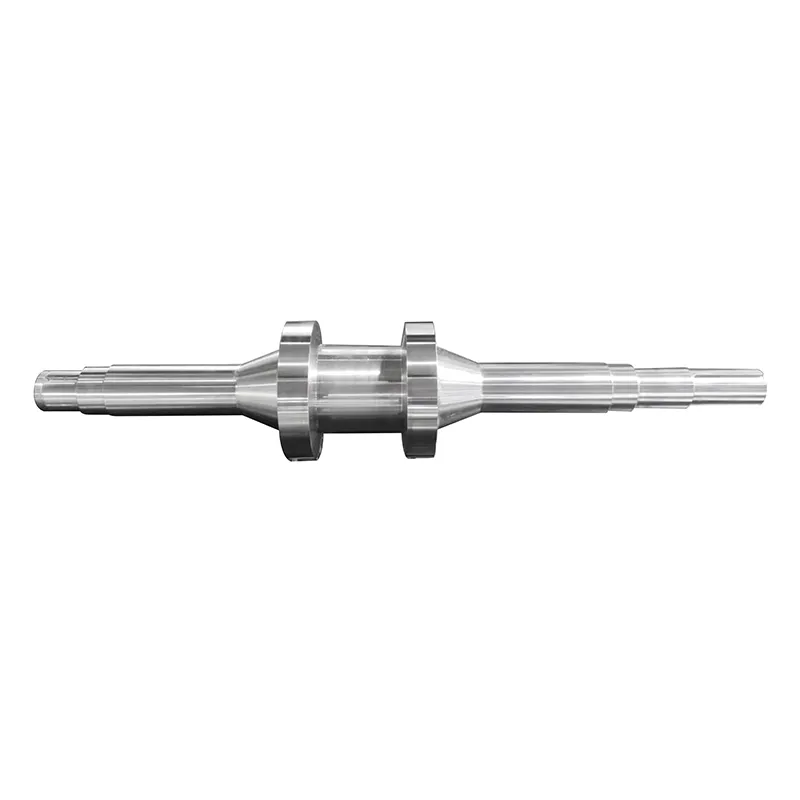
There's a persistent misconception that investment casting is a finish-ready process. It's not. Especially for machinery parts. The as-cast surface might be good, but a mating surface for a high-pressure seal? Never. That's where the synergy with CNC machining becomes non-negotiable. We're not just making a casting; we're making a near-net-shape preform for critical machining. I recall a project for a compact planetary gear carrier. The casting got the internal splines and weight-saving pockets spot on, but the flange face needed a 0.05mm flatness tolerance. The foundry that treated the machining as someone else's problem caused a nightmare of alignment issues. The shop that integrates machining planning into the initial casting design, which is the integrated approach you see at a operation like QSY (their site at tsingtaocnc.com explicitly links casting and machining), saves months of headache. It's a different mindset.
Where Shell Mold Makes Its Stand (And Where It Doesn't)
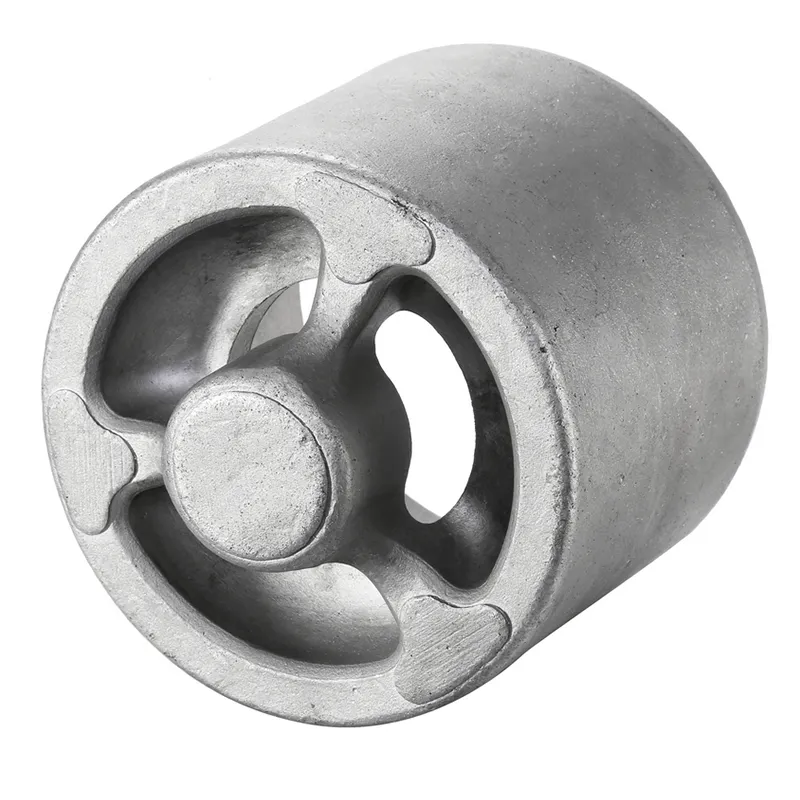
This leads to the eternal debate in the heavy machinery supply chain: shell mold casting vs. investment casting. It's not a simple hierarchy. For a large, relatively simple, thick-walled bracket, shell mold is king—faster, cheaper. But the moment you have internal cores, thin walls adjacent to thick sections, or need superior metallurgical grain structure, investment casting pulls ahead. The ceramic shell in investment casting allows for finer detail and better cooling control.
A concrete example: wear plates for a rock drill head. Shell mold could produce it, but the consistency of hardness and the sharpness of the hardfacing grooves were always a gamble. Switching to investment casting for these critical wear parts gave us predictable, uniform material properties. The per-part cost was higher, but the reduction in field failures and downtime for the end-user created a net saving. That's the calculation that matters. It's about total cost of ownership, not just piece price. This is where a supplier's experience is tested—can they guide you to the right process, even if it's not the one that initially seems cheapest?
The Devil in the Details: Gating, Shrinkage, and Reality
Textbook gating diagrams are useless. For a high-stress pivot point on an excavator, you don't just feed metal; you direct solidification to create a sound grain flow along the load paths. We learned this the hard way on a batch of suspension arms. Beautiful castings, passed X-ray. But in fatigue testing, they cracked at a specific point. The failure analysis pointed to a minor shrinkage porosity cluster right where the tensile stress peaked. The gating was technically correct for filling, but wrong for the part's mechanical life. We had to redesign the runner and riser system, adding cost and mass in non-critical areas to pull solidification through the critical zone. It worked.
This is the unglamorous core of the job. It's metallurgy, fluid dynamics, and stress analysis all converging in a ceramic shell. A supplier listing cast iron and stainless steel is a commodity shop. One that talks about tailoring the melt and mold preheat for a duplex stainless steel to prevent sigma phase formation for a corrosive environment mining part—that's a partner. The brief intro for QSY mentions their work across this spectrum, from common grades to exotics. That range suggests they've had to solve these problems, not just pour metal.
Failure as a Forcing Function
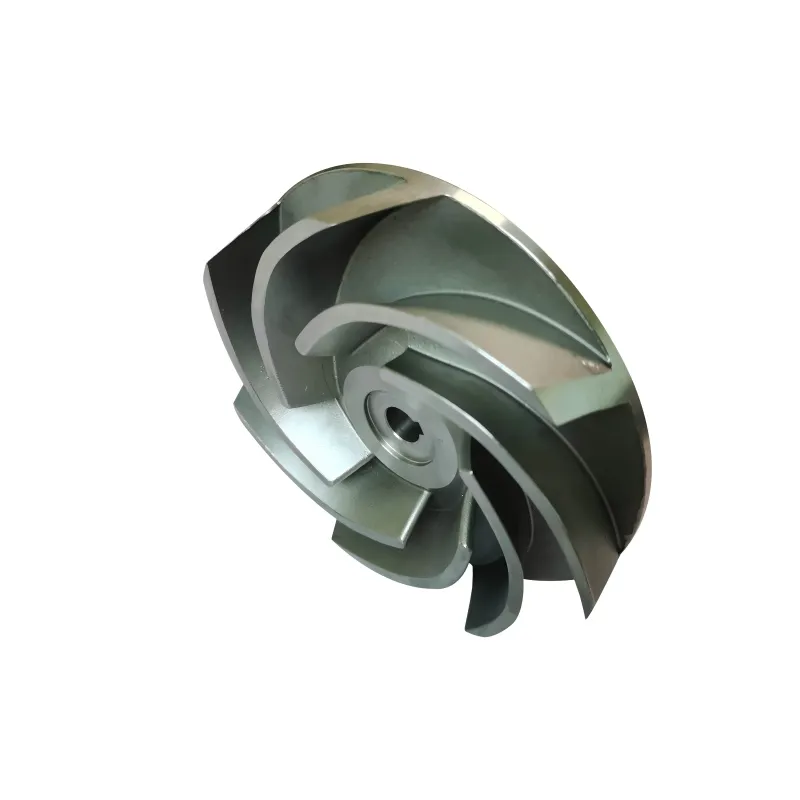
You haven't really learned investment casting for machinery until you've overseen a failure. My most instructive was a set of impellers for a heavy-duty dredge pump. Inconel 625, incredibly complex blades. They passed all NDT. Six months in the field, catastrophic brittle fracture. The culprit? Residual shell material. A fragment of the ceramic core, trapped in an internal cooling passage we thought was clear, created a hot spot and altered the local microstructure during operation. It became a nucleation point for cracks. The fix wasn't more inspection; it was a more aggressive and validated leaching process for the core removal. Now, when I evaluate a supplier, I ask about their core removal protocols for blind passages. The answer tells me more than any quality certificate.
Integration is the Only Way Forward
Looking at the landscape now, the future isn't in standalone casting houses. Engineering machinery OEMs are squeezing lead times and demanding full component responsibility. The successful model is vertical integration: pattern making, casting, heat treatment, and precision machining under one roof, or at least under tight coordination. This controls the variables. When the machinist finds a slight deviation in the casting, they can immediately feedback to the foundry engineer, and the next pour is adjusted. The separation of these functions adds weeks and layers of opacity.
This is why the model of a company like QSY makes sense. Their stated specialization in both shell mold casting and investment casting, coupled with CNC machining, isn't just a service list. It's a recognition that the part is the final product, not the casting. Their three decades likely mean they've evolved from a foundry into a solutions provider, because the market forced them to. You can't survive that long serving the engineering machinery sector by just making nice wax patterns. You survive by ensuring the part that bolts onto the machine doesn't come back.
So, when you're sourcing, look beyond the keyword. Look for the evidence of integrated problem-solving. Ask about a specific alloy's behavior in a similar application. Probe for a story about a failure and what was learned. The real expertise in investment casting for engineering machinery parts is buried in those gritty, practical details, far away from the shiny marketing promises. It's in the weight of a 30-year-old company that's still adapting, and in the quiet confidence that comes from having fixed what's broken.