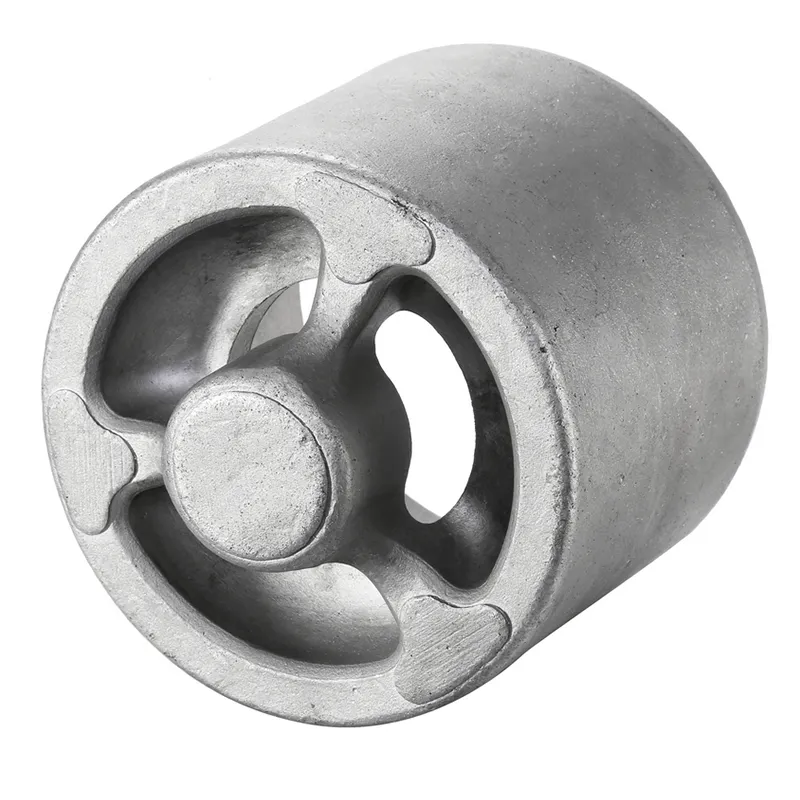
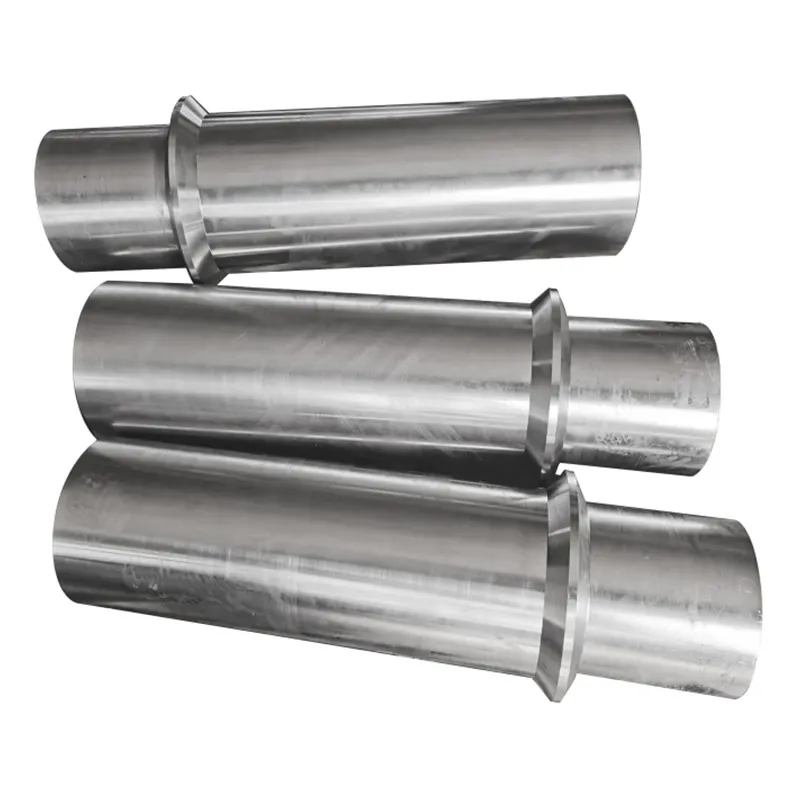
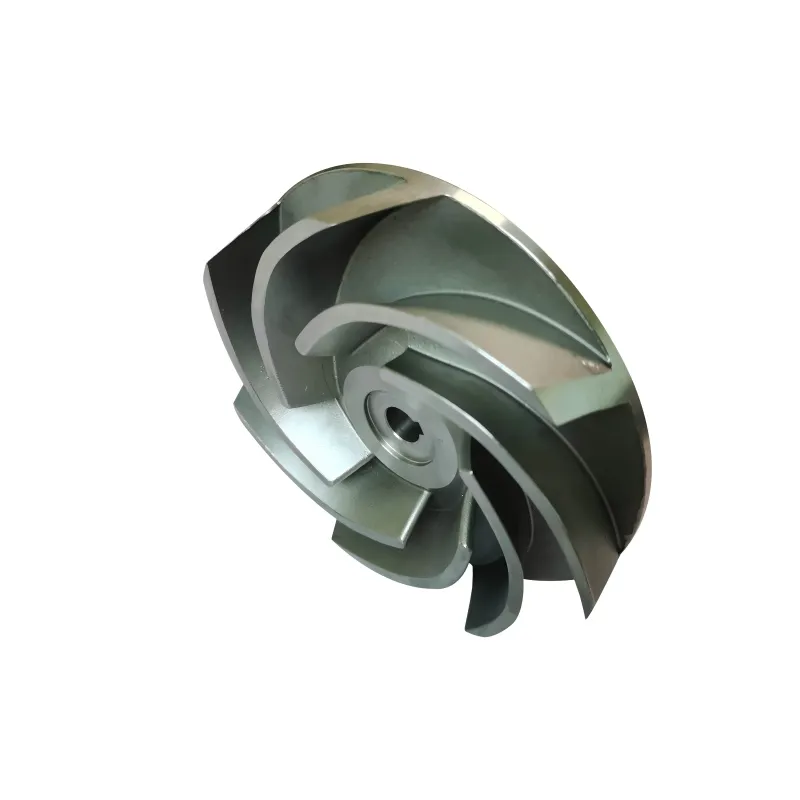
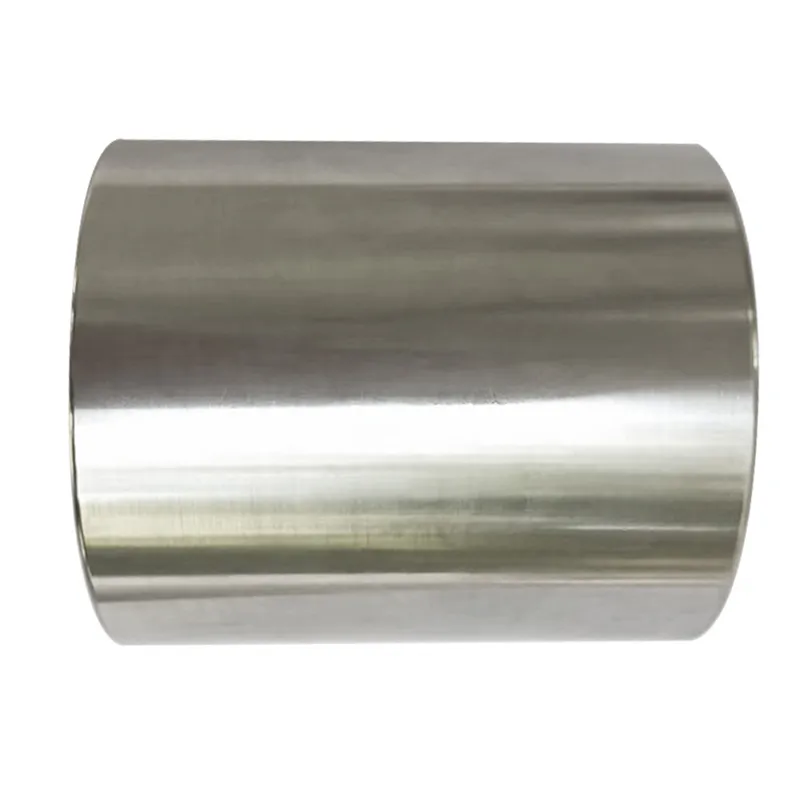
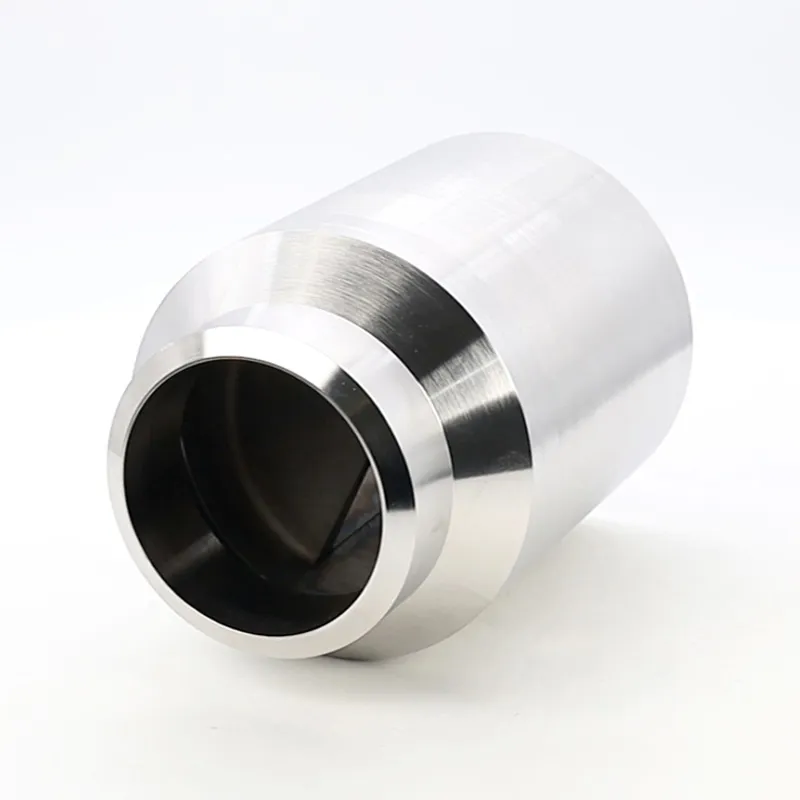
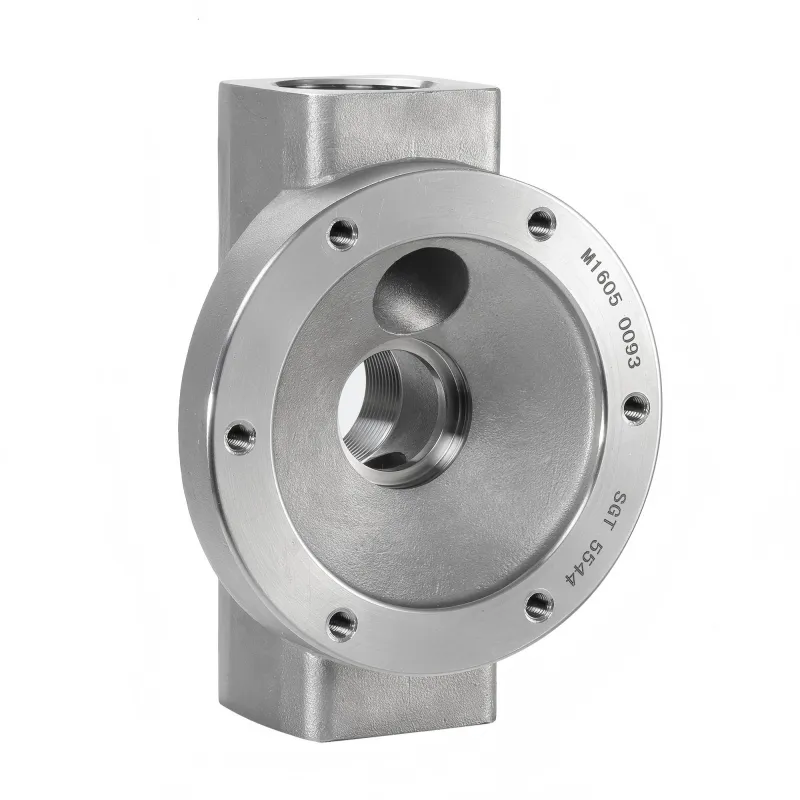
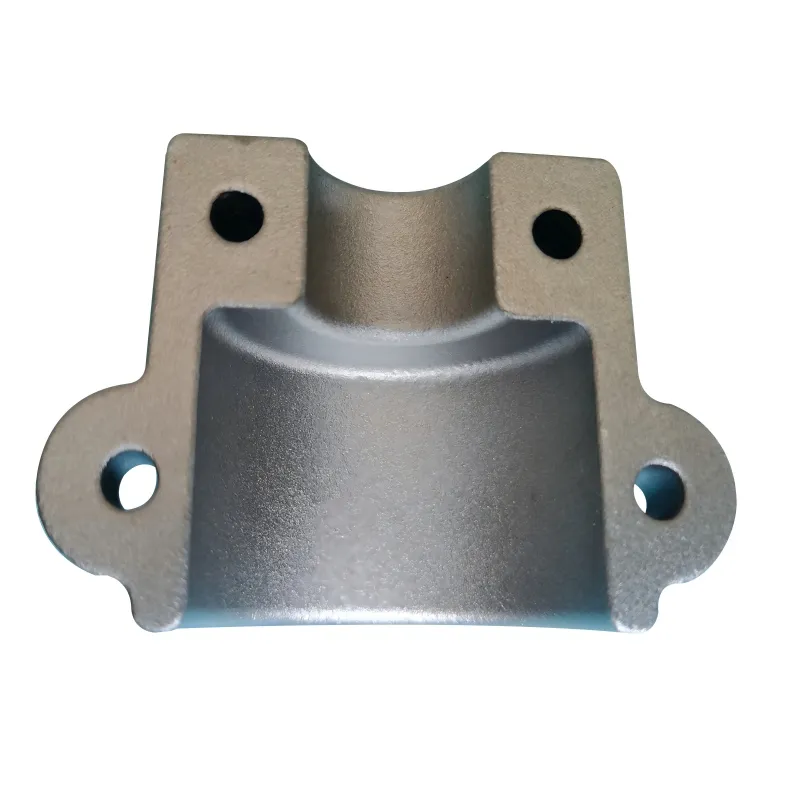
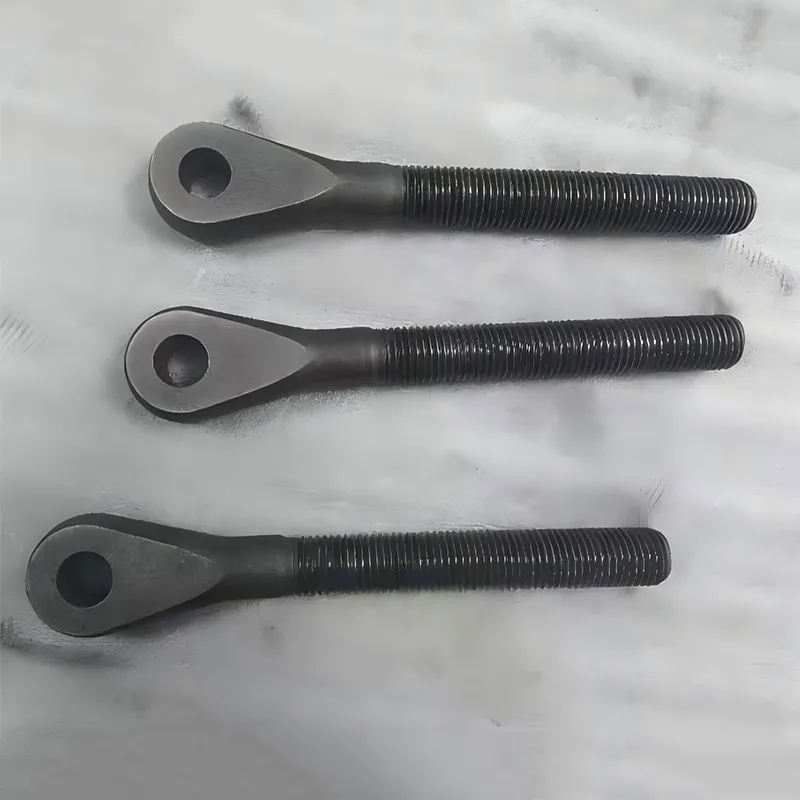
When most people hear 'investment casting foundry,' they picture a dusty workshop full of wax patterns and ceramic slurry. That's part of it, sure, but it's like describing a car by its paint job. The real story is in the tolerance control, the gating system design that nobody sees, and the metallurgical consistency from heat to heat. A lot of clients come in thinking it's all about achieving a 'net shape.' I'd argue it's more about achieving a predictable, reliable shape, batch after batch, where the real cost isn't in the unit price but in the scrap rate and the downstream machining time you save—or don't save.
The Shell Game: It's Not Just a Coating
The shell building process is where the foundation is laid, literally. It's often underestimated. We're not just dipping a wax tree in slurry and stucco. The viscosity of the primary coat, the zircon flour content, the drying environment's humidity and temperature—each variable shifts the final surface finish and dimensional stability. I've seen batches where the shell seemed perfect but then showed fine cracks after dewaxing. The culprit? A rushed drying cycle between coats. The shell needs to breathe and cure, not just dry. Rushing it saves a day but costs a week in rework.
This is where decades of operation, like at Qingdao Qiangsenyuan Technology Co., Ltd. (QSY), translate into instinct. You develop a feel for it. You know how a summer monsoon season in Qingdao will affect the slurry tanks and adjust the formulations preemptively. It's not in any manual; it's in the logbooks and the collective memory of the floor managers. Their long-term focus on shell mold casting and investment casting means they've built a library of parameters for different geometries and alloys.
For instance, with thin-walled components in stainless steel, the shell needs higher permeability to allow gases to escape during the pour, but also enough strength to resist metal static pressure. It's a balance. Getting it wrong means misruns or shell fractures. We once had a project for a turbine blade prototype where the trailing edge was too sharp. The standard shell formulation couldn't handle the thermal shock. We had to tweak the binder system in the primary coats, adding a different refractory to improve green strength and thermal shock resistance. It took three iterations to get a sound casting.
Metal Matters: More Than Just Melting
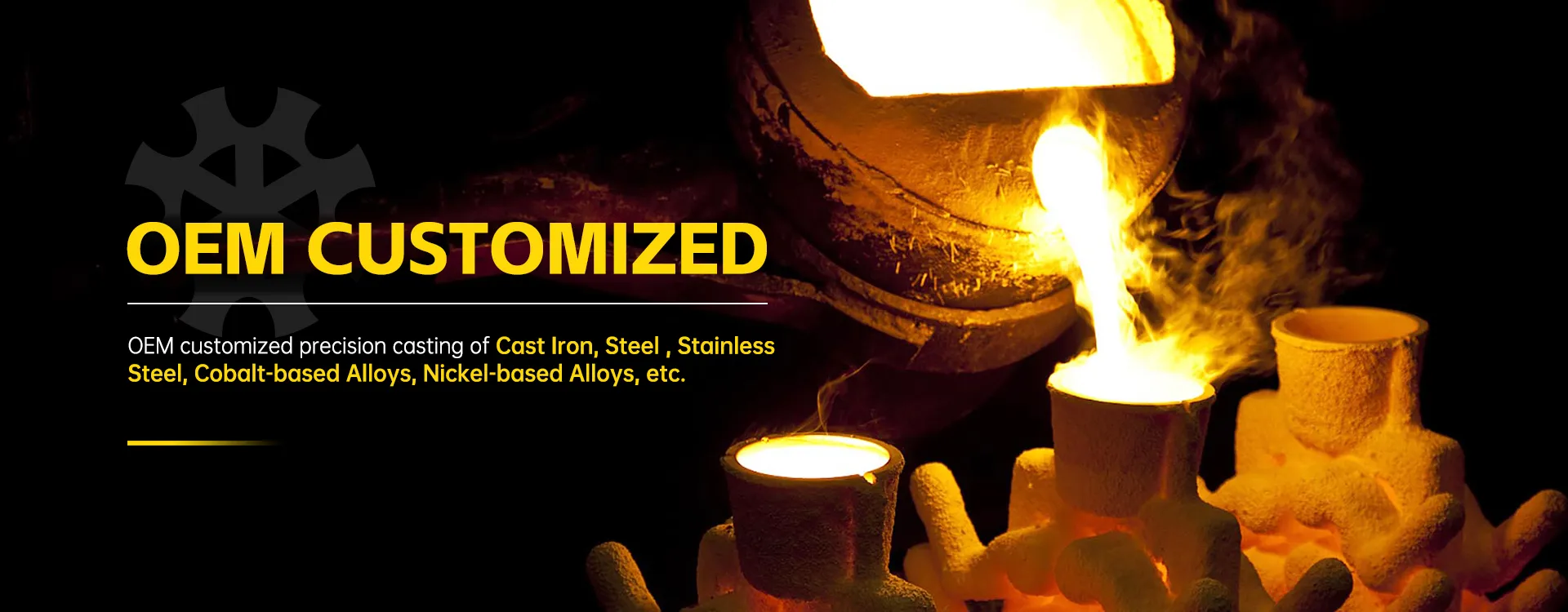
Speaking of alloys, the choice and handling of metal is another common oversimplification. 'You pour stainless steel, right?' Well, yes, but 304, 316, 17-4PH, or a custom duplex? Each behaves differently in the mold. The superalloys—the nickel-based and cobalt-based alloys QSY lists—are a whole different beast. Their melting characteristics, fluidity, and how they interact with the shell are critical.
The furnace atmosphere is key. For many high-performance alloys, you can't just melt in open air. We use vacuum or controlled atmosphere melting to prevent oxidation and pick-up of impurities. The difference in mechanical properties between a well-protected melt and a slightly oxidized one can be significant, especially for parts in aerospace or medical applications. It's a cost driver, but non-negotiable for spec work.
Pouring temperature is another judgment call. Too hot, and you risk erosion of the shell's inner face, leading to inclusion defects. Too cool, and the metal might not fill the thin sections. With cast iron, you have graphitization to consider. There's no universal 'perfect' temperature; it's a range that you narrow down based on the part geometry and the specific heat of the alloy you're using that day. You learn to read the metal's surface in the ladle.
The CNC Handshake: Where Casting Meets Precision
This is a crucial point many standalone investment casting foundries miss: the handoff to machining. If the casting isn't designed with machining in mind, you're just passing problems downstream. Dimensional consistency is paramount. A good foundry doesn't just deliver a casting; it delivers a casting that sits stably in a CNC vise, with predictable stock allowance.
That's why the integrated model at a place like QSY makes practical sense. They handle both the investment casting and the CNC machining. The feedback loop is tight. If the machinists are constantly fighting to find a datum point because the cast mounting lugs are inconsistent, that information goes straight back to the pattern shop and the process engineers. Maybe the wax injection parameters need tuning, or the fixture points on the wax tree need redesign.
We integrated a full 5-axis machining center for finishing turbine components. The first few batches revealed that our as-cast surfaces on some complex internal channels were too rough for the probe to get a clean reading. We had to go back and refine our shell's first coat slurry, using a finer-grade refractory to improve the 'as-cast' finish in those specific areas, just to give the CNC a fighting chance. It added a step to our process, but it slashed machining time and probe failures by about 30%.
Failure as a Data Point
You don't learn much from the perfect order. The failed jobs are the textbooks. I remember a large pump housing in duplex stainless steel. It passed all NDT, looked great. But during hydro-test at the client's site, it leaked at a flange. The cause? Micro-shrinkage porosity along a hot spot we hadn't adequately fed. Our simulation software had flagged it as low-risk, but we'd overlooked the alloy's specific solidification characteristics. We solved it not by just adding more metal (which increases cost and weight), but by redesigning the wax cluster orientation and using exothermic padding on the shell in that zone.
Another classic 'learning experience' is distortion. Long, slender castings can warp during cooling if not properly supported in the furnace. We once had a series of guide rails that came out with a slight bow. The solution wasn't in the pour; it was in how we loaded the fired shells into the cooling pit. We started using ceramic setters to support them along their length during the critical cooling phase. Simple, but it fixed the issue.
These aren't theoretical problems. They're the daily puzzles that a foundry with deep operational history, like the 30-year background QSY references, accumulates solutions for. It's a knowledge base that directly impacts reliability and lead time.
The Real Measure: Consistency Over Time
So, what defines a capable investment casting foundry? It's not the fanciest furnace or the newest 3D wax printer. It's the ability to run Job A-105 today and then run it again six months from now with identical results. It's about process control that survives staff turnover and material batch variations.
This requires disciplined systems: rigorous wax process control, maintained slurry properties, documented firing curves, and detailed melt logs. It's boring, meticulous work. But it's what allows a foundry to move beyond prototyping into production. You can see this focus on sustained capability in the way a company like QSY presents itself—highlighting long-term industry presence and a material range that speaks to accumulated experience rather than just a list of equipment.
Ultimately, the value is in being a predictable partner. The engineer designing a component needs to know that the tensile strength on the drawing will be there in the part. The procurement manager needs to know the price and delivery from the fifth order will match the first. That trust is built not in the boardroom, but on the foundry floor, through controlled processes and learned judgment on everything from shell thickness to pouring speed. That's the core of the craft, far removed from the simple image of wax and fire.