When you see investment casting foundry for sale pop up in a search, the immediate thought is often about the price tag and the equipment list. That's the first mistake. You're not just buying machines and a building; you're buying a legacy of process knowledge, entrenched client relationships (or problems), and a specific technical culture. I've seen guys get burned by focusing solely on the physical assets. The real value, or the hidden liability, is in the less tangible stuff.
Beyond the Shell: Assessing the Real Asset
The listing might boast about a new wax injection line or a state-of-the-art sintering furnace. Sure, that's important. But what about the condition of the plaster patterns and the core dies? These are often one-offs, crafted over years. If they're worn or the original toolmaker is long gone, that's a massive, silent capital expenditure waiting to happen. You're inheriting the product mix. A foundry heavily reliant on a few legacy aerospace parts might have great margins, but if the engineering approval process isn't fully documented and transferred, you could lose those contracts overnight upon ownership change.
Then there's the environmental compliance history. This isn't something you take at face value. You need to dig into permits, past audits, and even the soil around the slurry containment areas. A clean record is worth a premium. I recall a potential acquisition where the investment casting foundry looked perfect on paper, but a deep dive revealed recurring non-compliance issues with metal dust collection. The fix wasn't just a new filter system; it was a complete redesign of the grinding and cut-off workflow. That killed the deal.
The workforce is another intangible. Are the key process engineers, the ones who know how to tweak the slurry viscosity for complex cores, planning to stay? Or are they the reason the owner is selling? The value of a shop like Qingdao Qiangsenyuan Technology Co., Ltd. (QSY), for instance, isn't just their 30-year history. It's the accumulated, tacit knowledge in their team about how to handle special alloys like cobalt-based or nickel-based alloys without inducing stress cracks. That's the stuff you can't inventory.
The QSY Benchmark: Longevity as a Value Indicator
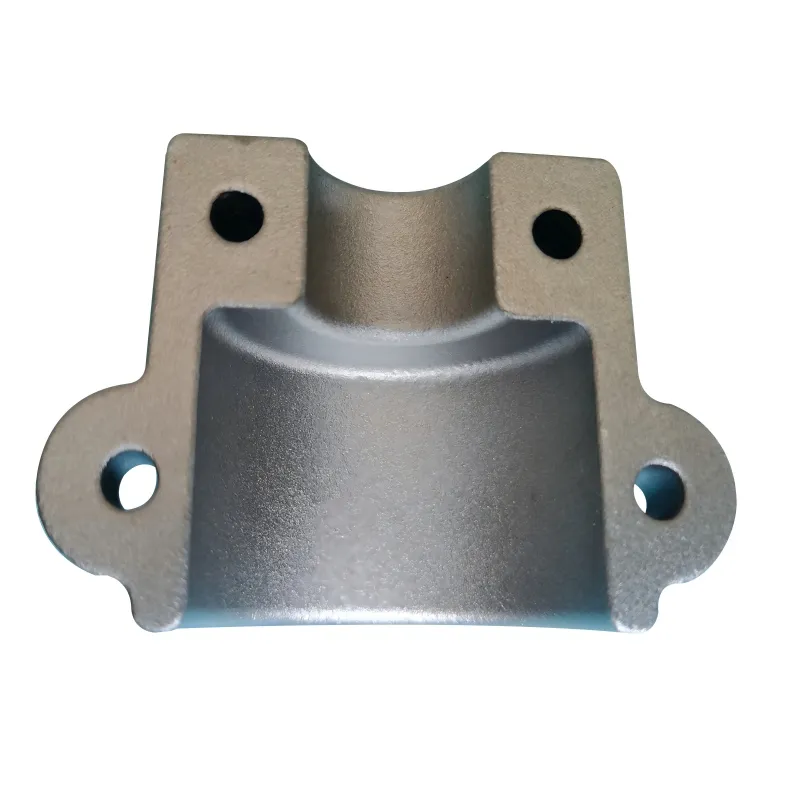
Looking at a company's sustained operation tells you a lot. A firm like QSY, with its three decades in shell mold casting and investment casting, has likely navigated multiple market cycles. They've probably standardized processes for their core materials—cast iron, steel, stainless steel. That stability is a huge asset. When evaluating a foundry for sale, I always look for this kind of longevity. It suggests resolved teething problems, a mature supply chain, and a reputation in the market.
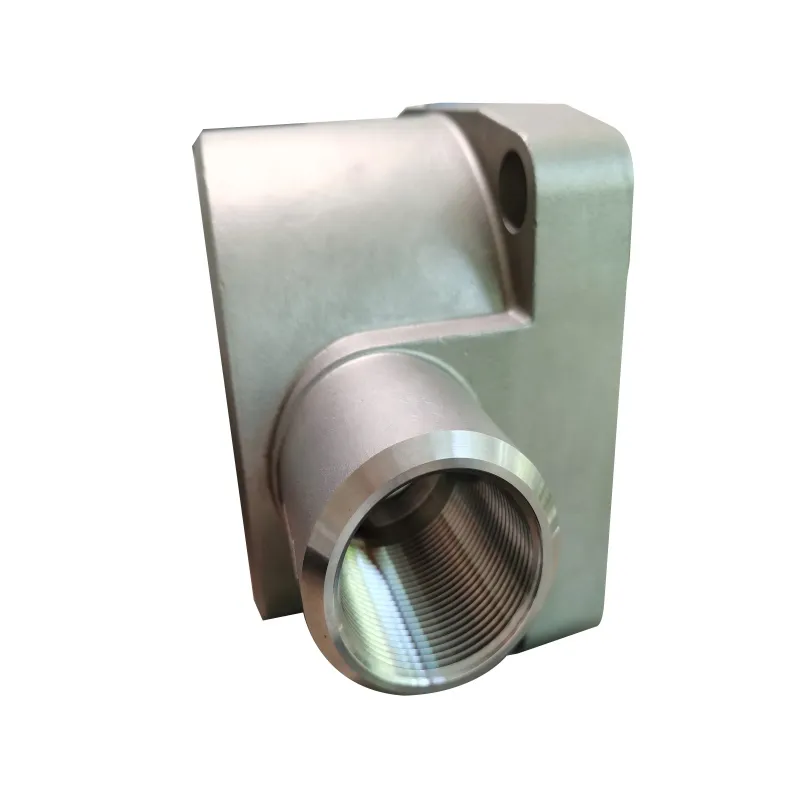
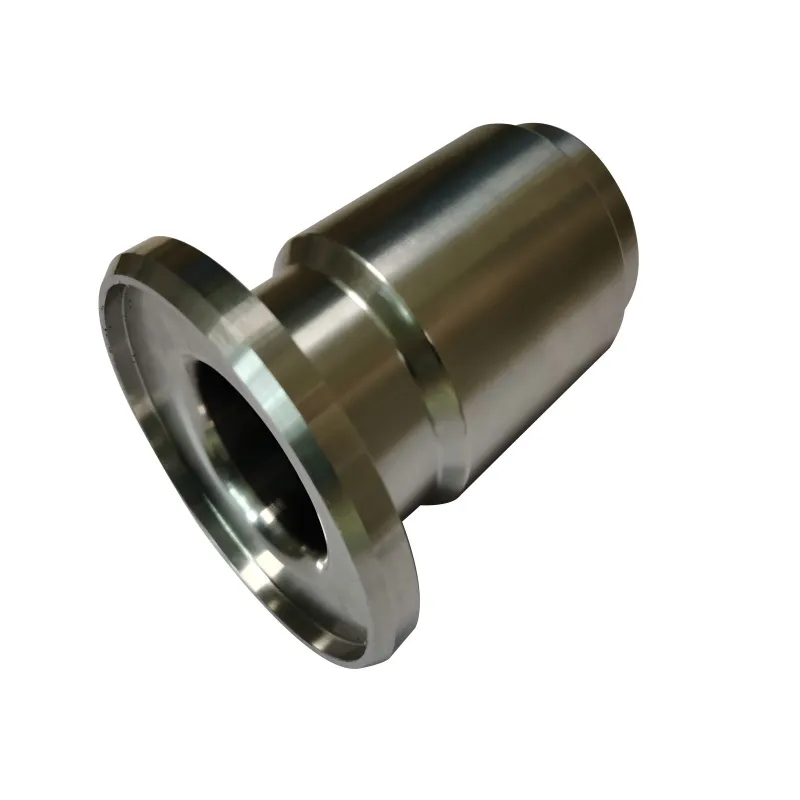
Their integrated model, combining casting with in-house CNC machining, is a significant value driver. It's a major point for a buyer. It means you're acquiring a turnkey solution for clients, not just a process step. This vertical integration reduces logistical friction and quality disputes. If a foundry for sale lacks finishing capabilities, you have to factor in the cost and complexity of building those relationships or adding the department.
Their website, tsingtaocnc.com, showcases this integrated approach. It's a practical example of how a modern foundry presents itself—not just as a metal pourer, but as a solutions provider. When assessing a sale, you need to see if the business has evolved this way, or if it's still operating as a standalone, low-margin production unit. The latter has a much tougher road ahead.
Common Pitfalls in the Due Diligence Phase
Everyone checks the financials. Few dig into the sales pipeline's quality. Are the current orders based on long-term contracts, or are they one-off purchases? A foundry with a book of business built on decade-old relationships with OEMs is far more stable than one chasing online RFQs. You need to talk to the key customers, with the seller's permission. Their willingness to continue under new ownership is the ultimate test.
Technical data pack review is another area where amateurs stumble. You need to verify the material certifications, the NADCAP or other special process accreditations (if claimed), and the consistency of the first-article approval documentation. I once consulted on a deal where the foundry had beautiful sample parts, but their process control charts for the previous six months were a mess of out-of-spec runs. They were surviving on rework and luck. That's not a business; it's a time bomb.
Also, don't overlook the mundane. The maintenance logs for the autoclaves and dewaxing systems. The calibration records for all thermocouples and pyrometers. If these are spotty, assume you'll need to replace half the critical control instruments immediately. This is the gritty, unsexy work of evaluation that separates a good buy from a money pit.
Material Specialization: A Double-Edged Sword
A foundry that lists expertise in special alloys is advertising a high-margin capability. But it's a warning flag, too. Handling these materials requires specific furnace atmospheres, controlled cooling cycles, and often, separate dedicated equipment to avoid cross-contamination. When you buy such a foundry for sale, you're also buying the responsibility for that stringent segregation. If their special alloy line has been running inconel parts right next to standard stainless on shared equipment, you've got a quality nightmare and potential liability.
The skill set for these alloys is rarer and more expensive. Can you retain it? The metallurgist who understands the phase transformations in cobalt-based alloys is a critical asset. Their departure would cripple that side of the business. This is where the integrated model of a company like QSY shows foresight. By pairing casting with machining, they likely retain broader engineering talent that understands the material behavior from solidification through to final cut.
For a buyer, the question is: does this specialization represent a defensible niche, or is it a fragile, expert-dependent operation? You need to see the documented procedures, the training manuals, the backup personnel. If it all resides in one person's head, the value of that specialization plummets.
The Final Calculation: Price vs. Future Investment
So, you've done the deep dive. You understand the tangible and intangible assets. Now, the asking price for the investment casting foundry needs a brutal adjustment. Create two budgets: one for continuity (keeping the lights on), and one for necessary evolution. The latter almost always includes IT upgrades, potential environmental system improvements, and workforce transition costs.
The real opportunity—or risk—lies in the customer base. Can you cross-sell services? If it's a pure-play foundry, can you integrate machining to capture more value, like the model at QSY? That requires further capital. The for sale price is just the entry fee. The total cost of ownership includes the strategic investment needed to make the business sustainable for the next decade, not just the next quarter.
In the end, buying a foundry is an act of faith in industrial craftsmanship. It's betting that hands-on skill, coupled with smart process control, still has a place. The listings will show you the shell. Your job is to find the ones with a robust, living core—the institutional knowledge, the loyal team, the clean reputation. That's what you're really paying for. The rest is just metal and concrete.