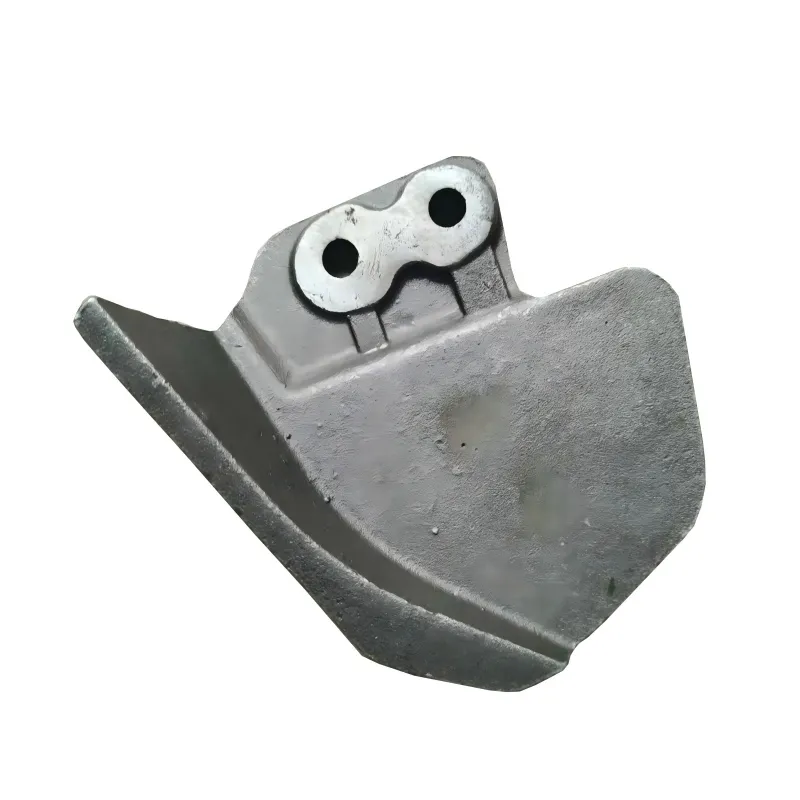
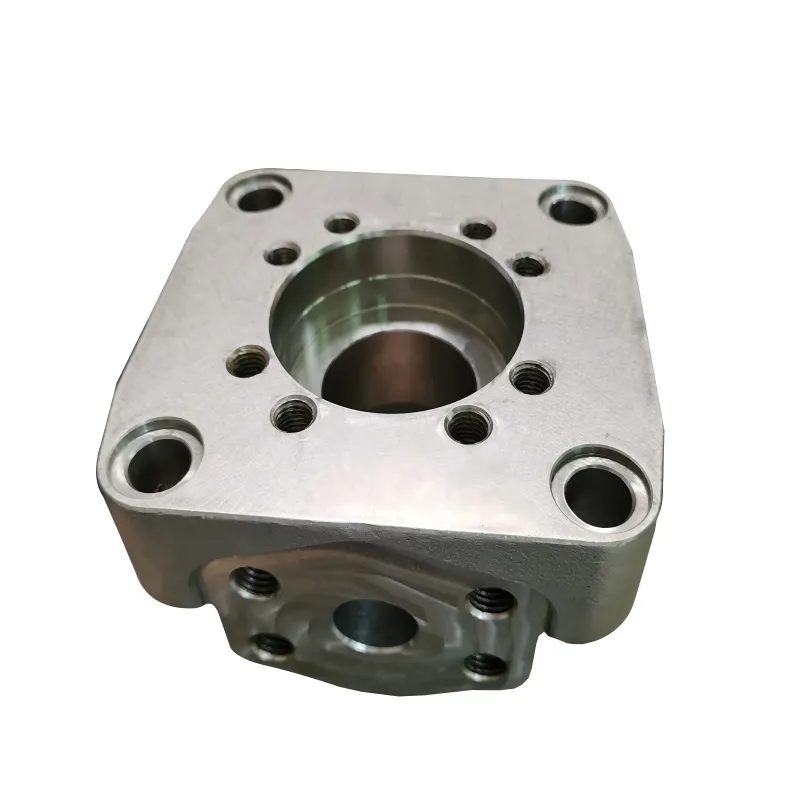
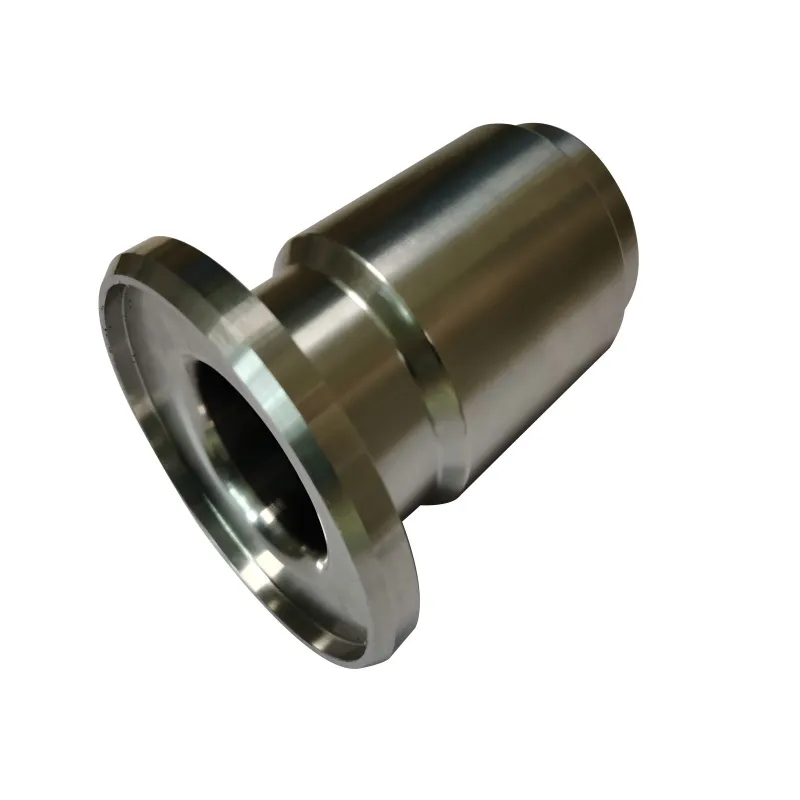
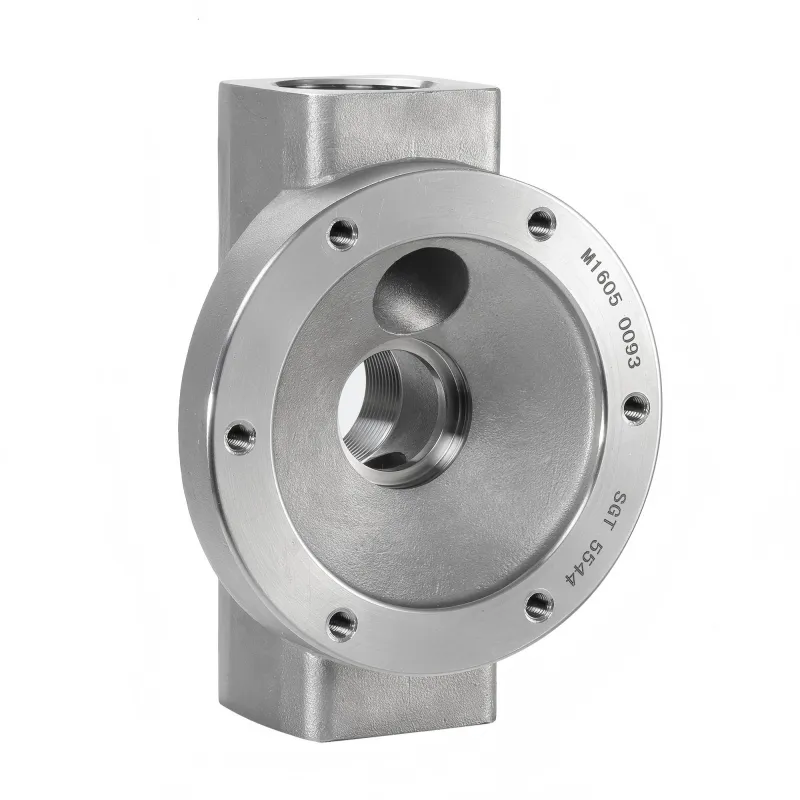
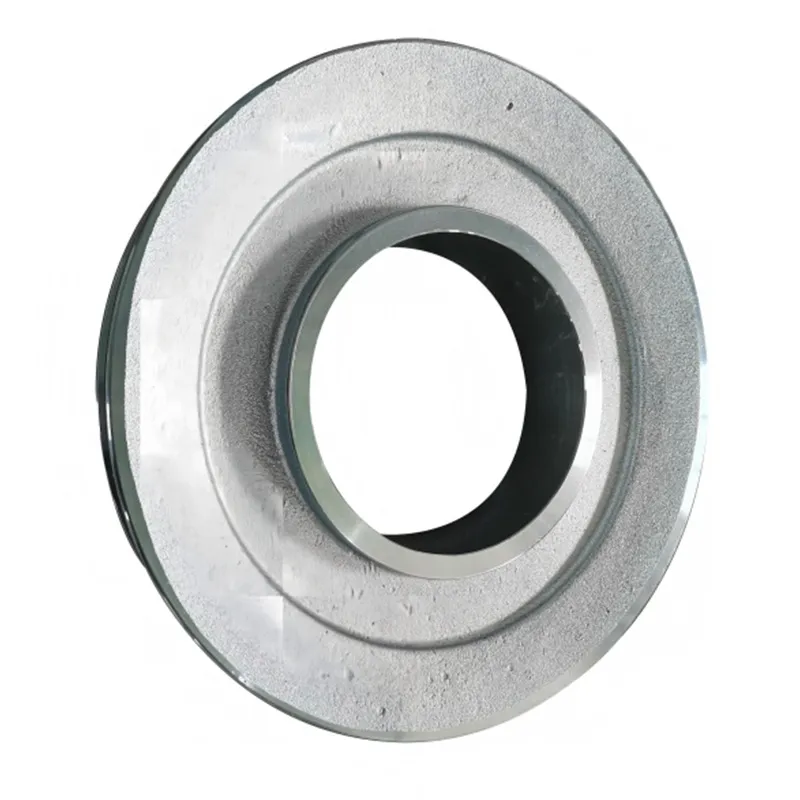
You look up 'investment casting inconel 718' and you get a flood of data: 1400°F tensile strength, excellent creep rupture, oxidation resistance up to 1300°C. What you don't get is the feel of the shell cracking on dewax, or that sinking moment when the NDT report shows faint indications in a critical section. The spec sheet makes it sound like a solved problem. It's not. It's a negotiation with physics, and the metal often has the final say.
The Alloy Isn't the Problem. The Process Is.
Everyone fixates on Inconel 718 itself—the composition, the certifications. But in investment casting, the alloy is just the raw material. The real challenge is the journey from wax to finished casting. 718 has a nasty habit of forming Laves phase, those brittle intermetallic compounds, if the solidification isn't tightly controlled. You can't just pour it like 304 stainless. The thermal characteristics are different. The shrinkage is different. The way it reacts with the ceramic shell is different.
I remember a batch for a turbine shroud segment. The geometry was thin-walled but complex. We got the chemistry perfect, but the castings failed stress rupture testing. The problem? We’d used a standard shell system—a common fused silica face coat. 718, at those pouring temperatures, was reacting with it just enough to cause surface grain boundary degradation. It wasn't a massive defect, but under magnification, you could see the embrittlement. The spec sheet for the shell didn't mention that interaction. You learn that the hard way.
That's where the 30 years of a shop like Qingdao Qiangsenyuan Technology Co., Ltd.(QSY) comes into play. It's not just about having the furnace; it's about the institutional memory for which shell recipes work with which nickel-based alloys. Their website, tsingtaocnc.com, lists their work with special alloys, but the real knowledge is in their process sheets—the tweaks to preheat temperatures and pouring speeds that make the difference between a sound casting and scrap.
Wax, Shell, and the Dance of Thermal Expansion
Let's talk about the shell. For 718, you often move away from the standard silica-based systems. We shifted to a zircon-based face coat and an alumina-silicate backup. Why? Coefficient of thermal expansion. You need the shell to withstand the thermal shock of the ~1500°C metal but also to be weak enough to be removed later without resorting to violent mechanical means that could work-harden the casting surface. It's a balancing act.
The dewaxing step is critical. With steel, autoclave dewaxing is straightforward. With a high-performance alloy like 718, where the wax pattern might be larger or have thicker sections, you risk shell cracking from the rapid steam pressure if the cycle isn't tuned. We once lost an entire mold tree because the autoclave cycle was too aggressive. The shell looked fine, but hairline cracks let metal penetrate, creating massive fins and ruining dimensional accuracy. Now, we often use a slower, flash dewax method for critical 718 jobs, even though it adds time.
Shell baking, or preheating, is another judgment call. Pour into a shell that's too cold, and you risk mistuns. Too hot, and you can exaggerate the metal-shell reaction and increase grain size. For a complex Inconel 718 casting, we typically aim for a shell preheat around 1000°C, but that's after a long, slow ramp-up to drive off all volatiles without shocking the ceramic. It's not a number you find in a textbook; it's one you arrive at after a few failed pours.
Gating, Feeding, and the Quest for Soundness
Feeding investment casting inconel 718 is an art form. Its freezing range isn't as wide as some superalloys, but it still needs generous, hot risers. The gating system must be designed to minimize turbulence—turbulence leads to oxide inclusions, which are fatal in aerospace components. We use computer simulation now, but the early simulations were often too optimistic. They'd show perfect filling and feeding. The real casting would have shrinkage porosity in a thick flange.
The lesson? Simulation is a guide, not a prophet. You still need to over-engineer the feeders for 718. We often use exothermic feeder sleeves specifically formulated for nickel alloys to keep the riser hot longer. Even then, you sometimes have to add small chills in strategic places to force directional solidification toward the riser. It's a tactile process of review and iteration. A partner like QSY, with their deep background in shell mold casting and investment casting, typically has a library of proven gating designs for different alloy families, which is a huge head start.
Post-casting, the gates and risers are a beast to remove. 718 work-hardens incredibly fast. If you try to saw or grind it like carbon steel, you'll burn up blades and possibly induce stress cracks. Abrasive waterjet cutting or specialized band saws with the right feed and speed are essential. It's a cost and time factor many forget to account for in their initial quote.
Heat Treatment: Where the Properties Are Made (or Broken)
This is the most common point of failure in the supply chain. You get a beautiful, sound investment casting. Then you ruin it in the heat treat furnace. For wrought 718, the treatment is standard: solution treat and age. For cast 718, it's different. You're dealing with as-cast microstructure, segregation, and those potential Laves phases.
The standard practice is a homogenization treatment first—holding at around 1100°C for hours to dissolve the Laves and even out the composition. Skip this, or do it wrong, and the subsequent aging won't produce the required gamma double prime precipitates uniformly. The result? Inconsistent mechanical properties. I've seen castings pass UT but fail batch tensile tests because the heat treatment cycle was based on a forged material spec.
Atmosphere control is non-negotiable. Vacuum or argon. Any oxygen present during the high-temperature homogenization will cause severe surface oxidation and depletion of critical alloying elements like chromium. You're not just scaling the surface; you're altering the metallurgy of the skin. We learned this after a batch came out of a supposedly inert atmosphere furnace with a dull gray crust. Machining revealed pitting. The furnace seal had been compromised. Now, we run witness coupons with every load to verify the atmosphere was clean.
Machining and the Final Hurdle
This is where QSY's integrated model of investment casting and CNC machining shows its value. Machining cast 718 is a different animal than machining its wrought counterpart. The hardness can be inconsistent, and hidden micro-shrinkage or inclusions can shatter a $200 end mill in an instant.
The key is stable, rigid setups and conservative cuts. You're not going for high-speed machining here. It's about slow and steady, with copious coolant to manage heat and prevent work hardening of the surface. Tool geometry is critical—positive rake, sharp edges. Dull tools just smear the material and generate excessive heat.
Most importantly, the machining sequence must be planned with the casting's residual stress in mind. You might need to rough, then stress relieve, then finish machine. If you try to take it all off in one go, the part can warp dramatically after it's unclamped, rendering it useless. It's a final, careful negotiation to reveal a dimensionally perfect part from that rough, scaled casting.
So, What's the Real Cost?
When you evaluate a supplier for investment casting inconel 718, you're not just buying pounds of metal. You're buying their process control history, their metallurgical understanding, and their problem-solving institutional memory. The cheap quote often comes from the shop that treats it like stainless steel. They'll deliver a part that looks right but fails in testing or in the field.
The value of an established operator is in avoiding those catastrophic, program-delaying failures. It's in knowing that a certain gate design works for that specific bracket geometry, or that a specific lot of ceramic powder needs a tweak in the slurry viscosity for 718. This isn't commodity manufacturing. It's more like bespoke metallurgy. The real cost is the assurance that the part will perform under the conditions the spec sheet so confidently describes. And that assurance is built on a foundation of past mistakes, learned lessons, and hard-won, shop-floor wisdom.