When people talk about the investment casting market, they often jump straight to the big numbers—global forecasts, CAGR percentages, the aerospace and medical sectors driving growth. That's all relevant, sure, but it misses the texture. The real story isn't just in the reports; it's in the daily grind of making a good shell, controlling the dewax, and hitting the right surface finish on a turbine blade without blowing the budget. There's a common misconception that it's a mature, slow-moving industry. From where I stand, it's anything but. The pressure to adapt—new alloys, tighter tolerances, shorter runs for prototyping—is constant. It's less about casting in bulk and more about casting smart.
The Core Process: Where Theory Meets the Crucible
Everyone knows the basic steps: wax pattern, shell building, dewax, pour, knock-out. The market demand, however, is forcing evolution at each stage. Take shell making. The shift towards more sustainable, zircon-based face coats isn't just a material swap; it's a complete recalibration of drying times and furnace schedules. We learned this the hard way a few years back on a run of valve bodies. The new slurry recipe, on paper superior for dimensional stability, caused inconsistent shell thickness because our humidity control wasn't up to spec. A batch of castings came out with hot tears. That's a $20k lesson in why the market trend towards advanced ceramics has to be vetted on your own shop floor first.
Then there's the wax itself. With the rise of complex, thin-walled components in sectors like drones and surgical tools, the injectability and thermal expansion of the pattern material are critical. It's not a commodity purchase anymore. You're often co-developing the wax blend with the supplier to match the specific geometry. I recall a project for a lightweight aerospace bracket where we went through seven wax modifications before the pattern would release from the die without distortion. The client's tolerance was +/- 0.1mm on a 200mm span. The market doesn't just ask for precision; it demands you build that precision into the very first step.
This is where a firm's depth shows. A company like Qingdao Qiangsenyuan Technology Co., Ltd. (QSY), with their three decades in the game, embodies this practical know-how. Visiting a facility like theirs (you can see their capability spectrum at https://www.tsingtaocnc.com) makes it clear. It's not just about having investment casting lines; it's about the integrated approach. Their long-term operation means they've likely seen and solved the myriad of small failures—the shell cracks, the metal turbulence, the residual stress—that separate a quote from a profitable, repeatable order.
Materials: The Alloy Equation
The investment casting market's sophistication is arguably most evident in material usage. It's moving beyond 316 stainless and carbon steel. Now, it's about tailoring the alloy to an insane degree. A pump impeller for corrosive service might need a super duplex stainless; a guide vane for a turbine could require a directionally solidified nickel superalloy. Each material throws a different set of problems at you.
Nickel-based alloys, for instance, are a beast. Their high melting point and tendency to form stable oxides mean your pouring temperature and gating design have to be spot-on. Any turbulence, and you get inclusions. Any slight deviation in the mold preheat, and you get mistruns. We once poured a batch of Inconel 718 parts where the thermocouple in the furnace was giving a drifting reading. The metal was actually about 30°C cooler than we thought. The result? Premature freezing in the runners, incomplete fill. The entire heat was scrap. The cost of the metal alone was a painful write-off.
This is why a foundry's material portfolio is a direct indicator of its market capability. When you look at a company profile like QSY's, which lists special alloys like cobalt-based and nickel-based alongside standard materials, it signals a foundry equipped for the high-value end of the investment casting market. It implies they have the metallurgical expertise, the controlled atmosphere furnaces, and the post-casting heat treatment know-how to handle it. It's not a list on a website; it's a statement of solved problems.
The CNC Handshake: Casting is Only Half the Battle
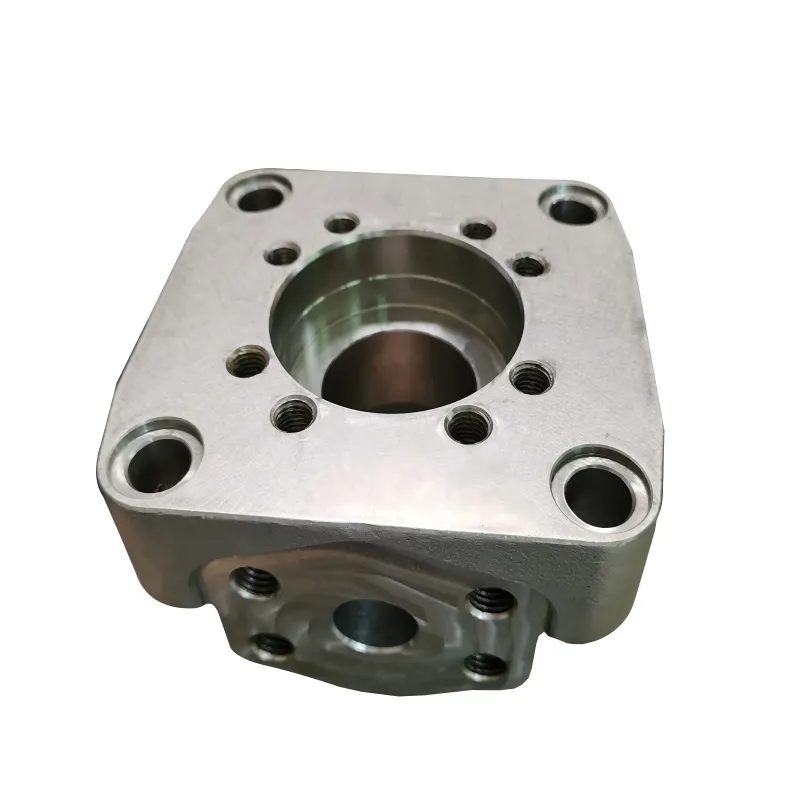
This is a crucial point often glossed over in broad market analyses. Very few investment castings are net-shape ready to ship. Almost all require machining. The interface between the casting and CNC departments is where profitability is made or lost. A casting might be sound, but if the datum features are off, or the stock allowance is uneven, the machinist spends hours compensating, killing your margin.
True integration is key. The best practice is to have the CNC programming team involved during the tooling design phase. They can advise on adding machining pads, suggesting slight shifts in parting lines to improve clamping, or specifying areas that need tighter as-cast control. I've seen projects where the casting was beautiful, but because a critical bore was in a difficult-to-fixture location, the machining cost tripled the part price. The client walked.
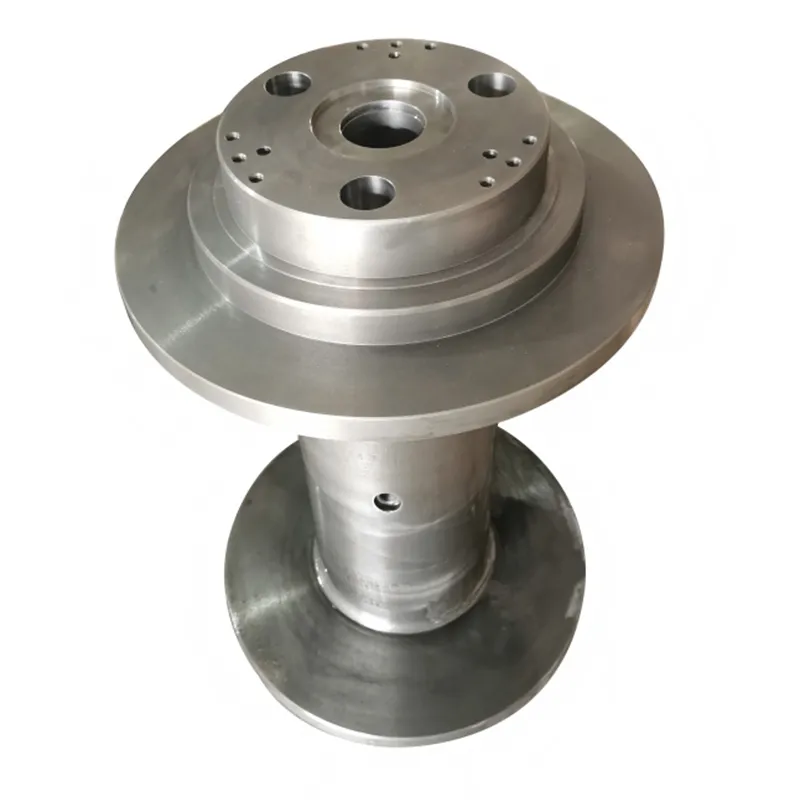
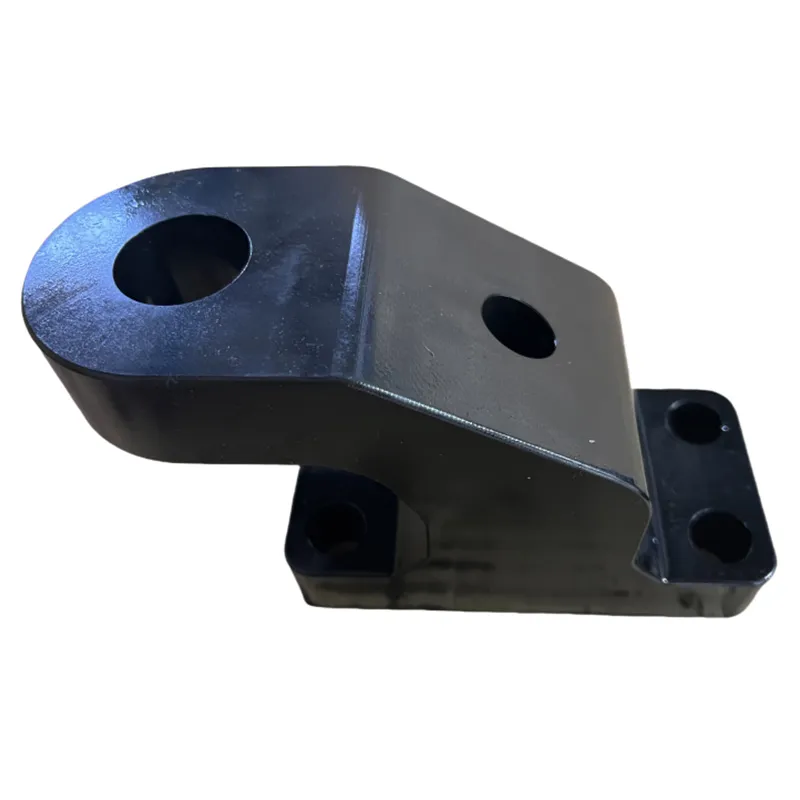
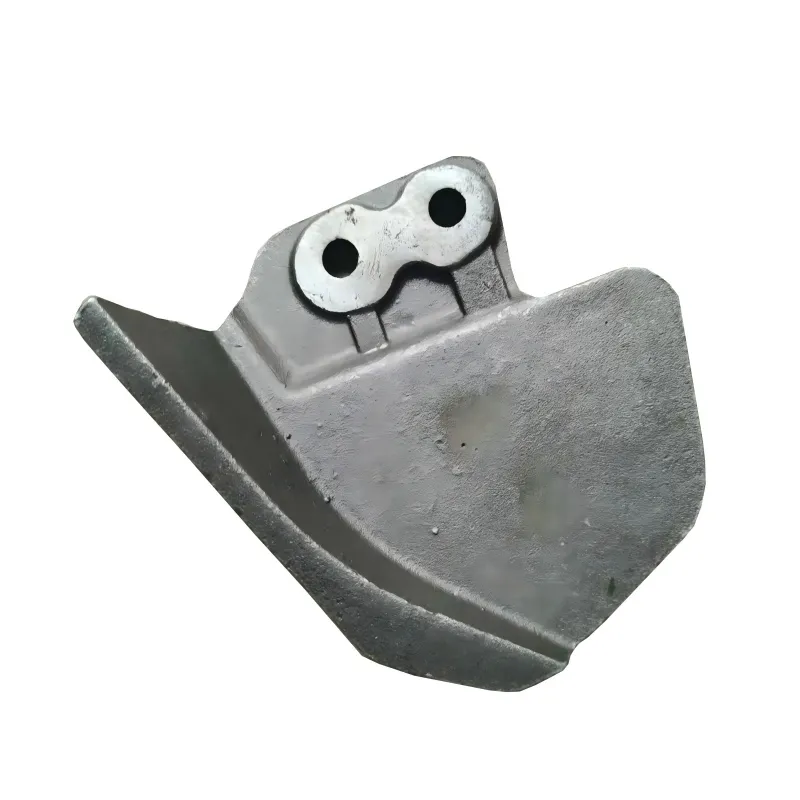
This is the advantage of a vertically integrated provider. From their site, you can see QSY lists both shell mold casting, investment casting, and CNC machining as core services. This isn't a coincidence. It's a strategic recognition that the modern market doesn't buy a casting; it buys a finished component. Having machining in-house means they can optimize the entire process flow, control quality at every step, and ultimately offer a more reliable and often more cost-effective total solution. It reduces the finger-pointing between supplier and machine shop when something goes wrong.
Market Niches vs. General Capacity
The investment casting market is fragmenting. There's the high-volume, automotive side (think turbocharger housings) which is all about automation and razor-thin margins. Then there's the low-volume, high-complexity side (aerospace, defense, medical implants), which is about capability and certification. Trying to be all things to all people is a trap for mid-sized foundries.
The smarter play is to develop deep expertise in a couple of verticals. For example, specializing in corrosion-resistant alloys for the chemical processing industry, or in high-integrity castings for power generation. This allows you to build a reputation, streamline your processes for those specific material and quality requirements, and develop long-term client relationships. It's less about chasing every RFP and more about becoming the go-to expert for a particular problem.
Building that reputation takes time and consistent delivery. A 30-year history, as noted in the background of a firm like QSY, suggests a stability and accumulated process knowledge that is invaluable. It means they've navigated market cycles, adapted to new quality standards (like the pervasive reach of NADCAP in aerospace), and have probably built a ledger of what works and what doesn't that you simply can't get from a new operation. In this market, longevity is often a proxy for reliability.
Looking Ahead: The Squeeze and The Opportunity
The pressure points are obvious: rising energy costs, environmental regulations on binders and waste, and the global competition, especially on simpler geometries. The automation of processes like robotic shell dipping and 3D scanning for inspection is no longer a luxury; it's a necessity for consistency and competitiveness.
But the opportunity lies in complexity and integration. As product designers push for lighter, stronger, more thermally efficient parts, they are forced to turn to investment casting for geometries impossible with machining or fabrication. The market growth is in those complex, value-added components. The foundries that will thrive are those that can be partners in design for manufacturability, offer material science guidance, and deliver a finished, machined part.
It's a hands-on, problem-solving business. Success in the investment casting market comes down to the daily focus on the details—the viscosity of the slurry, the calibration of the furnace, the communication between the mold designer and the CNC programmer. It's not glamorous, but it's real. And for those who get it right, who can reliably translate a difficult print into a sound, precise casting, the market—the real, gritty, demanding market—has plenty of work to offer.