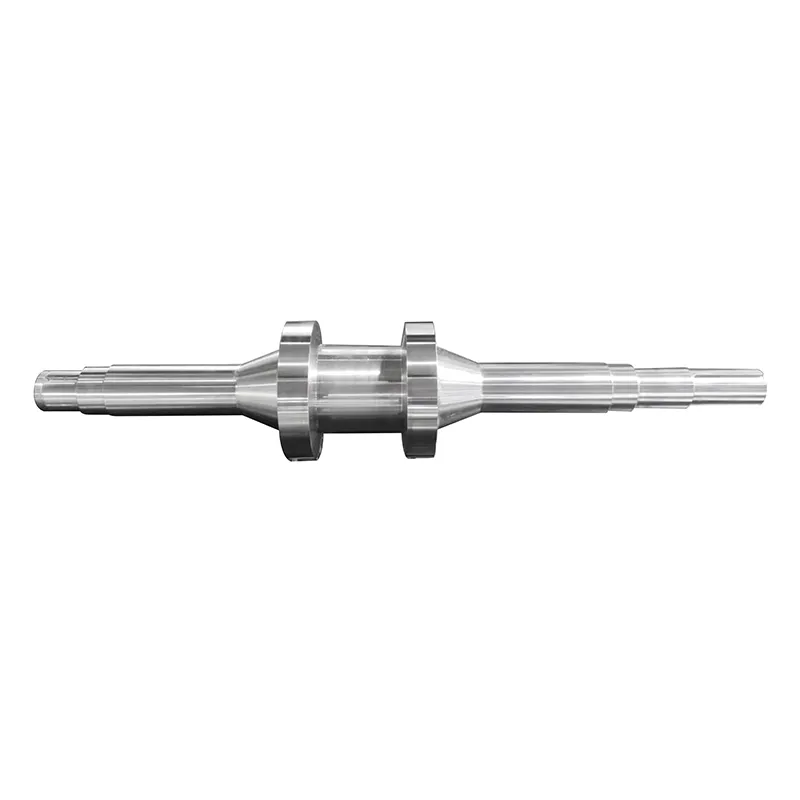
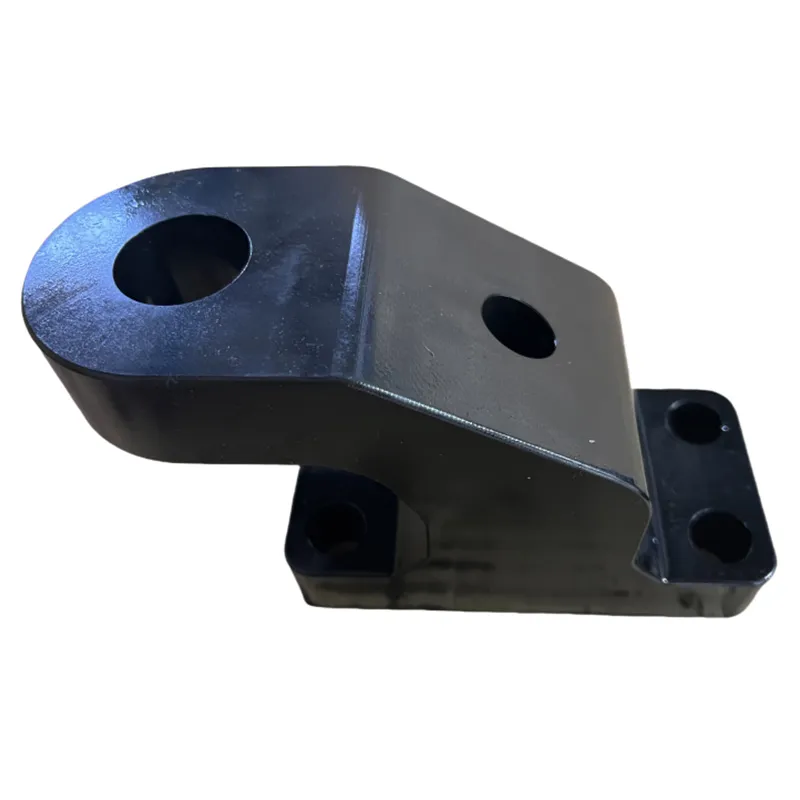
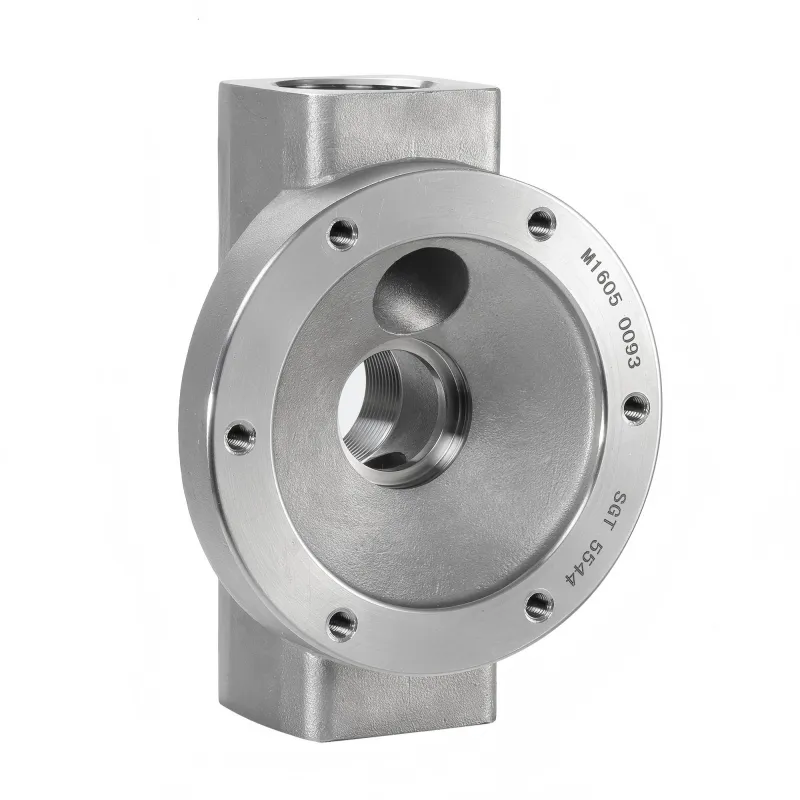
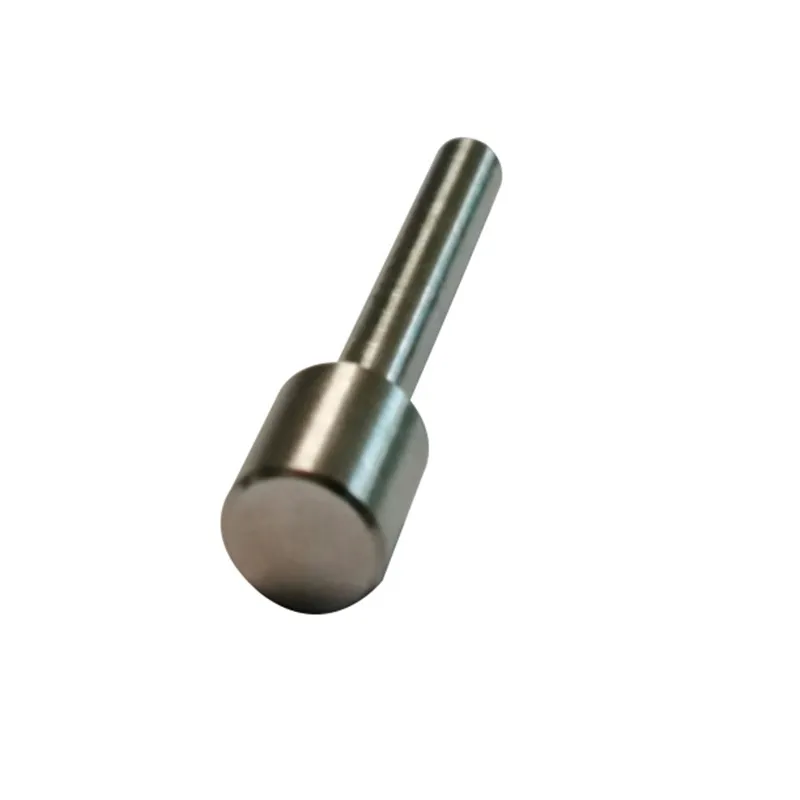
When someone types 'investment casting near me' into a search engine, I get it. The immediate thought is about logistics, quick quotes, maybe a site visit. But in this business, proximity is often the least interesting part of the equation. The real question buried in that search is about finding a partner who understands not just the geometry of a part, but the physics of the pour, the chemistry of the shell, and the inevitable compromises of production. I've seen too many projects falter because the choice was made based on a map pin rather than metallurgical capability. Let's talk about what you're actually looking for.
The Shell Game: More Than Just Proximity
So, you need a part. Maybe it's a turbine blade, a surgical tool, or a complex pump impeller. Your first instinct is to find local. But 'local' for investment casting isn't like finding a local coffee shop. The radius of a capable foundry is national, even global, for specialized work. The key isn't their ZIP code; it's their process control. I recall a job for a marine component in 316L stainless. A shop twenty miles away quoted a fantastic price and timeline. Their facility was spotless. But they routinely poured at temperatures that, while saving furnace time, created marginal fluidity. The result? Consistent, minute cold shuts in non-destructive testing areas. The part looked perfect but would fail under stress. The shop was near, but their practice was far from ideal.
This is where the real search begins. You're not just looking for investment casting; you're looking for a foundry that asks about the part's function, its load cases, its corrosion environment. Do they quiz you on the alloy spec, or just accept the number? A place like Qingdao Qiangsenyuan Technology Co., Ltd. (QSY), for instance, lists over 30 years in shell mold and investment casting. That longevity itself is a data point. In this industry, surviving three decades means you've navigated the booms and busts, adapted to new alloys, and likely have a depth of tacit knowledge—the kind that isn't in the brochure but is in the foreman's decision on pre-heat temperatures for a cobalt-based alloy.
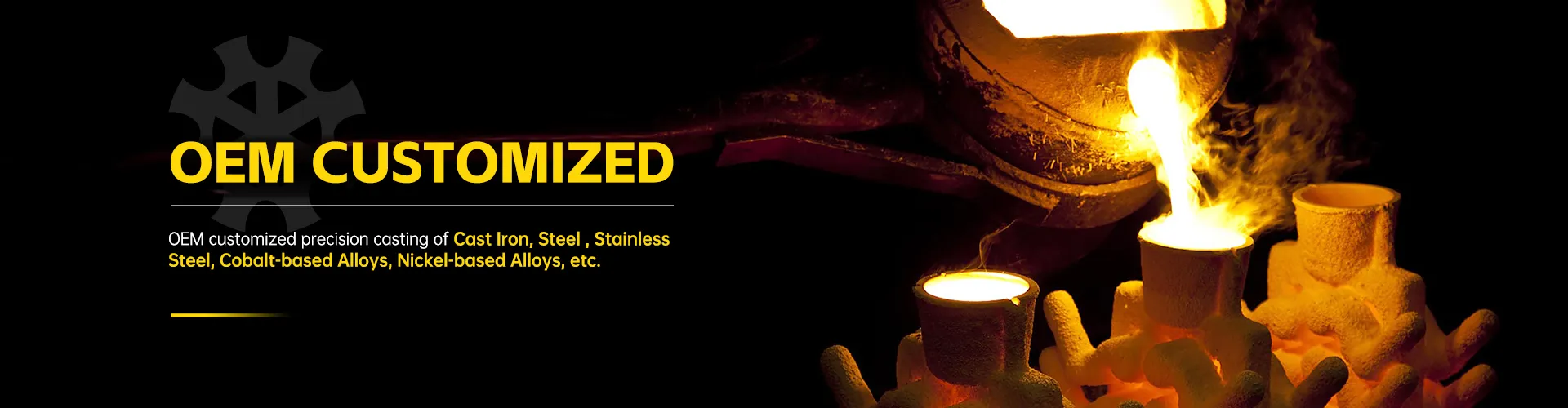
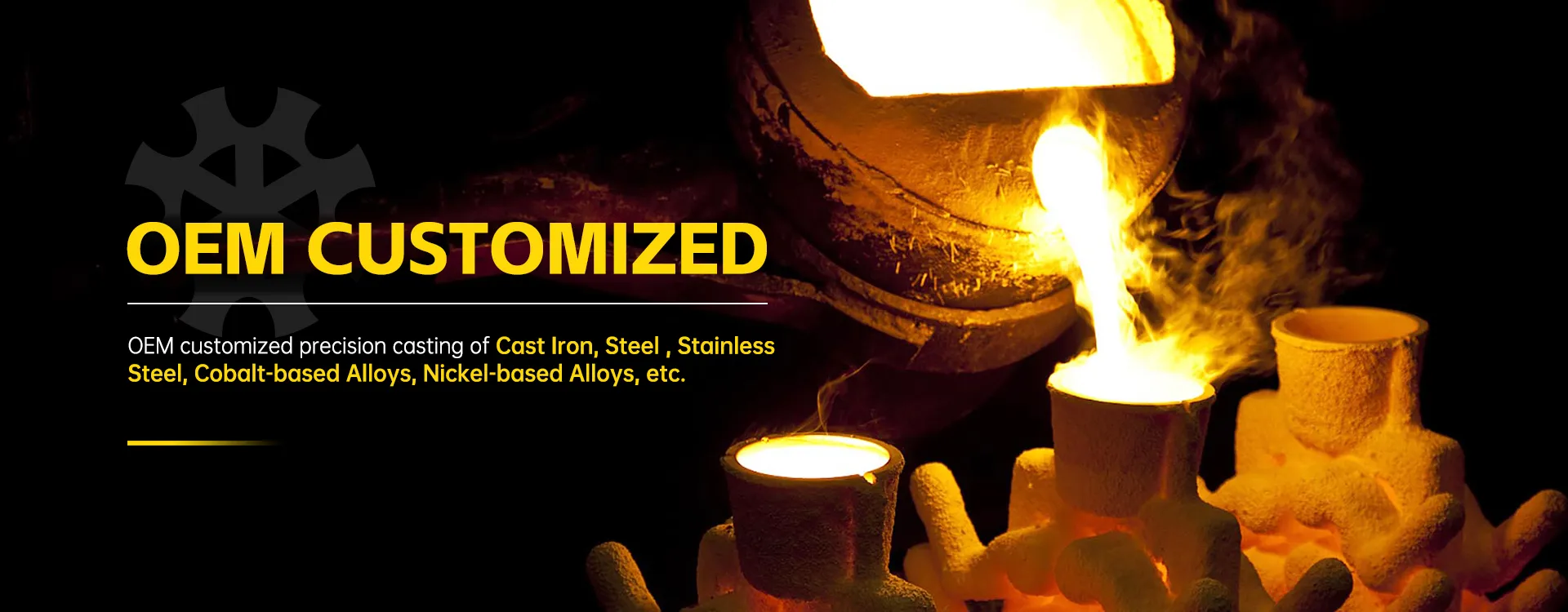
Their website, https://www.tsingtaocnc.com, shows their range: cast iron, steel, stainless, and those special alloys. That's a signal. Handling nickel-based alloys isn't a side gig; it requires dedicated furnace linings, strict contamination protocols, and a different mindset. If a shop lists that, they're telling you they operate in a tier where material integrity isn't negotiable. It shifts the 'near me' calculus from geography to capability proximity.
The Alloy Maze and the Good Enough Trap
Speaking of alloys, here's a common pitfall. A designer specifies Inconel 718 for its high-temperature performance. A foundry, wanting the business but perhaps lacking consistent experience with it, might suggest a similar grade that's easier to cast. Sometimes this works. Often, it introduces risk. The devil is in the post-casting heat treatment and the resultant phase stability. I learned this the hard way early on with a pump housing. We agreed to a material substitution that met the chemical spec on paper. It passed initial QA. It failed in the field after 400 hours of cyclic thermal stress, fracturing along a grain boundary. The root cause? The substitute alloy's response to the solution annealing cycle was different, leading to premature sigma phase precipitation. The foundry wasn't dishonest; they were just in over their head.
This is why a company's stated specialization matters. When QSY explicitly lists cobalt-based and nickel-based alloys, it implies (or should imply) a controlled process for these difficult materials. It means they likely have the metallurgical lab support, even if outsourced, to verify not just chemistry but microstructure. For someone searching 'investment casting near me', the lesson is to probe the material claim. Ask for a typical heat treat curve they use for a nickel alloy. Ask about their scrap rate for that material. The answers will tell you more than a distance metric.
When CNC Machining Isn't an Afterthought
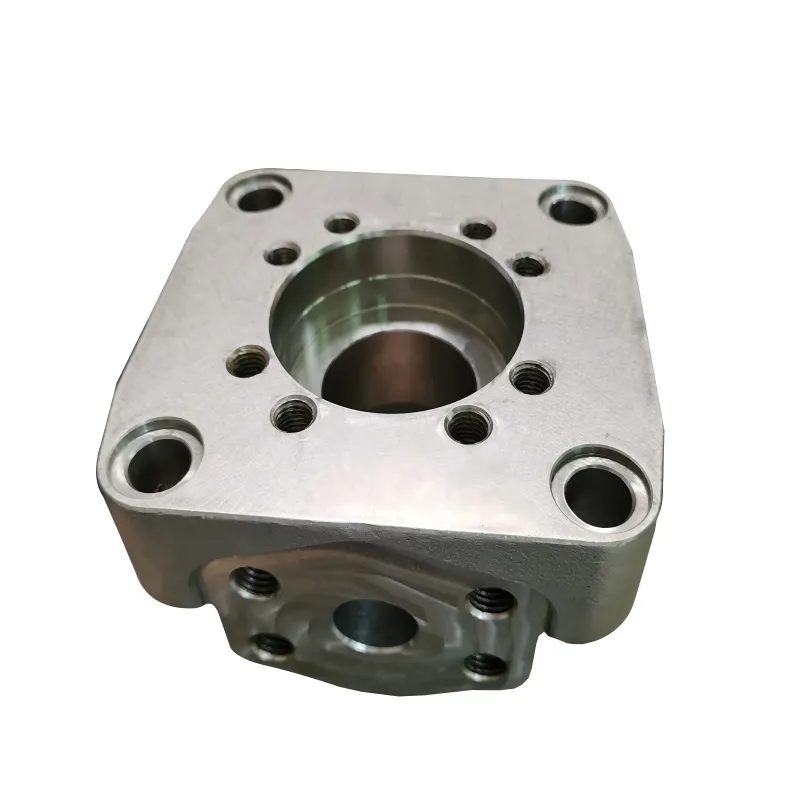
Almost no investment casting comes off the tree ready to ship. There's gate removal, surface finishing, and almost always, critical machining on datum features. This is where the integrated model of a foundry like QSY, which pairs casting with CNC machining, shows its value. The biggest headache in dealing with separate vendors is datum translation. The casting shop uses one set of datums for their inspection. The machine shop has to re-establish them, and in that process, tolerance stack-ups can kill a part.
Having both processes under one roof, or at least under one management system, minimizes this. The machinists can talk directly to the foundry engineers about the as-cast surface, potential porosity zones to avoid, and shrinkage allowances. I've seen lead times cut by three weeks simply by eliminating the shipping, re-quoting, and re-fixturing loop between two separate companies. So, your search for investment casting services should strongly consider those offering integrated machining. It's not just convenience; it's a geometric and quality control advantage.
Look at their machining page. Do they show 4-axis or 5-axis capability? For complex castings like impellers or turbine blades, 3-axis machining often won't cut it (pun intended). The ability to finish machine in a single setup preserves the casting's inherent geometry and saves cost.
The Quote Sheet: Reading Between the Lines
You'll get a quote. It'll have a price per piece, tooling cost, and lead time. The naive comparison is on those three numbers. The experienced look is elsewhere. First, look at the pattern cost breakdown. Are they using rapid prototyping for the initial pattern, or traditional methods? For low volumes, this is critical. Second, look at the inspection criteria listed. Is it just to print, or do they specify first-article inspection reports, material certs to ASTM/AMS standards, and NDT methods like dye penetrant or X-ray? A vague inspection clause is a red flag.
I remember a quote from a foundry that was 15% cheaper than the next one. Their inspection line simply said dimensional check. We went with them. The first batch had perfect dimensions. They failed in assembly because the wall thickness variation, which wasn't called out on the print as a critical dimension, was so severe that the parts wouldn't mate. The foundry had met the letter of the quote. Our mistake was not specifying the required wall thickness consistency in the inspection protocol. Now, I always ask for a standard inspection sheet. A competent foundry will have one ready.
For a multi-process supplier, the quote should also clarify if machining is included, and if so, to what finish. Is it a rough machined casting, or a finished part? This clarity separates the serious players from the order-takers.
Bringing It Back to Near Me
So, after all this, what does 'investment casting near me' mean? It morphs. It becomes less about physical distance and more about supply chain resilience, communication ease, and technical alignment. A foundry on the other side of the country with a stellar engineering team and seamless digital communication (clear CAD reviews, regular photo updates of pattern progress) can feel closer than a local shop that's hard to get ahold of.
However, physical proximity does have one undeniable advantage: auditability and relationship building. Being able to visit the floor, see the ceramic shell lines, smell the foundry (a good foundry has a specific, not unpleasant, smell—it smells of controlled processes), and look the quality manager in the eye is invaluable. It builds trust. This is where a company with a long-standing operational history, like the 30-year background noted for QSY, offers a form of stability. They've been there. They've likely seen it all.
Your search, then, should start with capability (alloys, processes, machining), filter by proven competence (industry tenure, client lists, technical questions), and then finally, use geography as a tie-breaker or a logistical bonus. The goal isn't to find the closest caster. The goal is to find the most capable partner who can reliably translate your design intent into a functional, durable metal component. That partner might be 200 miles away or 2,000 miles away. But when you find them, their expertise will make them feel like the right neighbor for the job.