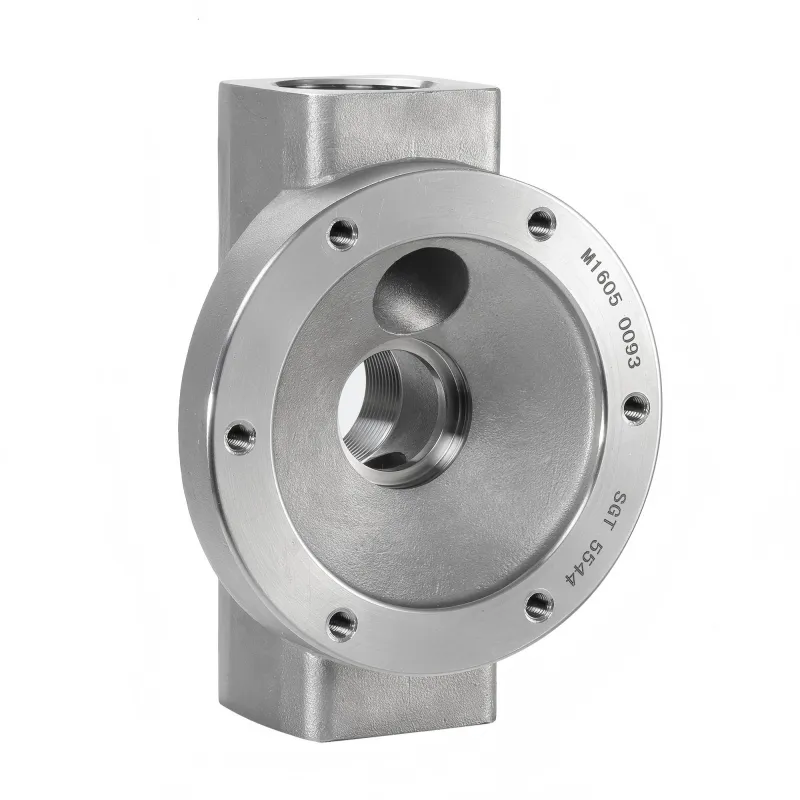
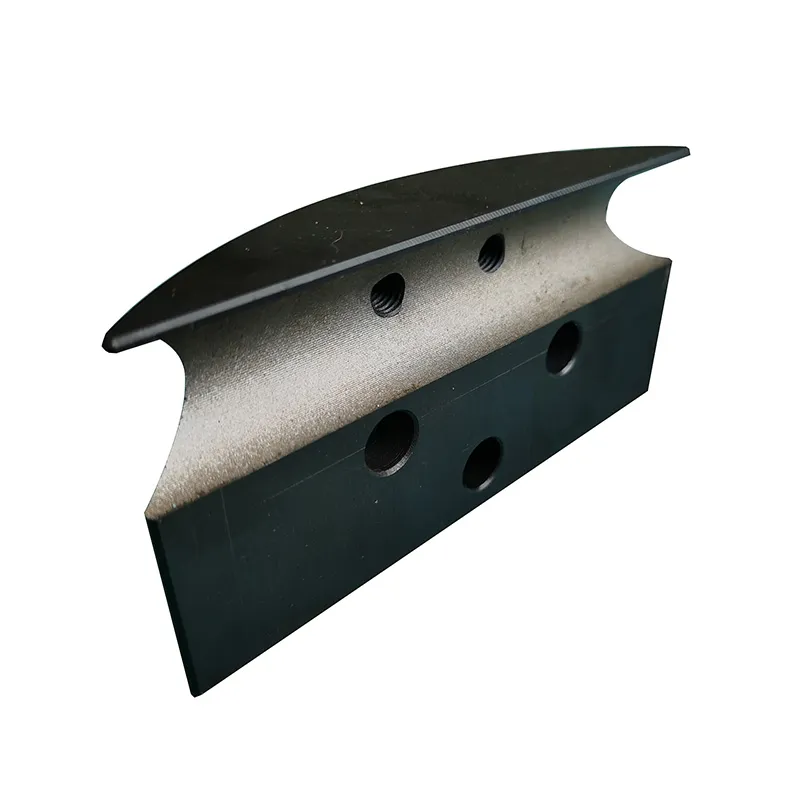
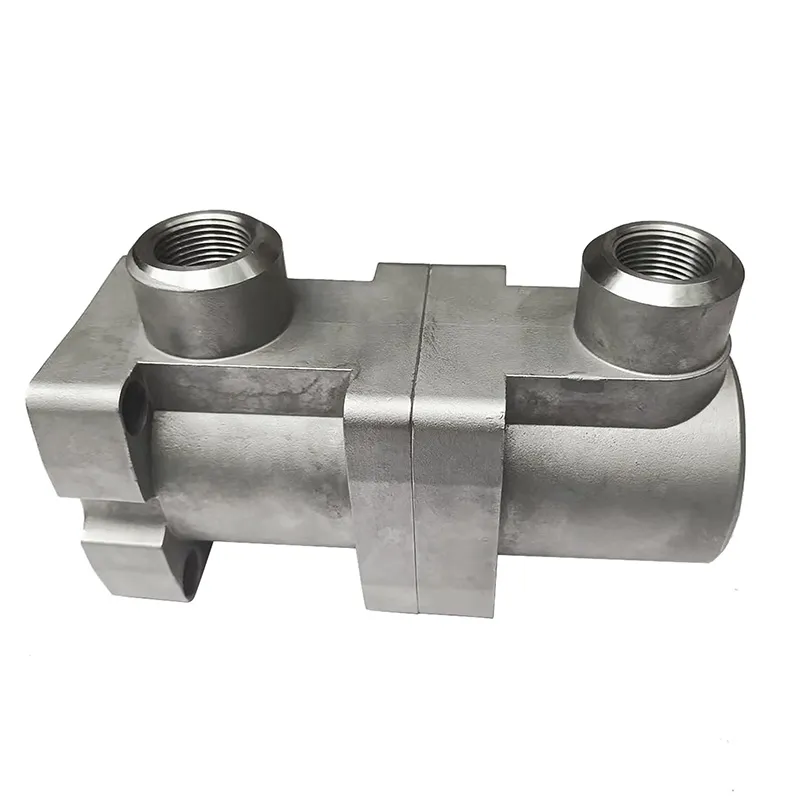
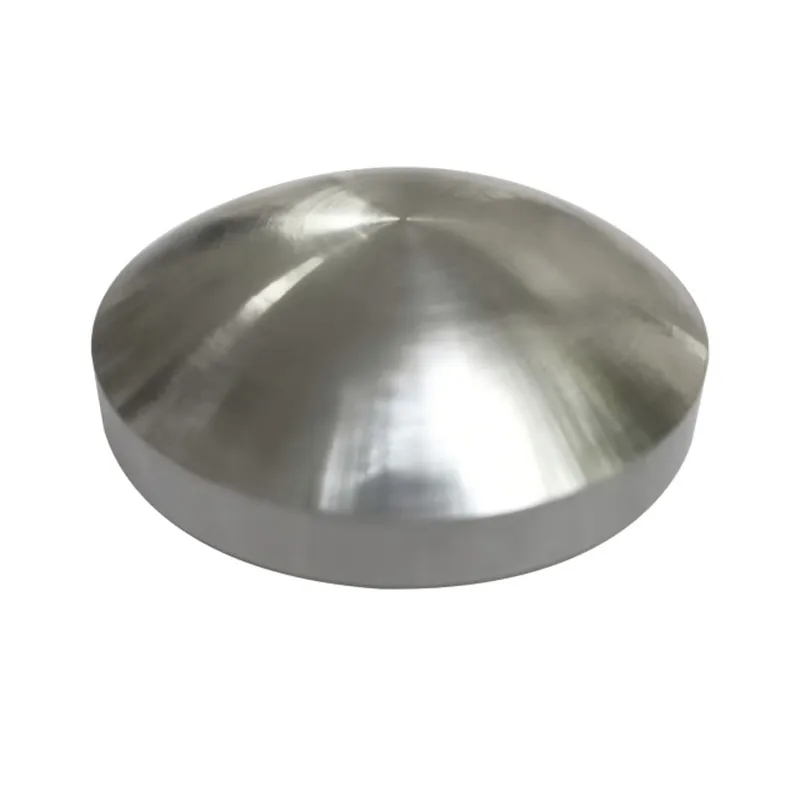
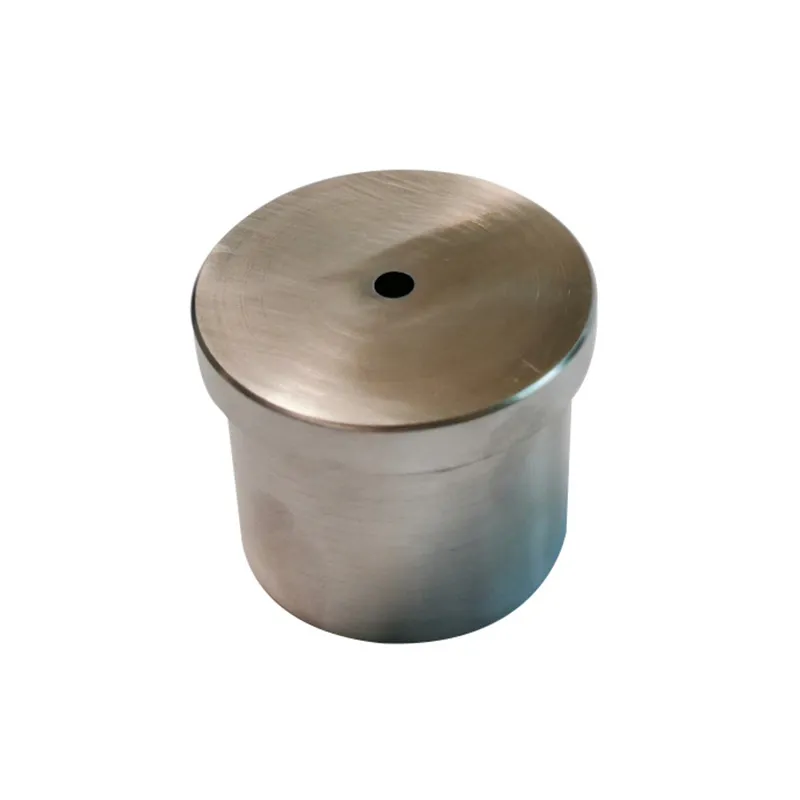
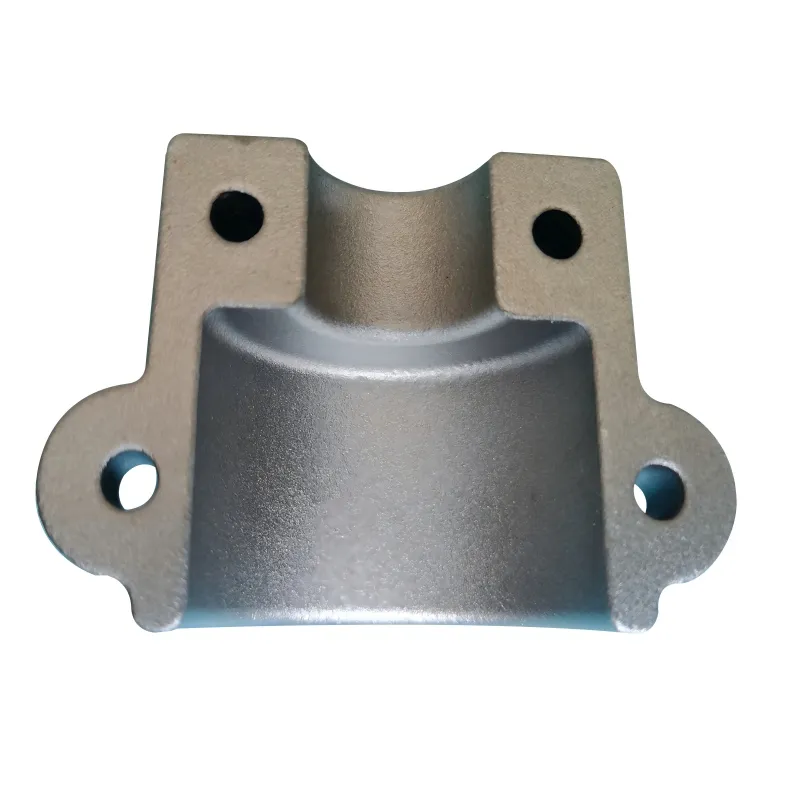
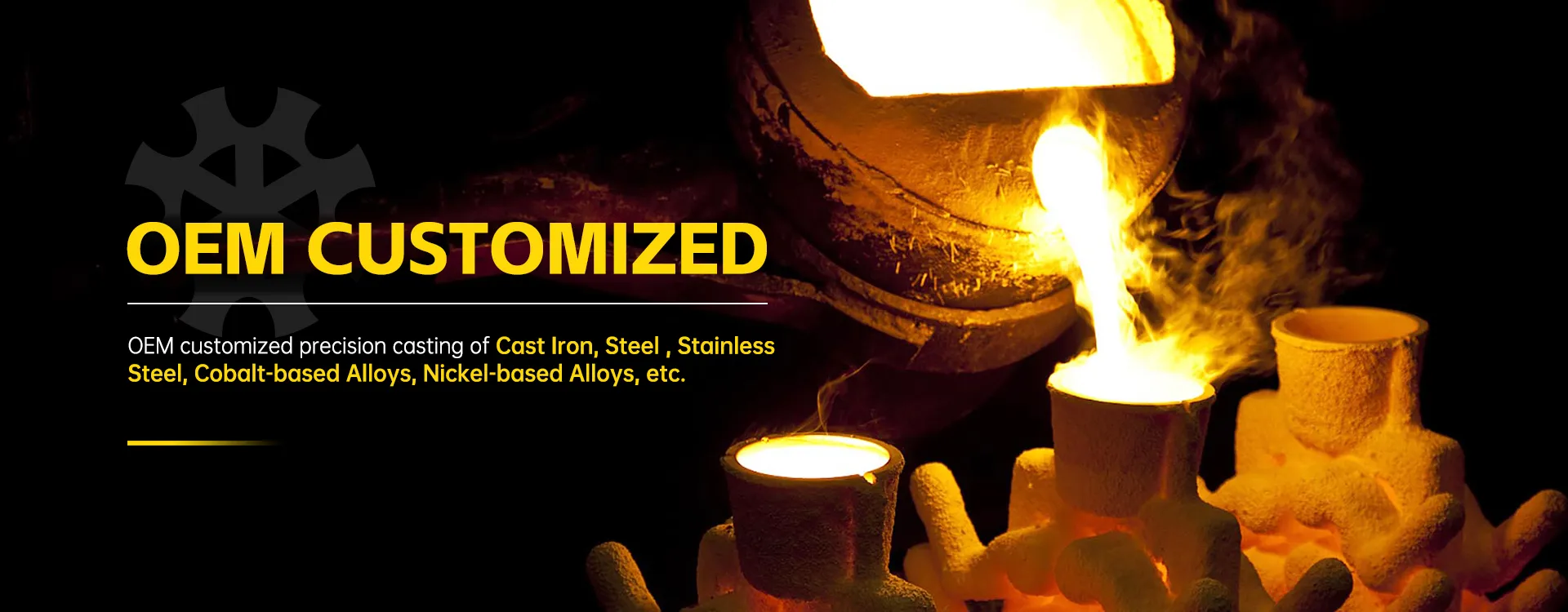
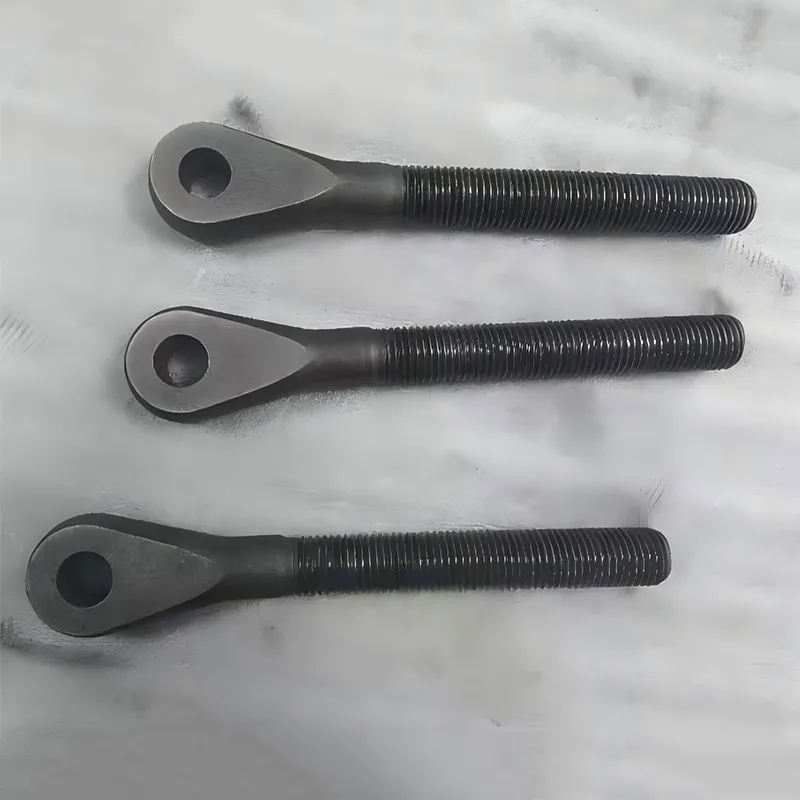
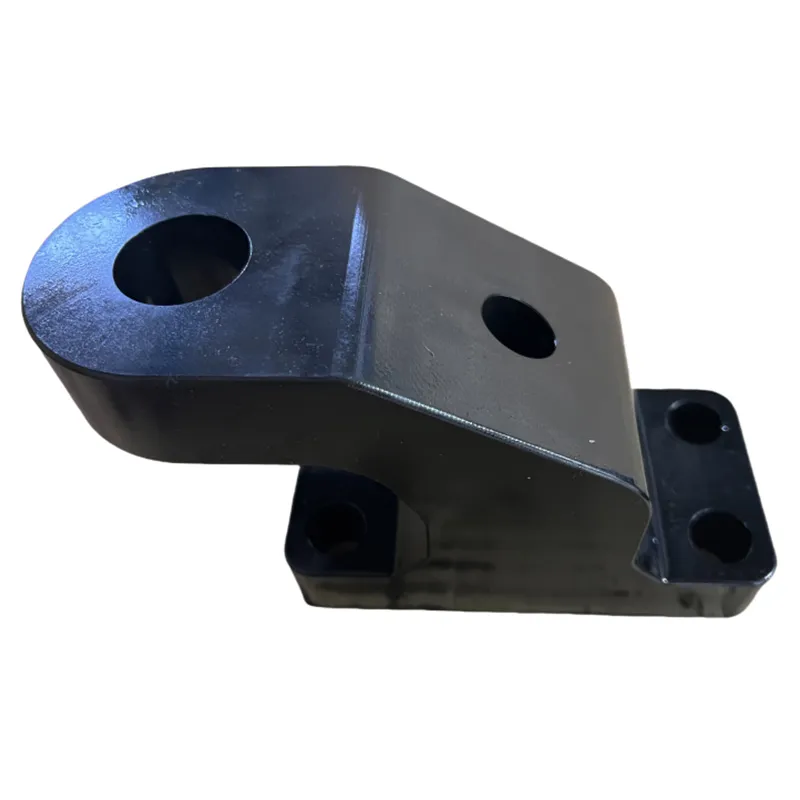
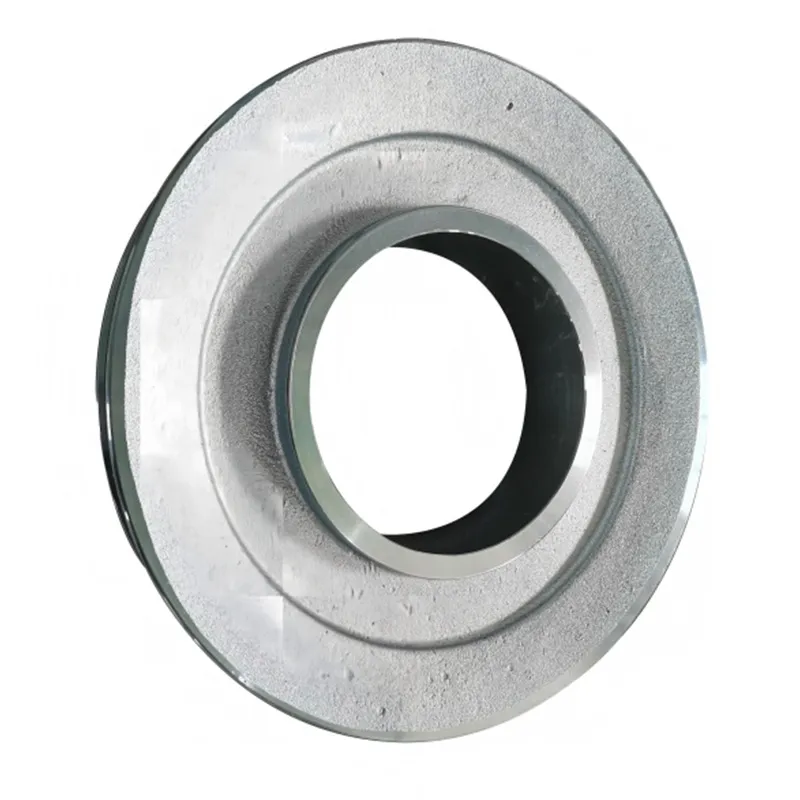
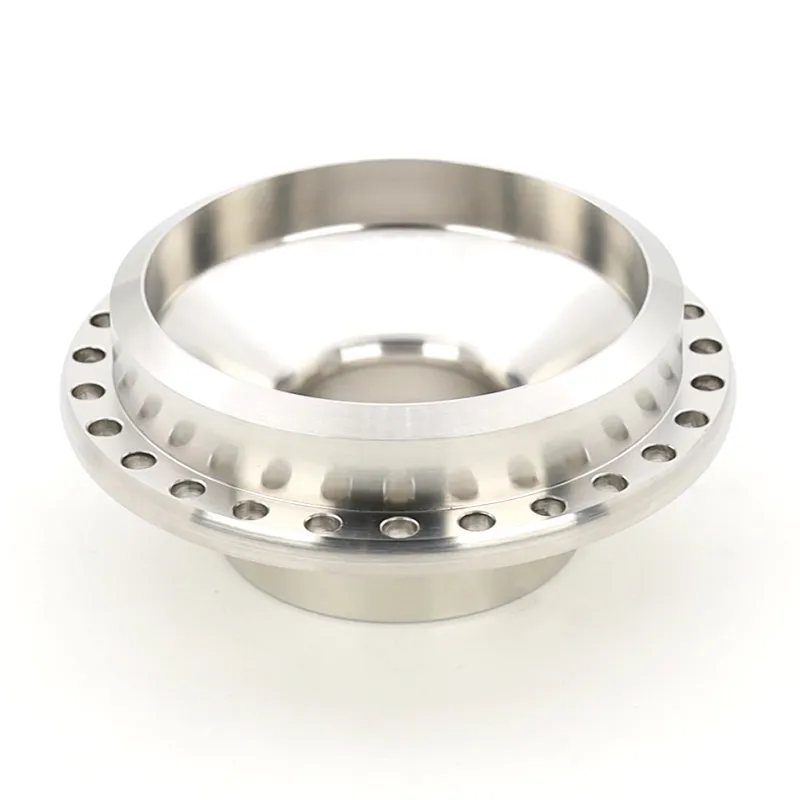
When most people hear 'investment casting part', they picture a flawless, near-net-shape metal component, probably something in aerospace or medical. That's the marketing gloss. The reality, the daily grind, is a lot messier. It's not just about achieving complex geometries; it's a constant negotiation between design intent, material behavior, and the sheer physicality of the process. The biggest misconception? That it's a 'magic' solution for any complex part. It's not. It's a highly specialized tool, and misapplying it is a fast track to cost overruns and heartache.
The Core of the Process: Where Theory Meets Wax and Ceramic
It all starts with the pattern, and here's where you make or break the job. We're not just talking about a wax replica. The wax formulation itself is critical – its shrinkage rate, its ash content after burnout. I've seen projects derailed because someone switched to a 'similar' wax grade to save a few cents per kilo. The result? Dimensional drift and shell cracking during dewaxing. You're not just buying wax; you're buying predictable behavior.
Then comes the shell building. This isn't painting a wall; it's a ritual. The primary slurry coat, the stucco application, the drying environment – humidity and temperature control here are non-negotiable. A rush on drying time leads to retained moisture, which turns to steam during the pour, causing... unpleasantness. Blows, scabs, you name it. It's a slow, layered process of building strength. Each dip cycle adds time and cost, which is why wall thickness uniformity in the design phase is so crucial. A sudden thick section means more dips to build sufficient shell thickness there, throwing off the cycle.
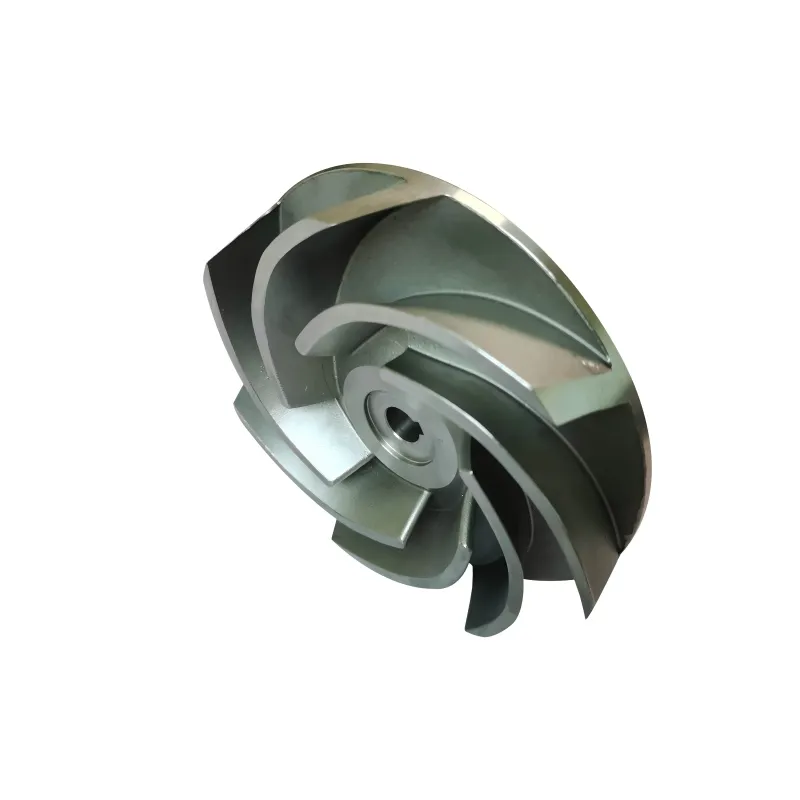
I recall a project for a pump impeller, a classic investment casting part. The client's design had these beautiful, thin vanes but a massively thick hub. The foundry engineer at the partner shop – I'm thinking of the team at Qingdao Qiangsenyuan Technology (QSY) here – flagged it immediately. They've been doing this for three decades, so they've seen it all. Their suggestion was to core out the hub, creating a more uniform wall. It added a bit to the pattern cost but saved a fortune in shell-building time and reduced the risk of shrinkage porosity in that heavy section. That's the kind of practical co-engineering that defines success.
Material Choices: It's Not Just About the Spec Sheet
Everyone focuses on the final material specs – the tensile strength, the corrosion resistance. But the casting behavior of the alloy is what keeps you up at night. Take 316L stainless steel. It's a workhorse. But its fluidity and shrinkage characteristics are different from, say, a 17-4 PH. Pouring temperature, gating design, feeder placement – they all need to be tuned for the specific alloy. A gating system that works perfectly for carbon steel might starve a section in a nickel-based superalloy that solidifies over a different range.
This is where a foundry's material history becomes invaluable. A shop like QSY, which lists cobalt and nickel alloys in their wheelhouse, will have developed proprietary techniques for these tricky materials. They'll know the exact preheat temperature for their shells for a certain alloy to prevent thermal shock and ensure clean filling. This isn't textbook knowledge; it's hard-won, furnace-side experience. You can't fake that.
I made a mistake early on, specifying a high-performance duplex stainless steel for a marine component. The specs were perfect on paper. But we didn't fully account for its high melting point and specific solidification pattern. The result was persistent hot tearing near the gate junctions. The foundry (not QSY, this was earlier in my career) struggled with it. We eventually had to go back, relax some non-critical tolerances, and modify the gating, which added weeks. The lesson? The most advanced material is useless if you can't cast it soundly. Sometimes, the right investment casting part material is the one that balances performance with castability.
The Machining Handshake: As-Cast Isn't the Finish Line
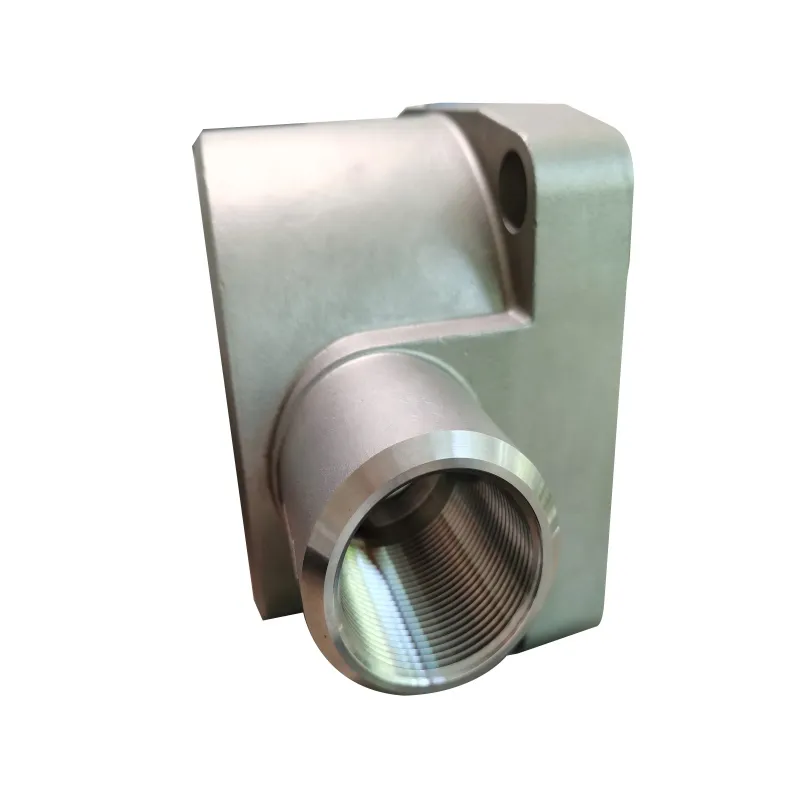
This is a critical junction that gets glossed over. No investment casting part is truly 'ready-to-use' straight from the shakeout. You have gates to remove, surfaces to finish, and often, precision features to machine. The relationship between the casting process and the machining process is intimate. How you gate and position the part in the tree directly impacts where you'll have the most stock allowance for machining.
A poorly positioned casting might put a critical sealing surface right on a parting line or in an area of potential surface imperfection, leaving the machinist with no clean-up stock. I always insist on a joint review between the casting technician and the CNC programmer before the first pattern is made. They need to speak the same language. The casting guy needs to know which surfaces are 'datums' for machining, and the machinist needs to understand the likely variance in the as-cast surface.
This integrated mindset is why companies that offer both casting and machining, like QSY with their stated CNC capability, have a distinct advantage. Their pattern design is informed by their machining fixtures from day one. They can leave strategic 'pads' on the casting as machining locators, knowing exactly how they'll be used later. It eliminates the finger-pointing between separate casting and machine shops when a tolerance stack-up occurs. The part is treated as a single continuum from wax to finished component.
Cost Drivers: The Hidden Levers
Clients always want to know the price per piece. But to understand that, you have to peel back the layers. The biggest cost driver isn't always the metal. For complex, low-volume parts, it's the tooling – the master die to produce the wax patterns. If you're only making fifty pieces, that tooling cost amortized over each part is huge. That's where rapid prototyping techniques for the master, like 3D printing in resin or even metal, can be a game-changer for prototyping or very low volumes.
Second is the part count per tree. How many patterns can you assemble onto a single sprue? It's a 3D jigsaw puzzle, balancing thermal mass for even solidification, minimizing wax usage, and ensuring the shell can support the weight. Maximizing tree density is an art form that directly hits the unit cost. A foundry's engineering skill is often measured here.
Finally, inspection. A part for a lawnmower and a part for a gas turbine blade are both investment casting parts, but the inspection regime is worlds apart. Dye penetrant, X-ray, CT scanning, CMM – each adds cost and time. Defining the right level of inspection, based on the part's function and risk, is a crucial commercial and technical decision. Over-specifying inspection can kill a project's viability; under-specifying it is a liability time bomb.
Failures as Teachers: The Porosity Puzzle
You learn more from a failed casting than a hundred perfect ones. Gas porosity is a classic. Those tiny, shiny spherical holes inside the material. Often, the immediate blame goes to the shell – not enough permeability. But sometimes, the culprit is upstream. The wax itself can trap air if the injection parameters are wrong. Or the alloy wasn't properly degassed in the furnace. Or the pour was too turbulent, sucking air into the metal stream.
I remember a batch of lever arms that had consistent porosity in a specific location. We checked the shell, the wax, the metal analysis. Everything was to spec. It was only when we filmed the pour with a high-speed camera that we saw it: the metal stream was hitting a vertical runner wall and creating a vortex that entrained air, which then got carried into the cavity. The fix was a simple, curved runner to smooth the flow. It was a design issue, not a process one. Without that visual evidence, we'd have been chasing our tails for weeks.
That's the thing with investment casting. The process has so many variables that isolation is key. You need a systematic, almost forensic approach to problem-solving. It requires patience and a partnership with a foundry that's willing to dig in with you, not just ship you a replacement batch and hope for the best. The goal is to solve the root cause, not just patch over the symptom for the next order.
Looking Forward: Not Just Complexity, but Integration
The future of investment casting isn't just about pushing the limits of thin walls or internal passages. It's about smarter integration from the start. It's about designers understanding the process constraints – draft angles aren't needed, but uniform walls and controlled junctions are. It's about leveraging simulation software not just as a sales tool, but as a daily partner to predict solidification and optimize gating before any metal is melted.
It's also about hybrid manufacturing. We're starting to see applications where an investment casting forms the main body of a part, and then features are added via direct metal deposition or precision welding. Or where a conformally cooled insert, made via additive manufacturing, is cast into the tooling. The lines are blurring.
At its heart, though, it remains a craft. It's about understanding the flow of wax, the build-up of ceramic, the flow and freeze of metal. When you hold a well-made investment casting part – something like a turbine blade or a surgical implant – you're holding the culmination of that deep, tactile knowledge. It's a solution born from controlled chaos, and that's what makes it so fascinating, and so endlessly challenging to get right.