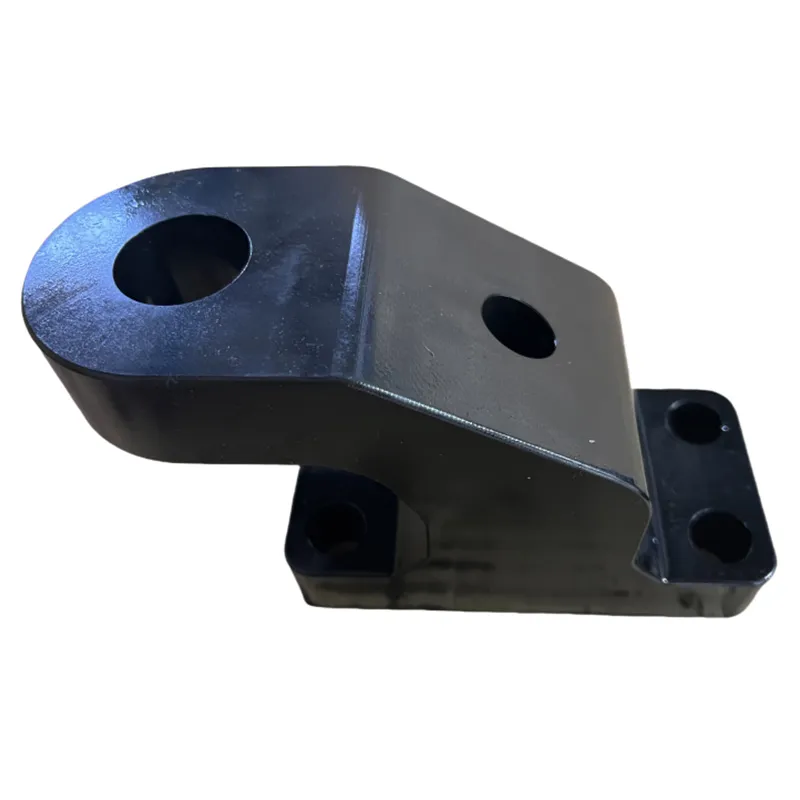
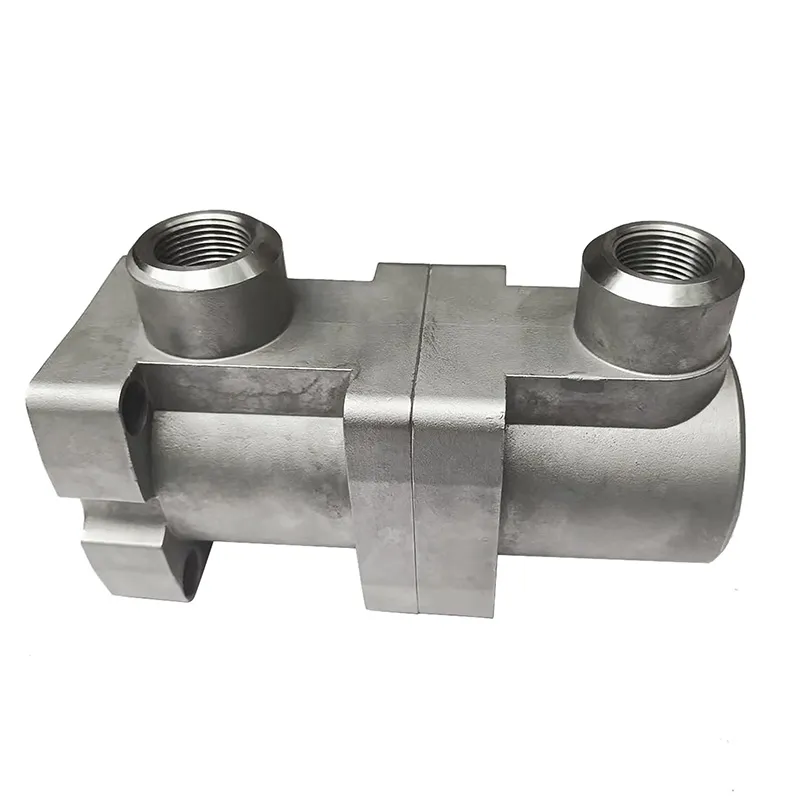
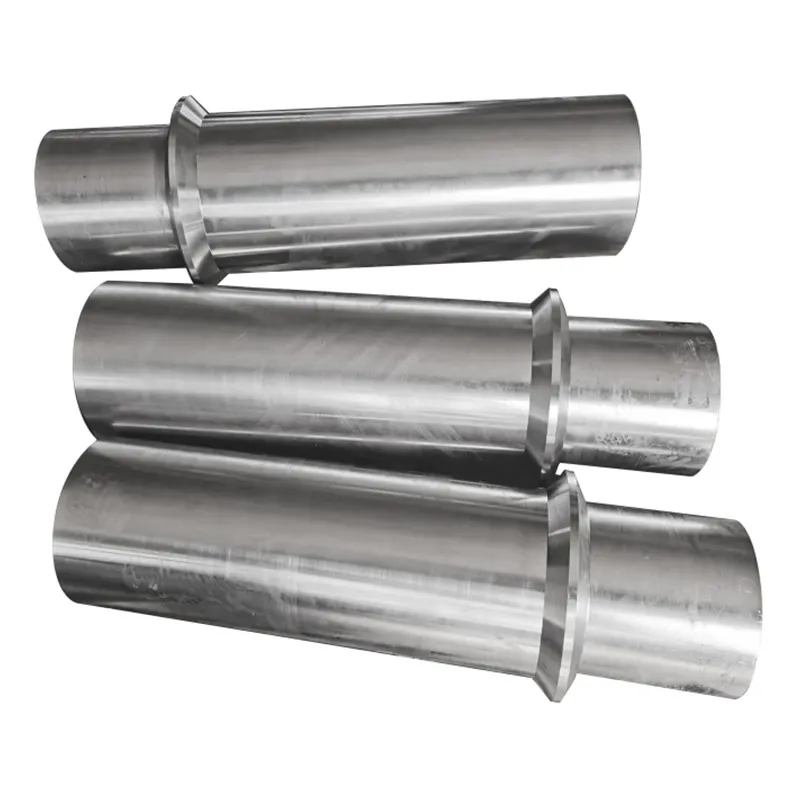
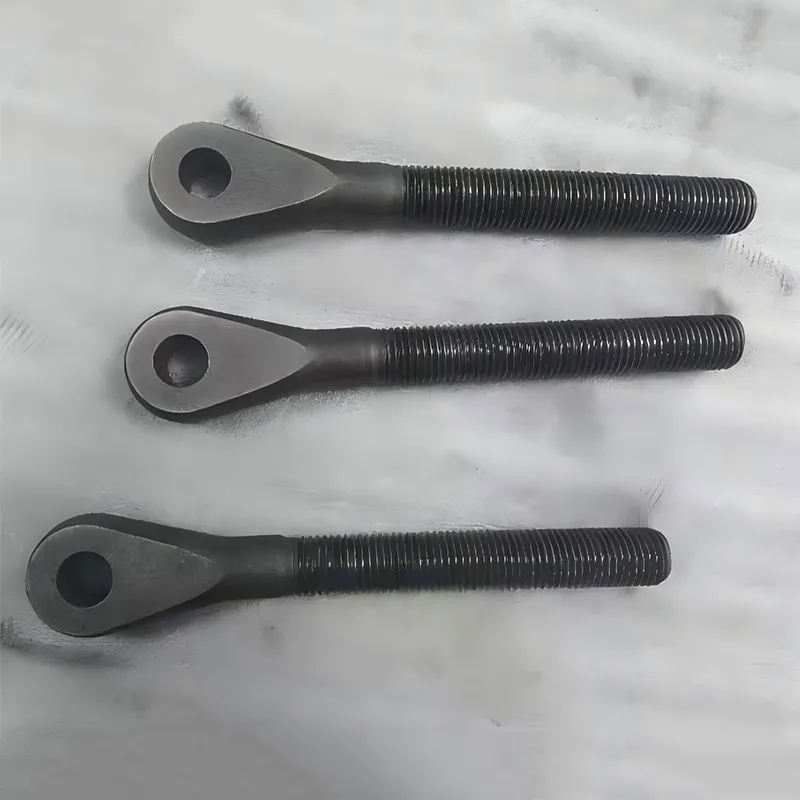
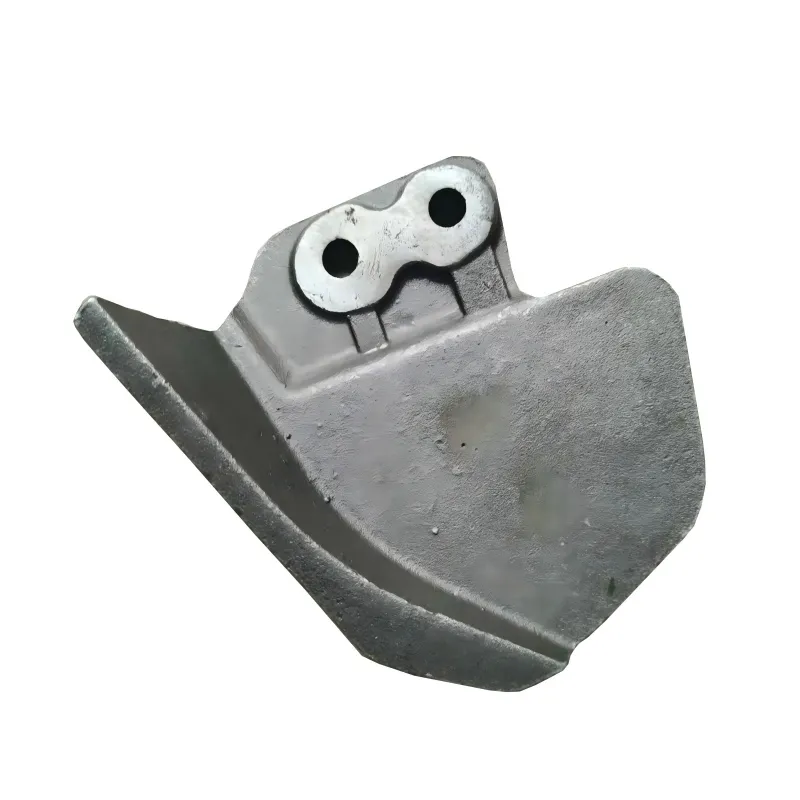
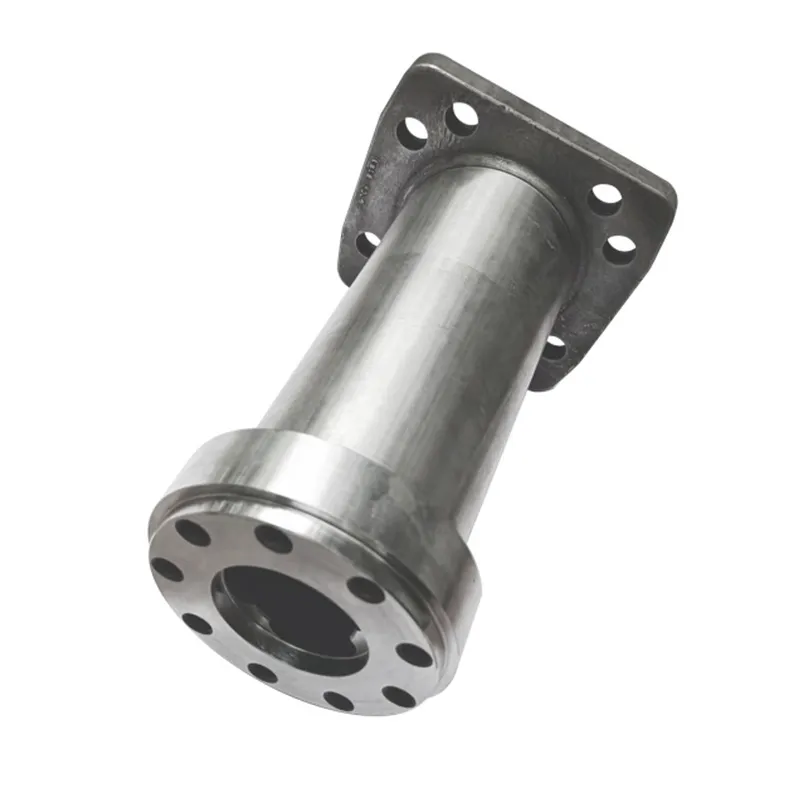
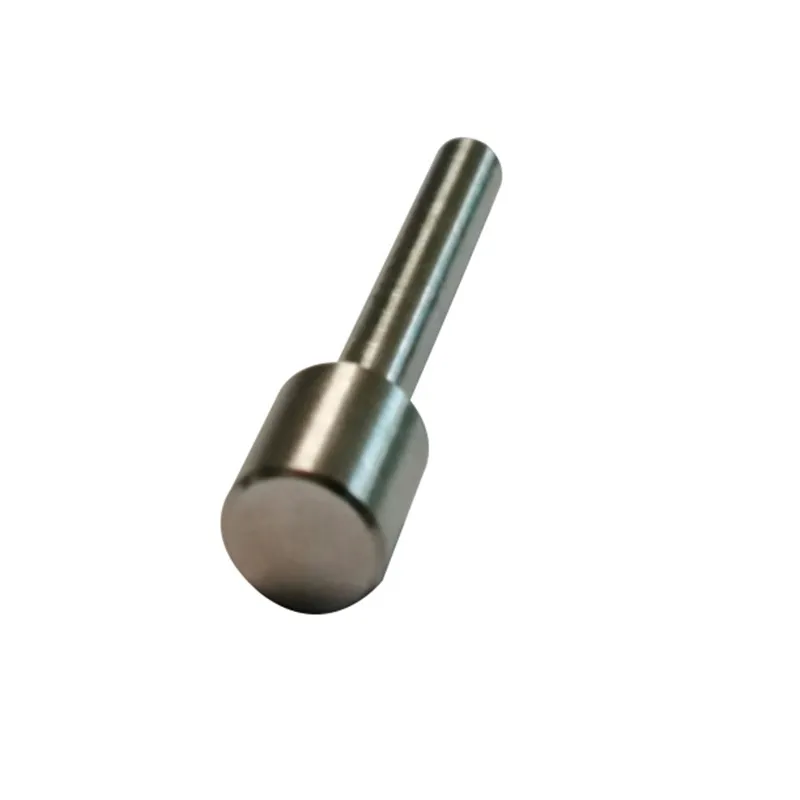
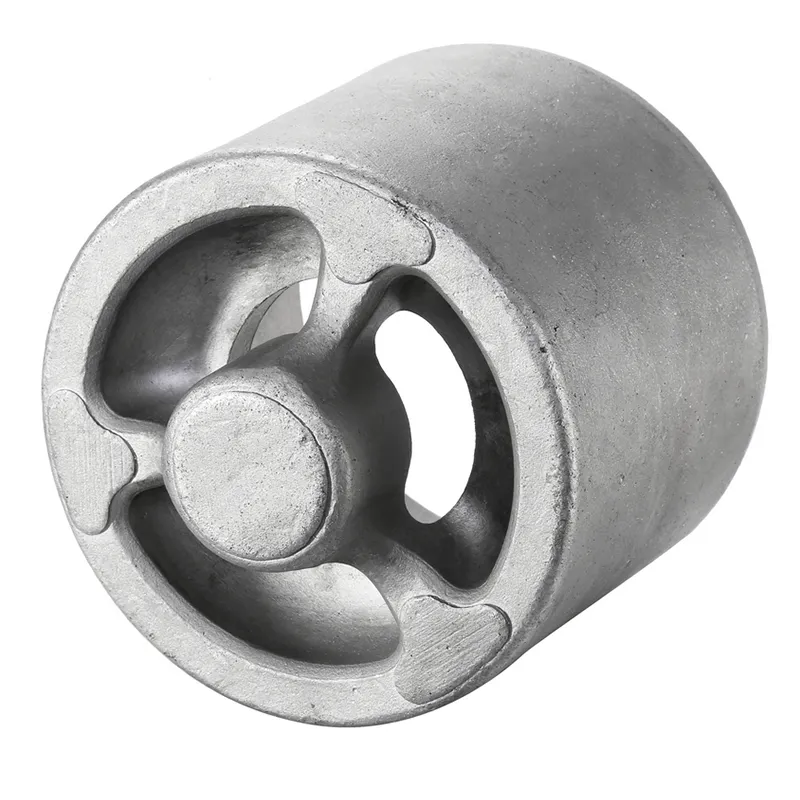
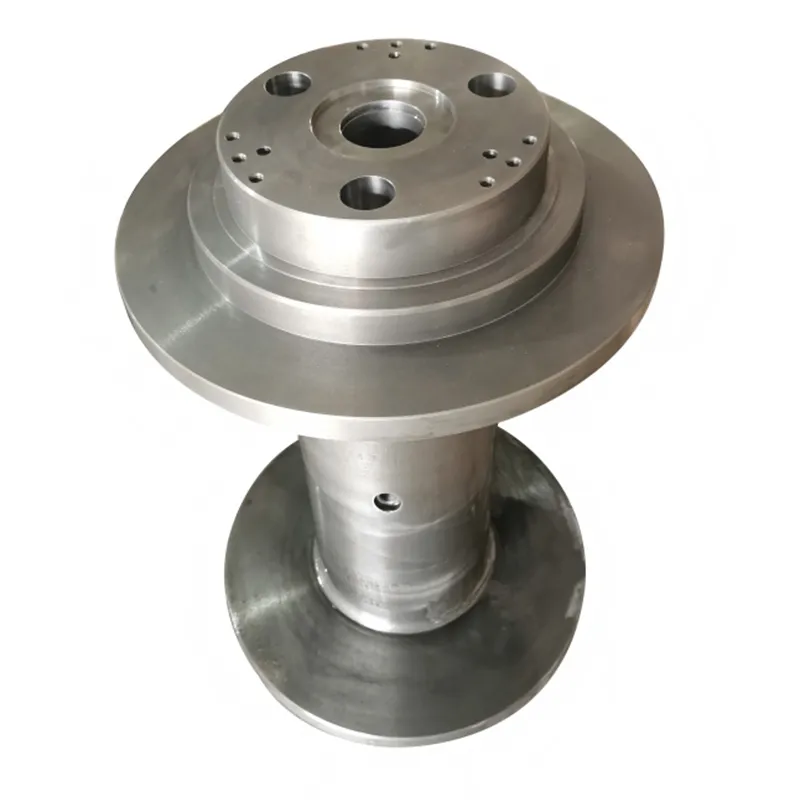
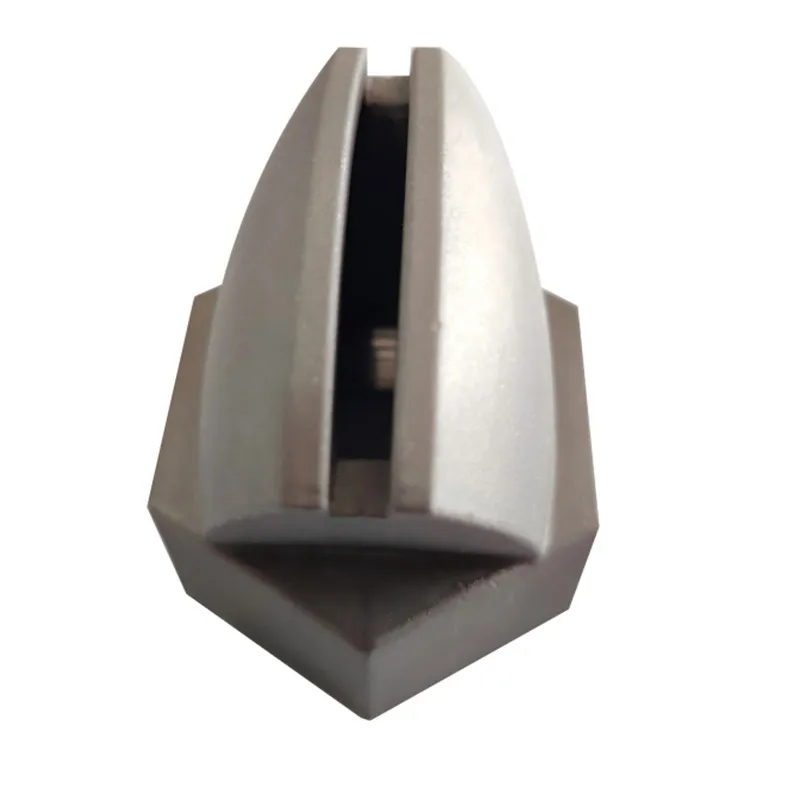
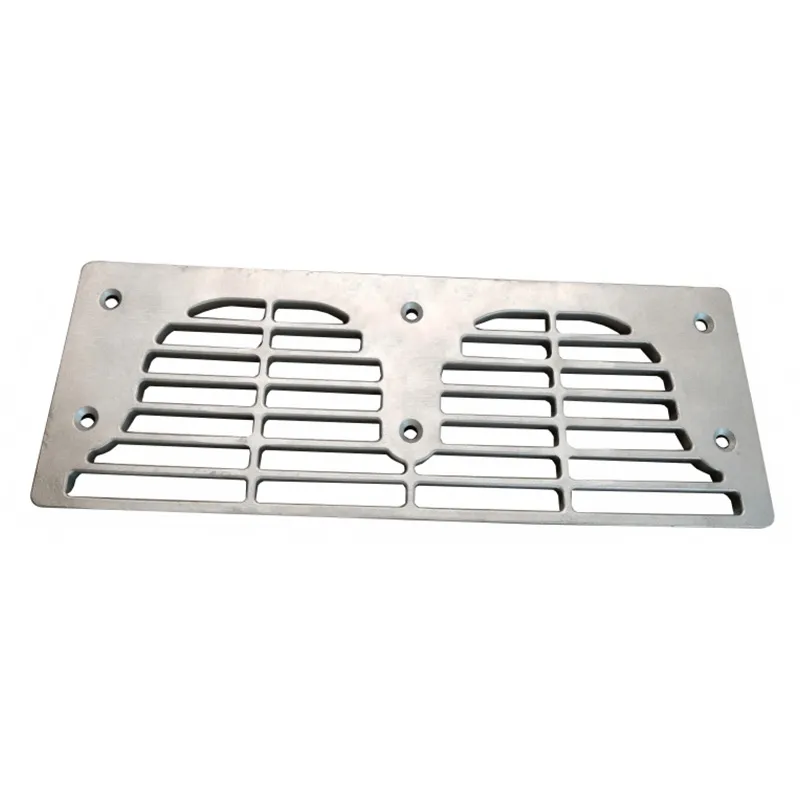
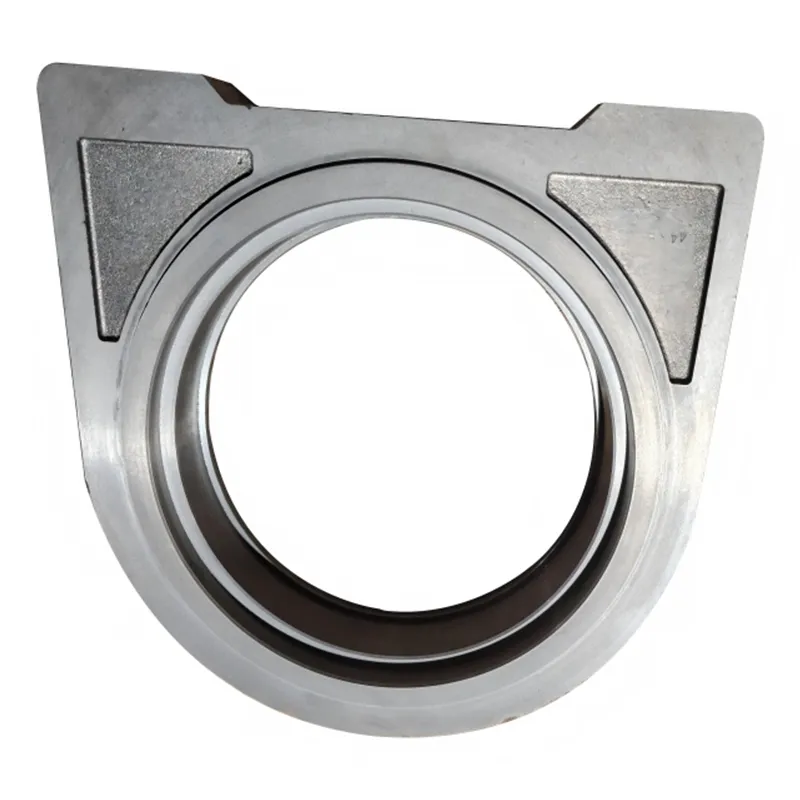
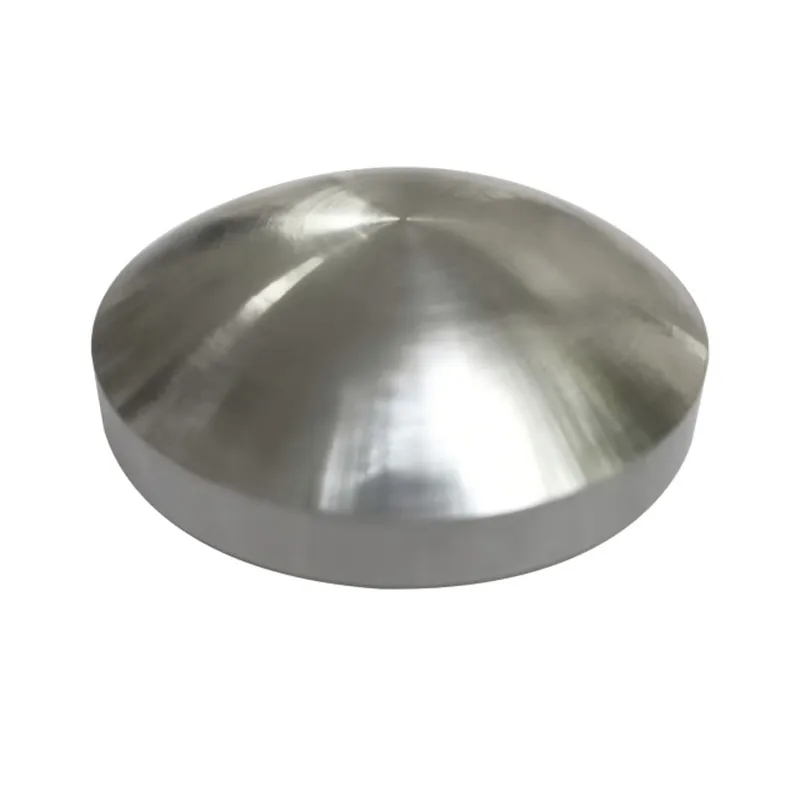
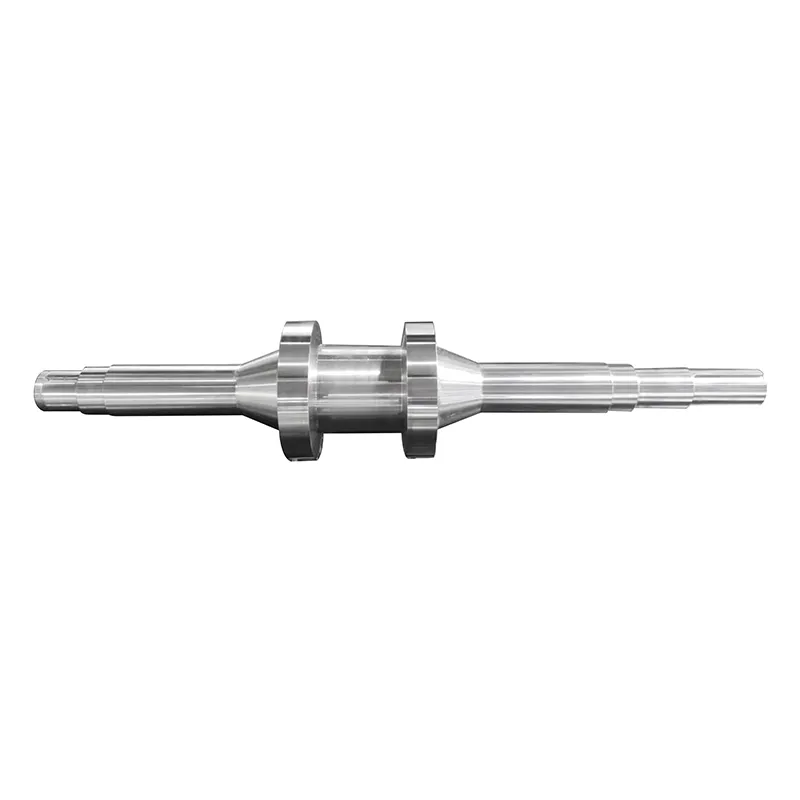
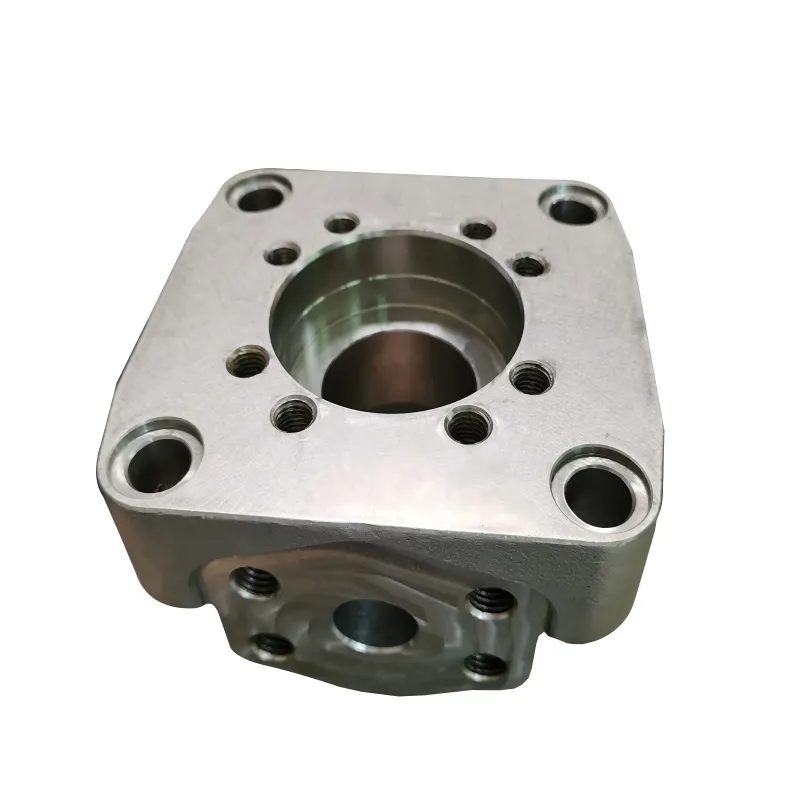
When most people hear 'investment casting parts', they picture those smooth, near-net-shape components, maybe a turbine blade or a medical implant. That's the polished end product. The reality, the daily grind, is about managing the wax pattern's fidelity, the ceramic shell's permeability, and the metallurgical dance during the pour. A lot of shops get hung up on dimensional tolerance specs—which are critical, don't get me wrong—but they often overlook how the entire process chain, from the initial mold design to the final heat treatment, dictates the structural integrity. It's not just about making a shape; it's about engineering a microstructure.
The Wax Room: Where It All Starts (And Can Go Wrong)
The wax injection phase is deceptively simple. You'd think it's just about filling a metal die with wax and waiting for it to set. But the temperature gradients here are everything. If the wax cools too fast, you get internal stresses that manifest as warping or even cracks days later, during assembly. I've seen a batch of investment casting parts for a pump housing get scrapped because the wax room ambient temperature fluctuated by just 5 degrees Celsius over a weekend. The patterns looked perfect on Monday morning, but by Wednesday, they'd distorted just enough to fail the CMM check.
Then there's the wax itself. Not all wax is created equal. For complex, thin-walled components, you need a blend with higher filler content for rigidity, but that can make it brittle. It's a constant balancing act. A supplier like Qingdao Qiangsenyuan Technology (QSY), with their decades in the game, likely has proprietary wax formulations or at least very stringent supplier controls for different part families. That's the kind of tacit knowledge you build over 30 years, not from a textbook.
The assembly of wax patterns onto the central tree is another art form. The angles and attachment points aren't just for logistical pouring; they critically affect the directional solidification of the metal later on. Place a heavy pattern in the wrong spot, and you create a hot spot that leads to shrinkage porosity. We learned this the hard way early on with a stainless steel valve body. Beautiful surface finish, but it failed the X-ray inspection. The fix wasn't in the furnace; it was in re-designing the wax tree layout.
The Ceramic Shell: It's a Filter, Not Just a Mold
Building the ceramic shell is a slow, iterative process of dipping, stuccoing, and drying. Most descriptions stop at it creates a refractory mold. What they miss is that this shell is a dynamic, semi-permeable barrier. Its primary coat, usually a zircon-based slurry, determines the final surface finish of the casting. Any air bubbles or inclusions here get replicated perfectly onto the metal surface. I spend an inordinate amount of time inspecting first-coat coverage under a magnifying lamp.
The subsequent backup coats are about strength and thermal stability. But here's a nuance: the permeability of the finished shell dictates how gases escape during the pour and the burn-out of the wax. A shell that's too dense can trap gas, causing blows or pinholes. Too porous, and it can't withstand the metallostatic pressure, leading to a breakout—a messy and dangerous failure. Getting the slurry viscosity and stucco grain size right for each coat is a recipe honed by experience. Companies that have been at it as long as QSY have this down to a science, likely with automated dipping lines for consistency, but even then, environmental humidity is a wild card they're constantly monitoring.
Dewaxing—the step where you melt or steam out the wax—is a critical stress point for the shell. If done too aggressively, the thermal shock can cause micro-cracks. We once switched to a faster autoclave cycle to increase throughput. The shells held, but the castings started showing fine veining. Took us a week of destructive testing to trace it back to micro-fractures in the shell's primary layer from the more violent steam explosion. We dialed the cycle back and the defect rate dropped. Sometimes, slower is more efficient.
The Pour: Metallurgy Meets Practicality
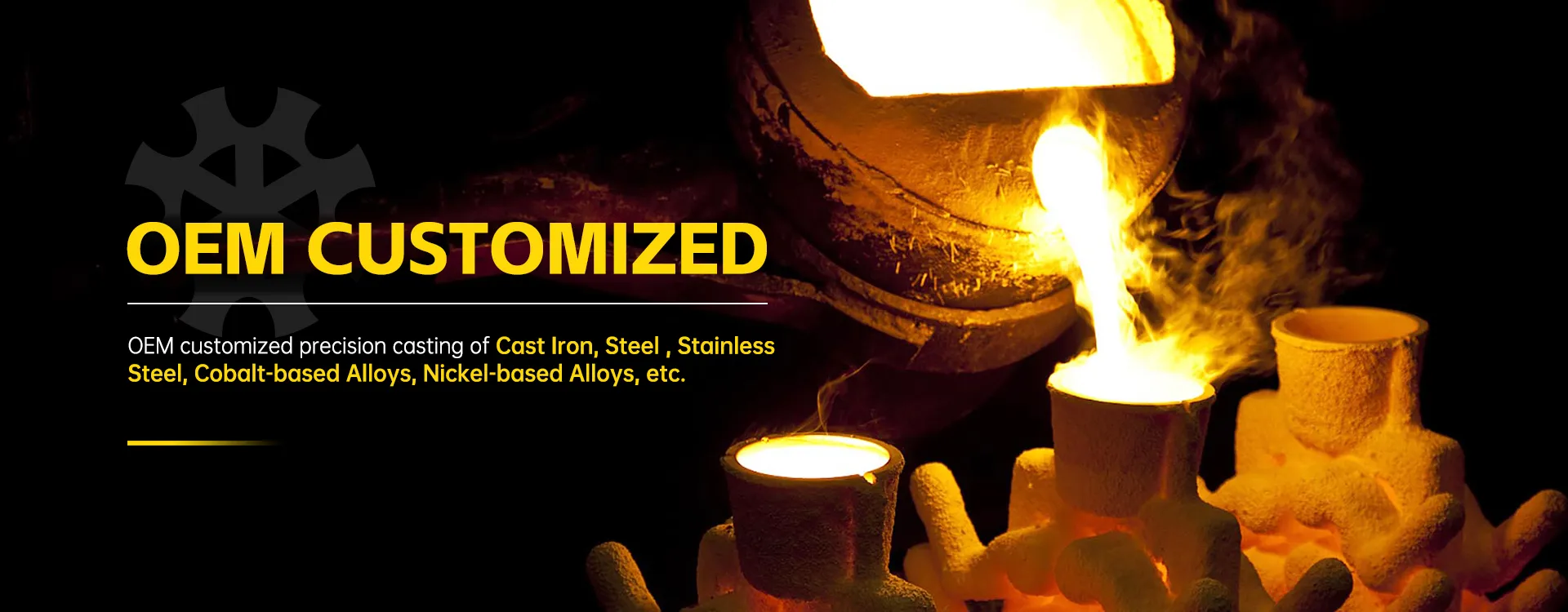
This is where the theoretical meets the molten metal. For investment casting parts in alloys like nickel-based or cobalt-based superalloys, the pour is a controlled race against time. The metal is often poured at superheat temperatures far above its liquidus point to ensure fluidity through thin sections, but that extra heat can lead to grain growth and chemical segregation. The gating system you designed weeks ago in wax form is now the only control you have over how the metal fills the cavity. It needs to be turbulent enough to avoid cold shuts but laminar enough to avoid entrapping slag or oxide films.
I recall a project for a high-temperature alloy component used in aerospace. The spec called for a specific grain flow direction for fatigue resistance. Achieving that wasn't just about the metal chemistry; it was about pre-heating the ceramic shell to a precise temperature (within a 25°C window) and controlling the pour speed to promote directional solidification from the tip of the part back into the gate. It took three pilot runs to get it right. The foundry's ability to control these parameters—their furnace calibration, their shell pre-heat ovens—is what separates a job shop from a true technical partner.
Post-pour, the shell is broken off, but the part is far from done. The gates and runners, also now in metal, need to be removed. For hard alloys, this often means using an abrasive cut-off wheel or even EDM wire cutting. You have to be careful not to introduce stress or thermal damage into the part itself at this stage. It's a finishing step that requires as much finesse as the casting process.
Machining & Finishing: The Casting Isn't the End
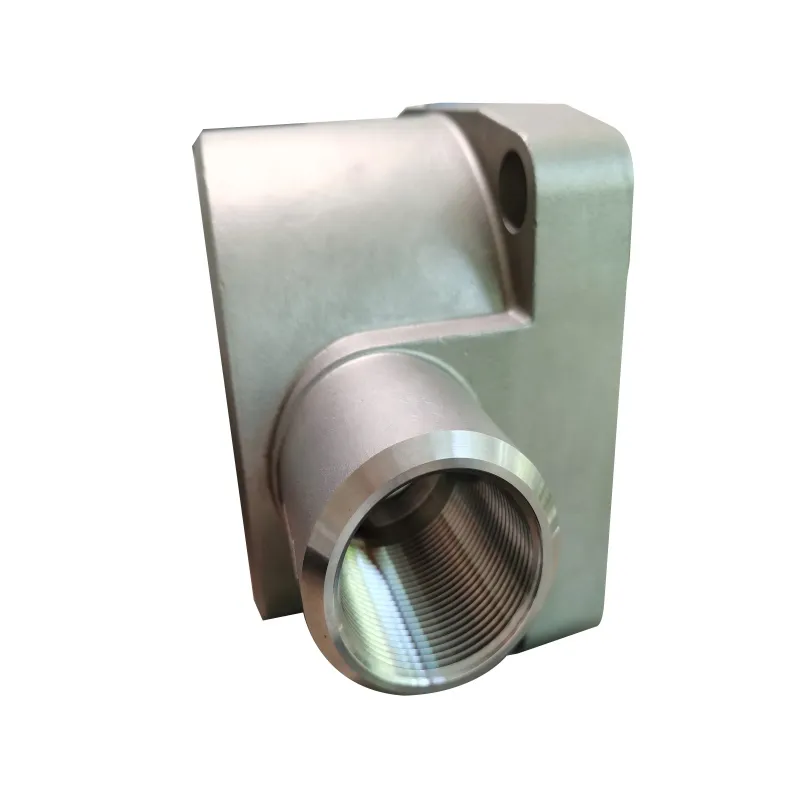
Almost every investment casting requires some level of machining. The promise of near-net-shape is rarely net-shape. You might have critical sealing surfaces, threaded holes, or tight-tolerance bores that need to be finished. This is where integration with CNC machining capabilities becomes a massive advantage. If the casting house also handles the machining, like QSY does with their CNC machining services, they can optimize the casting design for machinability from the start.
For instance, they might add minimal stock allowance in precise locations, knowing exactly how their fixture will hold the oddly-shaped casting. They understand the potential for residual stress in the casting and can sequence machining operations to relieve it without distorting the part. Trying to get this level of synergy by sending a raw casting to a separate machine shop is fraught with communication gaps and finger-pointing if something goes wrong.
Surface finishing is another consideration. For corrosion-resistant applications in stainless steel, a passivation treatment is standard. But for parts with internal channels or complex geometries, ensuring complete chemical coverage and rinsing is a challenge. It's a detail that's easy to specify on a drawing but hard to execute consistently. A good supplier will have validated processes for this, often involving agitation or ultrasonics.
Material Nuances: Not All Steel is Steel
The material selection is where the application truly defines the process. When we talk about steel or stainless steel for investment casting parts, we're talking about dozens of specific grades. A 17-4 PH stainless offers precipitation hardening for strength, but its heat treatment cycle is sensitive and can warp a thin-walled part. A 316L offers excellent corrosion resistance but is gummy to machine. The foundry needs to know this.
This is even more critical for special alloys. Nickel-based alloys, like Inconel 718, are often chosen for high-temperature strength and oxidation resistance. However, they are notoriously prone to segregation of elements like niobium during solidification. This requires very tight control over the cooling rate and often a subsequent homogenization heat treatment to redistribute the elements evenly. A shop without deep metallurgical expertise might cast the shape correctly but deliver a part with sub-par mechanical properties.
Cobalt-based alloys, like Stellite, are another beast. They're incredibly wear and corrosion-resistant but can be brittle. Designing fillet radii and section transitions to avoid stress concentrations is paramount. You can't just take a design meant for carbon steel and cast it in a cobalt alloy. The feedback loop between the design engineer and the foundry metallurgist is essential here. A long-standing operation builds a library of this knowledge, understanding how each of their core materials—from ductile iron to superalloys—behaves in their specific process environment.
Final Thoughts: It's a System, Not a Step
Looking back, the biggest lesson is that investment casting is an interconnected system. A tweak in the wax formula affects shell build-up, which influences dewaxing success, which alters the thermal profile for the pour, which impacts the grain structure. You can't optimize in silos. The value of a partner isn't just in having the equipment for shell mold casting, investment casting, and CNC machining under one roof. It's in having the process engineers who understand how each stage talks to the next.
The real cost isn't in the per-part price; it's in the total lifecycle of the project—the engineering time, the prototype iterations, the lead time to a reliable production run. A minor upfront cost saving with a less experienced shop can evaporate with one batch failure that shuts down an assembly line. The consistency that comes from decades of running the same core processes, like you'd expect from a firm with a 30-year history, is an intangible but critical asset. It's the difference between getting a part that looks right and getting a component that performs right, batch after batch.
So next time you evaluate a set of drawings for potential investment casting, look past the geometry. Think about the material's behavior, the critical surfaces, the load cases. And choose your partner based on their system thinking, not just their brochure. The part's journey from a CAD model to a functioning component in someone's hand is a lot longer and more nuanced than it seems.