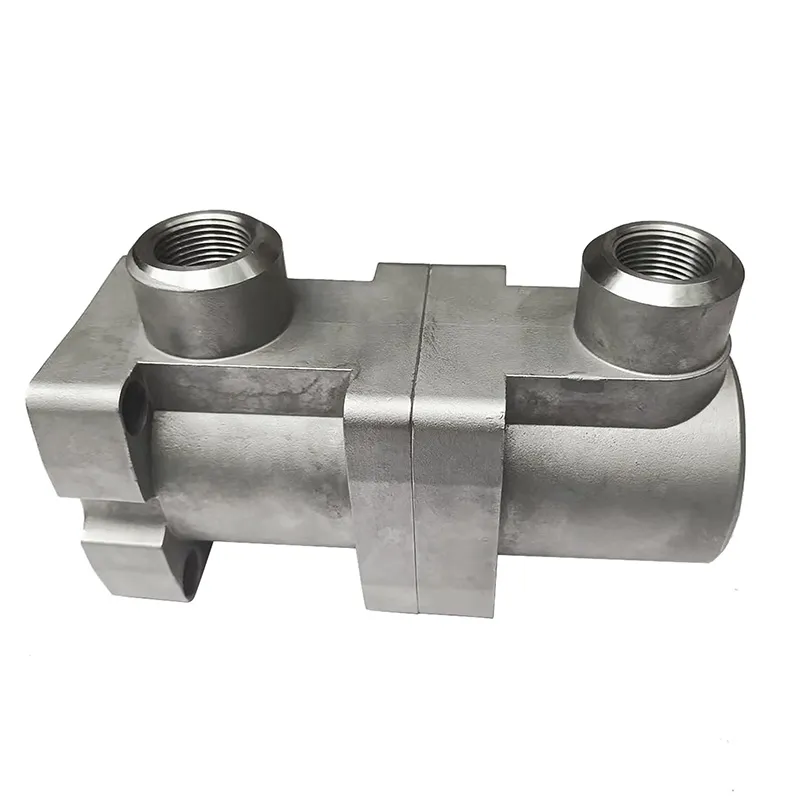
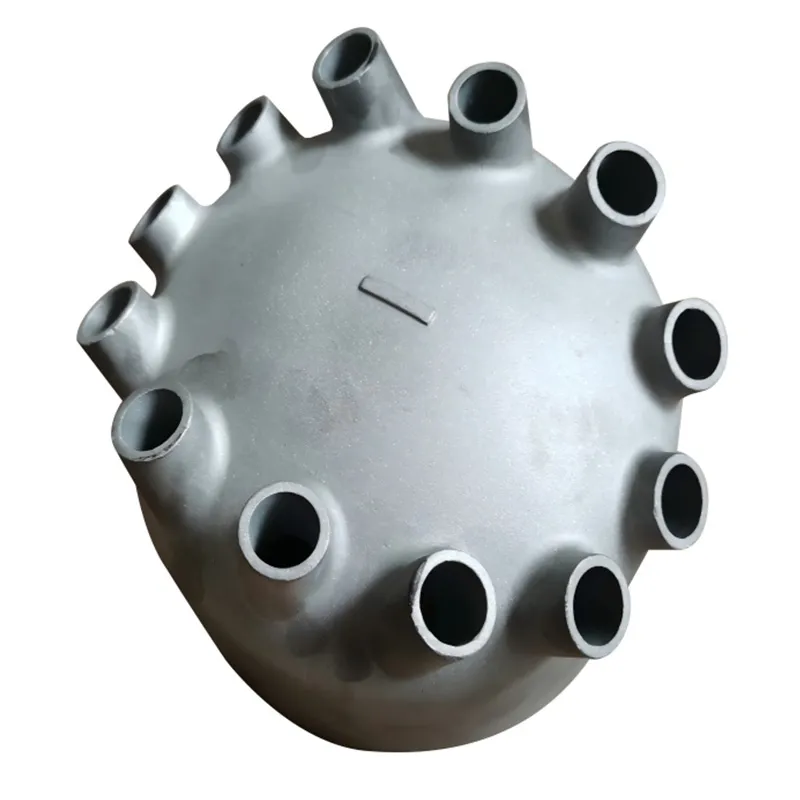
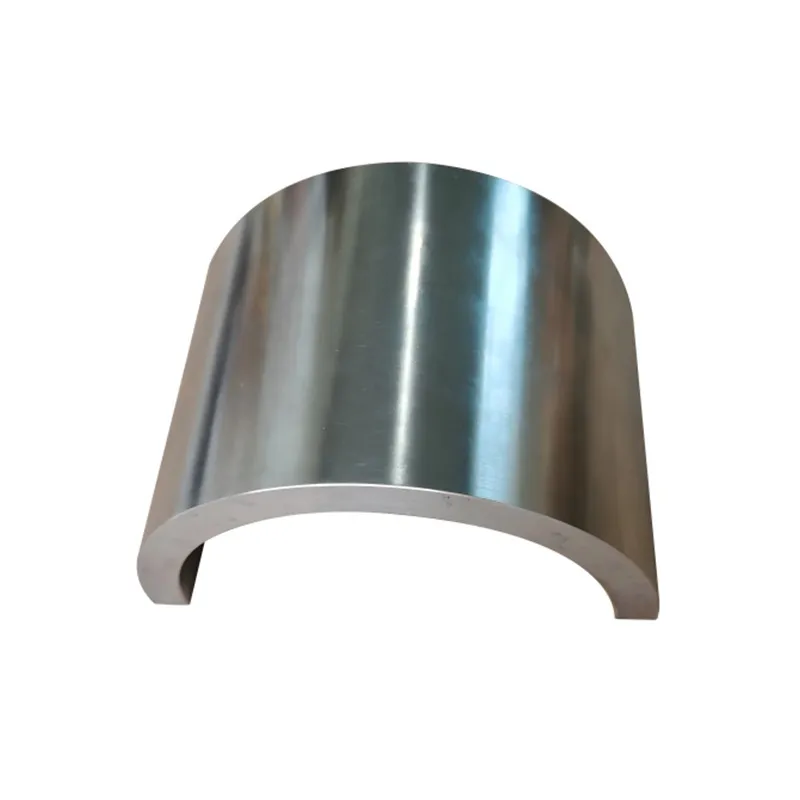
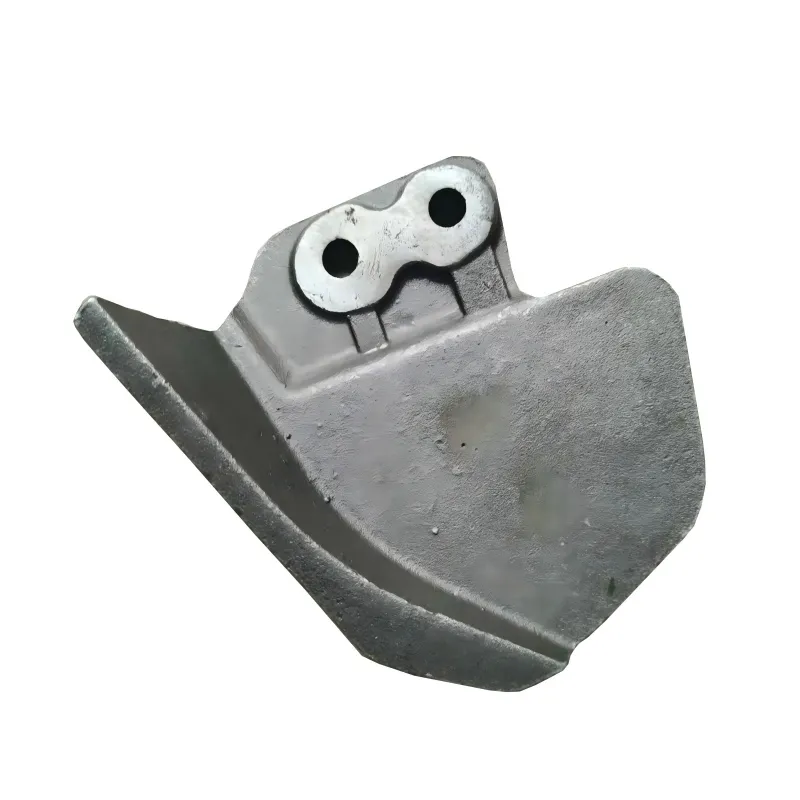
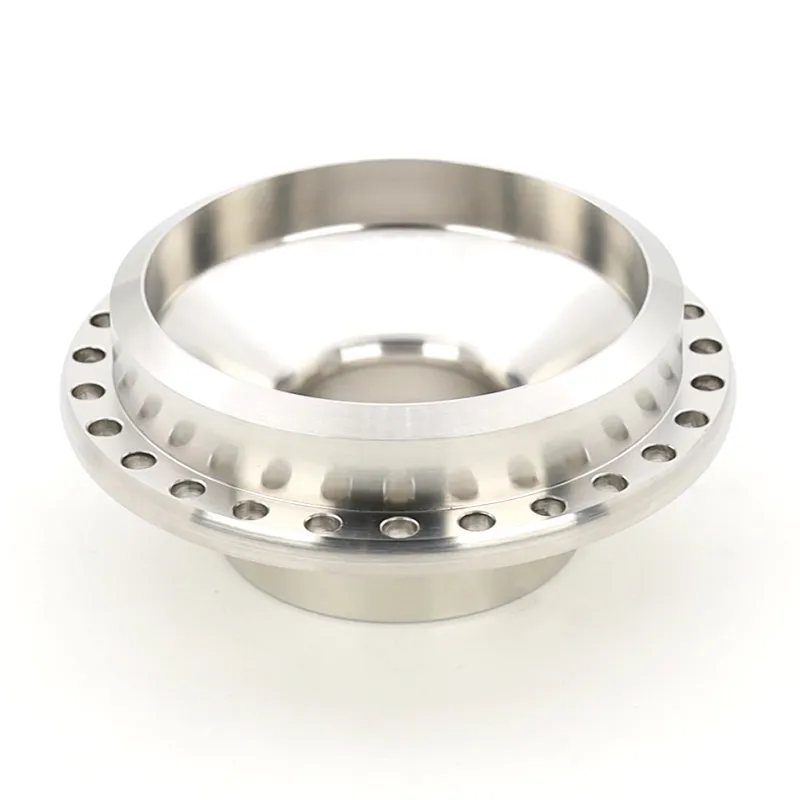
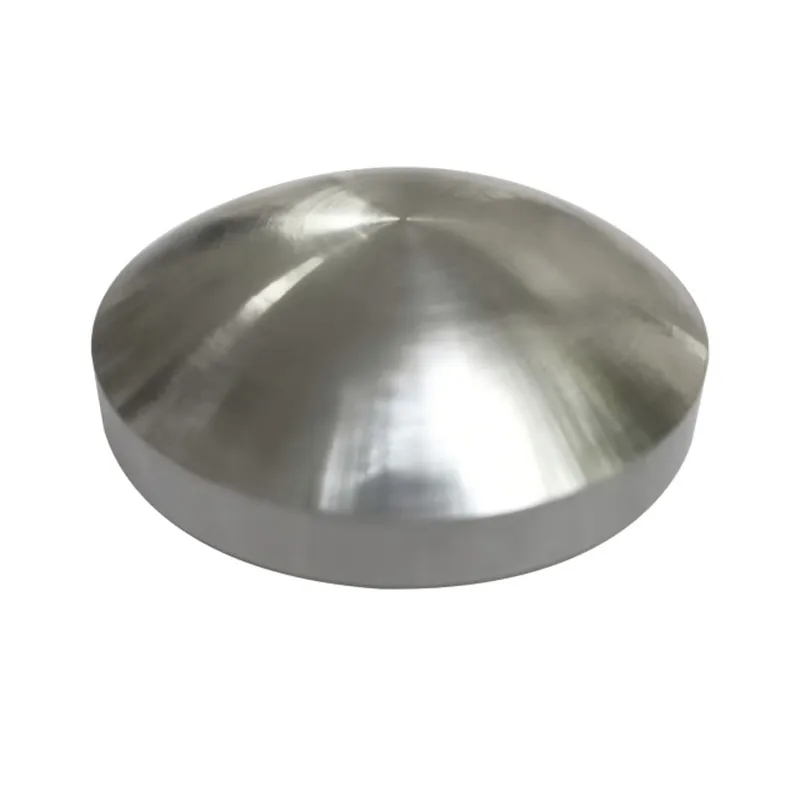
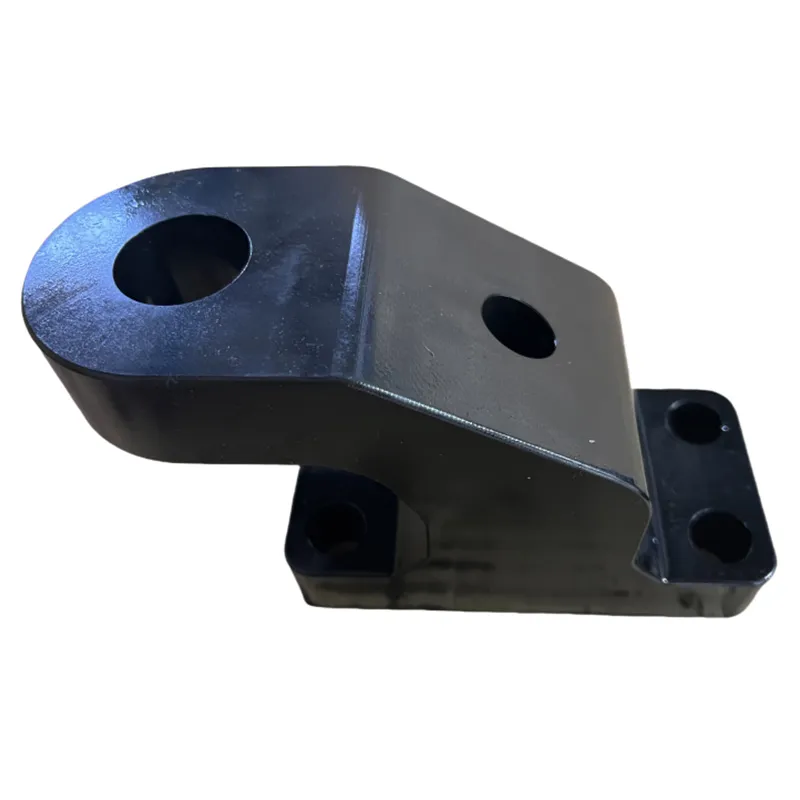
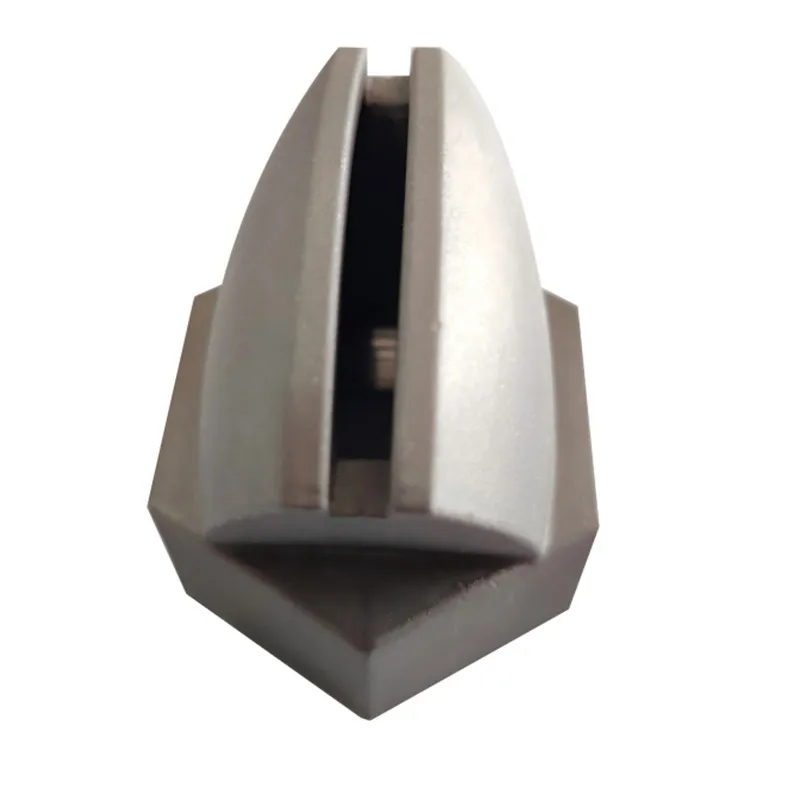
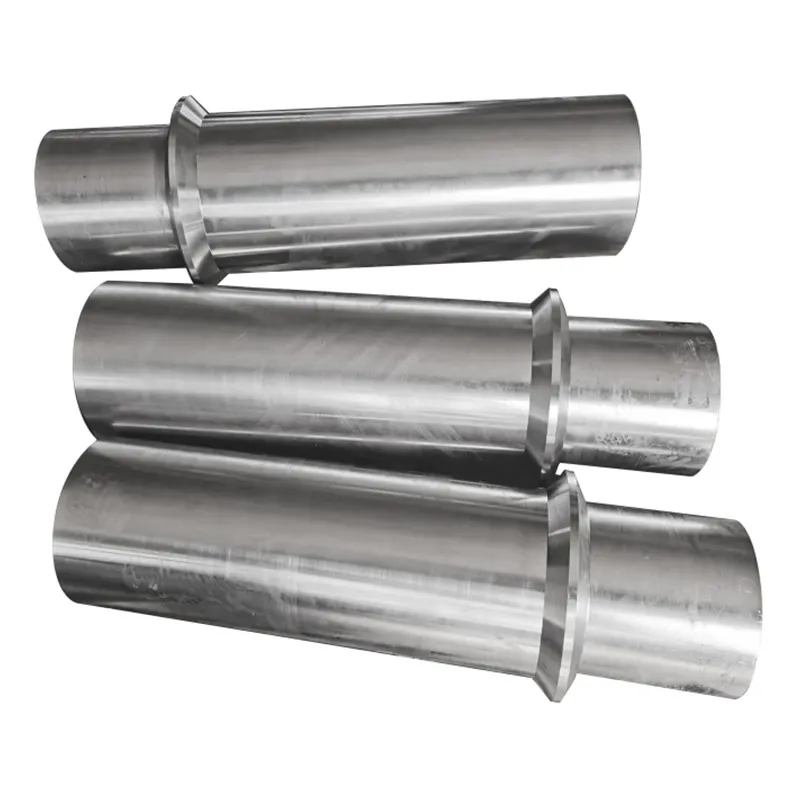
When most people hear 'investment casting products,' they picture those flawless, near-net-shape turbine blades or intricate jewelry. That's the marketing gloss. The reality on the shop floor is a constant negotiation between the ideal geometry on the CAD model and the stubborn physics of molten metal and ceramic shells. The biggest misconception? That it's a 'precision' process in a sterile lab. It's precision born from controlled chaos, experience, and a lot of problem-solving that never makes it to the spec sheet.
The Core of the Process: It's All About the Shell
Everyone obsesses over the final metal part, but the real magic—and the source of most headaches—happens in the shell room. The quality of an investment casting is locked in during the successive dips and stuccos. I've seen projects fail because the dew point wasn't controlled during drying, leading to micro-cracks that only show up after pour. It's not just about following a recipe; it's about reading the room, literally. The humidity from a rainy day can set you back 24 hours.
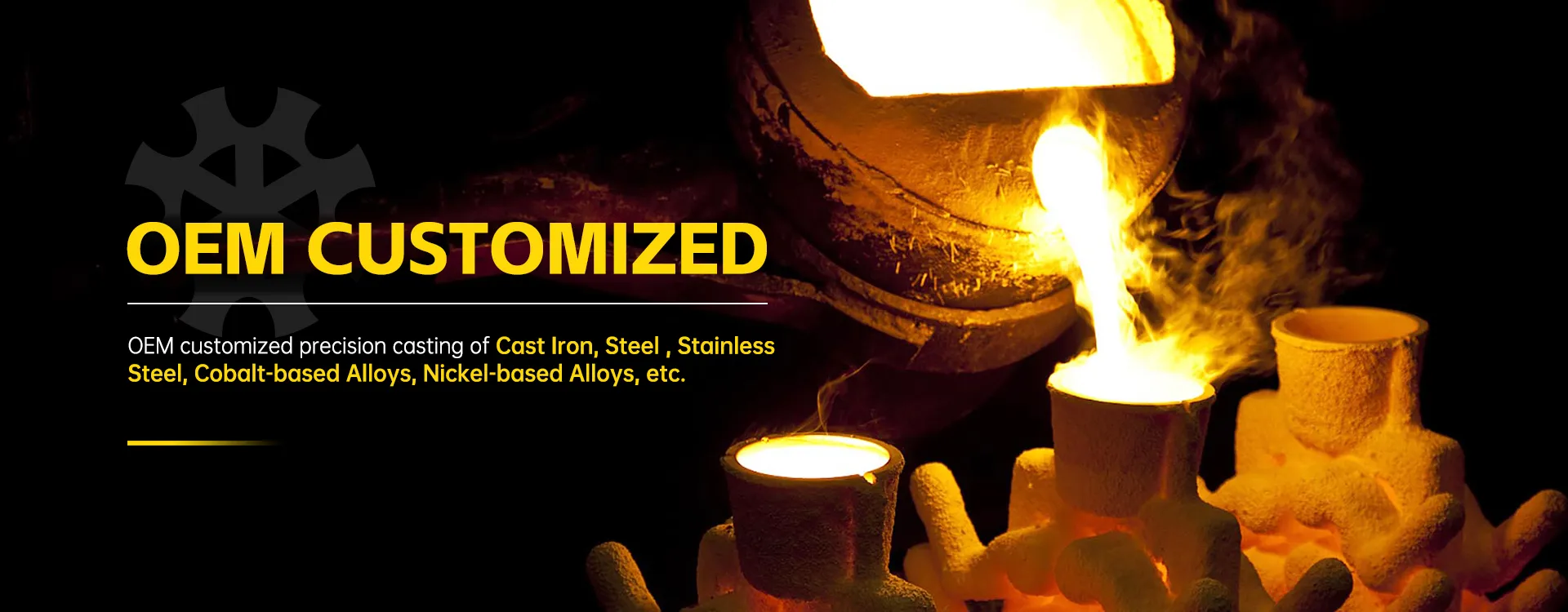
At a place like Qingdao Qiangsenyuan Technology (QSY), with their decades in the game, this shell-building phase is where their institutional knowledge pays off. They're not just making shells; they're engineering a controlled failure point—a mold that must withstand 1500°C+ but then be breakable enough to remove a complex part without damaging thin walls. For high-temperature alloys like the nickel-based ones they list, the shell formulation is tweaked to resist metal reaction. A standard shell facing a superalloy will often cause surface contamination, a gritty, fused layer that's a nightmare to machine off later.
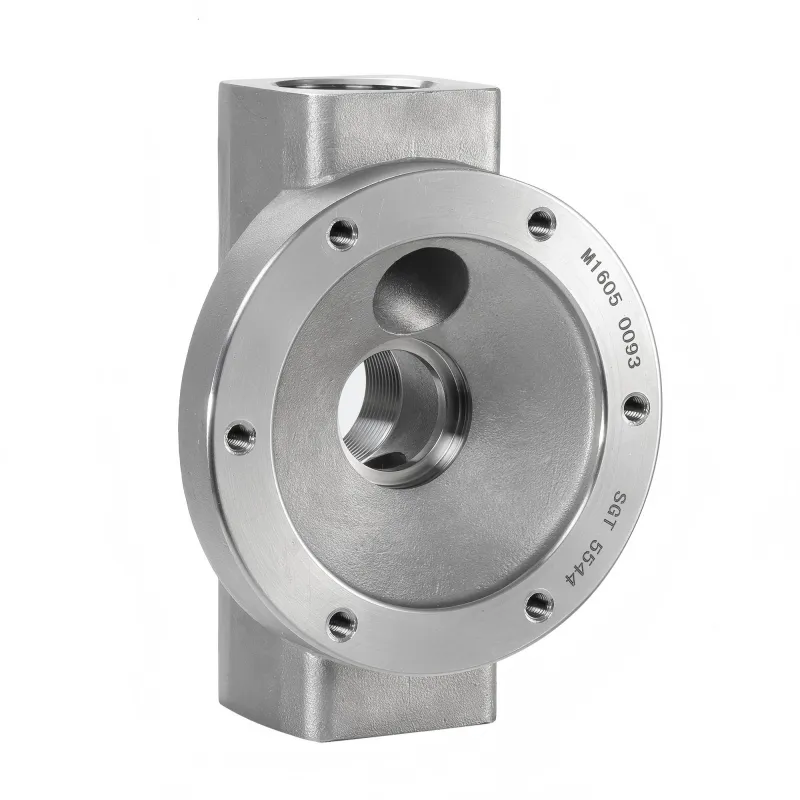
We once had a run of stainless steel valves where the threads kept coming out slightly distorted. The culprit? The thermal expansion mismatch between the ceramic core and the shell. The core was restraining the solidifying metal just enough to pull it out of spec. The fix wasn't a CAD change; it was adjusting the pre-heat temperature of the mold before pouring to alter the solidification gradient. That's the kind of tacit knowledge you build over 30 years, the kind that separates a functional casting from a high-integrity one.
Material Choices: More Than Just a Drop-Down Menu
Clients send a material spec—316 stainless—and think that's that. But the melt practice for investment casting products is different from forging or sand casting. You're dealing with smaller heats, often vacuum or argon atmosphere, and the grain structure forms differently. For QSY's range, moving from carbon steel to a cobalt-based alloy isn't just a matter of swapping ingots. The fluidity changes, the shrinkage changes dramatically, and the heat treatment protocol post-casting becomes critical.
I recall a prototype for a surgical tool made from a specific martensitic stainless. The prints called for a certain hardness. We hit the hardness number, but the parts were brittle. The issue was trace elements from the revert material (recycled sprue and runners) affecting the transformation. We had to go to a 100% virgin melt, which blew the budget but solved the problem. It's a reminder that the material on the certificate isn't always the material in the mold; the process defines the final properties.
This is where a full-service house adds value. QSY's combo of investment casting and in-house CNC machining means they can advise on design tweaks for manufacturability. Maybe adding a slight draft isn't possible for the part's function, but they might suggest a different alloy that's more forgiving or a heat treatment that achieves the needed strength without making the part unmachinable. It's a collaborative engineering effort, not just a purchase order.
The Machining Handoff: Where Casting Meets Reality
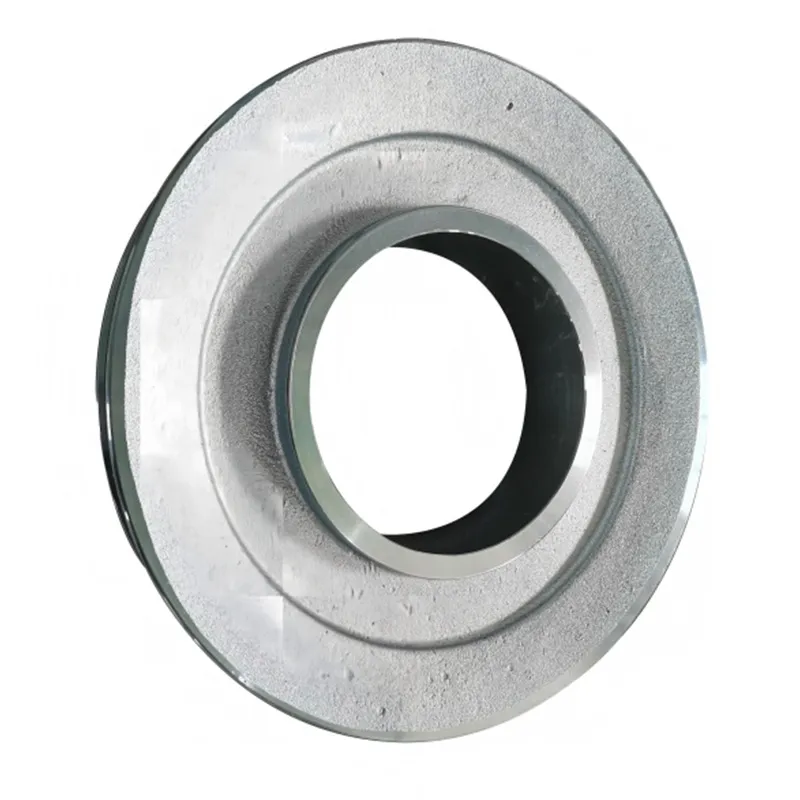
This is the moment of truth. You shake out the tree, blast off the shell, and cut off the gates. Now you have a raw casting. The first CNC probe hit tells you everything about your process control. A well-run process yields predictable stock allowance. I've seen shops where the machining department and the foundry are at war—the machinists complaining about hard spots and shifting cores, the foundry blaming aggressive tool paths.
Integrated operations mitigate this. When the casting and CNC teams are under one roof, like at QSY, feedback is immediate. If a pocket is consistently tight, the wax pattern can be adjusted in the next iteration. They understand that a casting isn't finished when it's poured; it's finished when it's a machined, inspected component. For their listed special alloys, which are often brutal on tooling, this synergy is crucial. You might design a casting with thicker sections near clamping points to survive the machining stresses, something a pure-play machine shop wouldn't think about.
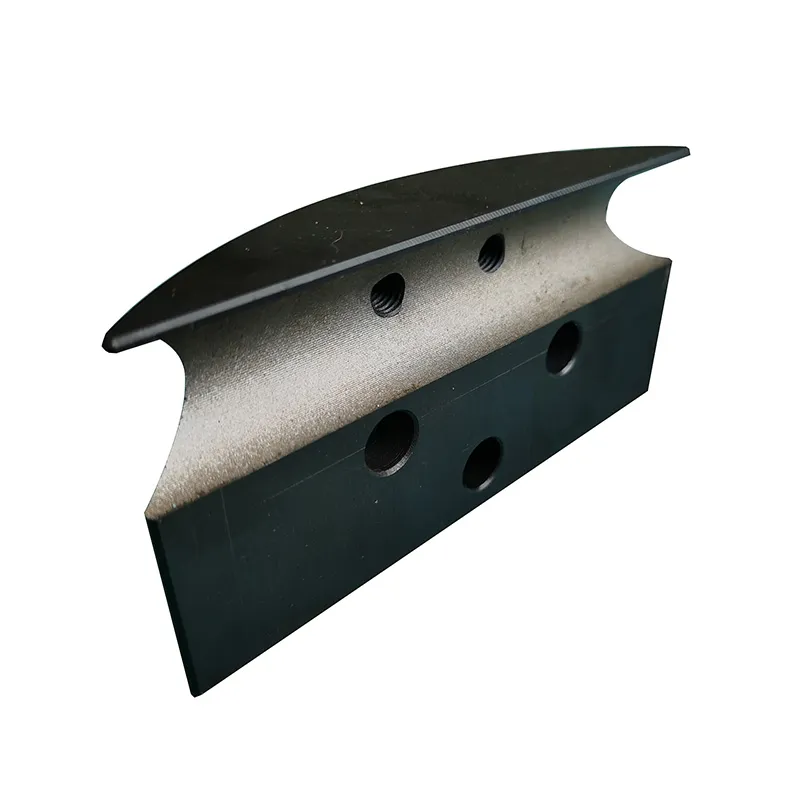
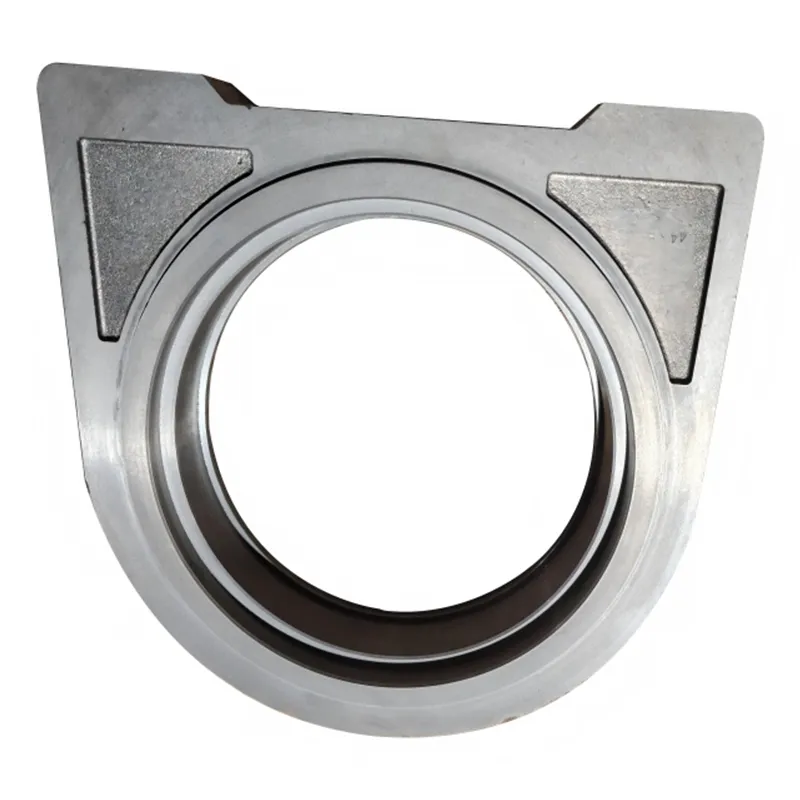
A practical detail: datum establishment. A good investment casting process will include designing wax patterns and shells with machinable datum features in mind. These might be small pads cast on non-critical surfaces, providing a clean, stable location for the first setup. It's a small thing that massively reduces fixture complexity and improves repeatability. It's this end-to-end mindset that defines a true supplier of engineered investment casting products, not just a parts caster.
Failure as a Learning Tool (The Expensive Kind)
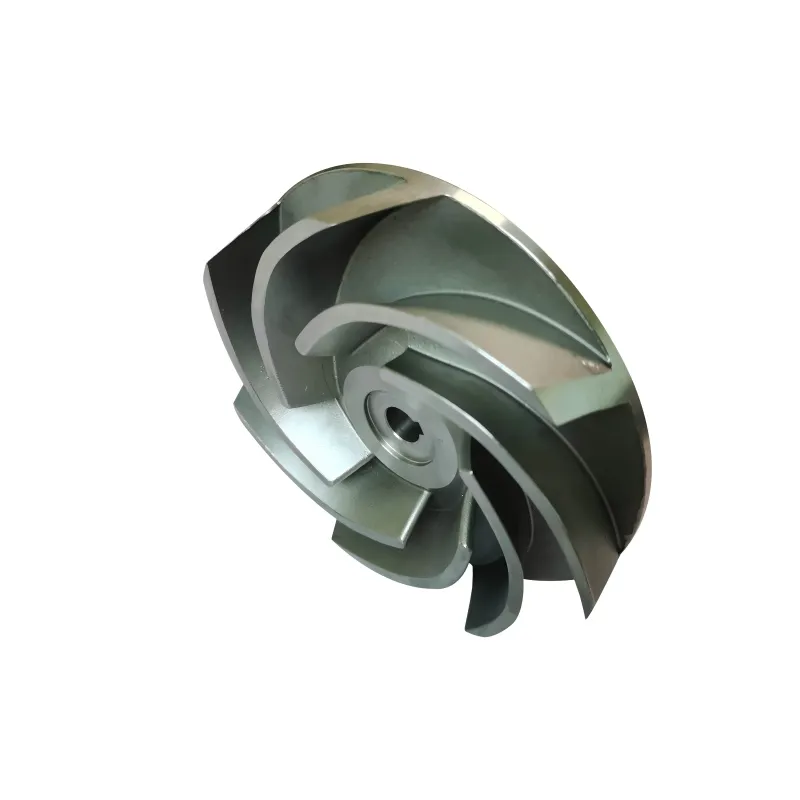
You haven't really learned investment casting until you've scrapped a few expensive batches. Early in my time, we had an order for pump impellers in duplex stainless. The parts passed X-ray, pressure testing, everything. They failed in the field after a few months from stress corrosion cracking. The root cause? Incomplete solution annealing after casting. We had followed the standard time/temperature, but the section thickness variation in this particular design created a thermal mass that prevented the core from reaching the critical temperature. The fix was a custom annealing cycle with longer soak times. The customer's prints didn't specify this; it was on us to know our process's limitations.
Another classic: micro-porosity in heavy sections adjacent to thin walls. The simulation software might not flag it, but experience does. Sometimes the solution is non-intuitive, like using a chill in the mold to force directional solidification away from the problem area, or even redesigning the gating system entirely to feed metal more effectively. These aren't textbook solutions; they're the tricks you develop after seeing a hundred different geometries solidify.
That's the value of a long-standing company's portfolio. When QSY says they've been at it for 30 years, it implicitly means they've encountered—and solved—these failure modes across cast iron, steel, and those tricky special alloys. Their process knowledge is essentially a library of past problems and validated solutions, which is the most valuable asset when you're not casting simple blocks.
The Real Measure: Consistency, Not Just a Golden Sample
Anyone can produce one perfect prototype with enough time and money. The industrial challenge is producing lot number 1001 that is statistically identical to lot number 1. This is where process documentation and control come in, but also where the art meets the science. The viscosity of the slurry, the angle of dip, the drying airflow—these can be standardized, but they still require skilled operators to monitor and adjust.
For high-volume investment casting products, this consistency is the selling point. Think of automotive turbocharger housings or fuel system components. A foundry's capability is proven by its Cp/Cpk data, its first-pass yield rates. It's less about making a single stunning part and more about making ten thousand boringly identical, defect-free parts. This requires a maturity that often only comes with scale and time in operation.
Looking at a supplier, I always ask about their process validation for a new part. Do they run a statistical process control (SPC) study on the first production batch? How do they handle wax tooling wear over time? The answers tell you if they're thinking beyond the initial order. The goal is a partnership where they become an extension of your own engineering team, proactively managing the lifecycle of the investment casting tooling and process. That's when you move from buying a component to buying a reliable, engineered supply chain.