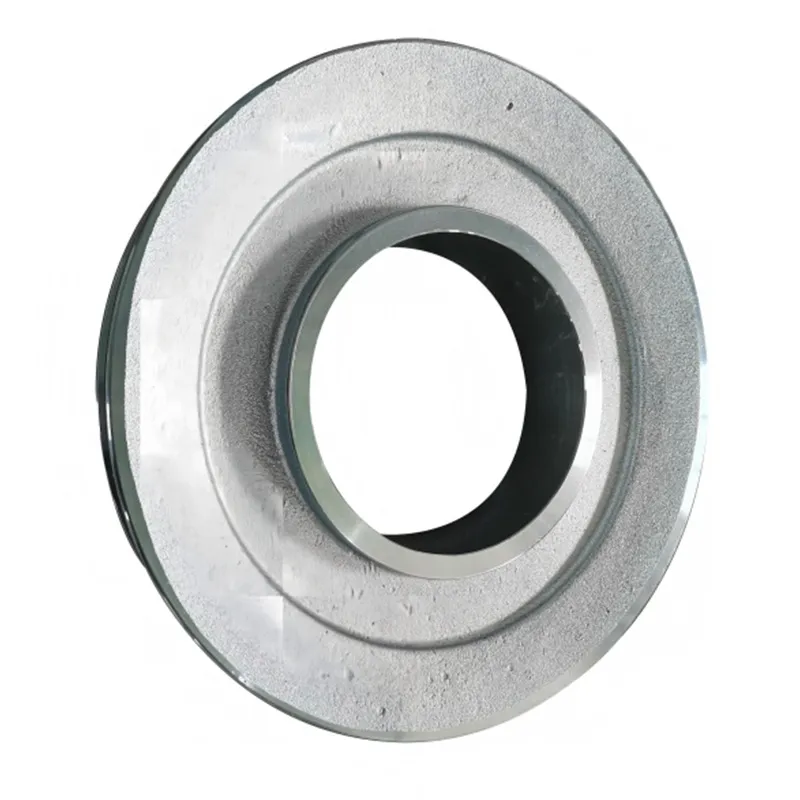
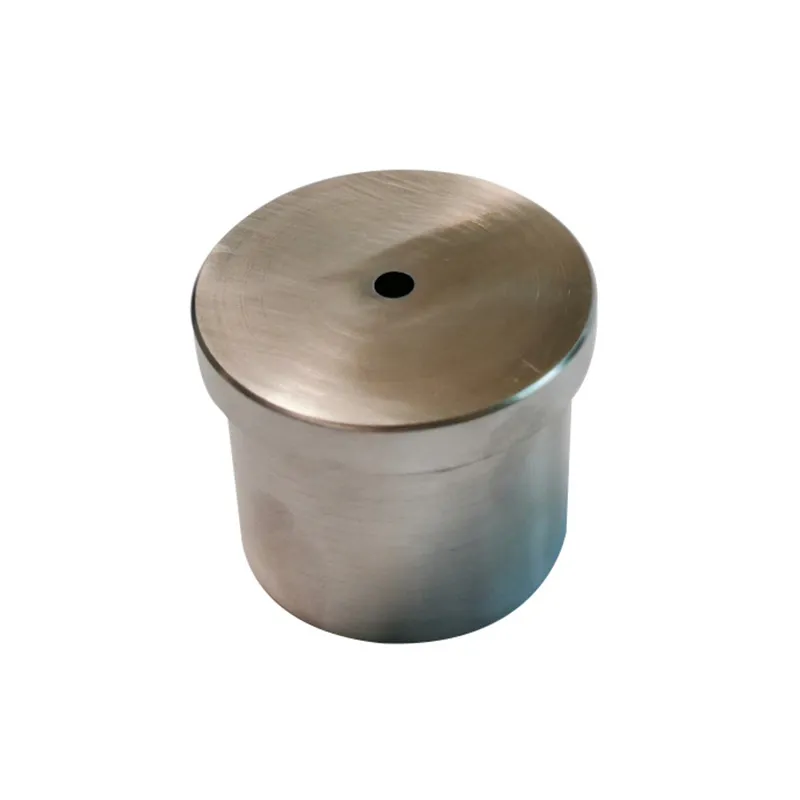
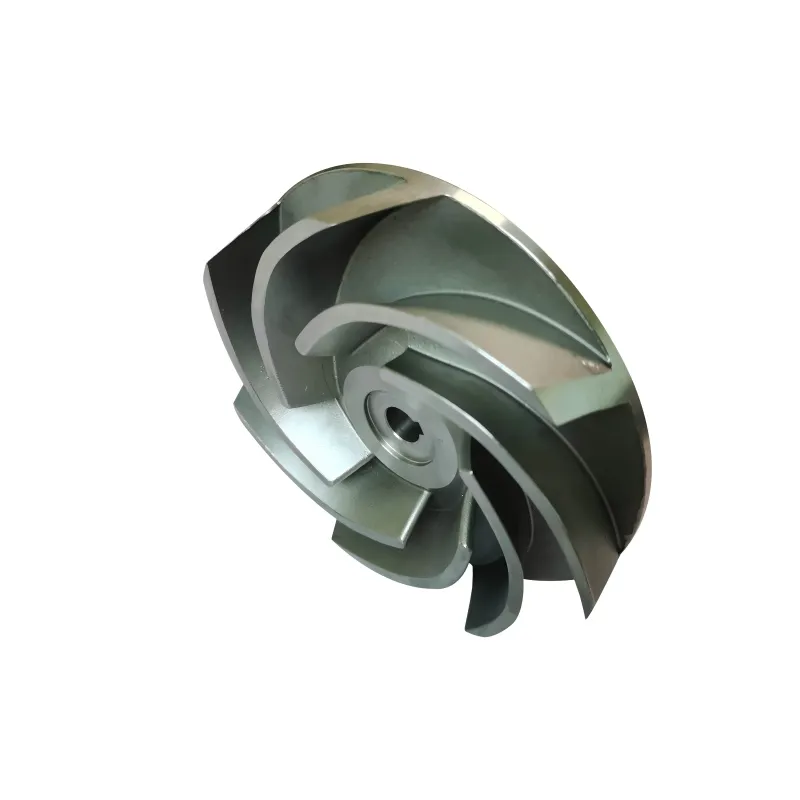
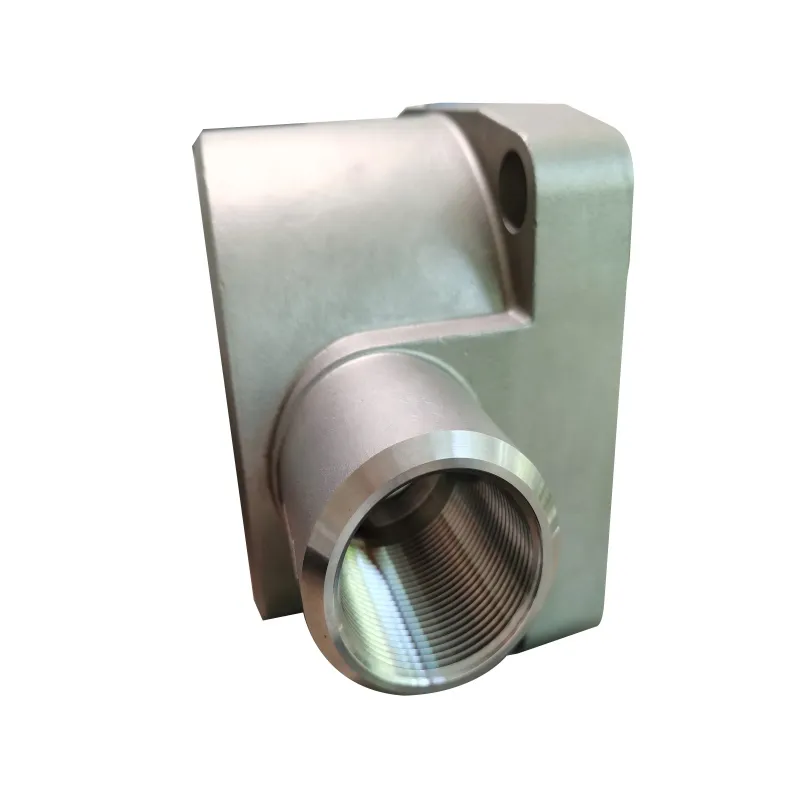
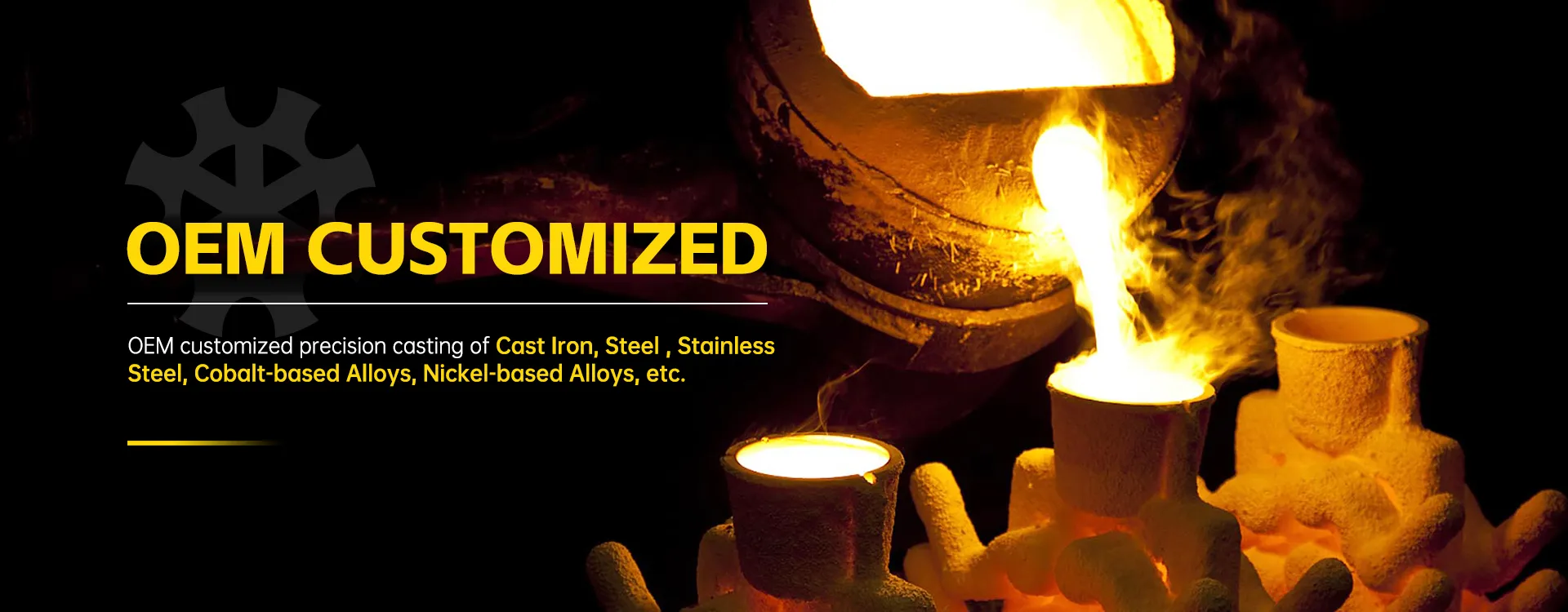
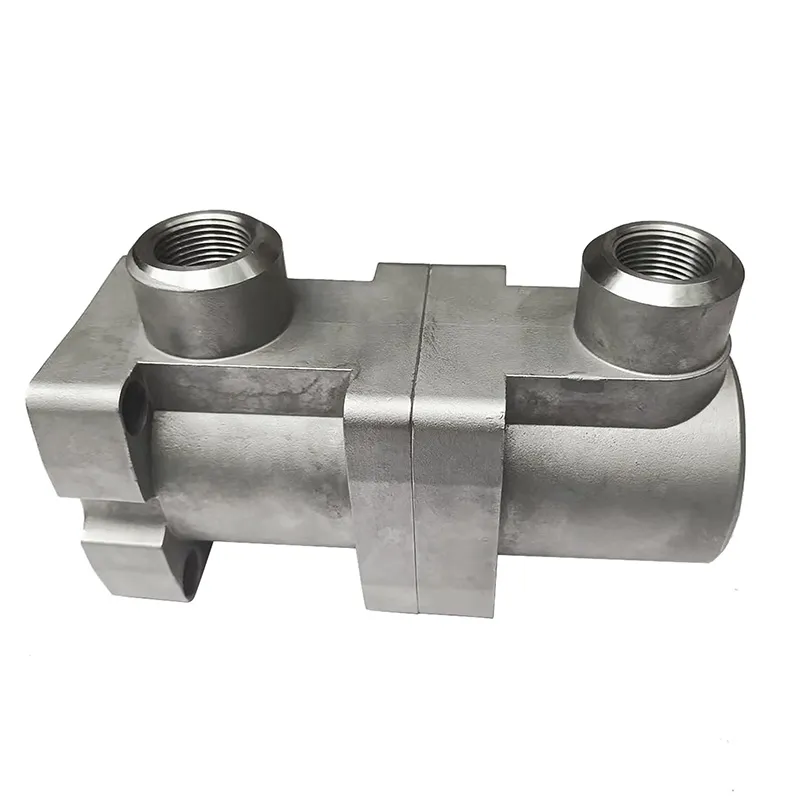
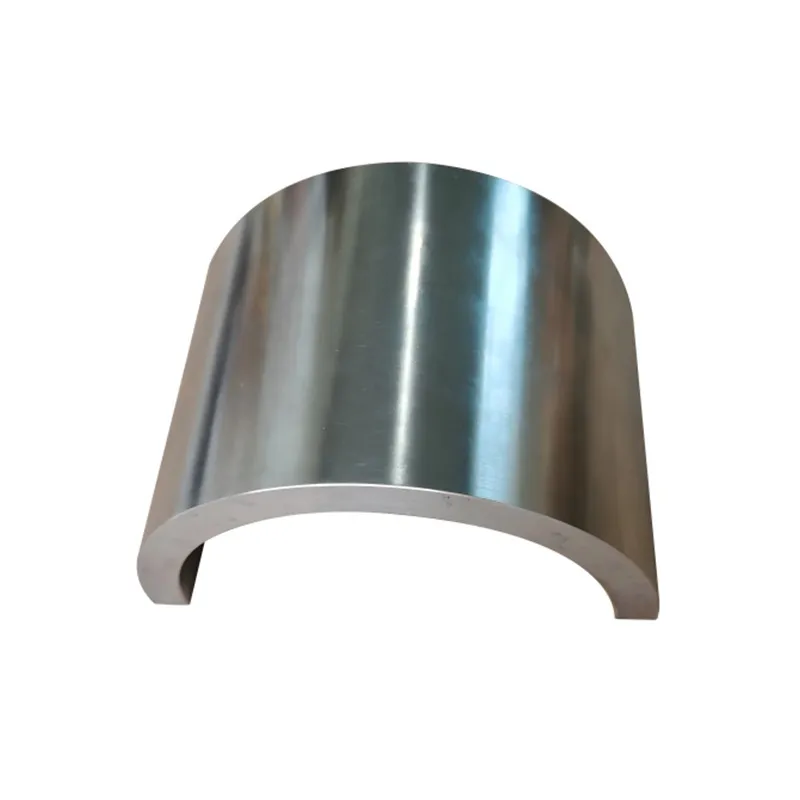
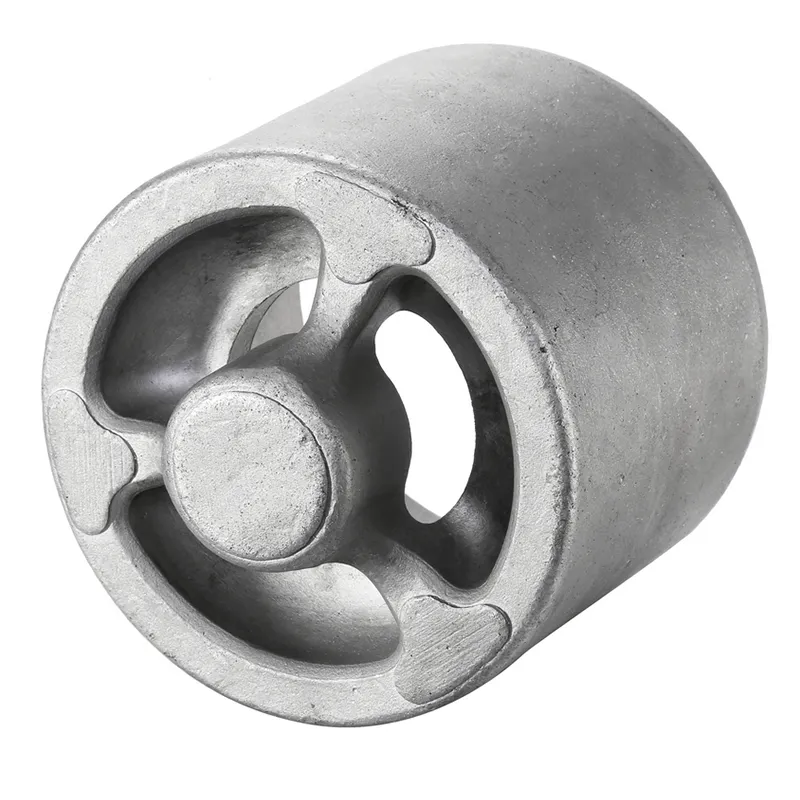
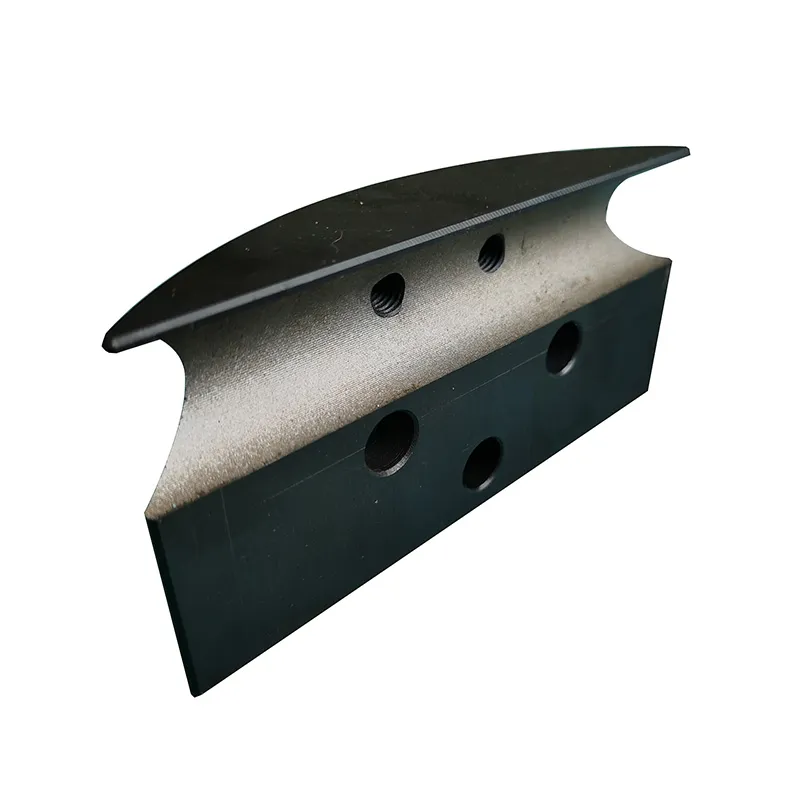
When you hear 'investment casting,' minds jump to wax patterns and ceramic shells. The silicone sol foundry part? That's often the quiet, misunderstood workhorse. Many assume it's just about buying a bucket of binder. The reality is, the sol—that colloidal silica suspension—is where the process is won or lost long before any metal is poured. I've seen shops obsess over alloy specs while treating their sol system as an afterthought, a costly mistake.
The Sol Isn't Just a Glue; It's the Architecture
In a investment casting foundry, the sol's job is to coat each zircon flour or alumina silicate grain, building the shell layer by layer. The quality of gelation—how it transitions from liquid to gel—dictates shell strength and permeability. Too fast, and you get brittle, micro-cracked layers. Too slow, and your production line grinds to a halt. I recall a project where we switched to a new, 'high-performance' sol from a different supplier. The specs looked perfect on paper. In practice, the gel time was too sensitive to shop floor humidity, leading to inconsistent shell thickness and a nightmare of shell cracks during dewaxing. We lost a whole batch of complex aerospace brackets. The takeaway? The sol's behavior in your specific environment trumps its data sheet.
This is where the 'foundry' in silicone sol foundry truly matters. It's not a lab. Ambient temperature swings, dust, the quality of your drying air—it all feeds back into the sol tank. A robust process controls these variables. For instance, at a facility like Qingdao Qiangsenyuan Technology Co., Ltd. (QSY), with their 30-year focus on investment casting and shell mold processes, the sol system's maintenance is likely as routine as machine calibration. It's that ingrained, operational discipline that separates a job shop from a precision supplier.
You develop a feel for it. The sol's viscosity should coat your stirrer in a specific way. Its pH needs daily checks—a drift can signal contamination or aging. We once traced porosity in a series of stainless steel pump impellers back to a barely noticeable pH creep in the primary coat slurry, caused by a slow leak of hard water into the mixing tank. The fix was simple, but diagnosing it required trusting the process data over the assumption that 'it's always been mixed this way.'
Material Compatibility: Where Theory Meets the Pouring Cup
This ties directly into the alloys. A sol system tuned for carbon steel shells might not optimize for high-nickel alloys. These superalloys, like the Inconel or Hastelloy series QSY lists, pour at extreme temperatures and interact differently with the shell during cooling. The shell's thermal expansion and hot strength, dictated by the sol-binder's chemistry, must match. Using a generic sol for a cobalt-based alloy casting can lead to metal-shell reaction, a nasty surface defect called 'fusion' that renders the part scrap.
I learned this through a failed attempt to run a batch of tool steel parts using a sol process optimized for stainless. The shells looked fine. The dewax was clean. But after heat treatment, we found hairline cracks. The mismatch in thermal expansion between the shell and the rapidly contracting tool steel created just enough stress. We had to revert to a modified slurry formula with a different refractory filler and a slower-gelling sol for that specific alloy family. It added cost and time, but it was the only way.
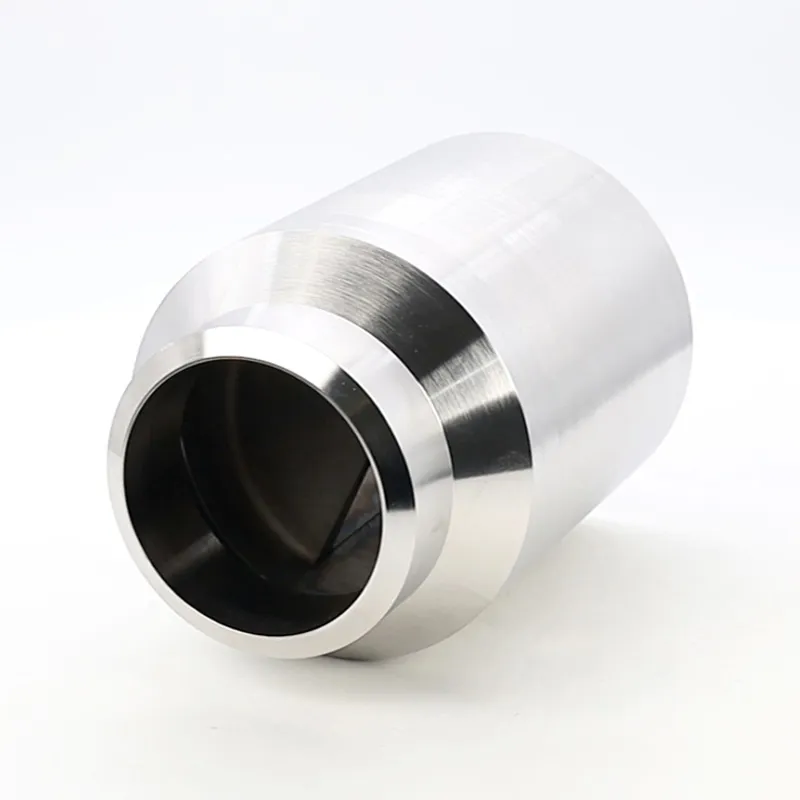
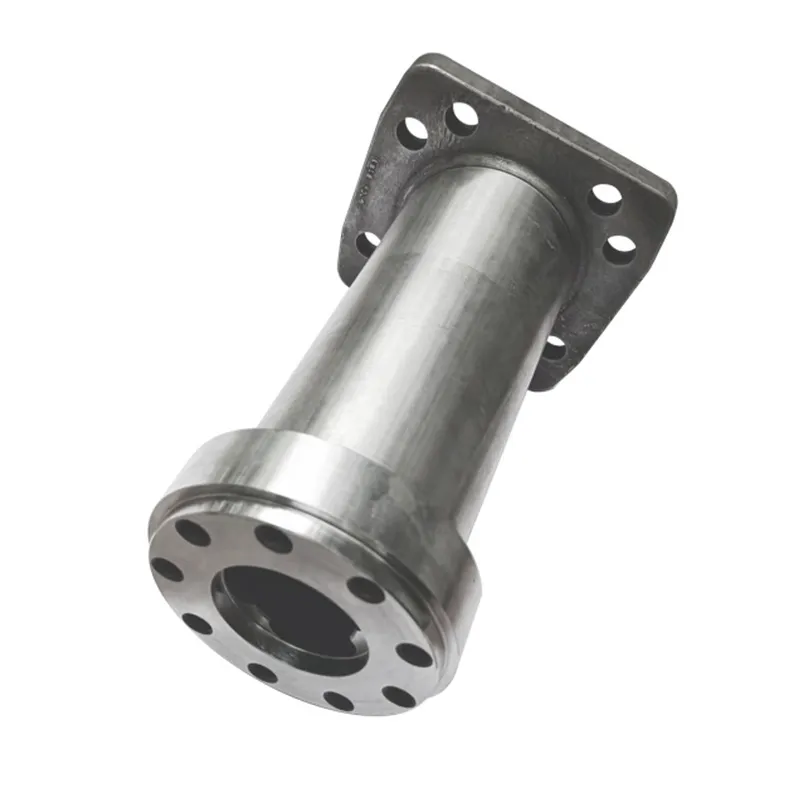
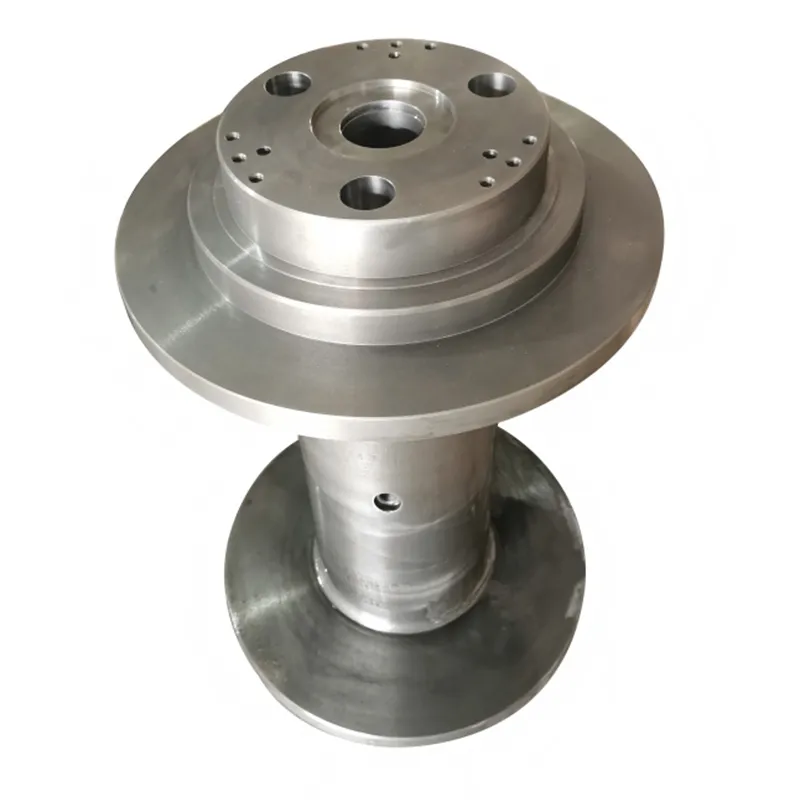
This is why the integrated approach of a foundry like QSY, combining investment casting with in-house CNC machining, is telling. It suggests a deep control over the entire value chain. They're not just making a shape; they're engineering the metallurgical integrity from the slurry tank onward. The machining step often reveals the shell's final quality—a poor shell leads to inconsistent wall thickness or hidden surface defects that only show up on the machining center.
The Daily Grind: Silo Mentality vs. Systems Thinking
A major pitfall is treating the silicone sol foundry operation as a silo separate from pattern making or melting. The wax pattern's surface finish directly affects how the first, critical coat of slurry adheres. A slightly oily release agent residue can cause slurry 'de-wetting,' creating pinholes. We implemented a strict, audited cleaning process for wax assemblies after finding such defects. The sol team had to work hand-in-glove with the wax room.
Another practical headache is reclamation. Used shell material is crushed and reclaimed as 'stucco' for backup coats. If the original sol system isn't fully burned out during shell firing, residual silica can alter the properties of the reclaimed material. It creates a feedback loop of inconsistency. Managing this requires careful control of firing temperatures and a keen eye on the reclaimed material's performance. It's an unglamorous, but vital, part of sustainable foundry economics.
Automation helps, but it's not a panacea. Robotic dipping can ensure consistency, but the programming must account for the sol's draining characteristics, which change as the tank level drops and the slurry ages. A program written for a fresh tank might leave drips and runs on a later shell if not adjusted. The human element—the operator who notices the slight change in drip pattern—remains crucial.
Case in Point: The Leverage of Integrated Expertise
Looking at a company's scope often reveals their competency level. A supplier like QSY, detailing work with special alloys and full-process capabilities from shell mold casting to machining, implicitly signals a mastery over these foundational materials. Their website, https://www.tsingtaocnc.com, frames their services around this integration. You don't survive three decades in this business by neglecting the core binder technology. Their long-term operation suggests they've likely stabilized their sol processes to handle the demanding thermal and mechanical stresses of the materials they list, like nickel-based alloys.
This integration allows for failure analysis that a standalone foundry or machine shop can't match. If a machined surface reveals subsurface porosity, they can trace it back through the heat treat, the pour, the shell preheat, and right to the slurry parameters. That closed-loop feedback is invaluable for process improvement. It turns a defect from a cost into a data point.
For anyone sourcing precision castings, especially in demanding materials, the question isn't just can you cast this? It's how do you manage your sol and shell system? The answer often separates a vendor from a partner. The silicone sol foundry process is the invisible foundation. When it's right, you never think about it. When it's wrong, it's all you can think about, usually while staring at a pile of expensive, unusable metal.
Concluding Without a Bow: It's a Living Process
So, to wrap this ramble up, the key with investment casting silicone sol foundry work is to respect it as a dynamic, living system. It's not a commodity purchase. It's a core process parameter as critical as pouring temperature. The best practices are born from continuous, attentive monitoring and a willingness to link problems on the finishing floor back to the slurry room. Success looks like uneventful consistency—batch after batch of shells that perform their single, perfect job of disappearing, leaving only a precision metal part behind. That's the goal. And it starts with the sol.
The industry's shift towards more complex, high-integrity parts only heightens this. As geometries get thinner and alloys more exotic, the margin for error in the shell room shrinks to near zero. The foundational work of companies that have built their processes around this reality, like the integrated model hinted at by QSY's offering, becomes increasingly relevant. It's the difference between making a part and engineering a component.
In the end, you can have the best CAD model and the purest alloy. But if your colloidal silica system isn't in harmony with your entire operation, you're building on sand. A robust silicone sol foundry practice is the true bedrock. It's just one most people never see until it cracks.