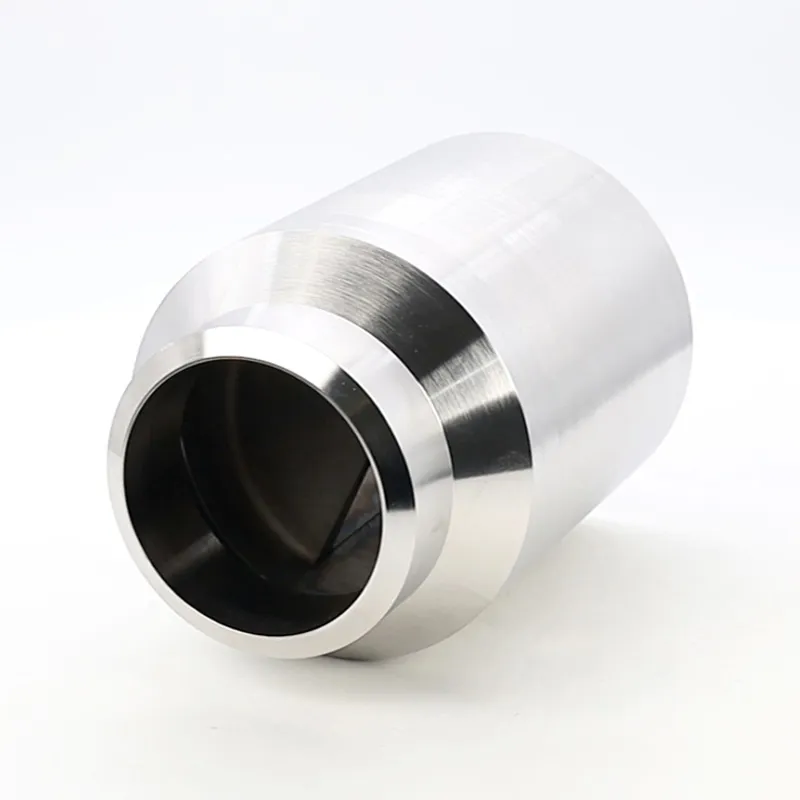
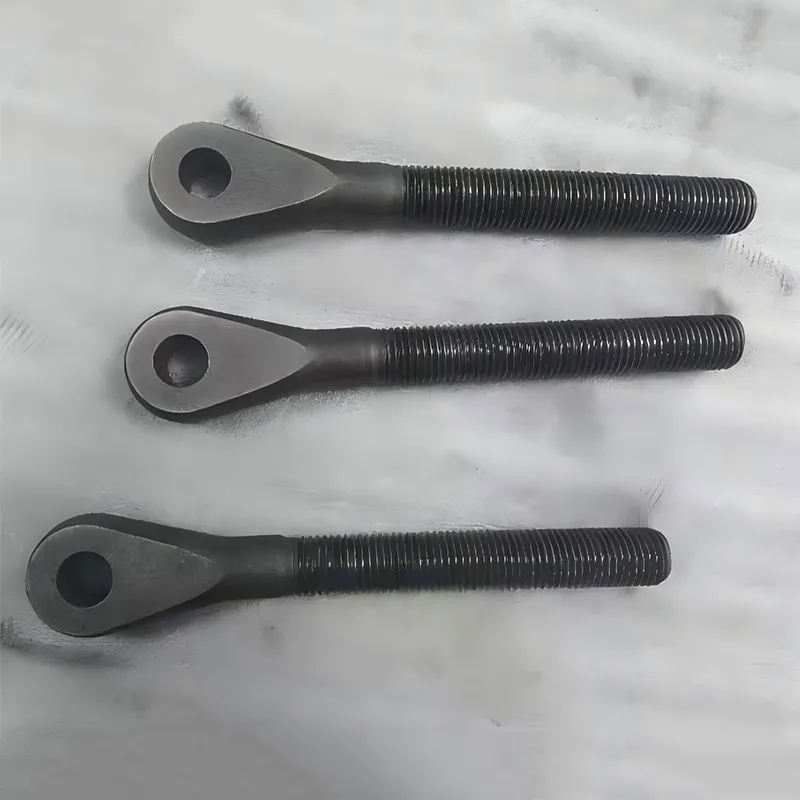
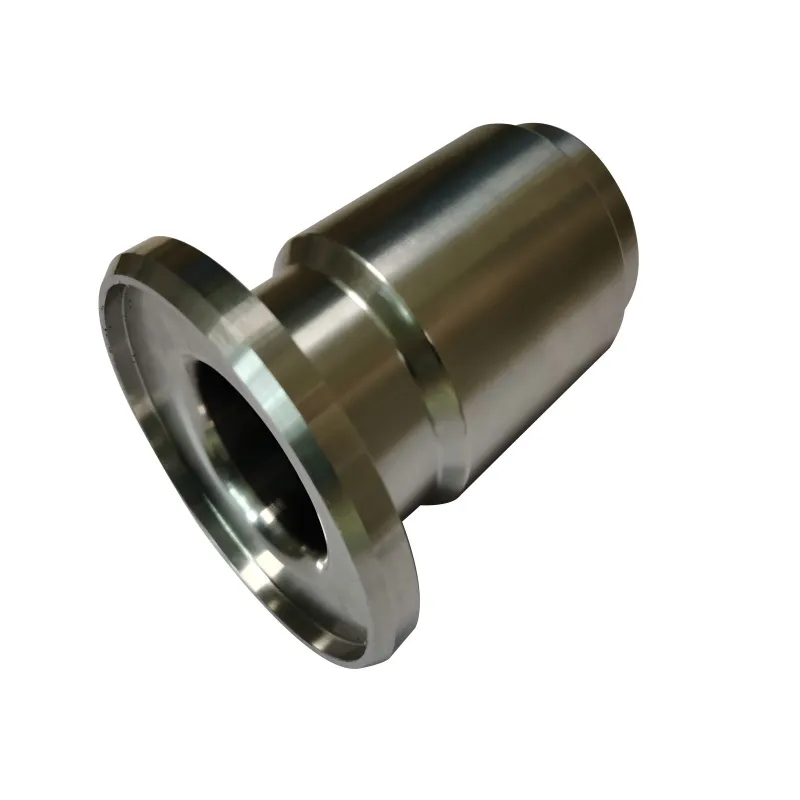
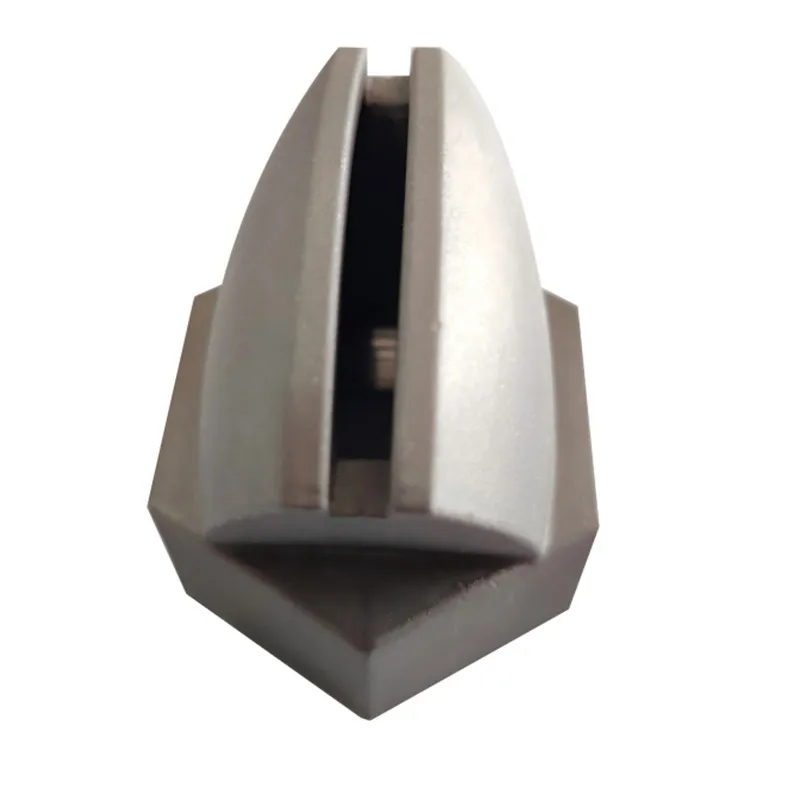
When you hear investment casting USA, the immediate image for many is a high-tech, automated facility with gleaming floors, probably in the Midwest, churning out flawless parts for aerospace giants. That's part of the story, sure, but it's not the whole picture. There's a persistent misconception that the domestic industry is monolithic, defined solely by its top-tier, defense-contract players. The reality is more layered, involving a mix of legacy shops clinging to old methods, innovative mid-sized operations pushing automation, and a constant, grinding pressure from overseas that reshapes the landscape every few years. Having been in this game, sourcing and qualifying vendors for precision components, you learn that Made in USA for investment casting isn't just a stamp; it's a spectrum of capability, cost, and often, compromise.
The Allure and the Reality of Domestic Sourcing
The decision to source investment casting in the USA often starts with logistics and IP control. The idea is compelling: shorter supply chains, easier communication in your own timezone, and a perceived stronger handle on intellectual property. For prototypes or low-volume, high-complexity parts, it can be irreplaceable. I remember a project for a surgical device component, a tiny stainless steel piece with internal channels. We needed iterative design changes weekly. Working with a foundry in Pennsylvania was the only way that project survived—the back-and-forth with a domestic partner was just faster. But that speed and access come at a premium, a premium that's becoming harder to justify for standard runs.
Where the reality bites is in volume and material flexibility. Many U.S. foundries, especially the smaller ones, are incredibly specialized. One might be a wizard with nickel-based alloys for turbines but balk at a high-volume order for common stainless steel brackets because their cost structure isn't set up for it. Their strength is in low-volume, high-mix, high-value work. The moment you talk about annual quantities in the thousands, the conversation shifts, and you see the discomfort. Their pricing often can't compete with integrated overseas manufacturers who have scaled their entire process, from pattern-making to finishing, for efficiency.
This leads to a hybrid approach I've seen more of lately. Companies do the prototyping and initial pilot runs stateside to lock down the process and design. Then, for production, they look for a partner who can replicate that process reliably at scale, often offshore. The key is finding that overseas partner who isn't just a foundry but has a deep understanding of the entire value chain. This is where a company like Qingdao Qiangsenyuan Technology Co., Ltd. (QSY) comes into the picture. You can check their approach at their site, https://www.tsingtaocnc.com. With over 30 years in casting and machining, they represent that integrated model—handling both investment casting and CNC machining under one roof. For an engineer, that's significant. It means the folks making the wax pattern and ceramic shell are talking directly to the machinists who will finish the part, which reduces tolerance stack-up issues that plague disjointed supply chains.
Material Expertise: Where the True Cost Lies
Anyone just comparing per-part price on a drawing is missing the point. The real test in investment casting is material integrity and consistency. I've had U.S. foundries deliver superb mechanical properties in 17-4 PH stainless, with certs that trace every ingot. I've also had batches from other domestic sources fail prematurely in fatigue testing because the heat treat was rushed. The point is, USA isn't a blanket guarantee of quality; it's about the specific shop's controls.
This is where the global landscape gets interesting. The expertise in special alloys isn't confined to the West anymore. A company's longevity, like QSY's three decades, often signals developed metallurgical proficiency. Their mention of working with cobalt-based and nickel-based alloys isn't just a bullet point—it implies they've likely dealt with the specific challenges of pouring these reactive, high-melting-point metals, which require controlled atmosphere furnaces and precise shell chemistry to prevent contamination. Finding a U.S. shop with that specific alloy experience can be a hunt, and you pay a steep price for their niche knowledge.
The challenge becomes qualification. Auditing a foundry halfway across the world is a hurdle. But sometimes, the depth of their vertical integration is the audit. If a supplier like the one mentioned handles the entire process from molten metal to machined surface, they control more variables. A common failure point I've seen is when a casting is shipped to a separate, unrelated machine shop. The machinist blames a subsurface void on the foundry; the foundry blames aggressive machining. When it's one entity, that blame game ends, and problem-solving begins. That operational cohesion can sometimes be more valuable than geographic proximity.
The CNC Handoff: A Critical Juncture
This is a detail most procurement specs undervalue: the interface between casting and machining. A perfectly cast part can be ruined in the first CNC setup if the datums aren't thoughtfully designed into the casting. Many U.S. job shops operate in silos—the foundry delivers as-cast, and the machine shop figures it out. This often leads to added cost for soft tooling or fixtures just to establish a reference plane.
Integrated providers, whether in the USA or abroad, design for manufacturability (DFM) with the entire process in mind. They'll suggest adding a small machined pad in a non-critical area during the wax pattern stage to serve as a primary datum for downstream CNC work. Looking at QSY's model, where investment casting and CNC machining are core services, this synergy is likely baked into their process. It's this kind of thinking that reduces total cost, not just the piece-part price. I learned this the hard way on an aluminum housing project. The casting was beautiful, but we had to add an entire secondary milling operation just to create a flat surface to grip, blowing the budget. The foundry had done their job; the process hadn't been holistic.
So when evaluating investment casting USA, the question now often extends to: And then who machines it? The answer increasingly needs to be: The same people, or at least a deeply partnered team. The separation of these disciplines is a legacy practice that creates cost and quality gaps.
Surviving in a Global Market
The U.S. investment casting industry isn't dying; it's specializing. It's retreating from high-volume, commodity-style parts and digging deeper into areas where its advantages are stark: rapid iteration, stringent regulatory compliance (think FAA, FDA), and handling classified or ITAR-controlled designs. For these needs, there is simply no substitute. The shops that survive are those that lean into this, offering front-end engineering services that are as valuable as the metal they pour.
Conversely, for commercial components where lead time and total landed cost are king, the market has globalized irrevocably. The competition isn't just on price; it's on total technical service. An overseas foundry that provides full GD&T inspection reports, first-article layouts in the format you require, and manages the post-casting value-add is competing on capability, not just currency. It levels the field.
This creates a new calculus. The choice isn't simply USA vs. China. It's between a specialized domestic expert for a critical, low-volume component and an integrated global manufacturer for a production part. Both fall under the umbrella of investment casting, but they are fundamentally different services. The former is a precision engineering partner; the latter is a manufacturing system. Understanding which one you need is the first, and most important, step.
Concluding Thoughts Without a Bow
So, what does investment casting USA mean now? It's not a single destination. It's a capability set that remains vital for specific, high-stakes applications where collaboration and control are non-negotiable. Its future is in depth, not breadth. The domestic industry's strength is its deep, often niche, material and process knowledge for critical applications.
At the same time, ignoring the rise of sophisticated, integrated overseas manufacturers is a strategic mistake for many projects. Partners who combine decades of foundry experience with in-house machining, like the model highlighted by QSY, represent the evolved form of global competition. They compete on a consolidated technical package, not just a low bid.
In the end, the keyword is appropriate. Pushing a high-volume, standard alloy part through a high-mix U.S. job shop will bleed budget. Trying to get a prototype for a new cobalt alloy aerospace component made overseas will bleed time and sanity. The trick is to honestly assess where your project fits on that spectrum and to choose your partner—whether their address is in the USA or at a site like tsingtaocnc.com—based on that fundamental fit. The geography is becoming a feature, not the defining specification.