When most people hear 'iron sand casting', they picture a crude, ancient process for making rough iron parts. That's the first misconception. In reality, modern iron sand casting, especially when we're talking about high-duty gray iron or ductile iron components, is a highly technical discipline. It's not just about pouring metal into a sand mold; it's about controlling the sand itself—its composition, its permeability, its ability to vent gases—to prevent a whole host of defects that can scrap a batch. I've seen too many projects fail because the focus was solely on the iron melt, while the sand system was an afterthought. The sand is half the battle, maybe more.
The Sand System: It's Never Just Sand
Let's get into the grit. The term sand is misleading. In a production foundry setting, it's a carefully balanced mixture of silica sand, bentonite clay, water, and often coal dust (seacoal) or other additives. The ratio is everything. Too much clay, and the mold becomes too hard, preventing proper gas escape during the pour. You'll get blows and pinholes. Too little, and the mold face can collapse or erode, leading to inclusions and rough surface finish. I recall a job for a hydraulic valve body where we kept getting subsurface blows. We chased the problem through the melting department for weeks before finally realizing our new batch of bentonite had a different ion exchange capacity. The sand wasn't behaving the same. A subtle change, a massive problem.
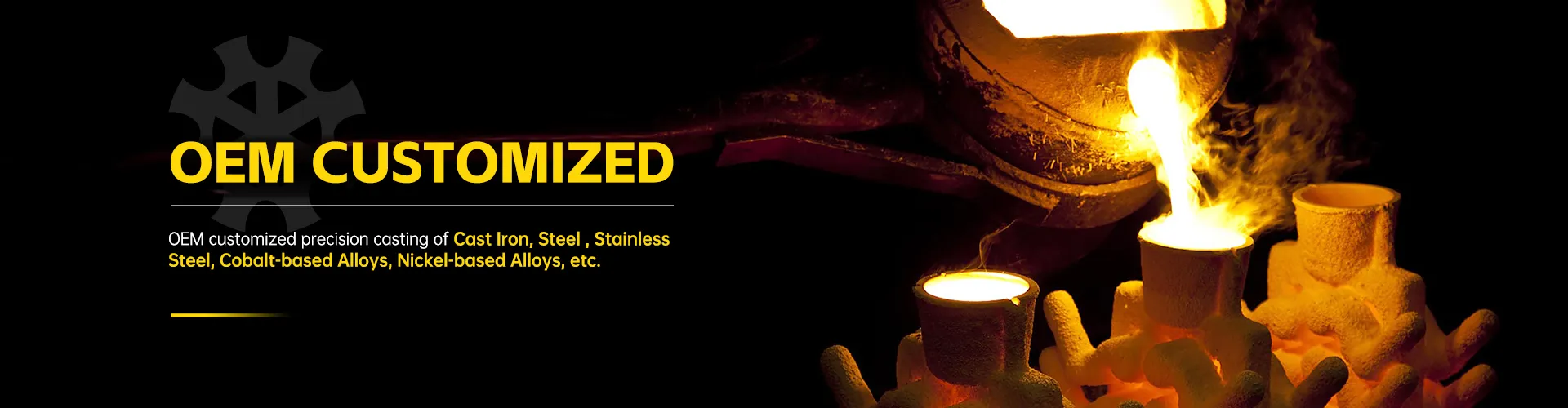
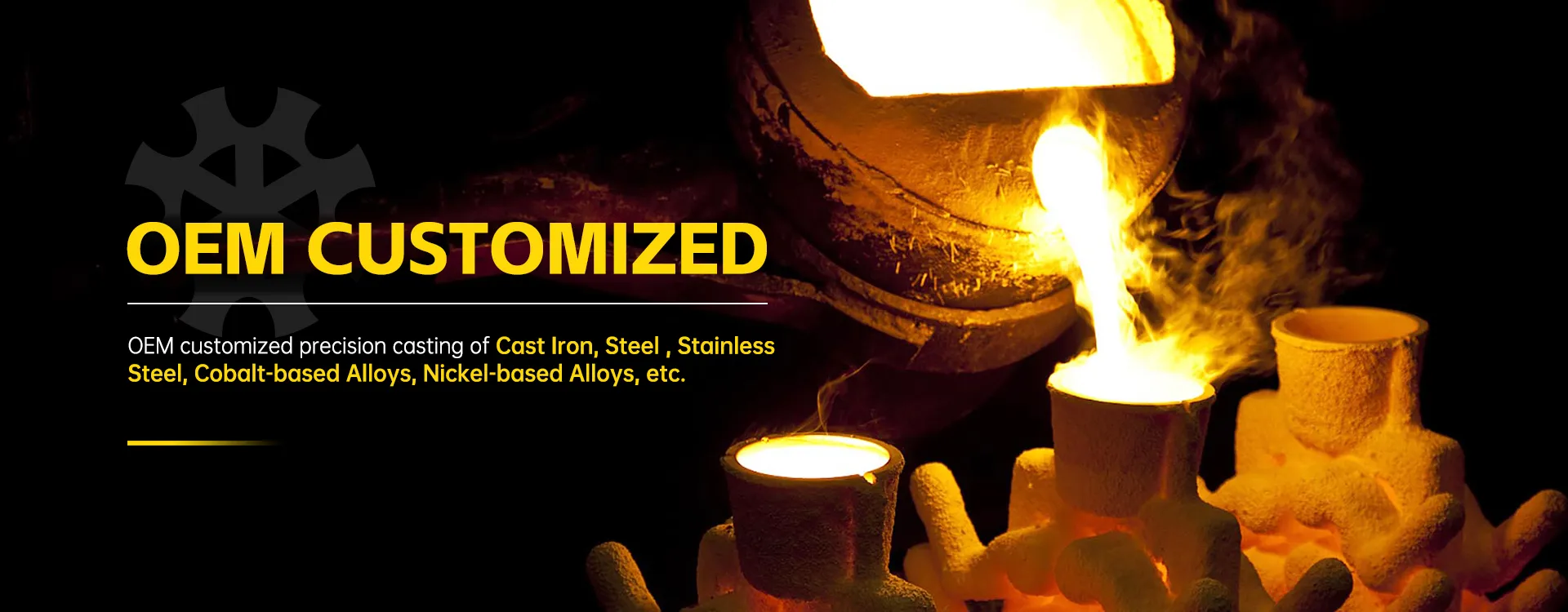
Then there's the sand's thermal stability. When that 1300°C+ iron hits the mold wall, the sand needs to withstand the thermal shock without fusing to the casting. For certain complex geometries with thick sections, we sometimes use chromite sand or zircon sand in critical areas of the mold. It's more expensive, but it prevents burn-on and penetration defects that are a nightmare to clean up in machining. It's a cost-benefit calculation you make based on the part's function and the customer's tolerance for rework.
Mulling and aeration are processes that don't get enough discussion outside the foundry floor. The sand needs to be mixed thoroughly to coat each grain with binder, and then it needs to be aerated to break up clumps and achieve uniform flowability. Poorly mulled sand leads to inconsistent mold hardness. You can have a perfect pattern, but if the sand doesn't pack uniformly around it, your dimensional accuracy goes out the window. It's a tactile skill—a veteran muller operator can tell a lot by feeling the sand.
Pattern Making: The Blueprint in Wood and Metal
The pattern is the physical embodiment of the part, plus all the foundryman's knowledge. Draft angles, shrinkage allowances, fillet radii, core print design—they're all built into it. For iron sand casting runs, we typically use metal patterns (aluminum or iron) for durability. But the design philosophy is key. A common error is designing a pattern as a direct copy of the CAD model. Iron shrinks, significantly. For gray iron, you're looking at about 1% shrinkage. So your pattern must be oversized accordingly. And it's not linear; different section thicknesses cool at different rates, which can cause distortion. We often apply shrink rules and even modify the pattern based on first-article results.
Gating and risering systems are designed right on the pattern plate. This is where art meets science. The goal is to get clean, turbulent-free metal to fill the cavity quickly, and then feed the shrinkage as the casting solidifies. Placing the risers (feeders) incorrectly is a classic mistake. They need to be on the heaviest sections, the last to solidify. I've had instances where a beautifully cast part was ruined by a shrinkage cavity in a critical boss because the riser was a few centimeters off its optimal position. Simulation software helps now, but there's no substitute for cutting open a few sample castings and seeing the solidification pattern with your own eyes.
Pattern maintenance is a constant. Sand is abrasive. Over time, the pattern wears, and dimensions drift. A regular schedule for checking pattern dimensions against a master is non-negotiable. It's a boring, preventative task that saves countless headaches down the line.
The Pour: Where Control Meets Chaos
Pouring iron is deceptively simple-looking. It's not. The temperature is critical. Too hot, and you increase the risk of sand burn-in and excessive shrinkage. Too cold, and you get mistruns, cold shuts, or poor fluidity that fails to fill thin sections. For most gray iron applications, we aim for a pouring range between 1350°C and 1400°C, but this gets tweaked based on section thickness and part weight. You learn to judge the stream's fluidity and the color of the metal, but thermocouples are your best friend.
Pouring speed matters. Too fast, and you risk mold erosion and turbulence that entraps air and slag. Too slow, and the metal starts to freeze before the mold is full. It's a steady, continuous pour until you see metal rise in the risers. The slag must be skimmed off diligently at the ladle before and during the pour. Any slag that gets into the mold will become an inclusion. It's a fundamental, hands-on skill that no machine can fully replicate yet.
The atmosphere in the pouring area is tense, every time. You're managing heat, molten metal, and the clock. The metal is cooling from the moment it leaves the furnace. There's a narrow window to get it right. Safety is paramount, but so is focus. A moment's distraction can mean a bad pour or worse.
Shakeout, Cleaning, and the Reality of Finishing
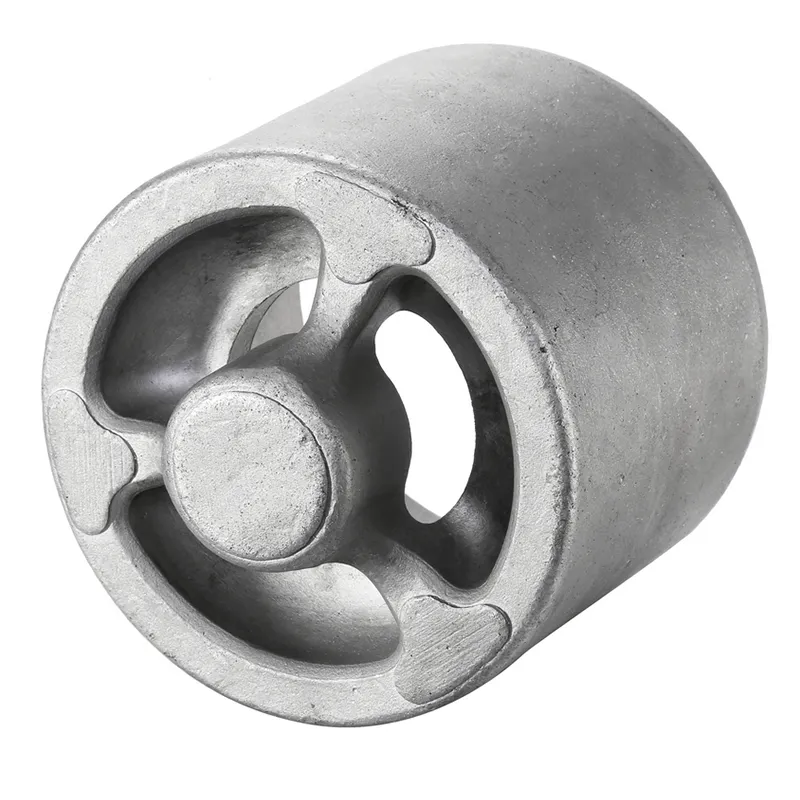
After cooling, the casting goes to shakeout. The sand is violently knocked off, and the casting emerges, hot and covered in burnt sand crust. This is the first real look at your work. You're looking for obvious defects: major flashes, gross misruns, broken cores. The gates and risers are then removed, usually via cutting torches or bandsaws.
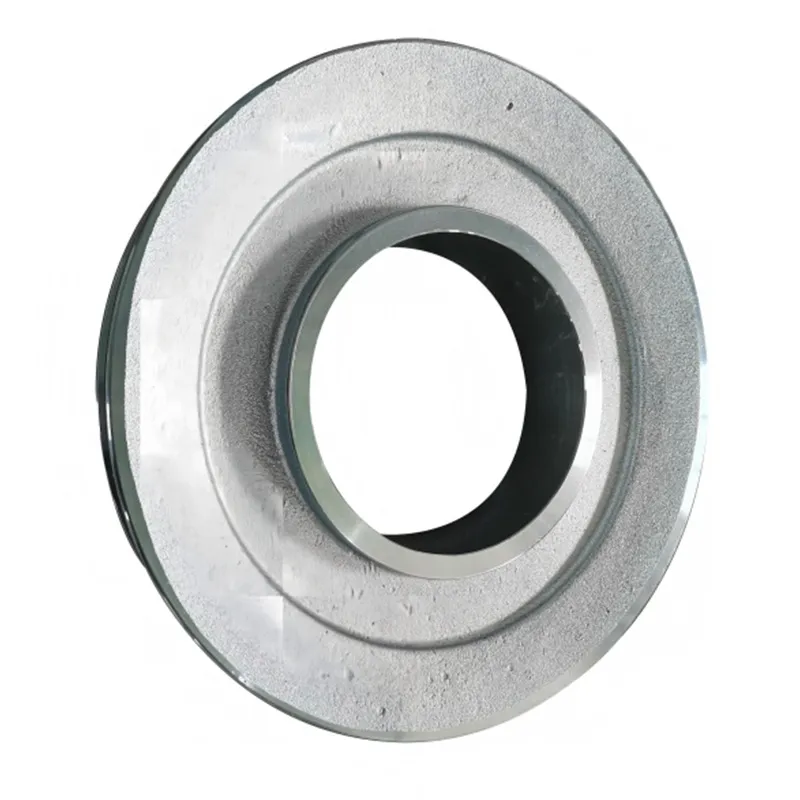
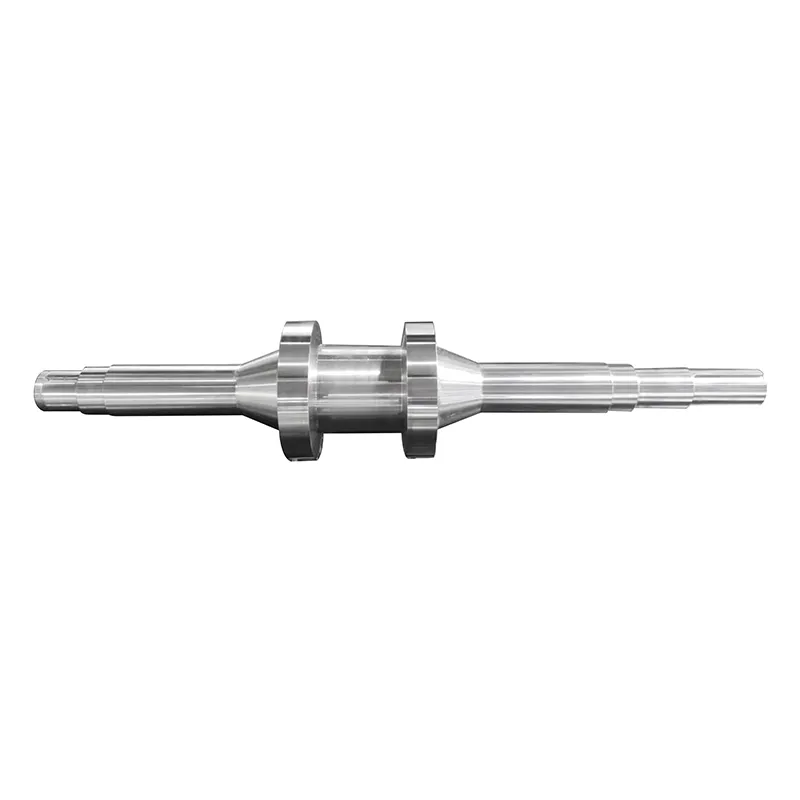
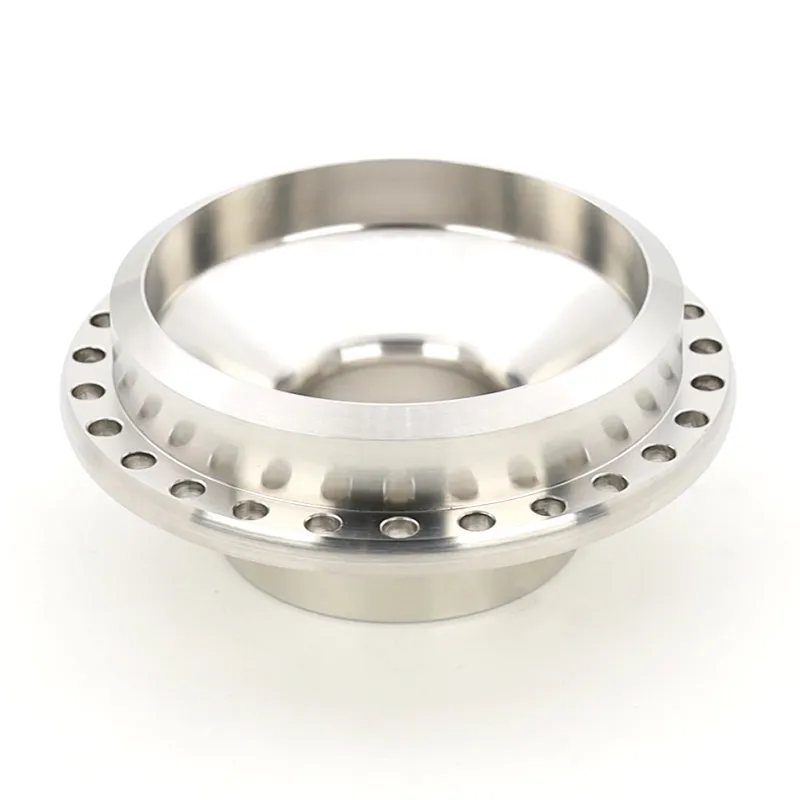
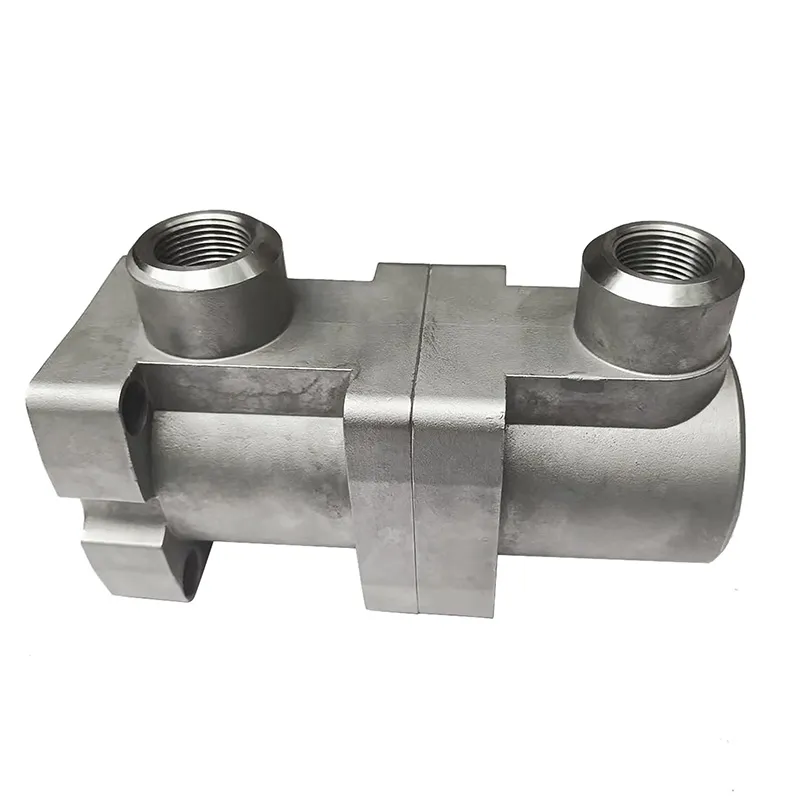
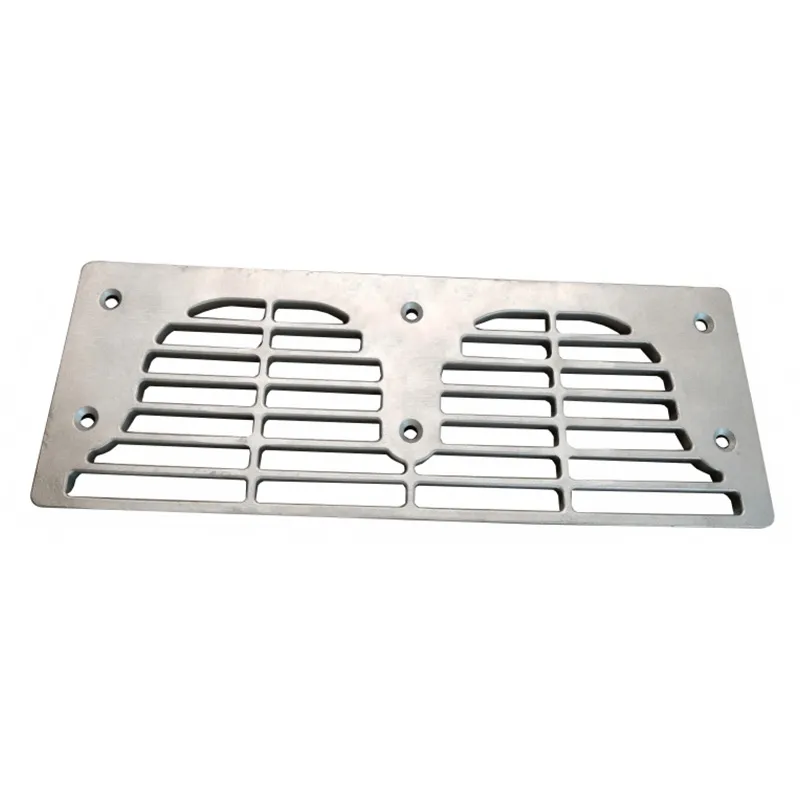
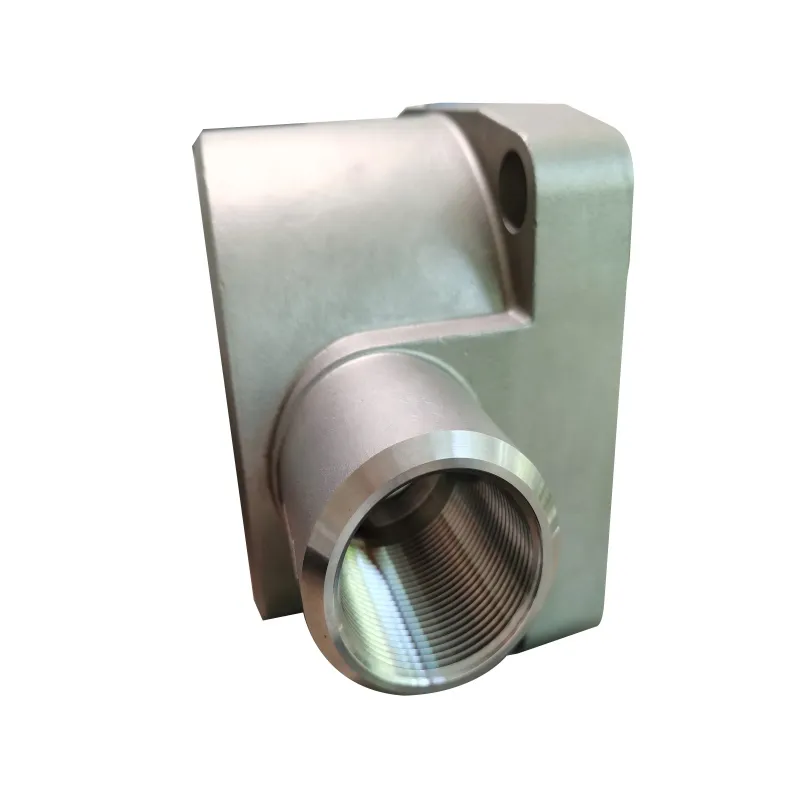
Then comes cleaning, often the most labor-intensive part. This involves shot blasting to remove the residual sand scale, and then grinding off the remnants of the gates and risers, and any fins or flashes. This is where the quality of your mold and core work becomes apparent. A well-made mold with tight core fits will minimize the grinding needed. Poor work means hours of extra labor with angle grinders, adding cost and risking damage to the casting itself if the grinder slips. For companies that offer full-service solutions, like Qingdao Qiangsenyuan Technology Co., Ltd. (QSY), this integrated post-casting process is crucial. With over 30 years in casting and machining, they understand that a casting isn't finished when it leaves the sand; it's finished when it's ready for the customer's assembly line. Their capability to follow iron sand casting with precision CNC machining in-house is a significant advantage, ensuring critical dimensions are held and saving the customer from coordinating multiple vendors.
Inspection happens at this stage. Dimensional checks, visual inspection for surface defects, and often non-destructive testing like dye penetrant or ultrasonic testing for critical parts. It's a sobering phase. Sometimes, a casting that looked perfect after shakeout reveals a shrinkage porosity or a sand inclusion after shot blasting. You have to decide: can it be repaired by welding (and will the customer allow it?), or is it scrap? The yield rate is a constant pressure.
Material Nuances: Not All Iron is Created Equal
When we specify iron, it's a vast family. For sand casting, gray iron (Flake Graphite Iron) is the most common, prized for its damping capacity, machinability, and good fluidity. But ductile iron (Nodular Graphite Iron) is increasingly specified for parts requiring higher strength and toughness. The difference is in the melt treatment—adding magnesium or cerium to spheroidize the graphite. This treatment is a delicate operation; fade time is a factor, and it must be done just before pouring. Get it wrong, and you get degenerate graphite, killing the mechanical properties.
Alloyed irons add another layer. Adding chromium for wear resistance, nickel for corrosion resistance, or molybdenum for strength at high temperatures changes everything—the melting practice, the shrinkage behavior, the machinability. This is where a foundry's metallurgical expertise is tested. A shop like QSY, which lists experience with special alloys including nickel-based and cobalt-based alloys, would approach alloyed irons with a rigorous process control mindset. The principles of iron sand casting remain, but the variables multiply.
The choice of iron grade directly impacts the design of the casting itself. A part designed for ductile iron might need different risering than the same part in gray iron due to different solidification characteristics. This is a point of failure in communication between designers and foundries. Assuming iron is iron leads to poorly fed castings and unexpected failures in service.
Concluding Thoughts: A Synergistic Process
So, iron sand casting is far from a primitive technique. It's a chain of interlinked processes: sand preparation, pattern engineering, core making, melting control, pouring, and finishing. A weakness in any link breaks the chain. The trend now is towards tighter integration, where the foundry is involved early in the design phase to advise on manufacturability, and where post-casting processes like machining are considered part of the continuous workflow. It's about delivering a functional component, not just a rough casting.
The real skill lies in balancing all these variables economically. It's a practice built on accumulated, sometimes painful, experience. You learn from every poured mold, from every defect analysis. The goal is consistency—producing the hundredth casting with the same quality as the first. That's the true challenge of the craft, and it's what separates a jobbing foundry from a reliable manufacturing partner for precision components.