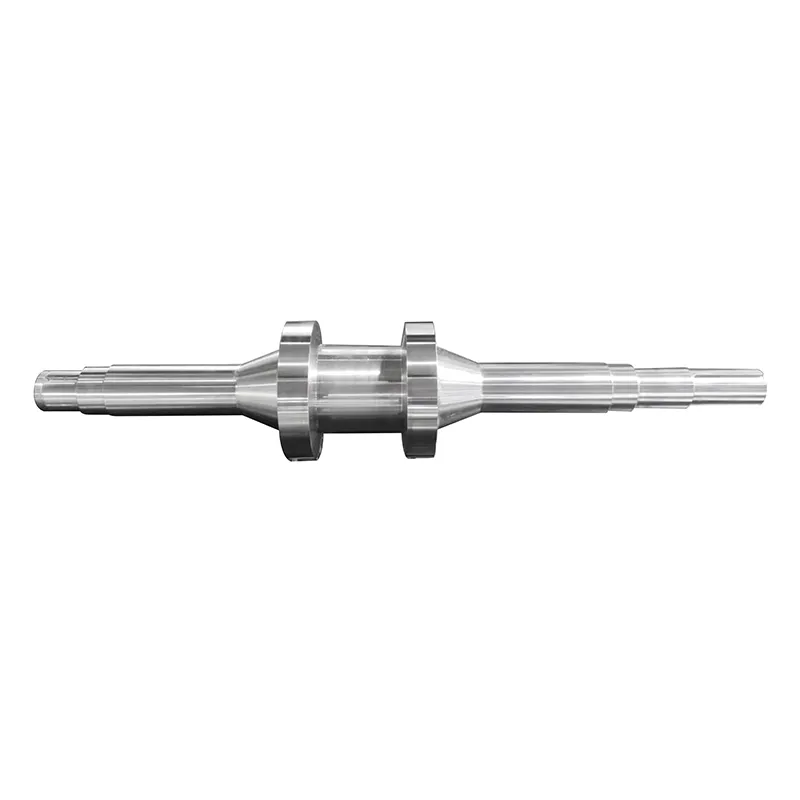
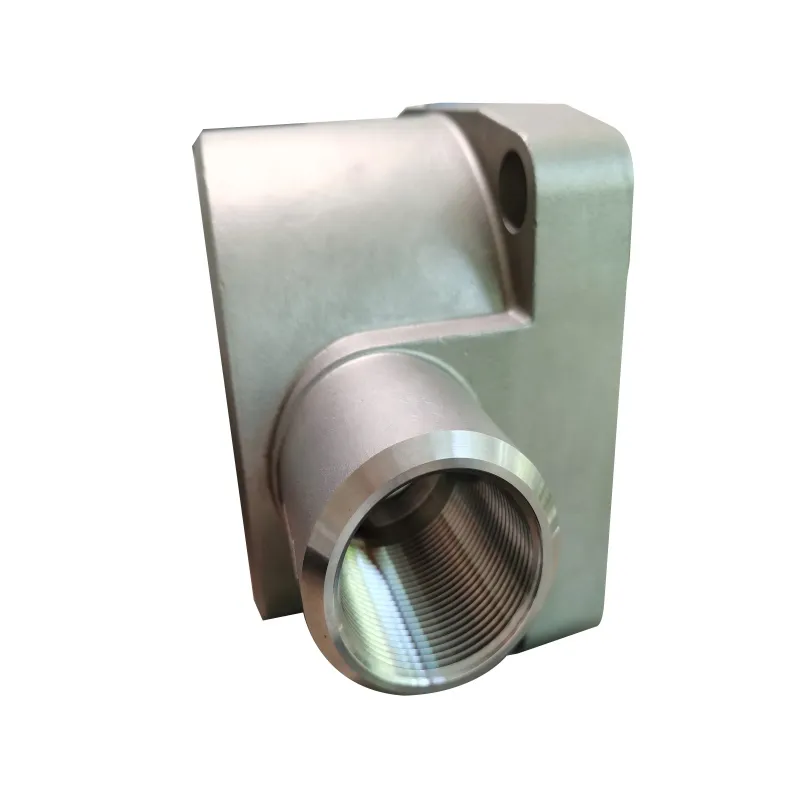
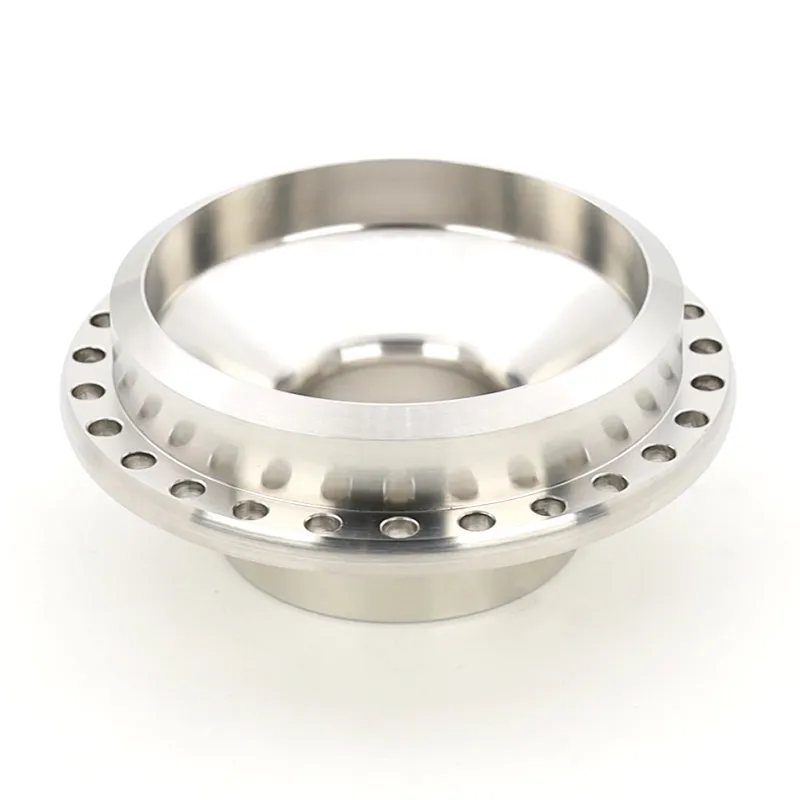
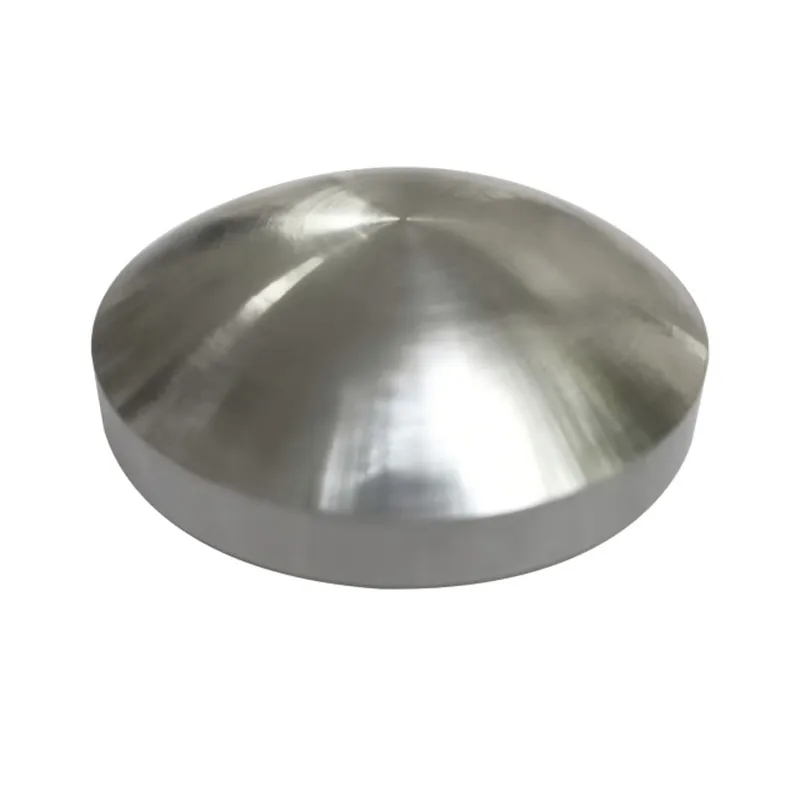
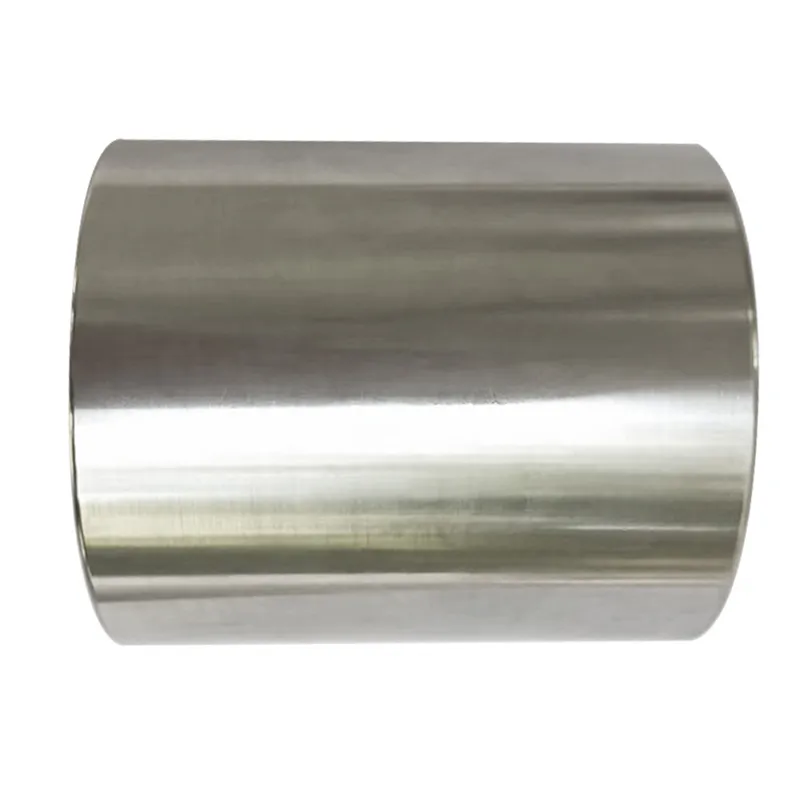
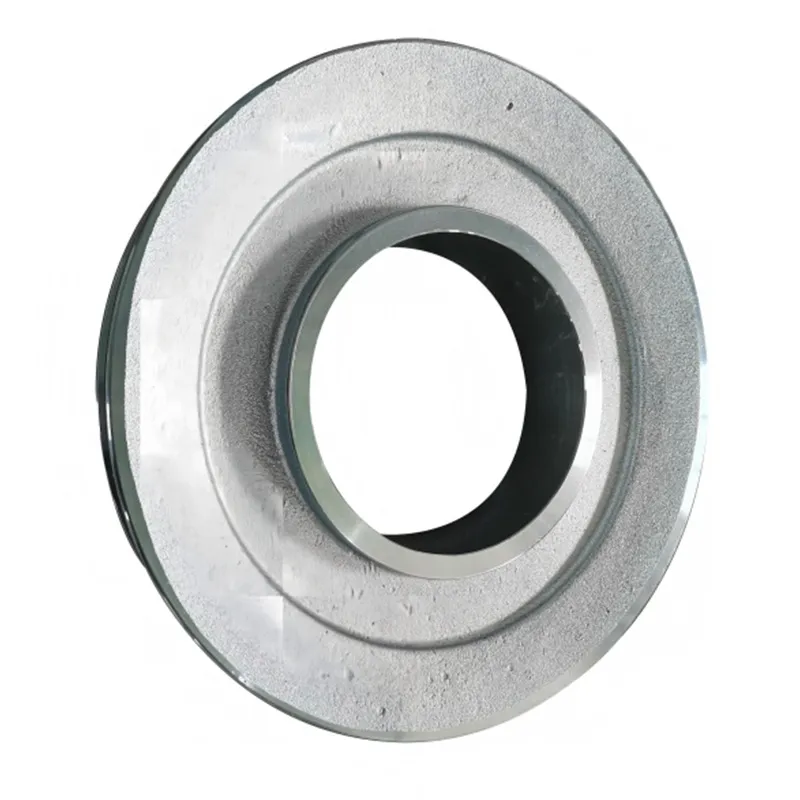
When most people hear 'large precision machining', they picture a massive CNC mill churning out a part, and that's it. The reality is far messier. The real challenge isn't just making it big, or even making it precise in a lab. It's holding that precision—tenths, sometimes even sub-tenth tolerances—across a component the size of a small car, after it's been unbolted from the machine, shipped across an ocean, and subjected to real-world thermal and load cycles. That's where the textbook ends and the shop floor experience begins.
The Foundation: It Starts Before the Machine
You can't talk about precision at scale without talking about the starting material. This is a common pitfall. A client sends a beautiful 3D model for a large gearbox housing, specifying 316 stainless. But if the raw casting isn't sound—if it has internal shrinkage, hard spots, or residual stress from cooling—you're already fighting a losing battle. The first cut might be perfect, but as you remove material and relieve that stress, the whole thing can warp like a potato chip. I've seen it happen. That's why the foundry partnership is non-negotiable.
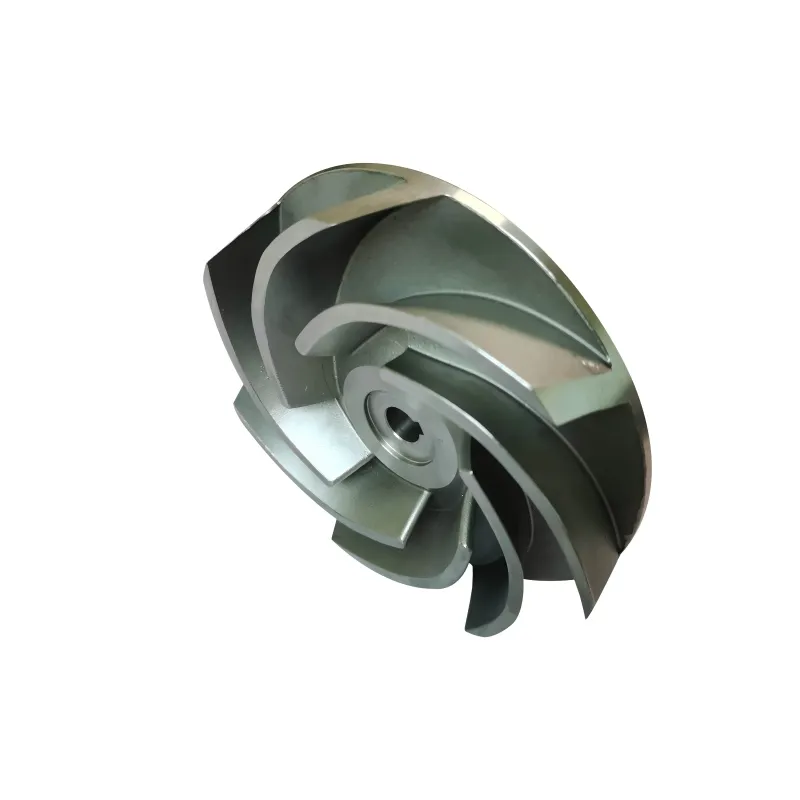
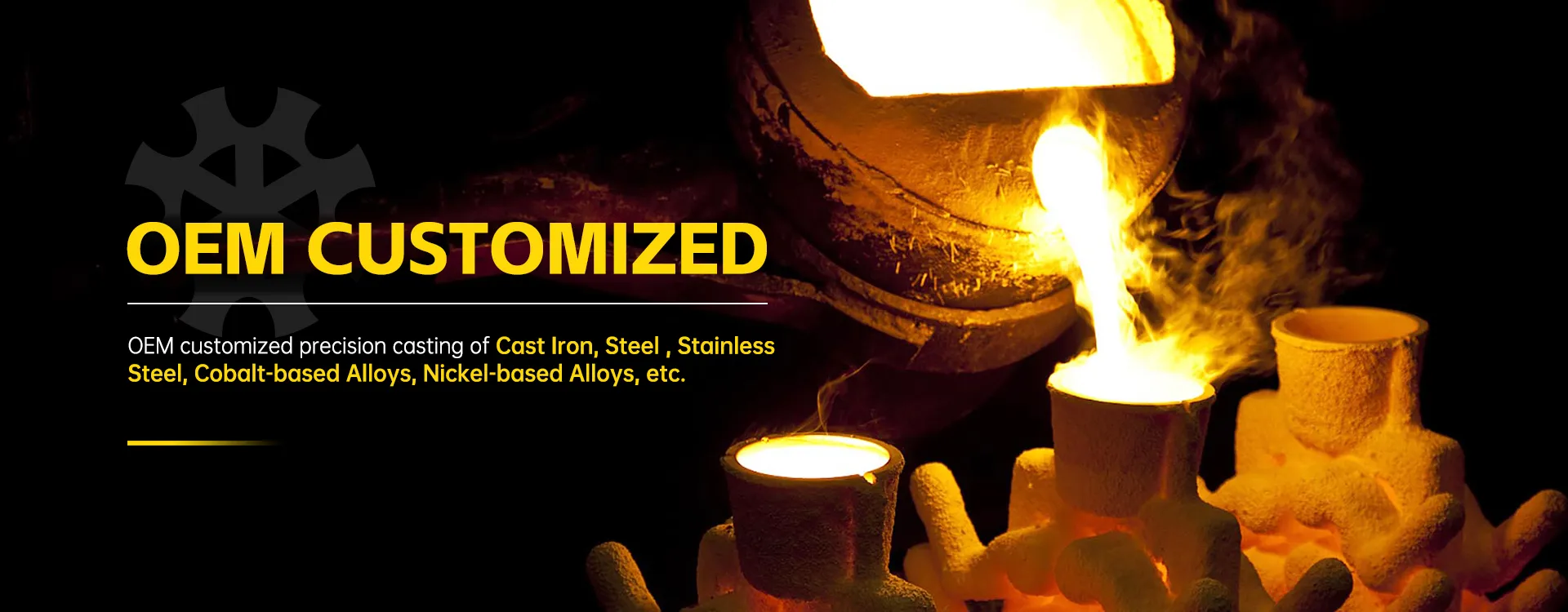
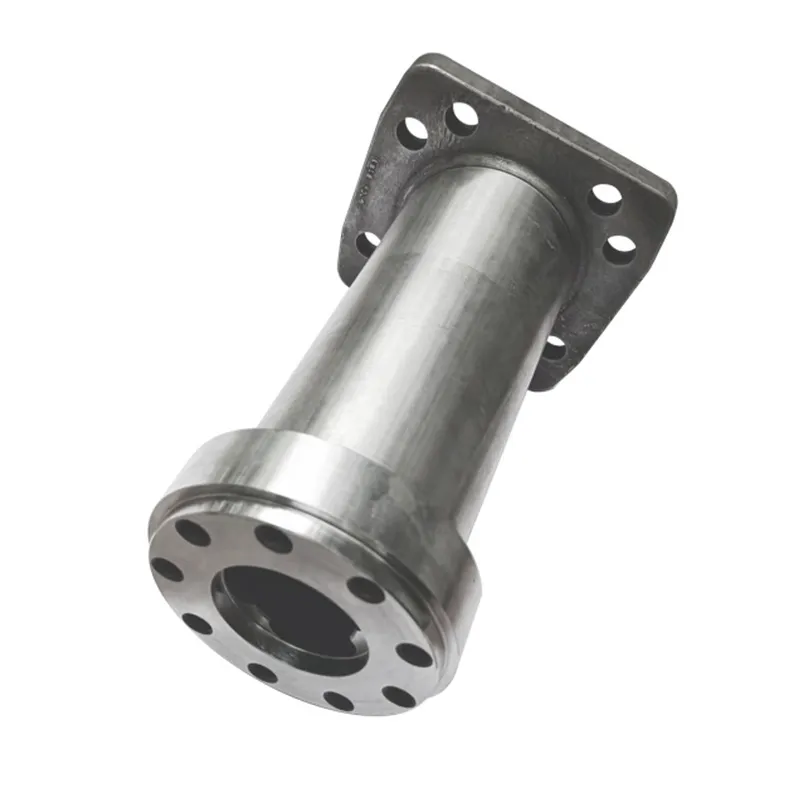
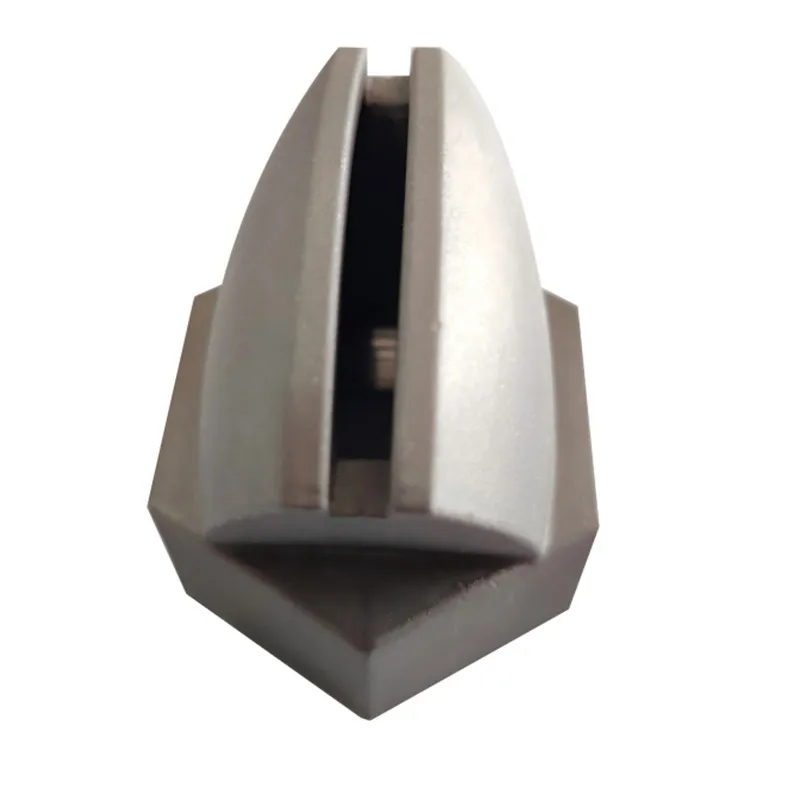
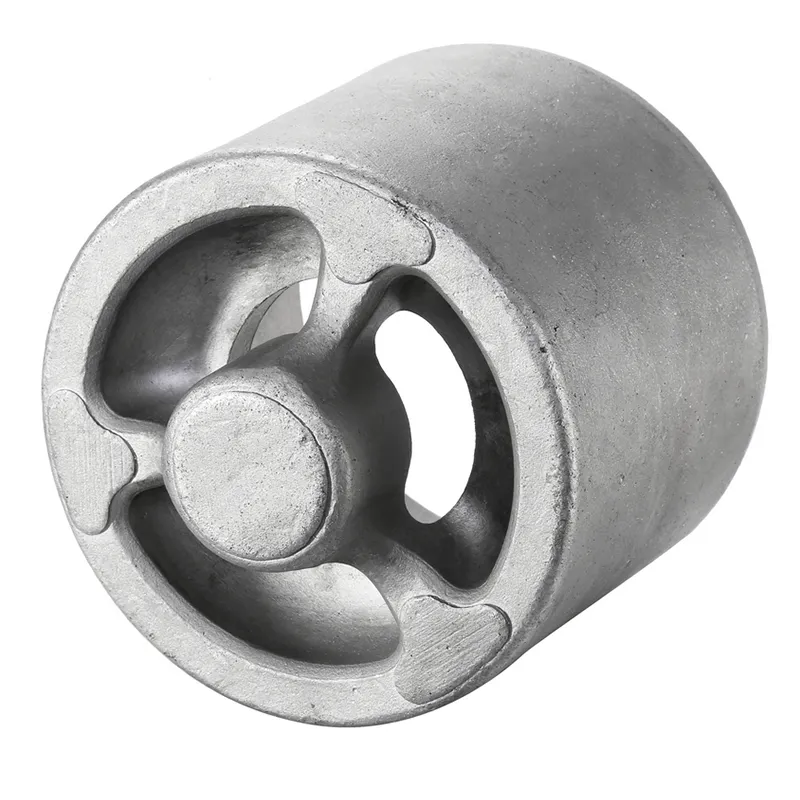
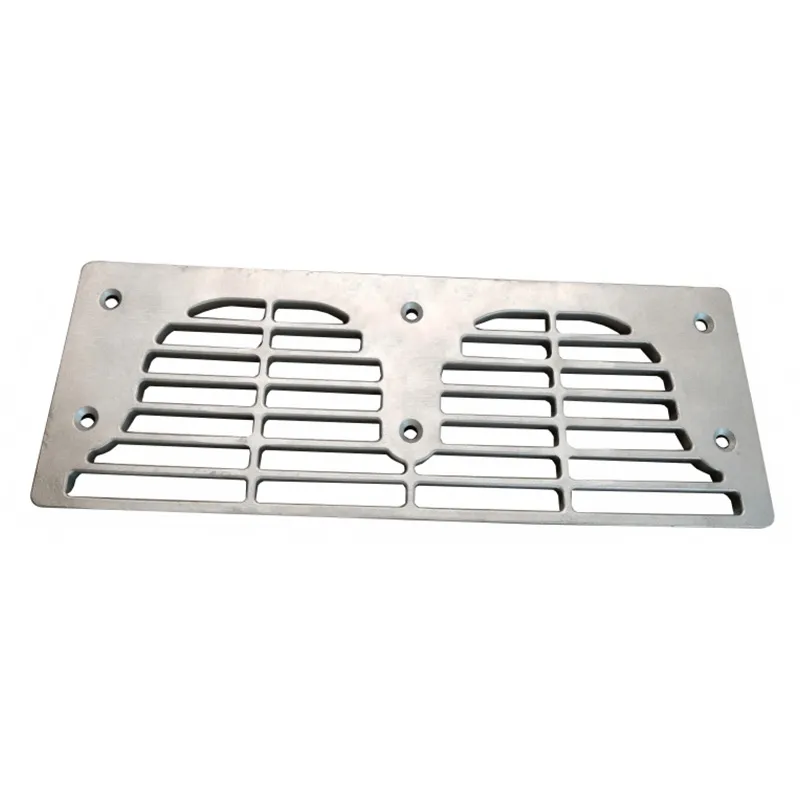
This is where a company's full-service capability becomes critical. Take Qingdao Qiangsenyuan Technology Co., Ltd. (QSY). With their 30-year background in shell and investment casting, they get this. The fact that they handle both the casting and the large precision machining under one roof isn't just a sales point; it's a fundamental control factor. They can specify the molding process, the gating, the heat treatment for stress relief specifically for the machining that will follow. By the time a large casting like a turbine manifold or a pump body arrives on their machining floor at tsingtaocnc.com, a lot of the potential for disaster has already been engineered out. That's something you only appreciate after dealing with a bad vendor.
The material choice itself is another layer. Working with their listed materials like nickel-based alloys introduces its own set of problems. These alloys work-harden rapidly. So, for a large part, you're not just setting feeds and speeds once. You're constantly monitoring tool wear, adjusting for thermal growth of the part and the machine, and sometimes even planning intermediate stress-relief steps. It's a dynamic process, not a set-it-and-forget-it operation.
The Dance of Fixturing and Metrology
Fixturing a 3-ton casting isn't about just clamping it down as hard as you can. Over-constrain it, and you introduce stress that will spring back when released, killing your flatness or bore alignment. Under-constrain it, and you get chatter, vibration, and ruined surface finish. The goal is to support it in a way that mimics its final, installed state as much as possible. We often use modular, adjustable fixtures with hydraulic clamping for large batches, but for one-offs, it can be a bespoke puzzle of blocks, shims, and strategic bolting.
Metrology is the other half of this dance. You can't check a 2-meter bore with a standard bore gauge. We rely on laser trackers and portable CMM arms for in-process verification. But here's a subtle point: you have to let the part settle to ambient temperature in the shop before taking final measurements. A part fresh off the machine, soaked with coolant, can be several degrees warmer than the air. That thermal delta is enough to throw a large dimension out of spec on paper, even though it will be perfect in operation. Knowing when to measure is as important as knowing how.
I recall a job for a large compressor end plate. The flatness spec was brutal. We machined it, measured it cold, and it was perfect. The client inspected it, and it failed. Turns out, they measured it in a controlled lab at 20°C, while our shop was at 24°C. That four-degree difference across that mass of steel was enough. Lesson learned: now, for critical features, we not only control the machining environment but also specify the measurement temperature in the final inspection report. It's these tiny, non-obvious details that separate a functional part from a precision one.
Tooling and The Long Cut
Tool path strategy for large precision machining is a different beast. It's not just about the fastest material removal rate. It's about managing heat, tool deflection over long reaches, and maintaining consistency over a cutting session that might last 40 hours non-stop. You'll use a 50mm face mill for roughing, but for finishing that critical sealing surface, you might switch to a smaller, high-helix end mill running a trochoidal path to minimize lateral force and heat buildup.
Tool wear compensation becomes a major logistical task. You can't afford a tool to break or wear out catastrophically halfway through a 30-hour finishing pass on a monolithic aerospace component. We schedule proactive tool changes based on material volume removed, not just time, and we always have a sister tool pre-set in the holder, ready for the CNC to call up automatically. Downtime on a machine with a 4-meter table is exponentially more expensive.
Coolant delivery is another unsung hero. For deep cavity machining or boring long holes in large parts, through-tool coolant is mandatory. But it has to be high-pressure and filtered. A single piece of swarf clogging a coolant channel can lead to thermal runaway, tool failure, and a scrapped part worth tens of thousands. We run dual filtration systems and monitor pressure drop across the lines as part of the daily checklist.
When Things Go Wrong (And They Do)
Failure is the best teacher, though a costly one. Early in my career, we were machining a large weldment for a structural frame. The print called for a series of precision-machined pads on multiple faces. We machined each face in a separate setup, referencing off machined features from the previous operation. It seemed logical. The result was a classic case of tolerance stack-up. Individually, each pad was within spec. Collectively, the pattern was out by over a millimeter. The part was useless.
The fix, which now seems obvious, was to invest in a 5-axis machine with a large enough envelope to machine as many critical features as possible in a single setup. This minimizes datum transfer errors. For a company like QSY, offering full 5-axis large precision machining isn't just about complex contours; it's fundamentally about error avoidance and holding true position tolerances across a vast part. It's a capability that solves problems you only know you have after you've failed without it.
Another learning experience involved a large cylinder of Inconel. We achieved all the dimensional specs, but the surface finish in the bore was inconsistent, showing a slight chatter pattern. It passed the Ra test but failed a subsequent dye penetrant inspection under client scrutiny—micro-tears from vibration. The solution was a multi-stage process: a semi-finish pass, then an unclamping and re-clamping to relieve any machining-induced stress, followed by a final, very light spring pass with a freshly honed boring bar. The extra 8 hours of machine time saved the part. Sometimes, precision requires patience that isn't on the original quote.
The Human Factor and The Final Verdict
Despite all the automation, this field is still deeply reliant on experienced machinists and programmers. The software can generate a toolpath, but a seasoned programmer knows when to override it—to add a dwell here, to change the entry angle there, to sequence operations in a non-intuitive order to maintain rigidity. The machine operator needs to listen to the cut, watch the chip color and form, and know the difference between the sound of a healthy cut and the beginning of trouble.
The final judgment on a large precision-machined part often happens at the customer's site during installation. That's the real test. Does it bolt up to the mating part without force? Do the shafts align? Does the seal seat perfectly? When it does, it's a quiet victory. It validates the entire chain—from the casting quality at a foundry, through the meticulous process planning, the right tooling, the environmental controls, and the skill of the people running the job.
Looking at a provider's total offering is key. A shop like the one behind tsingtaocnc.com, with its deep roots in metallurgy and casting, brings that holistic understanding to the table. They aren't just cutting metal; they're managing the entire behavior of a material from liquid to finished component. In the end, large precision machining isn't a single operation. It's a philosophy of control, applied with brute force and microscopic attention, all at the same time. And you only get there by making the mistakes, learning the tricks, and respecting the entire process, not just the code that drives the machine.