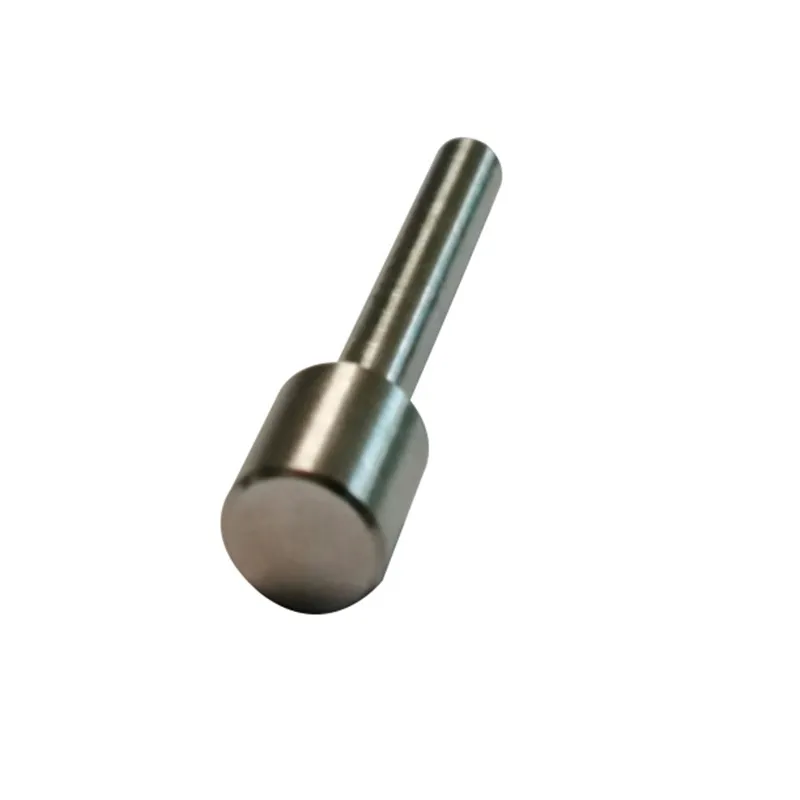
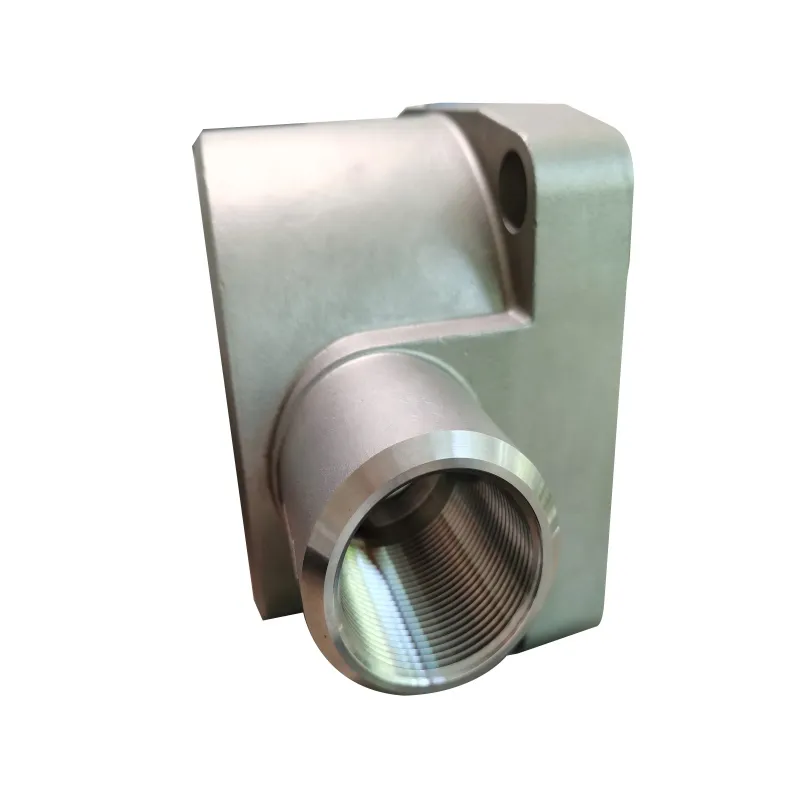
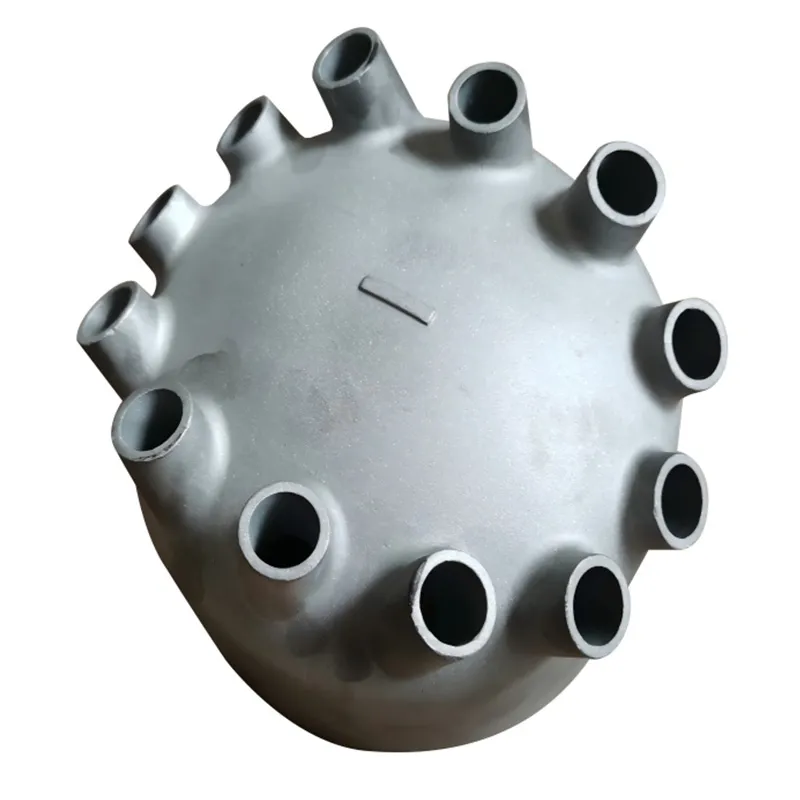
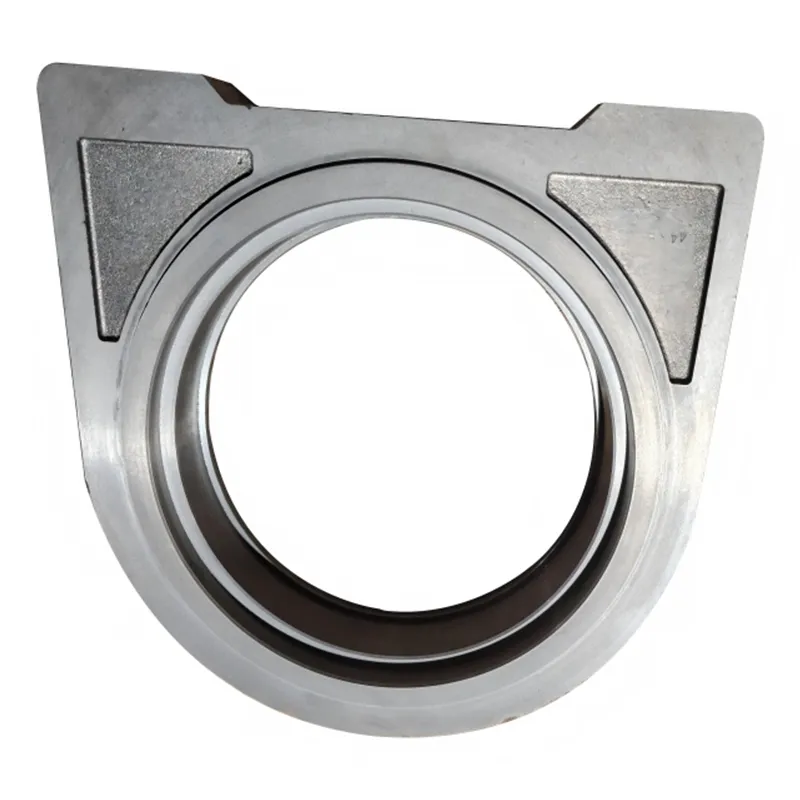
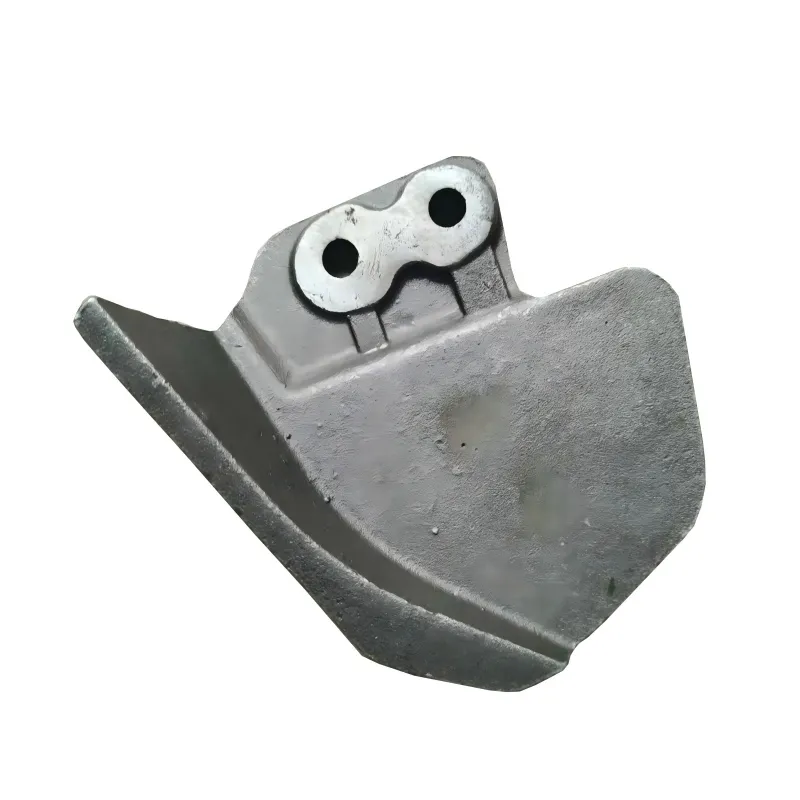
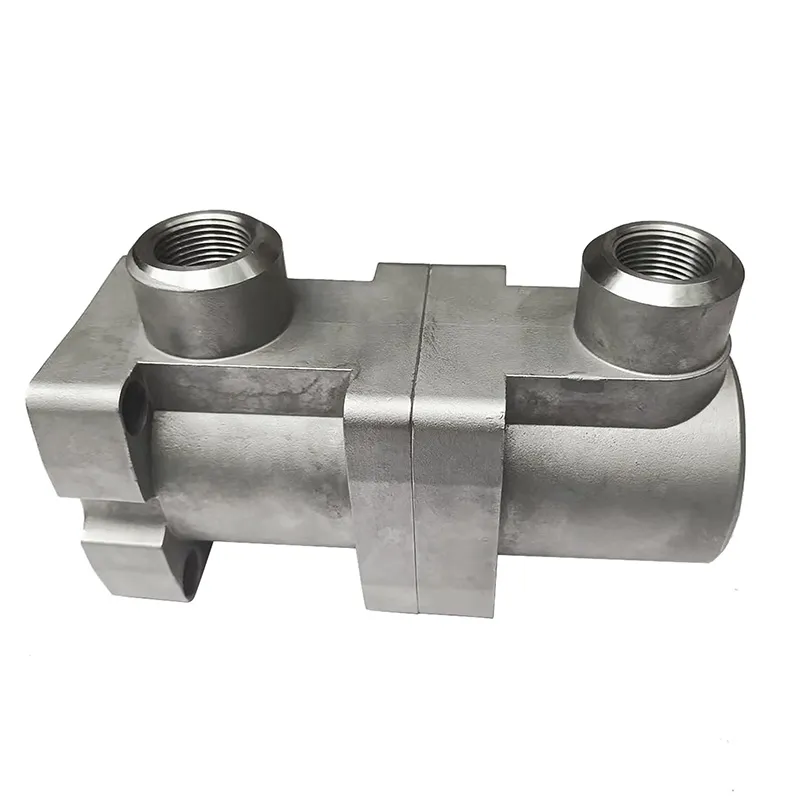
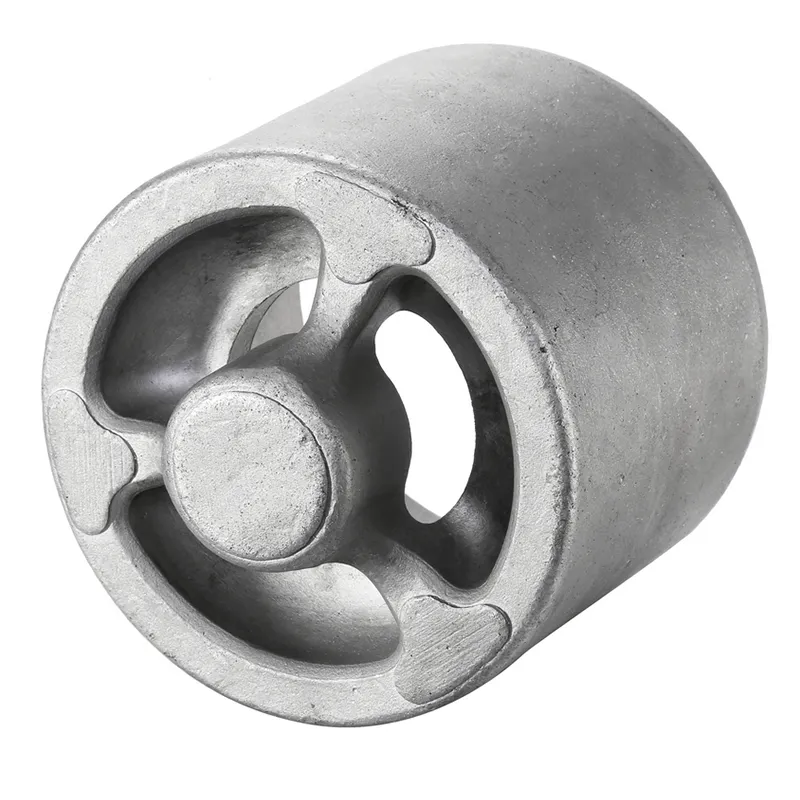
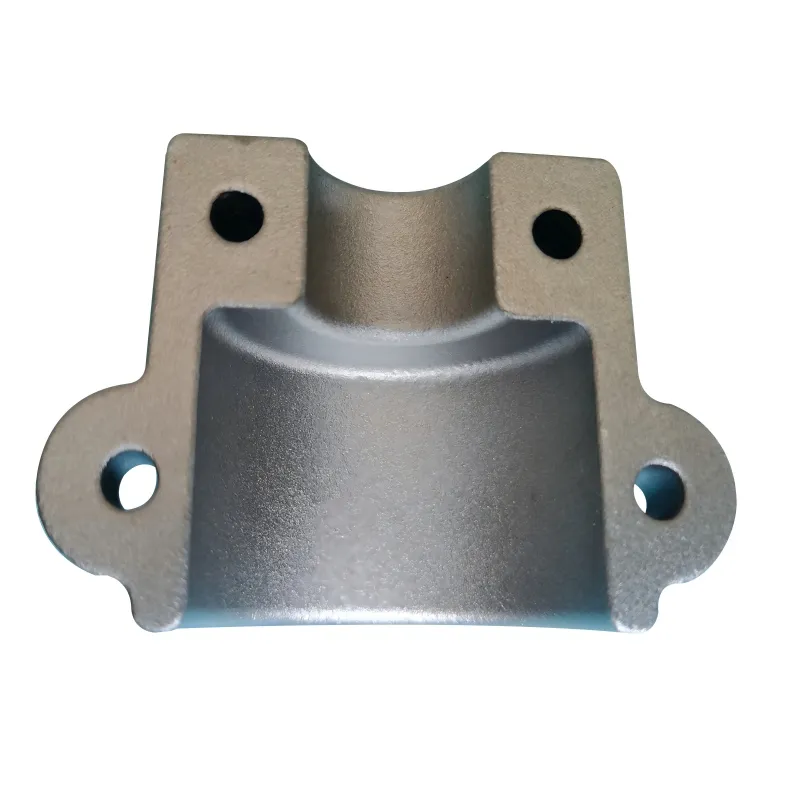
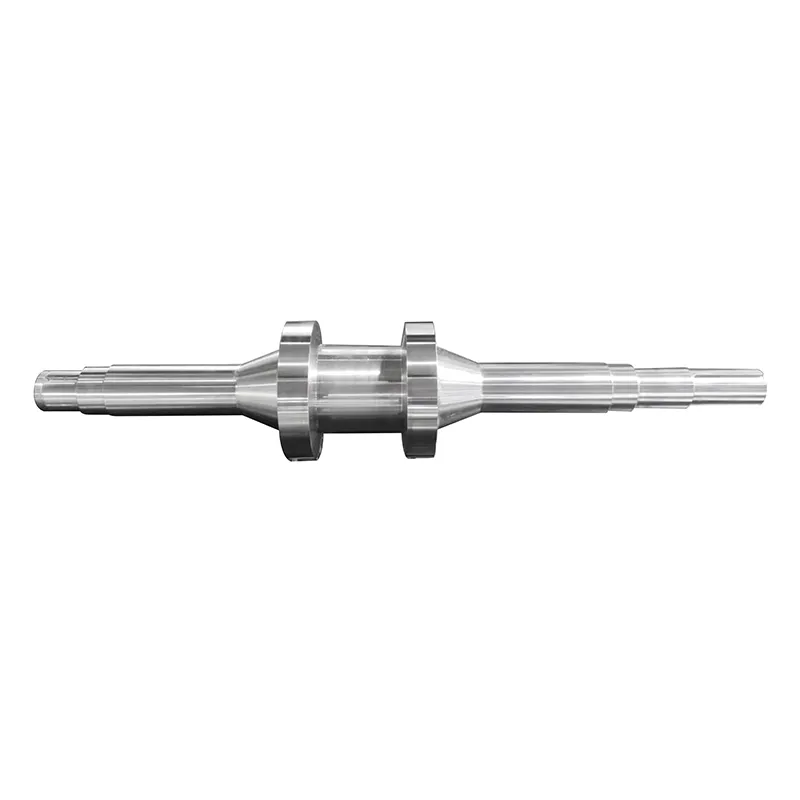
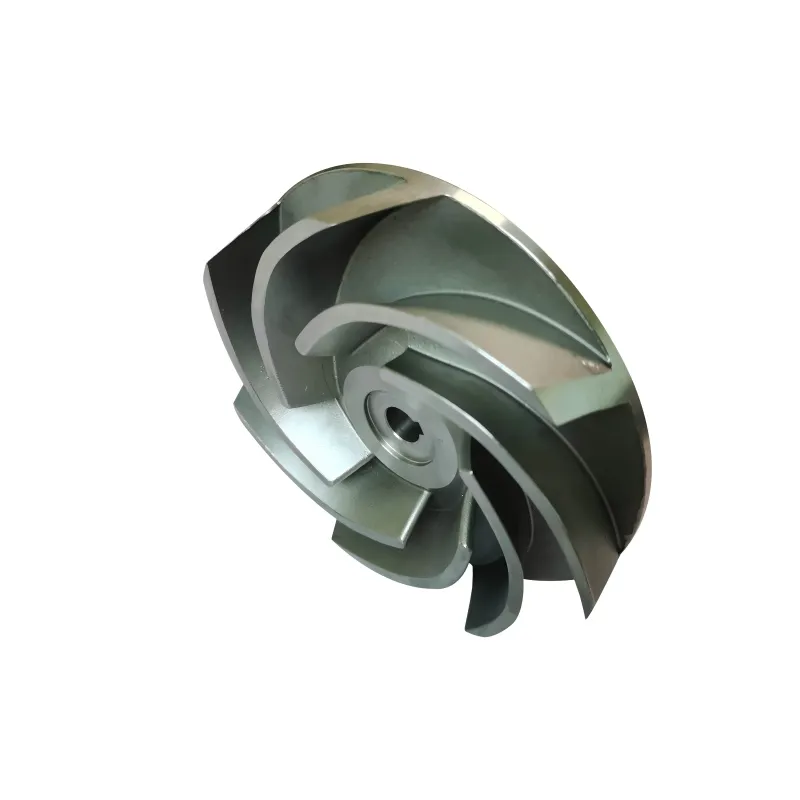
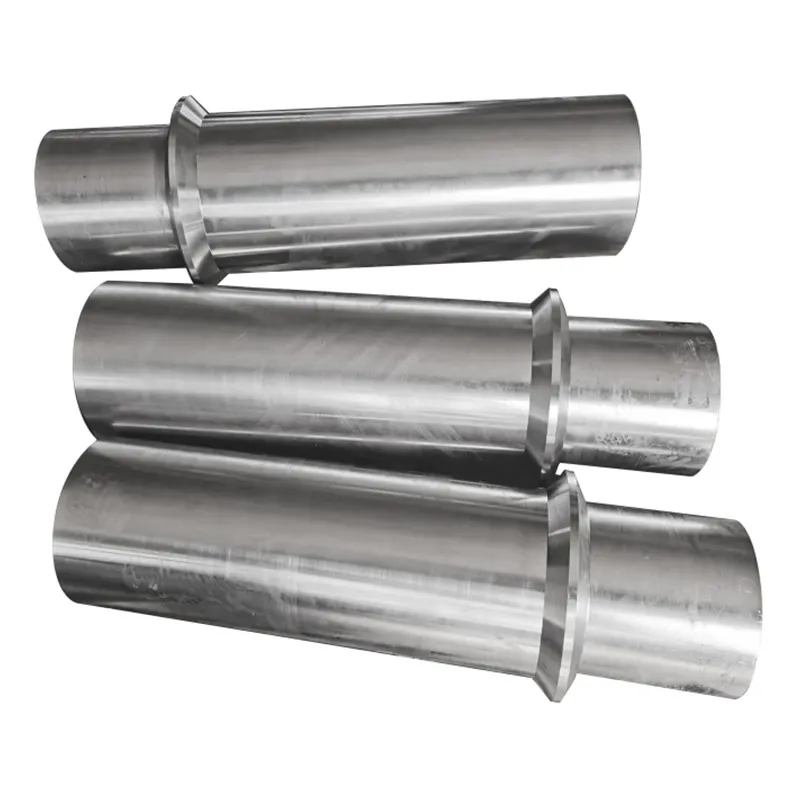
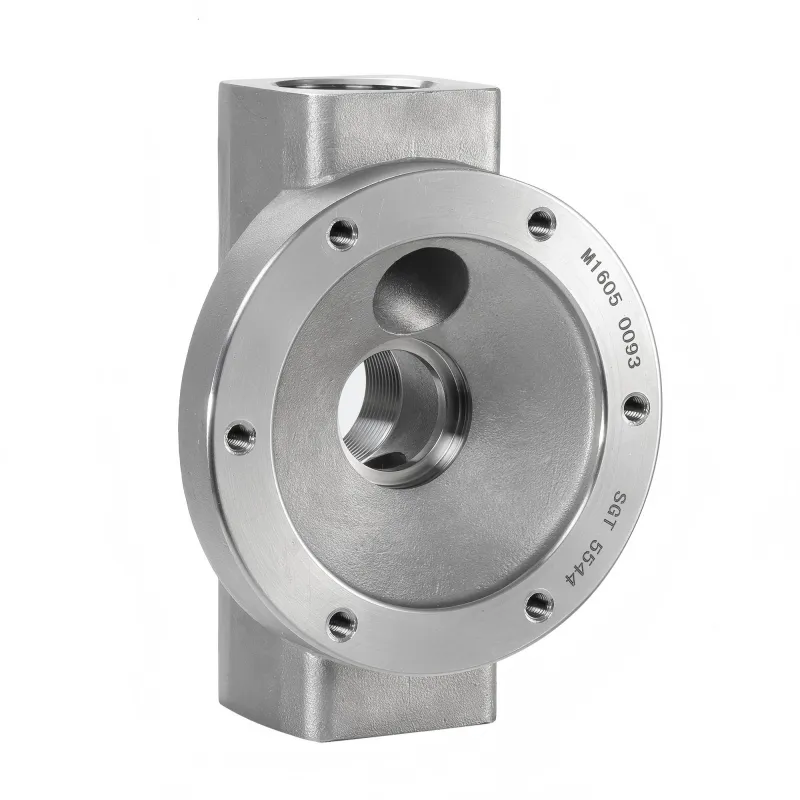
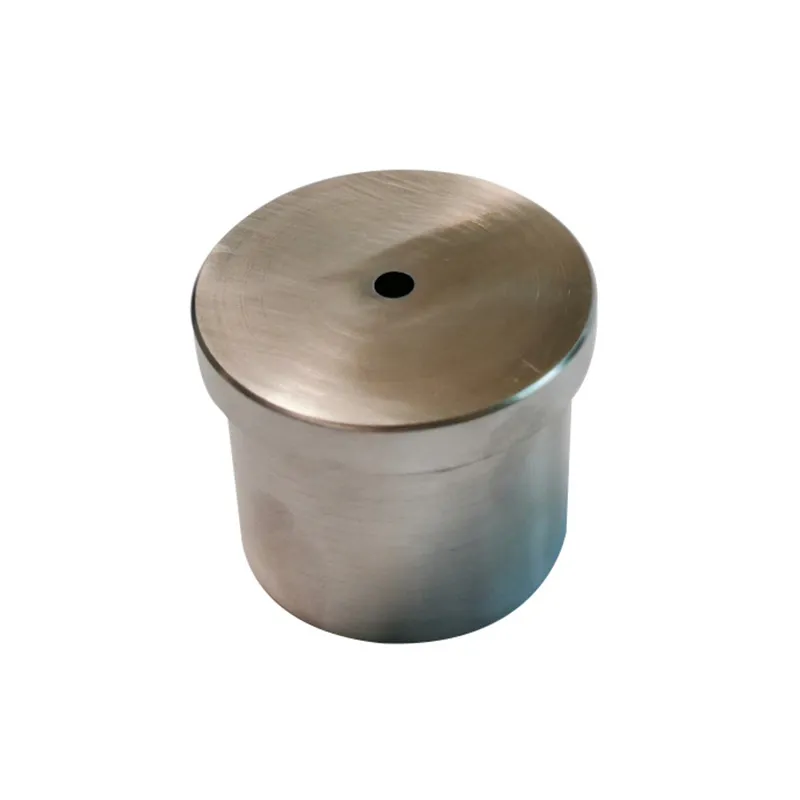
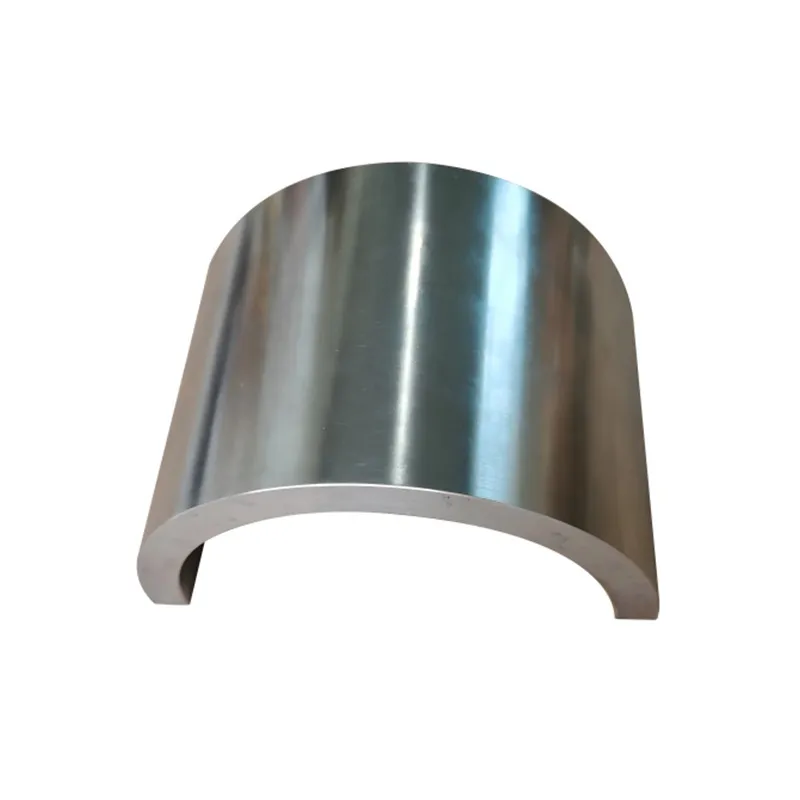
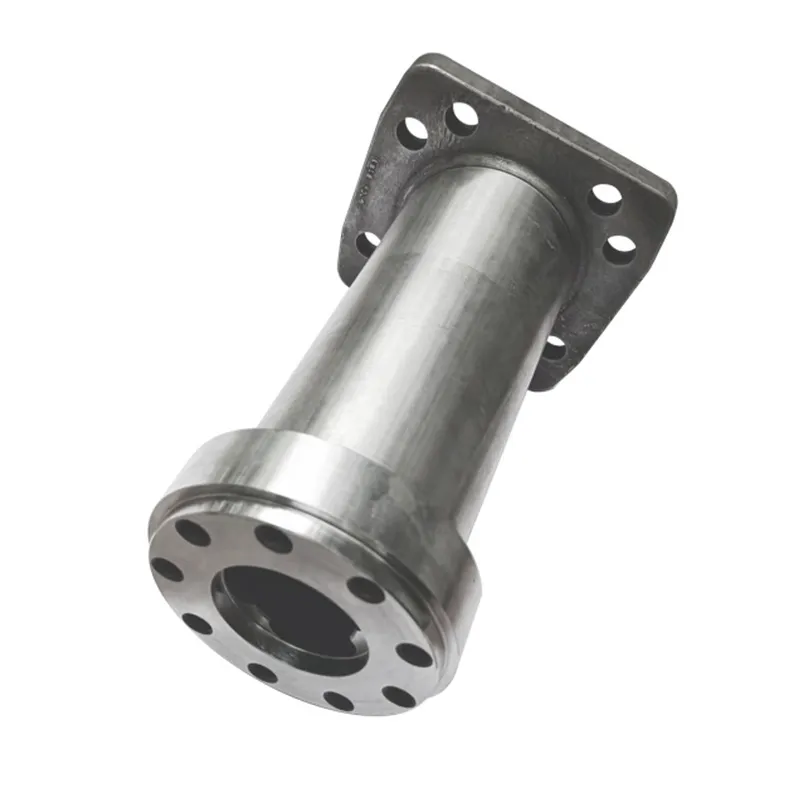
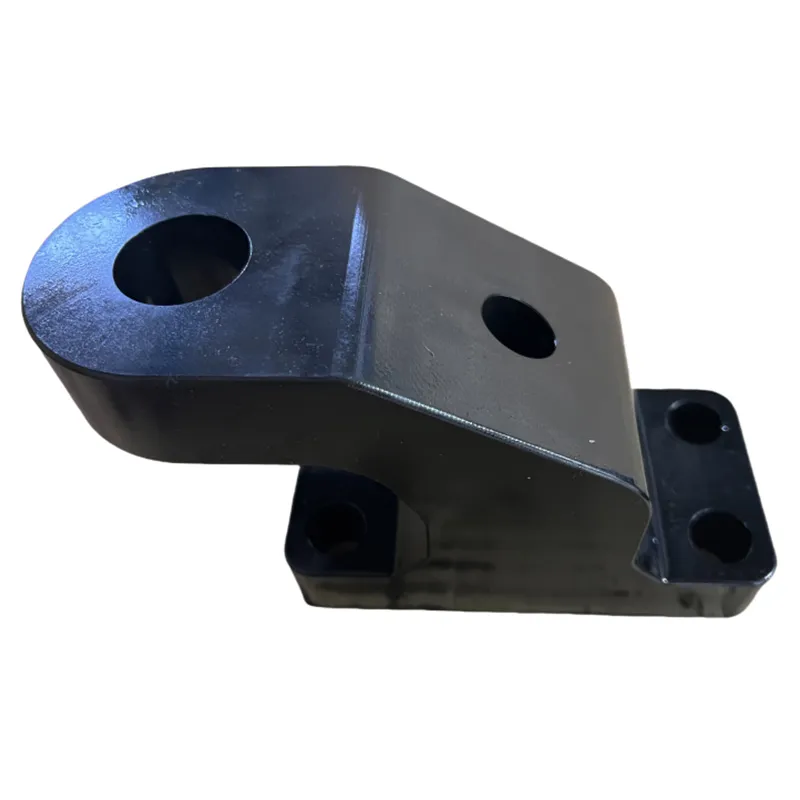
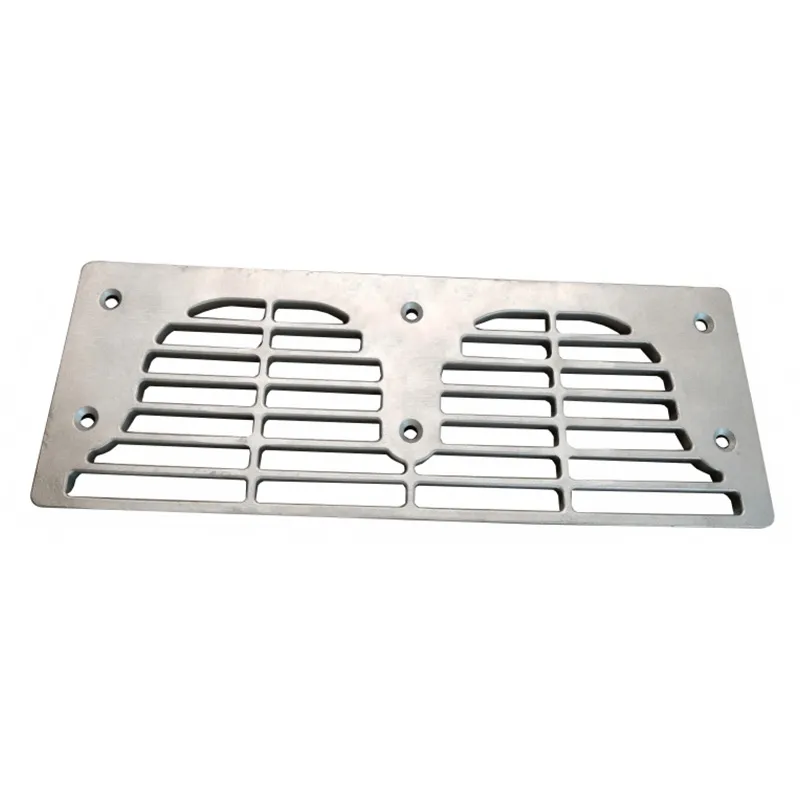
You hear 'leveler part' and most minds jump straight to a simple, flat plate. That's the first trap. In our world of heavy-duty casting and precision machining, a leveler is rarely just a passive spacer. It's a critical interface component, a load distributor, and often the unsung hero that determines whether an entire assembly sits true under stress or develops a fatal twist. I've seen too many projects where the leveler part was an afterthought, sourced as a generic commodity, leading to costly field failures. The truth is, its design, material, and finish are dictated by the system it serves.
Material is Where the Judgment Starts
Picking material for a leveler isn't about grabbing a chunk of steel. It's about the conversation between two surfaces. For a massive pump base casting, you might need ductile iron to handle vibration and impact without cracking. But for a precision optical mount machined from aluminum alloy, the leveler needs to match the thermal expansion coefficient, or your calibration drifts with the room temperature. We learned this the hard way early on.
I recall a project for a marine engine mounting system. The client insisted on stainless steel leveler parts for corrosion resistance, which was sound in theory. But they specified a common grade. In service, the immense cyclic load from the engine caused fretting and micro-movement at the contact points. The stainless, while resistant to bulk corrosion, galled and cold-welded slightly to the parent metal, seizing the adjustment mechanism. It was a nightmare to service. We should have pushed for a hardened tool steel interface or a specialized bronze alloy in that specific location. The lesson? Corrosion is one factor; tribology is another.
That's where our experience with special alloys at QSY comes into play. For high-temperature environments, say around a turbine casing, a cobalt-based alloy leveler might be the only thing that maintains its yield strength. You can't just substitute it with a cheap carbon steel shim. It'll creep and deform, throwing the whole alignment off. The website of Qingdao Qiangsenyuan Technology Co., Ltd. (https://www.tsingtaocnc.com) lists their work with nickel and cobalt alloys, which isn't just for show. It speaks to dealing with these non-obvious, high-stakes applications where the leveler part is a performance-critical component.
Machining Tolerance: The Devil in the Details
Here's another common pitfall: assuming flatness is flatness. A ground surface on a leveler for a semiconductor tool has a different definition than one for a construction equipment frame. The parallelism, surface finish (Ra value), and even the lay pattern of the machining marks matter. For vibration-sensitive equipment, we sometimes specify a damping finish or a slight texture to prevent harmonic stick-slip.
I remember inspecting a batch of leveler blocks for a CNC gantry. The prints called for a flatness of 0.05mm over the entire length. The supplier delivered parts that met spec when measured statically on a surface plate. But once installed and torqued down, the gantry would bind. The issue? The machining process induced internal stress. When the clamping force was applied, the part relaxed and warped minutely. The static measurement was a snapshot of an unstable state. We had to add a stress-relief annealing step after rough machining and before the final finishing pass. Now that's a note you won't find on a standard drawing.
This is the value of integrated manufacturing like what QSY describes. Having shell mold or investment casting followed by in-house CNC machining allows for process control. You can design the casting to near-net shape to minimize machining stress from the start. For a complex leveler part with pockets or uneven mass distribution, this is crucial. You're not just buying a machined piece; you're buying the judgment of how to get there.
When a Leveler Needs to be More
Sometimes, the function evolves. A leveler becomes a mounting bracket, a heat sink, or a conduit for bolts or wiring. We worked on a custom industrial dryer where the leveling feet were also designed as hollow chambers for routing electrical cables up through the floor. Suddenly, it's not just a block; it's a cast and machined assembly with internal passages. The design considerations multiply: wall thickness for strength, breakout points for cables, and ensuring the leveling adjustment mechanism isn't compromised by the internal cavity.
Investment casting is a godsend for these multi-role parts. You can achieve those complex internal geometries that would be impossible or prohibitively expensive with traditional machining from solid stock. The high-precision wax pattern process allows for integrated features. So the leveler part is born with its functionality cast in, literally. Then, CNC machining just cleans up the critical datum surfaces and threads. Looking at QSY's focus on both investment casting and CNC machining, it's clear they're set up for this kind of hybrid component, where form and function are deeply intertwined from the design phase.
The Installation & Adjustment Reality Check
All this precision can be undone on the shop floor. A beautifully machined stainless steel leveler with a mirror finish is a nightmare if it needs to be adjusted in a gritty, humid environment. It'll scar, it'll be hard to grip, and technicians will hate it. Practicality matters. We often add features like wrench flats, locking nut provisions, or even a slight knurl on adjustment sleeves. For large, heavy levelers, lifting holes or threaded inserts for eye bolts are a must. These aren't academic features; they're born from watching installers struggle.
There was a case with a large compressor skid. The levelers were massive, weighing about 50kg each. The design had no way to lift them into position except by brute force, risking damage to the threads. We retrofitted a simple drilled cross-hole. A steel bar through the hole gave the crew a safe lifting point. A small change, zero cost in the casting mold, but it saved hours of labor and risk. The takeaway? The design of a leveler part isn't done until you've mentally walked through its entire lifecycle: handling, installation, adjustment, and potential maintenance.
This is where a manufacturer's 30 years of experience, as noted in QSY's company profile, translates into tacit knowledge. They've likely seen these installation pitfalls across countless projects and can offer those practical design suggestions that bridge the gap between the CAD model and the greasy, noisy reality of the factory floor.
Back to the Core: It's an Interface
After all these digressions into material science, machining tricks, and ergonomics, you circle back. The fundamental job of a leveler is to create a perfect, stable interface between two imperfect worlds: the foundation (which is never perfectly flat or level) and the machine (which demands perfect alignment). Every choice—material, hardness, finish, geometry—serves that single purpose.
It's a humble part, often hidden from view once installation is complete. But its success is measured in microns of deviation over years of operation, in the absence of abnormal vibration, in the longevity of bearings and gears. Specifying or manufacturing a leveler part well requires a systems-thinking approach. You're not just making a block; you're engineering a connection point. And in heavy industry, as the folks at Qingdao Qiangsenyuan Technology would know, everything ultimately rests on its connections. Getting them right is what separates a prototype that works on paper from a machine that runs reliably for decades.