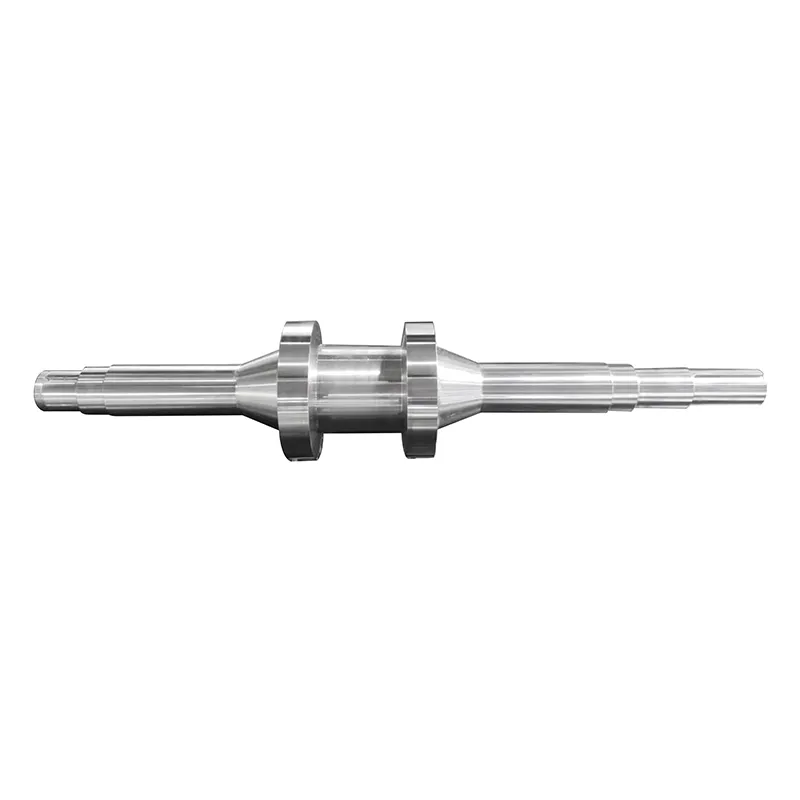
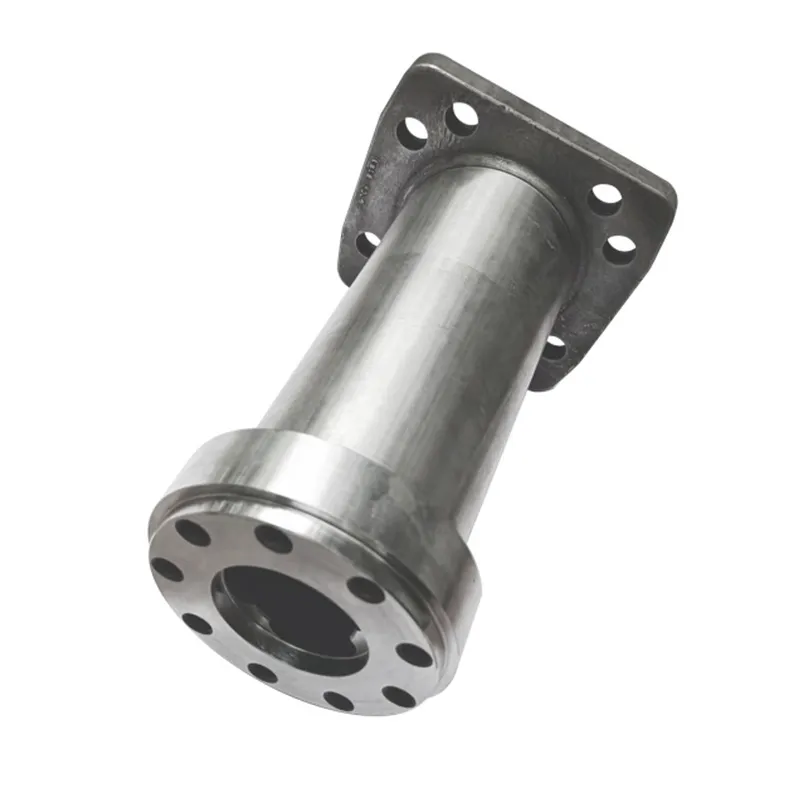
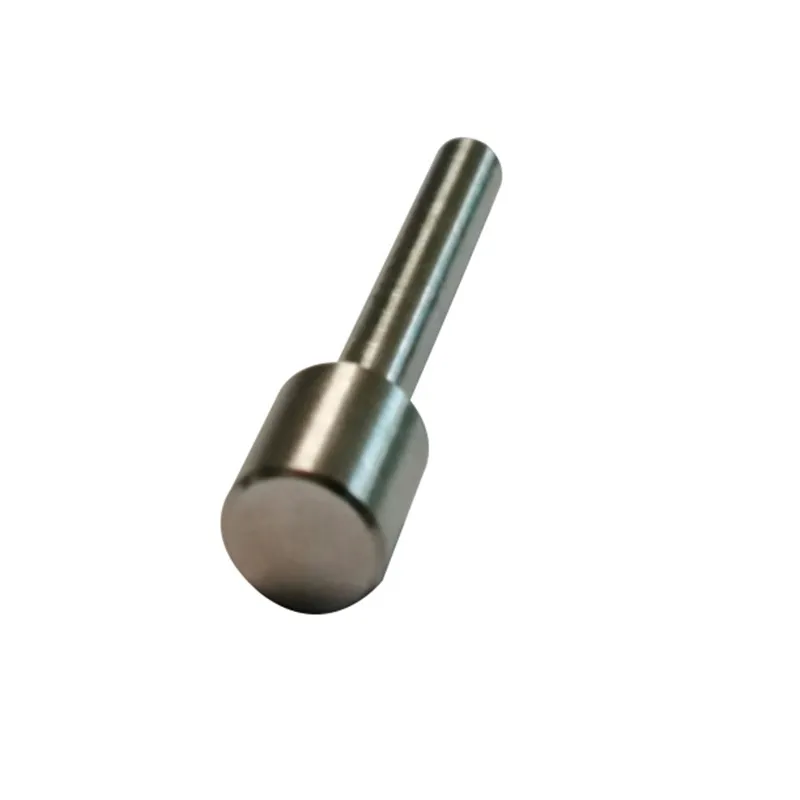
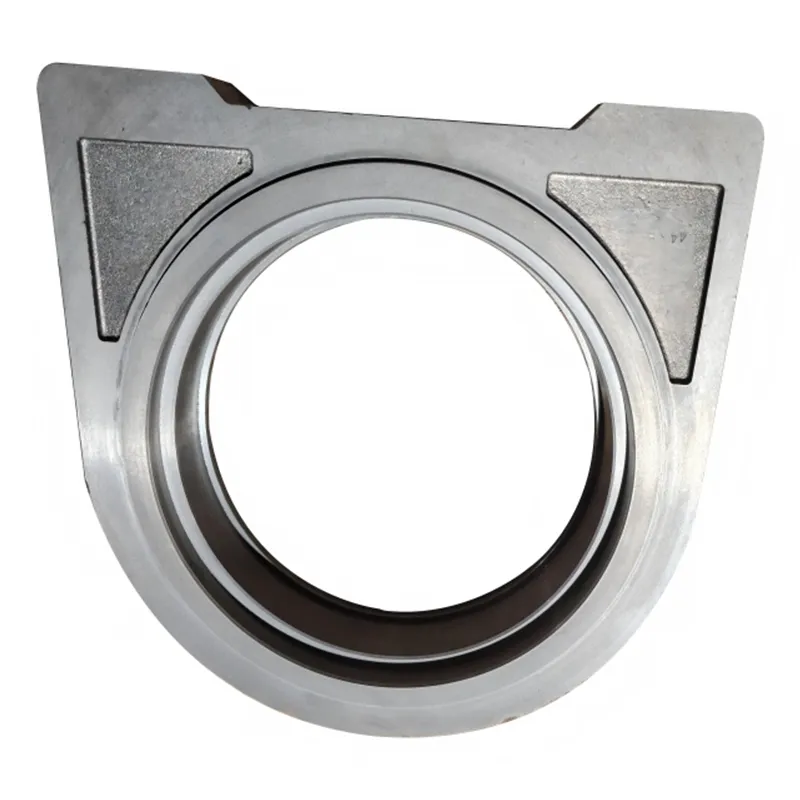
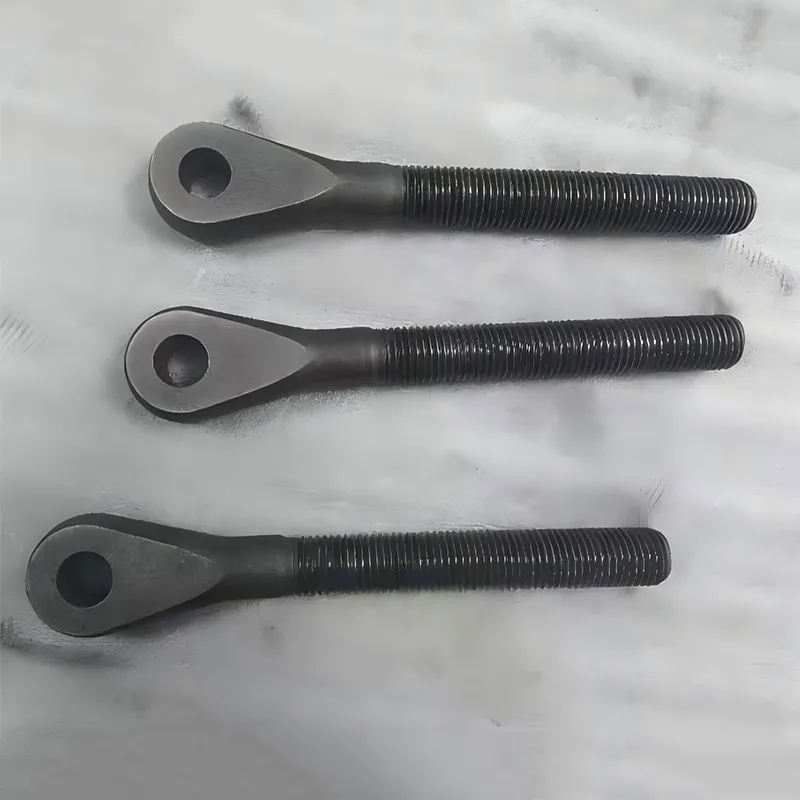
When you hear 'leveler shaft roller', most minds jump straight to the bearing itself—the hardened outer ring, the precision-ground ID. That's the common trap. In reality, the performance hinges on the entire assembly's integration with the shaft, the housing, and the specific load cycles of the leveling process. It's not a commodity part you just slot in. I've seen too many maintenance crews treat it that way, leading to premature wear patterns that aren't on the bearing spec sheet. The real story is in the interface and the application.
The Core Misconception and Material Reality
People often specify a standard roller bearing for a leveler shaft, thinking material is secondary. It's not. In a continuous galvanizing line, for instance, the thermal cycling and potential for zinc splash are brutal. A standard bearing steel might handle the load, but it'll micro-crack under thermal stress or corrode. That's where the material spec from the foundry and machine shop becomes critical. You need a through-hardened alloy that can take the heat and the chemical exposure, not just surface hardness.
This is where a supplier's experience in material science shows. A company like Qingdao Qiangsenyuan Technology Co., Ltd.(QSY), with their three decades in casting and machining, understands this nuance. They're not just making a shape; they're selecting from their range of steels, stainless steels, or even nickel-based alloys based on the operating environment. I recall a project where we switched from a generic carbon steel roller to a 4140 pre-hardened and tempered alloy sourced through a specialist, and the mean time between failures on that section of the leveler jumped by about 40%. The bearing was the same. The roller made the difference.
The machining of the seat for the bearing is another subtle point. A perfectly cylindrical bore isn't always the answer. Depending on the shaft deflection expected during leveling, you might need a slight crown or a specific surface finish to ensure the load is distributed across the full bearing width. Getting this wrong leads to edge loading, spalling, and that distinctive screeching sound that tells you a shutdown is coming sooner than planned.
Integration and the System Failure
No leveler shaft roller works in isolation. Its failure is rarely its own fault. It's a symptom. The most frequent culprit I've diagnosed is misalignment during installation or progressive frame distortion. You can have the best-machined roller from a shop like QSY, with perfect tolerances, but if the housing bores on the leveler frame are out of parallel by even a few thou, you're introducing parasitic axial loads the bearing was never designed for.
We learned this the hard way on a revamp of an old plate leveler. We installed a brand new set of rollers, machined beautifully. Within two weeks, we had overheating on every third top shaft. After days of head-scratching, we finally did a full laser alignment check on the entire frame. Turns out, the decades of cyclic loading had slightly sprung the main housings. The rollers were compensating for a bent system. The solution wasn't new rollers; it was machining and installing custom spacer shims behind the housing flanges to bring everything back into true. The rollers themselves were fine; the system around them was broken.
Lubrication is the other half of this system. The grease groove design on the roller, the type of grease, and the re-lubrication interval are part of the roller's design intent. Using a high-speed spindle grease on a slow, heavily loaded leveler shaft is a mistake—it won't form the proper film. I usually specify a high-viscosity, extreme-pressure (EP) lithium complex grease for these applications. The roller's lubrication ports need to be positioned so the grease actually purges old material out, not just packs in behind the bearing seal.
Case in Point: The Weld Seam Dilemma
Here's a specific, gritty detail that you only encounter on the floor. When leveling sheet metal with a longitudinal weld seam, that seam passes over the leveler shaft roller. It's a localized high spot. Every revolution of the shaft, the bearing right under that contact point gets an impact load. This creates a brinelling pattern on the raceway that matches the shaft's roller spacing. It's a fatigue failure, but it looks like a manufacturing defect.
I've been in meetings where the bearing supplier and the roller machinist were pointing fingers at each other. The bearing guy says the roller seat was out of round, causing false brinelling. The machinist, armed with a CMM report showing perfect geometry, says the bearing material is subpar. The truth was neither. It was an application issue—cyclic impact from the weld seam. The fix involved looking upstream: we adjusted the leveler's entry guide rolls to slightly oscillate the sheet, spreading the seam contact across more rollers, and switched to a bearing with a tougher, more ductile core material. It was a system solution, not a component swap.
From Casting to Finished Part: Why Process Matters
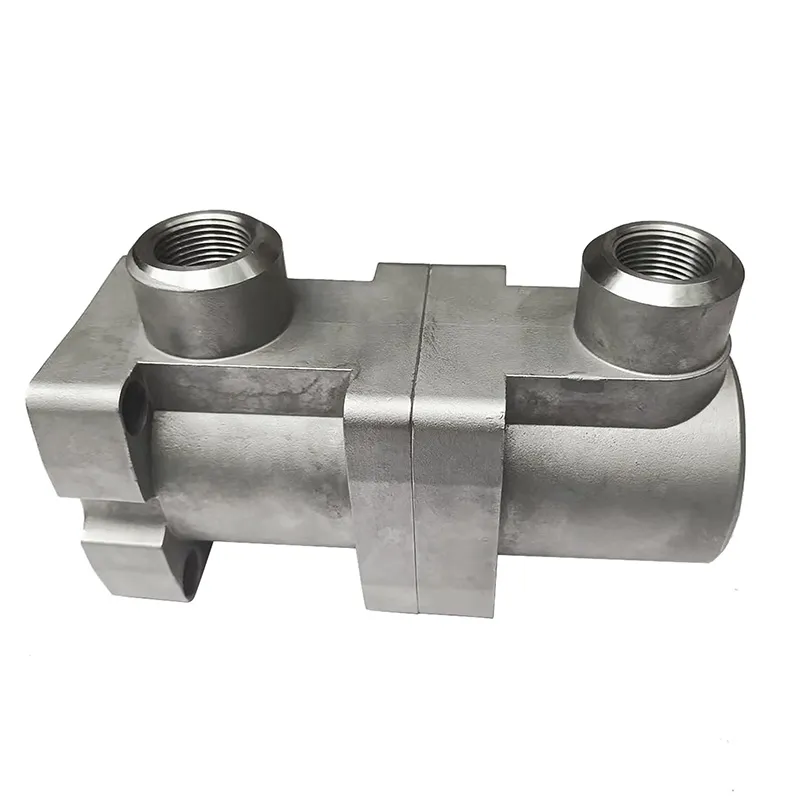
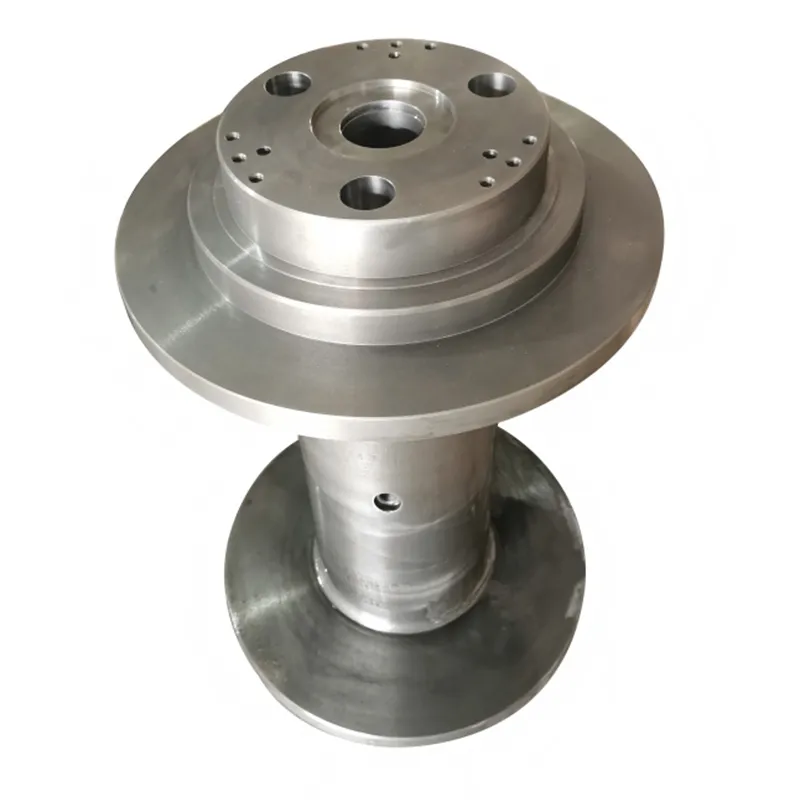
This is where the background of a full-service manufacturer is invaluable. Let's trace the life of a heavy-duty roller. It often starts as a casting. The integrity of that casting—freedom from shrinkage cavities, consistent grain structure—sets the stage. A shell mold or investment casting process, like those offered by QSY, gives a better surface finish and dimensional accuracy off the bat compared to a rough sand casting. This minimizes the amount of stock you need to remove during machining, preserving the material's forged-like strength in critical areas.
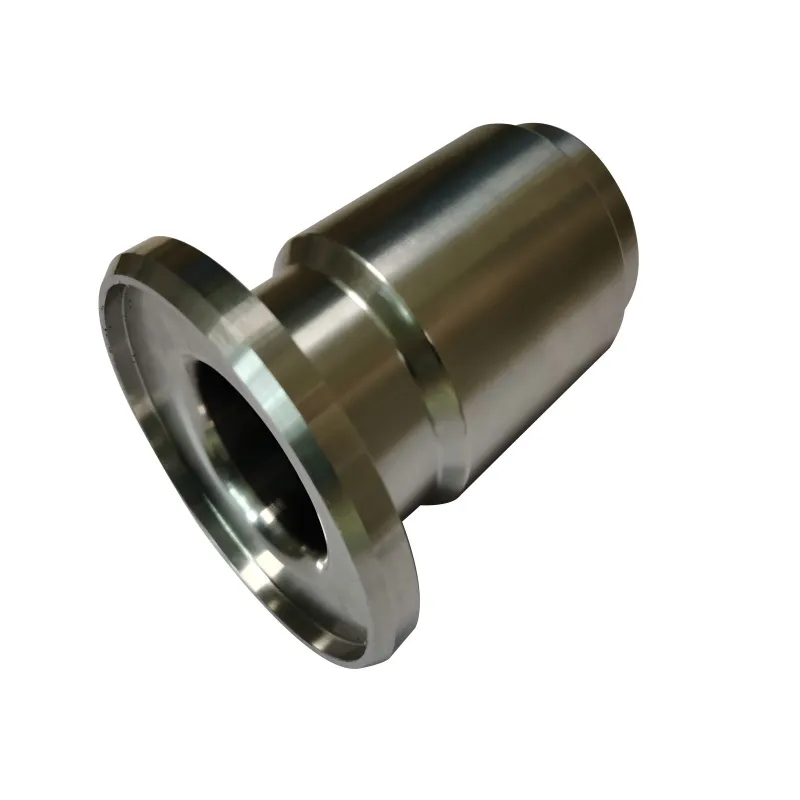
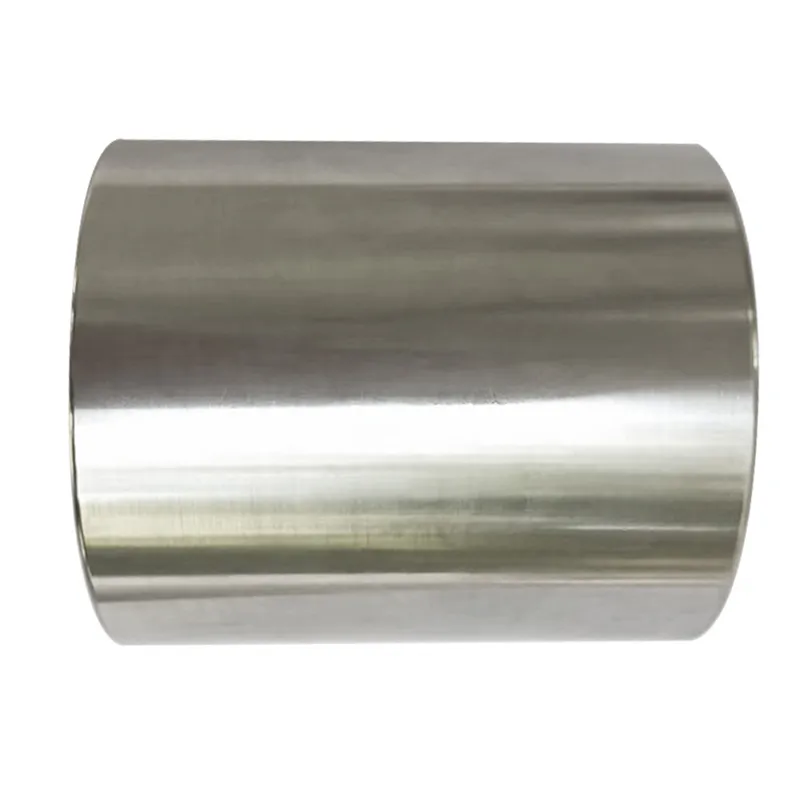
The CNC machining phase is where the theoretical design becomes a physical interface. It's not just about hitting +/- 0.01mm on the diameter. It's about the concentricity of the bearing seats to each other, the perpendicularity of the shoulders, and the surface roughness (Ra value) of the bore. A mirror finish might cause the bearing to creep; too rough, and you gall the shaft. There's a sweet spot, often around an Ra of 1.6 to 3.2 micrometers, that provides the right grip. A good machinist knows this from experience, not just from a drawing.
Finally, heat treatment. For many rollers, you need a core that's tough to resist shock loads, with a hard surface to resist wear. This often means induction hardening of the bearing journal areas, leaving the core and other regions in a tougher state. Getting the depth of hardening right is critical. Too shallow, and it wears through. Too deep, and the part becomes brittle. You need a supplier that controls this process in-house or has very trusted partners. Seeing a batch of rollers with inconsistent hardening patterns is a sure sign of future trouble.
The Takeaway: Specifying for Longevity
So, when you're next ordering or designing a leveler shaft roller, move beyond the basic print. Think in systems. Specify the material grade for the environment (corrosive, high-temp, high-impact). Call out the required hardness and depth. Define the geometric tolerances not just for size, but for alignment features like runout between journals. And most importantly, provide context to your supplier—the machine it's going into, the type of product being leveled, the typical load cycle.
A capable partner, one with integrated capabilities from casting to CNC machining like you'd find at Qingdao Qiangsenyuan Technology Co., Ltd. (their site at https://www.tsingtaocnc.com details their process flow), can then add value. They might suggest a more machinable alloy that still meets your strength needs, or recommend a slight design tweak to the grease gallery based on their past projects. That collaboration is what turns a simple turned part into a reliable machine component.
In the end, the roller is a simple part. But making it work, and making it last, is about understanding everything that touches it and everything it touches. It's the difference between a part that fits and a part that functions. The goal is for that roller to become a forgotten component—something that just works, cycle after cycle, until a scheduled maintenance window, not an emergency stop. That's the real measure of success.