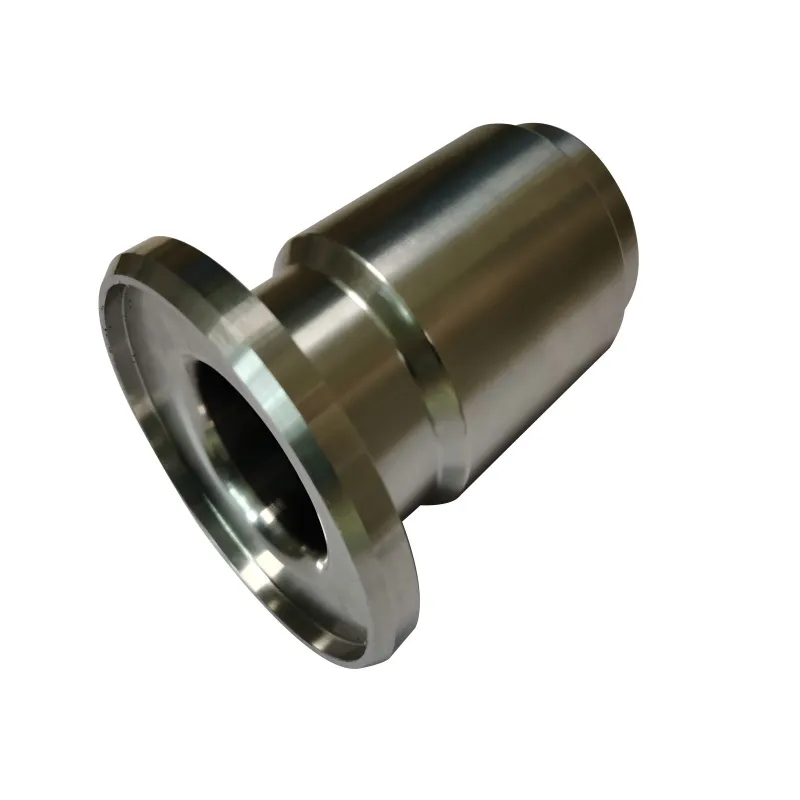
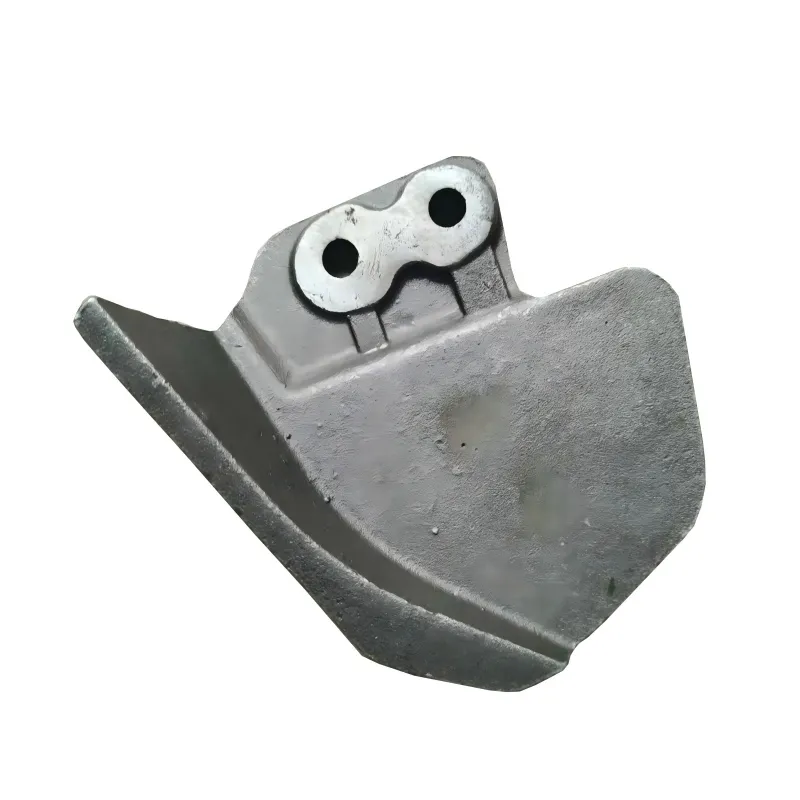
When you hear 'liquid metal injection molding', most minds jump straight to sci-fi or those high-end consumer electronics with fancy, seamless casings. That's part of it, sure, but the reality in foundries and machine shops is far grittier and more nuanced. It's not just about making something look cool; it's about solving a geometry problem that sand casting can't handle, or achieving a surface finish that eliminates hours of post-CNC work. The common misconception is that it's a one-stop-shop for perfection. In practice, it's a negotiation between fluid dynamics, solidification rates, and the brutal economics of tooling cost versus part volume. I've seen shops dive in thinking it's just a more advanced version of plastic injection molding, only to get burned—literally and figuratively—by thermal stresses and alloy behavior they didn't anticipate.
The Core Dance: Alloy, Mold, and the Window of Opportunity
The heart of the process isn't the injection machine itself; it's the marriage of material and mold. You're not working with polymers. You're dealing with metals that go from liquid to solid in a critical, narrow temperature window. For instance, with the nickel-based alloys we often run at our facility, the superheat—the temperature above the liquidus point—is everything. Too high, and you erode the steel mold (the die) or cause excessive shrinkage porosity. Too low, and you get a misrun or cold laps before the cavity even fills. It's a tactile thing. You learn to judge the metal's viscosity by the way it pours from the ladle, a skill no manual can teach.
This is where decades of general casting experience, like the 30-year background we have at Qingdao Qiangsenyuan Technology Co., Ltd. (QSY), becomes non-negotiable. You can't just buy a machine and start. You need that ingrained sense of how different families of metals behave. Moving from casting stainless steel components to a cobalt-based alloy for a high-wear application isn't a simple parameter change on the HMI screen. The entire thermal management of the die, the gating system design, even the release agent, might need a rethink. The mold isn't a passive container; it's an active heat exchanger, and designing its cooling channels is more art than science sometimes.
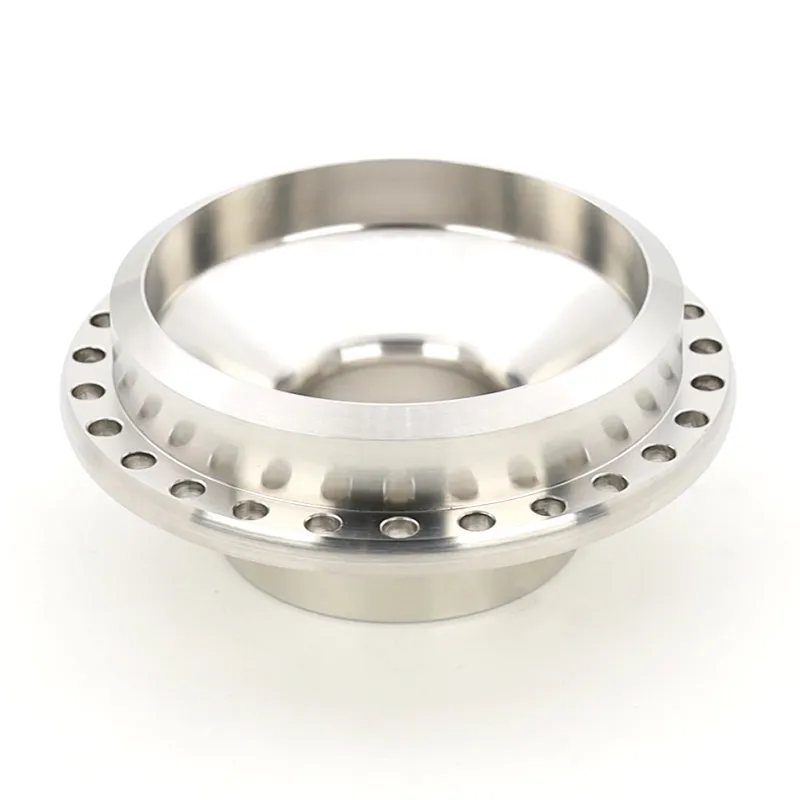
I recall a project for a complex impeller in duplex stainless steel. The client needed thin, aerodynamically precise blades. Sand casting left too much variation; machining from solid was prohibitively expensive. Liquid metal injection molding was the logical candidate. We got the geometry right on the first shot—the detail reproduction was stunning. But the part warped during ejection. The issue? We'd designed the cooling for uniform solidification, but hadn't fully accounted for the differing thermal contraction between the thick hub and the thin blades. It was a classic case of winning the filling battle but losing the war on stress. We solved it by adding a brief, controlled dwell time in the die before ejection, allowing the temperature to equalize just enough. That tweak came from a blend of simulation data and an operator's gut feeling that the part wasn't ready to come out yet.
The Tooling Trap: Where Projects Succeed or Stall
Let's talk about the elephant in the room: tooling. The die for liquid metal injection molding is a massive capital investment. It's machined from high-grade, hot-work tool steel, often with complex conformal cooling lines drilled inside. The lead time for a sophisticated die can be months. This is the single biggest point of failure for newcomers. They underestimate the cost and overestimate the initial design's perfection.
A practical rule we follow is to never finalize the die design without first running a prototype using a cheaper, machined graphite or copper alloy mold. It's sacrificial, but it reveals flow issues, hot spots, and venting problems at a fraction of the cost. We did this for a series of connector housings in a special, high-conductivity alloy. The CAD model looked perfect. The graphite prototype showed us a dead zone in a corner where air was trapped, causing a void. Fixing it in the CAD before cutting the final steel die saved us a six-figure mistake and a 10-week delay.
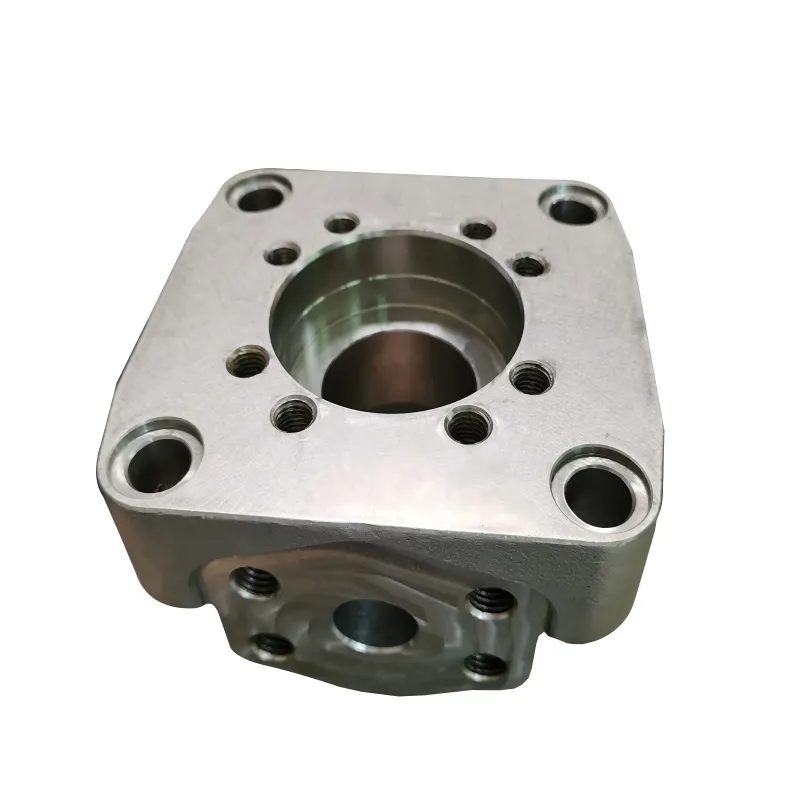
The relationship with the CNC machining team is critical here. At QSY, our in-house CNC department isn't a separate entity; they're part of the development conversation from day one. They're the ones who tell us if a draft angle is manufacturable, or if a particular core pin design will survive 100,000 cycles. This integration between casting and machining is what turns a good injection molding process into a reliable production stream. The part often comes out of the die near-net-shape, but the critical sealing surfaces or threads will need that final, precise CNC touch. Designing for that secondary operation is part of the initial DFM (Design for Manufacturability).
Material Nuances: It's Never Just Metal
The term liquid metal is deceptively simple. In our realm, it could mean a standard 316 stainless, a wear-resistant cobalt-chrome mix, or a high-temperature nickel alloy. Each has its own personality during injection. Aluminum and zinc alloys, common in lower-temperature die-casting, are relatively forgiving. When you step into the special alloys—the ones that make parts for chemical processing, aerospace, or medical devices—the rules change.
Take nickel-based alloys. They're fantastic for corrosion and heat resistance, but they're prone to segregation and hot tearing if the solidification front isn't managed meticulously. You can't just blast the mold with coolant; you have to guide the solidification from the farthest point back to the gate, essentially herding the metal's microstructure into place. This often means strategically heating certain areas of the die, not just cooling it. It's counter-intuitive. You're injecting molten metal, but you might have heating cartridges in the die body to prevent premature chilling in a critical section.
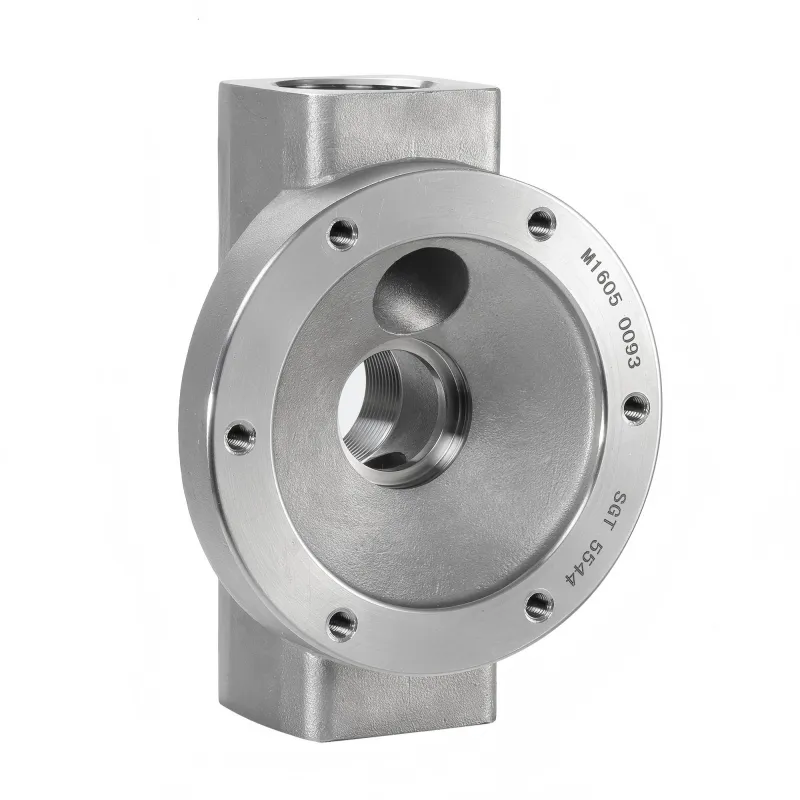
We learned this the hard way with a valve component. The material was perfect for the sour gas environment it would operate in. The part passed all dimensional checks. But under pressure testing, it failed at a seemingly random location. Metallurgical analysis revealed a microscopic tear along a grain boundary—a hot tear. The fix wasn't changing the alloy; it was redesigning the gate and overflows to create a more favorable temperature gradient during that final moment of solidification. The liquid metal injection molding process had to be tuned not just to shape the part, but to structure its internal integrity.
Bridging to Finishing: The CNC Handshake
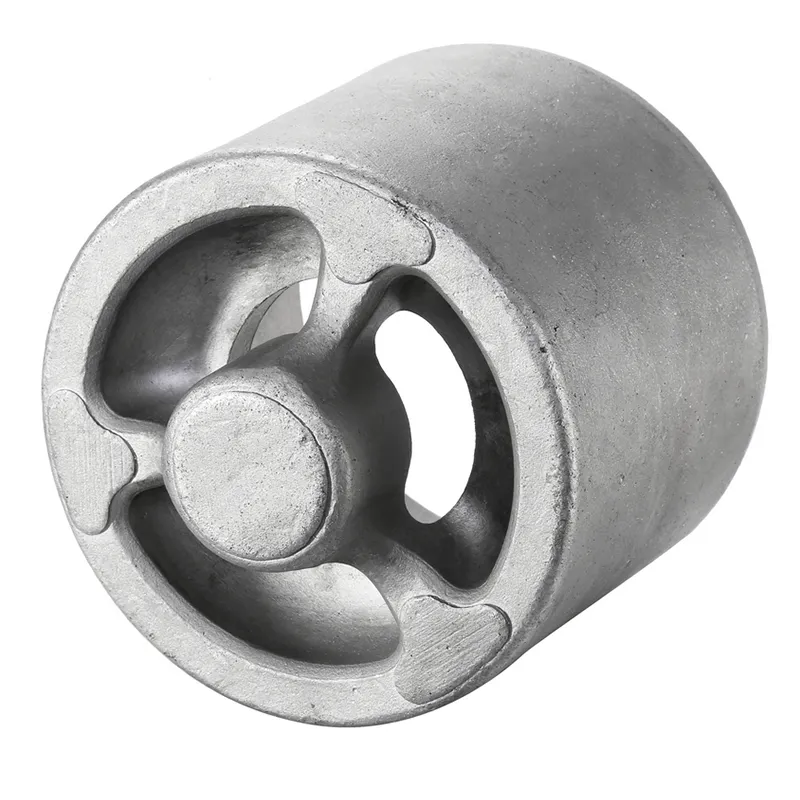
The job isn't done when the part is ejected and the sprue is cut off. That's where a full-service provider's value becomes undeniable. A part made via liquid metal injection molding often has minimal stock allowance—maybe 0.5mm or less on critical features. This demands precision not just in the molding, but in the fixturing for the subsequent CNC machining. The part needs to be located and clamped with reference to the as-cast datums, not the theoretical CAD model.
Our machining team develops custom fixtures based on the first article inspection reports from the molded parts. They're looking for the most consistent, non-critical features to use as clamping points. For example, we might use a specific boss that's formed reliably in every shot as the primary Z-axis locator. This seamless handoff from the foundry floor to the CNC shop, under one roof like at QSY, eliminates the blame game and alignment errors that plague outsourced operations. The machinist knows the casting process's quirks, and the molding engineer knows what the machinist needs to hit tolerance.
This integration is crucial for the economics of the whole endeavor. The high upfront cost of liquid metal injection molding tooling is justified by the reduced machining time and material waste per part. If the molded part is inconsistent, you lose that benefit immediately because the CNC program has to account for wild variability, adding cycle time and tool wear. A tightly controlled molding process creates a predictable, near-net-shape blank that the CNC can finish quickly and reliably. That's the synergy that makes the technology viable for mid-to-high volume production of complex components.
The Real-World Verdict: When to Use It, When to Walk Away
So, after all this, when does liquid metal injection molding make sense? It's not a universal solution. It shines when you have a part with intricate internal passages, very thin walls (down to maybe 1mm with certain alloys), excellent surface finish requirements (as-cast Ra values can be very low), and a need for material properties that only special metals provide. Volume is key—you need enough annual quantity to amortize that tooling investment over thousands of shots, not hundreds.
I've advised clients against it when their part was essentially a simple bracket, or when their projected volumes were shaky. The flexibility of shell mold casting or investment casting, also core competencies of ours, was a better financial fit. The temptation to use the advanced process is strong, but professional judgment is about choosing the right tool, not the most expensive one.
Ultimately, successful liquid metal injection molding is a deep craft. It sits at the intersection of metallurgy, mechanical design, thermal engineering, and production logistics. It's about understanding that the metal has a memory of how it was born—injected, squeezed, and solidified under pressure. Getting it right feels less like a manufacturing victory and more like successfully negotiating a pact between the laws of physics and the needs of a blueprint. And that's something you only learn by standing next to the furnace, feeling the heat, and watching the metal flow.