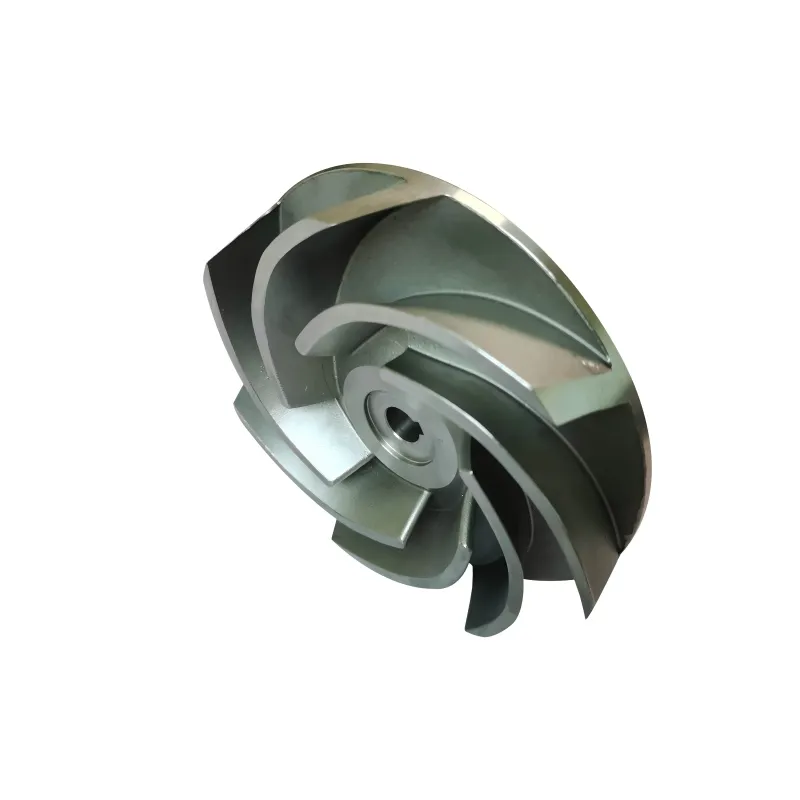
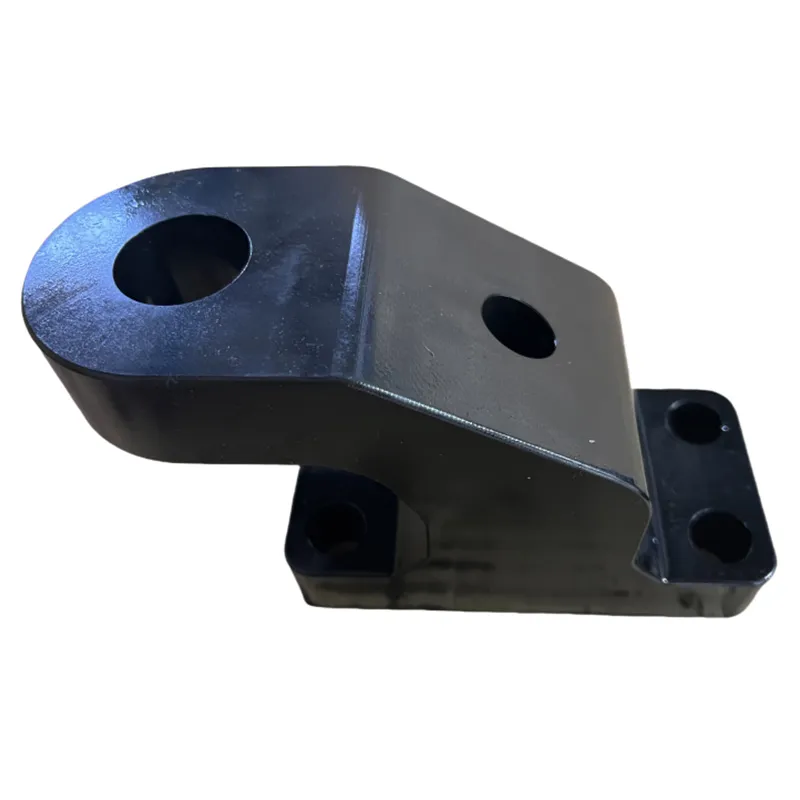
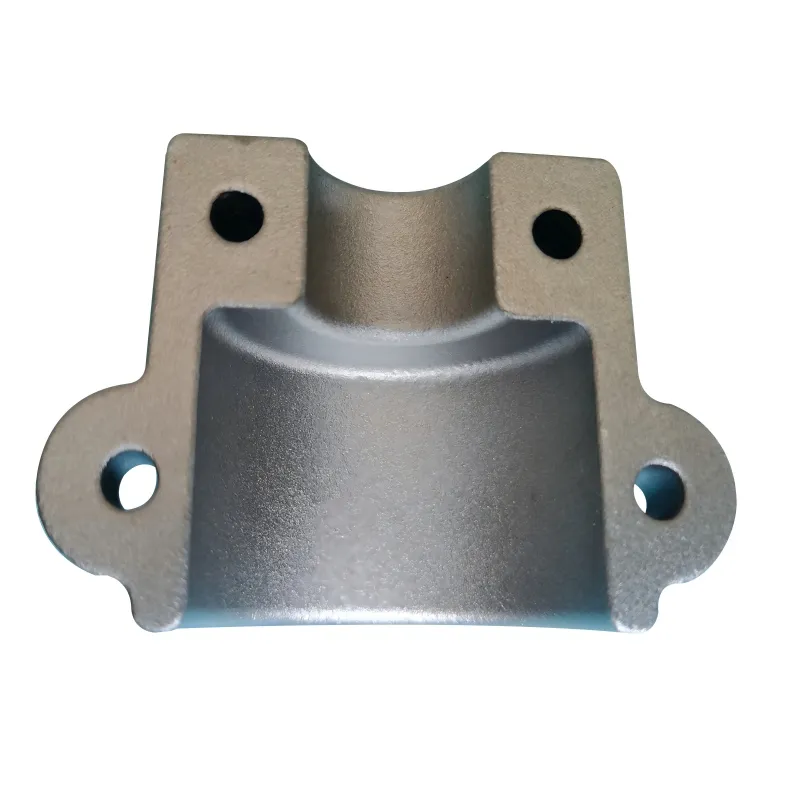
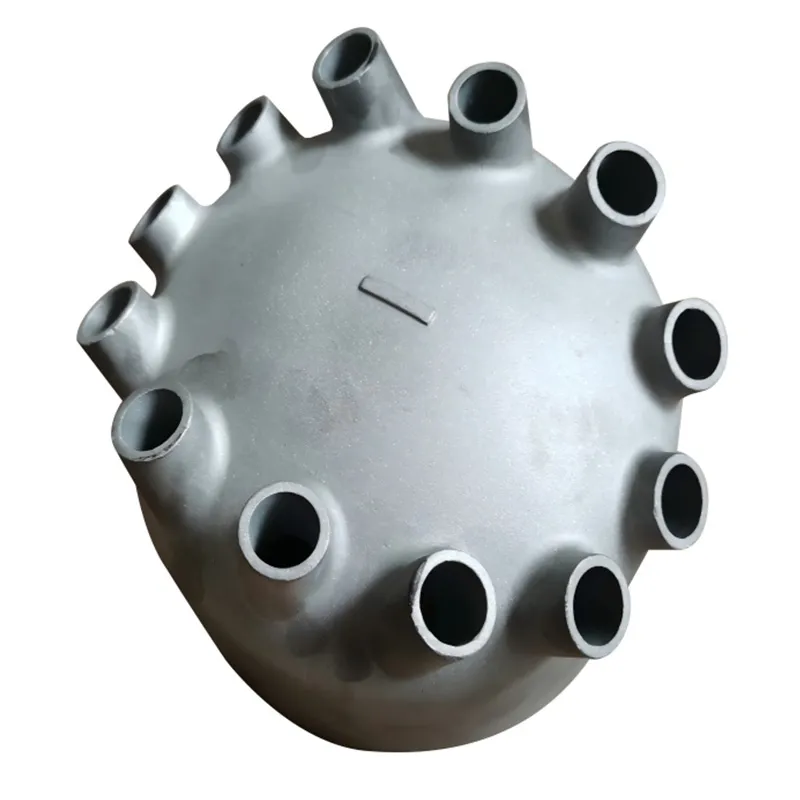
Look, lost foam casting. It's one of those processes that gets a lot of buzz for its potential—near-net shape, complex geometries, reduced machining. But walk into ten foundries claiming to do it, and you might see ten different interpretations of success. The biggest misconception? That it's simply a cleaner alternative to traditional sand casting. It's not. It's a complete system, and if your foam patterns, coating, sand compaction, and gating aren't in a perfect, fragile dance, you're just burning expensive polystyrene to make scrap. I've seen more failed attempts from people treating the foam pattern like it's disposable rather than the actual core of the process.
The Make-or-Break Starting Point: The Pattern Itself
Everything hinges on the foam pattern. It's not just a shape; it's a volatile placeholder. We learned this the hard way early on. Sourcing cheap, low-density EPS beads might save cost upfront, but the bead fusion lines become failure points. The foam needs to be dense enough to handle handling without denting, but every gram extra is gas volume during pour, affecting metal flow and final integrity. The pattern assembly—gluing multiple foam sections—is another silent killer. Use the wrong adhesive, and it either doesn't seal the joint (leading to metal penetration into the seam, a nasty defect called veining) or it leaves a carbonaceous residue that creates inclusions. We switched to a specialized hot-melt adhesive for critical joints after a batch of valve bodies kept failing at the flanges. It's these minutiae that separate a prototype from production-ready quality.
Then there's the coating, the refractory slurry. This isn't paint; it's a barrier and a permeability controller. Too thick, and the gas from the vaporizing foam can't escape fast enough, causing the metal to stall or even blow back. Too thin, and the sand breaks through, creating a rough, fused surface finish. The viscosity needs constant monitoring—temperature and humidity in the shop affect it dramatically. We aim for a coating that dries to a ceramic-like skin, tough enough for sand filling but brittle enough to crack under the metal front to allow gas venting. It's a balance you feel, literally, by how it drips off your finger.
I recall a project for a compact pump housing, a complex internal passage job. The client wanted it in ductile iron. The first runs were disastrous—shrinkage porosity clustered in the thick sections. The foam, of course, disappears and leaves no defined thermal mass. The issue was that our gating, copied from a sand casting method, didn't account for the extra heat loss from the endothermic foam decomposition. We had to redesign the feeding system entirely, adding more risers in non-traditional locations to compensate for that cooling effect. It added machining touch points later, but it was that or scrap. The pattern is the product, until it isn't.
Sand, Vibration, and the Illusion of Simplicity
Dry, unbonded sand. Sounds simple. But its compaction around the fragile, coated pattern is where most visual defects are born. The vibration table is the heart of it. You need a multi-directional vibration to get the sand to flow into every cavity without dislodging or distorting the pattern. Too aggressive, and you can shear thin pattern walls or cause the coating to crack prematurely. Too gentle, and you get soft spots in the sand, leading to mold wall movement and dimensional inaccuracy—what we call bulging.
We run a mix of silica sand, though for some stainless steel grades we've moved to zirconia for its higher thermal stability. The key is consistency. Any moisture is the enemy; it reacts with the hot metal and decomposing foam to create steam pockets, causing pinholes. We dry the sand in a rotary dryer if there's any hint of humidity. It's an extra step, but it's cheaper than a full heat treat later to try and seal porosity that you can't even see on the surface.
The pour itself is anti-climactic but tense. You're pouring metal onto what is essentially fuel. The rate is critical. Too slow, and the foam degrades ahead of the metal front, causing the cavity to collapse or the sand to fall in. Too fast, and the gas generation overwhelms the coating's permeability, causing turbulence and slag inclusions. You watch the vents for smoke, the color and flow of it tells you if the burn is clean. A black, oily smoke means incomplete combustion, trouble. A steady, greyish-white plume is what you want. It's a very sensory process.
Where It Fits and Where It Doesn't
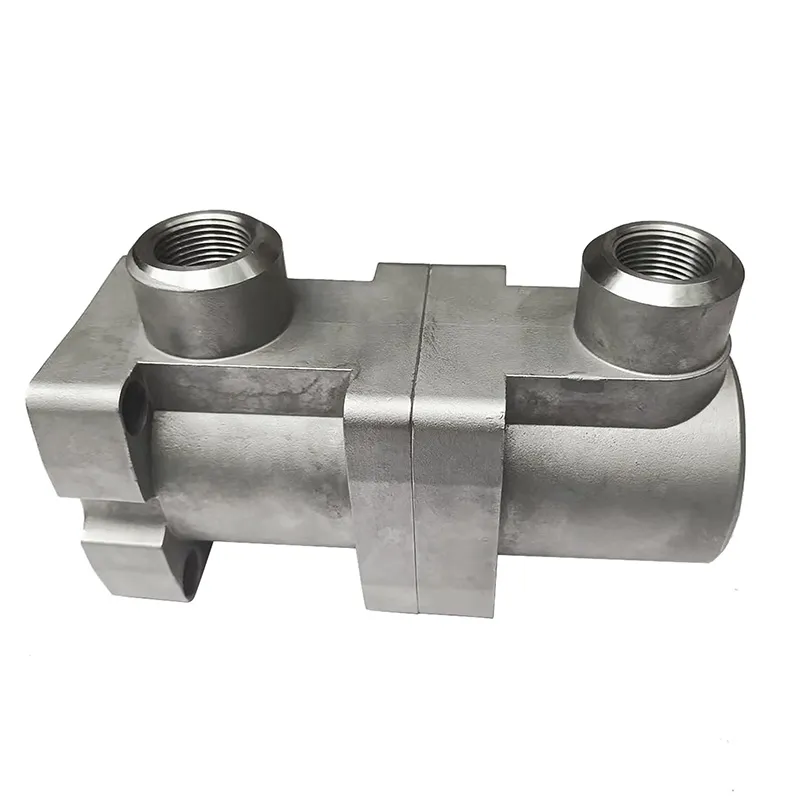
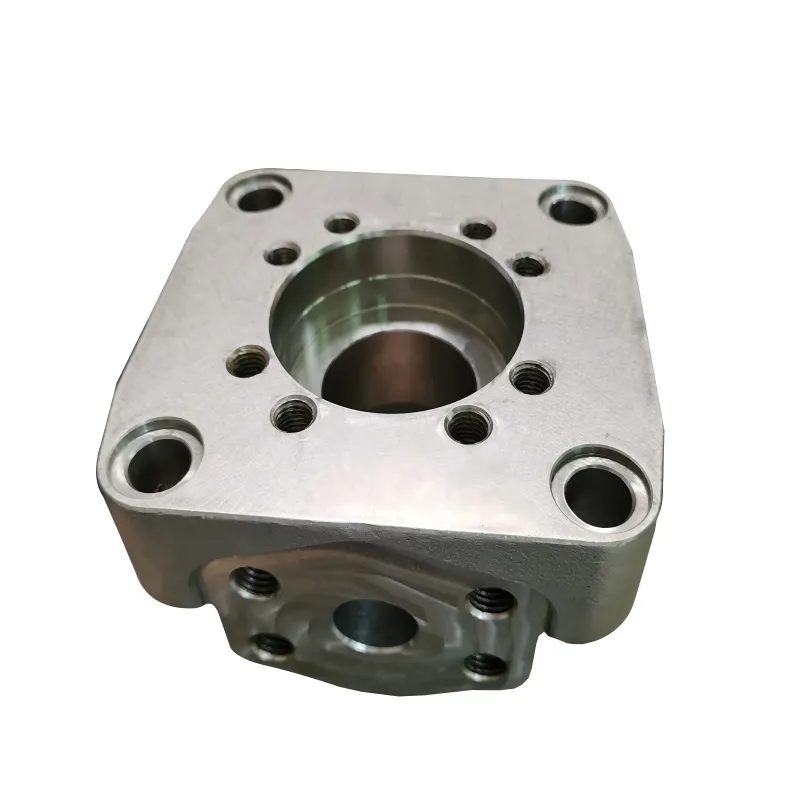
Lost foam casting shines for certain families of parts. Engine blocks, cylinder heads, manifolds—complex shapes with internal passages that would require complex and costly sand cores. The elimination of core assembly and core prints is a massive saving in labor and improves dimensional consistency. For a company like Qingdao Qiangsenyuan Technology Co., Ltd. (QSY), with decades in shell and investment casting, adding lost foam to the portfolio was about offering the right process for the right geometry. Sometimes, a part we quote could be made by shell mold or lost foam. The breakpoint is often internal complexity and volume. For a run of 500 pieces of a hydraulic valve body with intersecting oil galleries, lost foam wins. For 50 pieces of a high-temp turbine nozzle in cobalt alloy? Back to investment casting.
The material limitation is real. Aluminum and grey iron are the most forgiving. Ductile iron requires strict control of magnesium levels (the foam decomposition can affect nodularization). Steel and stainless are possible, but the thermal shock on the coating is higher, and the surface carbon pickup from the foam is a genuine concern. We've done successful runs of 304 stainless brackets, but it required a proprietary coating with higher refractoriness and a very precise, fast pour. It's not a go-to for high-alloy steels here; investment casting is still king for that, given QSY's expertise with nickel and cobalt-based alloys. You play to the strength of the process.
Post-Process: The Reality Check
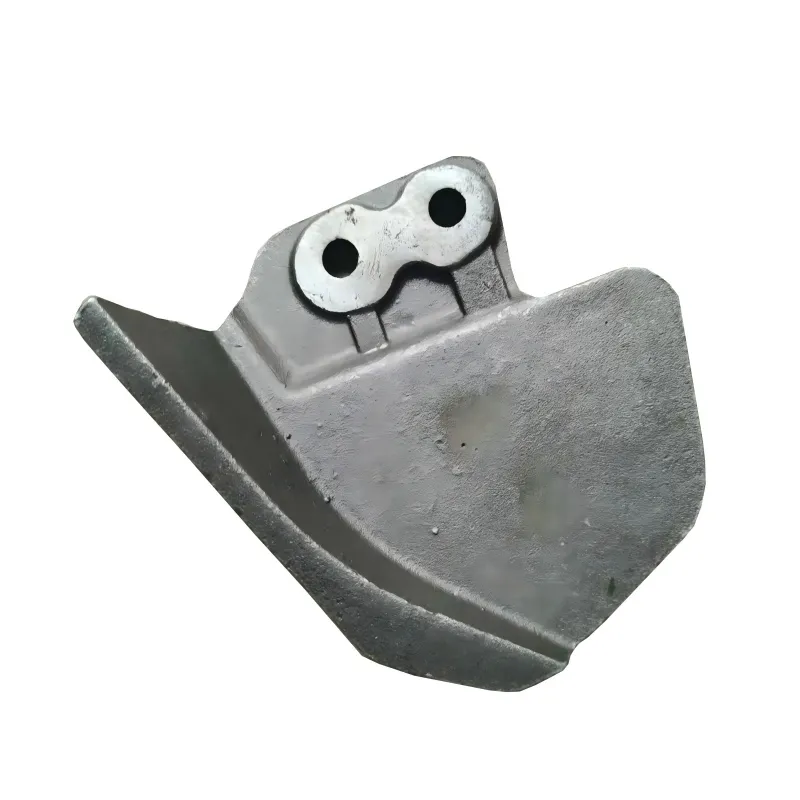
Shakeout is easy—just turn the box over. But the first look at the casting is the reality check. The surface has a characteristic, slightly rough, orange-peel texture from the coating interface. It's finer than sand casting but not as smooth as investment. You'll almost always see a light, carbonaceous film in recesses; it usually blasts off in the cleaning room. Defects are distinctive. Collapsed sand shows as a sudden, gross distortion. Metal penetration looks like a rough, metallic fin along a pattern seam. Gas porosity is more diffuse, often just under the surface.
Machining is where the dimensional stability pays off. With no core shifts, the datum features are reliable. But you have to be aware of the spongy zone. Sometimes, just a millimeter or two under the as-cast surface, there can be a layer of micro-porosity from the foam decomposition gases. It's not always a defect, but if you have a critical sealing face, you specify a minimum machining cut of 2mm to get under it. We learned this after a batch of compressor housings passed pressure test initially, but failed in the field after minimal wear. The culprit was a porous layer right at the sealing surface that wore open. Now it's a standard note on the drawing for critical interfaces.
Final Thoughts: A Tool, Not a Miracle
So, is lost foam casting the future? For some components, absolutely. It's a brilliant solution to specific problems. But it's a demanding, process-sensitive discipline. It rewards meticulousness and punishes approximation. It's not something you just add on to a foundry. It requires a dedicated cell, from pattern molding to sand handling. For a integrated supplier like QSY (you can see their capability range at https://www.tsingtaocnc.com), it's another strategic tool. It allows them to guide a client—say, someone needing a durable cast iron component with internal channels—to the most efficient method. Sometimes that's lost foam, sometimes it's their core shell mold process. The value is in knowing the difference, in the shop floor wisdom of what each process feels like when it's running right, and more importantly, when it's about to go wrong. That's something no brochure can ever really capture.