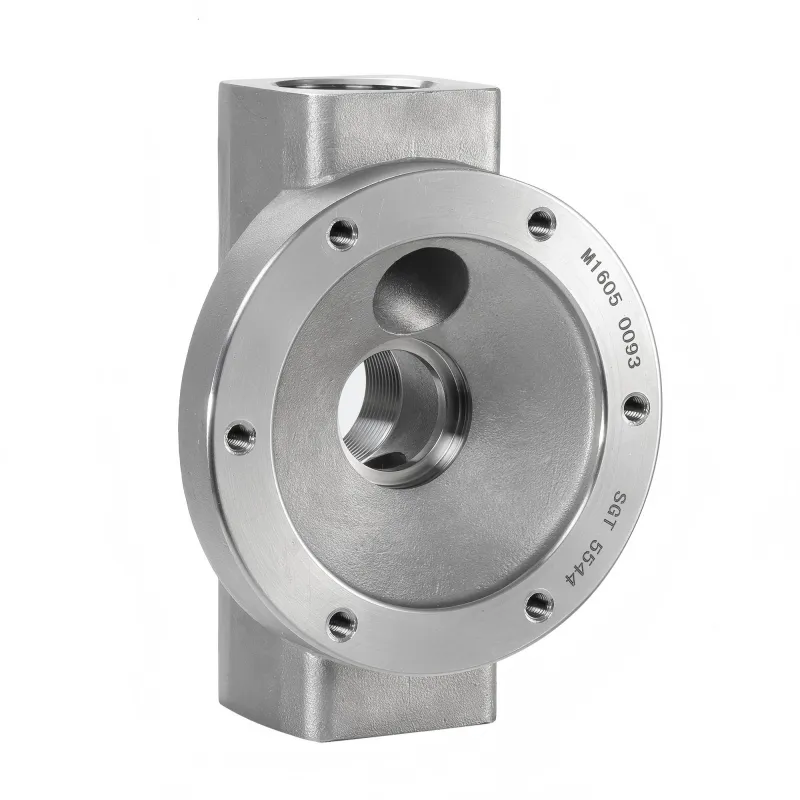
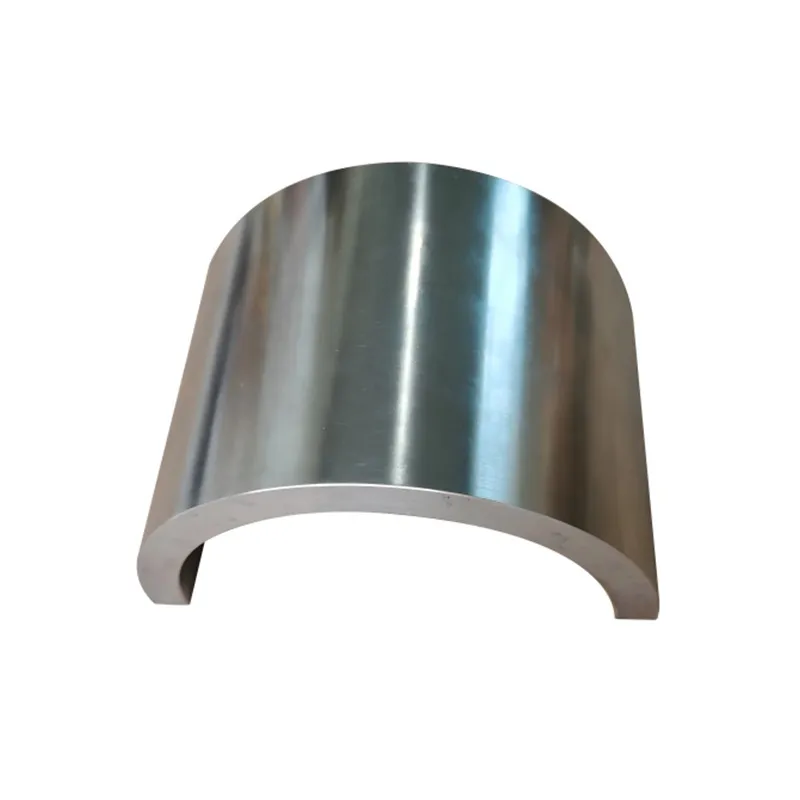
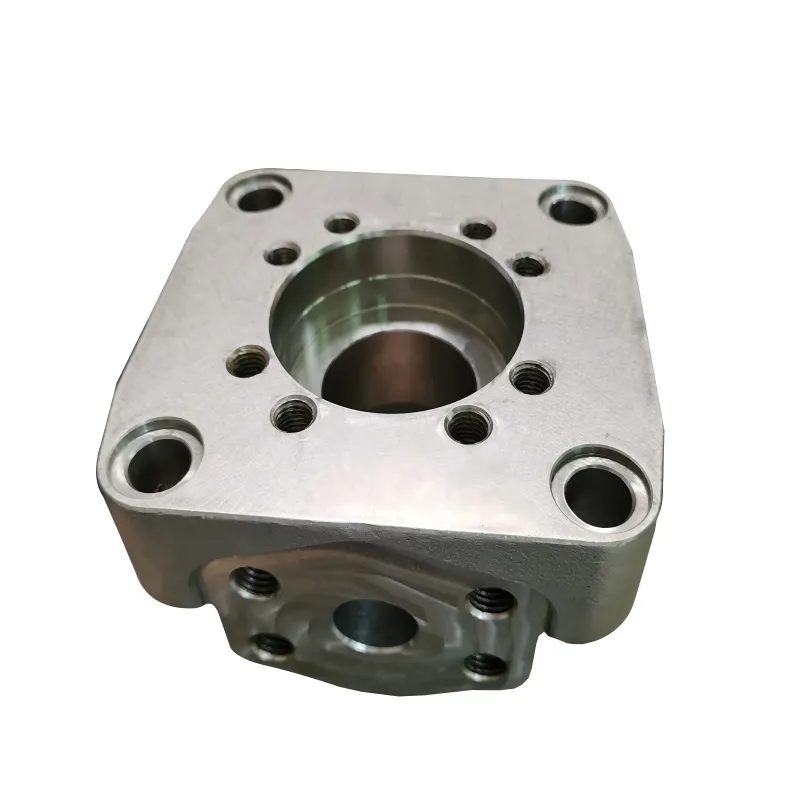
When most people hear 'lost wax aluminum casting', they picture a flawless, near-net-shape part, ready to go. That's the marketing dream. The reality, the one you only learn on the shop floor, is a constant negotiation between fluidity, shrinkage, and the relentless pursuit of a sound internal structure. It's not just about making a shape; it's about engineering the solidification event itself. Too many treat it like a black art or, worse, just another item on a procurement list. The truth is, if you're not thinking about the grain structure from the moment you design the wax pattern, you're already behind.
The Core Misconception: It's All About Dimensional Accuracy
New clients, even some seasoned engineers, come in fixated on tight tolerances. They want the dimensional precision investment casting is famous for. And sure, for a simple bracket, that's the primary goal. But with aluminum, especially for parts under thermal or mechanical stress, the conversation has to shift. The real value of the lost wax process for aluminum isn't just that it can hold a +/- 0.005 tolerance. It's that you can influence how the metal freezes. You can direct shrinkage to the feeder, not the critical wall. That's the difference between a part that looks right and one that lasts.
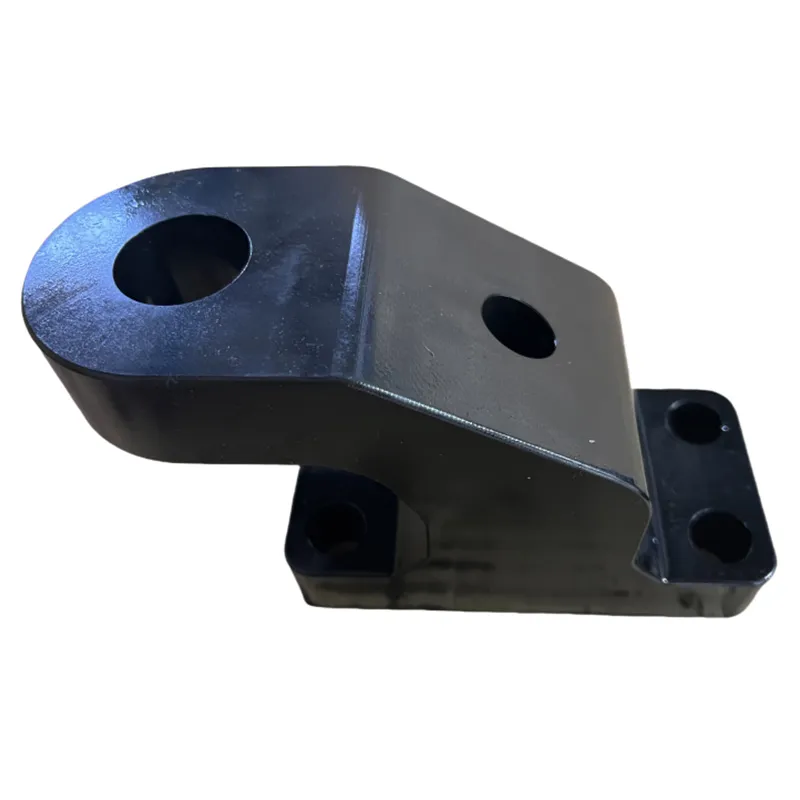
I remember a project for a drone housing mount. The CAD model was beautiful, with thin walls and complex internal channels for cooling. The first prototypes came out dimensionally perfect. Passed the CMM check with flying colors. But in vibration testing, they failed at the base—a brittle fracture. The problem? The aluminum casting solidified too directionally, creating a columnar grain structure right at the stress point. The geometry encouraged it. We had to go back, not to the CNC program, but to the wax tree design. We added subtle chill vents in the ceramic shell at specific locations to promote a more equiaxed grain formation there. It added two days to the pattern stage, but it changed the part from a scrap pile candidate to a reliable component.
This is where generic foundries stumble. They'll nail the surface finish but miss the metallurgy. A company that gets this, like QSY (Qingdao Qiangsenyuan Technology Co., Ltd.), doesn't just sell castings; they sell a controlled solidification process. With their background in special alloys, they understand that thermal management is everything, whether you're pouring superalloys or A356 aluminum. That mindset is critical.
The Wax Stage: Where the Battle is Really Won (or Lost)
Everything hinges on the wax pattern. Its quality, its consistency, its temperature during assembly. A minor seam, a slight variation in injection pressure—these don't just affect surface finish; they create weak spots in the ceramic shell that can lead to runs or fins during the pour. We run our wax at a slightly higher temperature than the manual suggests. It flows better into the fine details of the mold, reduces turbulence, and gives a denser pattern. The trade-off is longer cycle time and more careful handling. But for complex parts, it's non-negotiable.
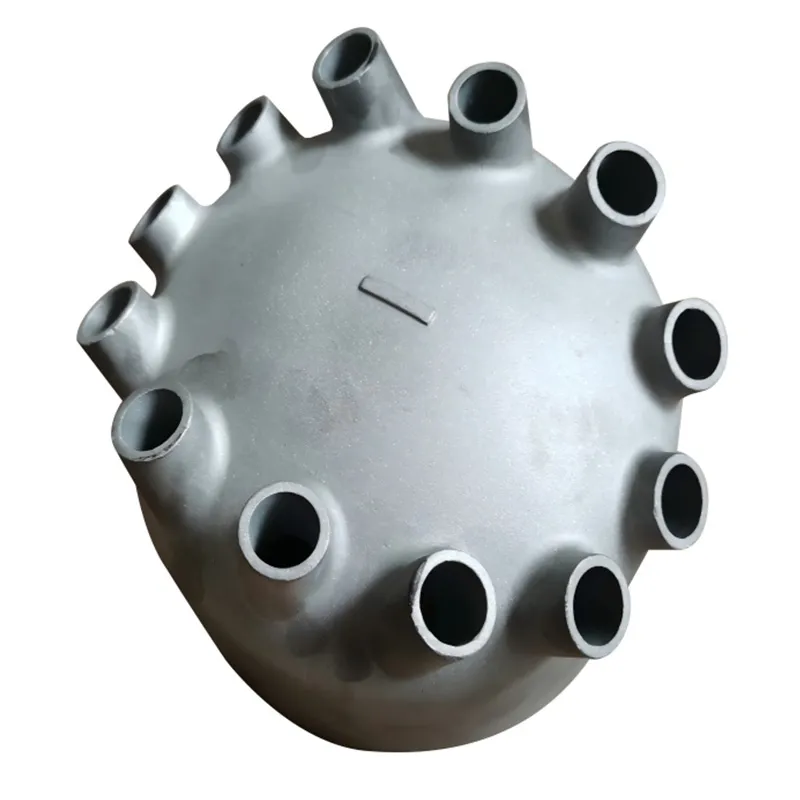
Assembly, or treeing, is another art. How you angle the patterns, the diameter of the wax sprue—this dictates the flow of molten aluminum. You want a progressive, tranquil fill, not a turbulent splash. I've seen pours ruined because the tree was too vertical, causing the metal to jet down the center and trap gas in the outer cavities. Now, we design trees with a slight helical layout. It seems trivial, but it encourages a gentle swirling fill. It's one of those small, unsexy details you won't find in a textbook, born from watching hundreds of pours and cutting open the scrap.
Controlling the wax environment is a constant fight. Humidity in the summer can cause the patterns to sweat, leading to shell adhesion issues. We had a batch of aerospace brackets once where the shell kept cracking during dewaxing. Took us a week to trace it back to a subtle, seasonal shift in the wax's polymer content from our supplier, which changed its thermal expansion coefficient. The autoclave cycle was too aggressive for that batch. Now, we run a small test shell on every new wax delivery. It's a hassle, but cheaper than a full production run failure.
The Shell: Ceramic Isn't Just Ceramic
Most specs just call for a zircon-based primary slurry and a fused silica backup. That's the standard playbook. But the devil is in the dip cycles and the stucco gradation. For thin-walled aluminum castings, you need a shell that's strong enough to withstand the metal pressure but permeable enough to let the air out. Too many backup coats, and you risk gas porosity; too few, and you risk a shell fracture or a hot tear on the casting.
We've moved to a modified process for our high-integrity aluminum work. We use a finer, 200-mesh stucco for the second and third coats instead of jumping straight to the coarse material. It builds a more uniform thickness and better surface finish in deep recesses. It also, we found, reduces veining – those annoying ceramic fins that break off and get embedded in the casting surface. It adds an extra dip cycle, so it's more expensive, but it drastically reduces post-cast finishing time. On a run of several hundred parts, the math works out in our favor.
Drying is the silent variable. Rushing the drying between coats is the most common pitfall in a busy shop. Incomplete drying leads to layered shells with poor inter-coat bonding. During the high-temperature burn-out, the steam pressure from the residual moisture can delaminate the shell from the inside. We instituted a hard rule: ambient humidity above 70%? Automatic 4-hour extension on the drying time for all coats. No arguments. It slowed scheduling but eliminated a whole category of mysterious shell failures.
The Pour: More Than Just Filling a Mold
Pouring aluminum in a lost wax casting process isn't like filling a sand mold. The ceramic shell is hot, around 1000°C, and the metal cools fast. You have a window of maybe 10-15 seconds of effective fluidity for a typical investment. The gating system has to work perfectly. We always pre-heat our ladles. A cold ladle can drop the metal temperature 20-30°C just during transfer, killing its fluidity before it even hits the sprue cup.
The pour itself should be a continuous, steady stream. No stopping, no pouring, no glugging. You want to maintain a constant metallostatic pressure to push the metal into the furthest reaches of the mold. We train our pour team to watch the back-pressure in the sprue cup. If it rises too fast, it means the mold is filling turbulently. Sometimes, you have to slow the pour rate mid-stream, which feels counterintuitive. It's a tactile skill. I've stood there with new technicians, guiding them: Feel that? The cup is getting heavy too quickly. Ease off... now steady.
Post-pour, we used to let the molds cool in ambient air. Big mistake for certain geometries. We had issues with hot tearing on parts with drastic section changes. The thin sections would solidify and contract, pulling apart the still-molten, thicker sections. Now, we have insulated boxes filled with vermiculite. We transfer the hot molds directly into them for a controlled, slow cool-down. It adds another step, but it's essentially an in-mold heat treatment that relieves those stresses. Solved about 80% of our hot tear problems overnight.
Machining & The Partnership with Shops Like QSY
This is where the rubber meets the road. A perfect aluminum investment casting is only as good as the machine shop that finishes it. This is why the model of a foundry that also does serious CNC machining, like the one you see at QSY's operation, is so powerful. They understand the entire journey. When we design a casting, we're already thinking about the fixturing points, the stock allowance, and the potential for residual stress that could warp the part once it's clamped and cut.
There's a classic problem: a casting comes out with beautiful dimensions, but when the machinist takes the first cut, the surface texture changes or the tool chatters. Often, it's a subsurface shrinkage porosity or a slight chill zone that the CMM probe never touched. A foundry that only casts will blame the machining parameters. A machine shop that only machines will blame the casting quality. A vertically integrated provider has to solve it internally. They can correlate the machining anomaly back to the pour temperature or the shell pre-heat from that specific batch. That feedback loop is invaluable.
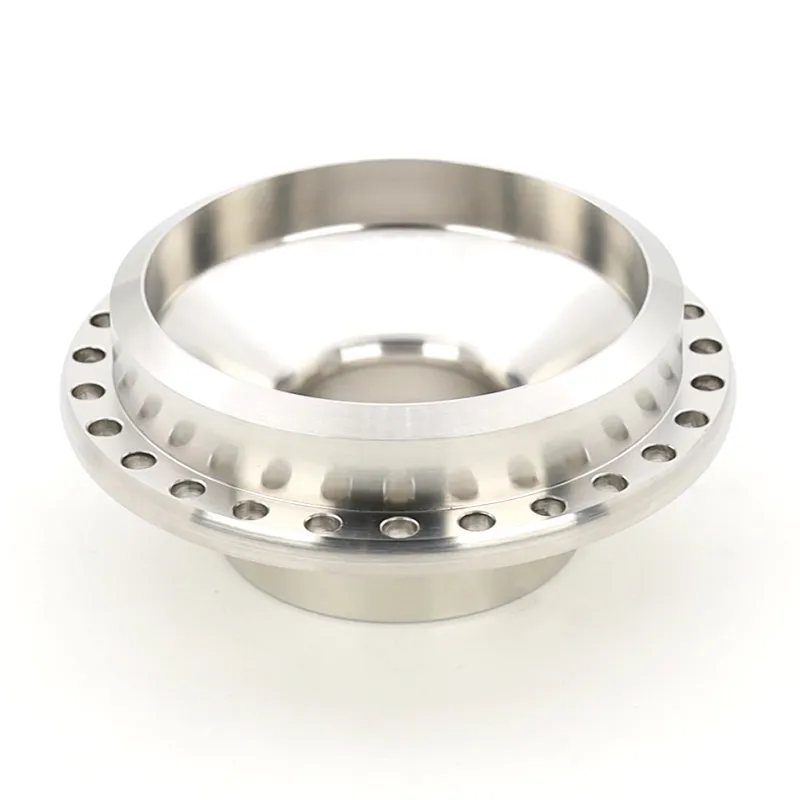
For instance, QSY's experience with hard-machining cobalt and nickel alloys translates directly to aluminum. Their mindset is about removing material predictably from a high-integrity substrate. They know that for a casting destined for a 5-axis mill, you might need to add a small, sacrificial pad on a non-critical face just for stability during machining, something a pure-play foundry might reject as an unnecessary feature. It's this end-to-end perspective that turns a prototyping method into a viable production process. You're not just buying a casting; you're buying the assurance that it will behave predictably under a cutting tool.
Final Thought: It's a Process, Not a Product
So, if you take one thing away, let it be this: lost wax aluminum casting is a chain of interdependent processes. Optimizing one link in isolation often breaks another. The wax affects the shell, the shell affects the fill, the fill affects the grain structure, and the grain structure affects everything that comes after. Success comes from viewing it as a single, continuous system.
The companies that thrive in this space, the ones you can rely on for more than just a simple quote, are the ones that have internalized this systems-thinking. They have the scars from past failures—the cracked shells, the porous sections, the warped machined parts—and they've built their protocols around those lessons. Their websites, like the one for Qingdao Qiangsenyuan Technology Co., Ltd., might list services like shell mold casting and CNC machining separately, but the real value is in how they're forced to integrate them. That's what delivers a component that doesn't just meet a print, but performs in the real world. It's messy, iterative, and full of compromises. But when it clicks, there's no better way to make a complex, high-performance aluminum part.