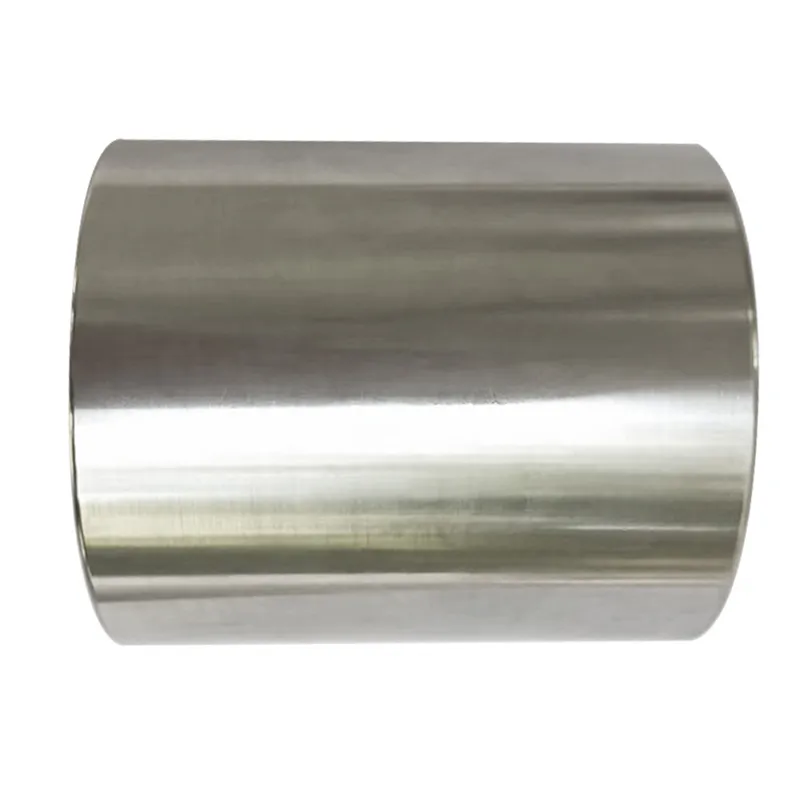
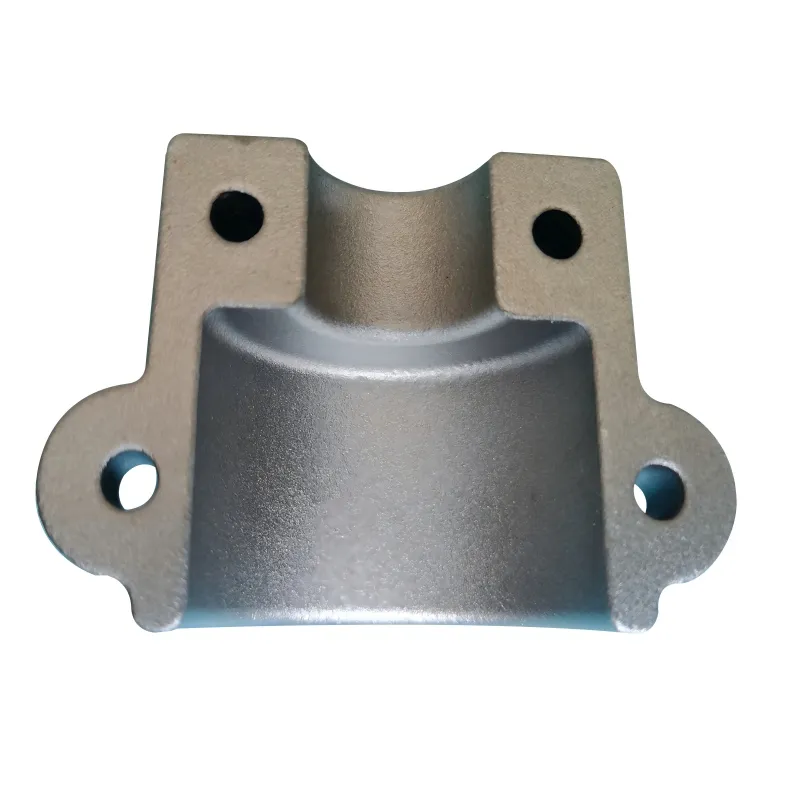
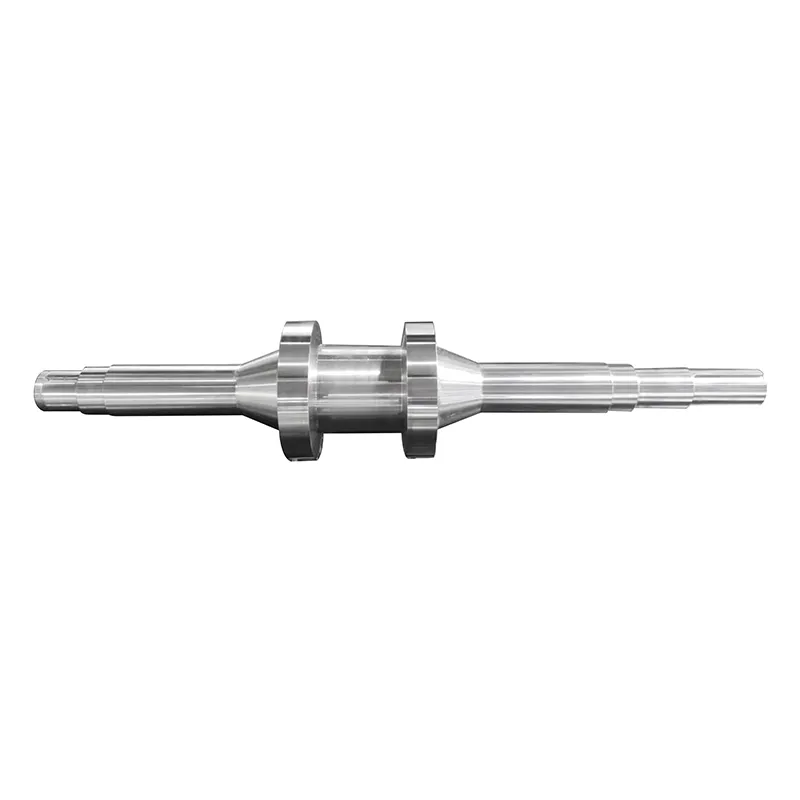
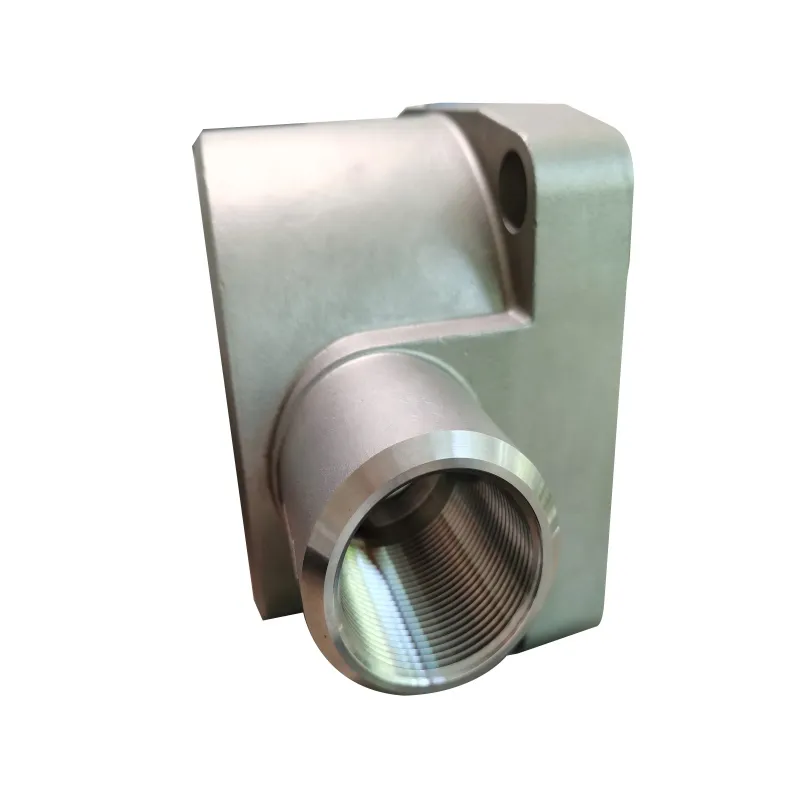
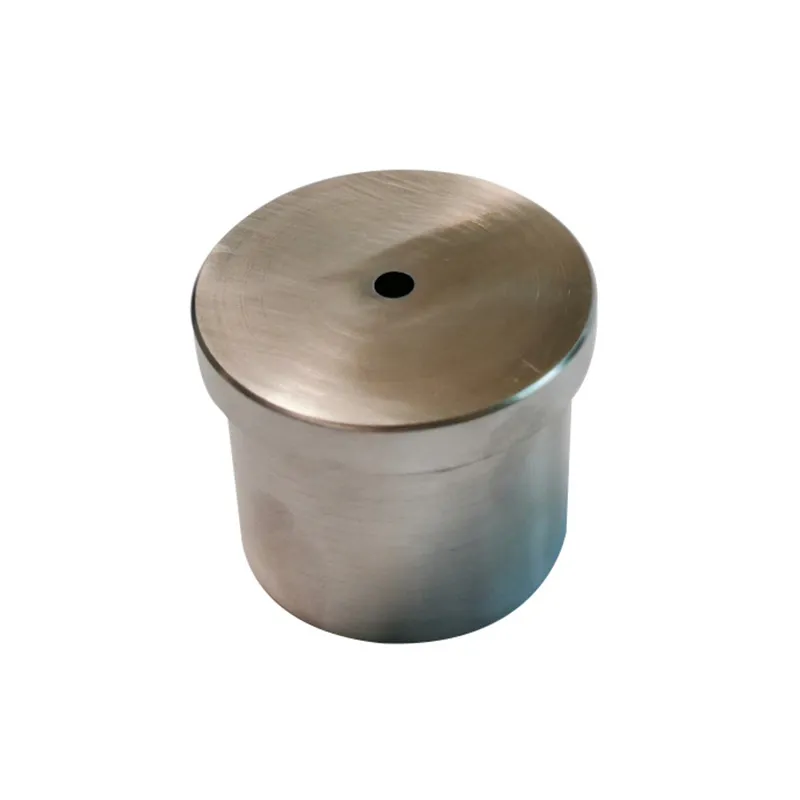
You hear 'lost wax casting' and most minds jump straight to ancient art or delicate jewelry. That's the first misconception. In the industrial realm, it's the backbone of investment casting, a process where precision meets volume, and where the 'lost wax' part is just the opening act in a much longer, dirtier, and more technically demanding play. It’s not just about making a mold; it’s about managing the entire chain from wax pattern to finished machined part, where a flaw in the first step can scrap a whole batch after weeks of work.
The Wax Room: Where It All Starts (And Can Go Wrong)
The wax injection room is deceptively simple. It's all about temperature and pressure, but getting them right is a feel thing. The wax isn't just one material; it's often a blend, with different flow characteristics. We use a modified paraffin-based compound for most general steel parts. If the injector is too hot, the wax cools slowly, causing shrinkage cavities or distortion. Too cold, and you get flow lines or incomplete filling, especially in thin sections. I’ve seen new technicians produce what look like perfect wax patterns, only for them to develop internal stress cracks after 24 hours on the rack. That’s a failure you don’t see until the ceramic shell is built and the metal is poured, wasting everything.
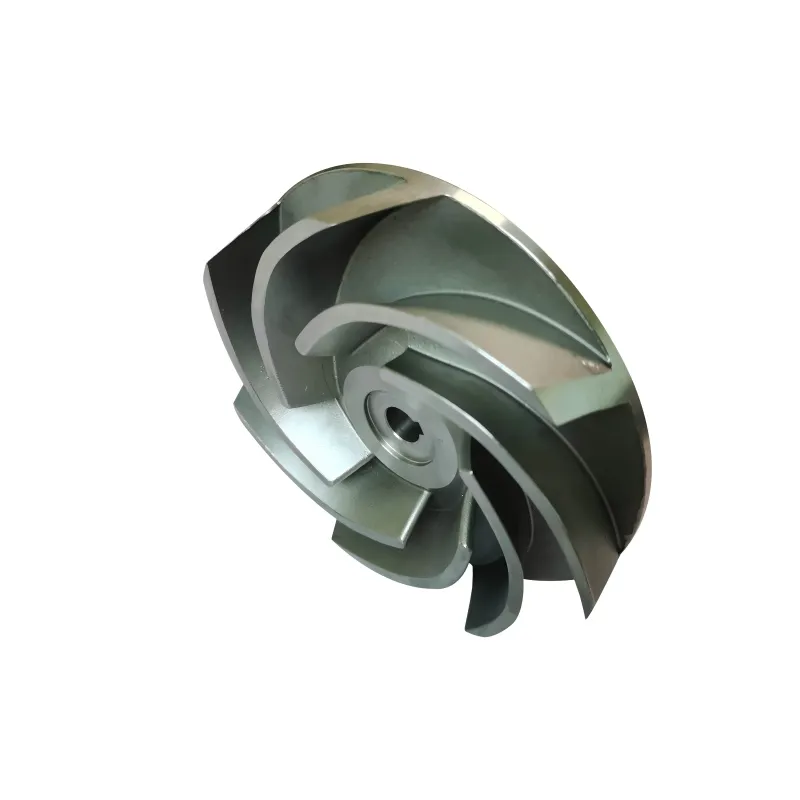
Assembly of the wax patterns onto the central gating system—the 'tree'—is another critical hand skill. It looks like gluing models together, but the angle and joint integrity dictate metal flow. A weak joint can cause a 'run-out' during pouring. We once had a batch for a pump impeller where a slight misalignment in the tree assembly led to turbulent filling. The castings looked okay, but X-ray revealed scattered porosity in the vanes. The entire lot was rejected. That’s the hidden cost of a rushed wax assembly.
The real art is in the wax itself. For complex internal channels, like those in turbine blades or medical implant prototypes, we might use a soluble wax core. You mold the core, assemble the main wax pattern around it, build the ceramic shell, and then use a hot water or solvent bath to melt out the core wax before the main dewaxing stage. It’s a tricky balance—the core wax must melt out cleanly without softening the main pattern wax. It’s a specialty, and not every shop gets it right consistently.
The Shell Building: A Ceramic Dance
Dipping the wax tree into the primary ceramic slurry isn't a dunk; it's a controlled coating. The first coat, the face coat, uses an extremely fine zircon flour or silica flour. This is what defines the surface finish of the final metal part. Any dust or impurity here gets captured forever on the casting surface. The slurry viscosity is checked multiple times a day—it thickens as material evaporates and needs thinning.
After the slurry dip, it's immediately into a fluidized bed of coarse, angular refractory sand—usually fused silica for the first few coats. This stuccoing process creates the key mechanical lock between layers. The rhythm is dip, sand, dry. Repeat. The drying environment is critical: controlled humidity and temperature. Too fast, and the shell can develop micro-cracks; too slow, and your production schedule stalls. We aim for 7 to 9 coats for most steel castings, building up a shell about 6-8mm thick. It needs to be strong enough to withstand the autoclave dewaxing but permeable enough to allow gases to escape during the pour.
The final drying, or 'hardening,' of the completed shell takes at least 24 hours. You can’t rush it. A shell that feels dry on the outside can still hold moisture internally. During the high-temperature dewaxing (we use a high-pressure steam autoclave), that trapped moisture turns to steam instantly, and pop—you get shell cracks or even explosions. I’ve opened an autoclave to find a tree completely shattered, ceramic shards everywhere. The cause? An incomplete drying log for one batch, pushed through because of a tight deadline. A costly lesson.
Burnout, Pouring, and the Moment of Truth
After dewaxing, the empty ceramic shells go into a furnace for burnout. This isn't just about burning out residual wax; it sinters the ceramic, fusing the particles together into a strong, monolithic mold. The temperature ramp-up is precise. Too aggressive, and thermal shock will crack the shell. We typically hold at around 1000°C for several hours, depending on the alloy to be poured. The shell must be poured while still hot—often above 500°C. Pouring into a cold shell leads to mistruns and cold shuts. The timing between furnace and pouring station is a coordinated dance.
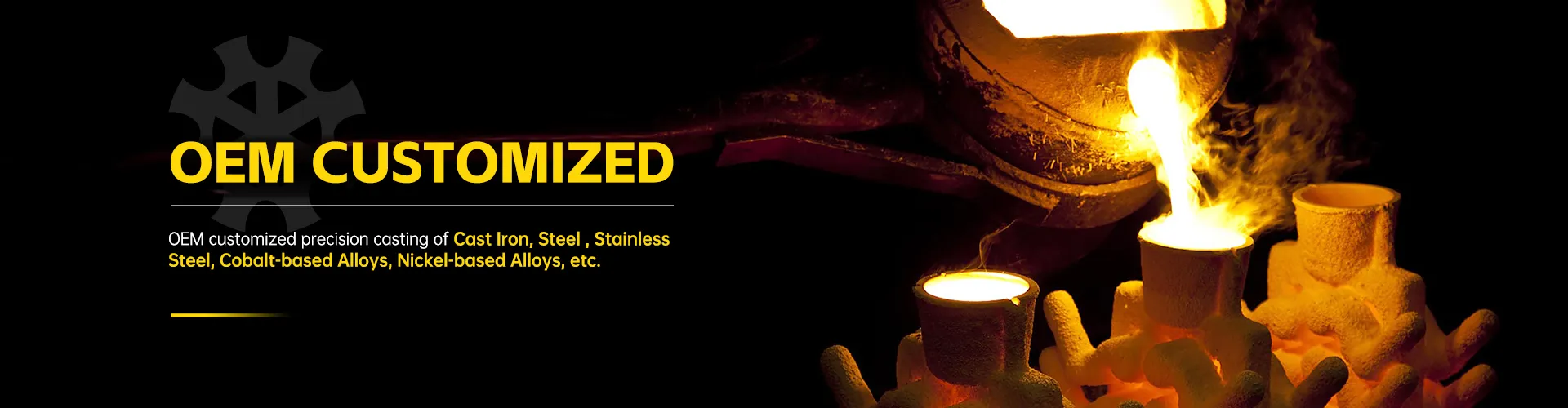
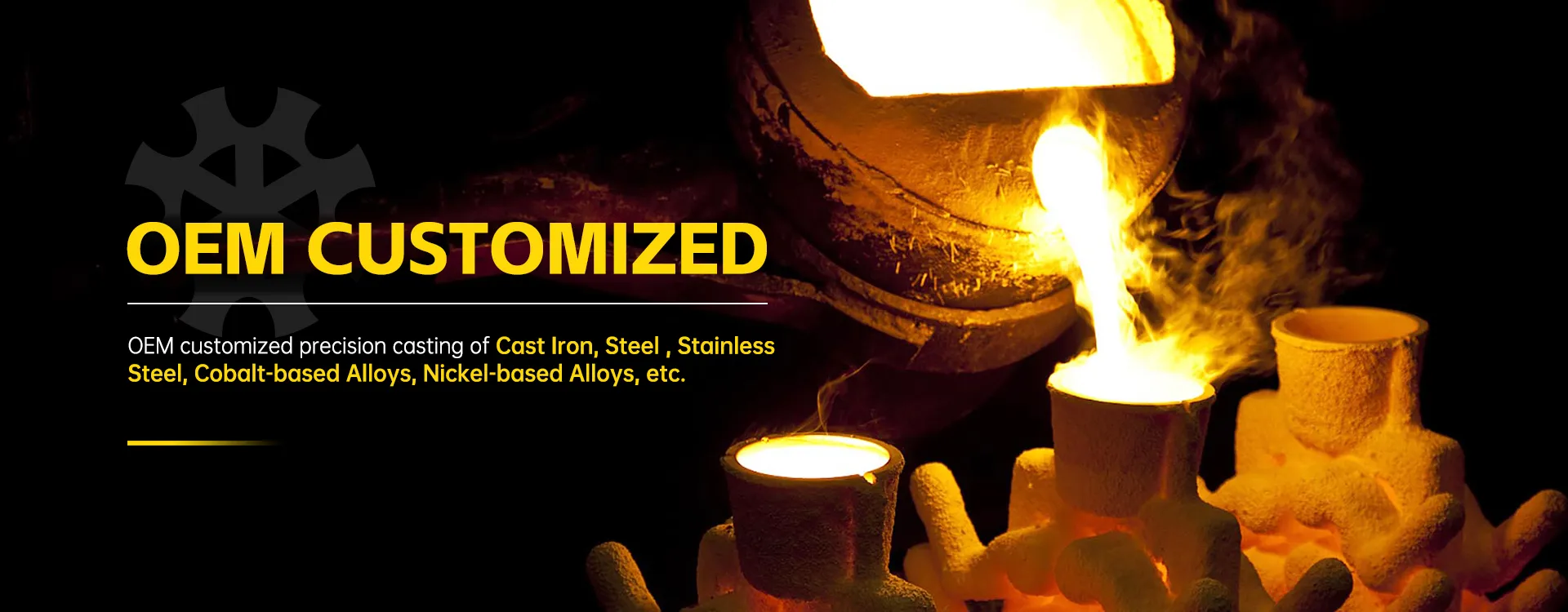
The pour itself is visceral. For stainless steels like 304 or 316, or high-temperature alloys like Inconel, the furnace temperature can exceed 1600°C. You're watching for the metal flow, the rise of the metal in the pouring cup. The gating system designed weeks ago in wax is now performing its only function. A well-designed gate fills the mold smoothly, from the bottom up, minimizing turbulence and oxide formation. A poor design will splash metal, trapping air and creating dross inclusions. You can sometimes hear the difference—a quiet, rising hiss versus a turbulent gurgle.
Shakeout happens after the metal has solidified and cooled. The ceramic shell is broken away by mechanical vibration. This is where you see the raw casting for the first time, still attached to its metal gate system. It's a moment of truth, but not the final one. Surface inspection often reveals the first signs of success or failure: good metal replication, or defects like fins (from shell cracks), rough surface (from coarse face coat), or visible shrinkage. For a company like Qingdao Qiangsenyuan Technology Co., Ltd. (QSY), with three decades in shell mold casting and investment casting, this stage is where their process control is validated. Their focus on materials like special cobalt and nickel-based alloys demands even tighter control in these earlier stages, as these alloys are far less forgiving of shell defects or pouring errors than standard cast iron.
Post-Casting: Where Casting Meets Machining
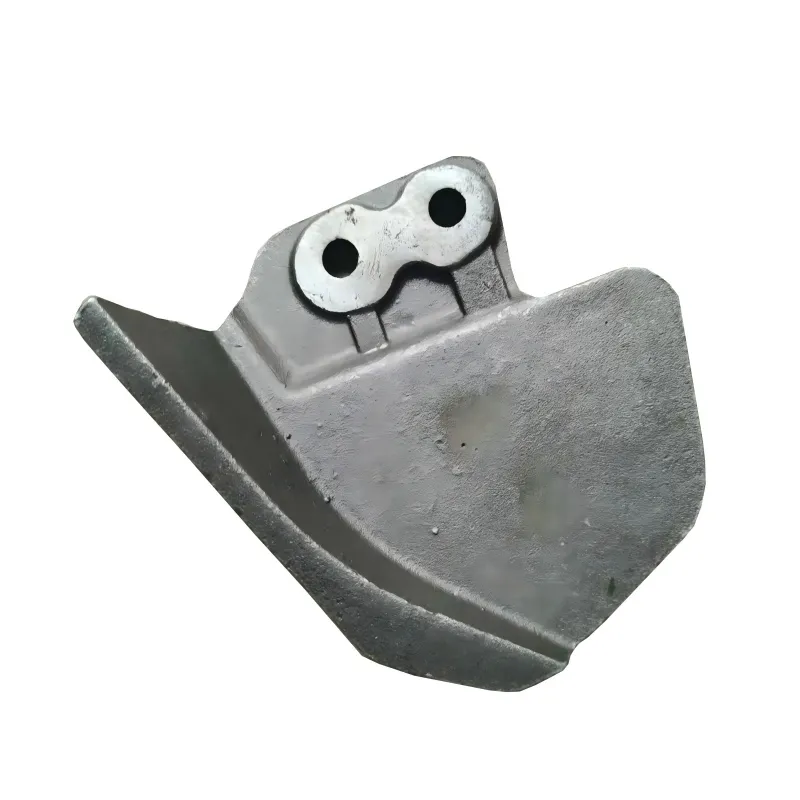
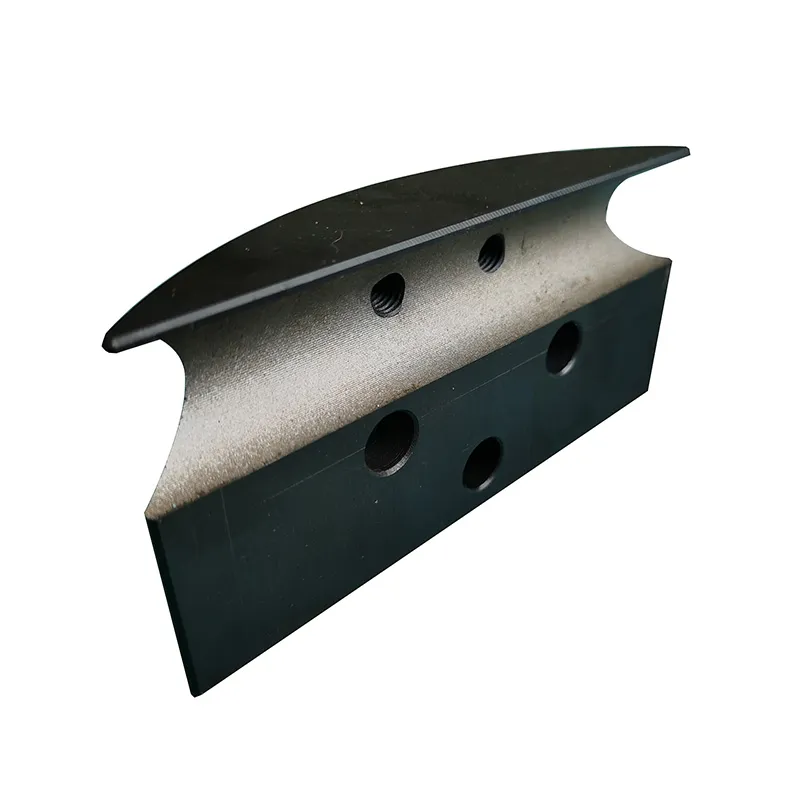
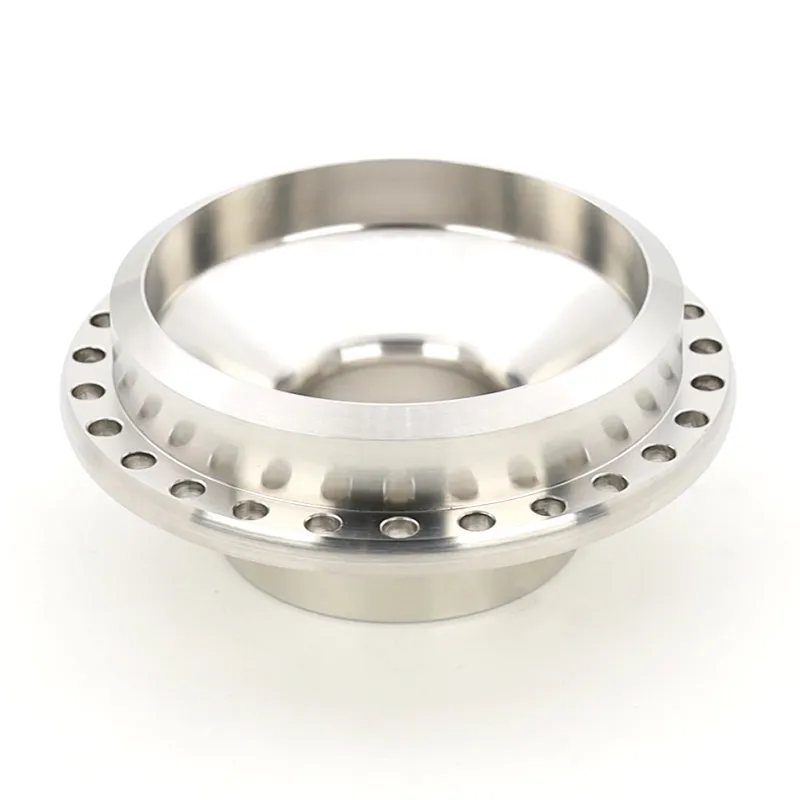
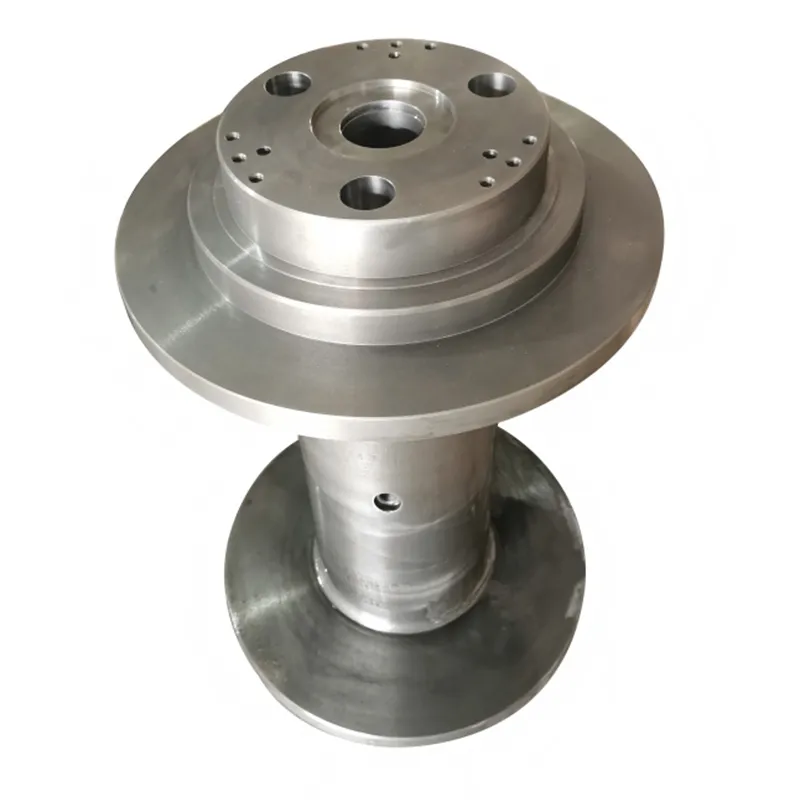
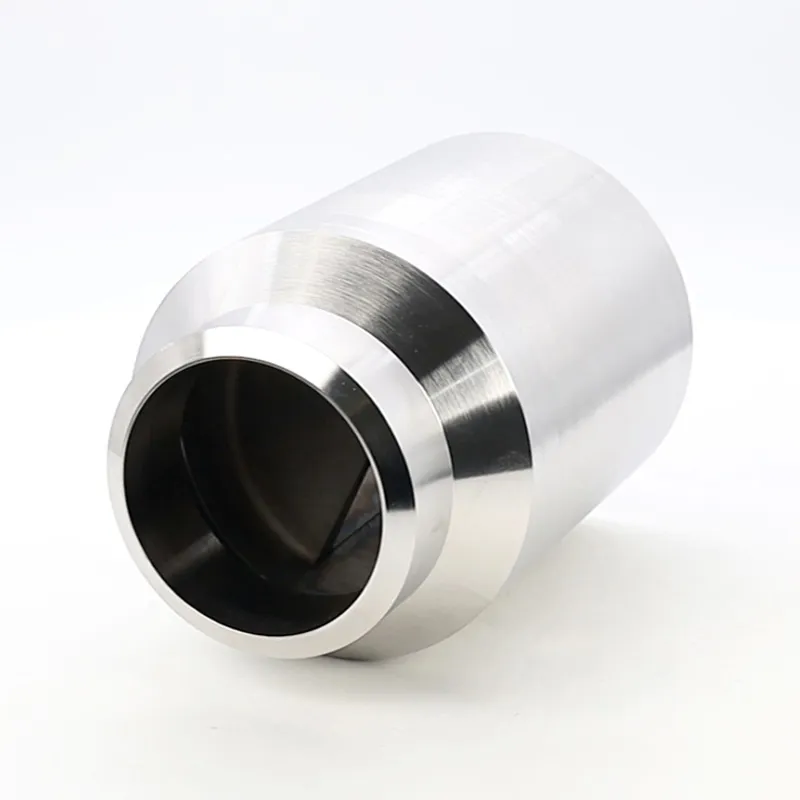
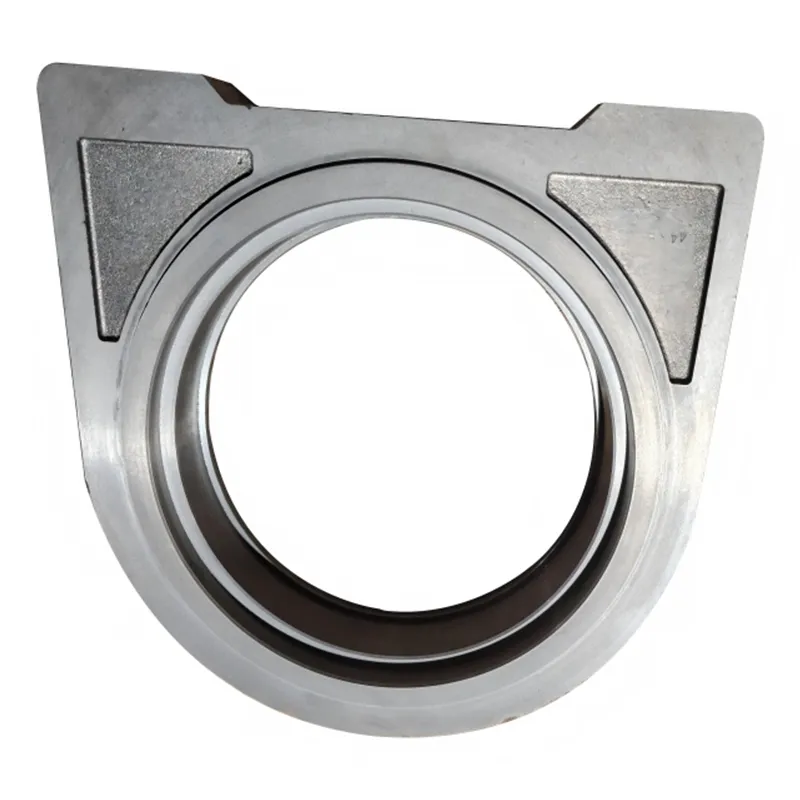
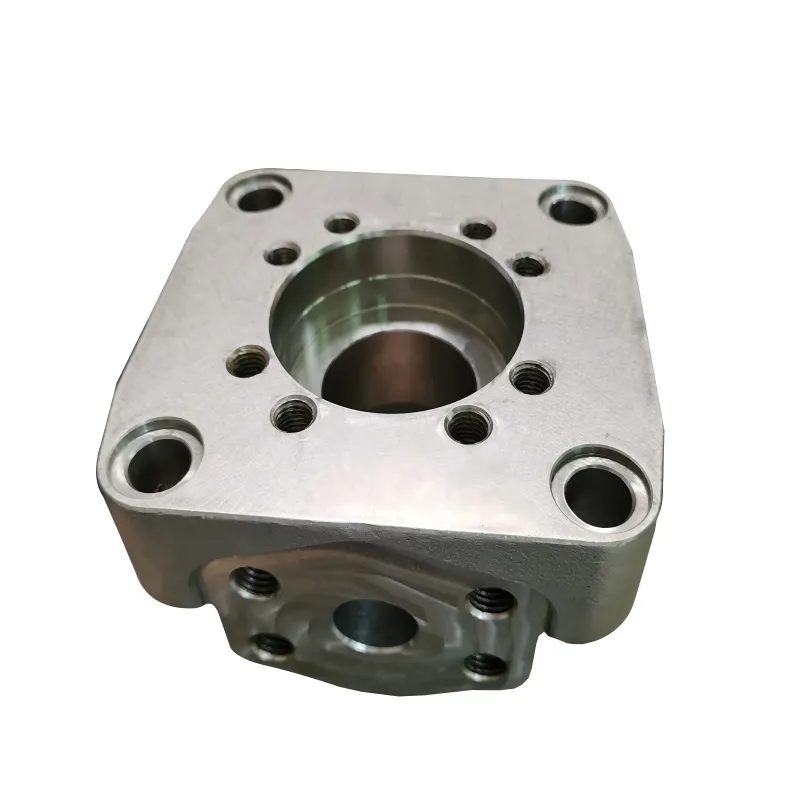
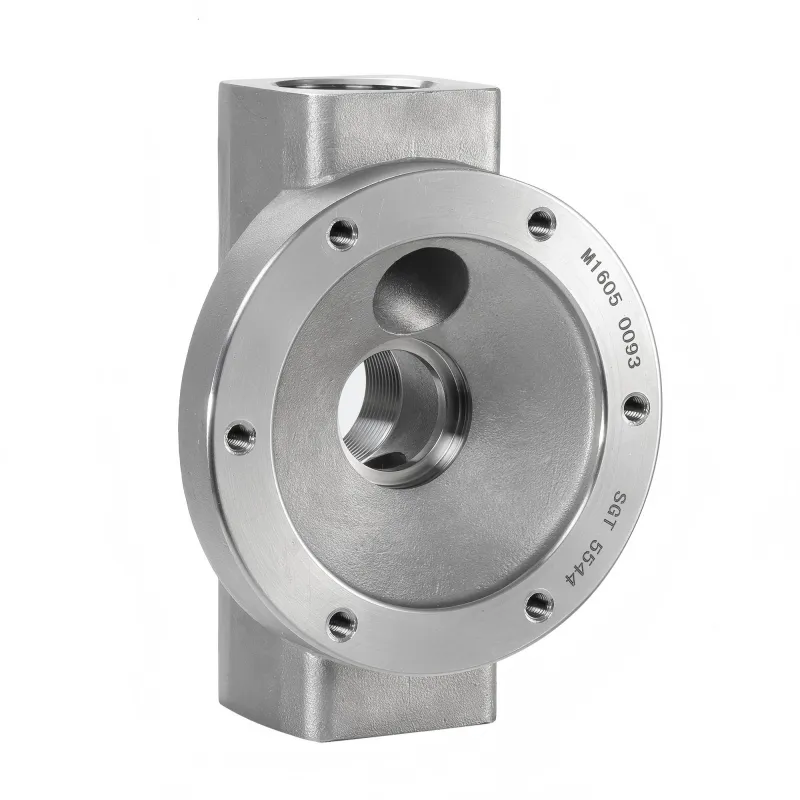
The as-cast part is rarely the final part. This is a key point. Lost wax casting gets you 'near-net-shape,' but critical interfaces almost always require machining. The gate system is cut off, usually with a bandsaw or abrasive wheel for smaller parts, or a plasma arc for larger ones. Then it's onto CNC milling or turning. The casting must have been designed with machining allowances—extra material left on specific surfaces. Get this allowance wrong, and you either leave unmachinable casting skin on a sealing surface or you cut into a void or inclusion hidden just beneath the surface.
This is where an integrated operation shows its value. At QSY, having both casting and CNC machining under one roof is a massive advantage. The machinists provide feedback to the foundry. For instance, if they consistently find hard spots on a certain flange when drilling, it might indicate a localized cooling issue or a slag inclusion from the pour. This closed-loop feedback is invaluable for process improvement. It moves quality control from pure inspection to active prevention.
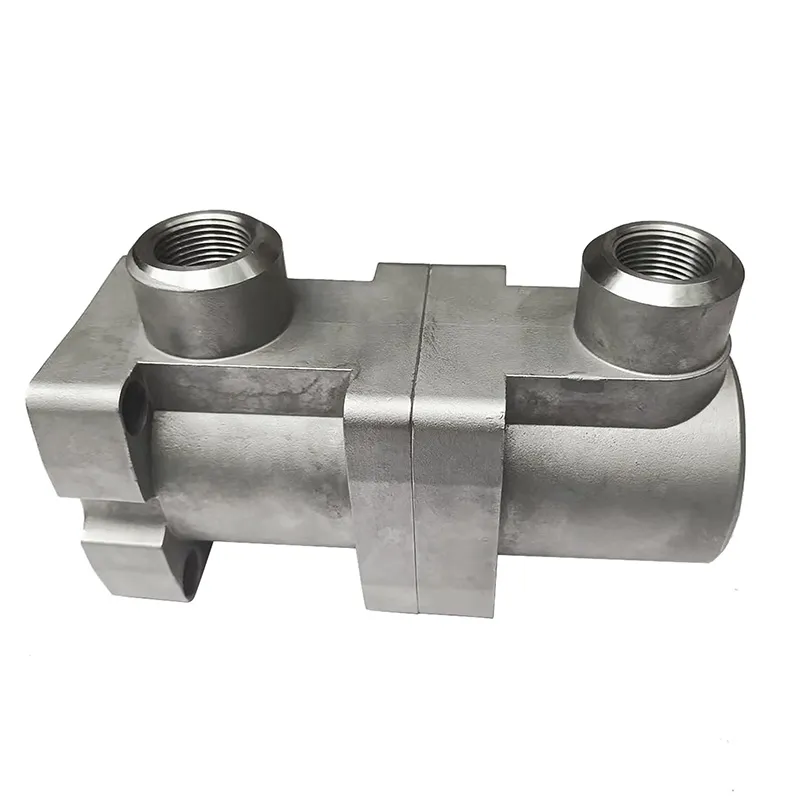
We machined a series of valve bodies in duplex stainless steel. The castings passed visual and dimensional inspection. However, during the facing operation on the CNC lathe, the tool would suddenly chatter and wear excessively on one specific area of every part. It turned out to be a minor variation in the shell drying process that led to a slightly denser, harder ceramic layer in that region, which caused accelerated cooling and a localized change in the metal's microstructure. The fix wasn't in the machining parameters; it was back in the drying room, standardizing the airflow around the wax trees. Without that integrated view, you'd just keep burning through cutting tools and blaming the material.
Material Choices: It's Not Just About the Metal
When people talk materials in casting, they focus on the metal: cast iron, carbon steel, stainless, the exotic alloys. But the material conversation starts earlier. The wax formula must be compatible with the ceramic slurry. The ceramic must be chemically inert to the molten metal. Pouring a reactive metal like titanium or a high-aluminum alloy requires completely different ceramic systems (often yttria-based) than pouring steel. Using the wrong refractory leads to a chemical reaction at the interface, ruining the surface finish and potentially causing shell failure.
For the nickel and cobalt-based superalloys QSY often works with, the thermal expansion characteristics of the ceramic shell are paramount. These alloys are poured at extreme temperatures and have specific solidification behaviors. The shell must withstand the thermal stress without cracking or reacting, and it must allow just enough constraint to prevent casting distortion but not so much that it causes hot tearing. It's a balancing act defined by material science, not just craft.
Even within steel, the grade matters for process setup. A low-carbon steel like 1020 is fluid and easy to cast but can be soft for machining. A high-carbon or tool steel is trickier to cast without cracking but holds an edge. Every material change means revisiting the wax injection parameters, the shell drying time, the burnout cycle, and the pouring temperature. There's no universal recipe. This is the accumulated, often undocumented, knowledge that separates a job shop from a true specialist. You can find some of their approach to these material-process pairings detailed in their process descriptions at their site, https://www.tsingtaocnc.com, which reflects a practical, rather than purely theoretical, understanding of the field.
In the End: It's a System
So, lost wax casting, or investment casting, is never just one step. It's a linked system. A flaw in wax injection might not show up until machining. A hiccup in shell drying can ruin a pour. A brilliant gating design can be negated by a poorly calculated pouring temperature. The beauty and the frustration of it lie in this interconnectivity. You're not managing a process; you're managing a chain of events where each link depends entirely on the strength of the previous one.
The goal isn't to achieve artistic perfection in a single piece—though that's possible. In an industrial context like QSY's, the goal is repeatable, reliable, and economically viable precision across hundreds or thousands of parts. It's about controlling variables in a process full of them. The wax is lost, but the lessons from every failed run, every imperfect surface, every machining surprise, are what get embedded into the shop's standard operating procedures. That's the real output of the process: not just metal parts, but refined knowledge.
Walking through a foundry, you see the cycle everywhere: wax racks being assembled, slurry tanks bubbling, furnaces roaring, CNC machines humming. It's messy, it's hot, and it's full of judgment calls. The blueprint is just the starting point. The rest is all about the feel of the wax, the look of the slurry, the sound of the pour, and the feedback from the machine shop. That's the reality of lost wax casting off the textbook page and onto the factory floor.