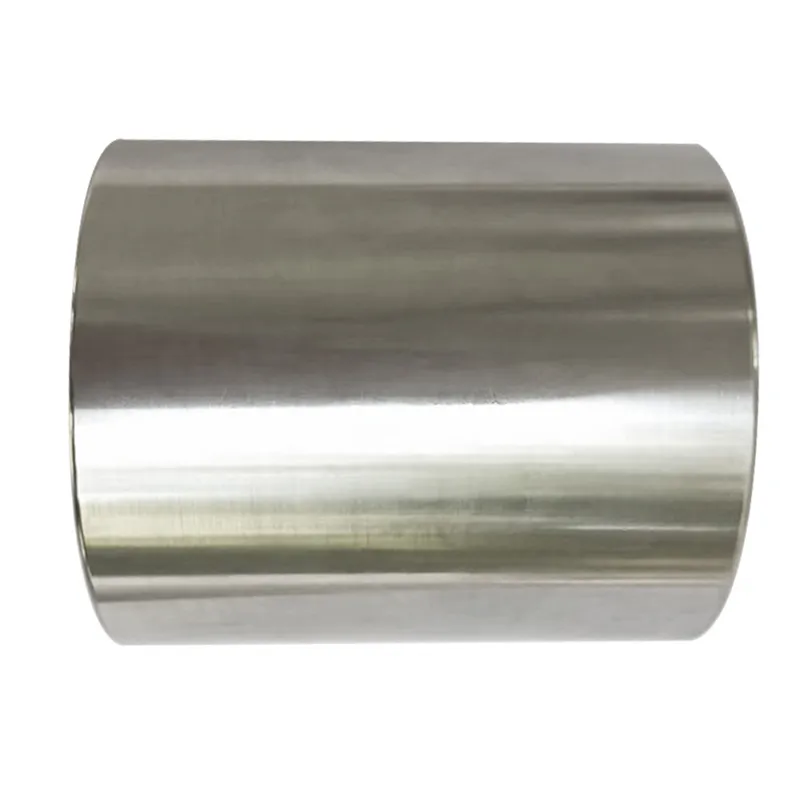
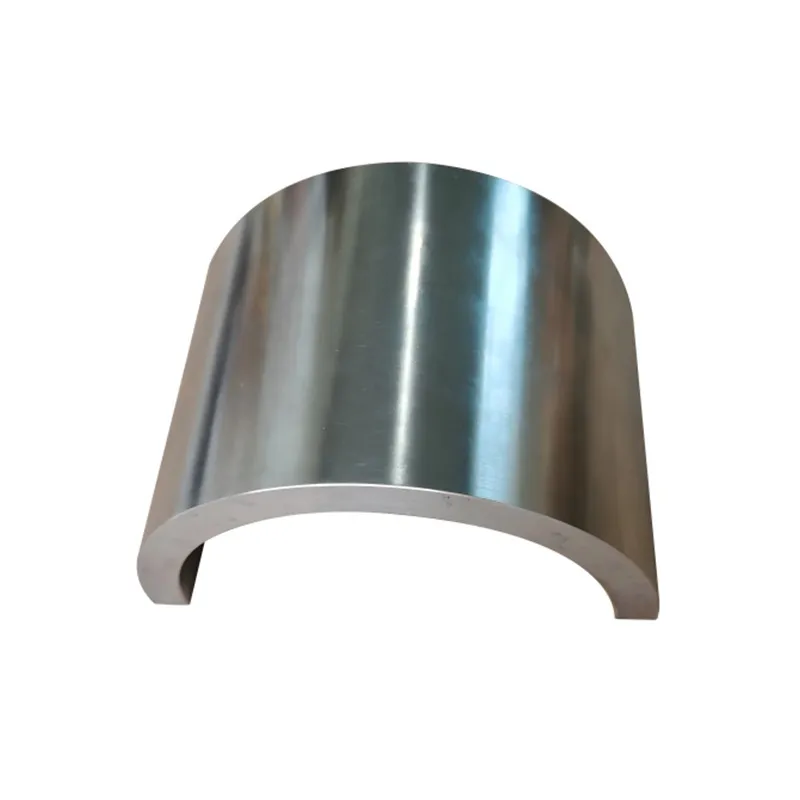
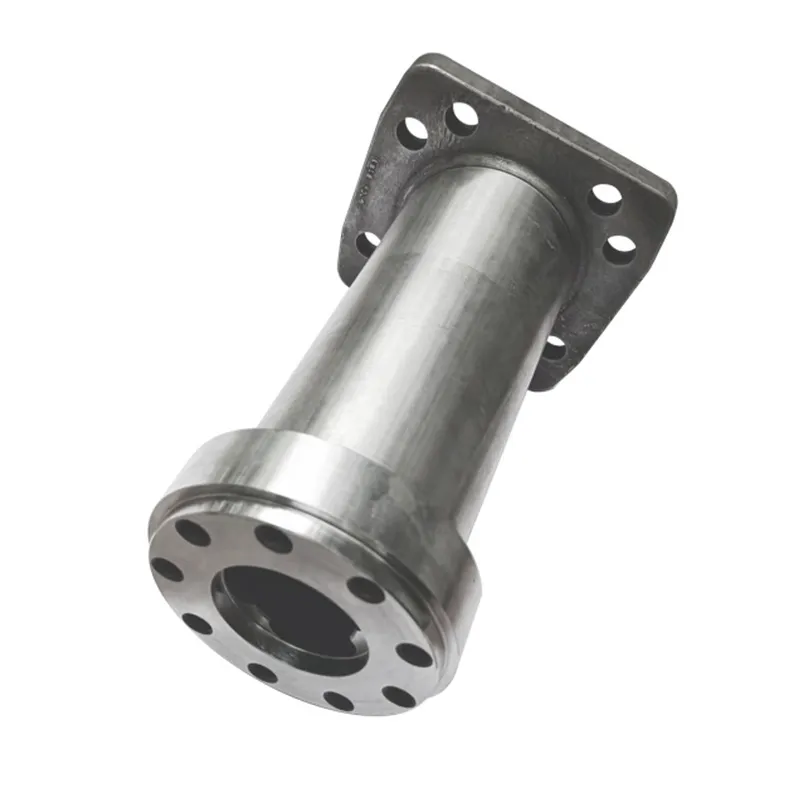
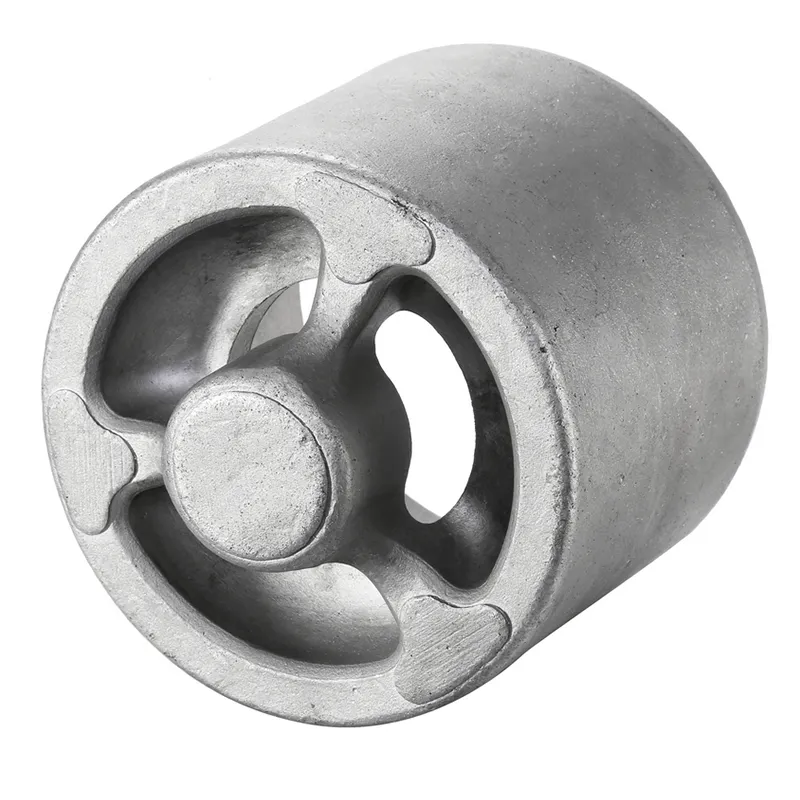
When most people hear lost wax casting company, they picture a dark, dusty foundry making trinkets. That's the first misconception. The reality is a highly technical, often frustrating, and deeply rewarding process of turning a fragile wax pattern into a robust, high-integrity metal component. It's not just about making things; it's about solving problems of geometry, material, and cost that other processes can't touch.
The Core Isn't Wax, It's the Shell
Everyone fixates on the wax. Sure, the pattern is critical, but the real magic—and where most shops show their mettle—is in the ceramic shell building. This is where a company like Qingdao Qiangsenyuan Technology Co., Ltd. (QSY) separates itself. It's not a dip-and-dunk operation. It's a controlled, multi-day cycle of dipping the wax cluster into a slurry, stuccoing it with refractory sand, and drying. Repeat. Seven, eight, sometimes nine times. The thickness, the drying environment (humidity is the enemy), the granularity of the stucco—each layer is a decision that impacts the final surface finish and dimensional stability. Get it wrong, and you get a shell that cracks during dewaxing (usually in an autoclave) or, worse, during the pour.
I remember a job for a pump impeller, a complex, thin-vaned design in 316 stainless. The wax was perfect. The first few shell layers were textbook. Then we hit a humid spell. The team pushed to keep to schedule, dipping before the previous layer was fully dry. The result? A beautiful shell that, upon firing, developed hairline cracks. The molten metal penetrated, creating fins on the vanes that were impossible to remove without compromising the profile. Total loss. That failure was a brutal lesson in respecting the process over the calendar. It’s a lesson ingrained in operations that have lasted decades, like QSY's 30-year track record. You can't rush ceramics.
This shell, once fired, becomes a monolithic, freestanding mold. That's the key advantage. No parting lines, no draft angles. It allows for those insane geometries—internal passages, undercuts, organic shapes—that are machinable only with extreme cost and difficulty. The shell is the negative space that defines the part's potential.
Material is Where the Game Changes
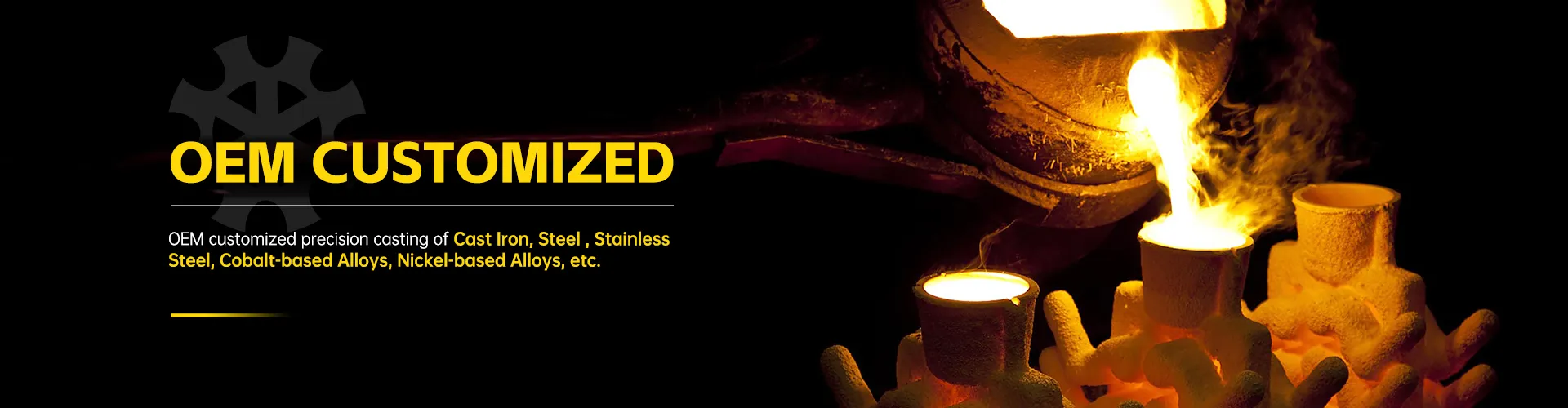
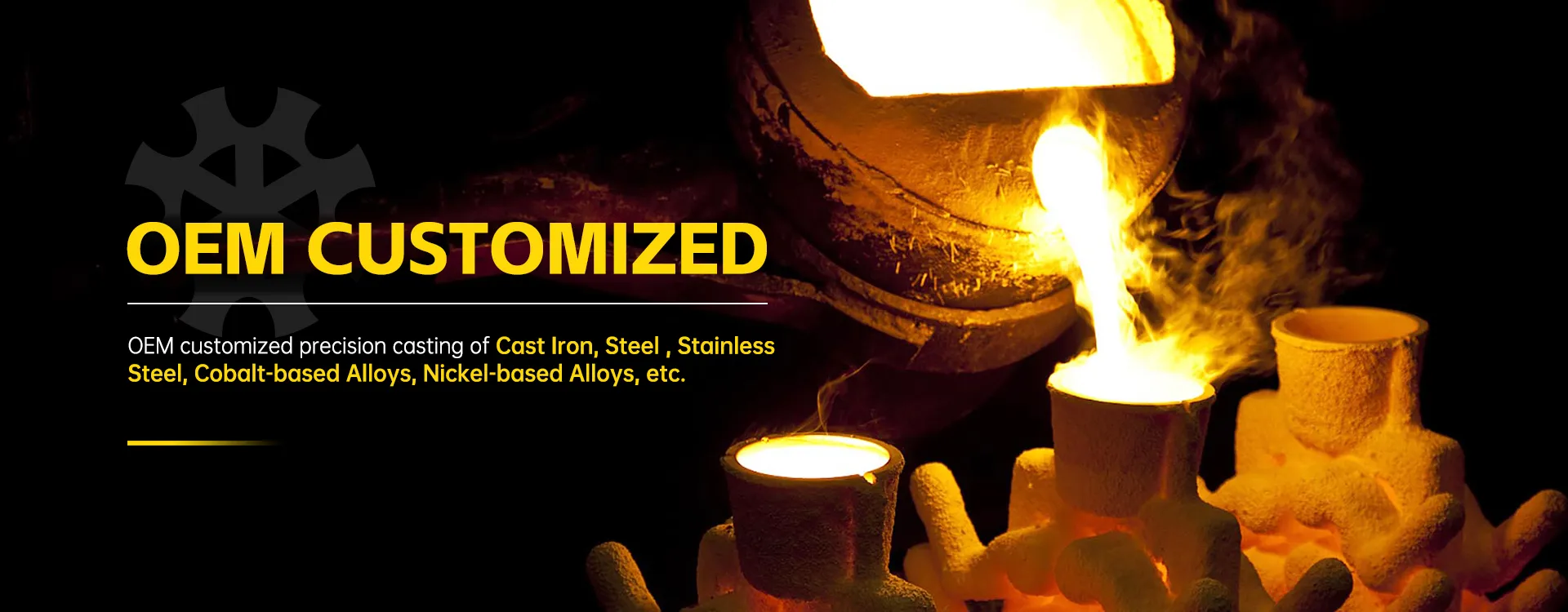
Lost wax casting isn't just for bronze statues anymore. The material spectrum is vast, and the selection dictates everything from the pour temperature to the post-casting heat treatment. This is another area where experience is non-negotiable. Working with carbon steel is one thing; pouring nickel-based alloys or cobalt-based alloys is a different beast entirely.
These superalloys have high melting points and are often reactive. They demand specific shell compositions to prevent chemical interaction at those extreme temperatures. The gating system—the channels that feed metal into the mold cavity—has to be designed differently. You need larger sprue bases and more strategic gates to ensure proper feeding and minimize shrinkage porosity in these expensive materials. A generic gating design will scrap a $10,000 batch of Inconel in minutes.
Looking at a supplier's material list tells you a lot. When you see a company listing not just stainless steel and cast iron, but specifically calling out the special alloys, it signals a foundry equipped for advanced work. It implies they have the metallurgical knowledge and furnace technology to handle it. It's a quiet badge of capability. The brief intro for QSY’s site (tsingtaocnc.com) gets this right—it leads with the processes but immediately anchors them in the materials, including those special alloys. That's a practitioner's summary.
The Inevitable Marriage: Casting and CNC
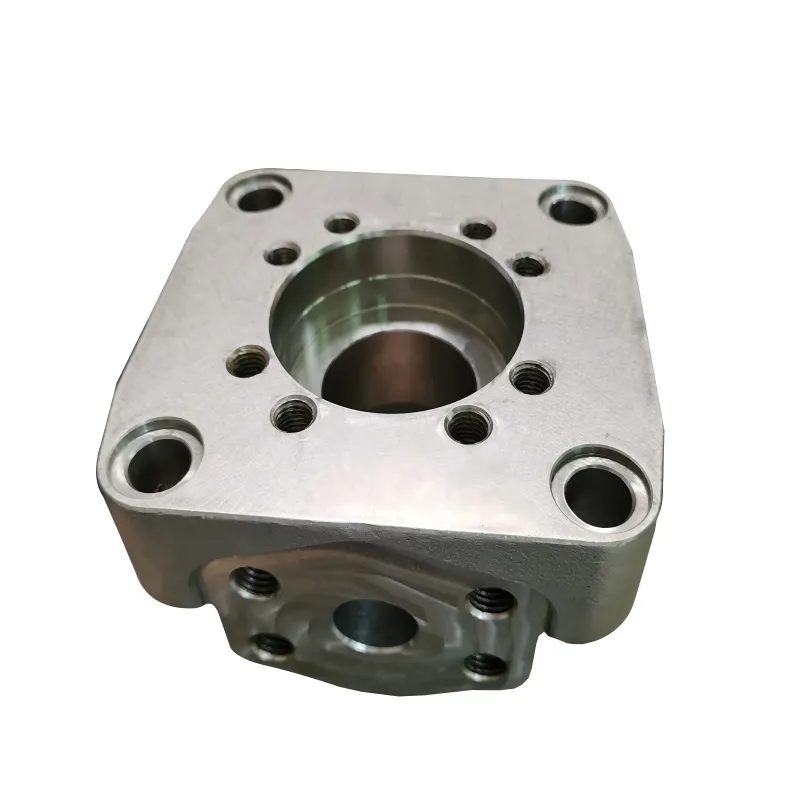
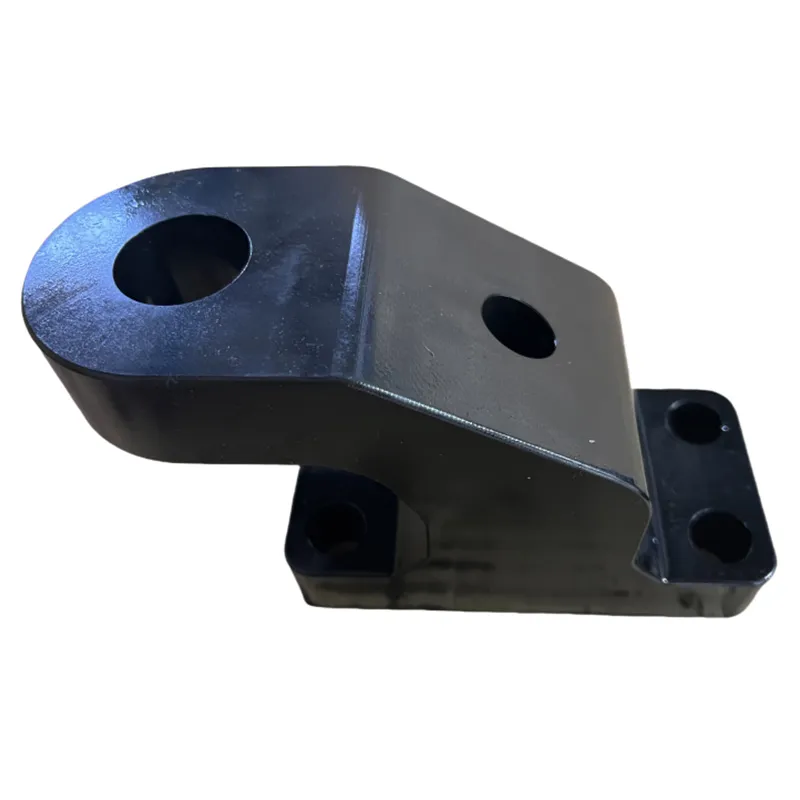
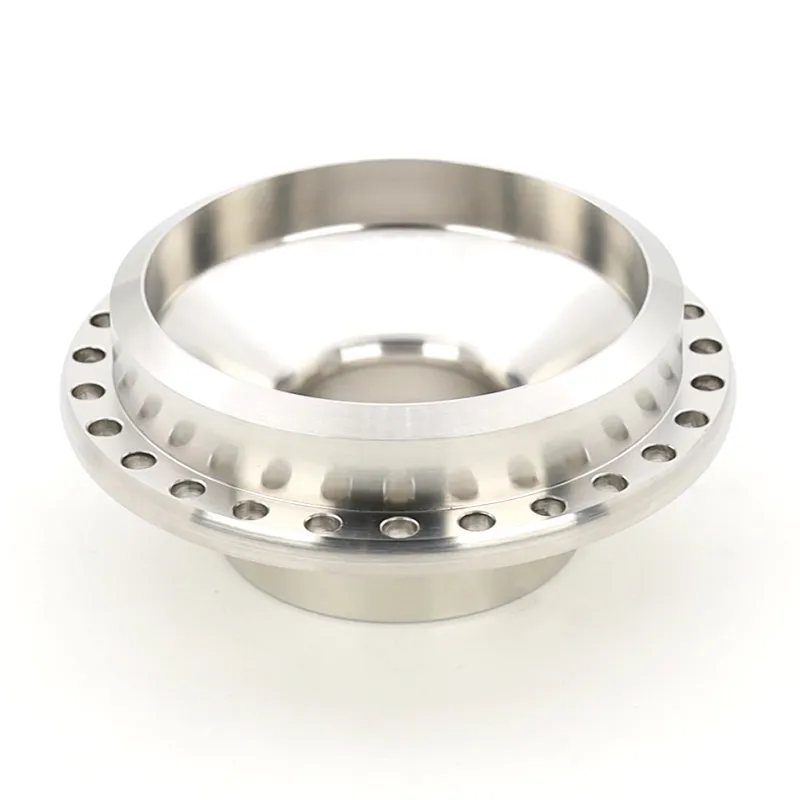
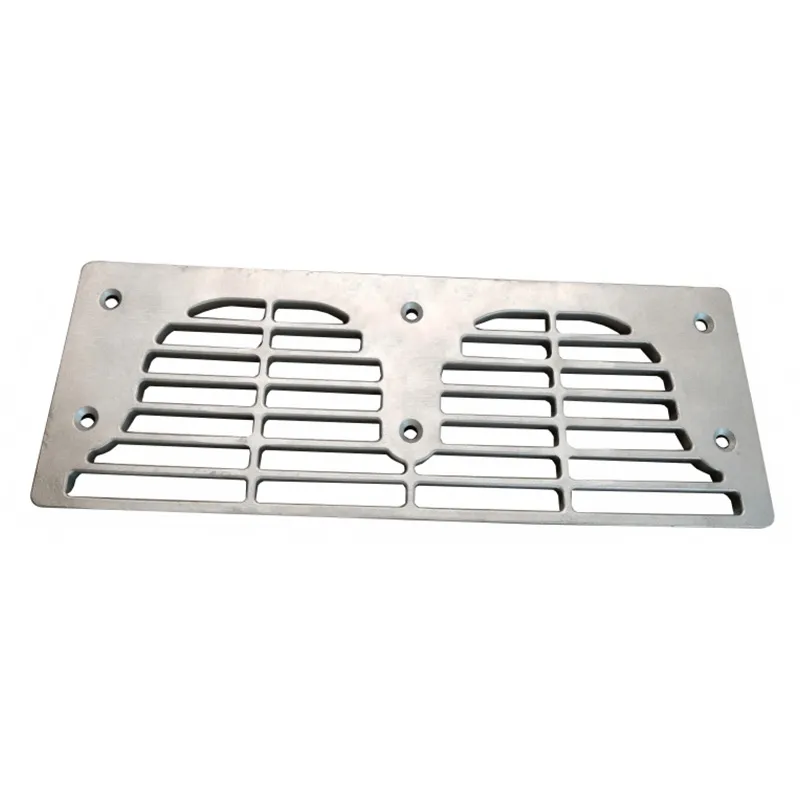
Here's a hard truth: no investment casting comes out perfect. There's always some clean-up. Flash at the gate connections, minor surface nodules from the shell texture. For a simple bracket, a grinding wheel might suffice. But for a precision valve body or a turbine component, you need machining. This is why the most capable lost wax casting companies aren't just foundries; they are integrated manufacturing units.
Having CNC machining in-house isn't a convenience; it's a necessity for control. The machinists and the foundry engineers need to talk. The guy programming the CNC needs to understand the casting's likely shrinkage and potential distortion points to establish the correct datum features. I've seen parts get scrapped in machining because the casting was perfect to the wax pattern, but the pattern itself wasn't designed with the final machining stock in mind. It was a design failure born from a siloed process.
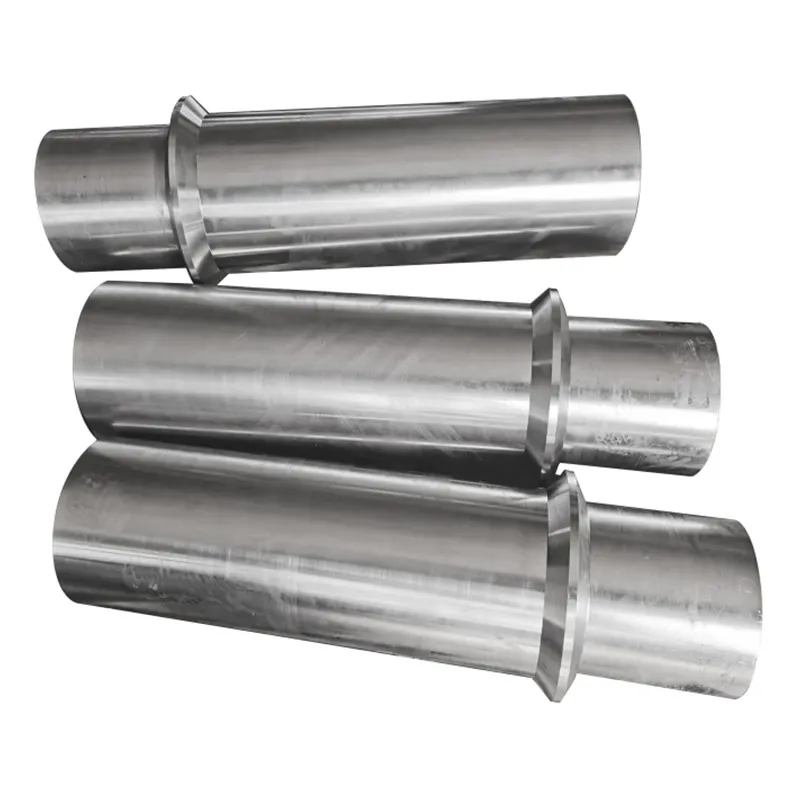
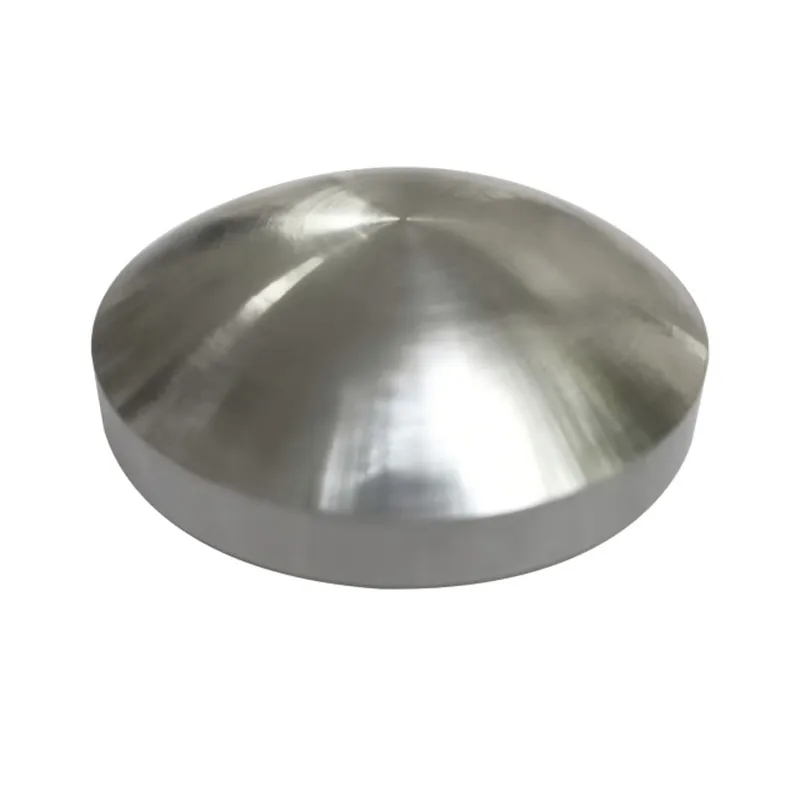
This integration is what the term precision investment casting truly means. It's the loop from mold design to casting to final machining to inspection. A company offering both shell mold casting (a cousin process, often for larger parts) and full CNC machining under one roof, as indicated in QSY's operational scope, is structuring itself to solve the whole problem, not just a slice of it. They can take the responsibility for delivering a finished, functional part, not just a rough casting.
The Devil in the Details: Gating and Yield
Profitability in a lost wax casting operation lives and dies on yield. And yield is primarily determined in the wax room, during the assembly of the tree. This is where artistry meets economics. You're literally welding wax patterns onto a central wax sprue. How many parts can you fit? How do you orient them to ensure proper metal flow and feeding? Every centimeter of that tree is metal that will be melted, poured, and later cut off and remelted.
An inefficient tree design kills your margin. Over-gate a part, and you waste metal and increase machining cost. Under-gate it, and you get shrinkage cavities, scrapping the part entirely. It's a constant optimization puzzle. The best process engineers have a library of mental images—this shape needs a top gate, this one needs a bottom fill, this thick section needs a chill to control solidification. There's software for this now, but the intuition from seeing thousands of pours is irreplaceable.
This is a hidden cost driver many clients don't appreciate. They see a per-part price but not the engineering hours spent on simulation and physical trials to get the gating right for a new component. A good foundry will be upfront about this development phase. It's not an extra charge; it's the foundational work that ensures a stable, high-yield production run later.
So, What Are You Really Looking For?
When you're evaluating a lost wax casting company, you're not shopping for a commodity. You're looking for a technical partner. The website, the sales sheet—they're just clues. You need to dig into the process control. Ask about their shell room climate control. Ask how they design gates for a new alloy. Ask to see examples of how they handle machining datums on as-cast surfaces.
The real test is in how they talk about failure. Do they have stories about things that went wrong and what they learned? Any shop that claims a 100% success rate is lying or hasn't pushed the envelope. The valuable ones, the ones with 30 years of history like the team behind Qingdao Qiangsenyuan, have the scars and the subsequent procedural tweaks to prove they've been in the trenches. Their longevity itself is a data point.
In the end, it comes down to trust in their process discipline. Can they consistently translate your design intent—whether it's a simple steel bracket or a complex investment casting in monel—into a reliable, sound metal part? That's the only question that matters. The rest is just wax and ceramic.