When people ask about 'lost wax casting cost', they're usually just looking for a price per piece. That's the first mistake. The cost isn't a single number you pull from a chart; it's a conversation that starts with the geometry in your CAD file and ends with the finish in your hand. I've seen too many projects get derailed because someone compared a quote for a simple bronze knob to a complex, thin-walled stainless steel manifold and thought the foundry was ripping them off. The real cost is in the aggregate of decisions made long before the wax is even injected.
The Foundation: It All Starts with the Pattern
You can't talk cost without talking about the pattern. A simple, solid pattern for a gear? Relatively cheap in tooling. But if your part has internal channels, undercuts, or requires a multi-slide aluminum mold, the initial tooling investment can skyrocket. I remember a client who designed a beautiful housing with intricate internal lattice structures for weight reduction. Stunning design, but the mold required collapsible ceramic cores and a multi-piece mold assembly. The lost wax casting process itself was standard, but the pattern cost doubled the project's entry fee. That's the hidden line item many miss.
Then there's the wax material itself. Standard pattern wax is one cost. But for parts demanding extreme dimensional stability—think long, thin sections that can warp—you might need a filled or polymer-blend wax. That adds maybe 15-25% to your material cost right off the bat. It's a necessary evil sometimes. We once tried to save money on a run of valve bodies by using a cheaper wax. The result? Consistent, subtle distortion in the bore alignment that wasn't caught until machining, scrapping an entire batch. The savings were obliterated ten times over.
Volume is the other side of the pattern coin. A $10,000 mold amortized over 50 pieces is brutal. Over 50,000 pieces, it becomes negligible. This is where a good foundry partner should guide you. For low-volume, high-complexity parts, sometimes 3D-printed patterns or even direct binder jetting of the ceramic shell is more economical, despite higher per-unit process costs. It bypasses the hard tooling entirely. Companies that offer both traditional and modern methods, like Qingdao Qiangsenyuan Technology Co., Ltd.(QSY), have an advantage here. They can objectively suggest the most cost-effective route for your volume, whether it's classic investment casting tooling or a hybrid approach.
The Shell Game: Ceramic Costs and Process Time
The ceramic shell building process is where the per-unit cost gets baked in. Each dip, sanding, and drying cycle adds labor, energy, and material cost. A thick, heavy part might need 7-9 layers of ceramic slurry and stucco. A delicate, heat-resistant alloy part for aerospace might need specialized zirconia-based face coats and more layers for integrity, further increasing the casting cost.
Shell failure is a silent budget killer. If a shell cracks during dewaxing (the autoclave or flash fire process) or during the pour, you lose not just the wax, but all the labor and material invested in that shell. Controlling the drying environment—humidity and temperature—is critical. In one of our older facilities without climate-controlled drying rooms, we'd see shell crack rates spike during the rainy season. The cost wasn't just in the lost shells; it was in the production delays and the frantic overtime to hit the shipment date. Modern foundries with controlled environments bake this reliability into their pricing.
It's also about cycle time. A shell that takes 5 days to build versus 7 days (using advanced drying tech or different binder systems) ties up your capital and floor space differently. This overhead cost is distributed across all jobs in the shop. A high-mix, low-volume shop's cost structure will differ from a dedicated line running millions of the same golf club heads. When you get a quote, you're also paying for the shop's efficiency—or its inefficiencies.
The Metal Factor: More Than Just Price Per Kilo
Obviously, the alloy choice is a massive driver. 304 stainless versus 316. Carbon steel versus a nickel-based superalloy like Inconel 718. The raw material cost difference can be 10x. But that's just the start. The melt behavior changes everything. Superalloys often require vacuum melting and pouring, which is a hugely expensive capital equipment and operational cost compared to an open-air induction furnace for cast iron.
Yield is the magic word here. How much of the metal you pour ends up in the final part? A dense, chunky design might have a 70% yield. A part with long, thin fins and a complex gating system might have a 40% yield. That lost metal—the sprue, runners, gates, and risers—is recycled, but you still pay for the initial melt, the energy to melt it, and the loss from oxidation (pour shrinkage). I always tell designers: design for yield. Sometimes adding 1mm of thickness to a wall can dramatically improve fill and reduce scrap, saving metal cost that far outweighs the added weight.
This is where a foundry's material specialization matters. A shop like QSY, which lists specific experience with cobalt-based and nickel-based alloys, has optimized their parameters for these tricky materials. They know the exact pouring temperature, shell preheat, and cooling rate needed for a good yield on a Hastelloy part. Using a foundry that primarily does cast iron for your stainless steel project might be cheaper on the rate, but their learning curve and potentially lower yield could make the final lost wax casting cost higher.
Post-Casting: Where the Hidden 50% Lives
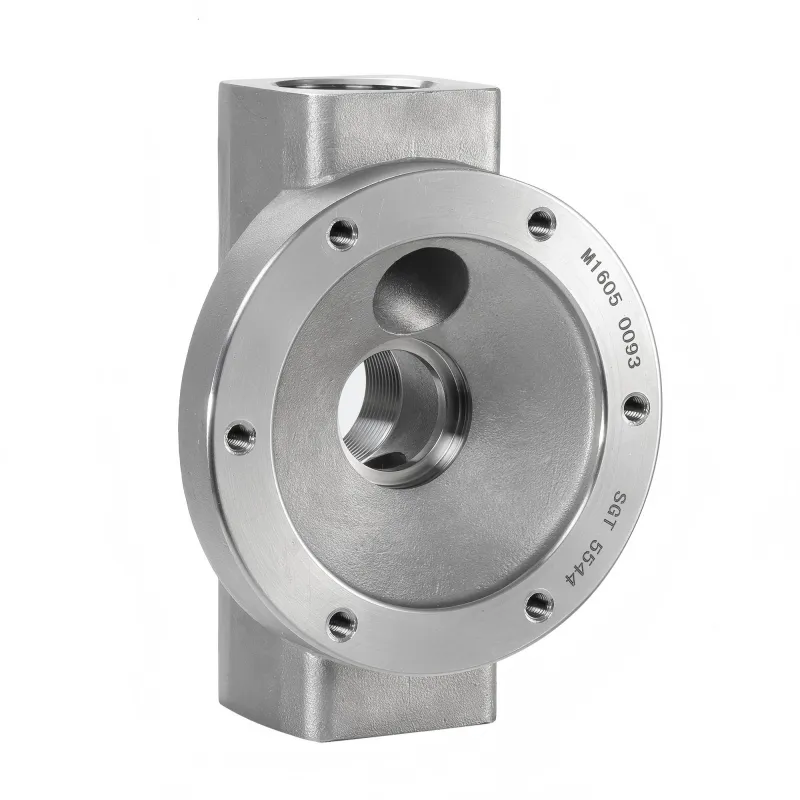
This is the biggest shock for newcomers. The cost of the raw casting is often only half the story. The casting comes out with gates attached, surface texture from the ceramic, and possible minor fins at the parting line. Everything after the shakeout is secondary operation cost.
Cut-off is first. Manual cutoff with a saw is labor-intensive. Automated abrasive cutting or band sawing is better. For high-volume, robotic cutoff stations are a must. Then grinding. Removing the gate stubs and smoothing surfaces is pure manual labor. A complex part with gates in hard-to-reach areas can take a skilled grinder 30 minutes, where a simple part might take 2. This labor rate adds up fast.
Then, heat treatment. Is it required for stress relief? For achieving specific mechanical properties? That's another furnace cycle, another logistics step, another cost. Non-destructive testing (NDT). Does the part need X-ray, dye penetrant, or ultrasonic inspection? Each test adds time and specialist cost. Finally, any CNC machining. Most investment castings are near-net-shape, but critical interfaces almost always need machining. The foundry's in-house machining capability, like what QSY offers, is a huge cost-saver. Bundling casting and machining eliminates shipping, re-fixturing, and communication gaps between separate vendors. The cost of a mismachined casting due to a drawing misinterpretation between companies can be catastrophic.
Putting It Together: The Realistic Quote
So, when you get a quote, you're not paying for a casting. You're paying for: Pattern/tooling amortization, wax injection, shell building labor & materials, metal melt & pour (adjusted for yield), shakeout, cutoff, grinding, potential heat treat, potential NDT, and administrative overhead. A good quote from an experienced partner like QSY Technology will often break these down or at least be prepared to explain them. Their 30 years in shell mold casting and investment casting means they've seen the cost pitfalls across thousands of projects.
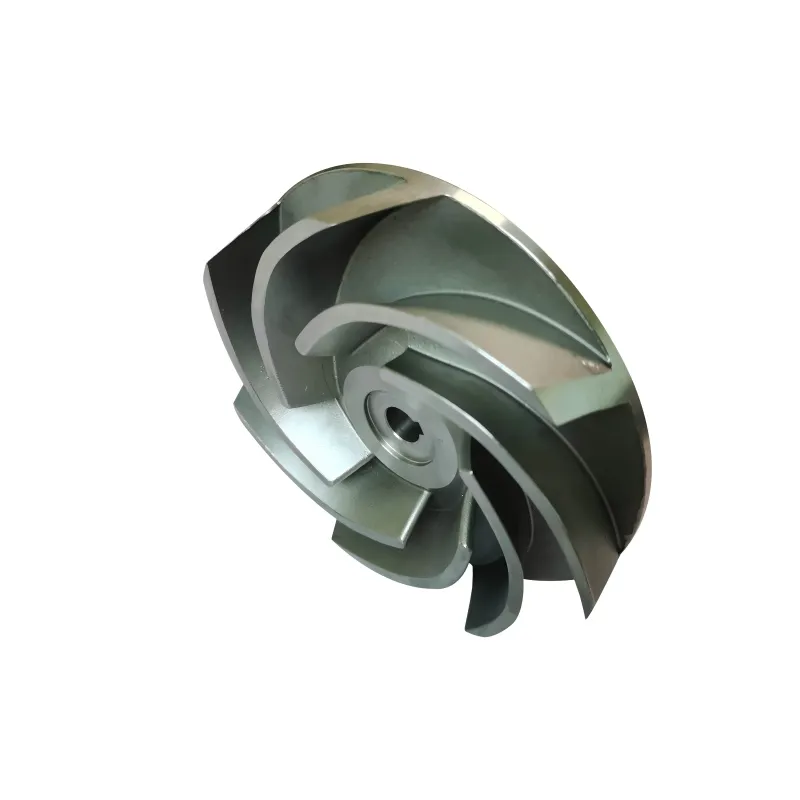
The cheapest quote is often the most dangerous. It might mean they're using a lower-grade alloy, skipping proper process controls, or underestimating post-processing. I've been burned by this. We awarded a job for some pump impellers to a low bidder. The castings looked okay, but during machining, we found sporadic porosity. The cost of the failed parts, the delayed assembly, and the reputational hit with our end-client was a seven-figure lesson.
Ultimately, controlling lost wax casting cost is about partnership and clarity. Provide a clean, manufacturable design. Be clear about your volume projections—not just for the first order, but for the product lifecycle. Discuss the critical-to-function areas early so the foundry can place gates and risers appropriately. Choose a partner with the right material and process expertise for your specific part. The cost then becomes a value equation: you're paying for certainty, quality, and a part that works right the first time. That's the only cost that truly matters in the end.