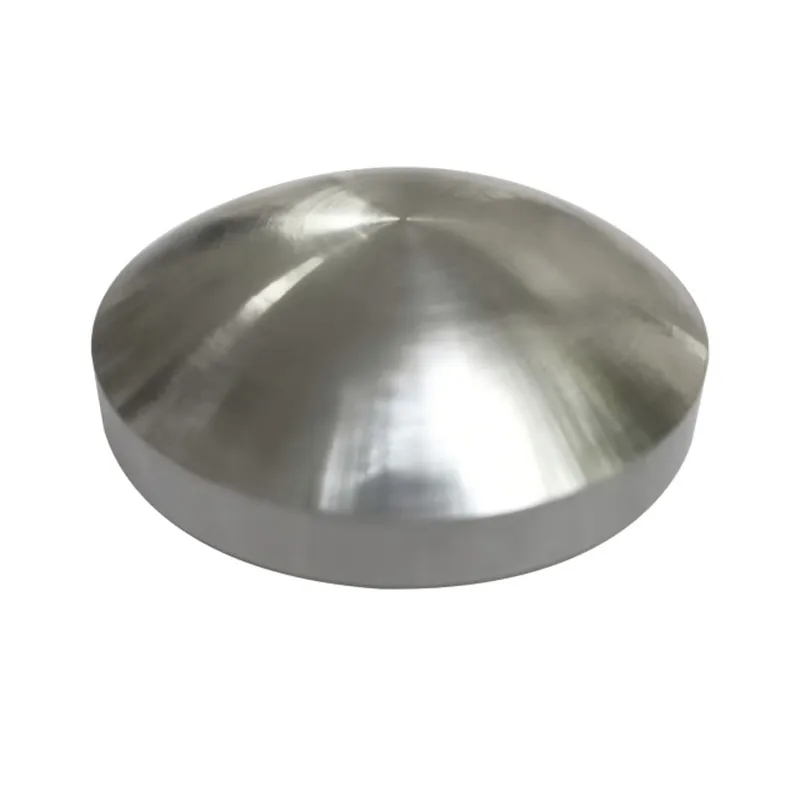
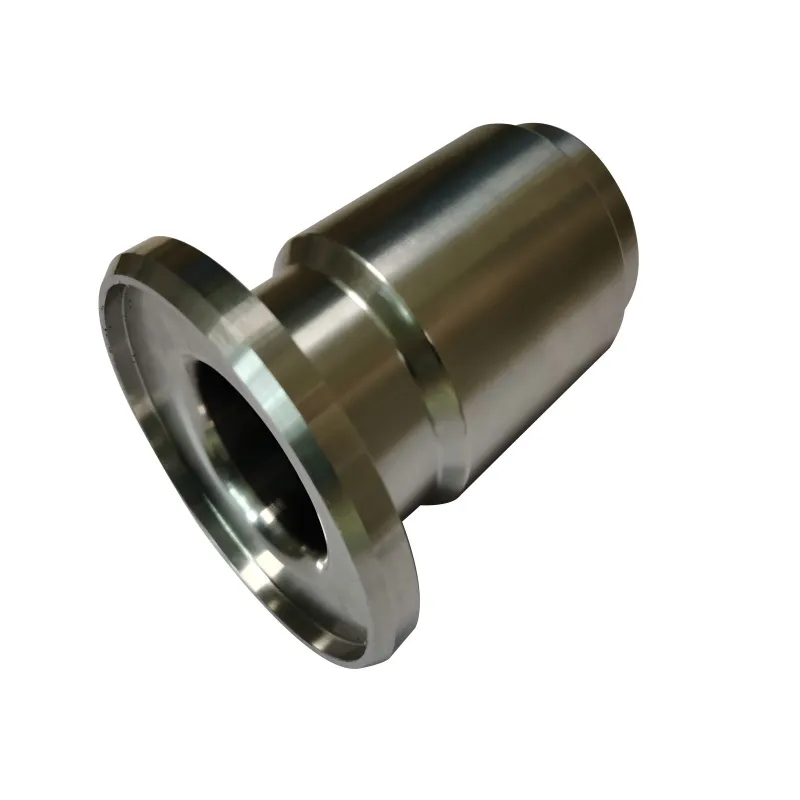
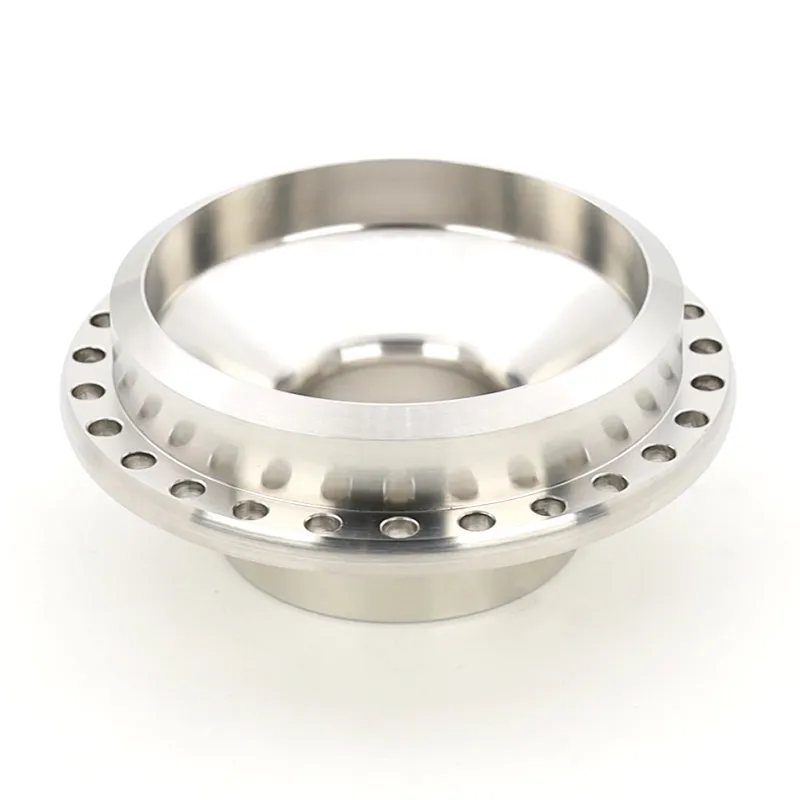
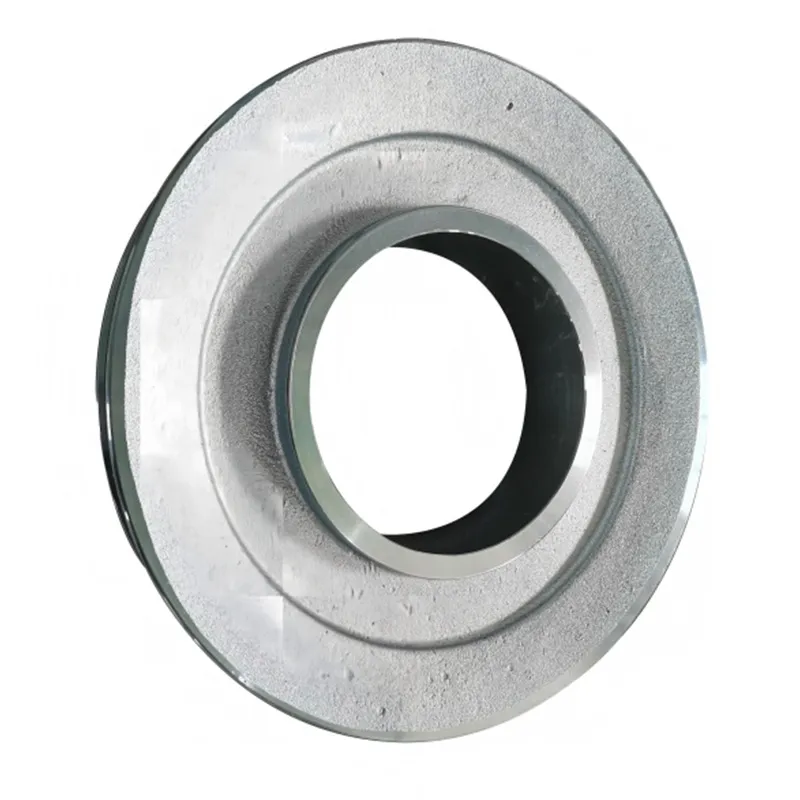
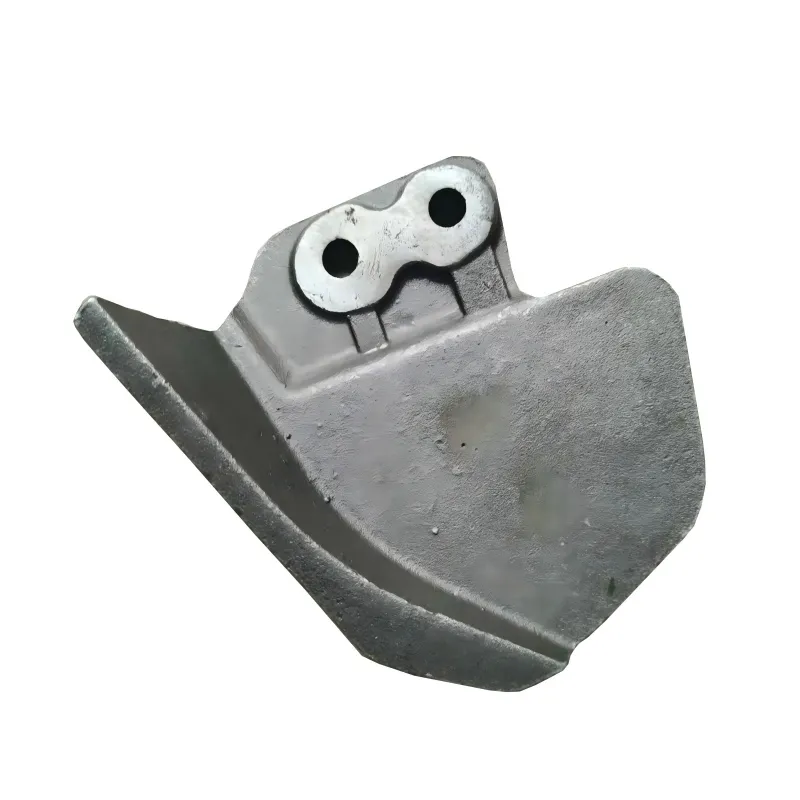
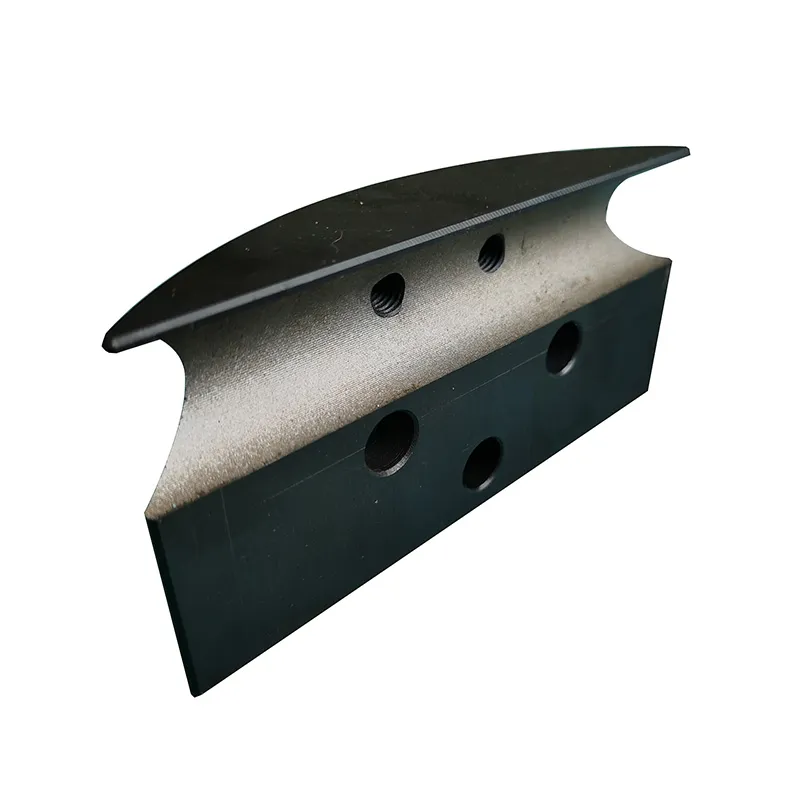
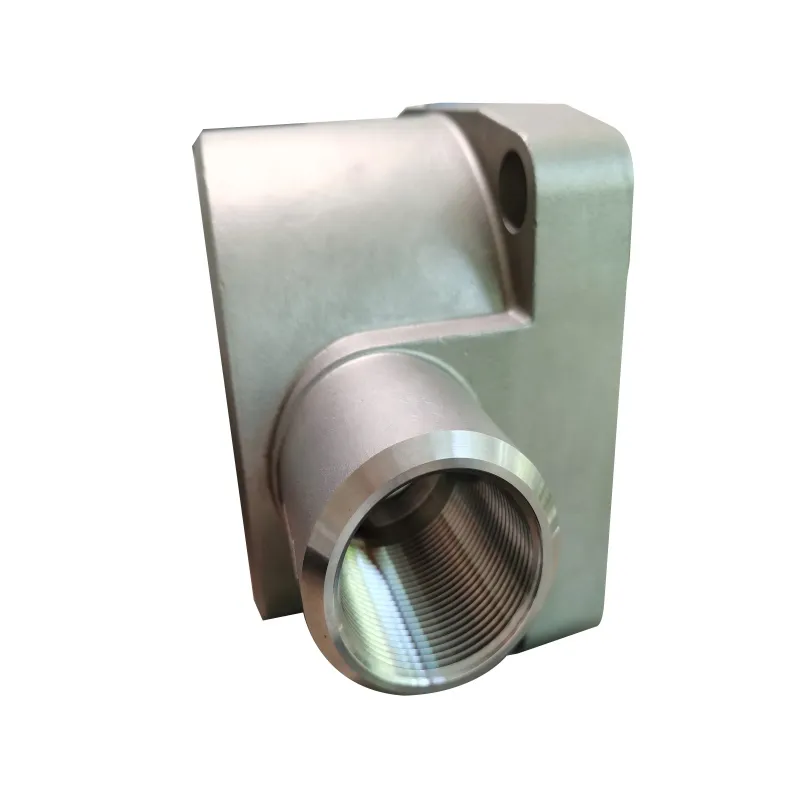
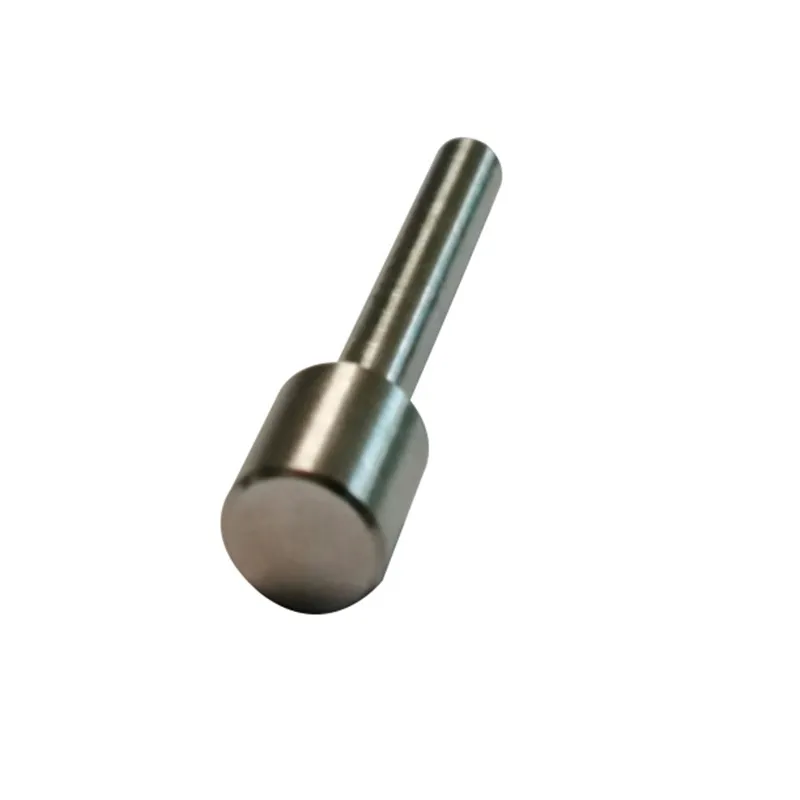
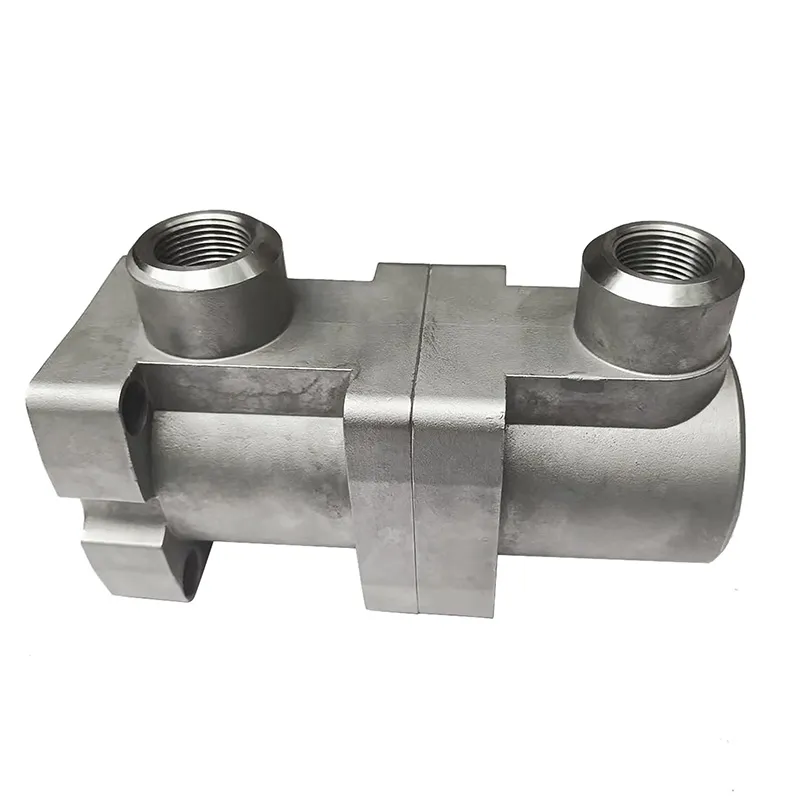
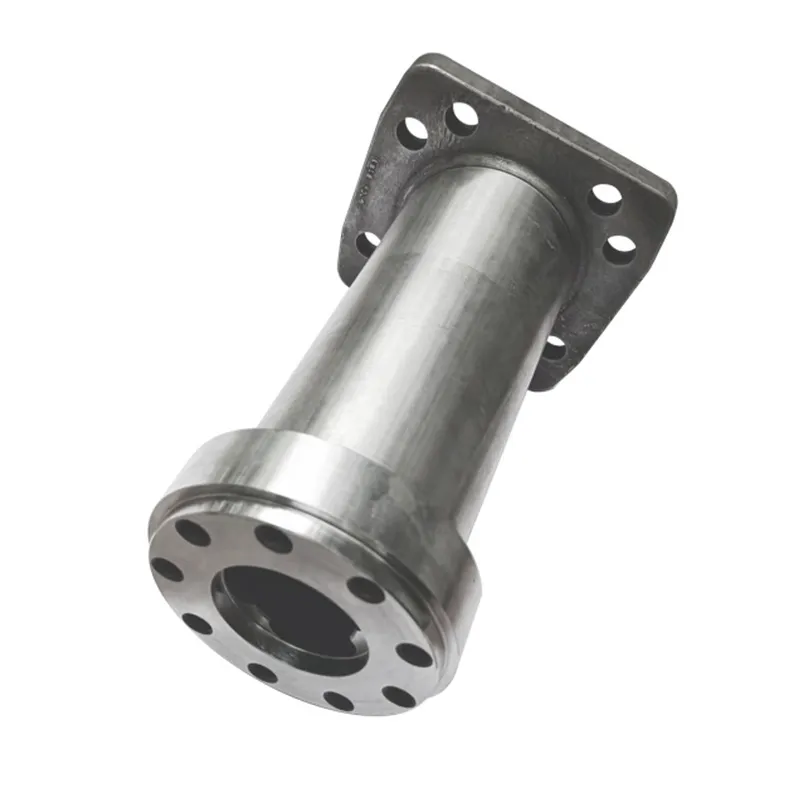
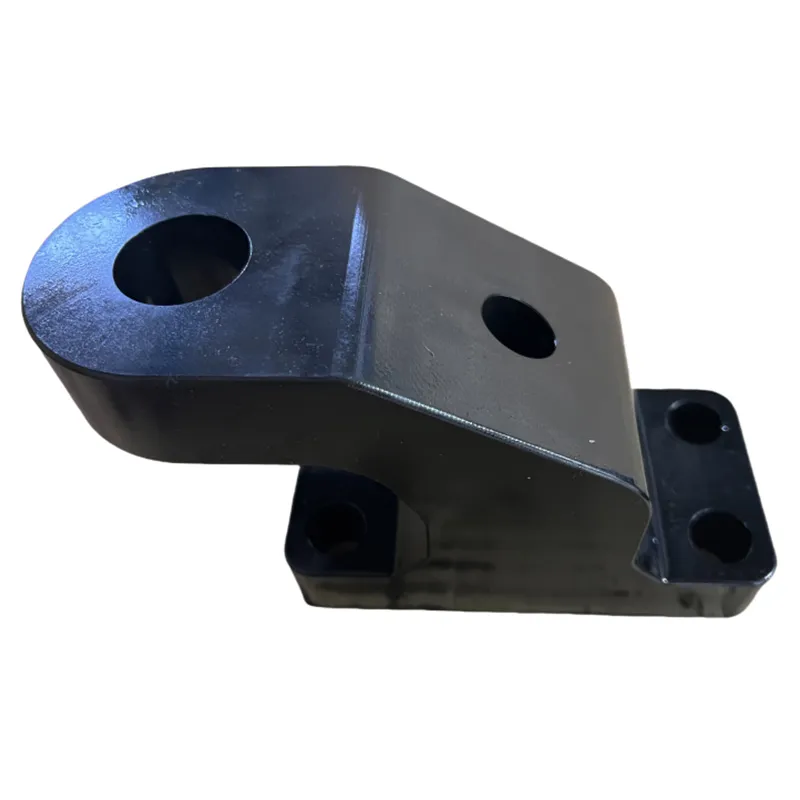
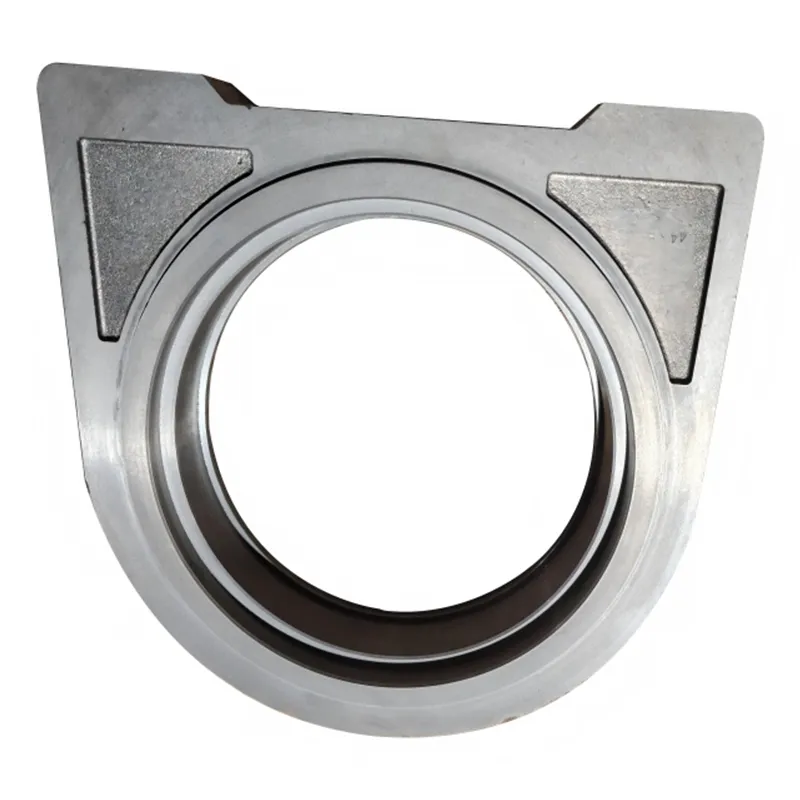
When most people hear 'lost wax casting factory', they picture a dark, grimy place pouring molten metal. That's a start, but it misses the point entirely. The real work, the value, isn't in the pour—it's in everything that happens before and after. The wax room, the ceramic shell, the finishing... that's where the factory separates from the workshop.
The Core Isn't the Furnace
Walk into a proper facility like Qingdao Qiangsenyuan Technology Co., Ltd. (QSY), and the first thing that strikes you isn't the heat. It's the precision in the wax injection area. The temperature of the wax, the pressure, the cycle time—get this wrong, and your final casting is scrap, no matter how perfect your melt. I've seen shops waste tons of metal because they treated the wax pattern like a disposable step. At QSY, with their 30 years, they treat the wax room like a CNC shop. That's the mindset.
Then comes the shell building. Investment casting, shell mold casting—people use the terms loosely. The difference is in the ceramic shell's backbone. A true lost wax casting process for complex parts, especially in those nickel-based or cobalt-based alloys QSY lists, needs a shell that can handle thermal shock without cracking or deforming. It's a slow, layered process of dipping, stuccoing, drying. Rushing it means shell fractures during dewaxing (the lost part) or worse, during the pour. The shell is the negative; any flaw translates directly.
This leads to a common failure point: gating system design. It's not just a channel for metal; it's a thermal management system. For stainless steel or cast iron, the rules change. A gate that works for carbon steel might cause shrinkage porosity in a superalloy. We learned this the hard way on an early pump housing job—beautiful shell, perfect pour, but ultrasonic testing revealed internal voids right at the junction. The fix wasn't a hotter pour; it was redesigning the gate and riser configuration from the wax tree up. That's the hidden engineering.
Material is a Conversation, Not a Selection
Clients send specs: ASTM A351 CF8M or Inconel 718. That's just the starting line. A foundry's job is to translate that into a melt practice. For instance, stainless steel in a lost wax casting factory covering both shell and sand processes, like QSY does, means knowing how the material's fluidity changes with the molding method. The same grade pours differently into a ceramic shell versus a resin sand mold. The post-casting heat treatment cycle is dictated as much by the casting method as by the alloy spec.
Special alloys are where the rubber meets the road. Cobalt-based alloys, for wear resistance in valve trim, often need to be poured in a controlled atmosphere or under vacuum to prevent oxidation of critical elements. It's not just a matter of having a vacuum furnace; it's knowing how to design the runner system to minimize turbulence in a vacuum environment. This isn't textbook stuff; it's tribal knowledge passed down through melt crews. You can see this depth in the portfolio of a long-running operator—the consistency across batches is what you're paying for.
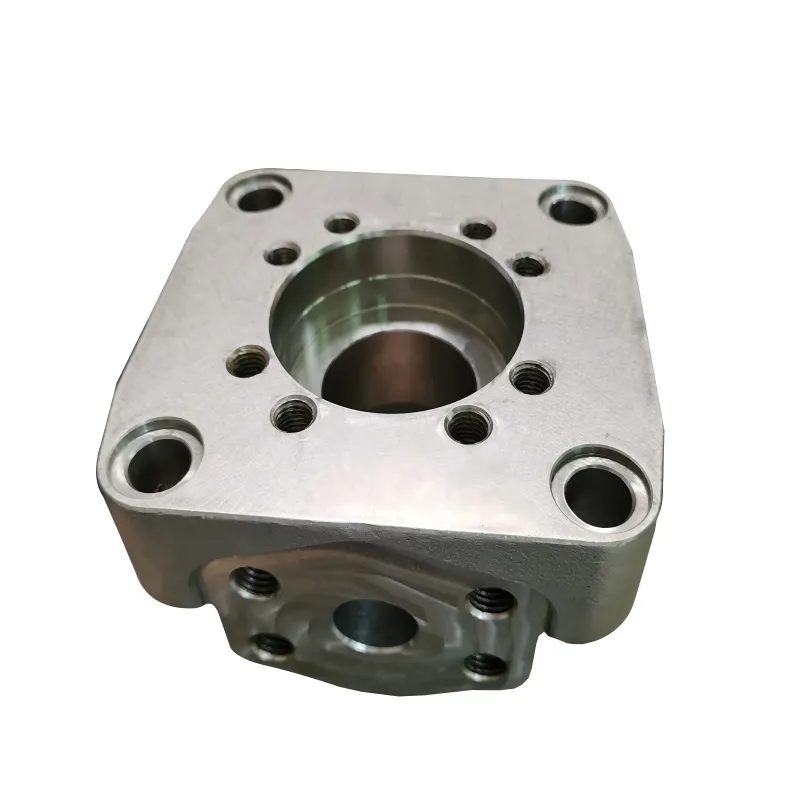
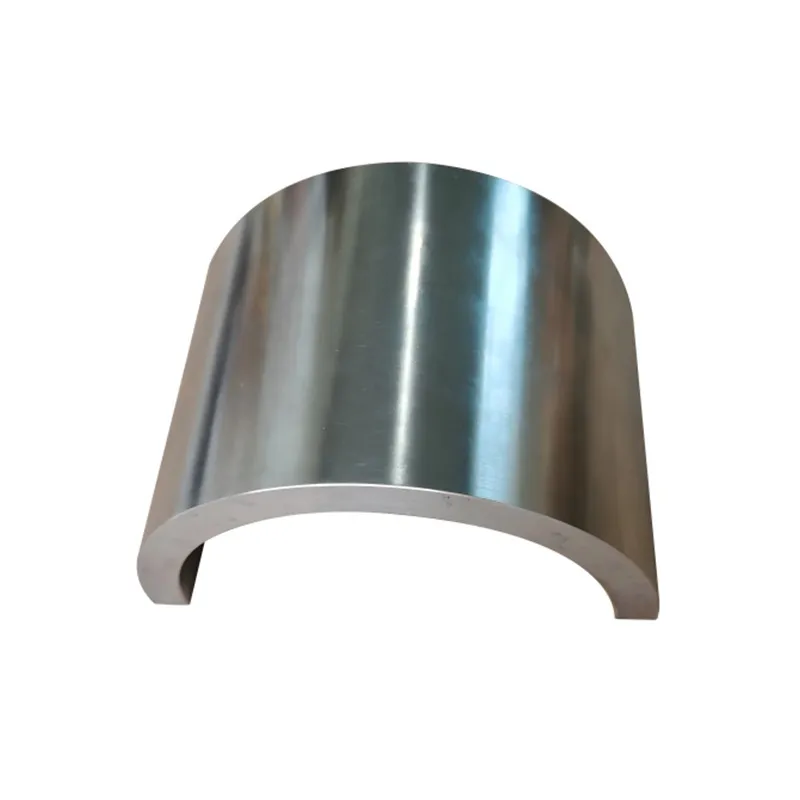
And machining. Any factory claiming investment casting without serious in-house CNC is just selling rough blanks. The as-cast surface, even from a ceramic shell, needs to be machined to meet dimensional tolerances. The challenge is holding a casting that may have internal stress. QSY's integration of casting and CNC machining under one roof is a major operational advantage. They can plan the casting's shrinkage and potential distortion knowing exactly how the part will be fixtured and cut later, which saves multiple rounds of trial and error.
The Devil in the Dewaxing (and Finishing)
Dewaxing seems straightforward: melt the wax out of the shell. But if you do it wrong, you explode the shell. Steam autoclave dewaxing is common, but the pressure and time settings are critical and vary with shell thickness and size. Too aggressive, and you get shell cracks. Too gentle, and wax residue blocks the pores, causing gas defects during the pour. It's a step that's often automated but still needs a watchful eye.
Then, knockout. After the casting has cooled, you need to break the shell off without damaging the metal. For fragile parts or those with deep recesses, this is a delicate, often manual process involving vibration and careful chipping. This is where surface defects like nicks or tears can be introduced, ruining an otherwise sound casting. A good factory has a dedicated, skilled knockout area, not just a guy with a hammer.
Finishing is another money pit. Grinding off gates, shot blasting, weld repair of allowable surface imperfections... this is labor-intensive and defines the final quality. I recall a batch of ductile iron brackets where the grinding operation was too aggressive, work-hardening a localized area and masking a subsurface shrinkage that later failed in fatigue testing. The lesson? Finishing isn't just cosmetic; it can affect the metallurgy. A robust process controls finishing depth and method.
When Capability Meets Reality
Every factory's brochure lists capabilities. The real test is how they handle the edge cases. For example, a client once wanted a thin-walled (3mm) component in Monel. Great for corrosion resistance, tricky to cast thin. The fluidity is lower. The factory (not QSY, in this case) quoted it based on their standard parameters for thicker Monel castings. The result was misruns—metal freezing before filling the mold. The solution involved increasing the pour temperature significantly and pre-heating the shells to a specific range, which then altered the solidification pattern and required a redesign of the chills. It worked, but it blew the budget and timeline. A more experienced shop would have flagged the thin-wall/alloy combination upfront and planned the process around it.
This is why longevity matters. A company operating for over three decades, like the one behind https://www.tsingtaocnc.com, has inevitably seen these edge cases. Their special alloys listing isn't just a menu; it's a shorthand for a library of solved problems—precise pouring temps, shell recipes, gating designs, and heat treatment schedules for each material family. That institutional memory prevents costly rediscovery.
Another reality check is inspection. Dimensional checks with CMMs are standard. But for pressure-containing parts or critical structural components, non-destructive testing (NDT) like dye penetrant, radiographic, or ultrasonic testing is where confidence is built. The factory needs to have these in-house or with trusted partners, and more importantly, the engineers need to know how to interpret the results in the context of the casting process. A speck of porosity on an X-ray might be acceptable in one zone but a reject in another.
The Integrated Workflow is the Product
So, what are you really buying from a lost wax casting factory? You're not buying a metal shape. You're buying a validated, controlled workflow that transforms a 3D model into a functional, reliable metal component. It starts with a manufacturability review of the design, flows through pattern-making, shelling, melting, pouring, knockout, heat treatment, machining, and final inspection. Weakness in any link breaks the chain.
This is the subtle advantage of integrated manufacturers. Look at QSY's model: shell mold casting, investment casting, and CNC machining all under one management. It means the feedback loop is short. If the machinist finds consistent hard spots in a certain area of a casting, that information goes directly back to the foundry engineer to adjust the cooling rate or the alloy modification for the next batch. This continuous improvement loop is invisible to the client but is the foundation of consistent quality.
In the end, the factory floor tells the story. It's not about how big the furnace is. It's about the organization of the wax racks, the cleanliness of the slurry area, the calibration stickers on the heat treatment ovens, and the systematic tagging of parts through every step. That's what you sense when you visit a place that's been doing it right for 30 years. The process is in their bones, not just in their brochure. That's the factory worth partnering with.