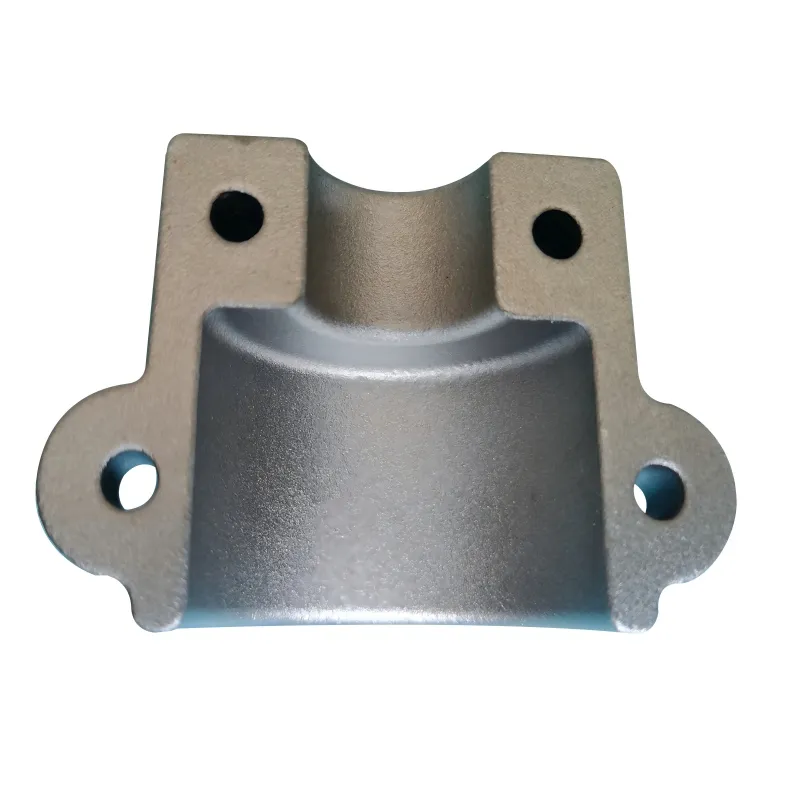
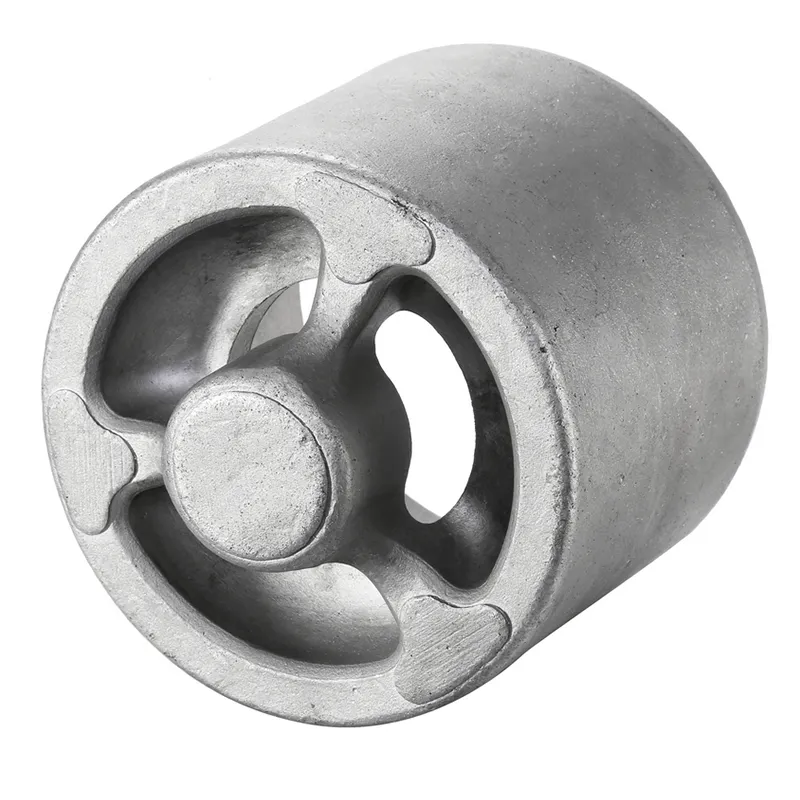
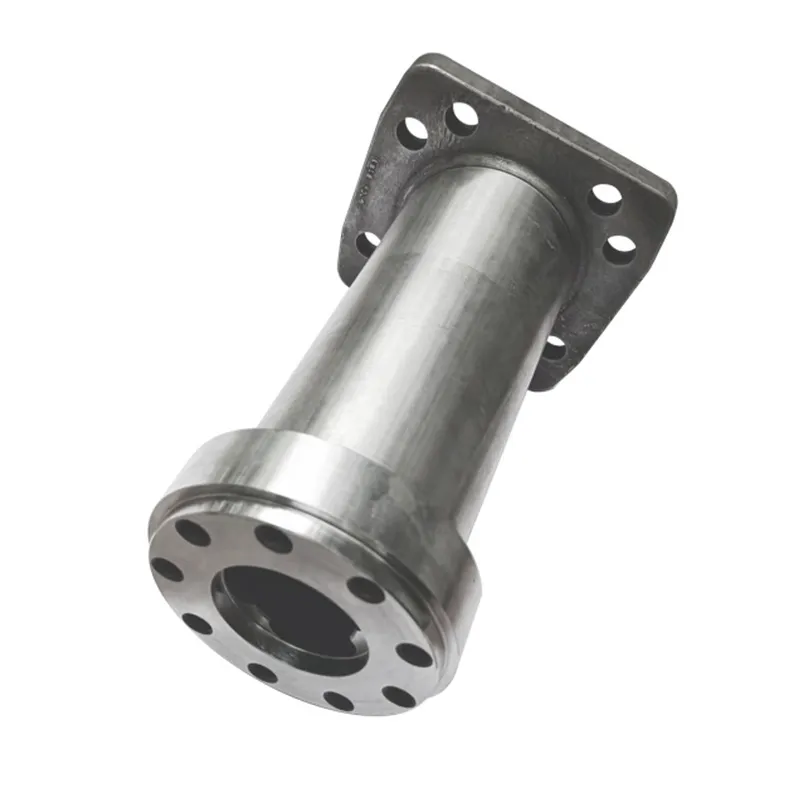
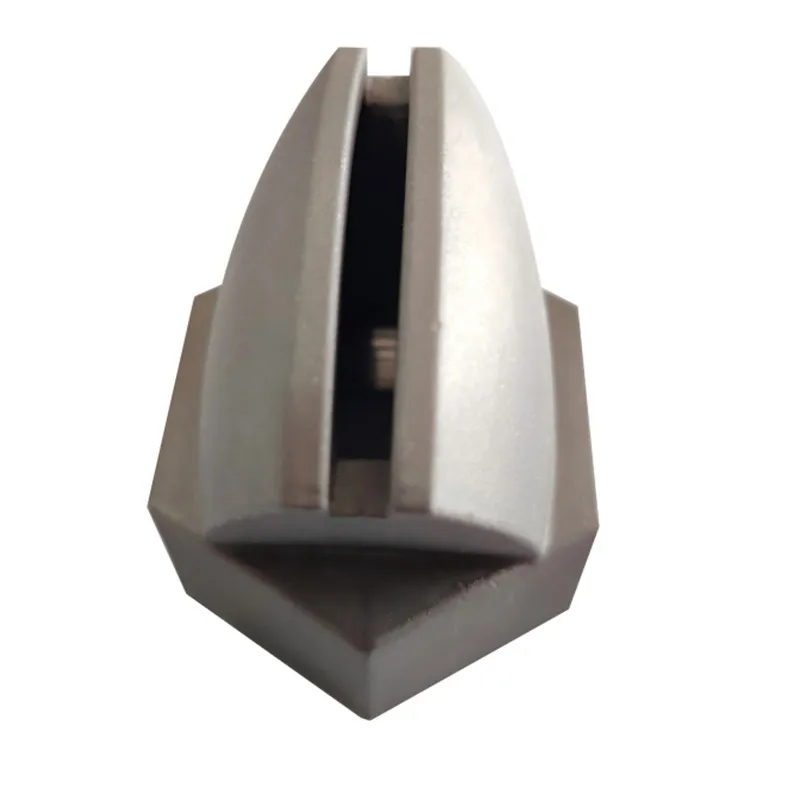
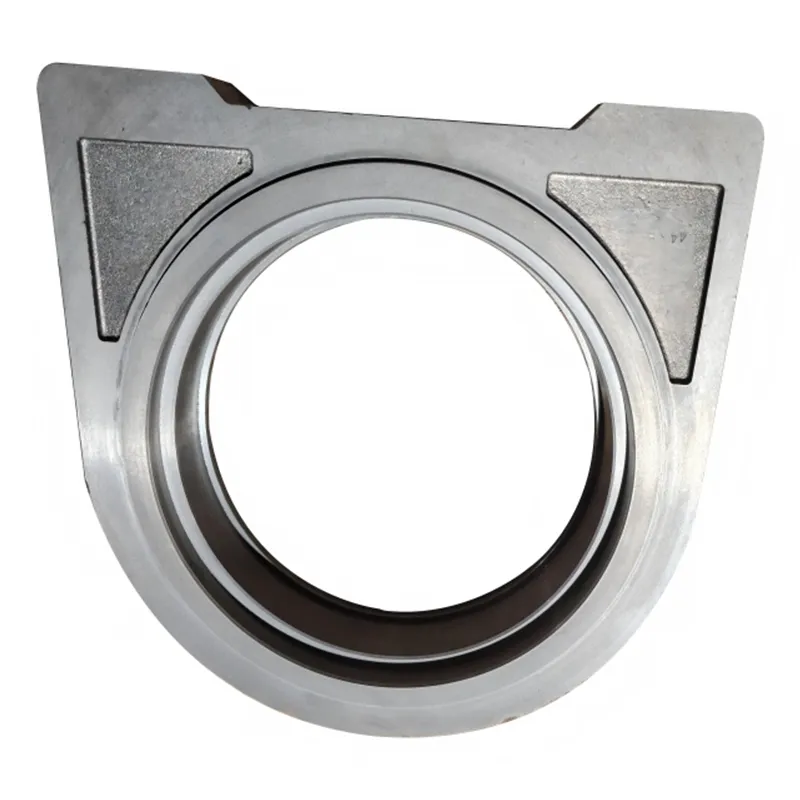
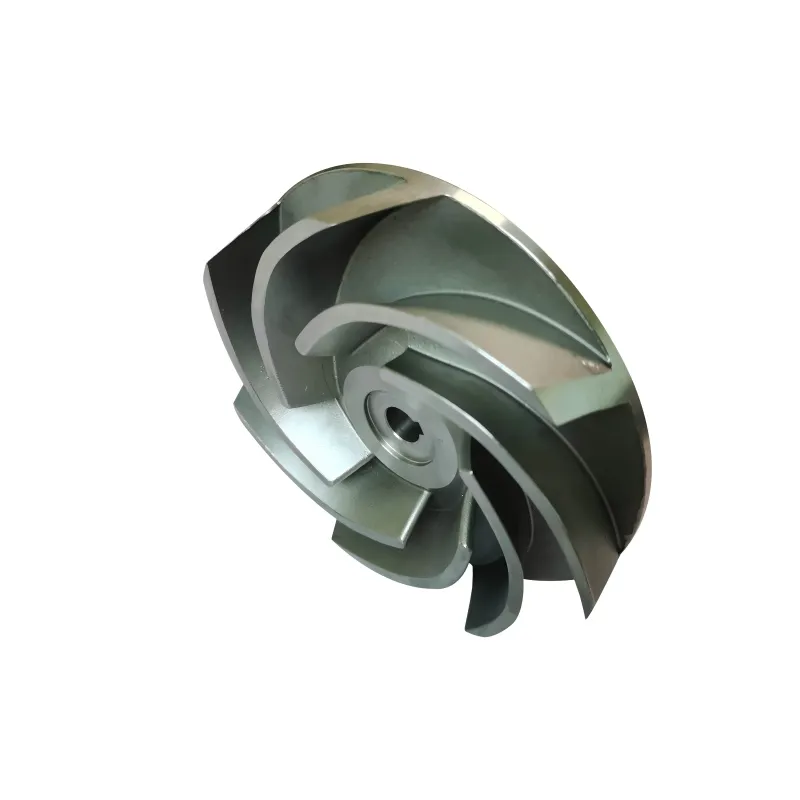
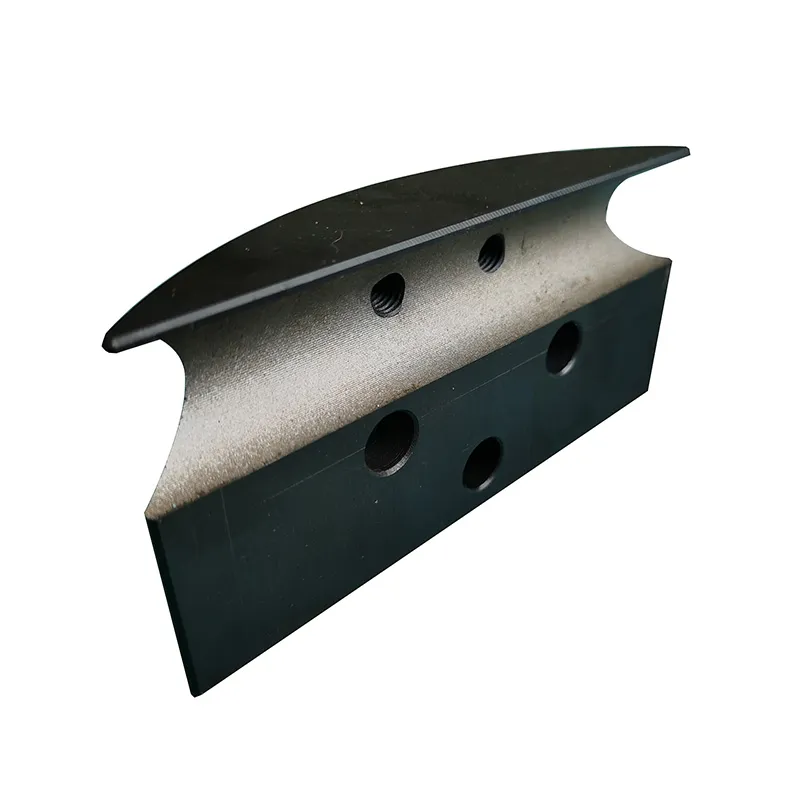
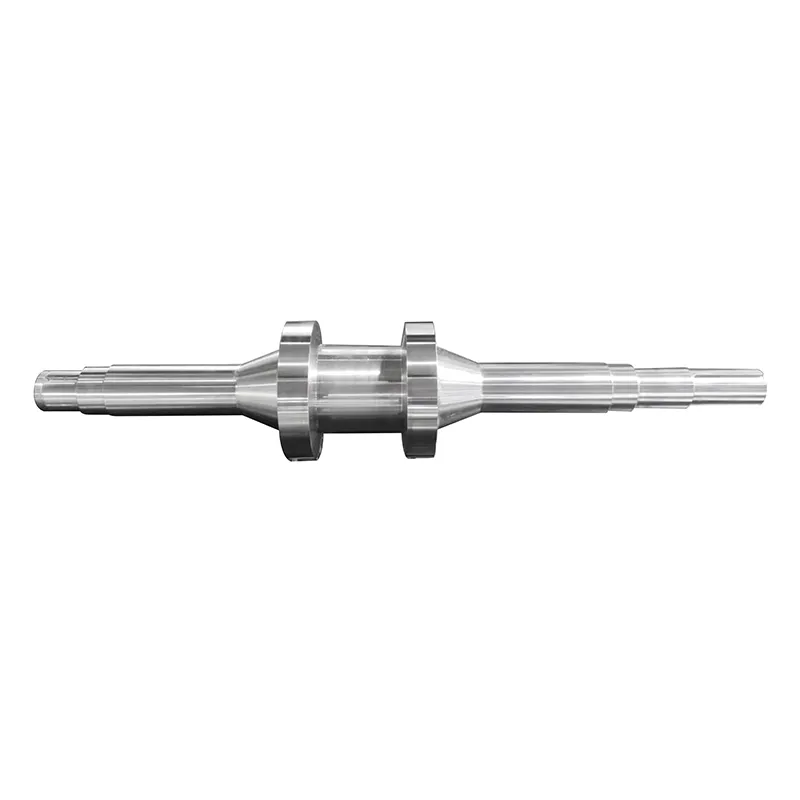
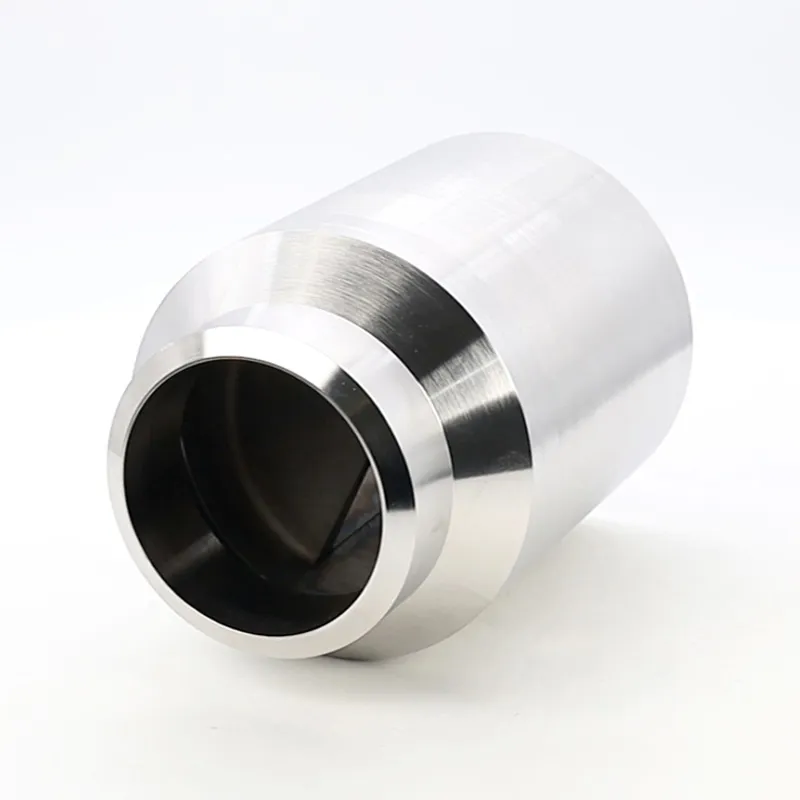
When most people hear 'lost wax casting foundry', they picture a pristine, almost magical process where perfect metal parts emerge from ceramic shells. The reality, especially in a high-mix, low-volume job shop environment, is far messier and more nuanced. It's not just about melting metal and pouring it; it's a constant negotiation between design intent, material behavior, and the stubborn physics of cooling metal. A lot of clients come in expecting miracles from the lost wax casting process itself, not realizing that the foundry's real skill lies in anticipating and controlling distortion, managing gating systems to minimize waste, and knowing exactly how a 17-4PH stainless will shrink versus a 316L. That's where decades of getting your hands dirty count.
The Core Illusion: Precision and Its Discontents
The term 'investment casting' sells a dream of net-shape perfection. And yes, for many parts, it gets you closer than sand casting or forging. But 'net-shape' is a spectrum. I remember a project for a turbine component, a nickel-based alloy job. The drawing called for tolerances that looked fine on paper. The wax pattern was perfect. The shell looked great. But when the metal went in, the complex internal geometry created uneven thermal mass. One section cooled faster, pulling stress on a thin wall. The result? A distortion of about 0.5mm on a critical datum – enough to scrap the batch. The lesson wasn't that the lost wax casting foundry failed; it was that the process had spoken. We had to go back, modify the wax pattern with a compensatory 'distortion', a sort of pre-emptive warping based on experience, to get the final metal part within spec. That's the unglamorous work: forensic metallurgy and geometry correction.
This is where a foundry's longevity matters. A shop like Qingdao Qiangsenyuan Technology Co., Ltd. (QSY), with its 30-year history, has seen these failure modes across hundreds of alloys and shapes. That institutional memory is irreplaceable. It's not in a manual; it's in the collective gut feeling of the pattern makers and furnace operators. They develop a sense for how a tall, slender casting in carbon steel needs a different pour temperature and riser design than a squat, chunky one in ductile iron. You can't simulate all of it.
Material selection is another minefield. Clients often default to 'stainless steel' for corrosion resistance. But which one? 304 is easier to cast but can suffer from carbide precipitation in the heat-affected zones if welding is needed later. 316 has better resistance but is a bit trickier to feed during solidification, prone to micro-shrinkage. For extreme environments, we push towards the special alloys – the cobalt and nickel-based ones. Their behavior in the investment casting process is a different beast altogether. They're viscous, they have precise thermal windows, and they demand absolutely clean shell materials to avoid contamination. A speck of impurity can become a crack initiation point under high stress. QSY's mention of specializing in these alloys isn't just a bullet point; it implies they've invested in the controlled atmosphere melting and shell technology needed to handle them, which many generalist foundries avoid.
The Unsung Hero: The Machining Handshake
No serious lost wax casting foundry operates in a vacuum. The cast part is almost always a pre-machined component. This is the critical handoff. I've seen beautiful castings ruined by a machining shop that treats them like a billet of stock material. They'll take a heavy cut, not realizing the skin of an investment casting can have a slightly different hardness or that the internal grain flow isn't uniform. The result? Tool chatter, broken inserts, or worse, inducing stress that manifests as a crack weeks later.
The ideal setup, and one that seems to be the model at QSY given their combined casting and CNC machining services, is tight integration. The machining team needs to know how the part was gated and risered. They need to know where the likely shrinkage porosity might be (it's usually in the thermal center, near the last place to solidify). This allows them to plan their fixturing and tool paths to avoid these zones for critical finishes or to remove them entirely in the first roughing pass. When casting and machining are under one roof, the feedback loop is immediate. The machinist can walk back to the foundry floor and say, We're getting weird tool wear on this flange, and the foundry engineer can check if there's a local hardness issue from rapid cooling.
This synergy is crucial for value. It turns a casting foundry from a commodity supplier into a solutions provider. For a client, it means one point of accountability. The foundry can't blame the machinist for a subsurface defect, and the machinist can't blame the foundry for poor machinability. They have to solve it together. It forces a holistic view of the component from molten metal to finished part.
Shell Mold: The Quiet Workhorse
People obsess over wax and metal, but the shell is the silent determinant of quality. The 'shell mold casting' process QSY lists alongside investment casting is telling. While true lost wax casting uses a ceramic slurry and stucco built up around a wax pattern, shell molding typically uses a pre-formed resin-bonded sand mold for simpler shapes. But the principles of shell integrity are universal. Shell failure is catastrophic – a run-out of molten metal is dangerous and expensive.
The devil is in the drying and firing. Too fast, and the shell develops micro-cracks. Too slow, and production bogs down. The thermal shock when 1500°C metal hits a room-temperature shell is immense. The shell must have enough permeability to let air and gases escape, but not so porous that metal penetrates, causing a rough 'metal flash' on the surface. Getting this balance right for a large, flat panel is different than for a dense, chunky valve body. It's a recipe adjusted by feel and experience, often by the senior kiln operator who judges the sound a shell makes when tapped.
For complex internal passages, the core (which forms the internal geometry) is another headache. It must be strong enough to withstand the metal flow but collapsible enough to allow for metal shrinkage without causing hot tears. Using the wrong core material for a stainless steel casting can lead to 'core shift' during the pour, misaligning those internal passages and scrapping the part. A foundry's capability list often glosses over this, but it's a major point of technical differentiation.
When Things Go Wrong: The Debugging Ritual
Failure analysis is the true test of a foundry's mettle. Let's say you get a batch with scattered porosity. The immediate reaction might be to increase the pour temperature. Sometimes that works. Other times, it makes it worse by increasing the gas solubility in the metal, which then precipitates out as bubbles as it cools. The real cause might be moisture in the shell from a humid day that wasn't fully baked out, or a slight change in the wax injection temperature that altered the surface finish of the pattern, trapping air.
I recall a case with a series of cast iron manifolds where we kept getting cold shuts (a visible seam where two metal streams met but didn't fuse). We tweaked the gating, the pour speed, the metal temperature. Nothing. Finally, someone thought to check the shell pre-heat temperature before pouring. It was off by about 50°C. The shell was acting as a heat sink, chilling the metal front too quickly. Correcting that fixed it. The point is, the process has dozens of variables. A proficient lost wax casting foundry has a systematic, almost diagnostic approach to troubleshooting, born from seeing these failures before.
This is why long-term partnerships with a foundry are valuable. The first order might have hiccups as both sides learn. But by the fifth order, the foundry has a 'recipe' for your specific part – a set of parameters that they know yields success. That knowledge is the real product, not just the metal shape.
The Future Isn't Just Automation
There's a lot of talk about 3D printed patterns and automated shell building. And they're great for prototyping and certain geometries. But for many production runs, especially with established parts, the traditional methods are still robust and cost-effective. The wax injection press operated by a skilled worker who can feel a slight drag on the piston and adjust pressure accordingly is hard to replace entirely. The human eye catching a slight mismatch in a core assembly is still a powerful QC tool.
The evolution I see in competent foundries like QSY is the integration of these traditional skills with digital tools. Using solidification simulation software not to replace experience, but to validate it. Using CMM data from the CNC machining stage to feed back into pattern correction algorithms. The foundry floor of today is a hybrid: dusty boots and touchscreens.
Ultimately, the value of a lost wax casting foundry lies in its judgment. It's in knowing when to follow the spec sheet rigidly and when to call the engineer and suggest a slight fillet radius change that will save weeks of headache. It's about managing the inherent uncertainties of transforming liquid metal into a precise, reliable component. It's a craft, disguised as an industry.