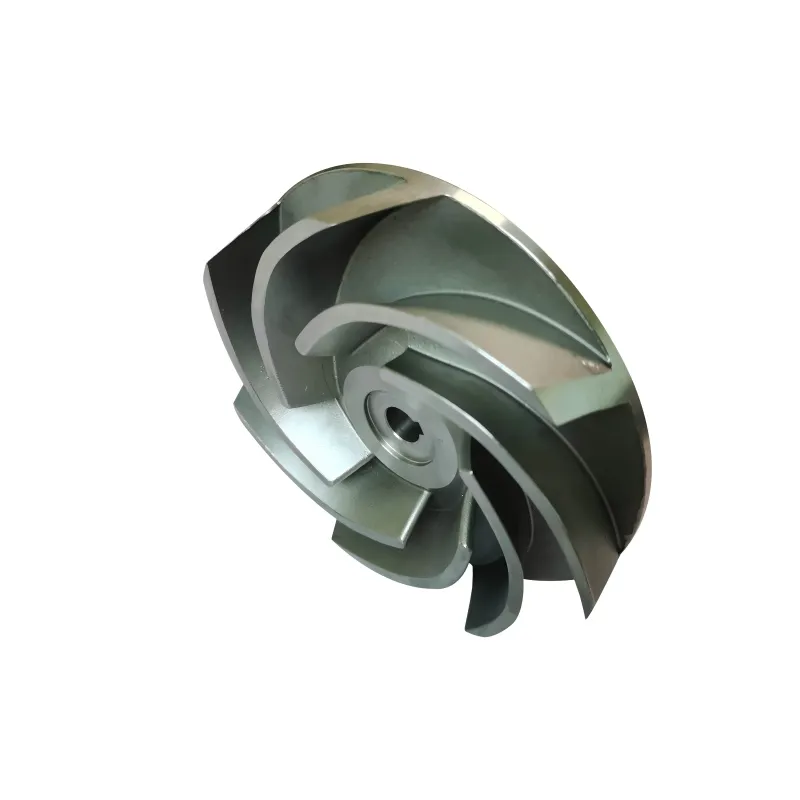
When you start digging into 'lost wax casting manufacturers', the first thing you notice is how the term gets thrown around. A lot of shops say they do it, but the gap between a basic setup for simple jewelry and a full-scale production line for industrial components is massive. It's not just about pouring metal into a mold; it's about controlling the process from the initial pattern to the final grind, especially when you're dealing with complex geometries or high-performance alloys. That's where you separate the generalists from the specialists.
The Core of the Process: More Than Just Wax
Everyone focuses on the wax. It's in the name, after all. But the real expertise starts with the pattern and the shell. A good manufacturer isn't just buying generic wax; they're engineering the pattern for shrinkage, designing the gating system to minimize turbulence and porosity, and building a ceramic shell that can withstand the thermal shock of molten superalloys. I've seen projects fail because the shell formulation was wrong for the metal temperature, leading to cracks and inclusions. It's a chemistry and physics problem as much as a craft.
This is where long-term operation matters. A company that's been running for decades, like Qingdao Qiangsenyuan Technology Co., Ltd. (QSY), has likely iterated through countless shell recipes. They mention over 30 years in casting and machining. That time isn't just a number; it means they've poured thousands of heats, dealt with different sand sources, and adjusted for seasonal humidity changes that can affect shell drying. You can't rush that kind of process knowledge.
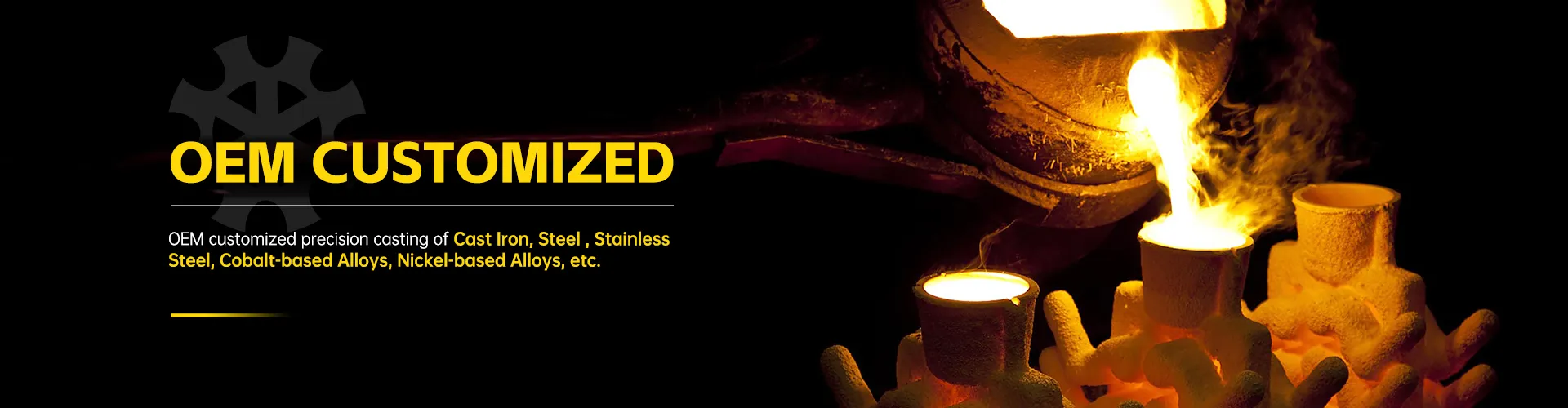
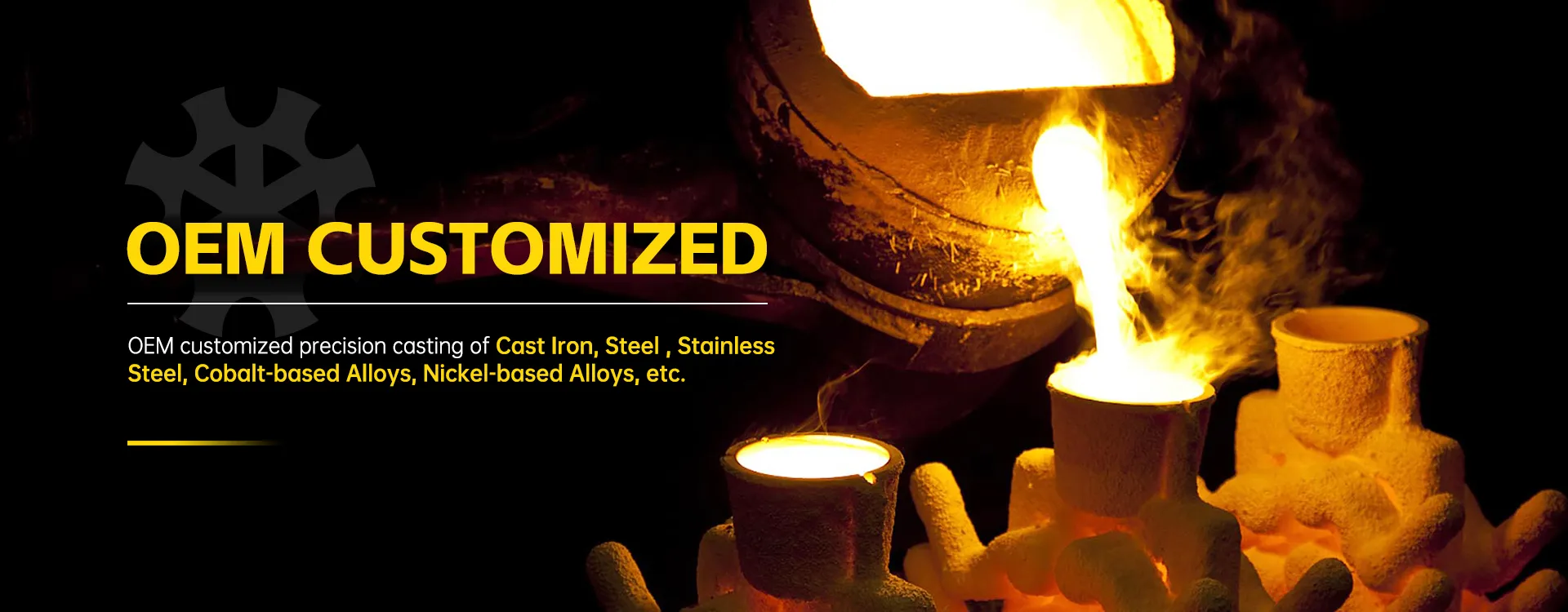
Material selection is the next trap. A manufacturer might list 'stainless steel' as a capability, but 304L is a world apart from 17-4PH or a duplex grade. The pouring technique, heat treatment, and even the post-casting cleanup change dramatically. When you see a spec sheet that includes nickel-based and cobalt-based alloys, it's a signal. It means they've invested in furnaces that can hit and hold the right temperatures for these tricky materials, and their quality control knows what to look for in the grain structure.
Where Machining Becomes Non-Negotiable
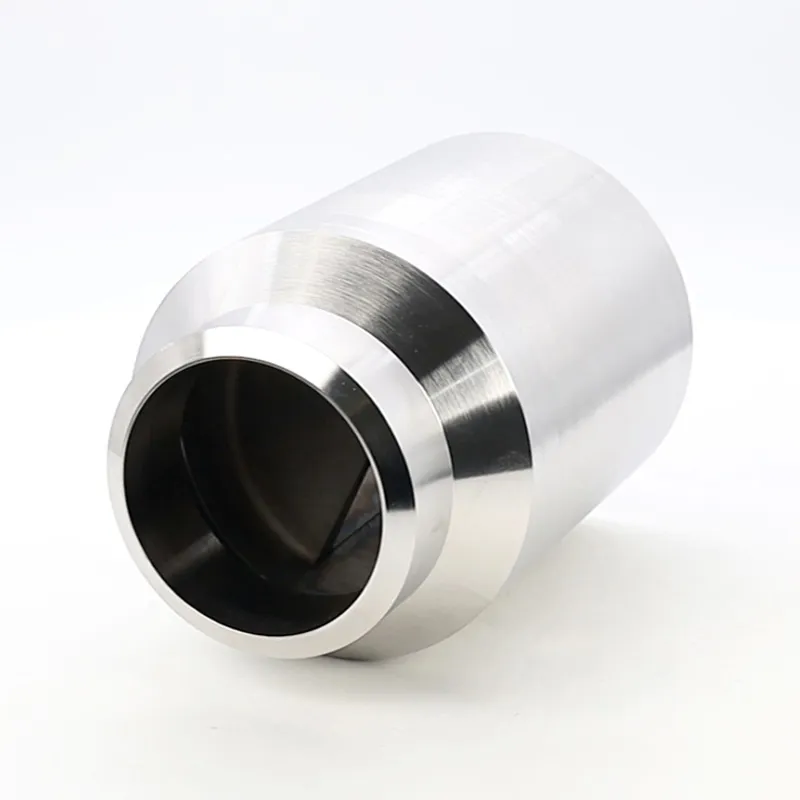
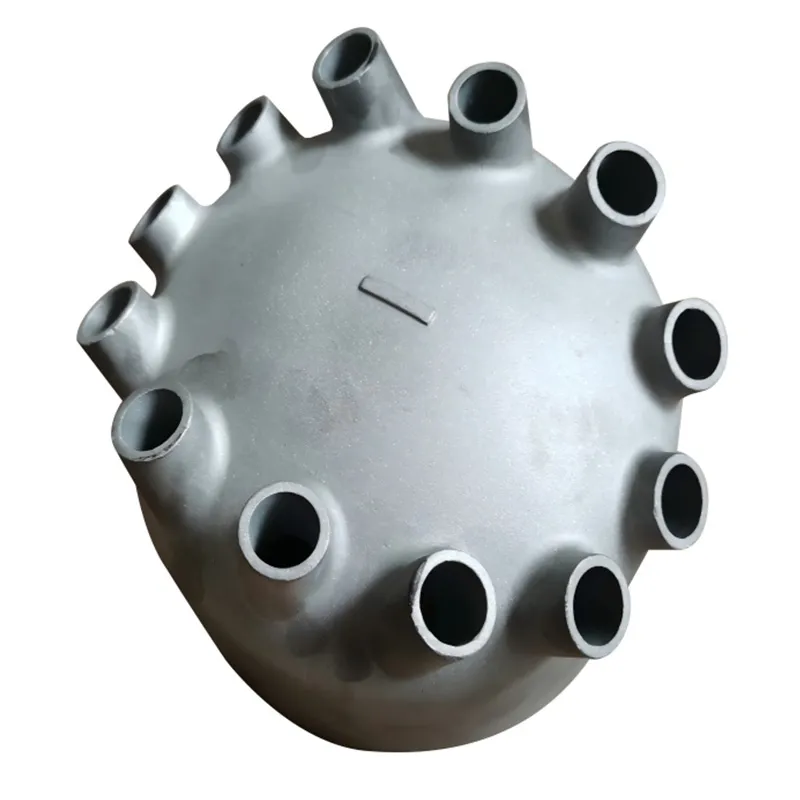
This is a point beginners often miss. You rarely get a net-shape part straight out of the investment casting process. There are always sprues to cut off, gate marks to remove, and critical surfaces that need precise tolerances. If the lost wax casting manufacturer doesn't have in-house CNC capabilities, you're adding another vendor, another round of logistics, and another layer of potential miscommunication.
The integration is key. The casting team and the machining team need to speak the same language. They need to agree on datums—do you machine off a cast surface, or do you leave extra stock on a specific flange to be machined flat as the primary reference? I've been in situations where the casting was beautiful, but the machining vendor couldn't hold it properly because the draft angles or stock allowances weren't coordinated. It turned a good casting into scrap.
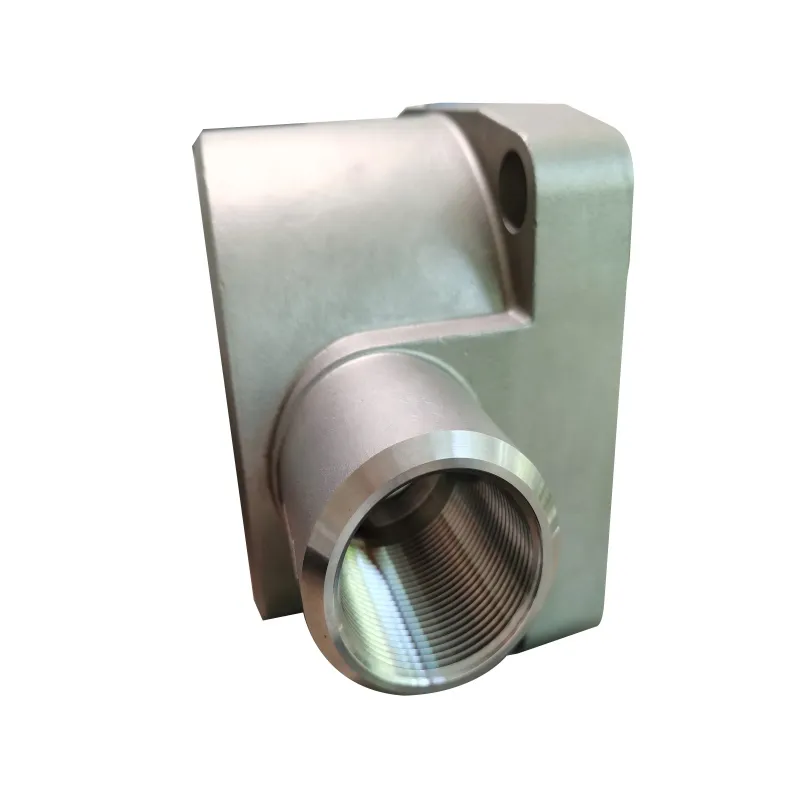
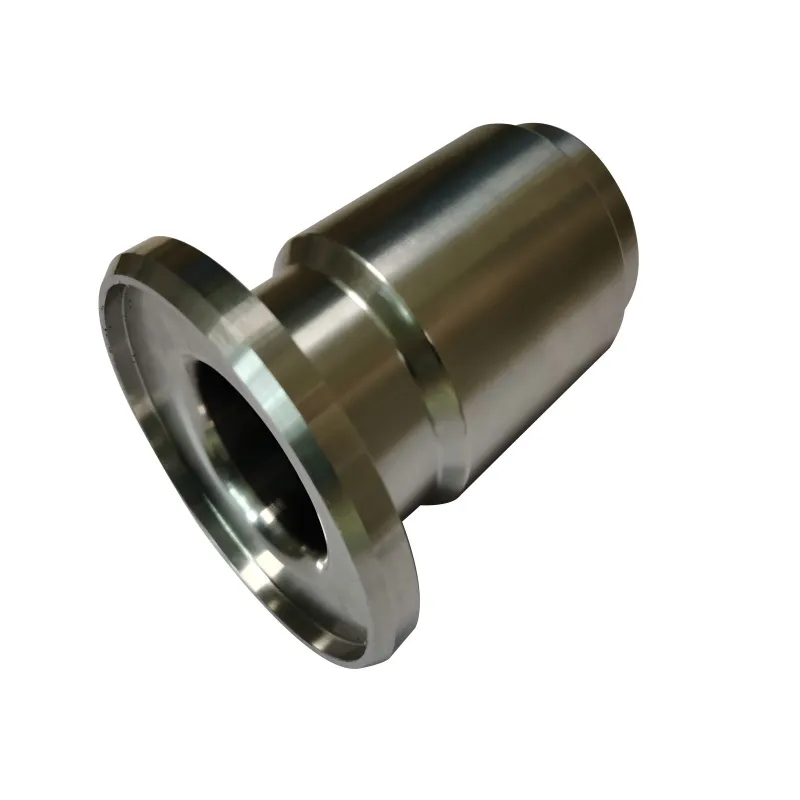
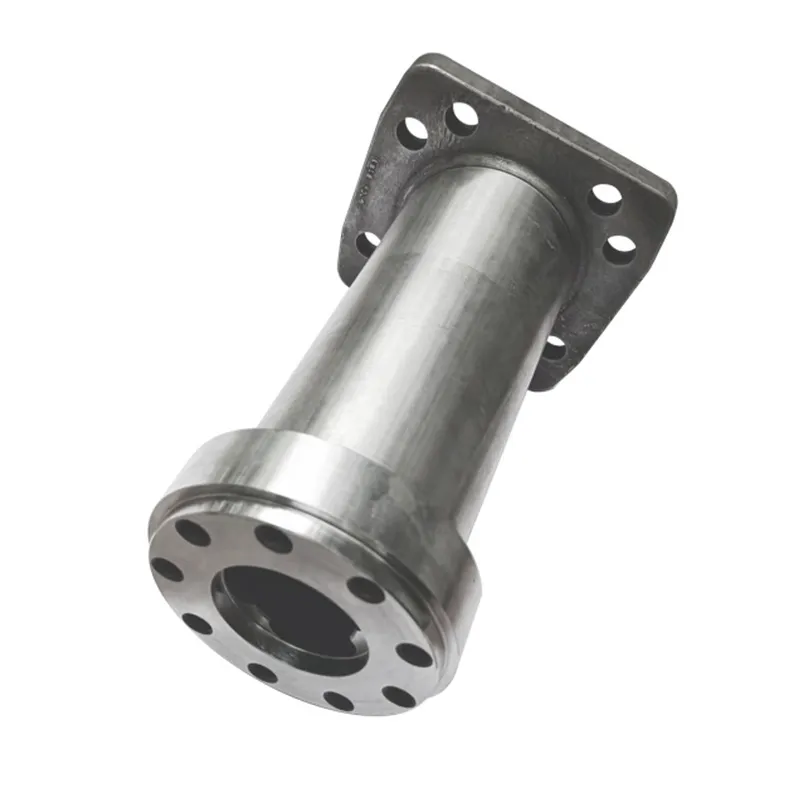
Looking at QSY's setup, they list shell mold casting, investment casting, and CNC machining together. That's a logical vertical integration. It suggests the part flow is designed within one facility. The machinist can walk back to the foundry floor and discuss a shrinkage issue directly. This control over the entire chain, from wax to finished component, drastically reduces lead times and improves accountability. You're not just buying a casting; you're buying a finished, functional part.
The Reality of Sourcing and Communication
Finding a reliable partner isn't just about technical specs. It's about the day-to-day grind. A good manufacturer's website, like their presence at https://www.tsingtaocnc.com, should be a starting point for information, not the final word. The real test is in the communication. How quickly do they respond to a drawing? Do they ask intelligent questions about function, load, and environment? Or do they just send back a boilerplate quote?
One of the biggest headaches is sample approval. A professional lost wax casting shop will manage expectations. They might send first-article inspection reports, CMM data, or even process photos of the shell building. The less transparent ones just ship the sample and hope it passes. I recall a project for a pump impeller where the first samples had minor porosity. Instead of hiding it, the manufacturer documented it, proposed a change to the gating, and paid for the new tooling iteration. That's a partner. That's the behavior you look for in a firm with a long operational history.
Lead times are another minefield. True investment casting for engineering components isn't a 3-week job if you want it done right. The shell-building alone takes days of dipping, stuccoing, and drying. Rushing it guarantees shell weakness. A realistic manufacturer will explain this, not just promise the moon to get the order. They'll break down the timeline: pattern modification, first wax injection, assembly of wax trees, shell building, dewaxing, firing, pouring, cooling, knockout, cut-off, heat treatment, and finally, machining and inspection.
When Special Alloys Enter the Picture
Working with special alloys like Monel, Inconel, or cobalt-based stellite isn't just a checkbox. It changes everything. The wax needs to burn out completely without residue, the shell must have high refractoriness, and the furnace atmosphere might need to be controlled to prevent oxidation of reactive elements. The scrap rate is inherently higher, and that cost gets factored in.
A manufacturer comfortable with these materials will have specific protocols. They might use zirconia or fused silica face coats on their shells. Their melting might be done under vacuum or in an induction furnace with argon protection. Post-casting, the heat treatment cycles are precise and often validated with test coupons. When you see these alloys listed, as they are in QSY's materials list, it implies an infrastructure geared for more demanding work. It's a different league from casting carbon steel.
The failure mode here is often subtle. It's not a gross mis-run; it's a slight loss of ductility because the cooling rate was off, or carbide precipitation in a heat-affected zone after welding. This is where the 30 years of experience pays off. They've probably seen these failures before and have metallurgical knowledge—either in-house or through trusted labs—to diagnose and prevent them. They understand that for these alloys, the process is the product.
Bringing It All Back to the Search
So when you're searching for lost wax casting manufacturers, you're not just looking for a service. You're looking for a technical partner with depth. The name, the years in business, the material list, and the integrated services are all clues. They point to a shop that has survived by solving hard problems, not just running simple jobs.
Dig past the homepage. Look for technical blogs, case studies, or even just detailed descriptions of their process steps. A site that only shows shiny finished products might be hiding something. One that talks about shell permeability, gating design, or CNC fixture strategies is showing its hand. That's the kind of place where engineers talk to engineers.
In the end, it comes down to trust built on transparent capability. The right manufacturer makes the complex look routine because they've done the groundwork. They've burned through the wax, literally and figuratively, to build a process that delivers consistency. That's what you're really buying: not just a metal part, but the certainty that comes from decades of focused practice.