When most people hear 'lost wax casting materials', they immediately think of the wax itself. That's the first misconception. The wax pattern is just the starting point, the temporary scaffold. The real material story begins after the wax is gone. It's about the refractory slurry, the stucco, the metal you pour, and even the air in your burnout furnace. Getting any one of these wrong means the difference between a sound casting and a costly scrap pile. I've seen too many projects fail because someone ordered a 'standard' investment powder without considering the alloy's thermal expansion or the part's geometry.
The Foundation: It All Starts with a Good Shell
Let's talk about the mold. The investment shell isn't just 'plaster'. For most engineering applications, especially with high-melt alloys, you're dealing with a silica-based system, often fused silica or zircon flour. The binder is key – ethyl silicate or a colloidal silica. The colloidal silica binders are more common now for their consistency, but the ethyl silicate systems can give you a sharper surface finish on certain geometries, though they're trickier to handle. The choice here dictates your entire drying schedule. Too fast, and you get cracks; too slow, and your production line grinds to a halt.
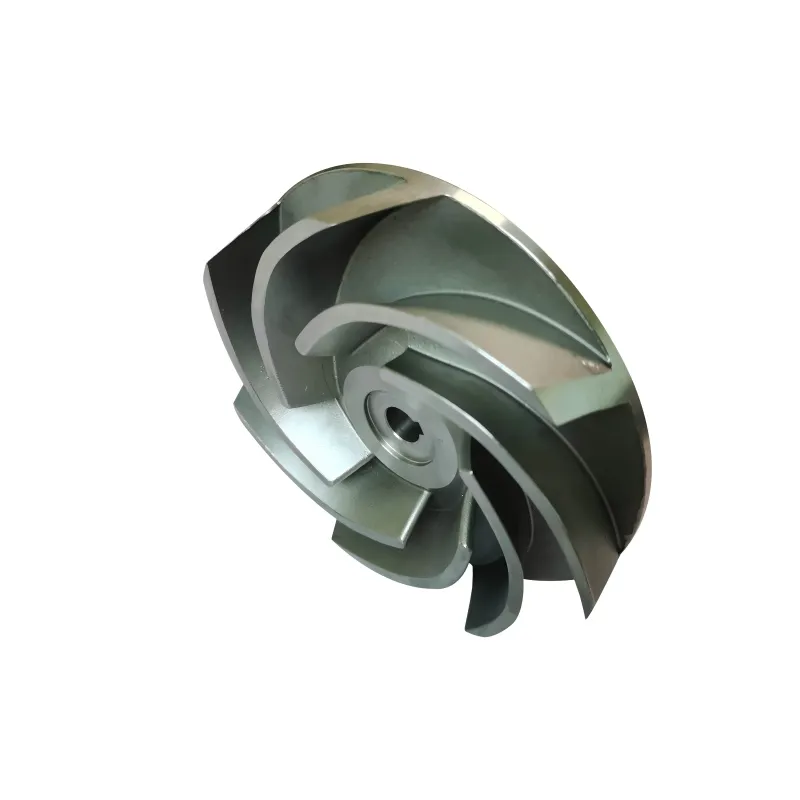
I remember a batch of nickel-based superalloy turbine blades we did. The print called for incredibly thin walls. We used our standard zircon primary slurry, but the stucco was the wrong grade – the sand was too coarse. It didn't lock into the slurry properly on those fine edges. The result? Metal penetration, a rough as-cast surface that took ages to machine clean. The lesson was that the lost wax casting materials for the shell need to be matched not just to the metal, but to the feature size. For fine detail, you go finer with your stucco right from the first coat, even if it means adding an extra coat or two for strength.
This is where experience from a long-running shop matters. A company like Qingdao Qiangsenyuan Technology Co., Ltd. (QSY), with their 30 years in investment casting and machining, will have their slurry formulas and stucco gradations dialed in for different material families. They're not just buying generic 'investment'; they're managing a library of material combinations for cast iron versus cobalt-based alloys, for instance. That institutional knowledge in material prep is what you're really paying for.
The Wax Itself: Not All Are Created Equal
Back to the wax. It seems simple, but it's a precision polymer blend. You have your pattern wax, your runner wax, and your repair wax. They have different melting points, viscosities, and shrinkage rates. Using a low-melt-point repair wax on a high-melt-point pattern can cause distortion during assembly or in the early stages of dewaxing. The biggest headache is wax expansion. If your wax formula expands too much at a certain temperature, it can fracture the delicate green shell during the autoclave dewaxing process. Poof, there goes your mold.
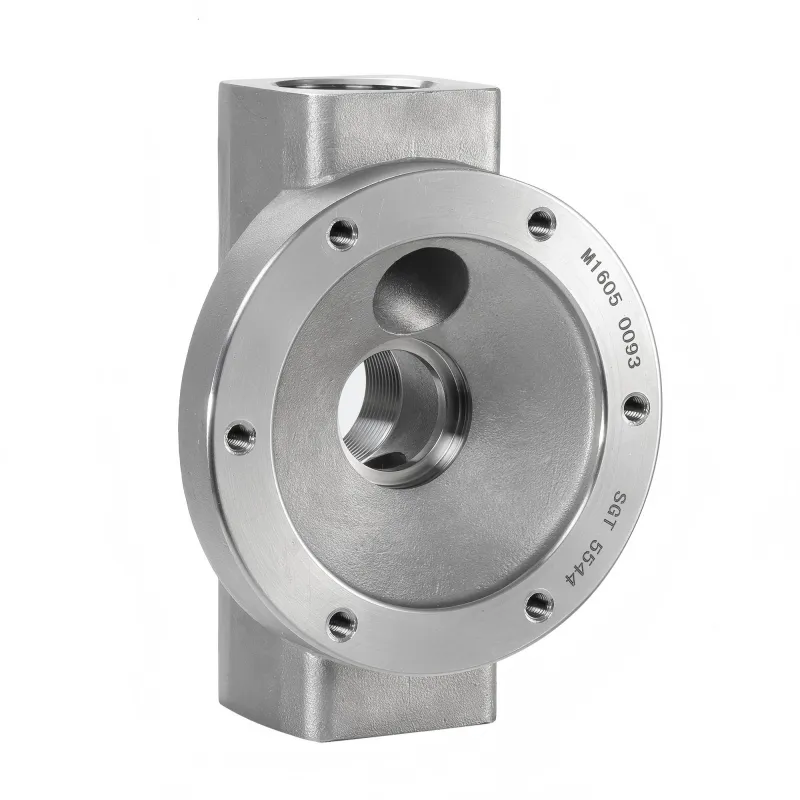
We once switched to a 'cheaper' wax supplier for a large run of stainless steel fittings. The wax injection parameters were slightly off, and the wax had a higher volumetric contraction. It seemed fine until we started assembling the clusters – the patterns were ever-so-slightly warped, causing mismatch lines on the final castings. The savings on wax were wiped out ten times over by the extra NDT and machining needed. Now, we stick with proven blends and run small test batches for any new project. The wax is the literal blueprint; if it's wrong, everything downstream is wrong.
The Metal Fill: Where Material Science Gets Real
This is the obvious part, but it's full of subtleties. The data sheet for 316L stainless is one thing; how that heat of metal interacts with your specific shell at your specific pouring temperature is another. Fluidity, hot tearing tendency, shrinkage behavior – it's all in the details. With special alloys like the nickel or cobalt-based ones QSY lists, the control is even tighter. These alloys are often reactive. If your shell has the wrong chemistry or isn't fully sintered, you can get a nasty surface reaction layer that's a nightmare to remove.
Gating and feeding design is part of the lost wax casting materials conversation, too. The riser material (often the same alloy) is a calculated sacrifice. Its size and placement are a function of the alloy's solidification range. A long-range alloy needs a different feeding strategy than a short-range one. I've seen beautiful shells pour perfectly, only to find shrinkage porosity in a thick section because the riser was misplaced or too small. The metal was 'to spec', but the design didn't respect its material properties.
The Unseen Player: The Burnout Cycle
Often overlooked in the materials list is the furnace atmosphere. The burnout cycle does two critical jobs: it removes the wax (without cracking the shell) and it sinters the shell into a strong, chemically stable mold. The temperature ramp rates, holds, and the environment (air, nitrogen) are all part of the 'material process'. A too-aggressive ramp can blow shells apart from steam pressure. An insufficient final firing temperature leaves the shell weak and prone to metal penetration.
For complex cores or ceramic filters inside the mold, the burnout cycle is even more critical. These are different ceramic materials with their own expansion curves. If they're not compatible with the main shell material's thermal expansion, you get stress cracks. It's a system. You can't just buy a 'good' shell material and a 'good' core material; you have to ensure they work together through the entire thermal cycle. This is a classic pitfall in prototyping.
Failure as a Teacher: A Warped Perspective
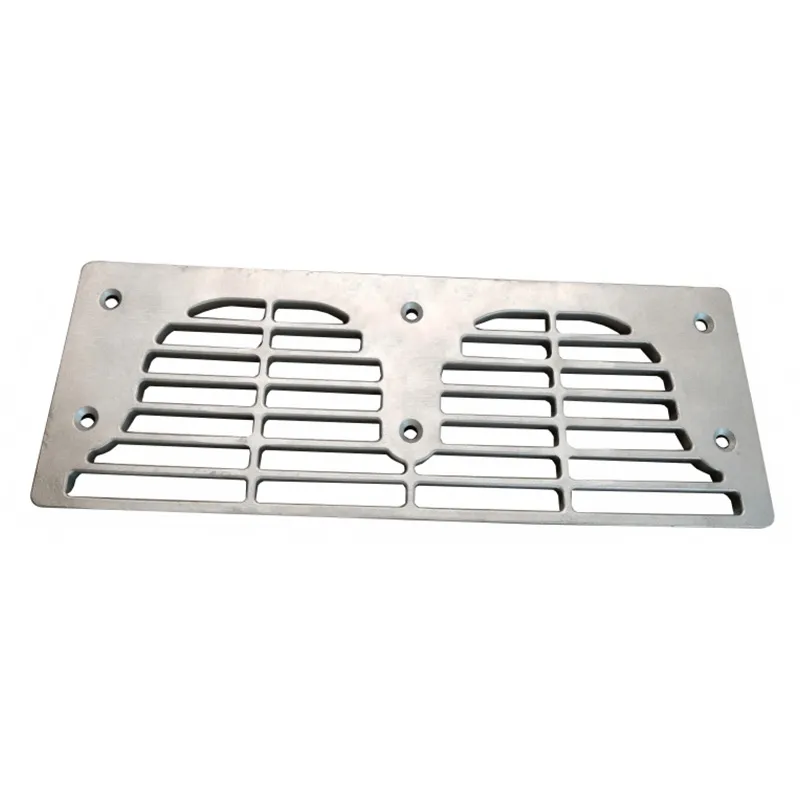
My most educational failure was a flat, plate-like component in ductile iron. We used a standard fused silica shell. The part came out bowed, like a potato chip. The material was fine, the shell was intact. The issue was differential cooling. The thin edges solidified and contracted first, pulling on the still-molten center, which then solidified under stress. The shell material itself, while refractory, didn't have the right permeability or thermal conductivity to promote uniform cooling. We solved it by switching to a shell system with a higher alumina content for that specific job, which changed the heat extraction dynamics, and by adding strategic chill ribs in the wax pattern itself. It taught me that the mold material is an active participant in the solidification process, not just a passive container.
Bringing It All Together: The Shop Floor Reality
So when you're evaluating lost wax casting materials, you're not picking items off a shelf. You're orchestrating a chain of compatible, reactive substances. The wax must work with your tooling and assembly process. The shell materials must work with your wax removal method, your metal's pouring temperature, and its solidification character. The metal must be of a grade and quality suited to the stresses the part will see. Finally, the entire process must be stable enough to be repeatable, batch after batch.
That's why partnering with an experienced foundry isn't just about outsourcing a step. You're tapping into their deep, often hard-won, material and process database. A firm like QSY isn't just selling castings; they're selling the correct application of three decades of material interactions – knowing which shell formulation yields a machinable surface on their special alloys, or how to adjust the preheat for a complex thin-wall steel component. The materials are the ingredients, but the real recipe is in the shop's logbooks and the technicians' instincts. You can buy the same powders and waxes they do, but without that context, you're just hoping for the best. In this game, hope is not a strategy.