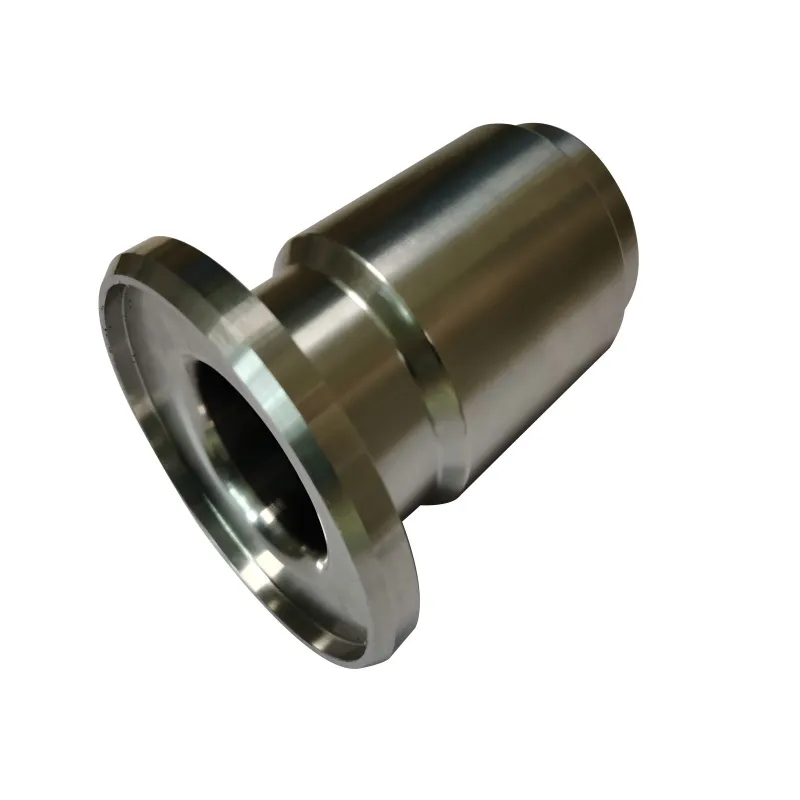
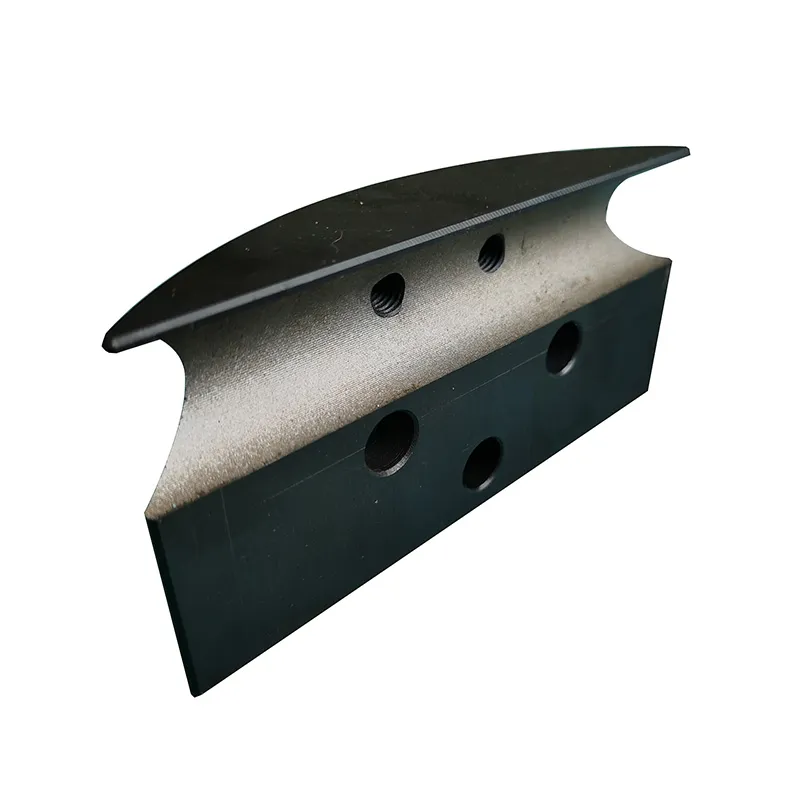
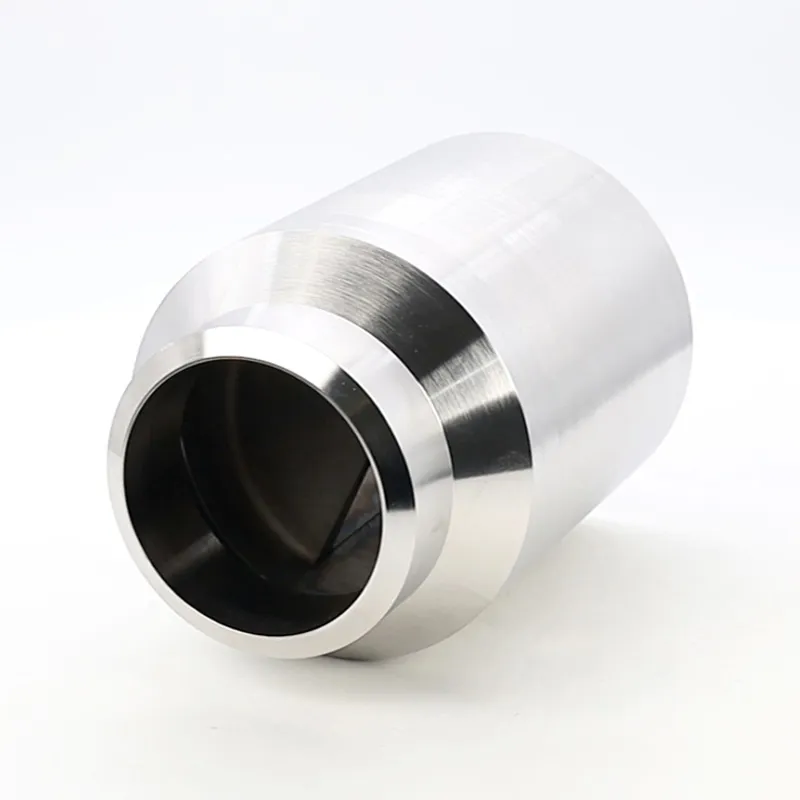
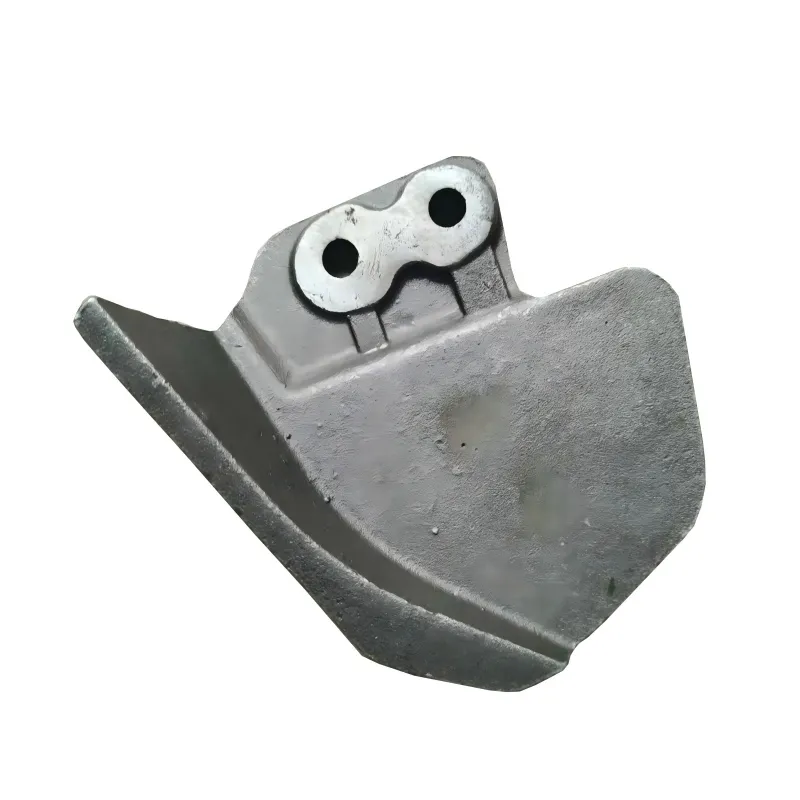
When someone types 'lost wax casting near me' into a search bar, I know exactly what they're after—and it's rarely just a map pin. They're likely a designer with a prototype, an engineer sourcing a critical component, or maybe a small business owner trying to navigate manufacturing. The immediate assumption is that proximity equals convenience and better control. Sometimes that's true; often, it's more complicated. The real value isn't just in finding a local shop, but in finding a competent partner who understands the nuances of investment casting, not just the basic steps. I've seen too many projects derailed by choosing a nearby foundry based solely on location, only to discover they can't handle the material specs or the required surface finish. The search term itself is a starting point, but the evaluation that follows is what separates a successful part from a costly paperweight.
Beyond Geography: Decoding the Near Me Expectation
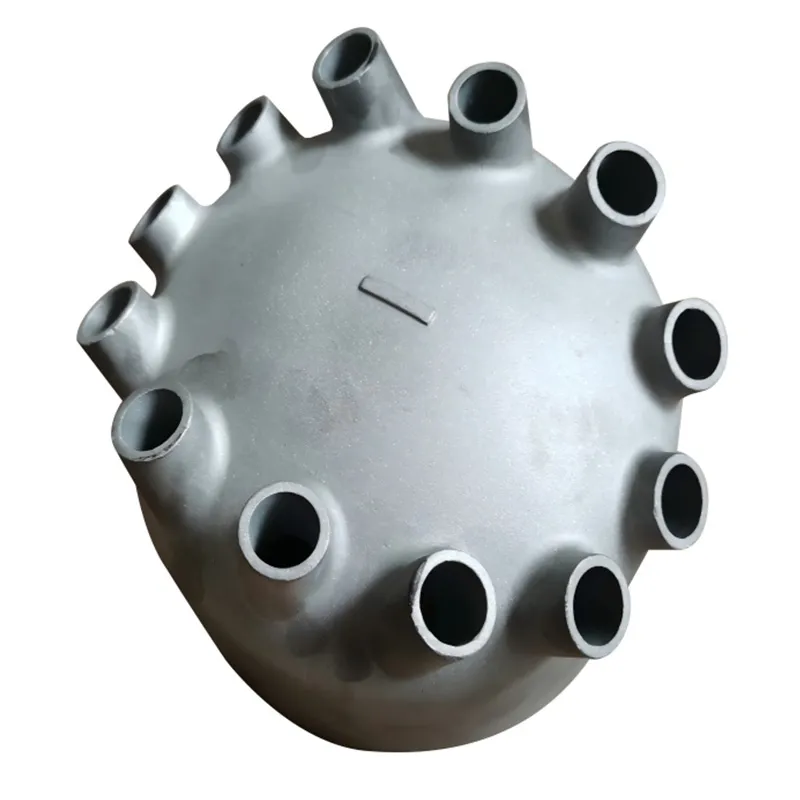
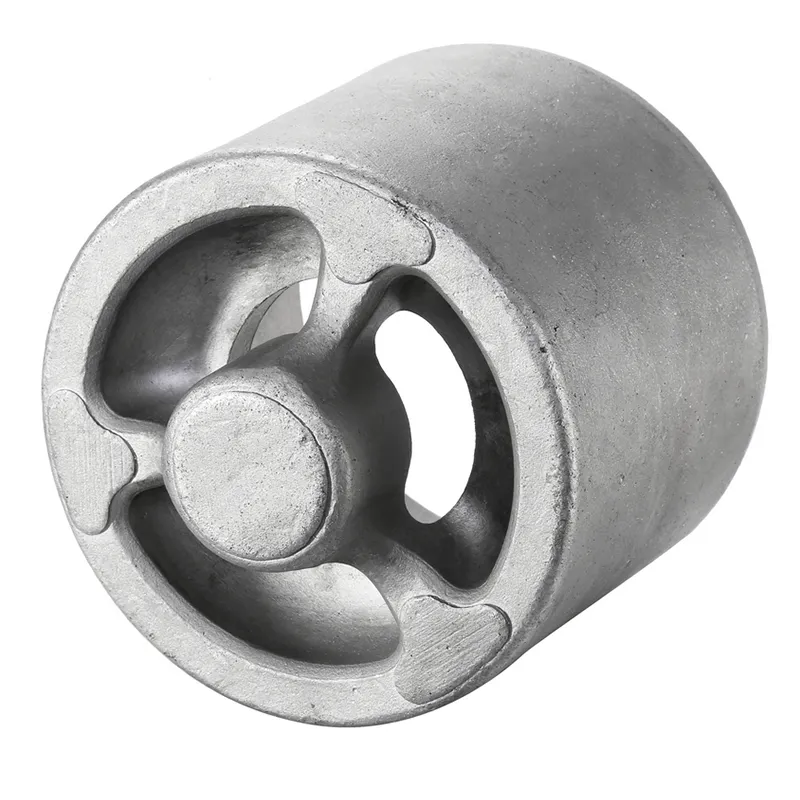
The expectation behind near me is visceral. You want to drive over, shake hands, and look at the wax patterns or the first article inspection piece yourself. For simple, non-critical items, this can work. A local artisan jeweler or a small bronze sculpture shop might pop up. But for industrial components—think valve bodies, pump impellers, or aerospace brackets—near me often needs to be redefined as accessible and responsive, not necessarily within a 50-mile radius. The infrastructure for high-precision investment casting, especially with alloys like stainless 316L or nickel-based superalloys, isn't on every street corner.
I recall a project years ago where we insisted on a local foundry for a run of marine-grade bronze fittings. They were twenty minutes away. The convenience was undeniable for the first few weeks. But when we hit a porosity issue in a high-stress area, their metallurgical expertise hit a wall. They simply didn't have the experience with the specific de-gassing process needed. We lost weeks. The lesson? Proximity without depth of expertise is a false economy. The search should be for lost wax casting capability first, then logistics.
This is where a company's longevity speaks volumes. A shop that's been operating for decades, like Qingdao Qiangsenyuan Technology Co., Ltd.(QSY), which has over 30 years in casting and machining, has likely seen and solved the problems a newer, local shop might not even recognize. Their website, https://www.tsingtaocnc.com, details their work with shell mold and investment casting across a range of materials. For an engineer, that history is a more reliable map pin than a geographic one.
The Material is the Message
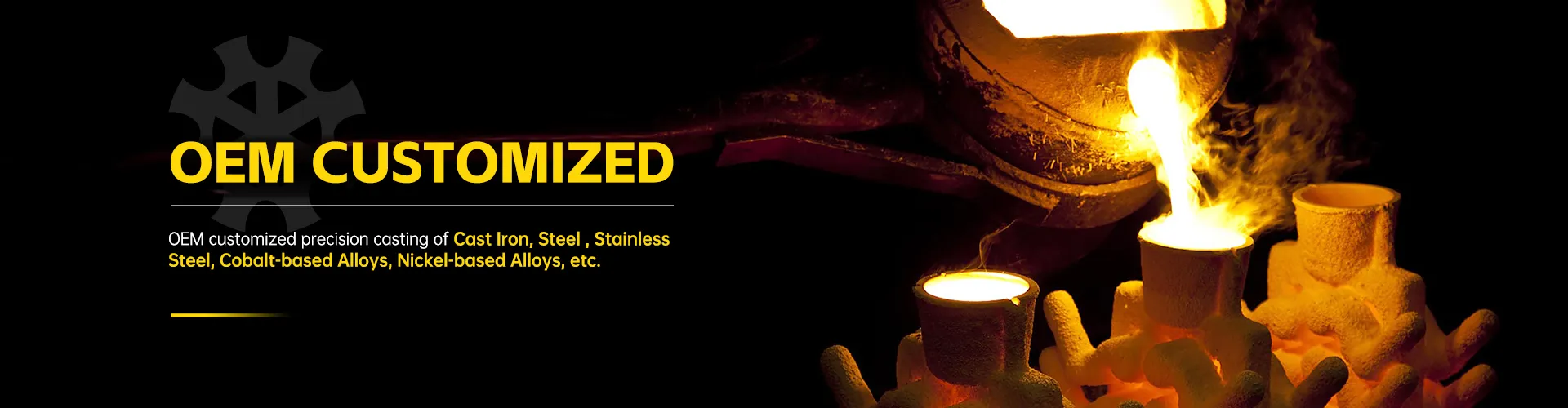
This is where most generic searches fall apart. Lost wax casting is a process. Whether it's suitable for your project is 100% dependent on the material. A shop that primarily works with tin-based alloys for trinkets will struggle with the pouring temperatures and shrinkage control of tool steel. The material list on a foundry's site is the first filter. When I see a list that goes beyond generic steel to specify grades and includes special alloys—cobalt-based, nickel-based—it tells me they're equipped for serious engineering work.
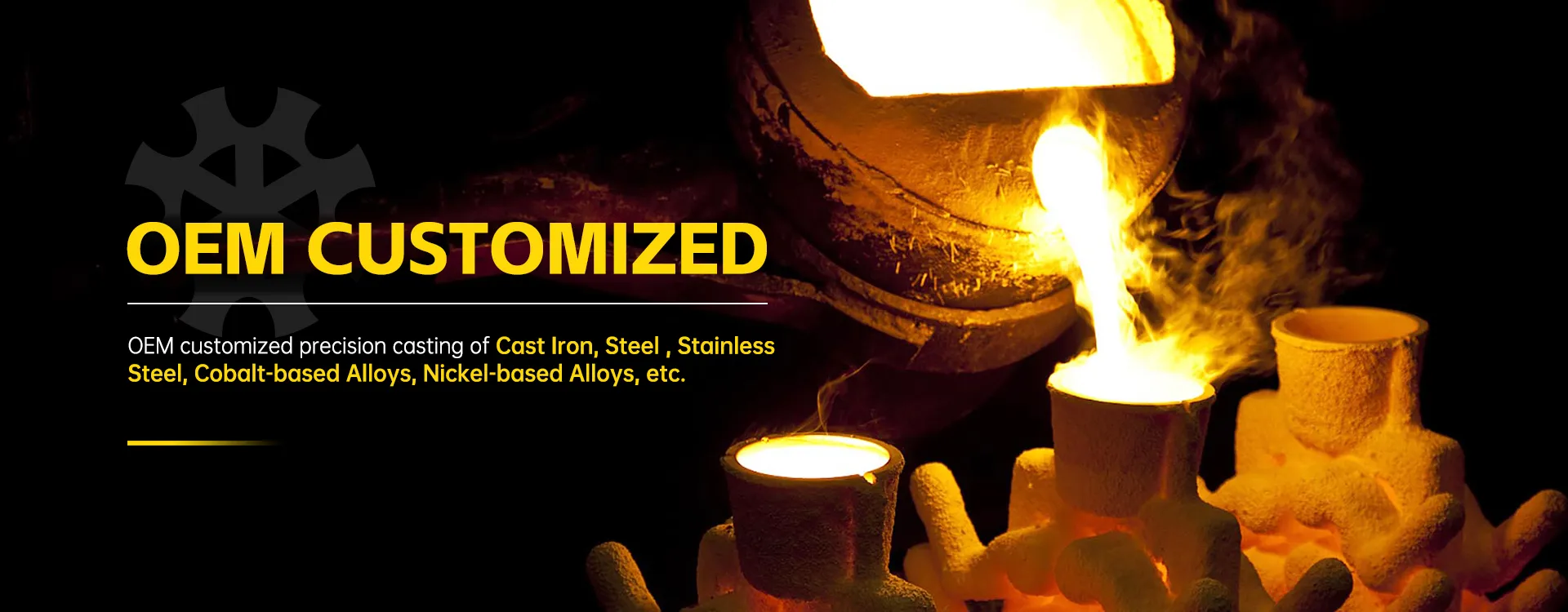
QSY explicitly mentions these special alloys. That's a signal. Working with nickel-based alloys isn't like working with brass. It requires controlled atmosphere melting, often vacuum or argon, to prevent oxidation and inclusion formation. If your component is for a high-temperature or corrosive environment, this isn't a place to compromise. The phrase lost wax casting near me should immediately be followed by that can handle Inconel 718 or with vacuum melting capabilities. If the local options' websites don't mention these, you're probably looking at the wrong tier of supplier.
I learned this through a failure. We needed a small batch of components in 17-4 PH stainless, a precipitation-hardening grade. A local shop said, Sure, we do stainless. They produced the parts, but the heat treatment was inconsistent, leading to wild variations in hardness and dimensional stability. The parts looked perfect but performed terribly. The shop didn't have the controlled furnaces or the QA protocols for such a material. Their stainless was 304 for decorative work. The gap in understanding was catastrophic.
The Inevitable Handoff: Casting is Only Half the Story
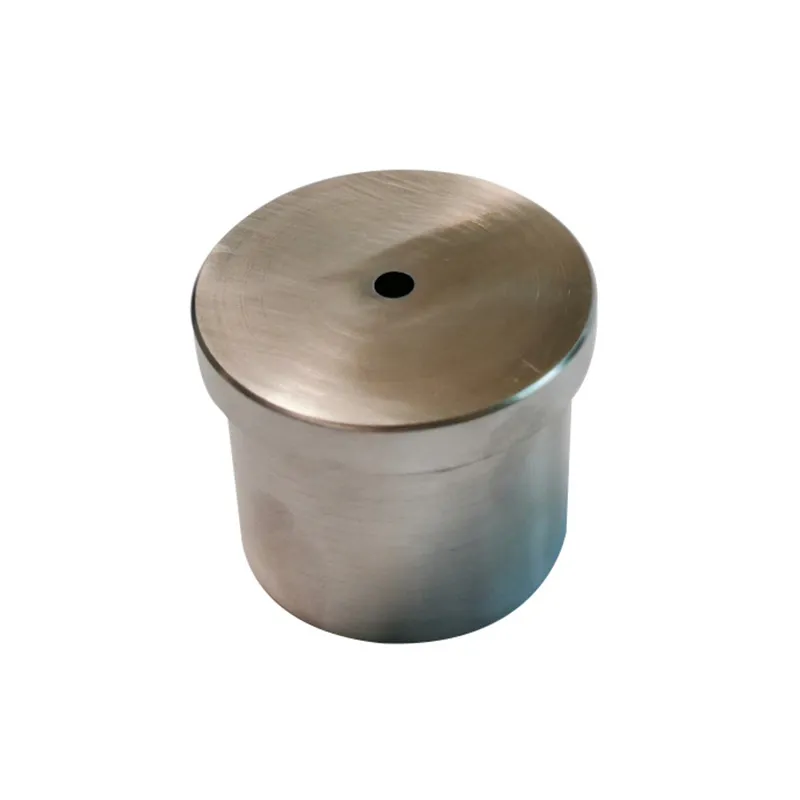
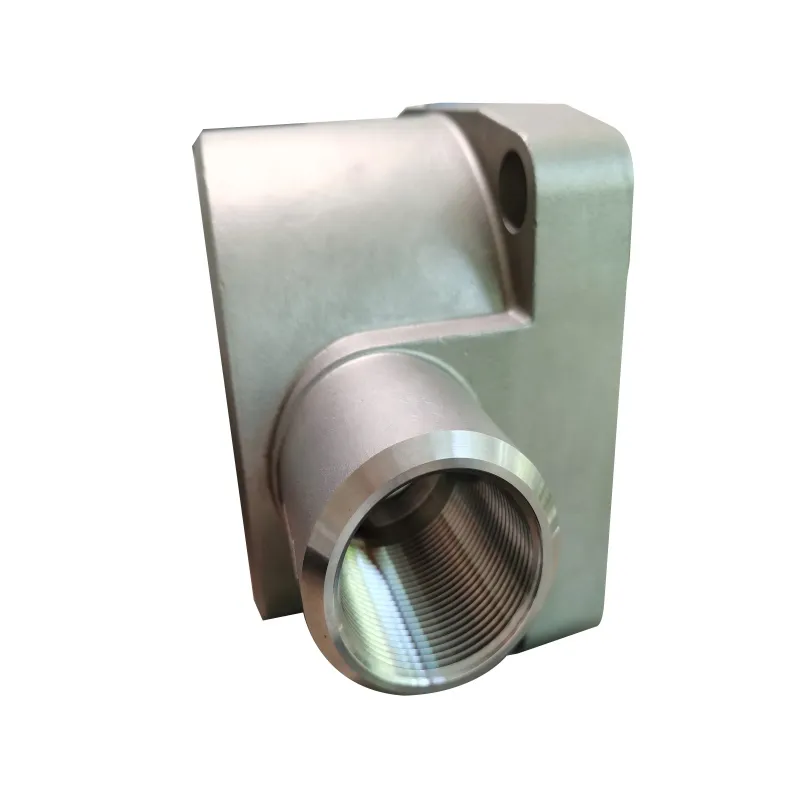
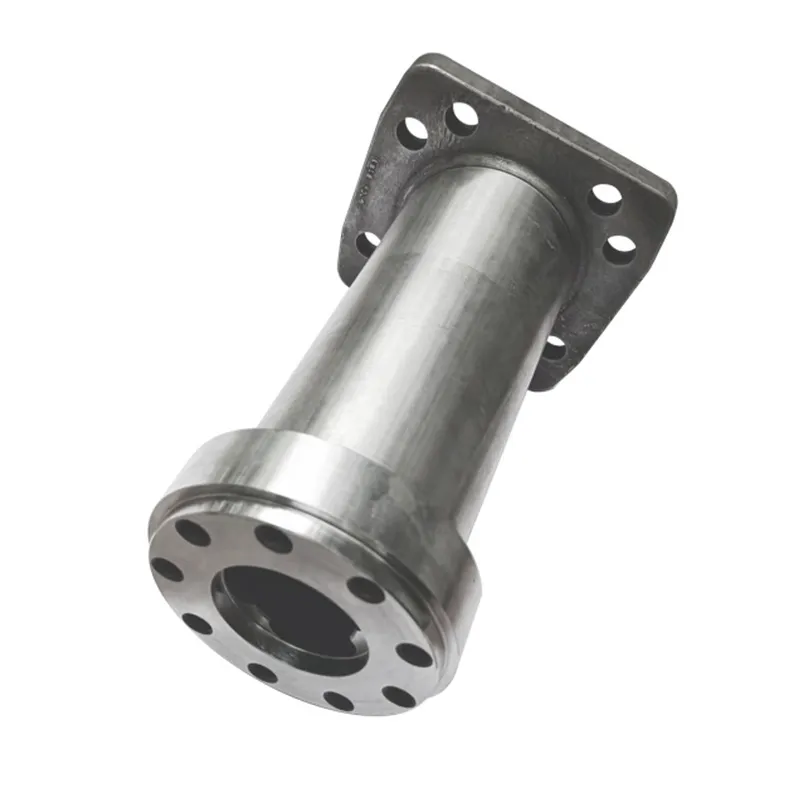
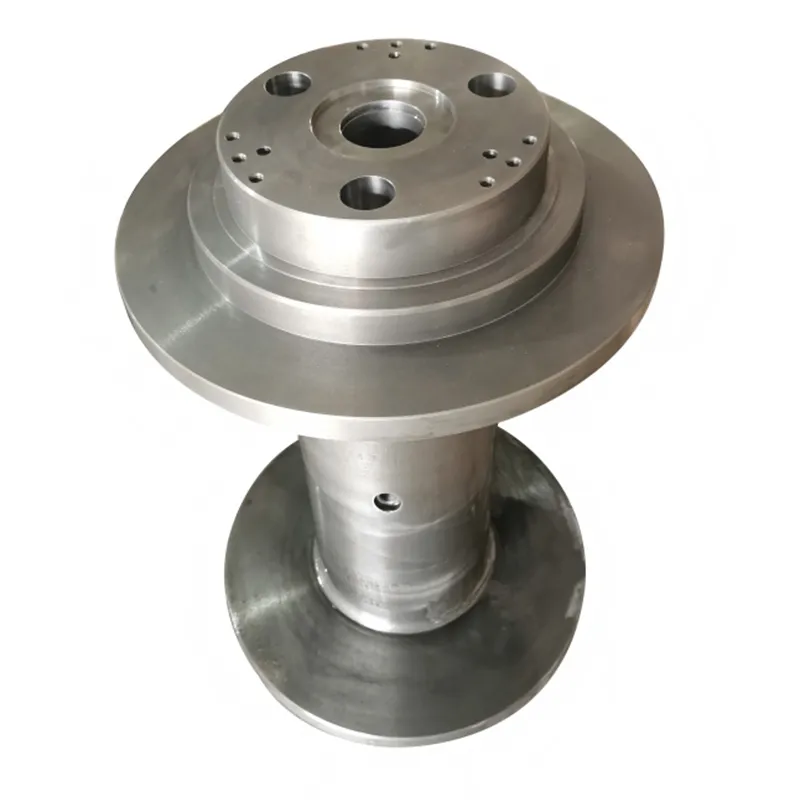
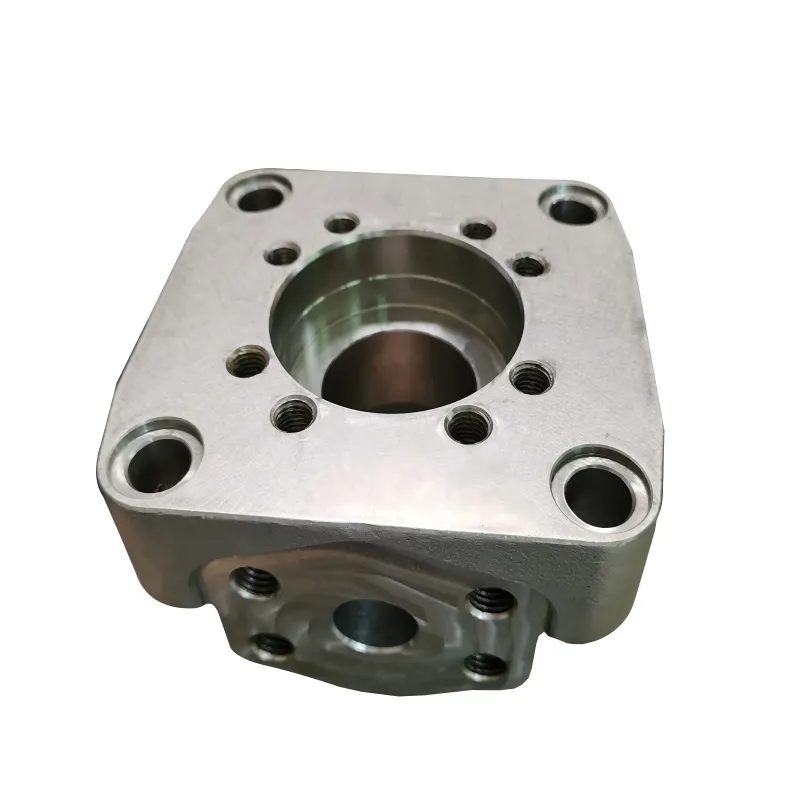
Here's a reality check almost never discussed in basic searches: a raw casting is rarely a finished part. It almost always needs machining. That's why the most effective partners for precision components are those who integrate casting and machining under one roof, or at least have a seamless partnership for it. Dimensional datum faces need to be milled, threads tapped, and tolerances held that are impossible in the casting process alone.
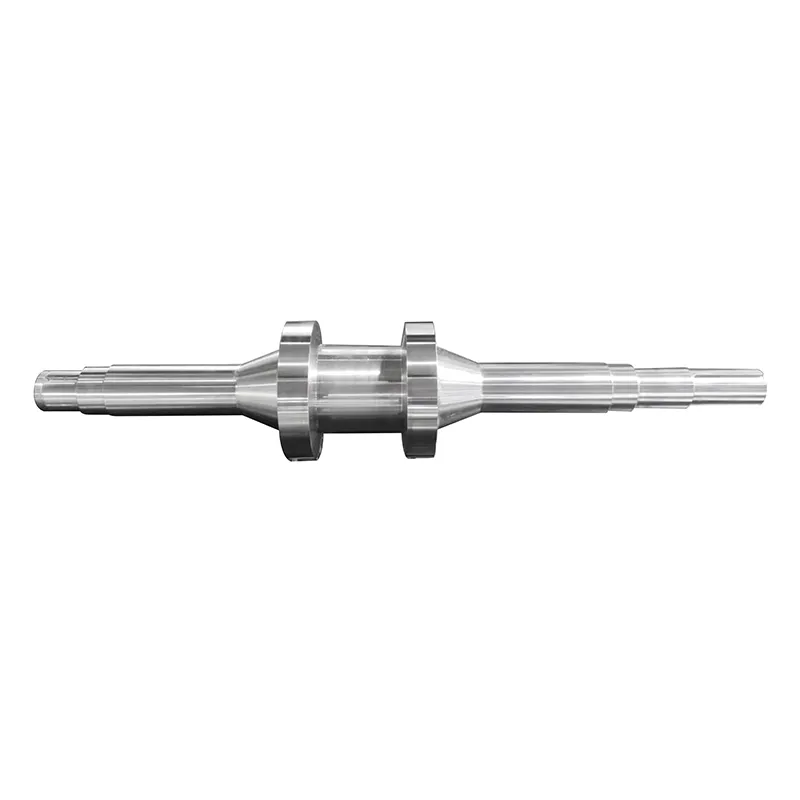
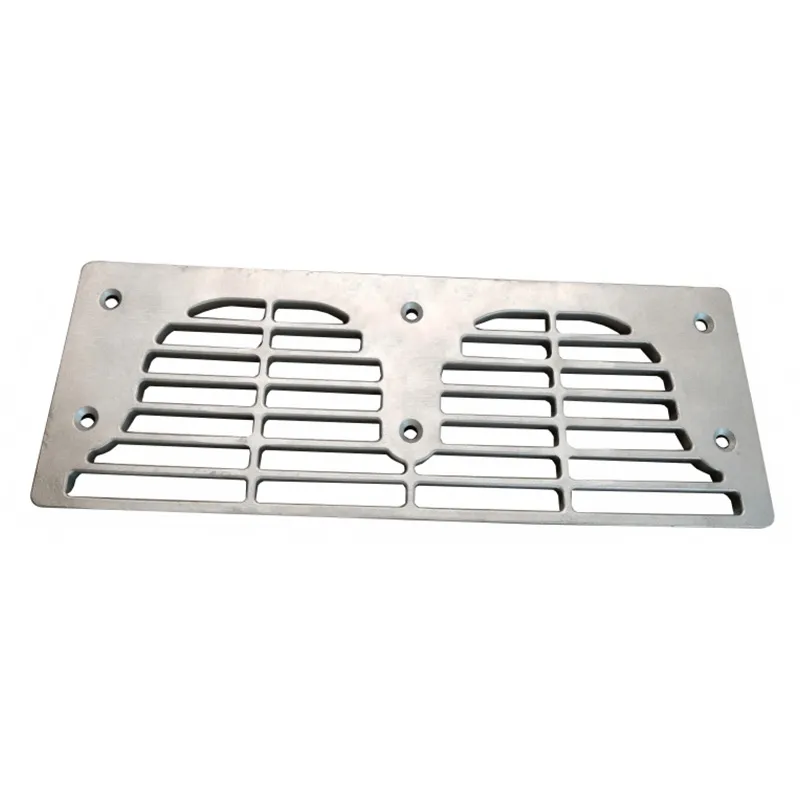
This integration is a massive logistical advantage. It eliminates the blame game between the foundry and the machine shop when a tolerance stack-up occurs. Did the casting warp, or was it clamped too aggressively during milling? An integrated provider like QSY, which lists CNC machining as a core service alongside shell mold and investment casting, controls the entire workflow. This is a huge point that gets missed when just looking for casting. You're not just buying a casting; you're buying a finished, functional component.
The number of times I've had to coordinate shipping wax patterns to a foundry, then the rough castings to a machine shop, then back for heat treat or coating... it's a nightmare of lead times and transportation damage. Finding a source that consolidates these steps is often far more valuable than finding one that's simply geographically close. The near me in terms of supply chain simplicity outweighs the near me in driving distance.
Communication and the First Article Dance
No matter where your supplier is located, the make-or-break factor is communication, especially during the first article approval. This is where the theoretical meets the physical. A good foundry will not just send you a part and an inspection report. They'll call you. They'll point out potential issues on the 3D model before the first wax is even made—undercuts that might complicate mold stripping, section thickness transitions that could cause shrinkage porosity.
This proactive dialogue is the hallmark of a professional operation. It's what you should be listening for when you make that initial inquiry, whether they're down the road or overseas. Do they ask detailed questions about function, load, and environment? Or do they just quote a price per kilogram? The investment casting process is iterative by nature. The first wax pattern might need tweaking. The gating system might need adjustment. You need a partner who sees this as collaboration, not a nuisance.
I've had both experiences. The bad ones send you a part that clearly doesn't match the print and ask, Is this okay? The good ones, even if they're a continent away, will schedule a video call, put the part under a digital height gauge on camera, and walk through every critical dimension, explaining any deviations and their proposed solutions. That level of engagement makes them feel near, regardless of time zones.
So, What's the Real Search Strategy?
Forget just lost wax casting near me. Start with precision investment casting with CNC machining for [your material]. Look for technical depth on websites. A site like tsingtaocnc.com that details processes (shell mold vs. investment), materials (cast iron, steel, stainless, special alloys), and secondary services shows they're targeting an informed audience, not just casting a wide net.
Then, evaluate communication. Send a detailed RFQ with a critical dimension called out. See if their questions back to you are technical. Ask about their first article process. Ask for a case study on a part similar in complexity and material to yours. Their ability to provide this is more telling than their Google Maps review score.
Ultimately, near me is about reducing risk and ensuring a smooth flow of information. Sometimes that is best served by a local workshop. But for demanding industrial applications, the partner with 30 years of experience, integrated machining, and a focus on engineering materials—even if they're not in your metro area—is often the closest thing to a guarantee you'll get. The search is less about distance and more about depth. That's the real find.