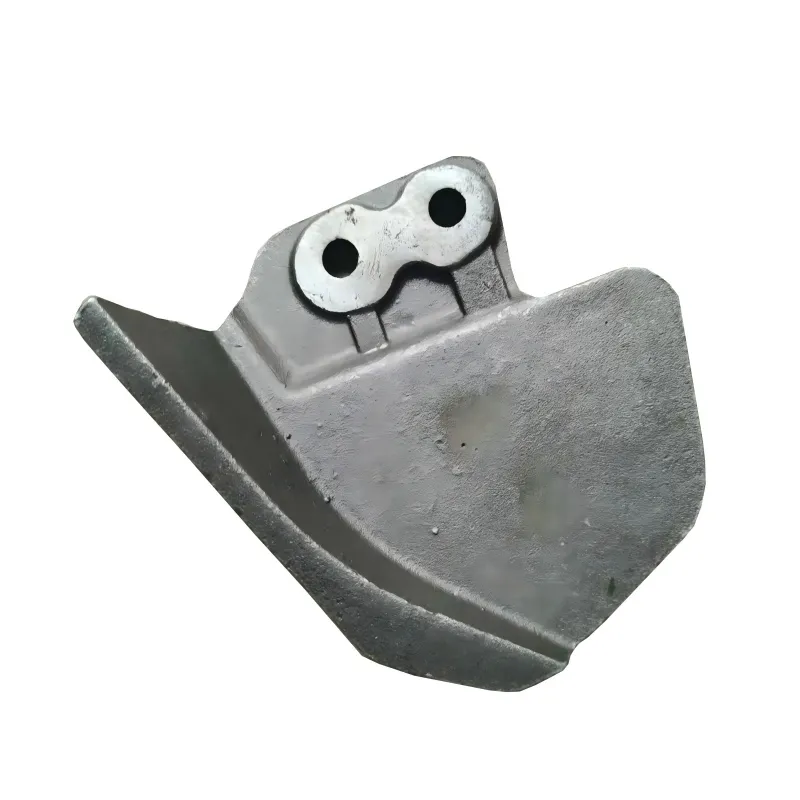
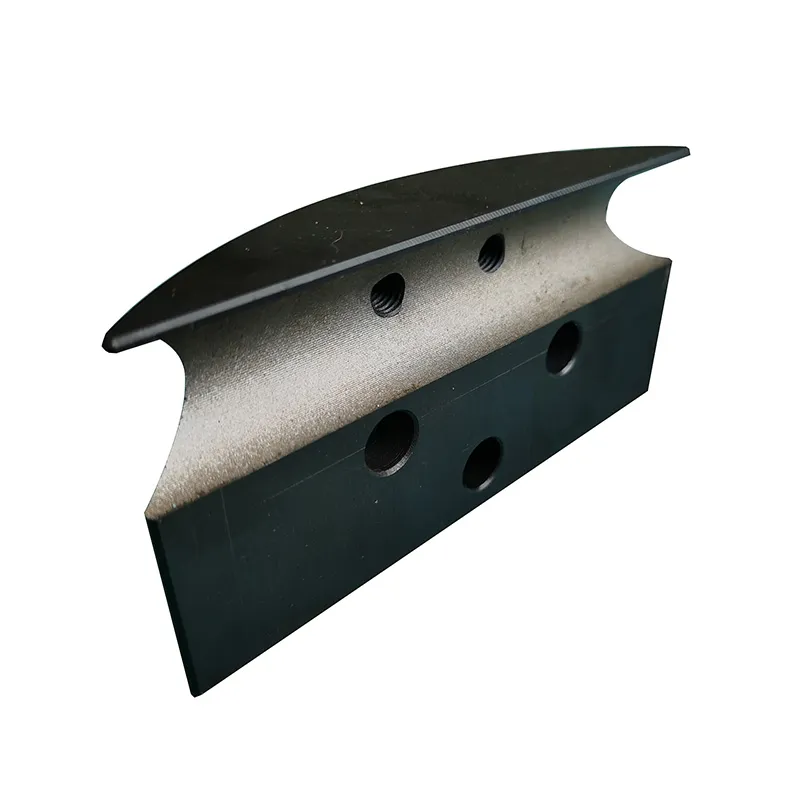
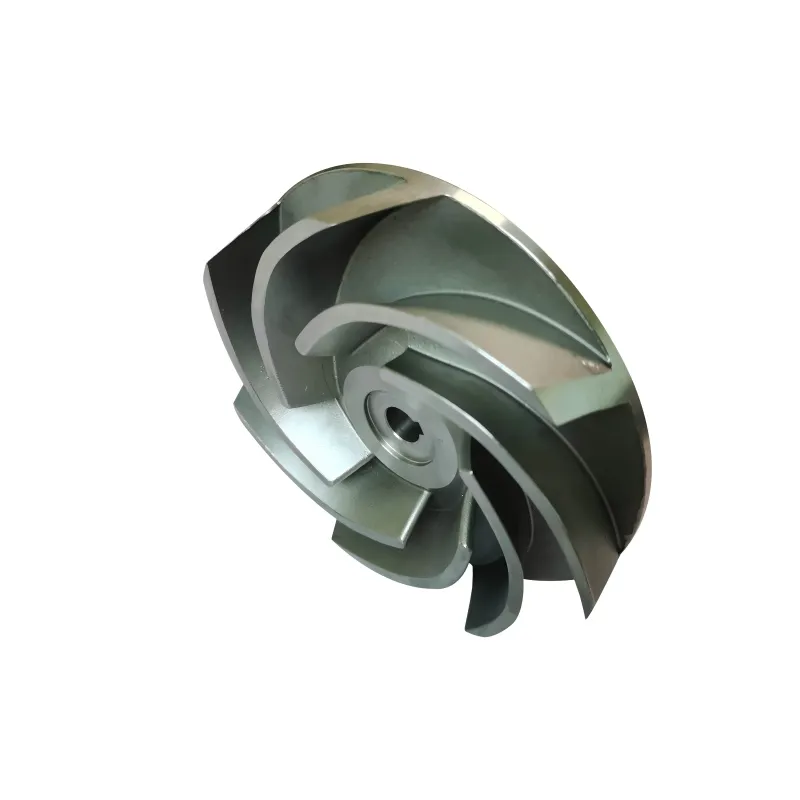
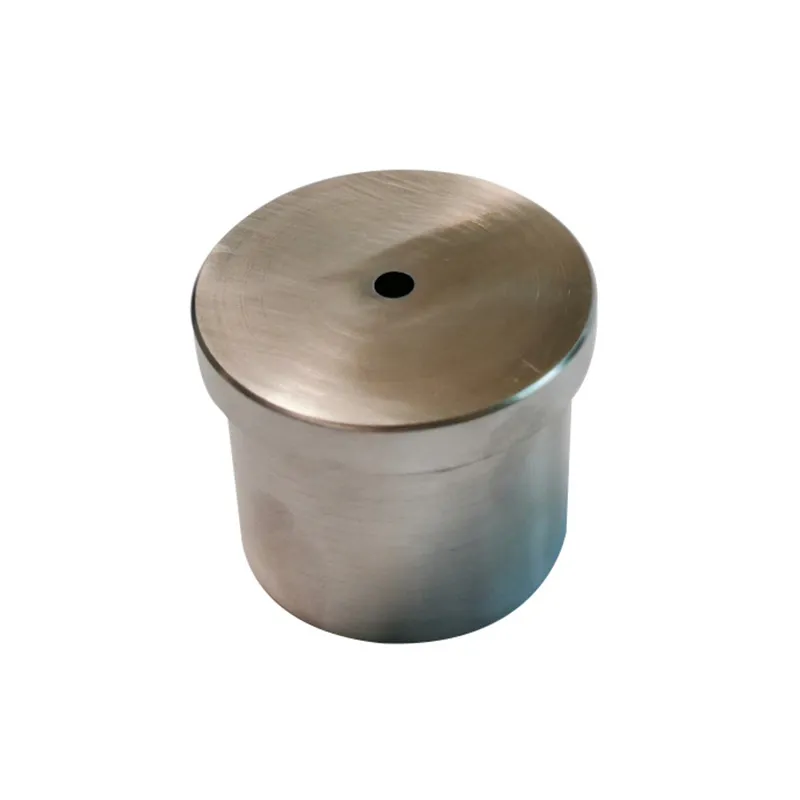
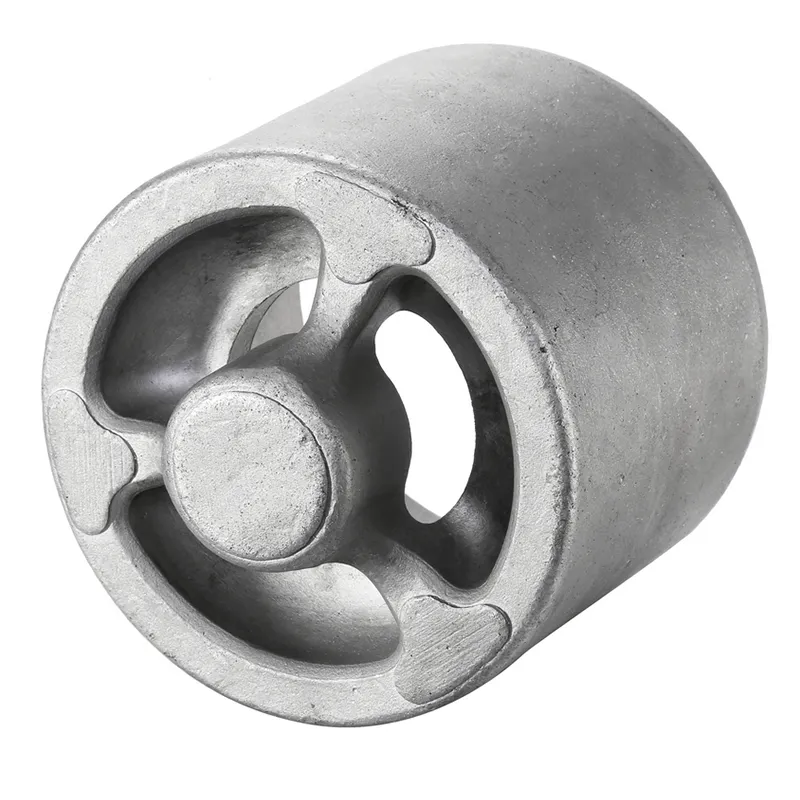
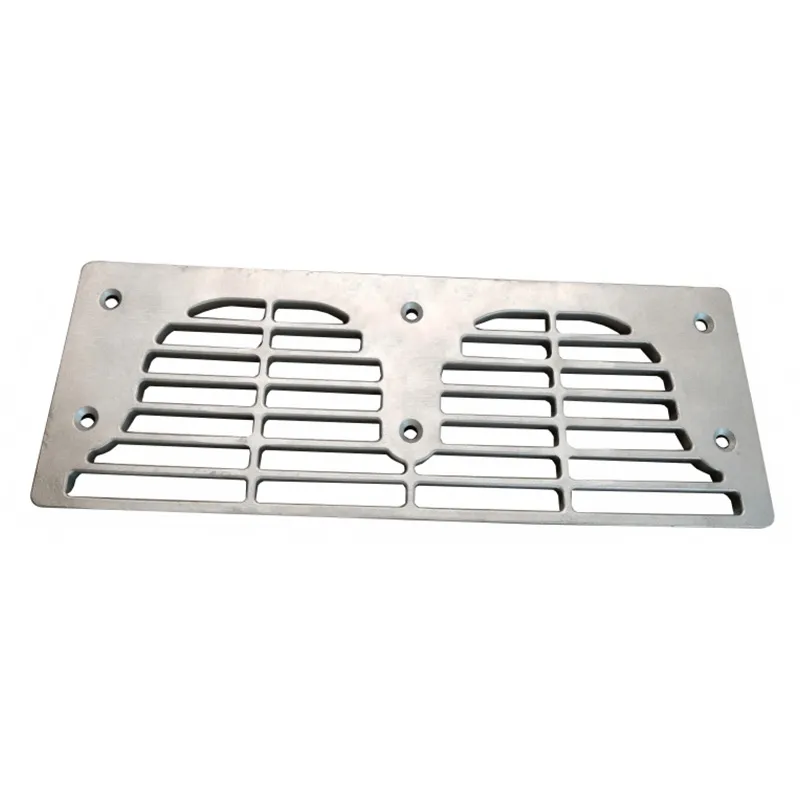
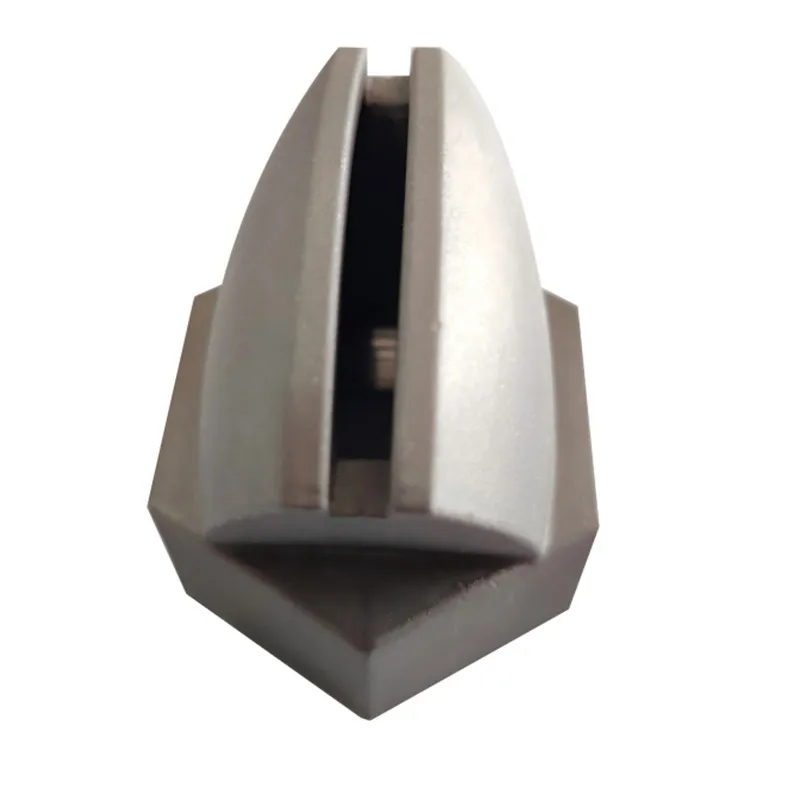
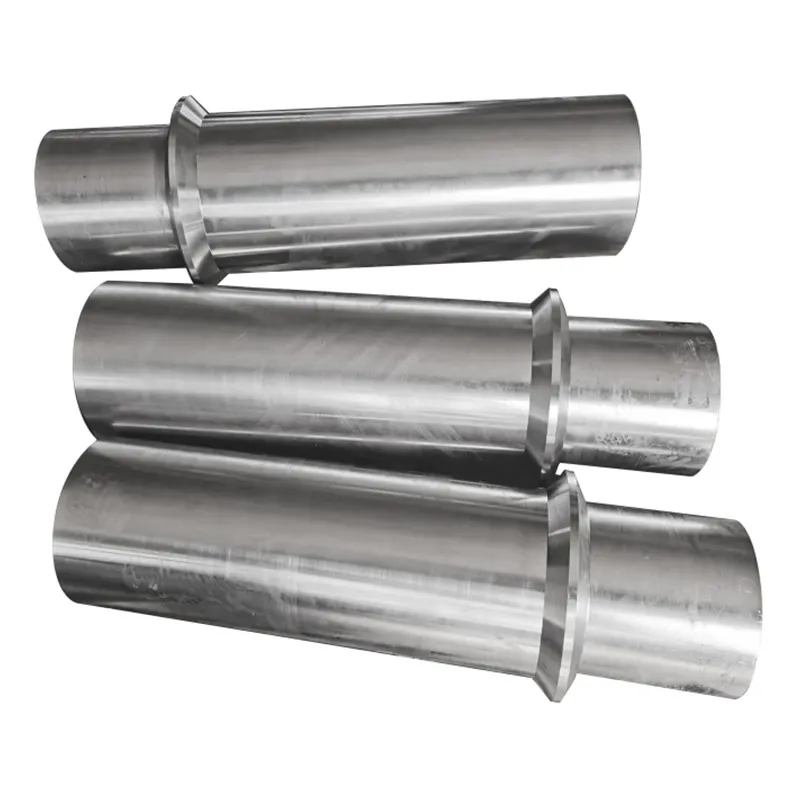
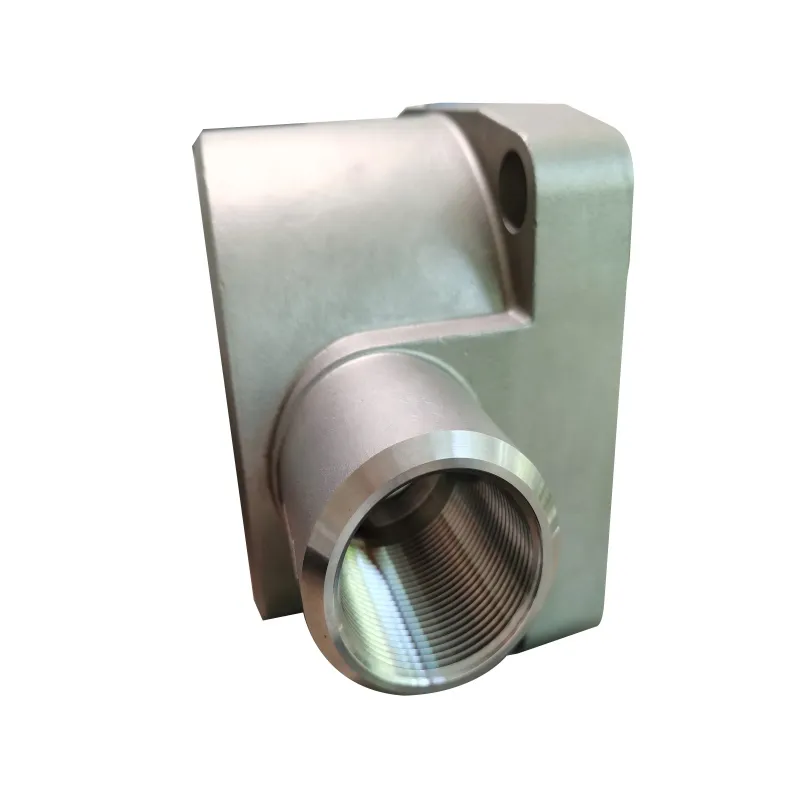
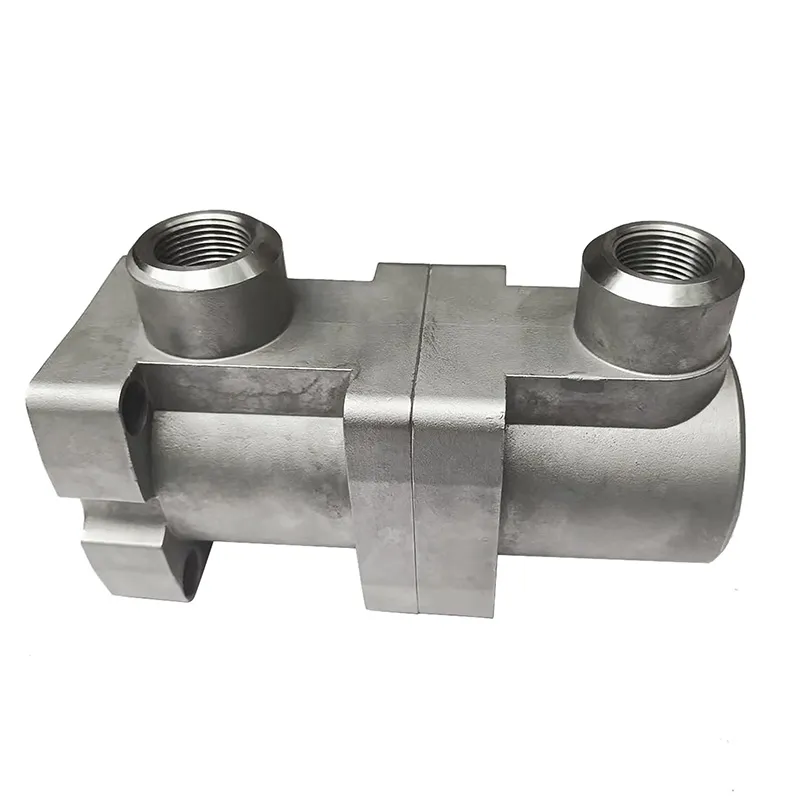
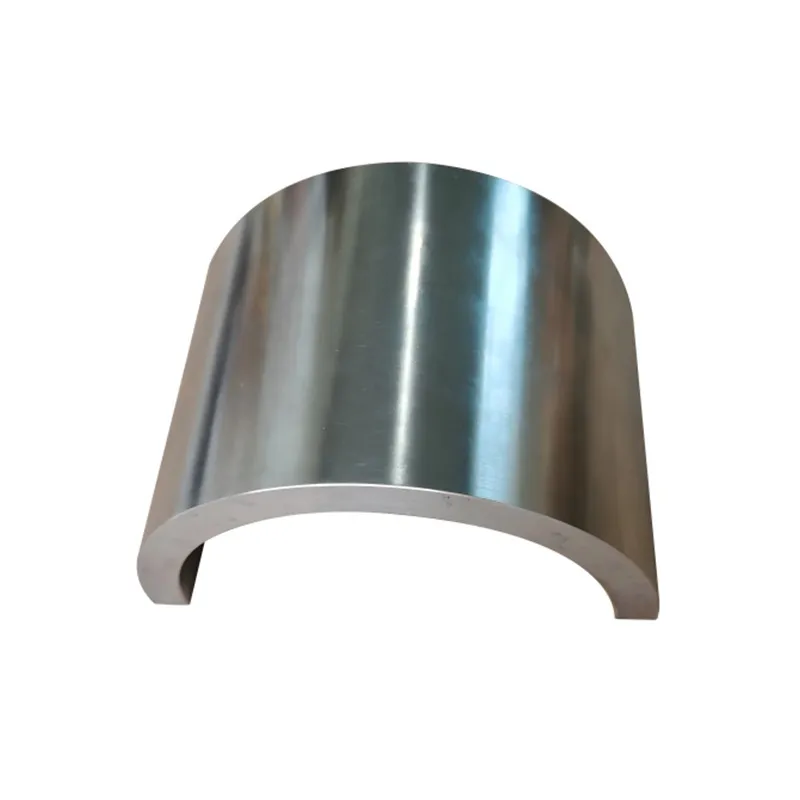
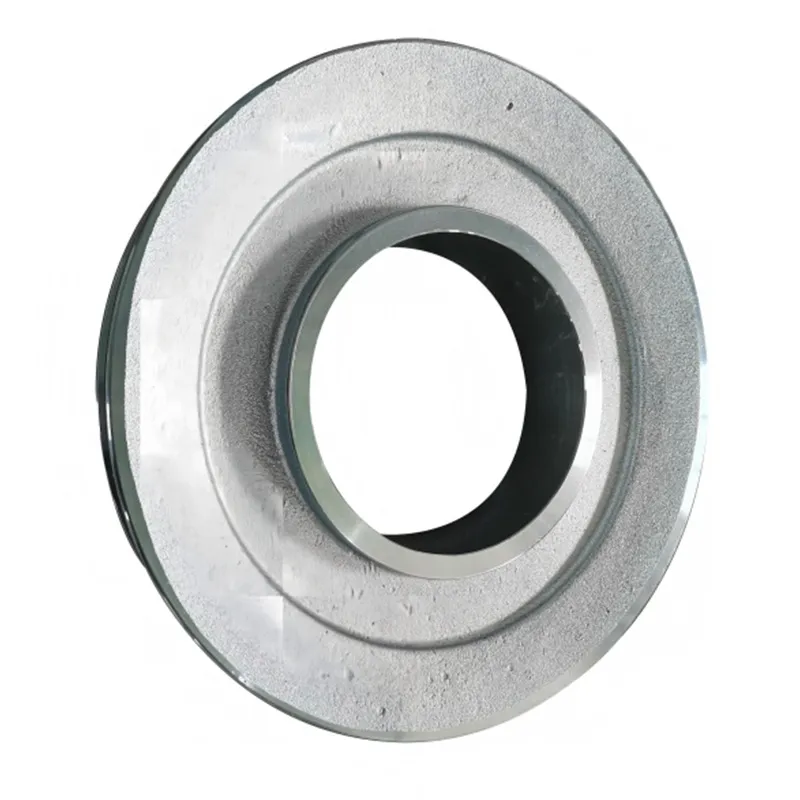
When most people hear 'lost wax casting part', they picture a flawless, intricate metal object fresh from the ceramic shell. That's the marketing image. The reality on the shop floor is a constant negotiation between design ambition, material behavior, and the unforgiving physics of molten metal. It's not just art; it's a controlled compromise.
The Core Illusion and the Gating Reality
The biggest misconception is that wax pattern perfection equals final part perfection. You can spend days crafting a wax model with razor-sharp details, but if the gating system is an afterthought, you're just creating expensive scrap. I've seen it too many times: engineers design a beautiful part, send the CAD file, and assume the foundry's job is just to copy it. The real work starts with designing how the metal will flow, feed, and solidify. That sprue, runner, and riser layout? That's where the battle is won or lost before any metal is even poured.
For instance, with thin-walled stainless steel components, the challenge isn't just filling the cavity. It's preventing mistruns while managing shrinkage porosity in thicker adjoining sections. You can't just scale up the gate size; you might introduce turbulence. It's a puzzle. Sometimes, the solution involves adding sacrificial wax extensions—not part of the final design—solely to act as thermal mass or feeders, which are later machined off. This isn't in any textbook; it's learned from cracked investment casting prototypes.
This is where a foundry's experience becomes tangible. A company like Qingdao Qiangsenyuan Technology Co., Ltd. (QSY), with their three decades in shell mold and investment casting, would have internal playbooks for these scenarios. Their long-term operation suggests they've iterated through countless gating designs for materials from standard steels to tricky nickel-based alloys, turning theoretical risks into procedural knowledge.
Material is Not Just a Selection on a Datasheet
Picking a material like stainless steel 316 or cobalt-based alloy for a lost wax casting part is just the opening move. The alloy's behavior during the investment casting process dictates everything from pre-heat temperatures to shakeout timing. 304 versus 316 stainless, for example, isn't just about corrosion resistance; they have different solidification patterns. The 316 tends to be more forgiving with hot tearing, but it's also more viscous when molten, demanding adjustments to pouring temperature and speed.
Working with special alloys, like the nickel or cobalt-based ones QSY mentions, amplifies this. These are often for high-stress, high-temperature applications—think turbine blades or valve components. The cost of the raw material alone makes trial-and-error prohibitive. The wax pattern, shell formulation, and firing cycle all need to be tuned. A shell that works perfectly for carbon steel might cause a reaction layer or micro-cracking with a reactive nickel alloy. You learn to respect the material's personality, not just its spec sheet properties.
A failure I recall involved a monel part. The casting looked sound, but during machining, a network of fine cracks appeared just subsurface. The culprit? The shell was too impermeable, trapping gases during the pour. The solution was adjusting the stucco sand in the primary coats to create a more venting-friendly shell. It was a subtle, almost invisible factor in the process that had a catastrophic effect on the final lost wax casting part.
The Handoff: When Casting Meets CNC Machining
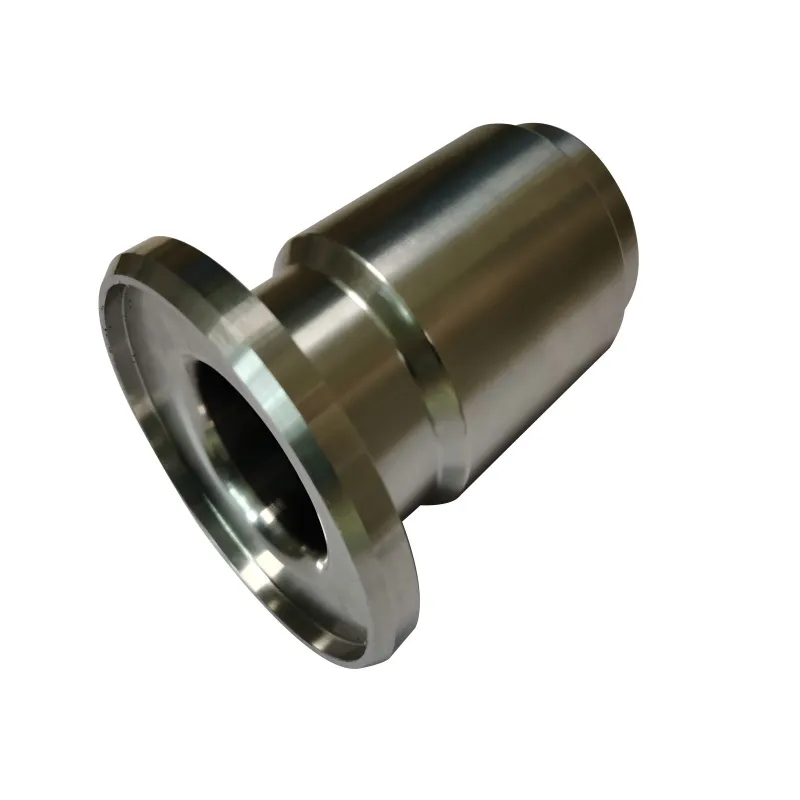
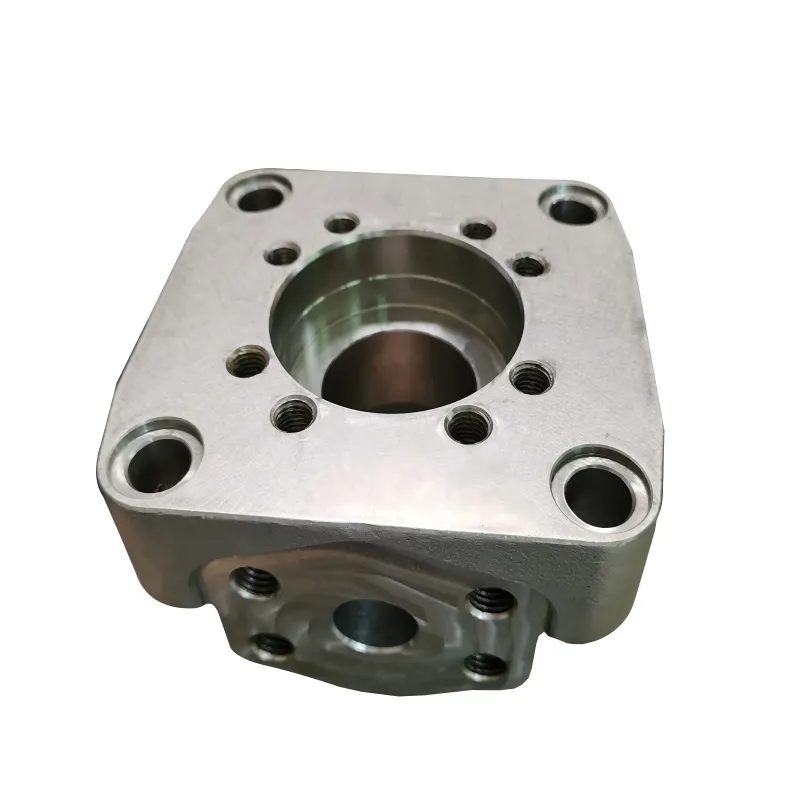
This is a critical juncture that many clients underestimate. No investment casting comes out ready to install, regardless of the net-shape claims. There are always gate remnants, parting lines, and surface areas requiring precision machining. The seamlessness between the casting floor and the machining department is what defines a quality supplier. If the machinists are constantly fighting to locate a datum point because the casting has unpredictable internal stress distortion, you've got a systemic problem.
The integration QSY highlights—offering both casting and CNC machining—isn't just a service bundling; it's a quality control strategy. When the same entity handles both, they can design the casting process with machining in mind. They might add alignment lugs in the wax pattern that become machining fixtures, or they know exactly how much stock to leave on critical faces based on their own consistent shell expansion. It turns a potential blame game between two vendors into a controlled, internal feedback loop.
I've witnessed projects fail because the casting house and the machine shop weren't communicating. The casting was technically within print tolerance, but the variance made CNC programming a nightmare, blowing the budget. A vertically integrated operation mitigates that. They can say, For this turbine blade root form, we need an extra 0.5mm on this face for our standard clean-up pass, and bake it into the wax die design from day one.
The Shell: The Silent Dictator
While wax gets the attention, the ceramic shell is the unsung hero—or the hidden villain—of every lost wax casting. Shell mold casting, or the ceramic shell process in investment casting, is a multi-day ritual of dipping, stuccoing, and drying. Each layer's thickness, density, and thermal properties matter. Too few layers, and the shell cracks during the pour. Too many, and it becomes so insulating it alters the solidification rate, leading to shrinkage defects.
The choice of binder and refractory material changes based on the metal being poured. For high-temperature alloys, a zircon-based face coat is common to prevent chemical interaction. The drying environment (humidity, temperature) between coats is crucial. Rushing this stage guarantees shell weakness. It's a process that resists automation in its finer points; it requires technicians who can read the shell's color and sound when tapped.
An example from aerospace work: for a thin, elongated aluminum part, we used a hybrid shell with a fiber-reinforced backup layer to provide green strength during dewaxing, but a very fine prime coat to capture surface detail. It was a custom recipe developed after several iterations where parts would warp or crack during the autoclave dewax. The shell recipe is often a foundry's most guarded intellectual property.
Economics of Scale and One-Offs
There's a pervasive idea that lost wax casting is only for mass production. Not true. While the initial tooling (metal dies for wax injection) is an investment, the process is incredibly flexible for low volumes and prototypes. You can even machine a master pattern from plastic or wood, make a silicone mold, and produce wax patterns manually for a handful of parts. The break-even point versus sand casting or fabrication comes down to geometric complexity and required finish.
For a complex manifold that would require multiple welded sections and extensive internal machining, a single investment casting might be cheaper even as a one-off, when you factor in total labor. The cost isn't just in the metal; it's in the avoided machining hours and assembly. A foundry like QSY, operating at scale, likely has systems to efficiently handle both large batch orders for pump impellers and small-run, developmental projects for special alloy components, using flexible tooling strategies.
The real economic pitfall is mid-process changes. Altering the part design after the wax injection mold is made is costly. Even a small change can mean scrapping the hardened steel mold and starting over. This is why the upfront collaboration—the design for manufacturability review—is the most valuable phase. It's where experienced foundry engineers can point out, That internal corner radius will cause shrinkage. If we increase it by 1mm, we can guarantee soundness without affecting your function, saving thousands down the line.
Final Thought: It's a Craft Disguised as a Process
At the end of the day, producing a reliable lost wax casting part remains a blend of science and seasoned craft. The CAD models and simulation software get better every year, but they still can't account for the humidity in the air on the day the shell is dried or the subtle variation in alloy melt from a new batch of feedstock. That's where the 30 years of a foundry's history, like QSY's, gets embedded in the parts—not in a logo, but in the consistent grain structure of a pressure-retaining valve body or the flawless surface of a marine fitting.
The goal is never just to make a shape. It's to make a shape that performs under stress, heat, or corrosion, batch after batch. That reliability is built from a thousand small, correct decisions made from the wax room to the heat treat furnace. It's messy, iterative, and far from the shiny brochure image, but that's what makes a functional, high-integrity metal part.