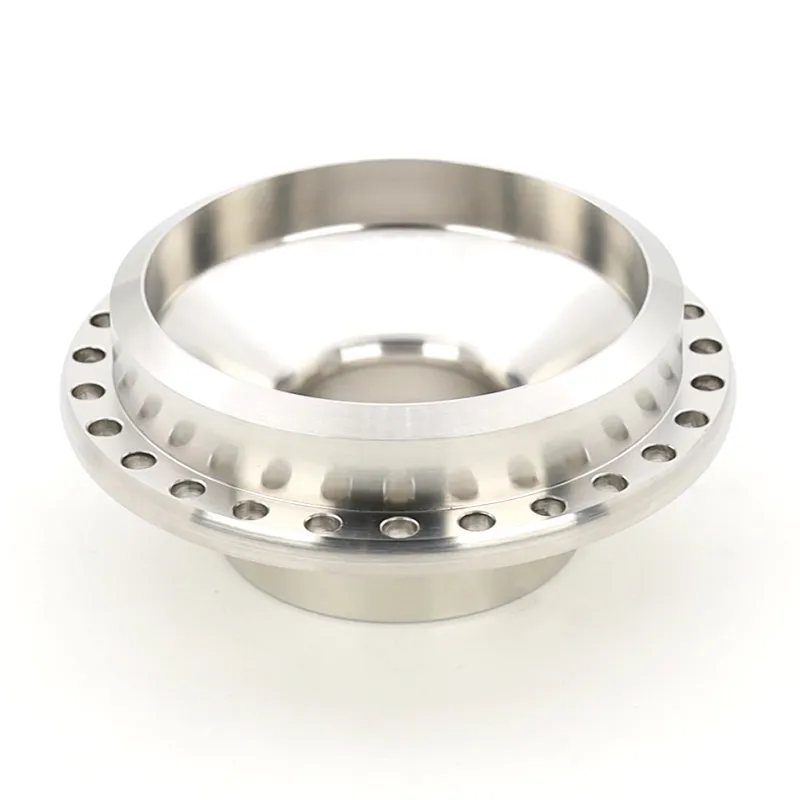
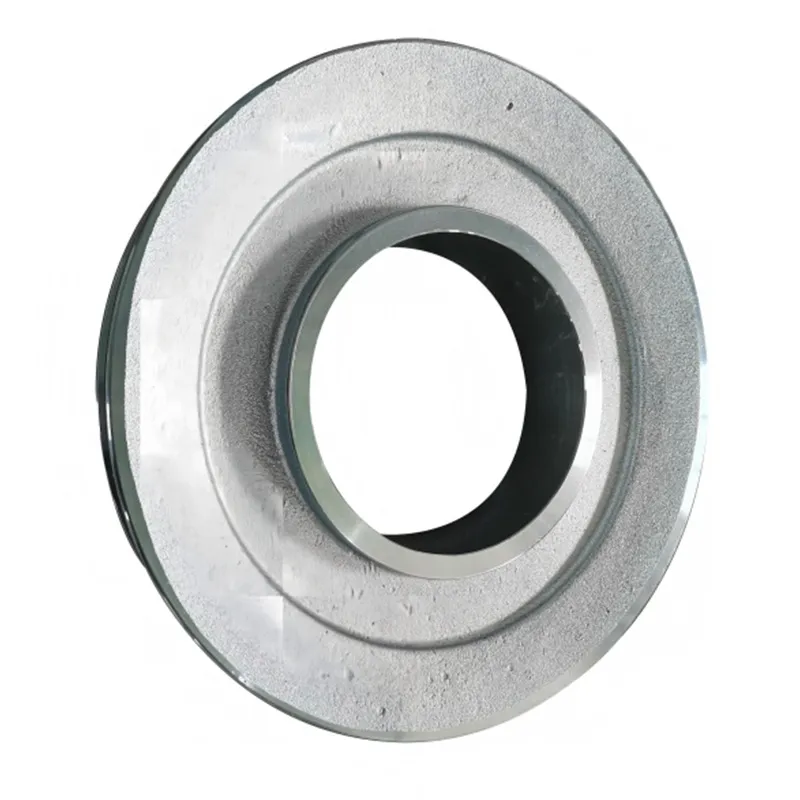
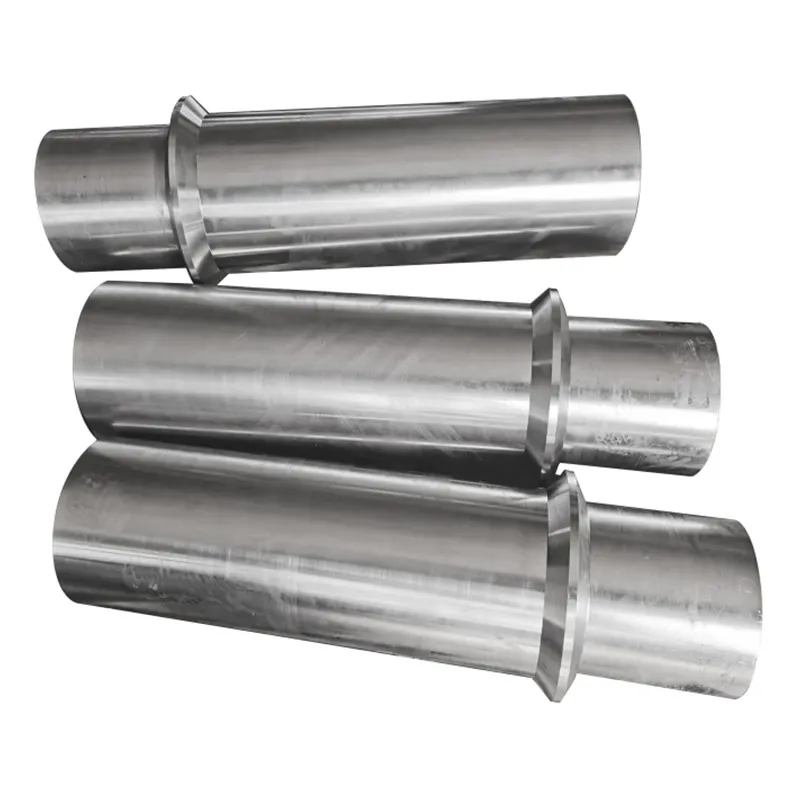
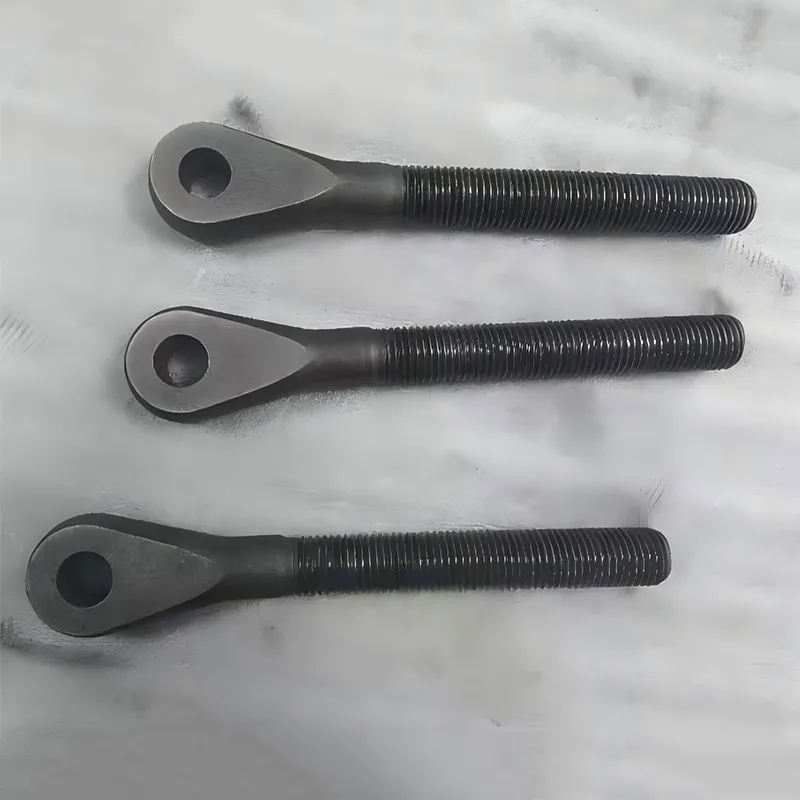
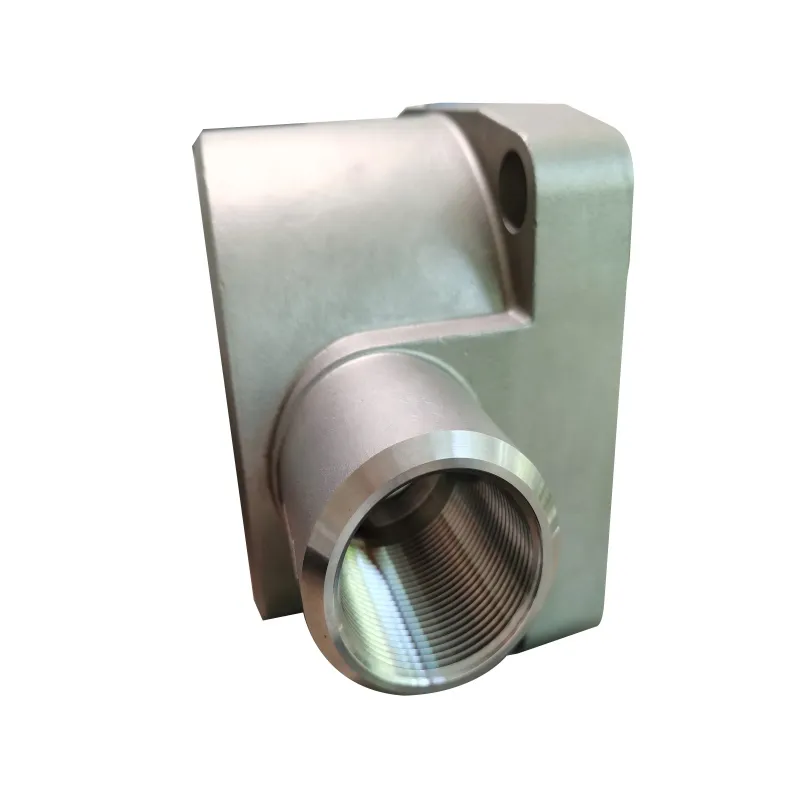
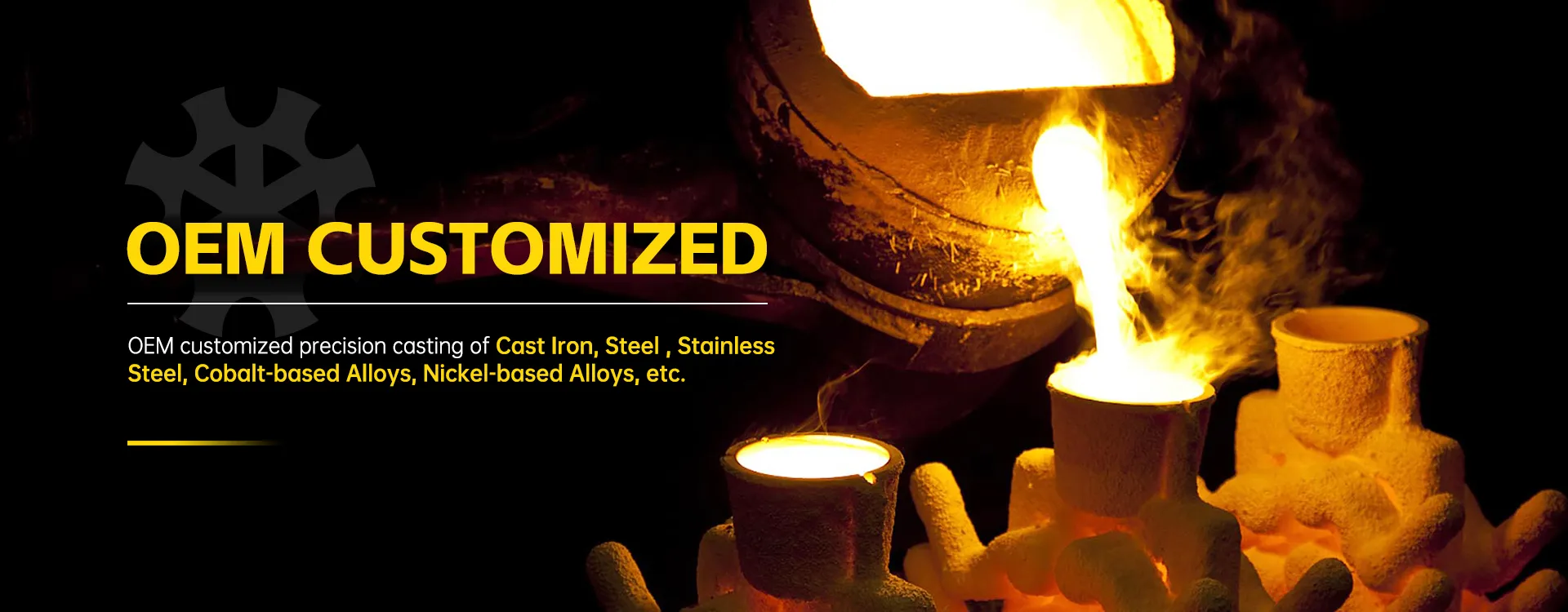
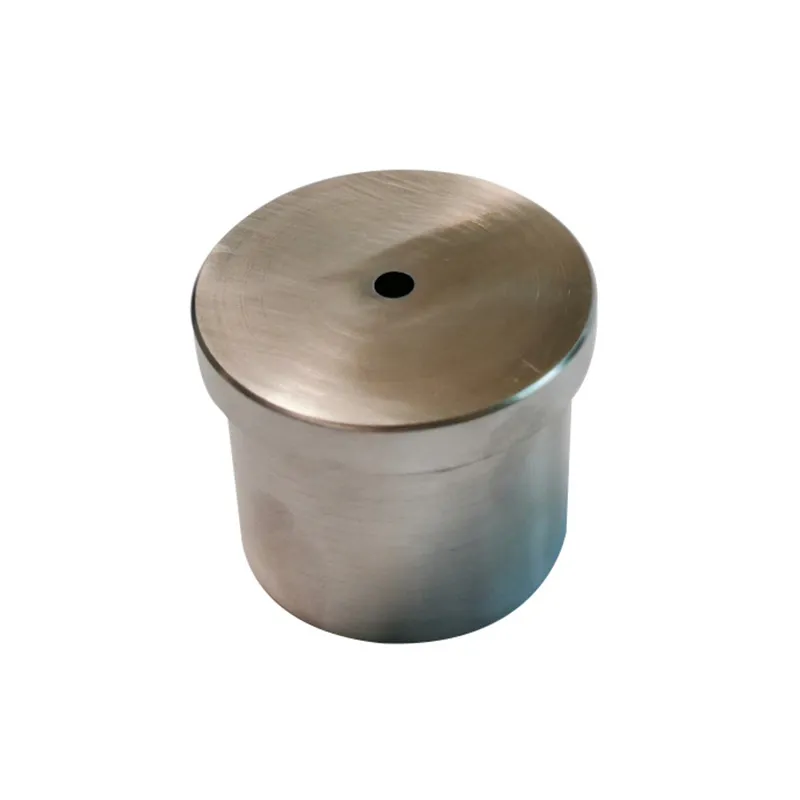
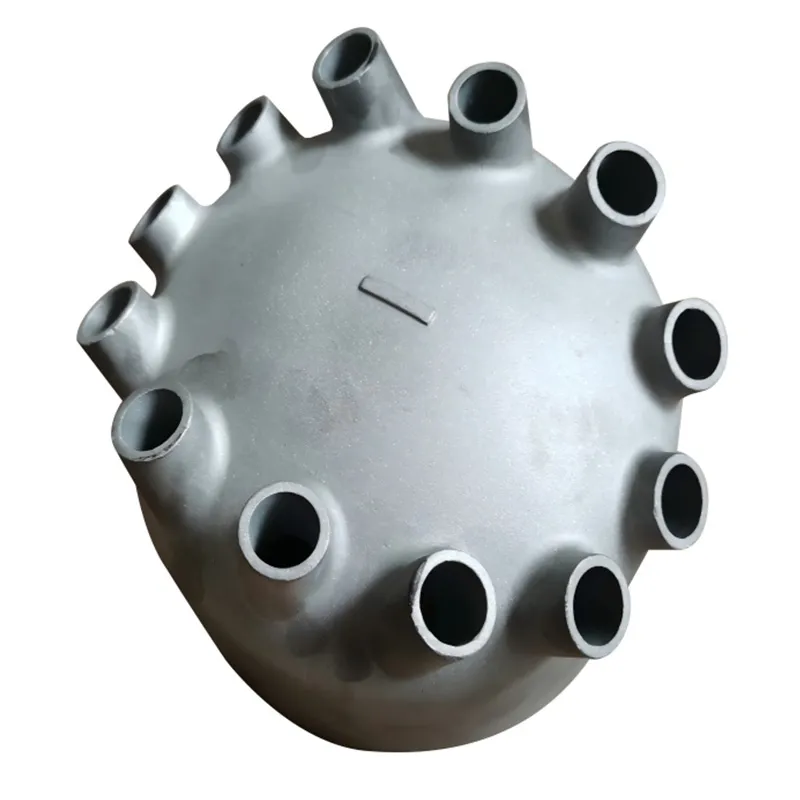
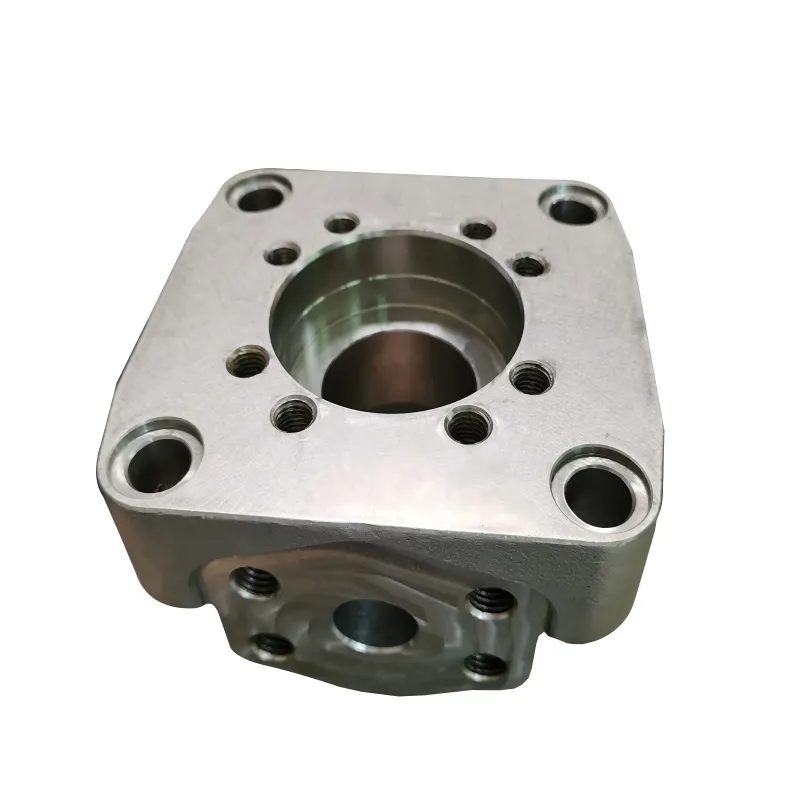
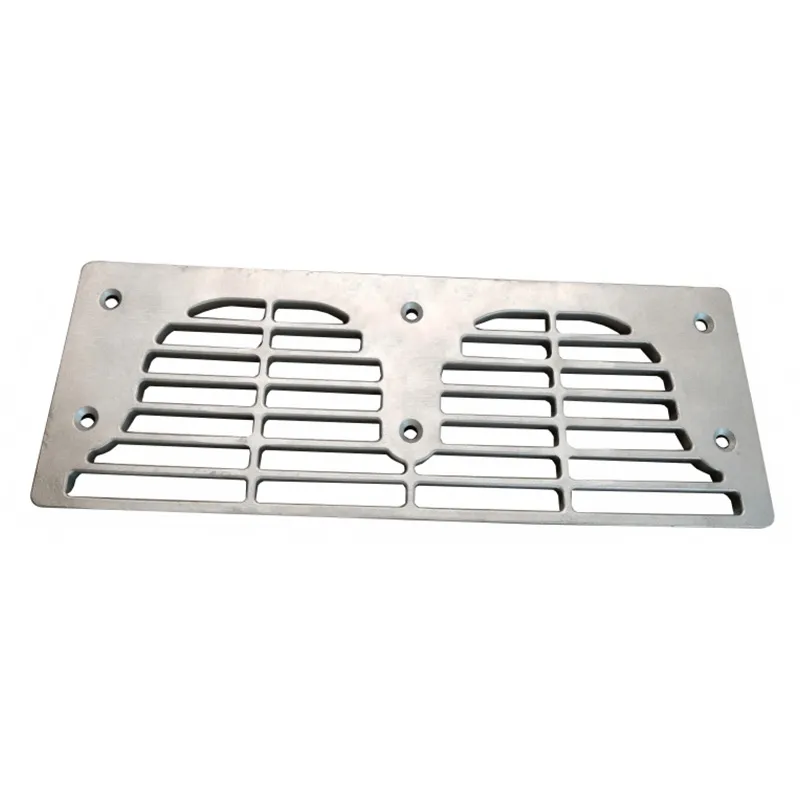
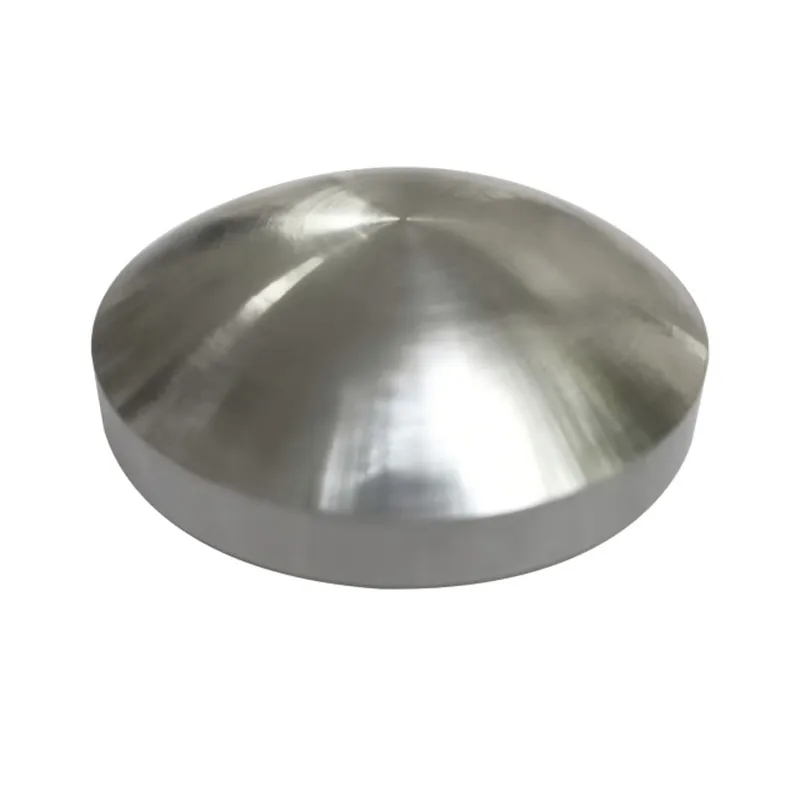
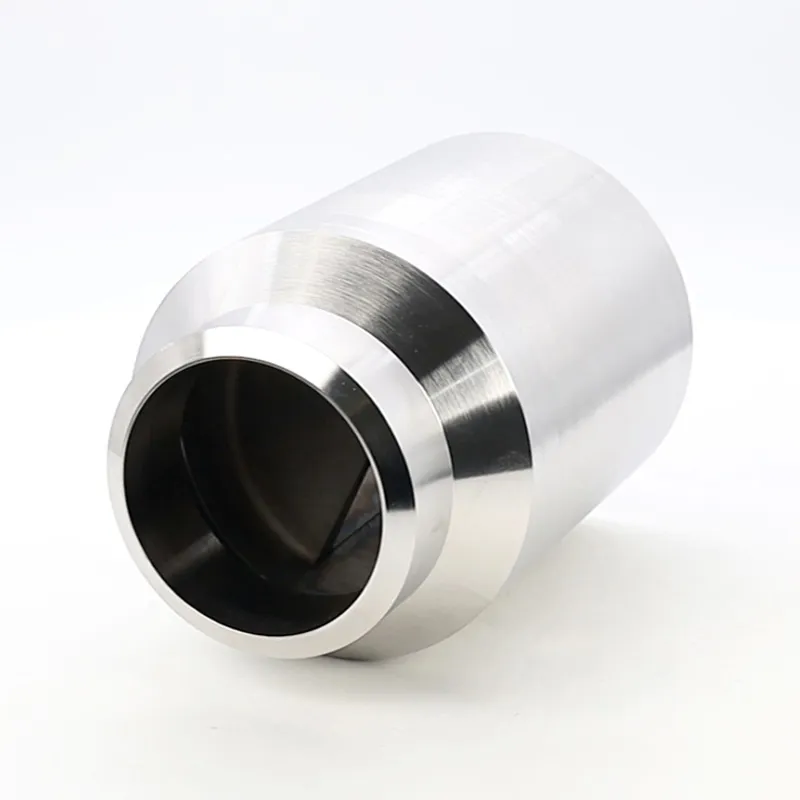
When most people hear 'lost wax casting parts', they picture those flawless, shiny turbine blades or intricate art pieces. That's the marketing gloss. The reality on the foundry floor is a grittier story of ceramic slurry viscosity, thermal expansion mismatches, and the constant fight against inclusions. The biggest misconception? That it's a one-size-fits-all precision process. It's not. The tolerance you can hold on a small stainless steel surgical tool is a world away from what's achievable with a large nickel-based alloy pump housing, even using the same basic lost wax casting principle. The devil is entirely in the details they don't put in the brochure.
The Core Illusion: As-Cast Finish
Clients often request as-cast finish, thinking it saves cost. What they usually mean is they want no machining. But in practice, a true as-cast surface from the investment casting process still requires some cleaning—cutting off gates, grinding down stubs. More critically, the surface quality is wholly dependent on the primary coat of the ceramic shell. At our shop, we've spent years dialing in the zircon flour/silica binder ratio and the drying environment. Too fast, you get micro-cracks; too humid, the shell stays weak. I recall a batch of valve bodies where the shell looked perfect, but after dewaxing and firing, a network of hairline cracks appeared. The culprit? A subtle overnight temperature drop during the critical first coat drying phase. The parts weren't scrapped, but they required extensive weld repair, negating any cost benefit.
This ties directly into material choice. People specify 316 stainless for everything corrosive. But for lost wax casting parts that undergo thermal cycling, like exhaust components, the standard 316 formulation can be prone to sigma phase precipitation at the grain boundaries, leading to embrittlement. We often advise clients to consider a modified grade with better thermal stability. It's a nuanced conversation that moves beyond just the casting process into metallurgy.
That's where a foundry's experience counts. A company like Qingdao Qiangsenyuan Technology Co., Ltd. (QSY), with their three decades in casting and machining, has likely seen these failure modes. Their focus on materials like cobalt and nickel-based alloys suggests they deal with high-stress applications where these process nuances are make-or-break. You can't fake that kind of accumulated, sometimes painful, knowledge.
Precision is a Journey, Not a Guarantee
The term precision investment casting is bandied about loosely. True precision is a chain of steps, each introducing potential error. The wax pattern injection is the first critical link. We learned this the hard way with a complex manifold. The CAD model was perfect. The aluminum tooling was precise. But during wax injection, we didn't account for the differential shrinkage across thick and thin sections, leading to warpage that only became apparent after the ceramic shell was built. The result? Cast parts that were dimensionally out of spec, not from the metal pouring, but from the very first wax pattern. It was a humbling lesson that forced us to build shrinkage allowances into the tool design based on the specific wax blend we use, something you only learn through iterative, costly failure.
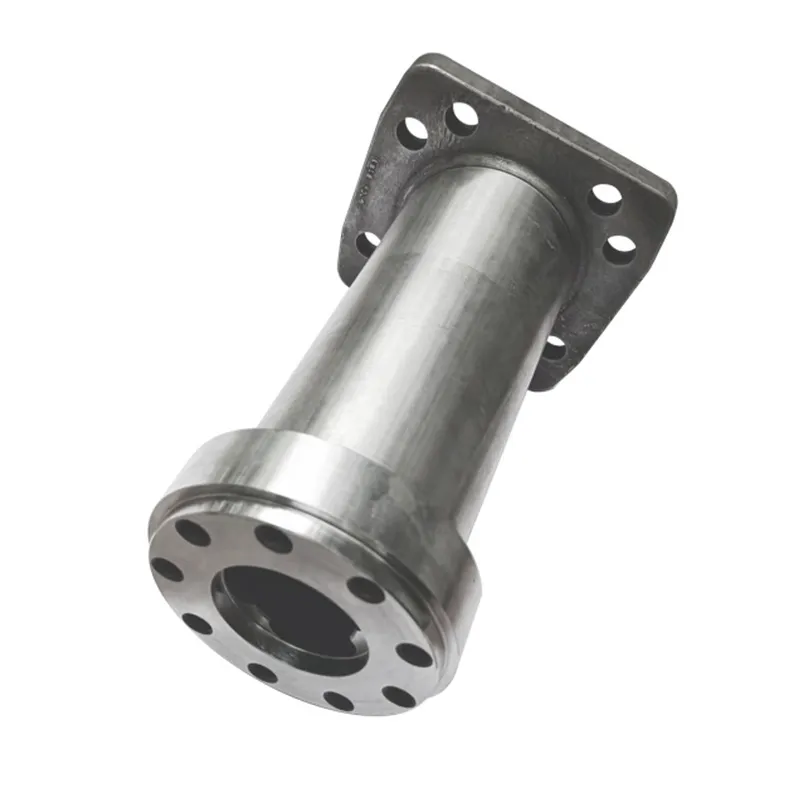
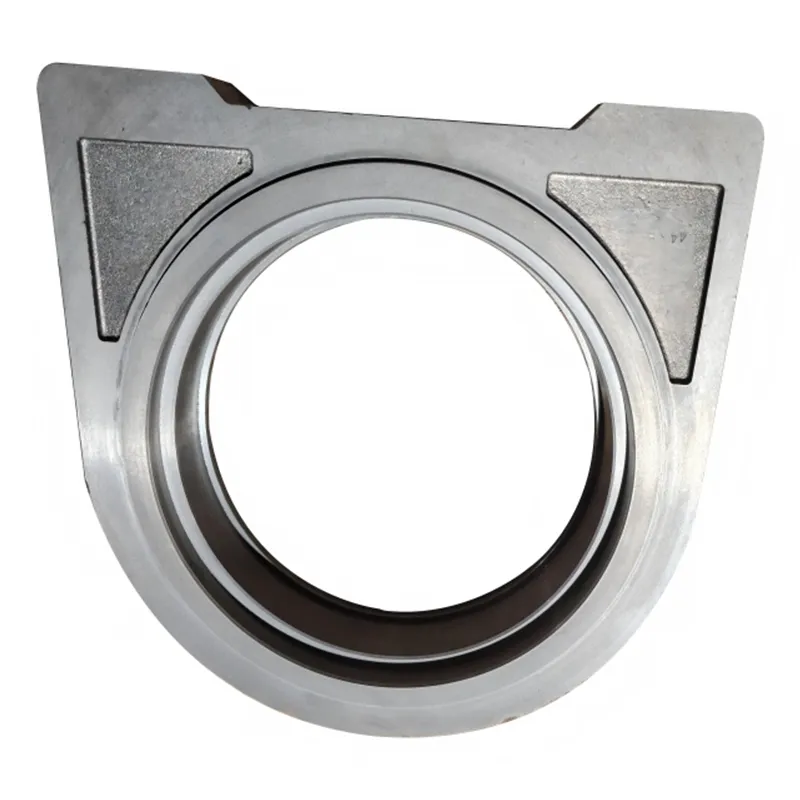
This is why the integration of CNC machining, as offered by integrated suppliers like QSY, is so crucial. The casting gets you 95% there, often with critical surfaces left as stock. The CNC finishing ensures the final dimensions and seals the surface integrity. For a high-pressure valve seat or a turbine blade root form, that machining step isn't optional; it's where the part actually becomes functional. Trying to achieve that directly from the mold is a fool's errand for most engineering components.
Another often-overlooked factor is gating and risering design for different alloys. A steel casting needs a different feeding system than a nickel-based superalloy due to differences in solidification range and shrinkage behavior. I've seen designs copied from a steel part to a monel part that led to severe centerline shrinkage. The shell mold casting process provides excellent definition, but it doesn't compensate for poor solidification engineering. You need a team that understands the material's behavior in the mold, not just how to make the mold itself.
The Alloy Gambit: When Special Means Problematic
Working with special alloys like cobalt or nickel-based ones is where investment casting truly shines, but also where it gets fiendishly difficult. These materials are often specified for extreme environments—high heat, corrosion, wear. The casting process must preserve their properties. A common pitfall is contamination during melting and pouring. Even a trace of certain elements can dramatically alter performance. We maintain dedicated furnaces for specific alloy families to avoid cross-contamination. It's a capital-intensive practice, but non-negotiable.
Post-casting heat treatment is another minefield. For many of these alloys, the as-cast microstructure is not the service microstructure. Solution treating, aging, HIPping (Hot Isostatic Pressing)—these processes are required to develop the needed tensile strength or creep resistance. The catch? They can also induce distortion or surface scaling. We once had a batch of Inconel parts that met all dimensional checks after casting but warped beyond salvage during the solution treatment cycle. The fix involved designing custom ceramic setters to support the parts during the furnace cycle, a solution born from that failure. This level of problem-solving is what separates a parts vendor from a true manufacturing partner.
This aligns with the capabilities hinted at by a supplier like QSY. Listing those specific alloys isn't just a menu; it's a statement of controlled processing infrastructure. Anyone can melt stainless steel. Handling nickel-based alloys consistently requires a different level of process discipline and quality control, from charge makeup to final inspection.
The Integration Imperative: Casting Isn't an Island
No part exists as just a casting. It needs threads, bolt holes, sealing surfaces, often to very tight tolerances. This is where the old model of sending castings out to a machine shop falls apart. Dimensional reference points get lost, coordination leads to delays. Having CNC machining in-house, under the same quality umbrella, is a massive advantage. It allows for a coordinated process: the casting can be designed with machining fixtures in mind, and critical datums can be cast-in features to be cleaned up on the CNC.
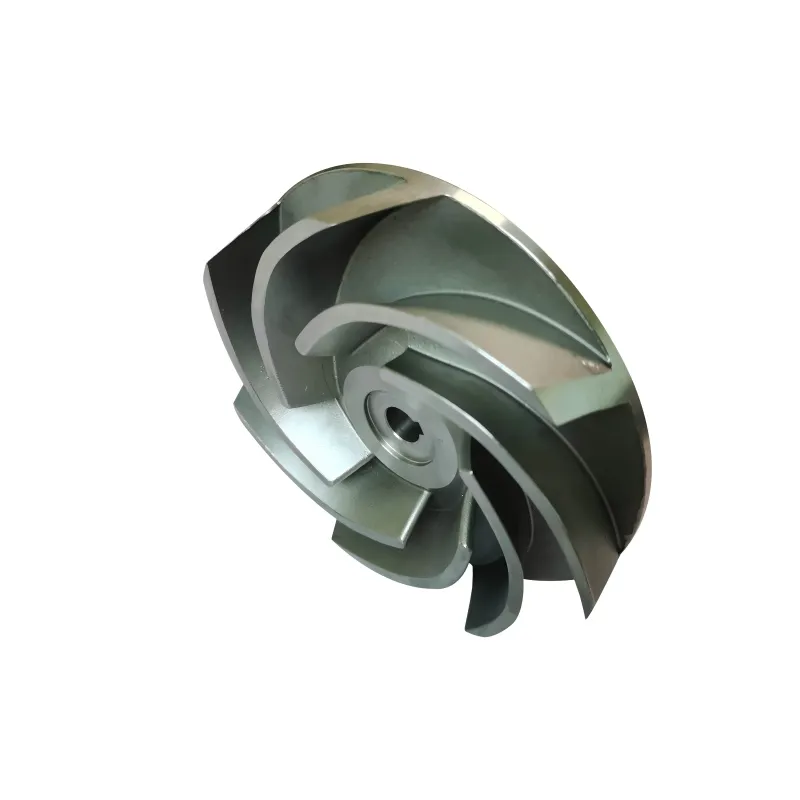
I think of a pump impeller we produce. The casting gives us the complex vane geometry. But the bore, the face seal, and the keyway are all CNC machined. By doing it all, we can guarantee the concentricity between the cast vanes and the machined bore—a critical factor for balance and performance. Trying to achieve this by shipping a raw casting to a third party would be a quality nightmare.
This is the practical value of a vertically integrated operation. It's not just about convenience; it's about preserving the design intent through the entire manufacturing chain. For an engineer sourcing components, this reduces risk significantly. You're dealing with one point of responsibility for the entire geometry, from the lost wax casting to the final machined feature.
Conclusion: It's a Craft, Disguised as a Process
So, when you're looking for lost wax casting parts, you're not really shopping for a casting process. You're shopping for a depth of experience. You're buying the knowledge of which wax pattern glue works best for thin walls, the judgment on how to orient a part in a tree to minimize porosity, the empirical data on how a specific heat treat furnace's hot zone affects a particular alloy. It's a craft.
The websites, like tsingtaocnc.com for QSY, list the capabilities: shell mold, investment casting, CNC, various alloys. But what that really represents is 30 years of solving the unglamorous problems that turn a concept into a reliable, functioning component. The real product isn't just the metal part; it's the embedded decision-making that prevented the ten things that could have gone wrong from actually happening. That's what you're ultimately sourcing. The rest is just metal.