When you hear 'lost wax casting services,' most minds jump to intricate jewelry or art pieces. That's the common picture, but in the industrial sphere, it's a different beast entirely. It's less about delicate filigree and more about producing high-integrity, complex components that often can't be made any other way. The real expertise isn't just in melting metal; it's in managing the entire chain—from the wax pattern's dimensional stability to the shell's permeability and the final heat treatment. Many clients come in thinking it's a simple substitution for machining, but the tolerance stack-up from wax to metal is a saga in itself.
The Core of the Process: It's All in the Details
Let's talk wax. Not all injection waxes are created equal. For a turbine blade, you need a blend with near-zero shrinkage and high rigidity to hold those airfoil profiles. For a general valve body, a more standard, economical wax works. The choice here dictates everything downstream. I've seen projects go sideways because the wax was selected purely on cost, leading to shell cracking during dewax or unacceptable metal finish. It's a foundational decision that many overlook.
The shell building phase is where the art meets science. It's not just dipping and stuccoing. The slurry viscosity, the drying environment's humidity and temperature, the stucco grain size and distribution—each layer is a controlled variable. A shell that's too thin might fracture during pouring; too thick, and it can hinder gas escape, causing porosity. We once had a batch for a pump impeller where the drying fans were mis-calibrated, creating a humidity gradient. The result? Shells that looked perfect but had inconsistent strength, leading to a 30% scrap rate. The fix was mundane but critical: recalibrating the environmental controls and implementing more frequent checks.
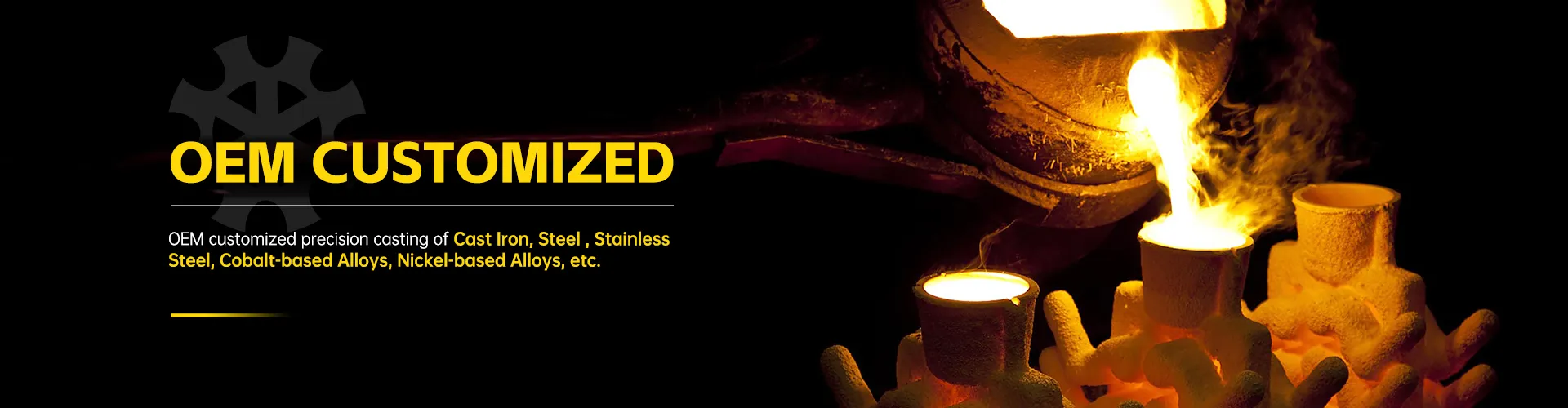
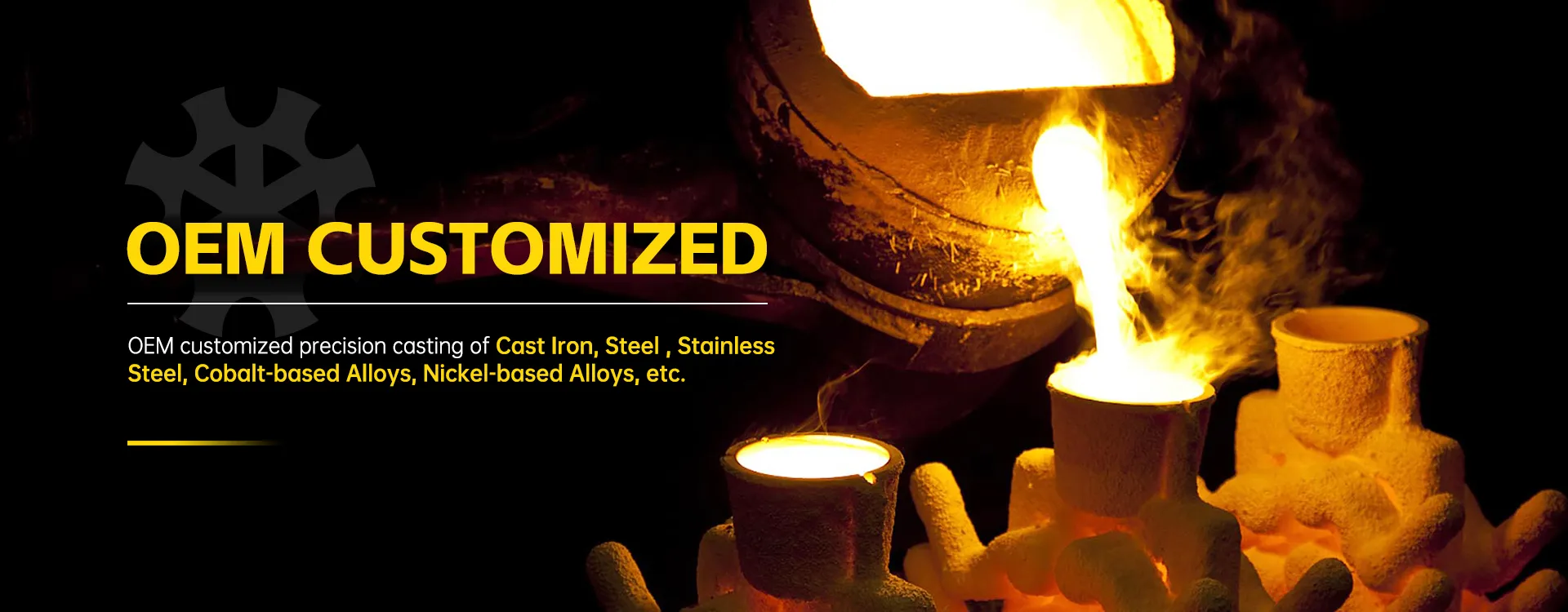
Then comes the burnout and pour. This is where the 'lost wax' truly happens. The furnace cycle must completely eliminate the wax without cracking the ceramic shell. Too fast, and thermal shock does the damage. The pour itself, especially for alloys like nickel-based or cobalt-based superalloys, is a precise dance of temperature and speed. You're not just filling a mold; you're controlling solidification to minimize segregation and hot tearing.
Material Matters: It's Not Just Steel
This is a major point of differentiation. A shop that says it handles stainless steel might be fine for 304 or 316. But when you get into the realm of duplex stainless steels, or precipitation-hardening grades like 17-4PH, the entire process needs adjustment. The gating system design, the pour temperature, the post-casting heat treatment—all are specific to the alloy's metallurgy.
Our work at Qingdao Qiangsenyuan Technology Co., Ltd. (QSY) often involves these special alloys. With over three decades in casting and machining, you see patterns. For instance, with cobalt-based alloys, which are often used for extreme wear and high-temperature applications, the fluidity is lower. This demands larger, more generous gates and risers to ensure proper feeding and avoid mis-runs. It's a balance—too much excess material drives up machining costs later, but too little risks a defective part. It's a judgment call based on the part geometry every single time.
The post-casting steps are just as critical. For a nickel-based alloy component destined for aerospace, the heat treatment cycle is non-negotiable and must be traceable. It's not an afterthought; it's integral to achieving the specified mechanical properties. This is where integrated facilities, like what we have at QSY, show their value. Controlling the process from pattern to machined part under one roof reduces variables and accountability gaps.
CNC Machining: The Necessary Partner to Casting
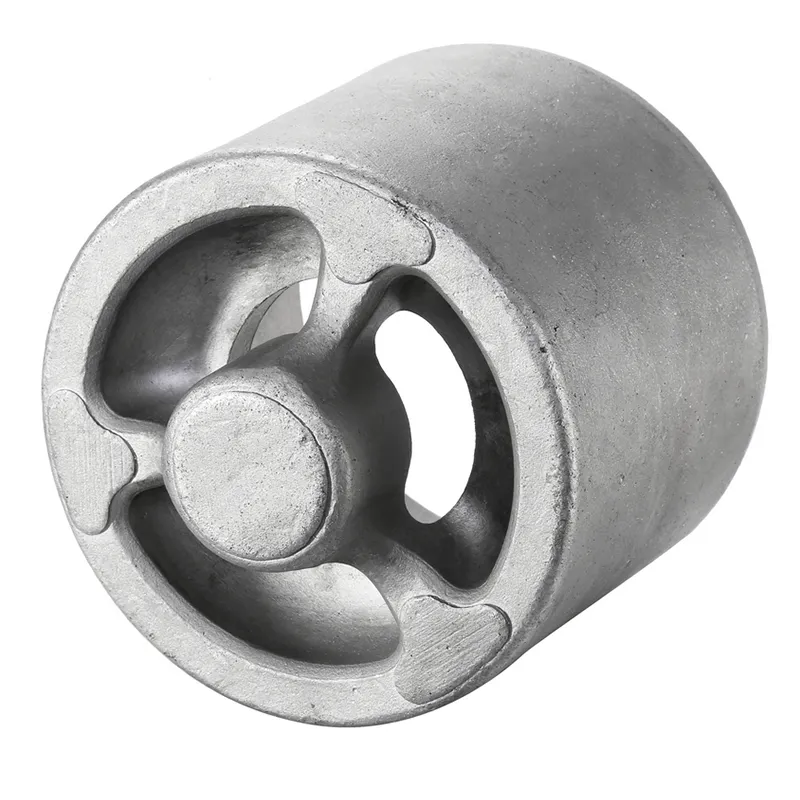
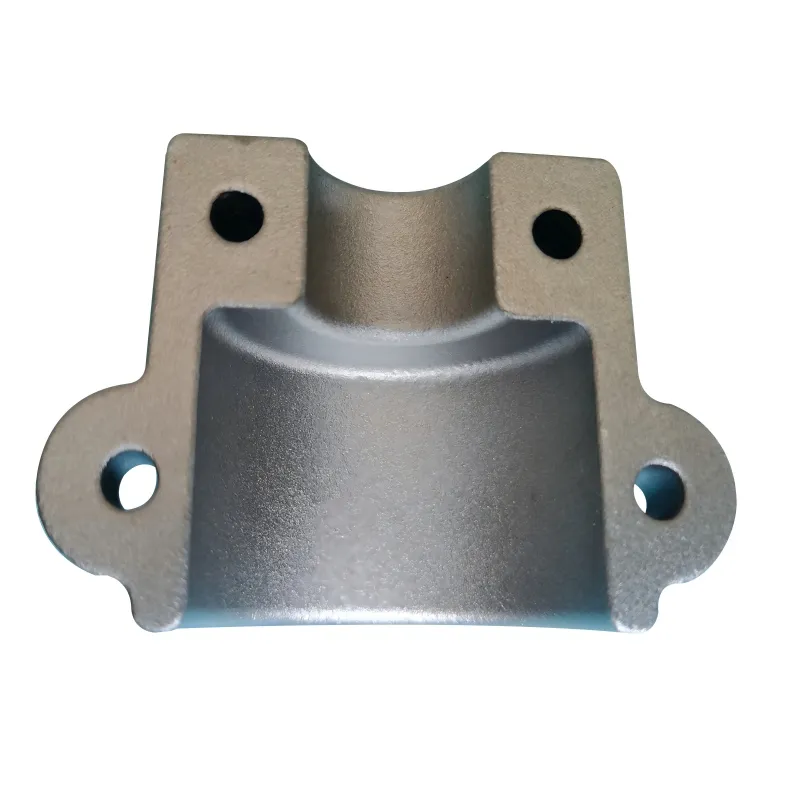
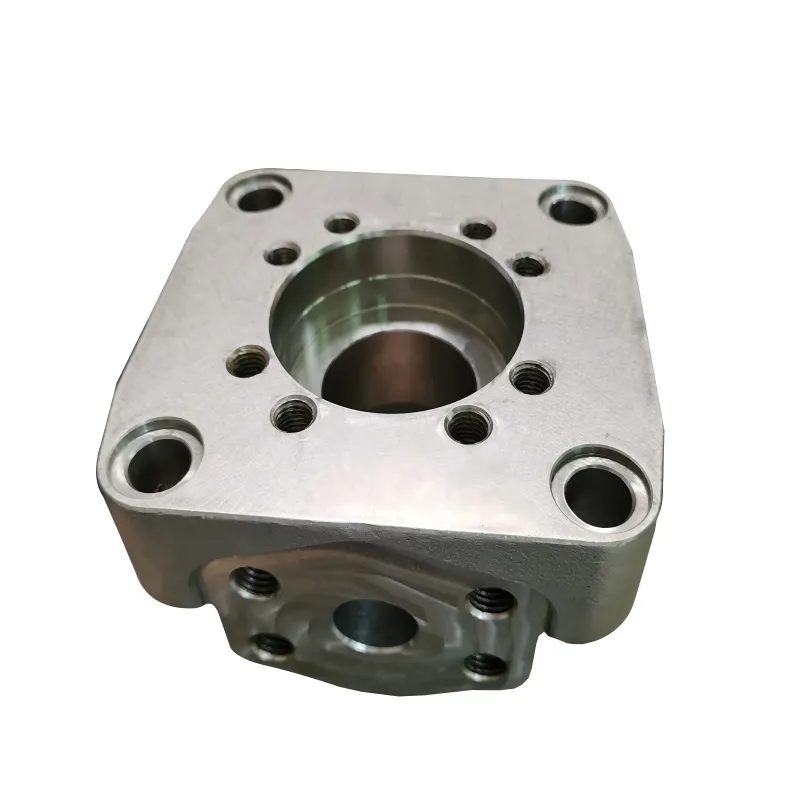
This is the reality: no investment casting comes out ready to install. There are always gate removal points, surfaces that need precise tolerances, and mating features that require machining. The synergy between the casting and CNC departments is vital. The casting engineer must design the part with machinability in mind—leaving adequate stock, avoiding deep, thin pockets that a tool can't reach, and positioning parting lines thoughtfully.
We've learned this through friction. Early on, we'd cast a beautiful, complex manifold, only for the machining team to struggle with clamping it without distortion, or find a critical seal surface was in an area with potential micro-porosity. Now, the process is collaborative. The machining team reviews casting designs upfront. They might request an additional datum pad cast onto the part purely for fixturing, which is later machined off. This kind of cross-functional tweaking is what separates a functional part from a high-reliability one.
Visiting the QSY facility, you see this flow. Castings move from shakeout to preliminary grinding, then onto CNC stations where they're machined based on the same digital model used to make the tooling. It closes the loop. For clients, especially those in sectors like energy or heavy machinery, this integration means one point of contact and responsibility for the finished component, which is a huge advantage.
Common Pitfalls and Client Misconceptions
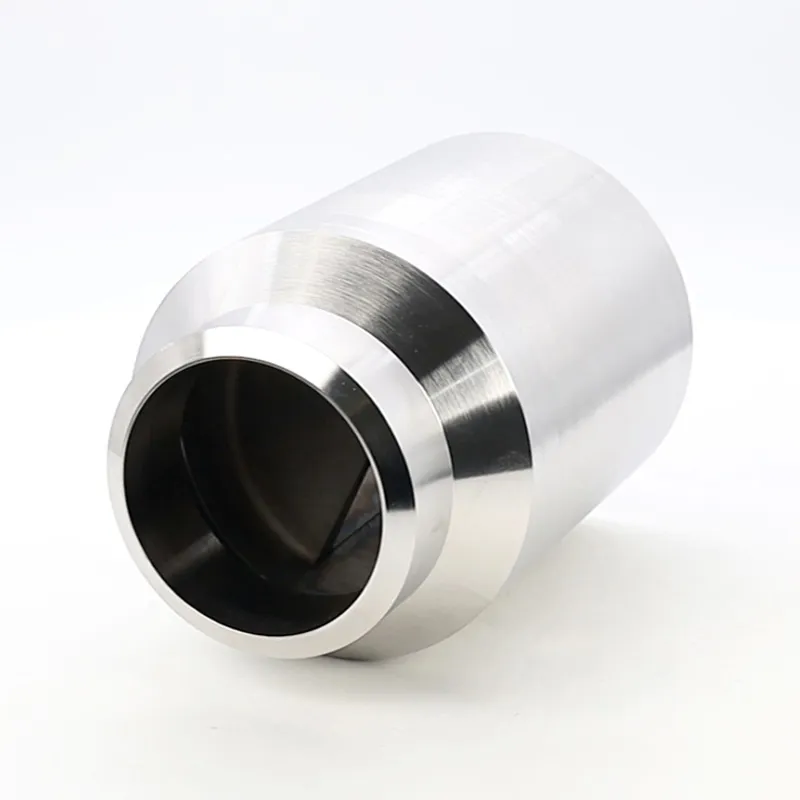
A big one is the expectation of as-cast surface finish. While shell mold casting and investment casting offer excellent finishes compared to sand casting, it's still a cast surface. It will have a characteristic texture. If you need a mirror finish, that's coming from post-cast polishing or machining. Being clear about this upfront saves a lot of back-and-forth later.
Another is lead time. Good lost wax casting isn't fast. Creating the tooling for the wax patterns alone can take weeks. Then you have shell building, which is a multi-day, multi-layer process. Clients needing prototypes in a rush sometimes push for shortcuts, like using 3D-printed patterns directly. This can work for a one-off visual model, but for a functional metal part, the printed material's burnout characteristics are different and can compromise the shell. It's a risk. We're honest about that trade-off.
Cost structure is also misunderstood. The high cost isn't primarily in the raw metal; it's in the labor-intensive, process-driven steps of patternmaking, shelling, and the precise craftsmanship required. For simple shapes in high volume, other processes are cheaper. The value of lost wax is in complexity, alloy flexibility, and net-shape or near-net-shape production that reduces secondary work.
Looking at a Real-World Application
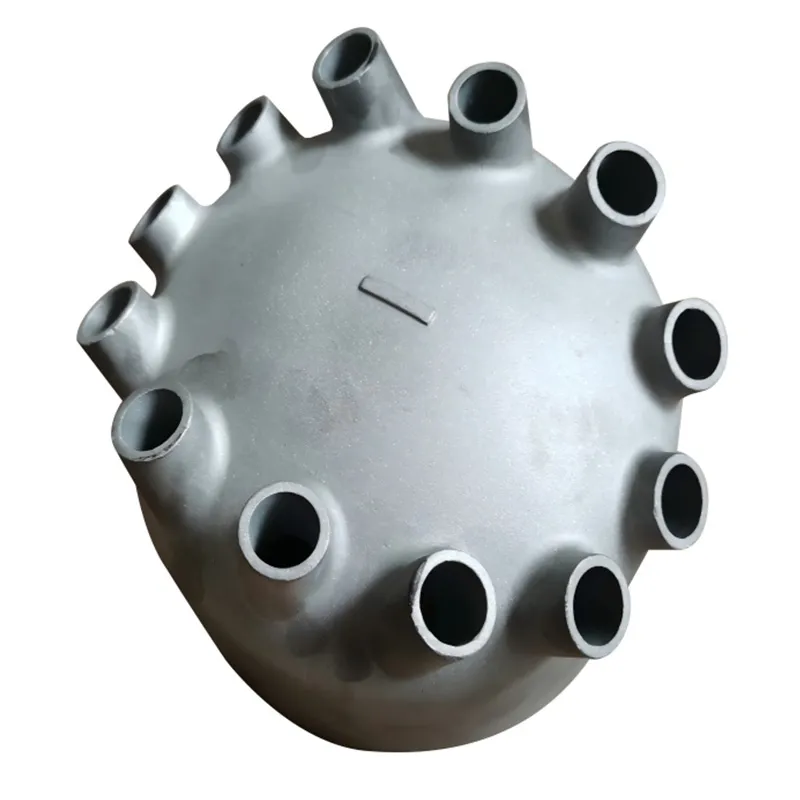
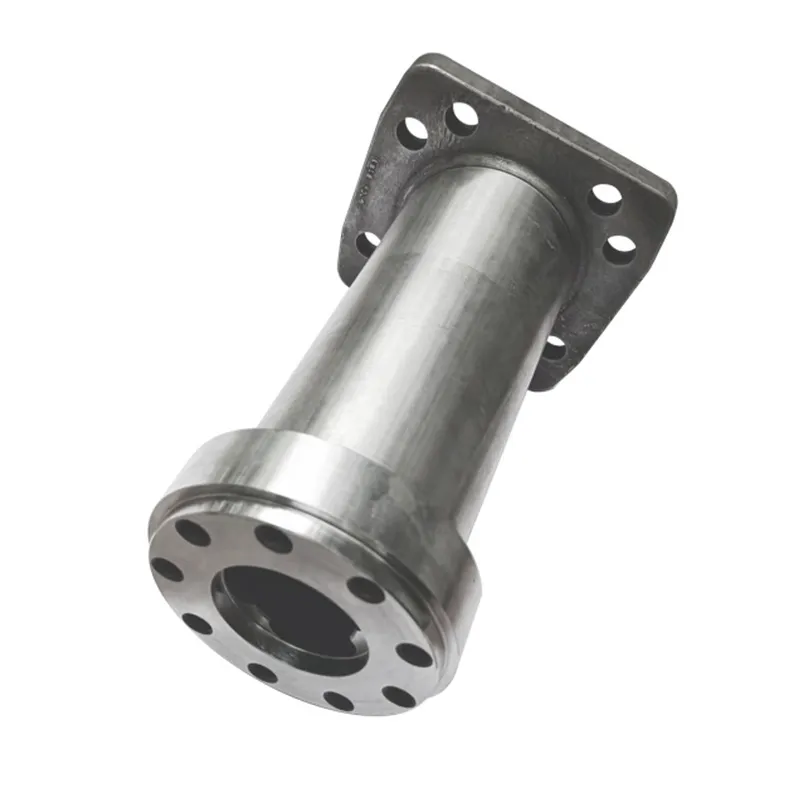
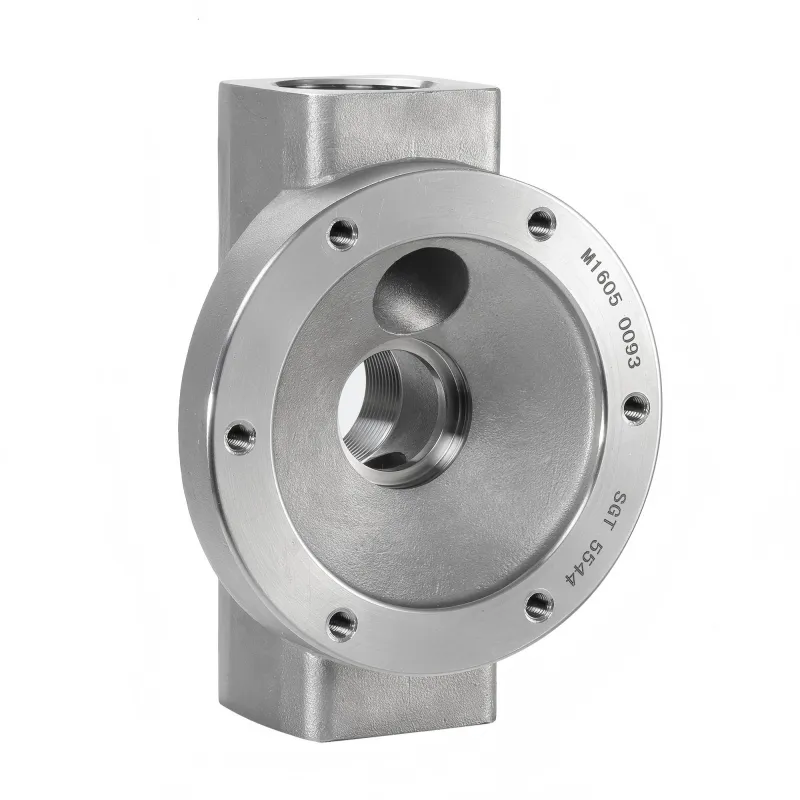
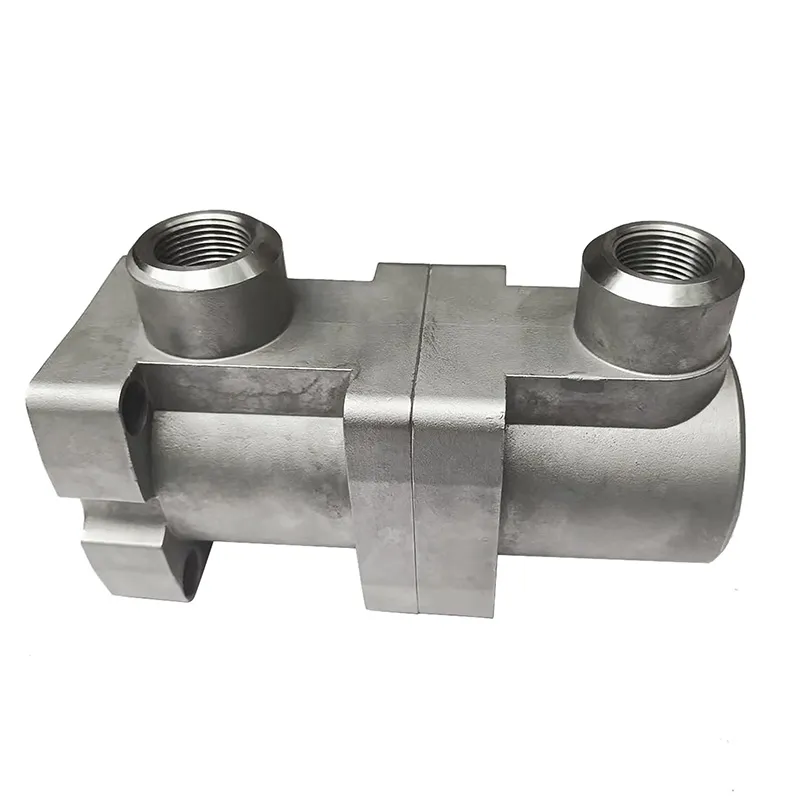
Take a component we produced recently: a housing for a hydraulic control system in offshore equipment. The part had internal intersecting channels, external mounting flanges, and needed to be in duplex stainless steel for corrosion resistance. Machining it from solid would have been a nightmare of wasted material and complex setups. Forging wasn't an option due to the internal geometry.
Lost wax casting was the clear path. The challenge was ensuring the internal channels were clean of ceramic shell residue and achieving the required pressure integrity. The solution involved careful gating to create directional solidification, a specific shell formulation for easier knockout, and a rigorous leaching process after shakeout. Then, the CNC team machined the flanges and port threads. The integration was key—the casting team knew which areas would be machined, so they could leave extra stock exactly where needed.
This is the day-to-day reality. It's not glamorous. It's about solving a series of small, interconnected problems—wax shrinkage here, shell strength there, heat treatment parameters for this alloy. The service isn't just about providing a casting; it's about providing a viable, reliable component. That requires a deep, practical understanding of the entire chain, from the wax room to the CNC mill. That's what defines a competent lost wax casting service in the industrial world. It's the difference between making a shape and making a part that works.