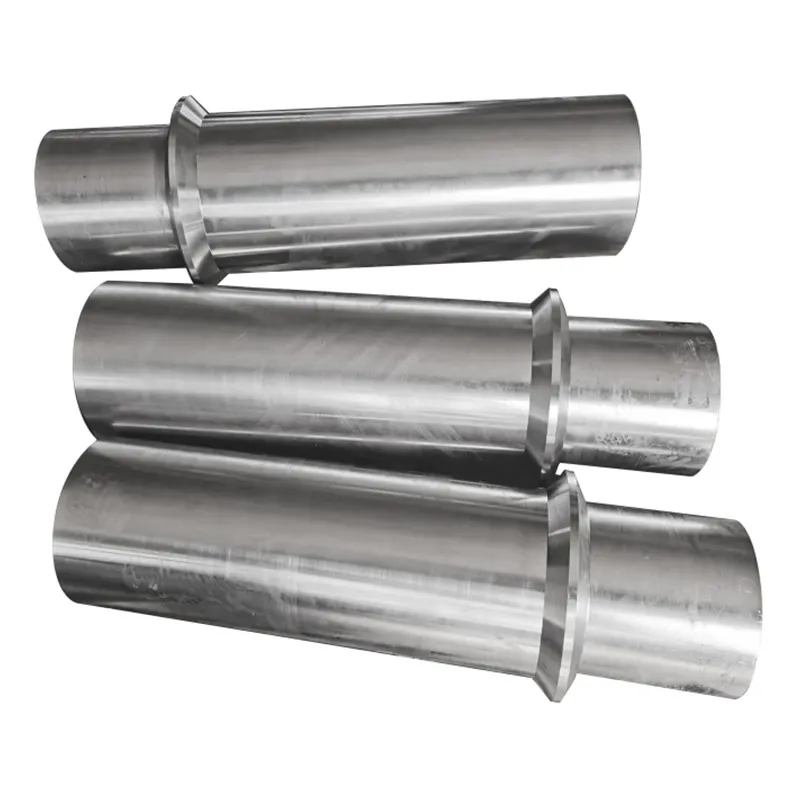
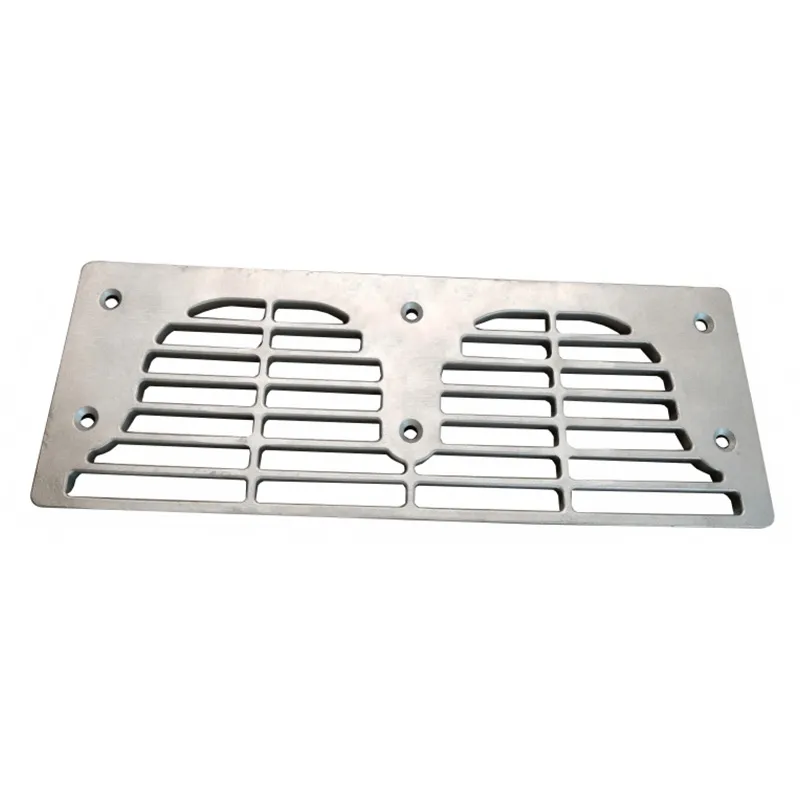
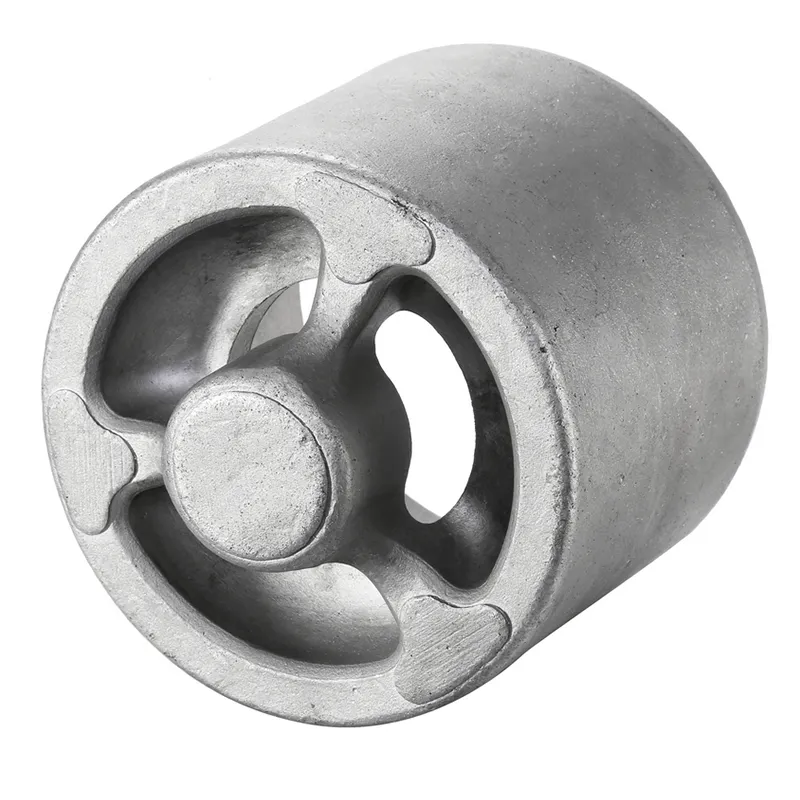
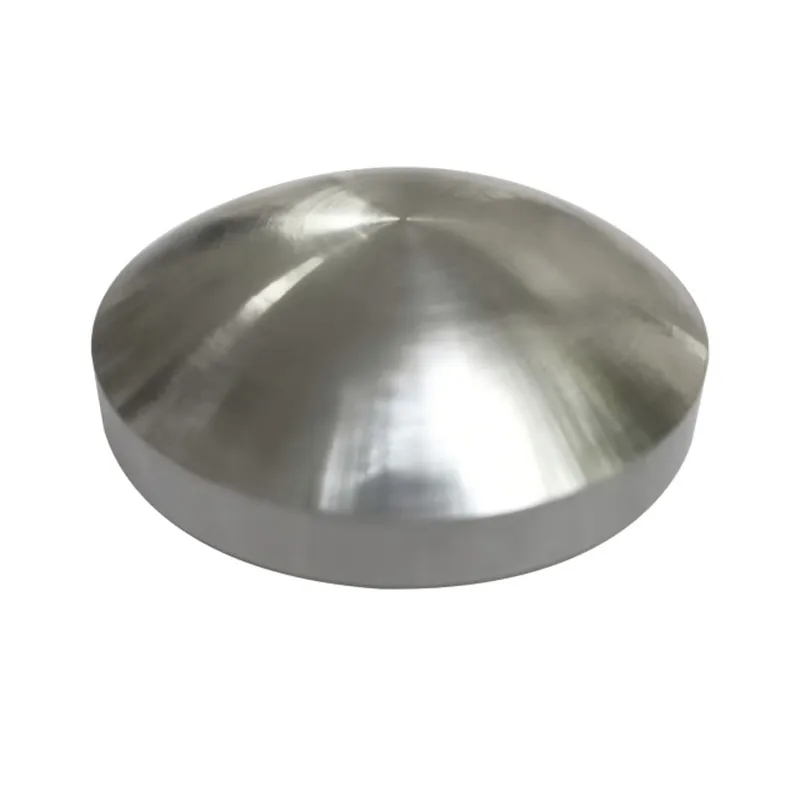
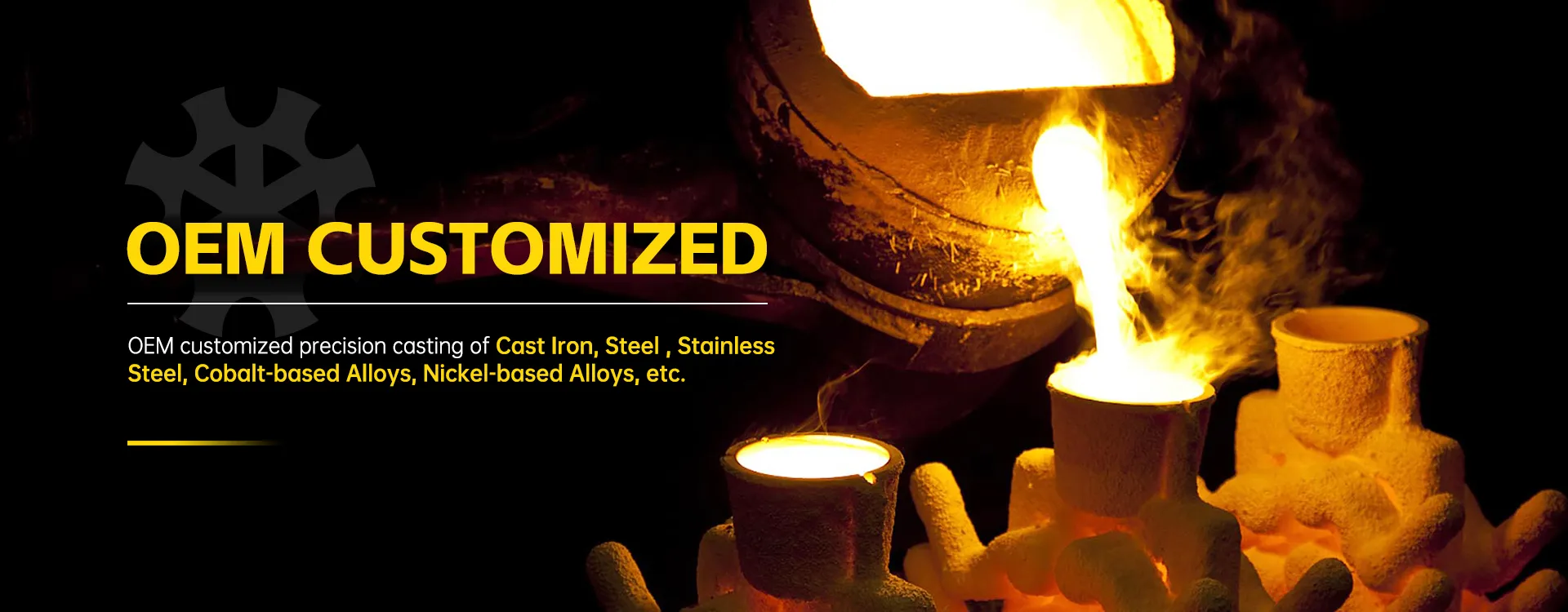
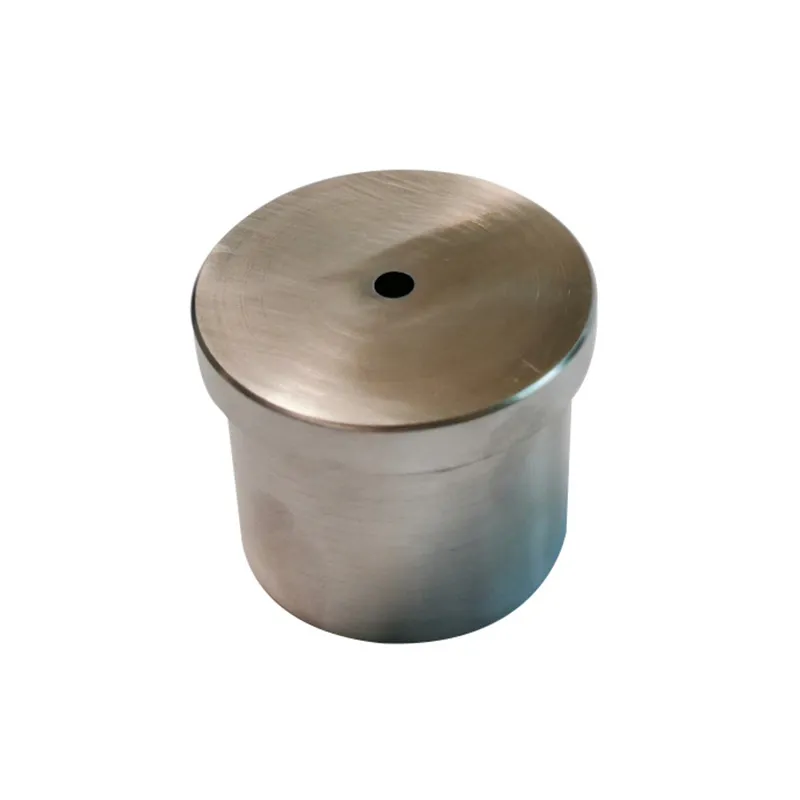
You hear 'lost wax casting stainless steel' and a lot of folks picture this flawless, almost magical process where you get a perfect stainless part straight out of the mold. The reality, especially with grades like 304 or 316, is a lot more about managing expectations and knowing where the process fights you. It's not just about melting metal and pouring it; it's a negotiation with the material's behavior, from the wax pattern stage all the way to that final grind. The shine comes later, after a lot of problem-solving.
The Alloy Isn't Just a Spec Sheet
Picking the stainless grade is the first real decision point, and it's not always straightforward. 316 is the go-to for corrosion resistance, sure, but its casting behavior is different from 304. It's more prone to hot tearing if your gating and cooling aren't dialed in. I've seen projects where they specified 316L for all the right chemical reasons, but the shape had these thick-to-thin transitions that were just begging for cracks. Sometimes, you have to push back and suggest a modification to the design or discuss if a CF8M (the cast equivalent of 316) with a slightly adjusted composition for better castability might achieve the same end goal. It's this practical alloy knowledge that separates a functional casting from a scrap pile.
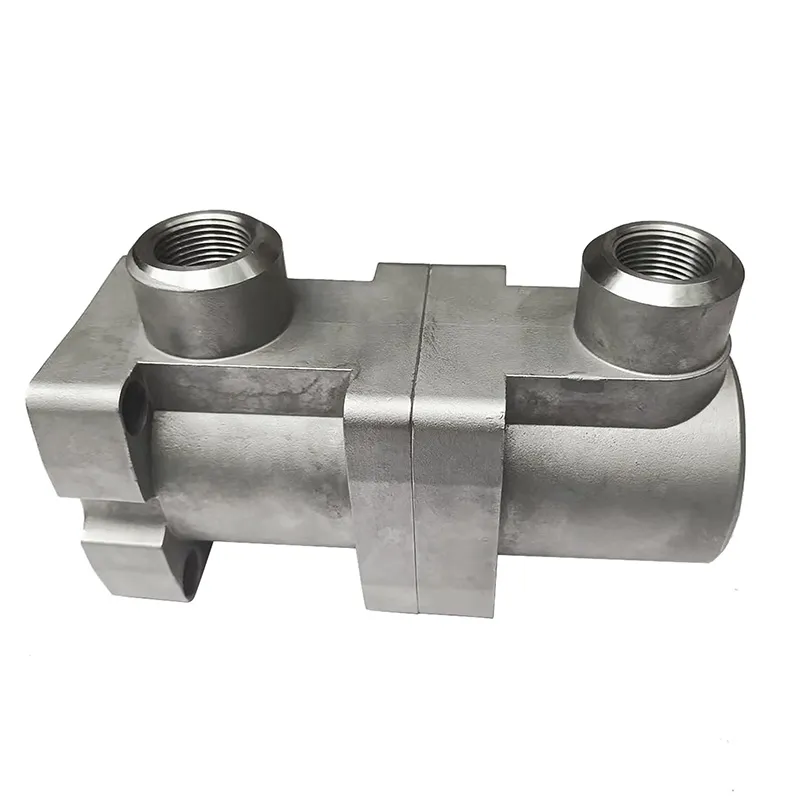
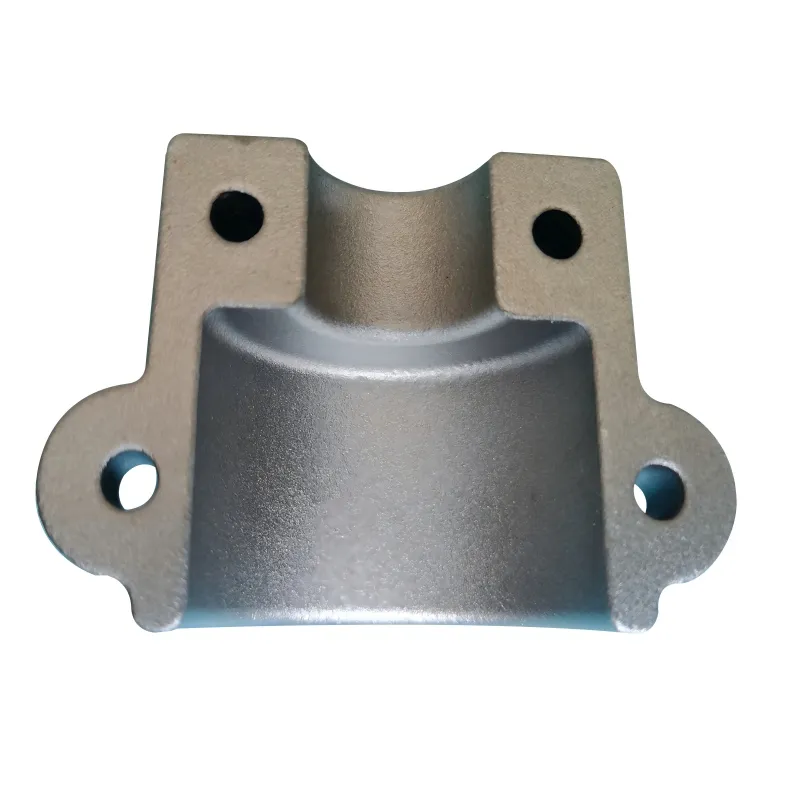
Then there's the issue of surface finish straight from the ceramic shell. People expect that classic stainless look immediately after knockout. What you actually get is a slightly matte, often scaled surface that needs work. The lost wax casting process inherently leaves this as-cast skin. How good it is depends massively on the ceramic slurry quality and the de-waxing method. Flash dewaxing in an autoclave is common, but if the parameters are off, you can get shell cracks that let metal penetrate, creating those rough, fused spots that are a nightmare to machine off later.
Speaking of machining, that's where a partner's full-service capability becomes critical. A company like Qingdao Qiangsenyuan Technology (QSY) highlights this well. They're not just doing the investment casting; they've got decades in CNC machining too. This is huge. Because when you're dealing with stainless steel castings, especially for precision components, you're almost always going to need post-casting CNC work. Having it all under one roof means they understand the casting's inherent stresses, potential hard spots from chilling, and can plan the machining sequence accordingly. It avoids the blame game between separate casting and machining shops.
Where the Process Bites Back: Gating and Shrinkage
Gating design for stainless in lost wax is more art than science. You're fighting shrinkage, which is significant with stainless. The gates aren't just channels for metal; they're reservoirs of molten metal that feed the casting as it solidifies, preventing shrinkage porosity. If they're too small or placed wrong, you'll get porosity in the thick sections. Too large, and you create massive heat sinks that distort the part or create shrinkage cavities in the gate itself, which can travel into the casting.
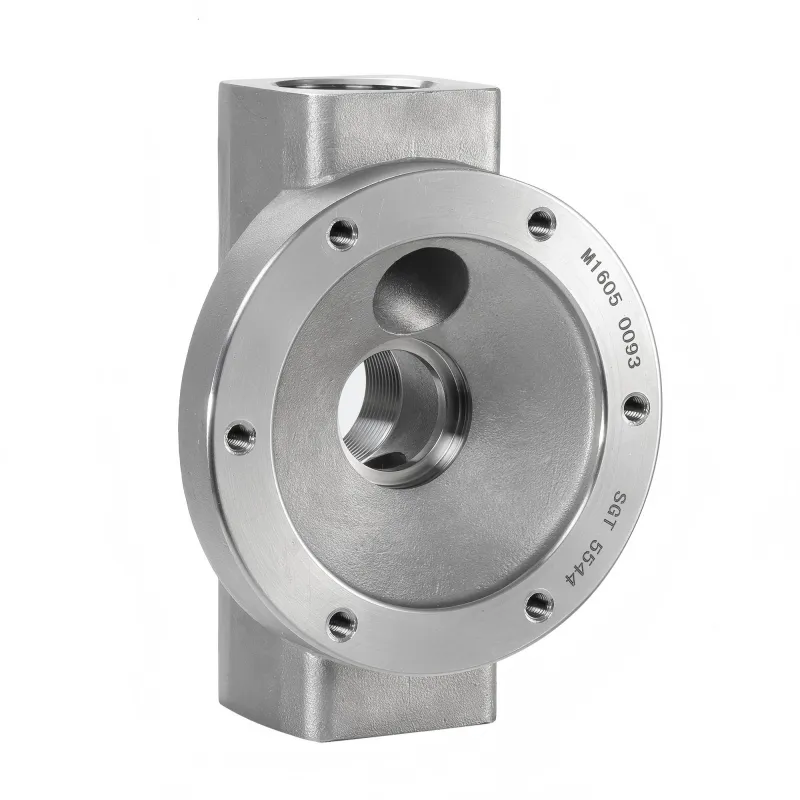
I recall a batch of valve bodies a few years back. The geometry was complex, with a heavy flange on one end. The first pattern tree we built had standard top gating. The result? Shrinkage porosity right in the flange's mounting face. We had to go back, redesign the tree to use heavier, strategically placed gates that acted as feeders, and switch to a bottom-gating system for a more tranquil fill. It added cost to the pattern, but it was the only way to get a sound casting. This is the kind of iterative, experience-driven tweak that you won't find in a textbook.
Another subtlety is the ceramic shell itself. For stainless, you often need a prime slurry with a very fine zircon flour to get a smooth surface finish that minimizes cleaning. But the backup coats need strength because stainless is heavy and pours at a high temperature. That thermal shock when the 1500°C+ metal hits the shell is brutal. A shell that's too thin or not fully fired will crack. A shell that's too thick might not vent properly, leading to gas entrapment. It's a balance, and sometimes you only find the right recipe for a specific part shape through a test pour or two.
Post-Casting: The Make-or-Break Steps
Knockout and cut-off is where you hold your breath. You see the raw casting, still attached to its gate system. With stainless, you can't just beat it out with a hammer; you risk cold cracking. Thermal methods like plasma or abrasive cutting are standard, but you have to be careful not to transfer too much heat into the casting body, which can affect the metallurgy in the heat-affected zone, especially if it's a stabilized grade.
Heat treatment is often non-optional. For most austenitic stainless castings, you need a solution annealing treatment—heating to around °C and then quenching rapidly. This dissolves any chromium carbides that may have precipitated at grain boundaries during cooling, which if left untreated, cause sensitization and lead to corrosion failure. But rapid quenching on a complex, thin-walled casting? That's an invitation for distortion. The fixturing during heat treat becomes as important as the cycle itself. A shop that understands this, like QSY with their integrated CNC machining and casting approach, can design the part and process to accommodate or correct for this expected movement.
Finally, the inspection and finishing. Dye penetrant testing is your best friend for finding surface defects. For stainless, you must use a chlorine-free penetrant to avoid inducing corrosion. Grinding and polishing are labor-intensive. You start with coarse grit to remove the gate stubs and surface imperfections, but you have to be meticulous. Any grinding burn or embedded iron from a contaminated wheel can rust later, ruining the stainless's corrosion resistance. It's a detail-oriented, slow process that automation still struggles with on complex geometries.
Integrating with Machining: The Real-World Workflow
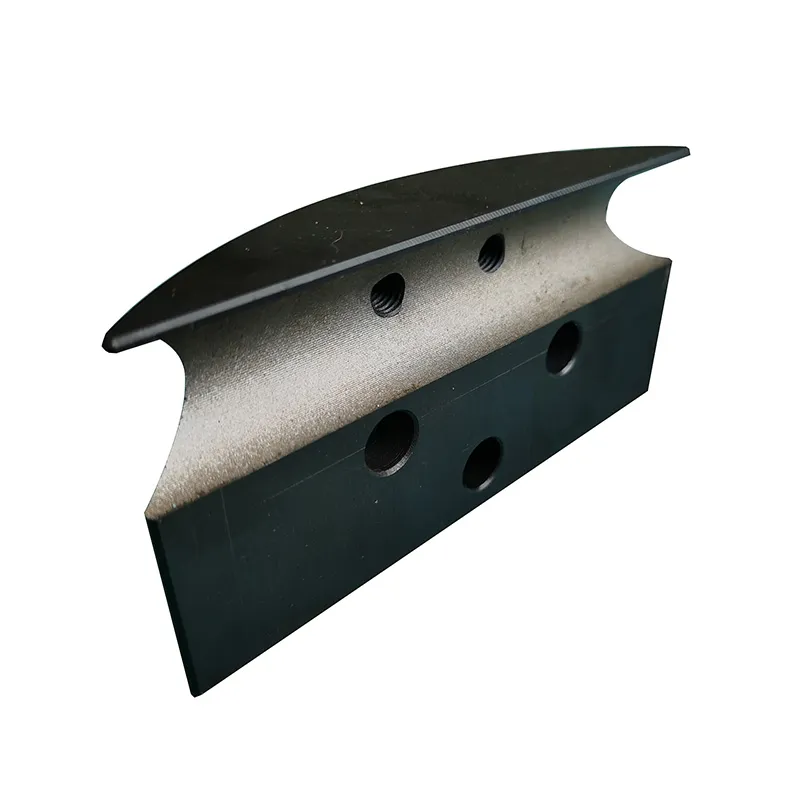
This is where the promise of lost wax casting stainless steel is truly realized. The near-net-shape capability is fantastic for reducing machining waste on expensive alloys. But near-net-shape isn't net-shape. You always leave stock for machining. How much? That's the judgment call. Too little, and a slight casting shift or surface flaw means the part is undersized. Too much, and you're wasting machining time and tool life on hard stainless.
A good foundry will work with the machinist from the start. They'll discuss datum points for machining. Often, you'll design specific pads or features onto the casting that are non-critical but provide a clean, reliable surface for the CNC machine to clamp and reference from. This collaboration is essential. Looking at QSY's model, where they handle both casting and machining, this feedback loop is internal and immediate. The machining team tells the casting team if they're consistently finding a hard spot in a certain area, which might indicate a cooling issue, and the process can be adjusted for the next run.
We tried once to outsource the machining of some pump housings to a generic machine shop. The castings were fine, but the machinists treated them like billets. They took deep, aggressive cuts, blew up tools on unexpected hard spots (minor chilling from the mold), and then blamed our castings for being inconsistent. When you work with a vertically integrated provider, that problem disappears. They read the casting report, they know the material's as-cast condition, and they program the CNC paths to work with it, not against it.
Concluding Thoughts: It's a Process, Not a Button
At the end of the day, successful lost wax casting in stainless steel is about respecting the entire chain. It's not a commodity service. The choice of alloy, the pattern and gating design, shell building, pouring, heat treatment, and final machining are all interlinked stages where things can go wrong. The value comes from having a supplier that doesn't just see themselves as a foundry, but as a manufacturing solution provider.
That's why operations with a long history, like the 30+ years mentioned by Qingdao Qiangsenyuan Technology, tend to deliver more reliably. They've likely seen most of the failure modes. They've cast everything from simple brackets to complex impellers in everything from standard stainless steel to those tricky nickel-based alloys. That institutional memory translates directly into fewer surprises on the shop floor.
The takeaway? Don't just shop for a price per kilogram on the casting. Look at the total cost of a finished, machined, and inspected part. And more importantly, look for the evidence of hands-on, practical problem-solving in their approach. Ask about their typical gating strategies for a part like yours, how they handle heat treatment distortion, or how they establish machining datums. The answers will tell you if you're dealing with a true practitioner or just a middleman.