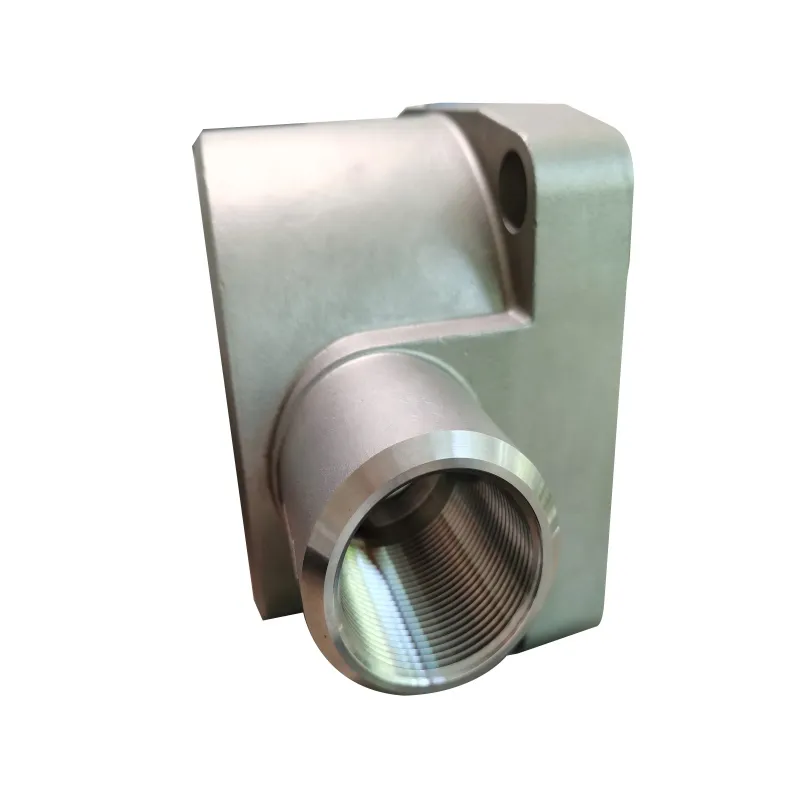
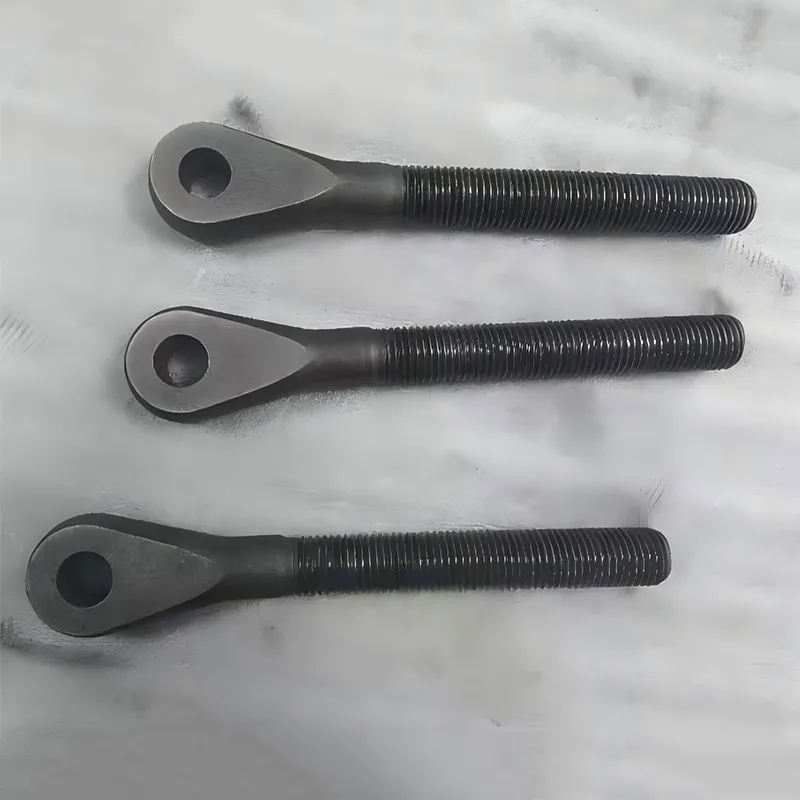
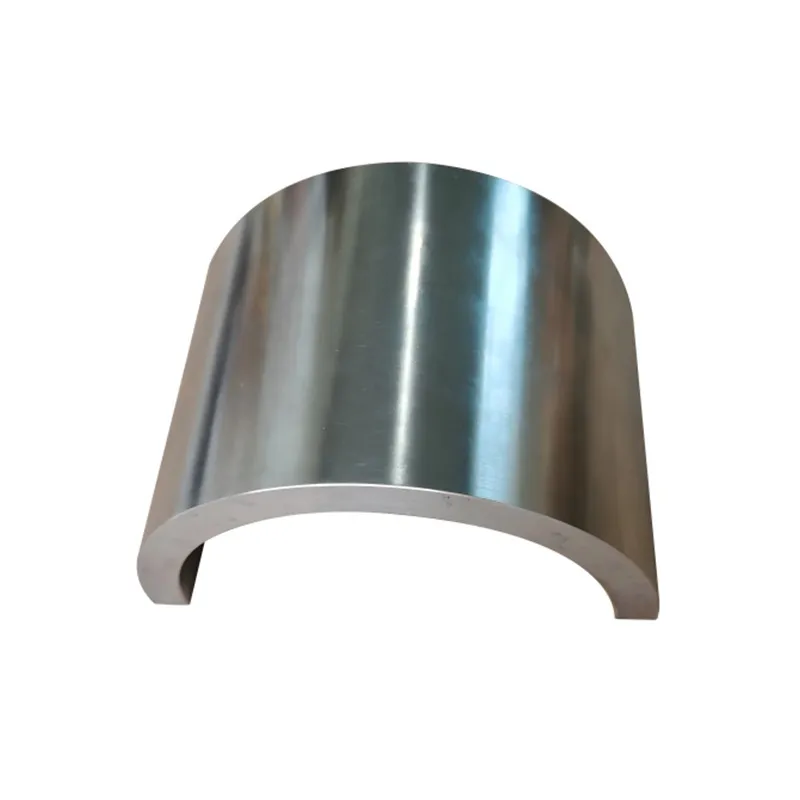
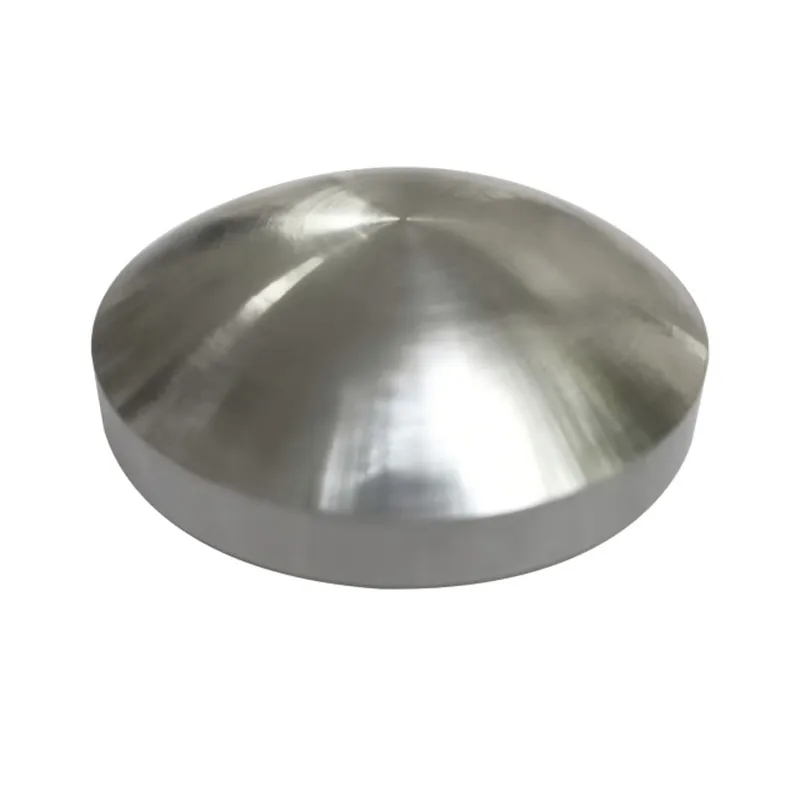
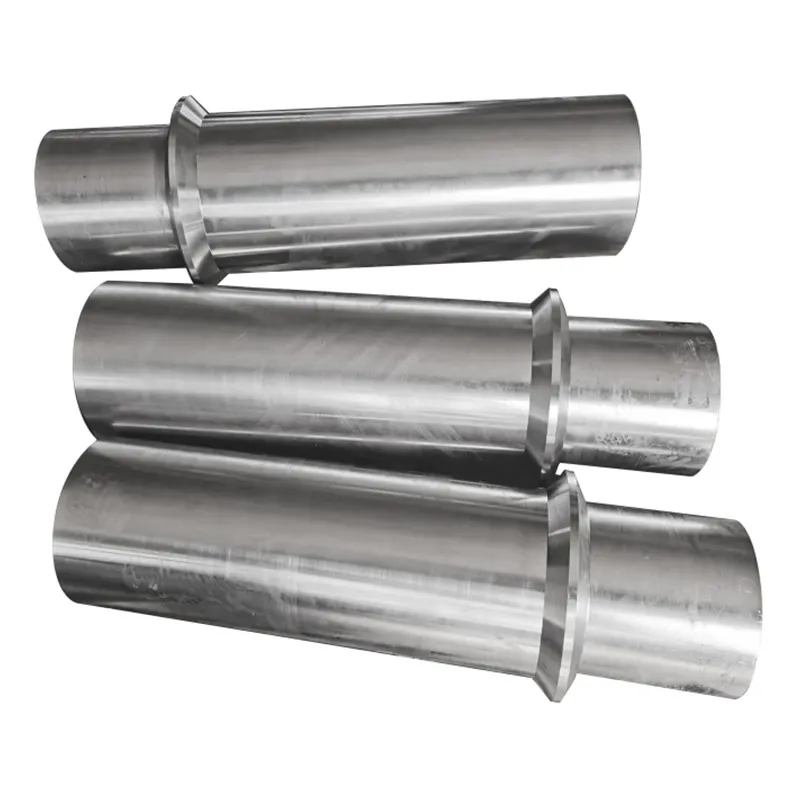
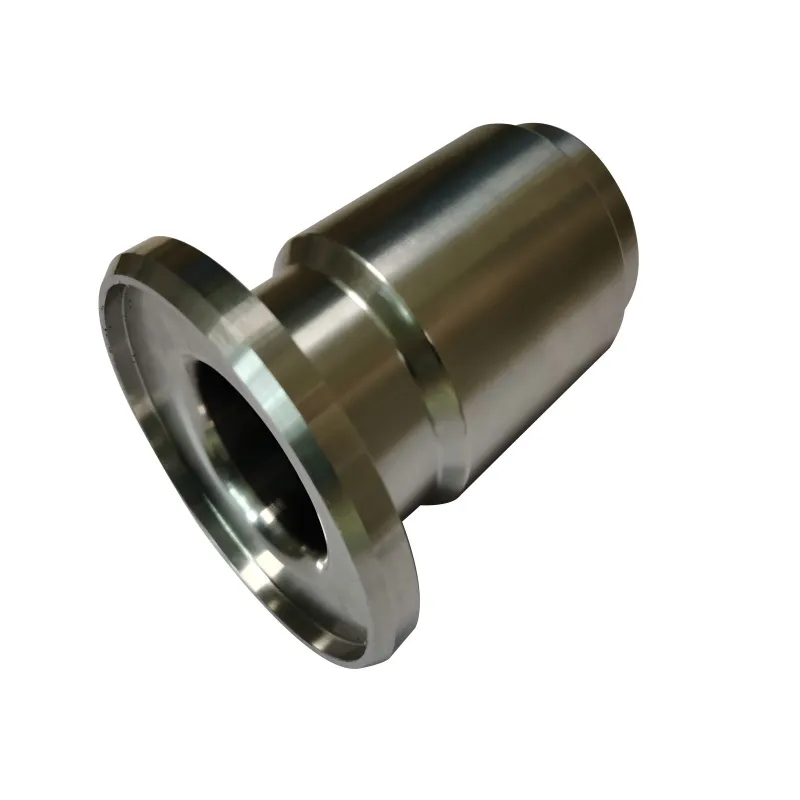
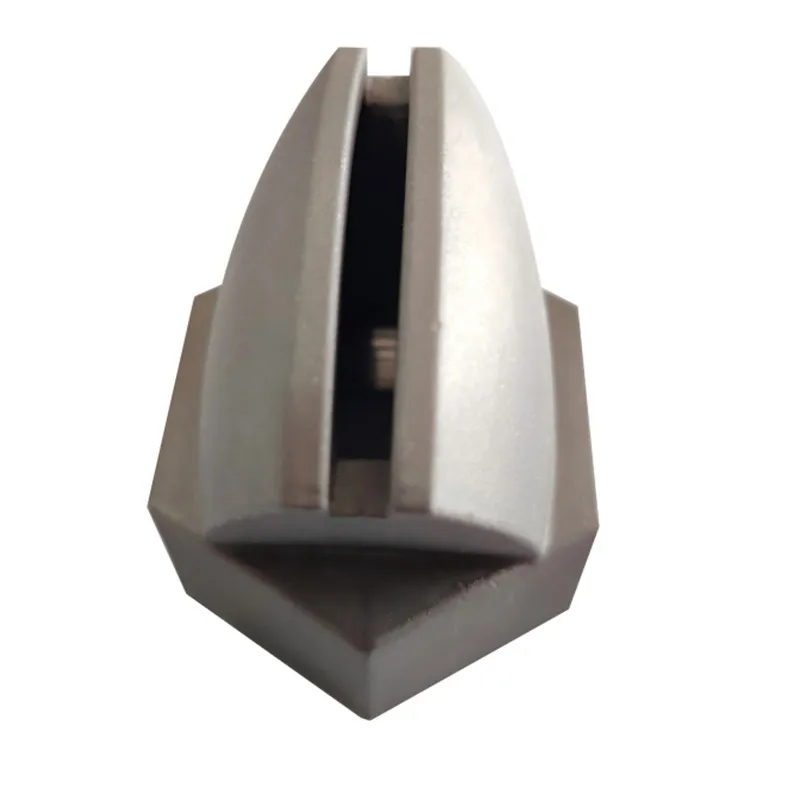
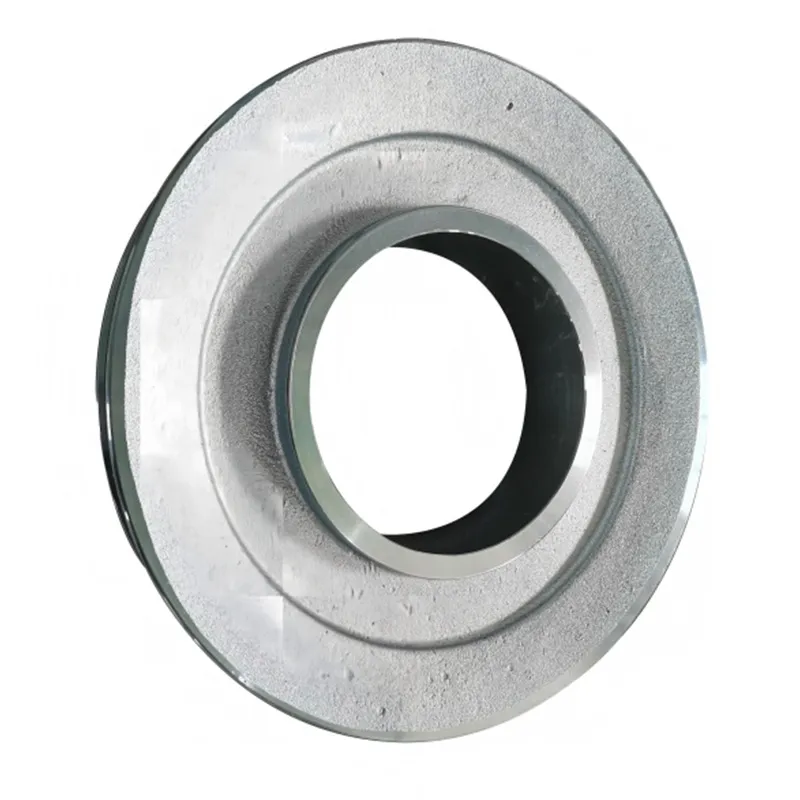
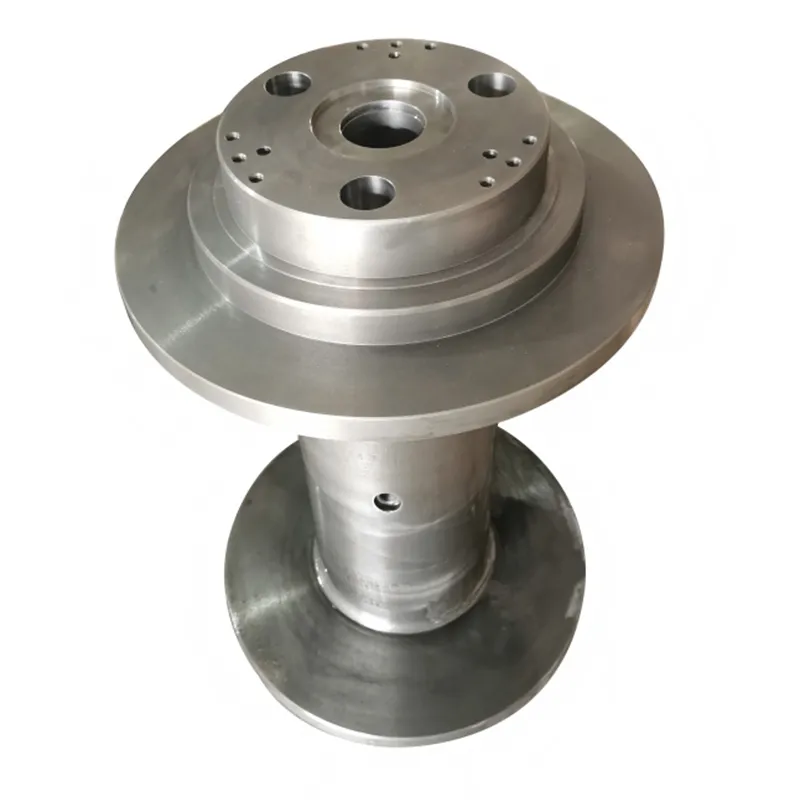
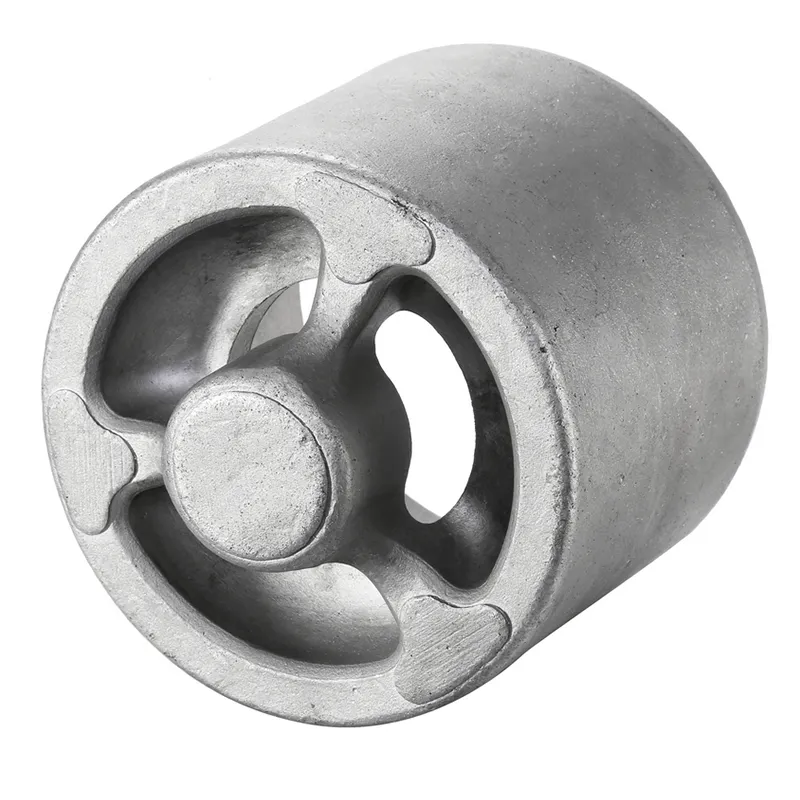
When you hear 'lost wax casting supplier', most people picture a factory churning out identical, simple parts. That's the first misconception. The reality is far messier and more interesting. It's not just about making a wax pattern and melting it out; it's about managing the variables—shrinkage rates, shell permeability, alloy fluidity—that change with every single job. A good supplier isn't just a vendor; they're a problem-solving partner who has seen a thousand things go slightly wrong and knows how to correct for the thousand-and-first. The term itself, 'supplier', feels too passive for what the relationship actually demands.
Beyond the Brochure: What Capabilities Actually Matter
You'll see plenty of websites list 'investment casting' and 'shell mold casting' as if they're interchangeable. They're related, but the distinction is critical for precision. Shell mold, often using resin-bonded sand, is fantastic for certain geometries and volumes, but when you're talking about complex internal passages or surface finishes under 125 Ra, you're firmly in lost wax casting territory. This is where a shop's true experience shows. A company like Qingdao Qiangsenyuan Technology Co., Ltd. (QSY), with their three decades, likely has the institutional memory to know which path to take without extensive trial and error. They mention working with cobalt and nickel-based alloys—that's a tell. Handling those exotics isn't just about having a furnace; it's about controlling the entire thermal cycle to prevent hot tearing and ensuring consistent metallurgy. You can't fake that expertise.
I recall a project for a turbine component in Inconel 718. The initial drawings called for tolerances that were, frankly, optimistic for as-cast condition. A less experienced supplier might have just nodded and quoted, leading to a costly machining nightmare later. The back-and-forth was about re-orienting the part in the tree to minimize distortion, adjusting the gating design to ensure directional solidification, and agreeing on which critical surfaces would be left with extra stock. That negotiation is the real service. It's not on their website's front page, but it's what their 30 years are actually selling.
The machining side is non-negotiable. Any serious lost wax casting supplier must have integrated CNC capabilities. Why? Because the 'near-net-shape' promise of investment casting still means you need to hit final dimensions on mating surfaces, threads, and precision bores. If the casting and machining are under one roof, they share the blame—and the solution. The machinists understand the casting's potential flaws (like slight porosity zones), and the foundry engineers understand the machinists' needs for consistent hardness. QSY's explicit mention of integrated CNC machining isn't a bonus feature; it's a baseline requirement for being a competent partner for anything beyond decorative work.
The Pitfalls: Where Projects Usually Go Off the Rails
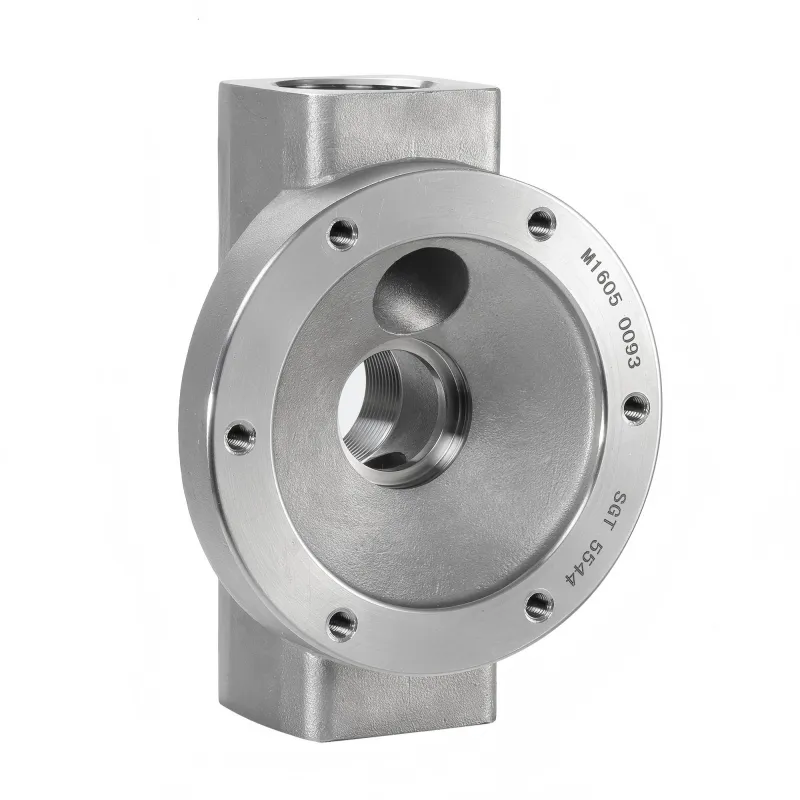
Communication failures top the list. It's never just about sending a CAD file. The most common issue is assuming the supplier knows your unstated priorities. Is weight reduction the absolute goal, even at the expense of a slightly higher unit cost? Is lead time more critical than achieving the very best surface finish? You have to spell it out. I learned this the hard way early on. We needed a batch of stainless steel valve bodies, and I focused entirely on the pressure rating spec. The supplier delivered to that spec perfectly, but the parts had minor cosmetic investment lines on what was supposed to be a customer-visible face. It was my fault for not highlighting that aesthetic was a key commercial requirement. A good supplier will ask these questions, but you can't rely on it.
Material certification is another silent killer. Stating 304 stainless isn't enough. Does the application require certified melt chemistry from the mill? Does it need mechanical test reports from coupons cast alongside the production run? For their special alloys, a supplier like QSY should be able to provide this traceability, but you must specify the level of documentation required. I've seen projects delayed weeks because this wasn't clarified upfront, and the foundry had to scramble to get material certs after the fact.
Then there's the prototype trap. Getting a beautiful, hand-finished prototype sample is easy. The challenge is replicating that quality in a production run of 500 or 5000 pieces. The consistency of the wax injection, the automated slurry dipping process, the calibration of the dewaxing autoclave—these are what separate a hobbyist from a true production supplier. Ask to see their process control charts for shell thickness or furnace temperature. Their willingness to show that is more telling than any glossy photo gallery.
Evaluating a Partner: The Unsexy Details
Forget the fancy equipment list initially. Start with their response to a request for quote (RFQ). Do they ask intelligent, clarifying questions about function, assembly, and secondary operations? Or do they just send back a price and lead time? The former shows engagement. I often throw in a slight geometric oddity in a test RFG—an undercut that's not strictly necessary, or a wall thickness transition. Their question about that feature tells me if they're actually analyzing the part for manufacturability or just running a volume calculation.
Site visits are irreplaceable. Look at the wax room. Is it climate-controlled? Temperature swings ruin pattern dimensions. Look at the finishing area. Are parts organized by job, or is it a chaotic pile? Check their inspection equipment. A CMM is great, but do the operators actually know how to use it effectively for first-article inspection? The state of their tooling storage speaks volumes about their discipline. Worn-out or poorly maintained pattern dies are a direct path to dimensional drift.
Finally, discuss failure. Ask them bluntly: What's the most common defect you encounter with a part like this, and how do you control for it? For steel castings, it might be slag inclusions. For thin-walled aluminum, it might be mistruns. Their answer should be immediate and specific, referencing process parameters like pouring temperature or shell pre-heat. A vague answer is a red flag. A company with the longevity of QSY should have a library of these failure-mode memories, which is your best insurance.
The Integration of Casting and Machining: A Case in Point
This is where the real value is created. Let's take a pump housing in duplex stainless steel. Cast complex internal volutes via lost wax casting, then machine the flange faces, bolt holes, and seal grooves. If these are separate shops, you incur double handling, double QA, and the eternal blame game if a machining operation reveals a subsurface pore. An integrated shop like the one described at https://www.tsingtaocnc.com eliminates that. Their machinists work from the same traveler as the foundry. They can plan the casting's orientation and gating to leave extra stock exactly where the final cut will be, optimizing yield and reducing machining time.
I worked with a supplier on a marine fitting where this integration saved the project. The as-cast part had a slight core shift. Instead of scrapping it, the machining team was immediately consulted. They adjusted the CNC program on the fly to recenter the bore, staying within the drawing's wall thickness tolerance but using the 'meat' that was available. This decision was made in hours because both teams were in the same building, sharing the same goal. That agility is priceless and rarely advertised.
The material knowledge crosses over, too. Machining nickel-based alloys is a beast. Knowing the exact as-cast microstructure and hardness from the foundry allows the CNC programmers to select the right speeds, feeds, and tool geometries from the first piece. It prevents tool breakage and ensures surface integrity. When a single company manages the entire journey from molten metal to finished part, that deep material familiarity becomes a powerful advantage for the customer in terms of consistency and cost control.
Wrapping It Up: It's About Managed Complexity
So, finding a lost wax casting supplier isn't a sourcing exercise; it's a vetting process for a technical collaborator. The keywords—investment casting, CNC machining, special alloys—are just entry tickets. The real evaluation happens in the questions they ask you, the transparency they show about their process controls, and their ability to think in terms of the entire manufacturing chain, not just their step in it.
A firm like Qingdao Qiangsenyuan Technology Co., Ltd. (QSY) presents a profile that checks the critical boxes: decades of history (suggesting resilience and learned lessons), a clear process scope from shell molds to high-precision investment casting, and the crucial integration of machining. Their mention of specific difficult alloys is a confident signal. But the final judgment always comes from direct engagement. Send them a challenging part print and listen. The dialogue that follows will tell you infinitely more than any website ever could. It's that practical, slightly messy conversation where real manufacturing partnerships are forged.