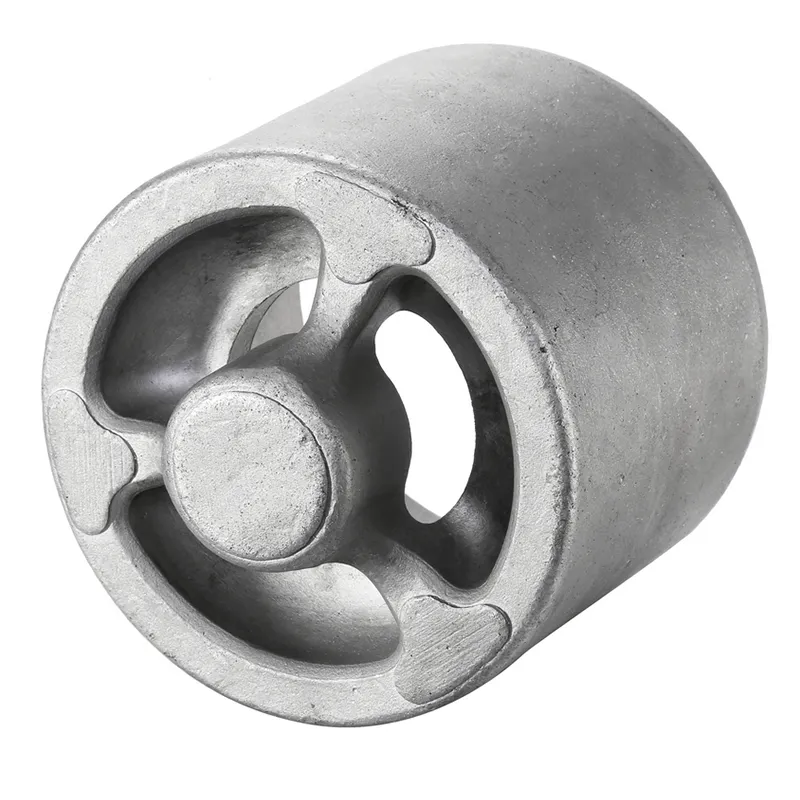
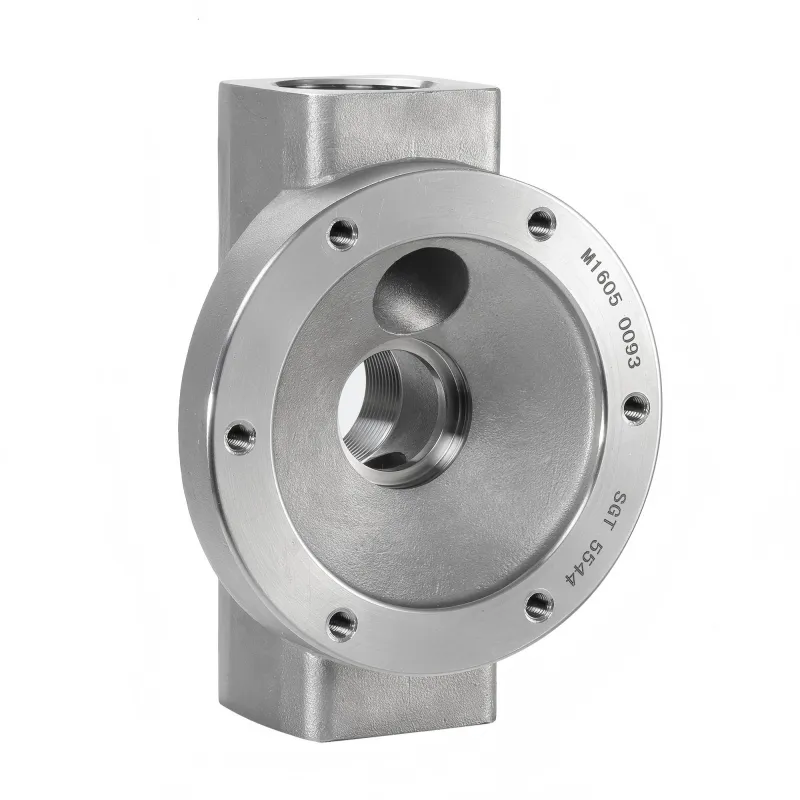
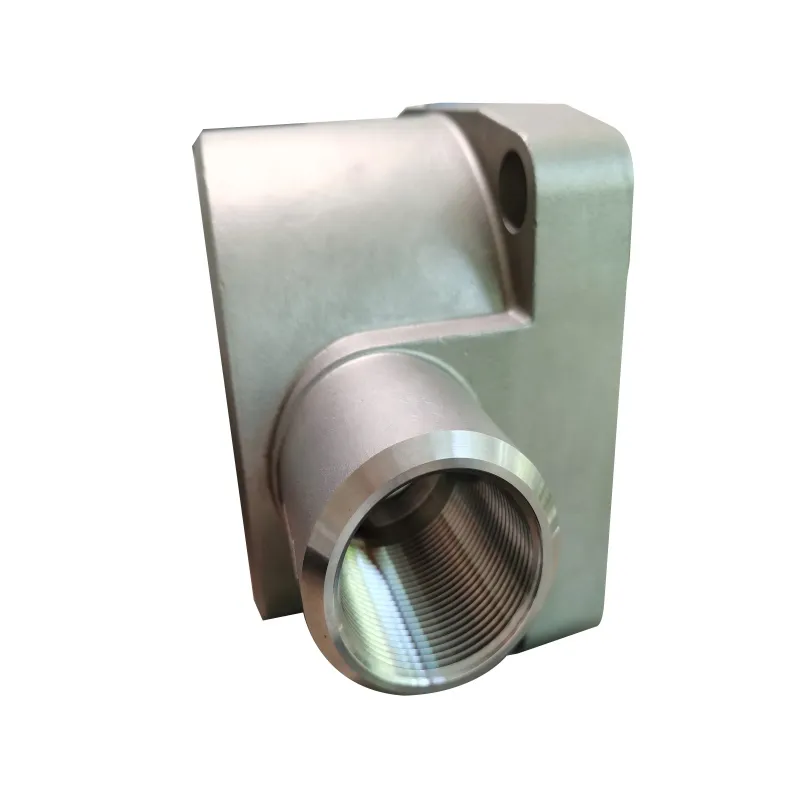
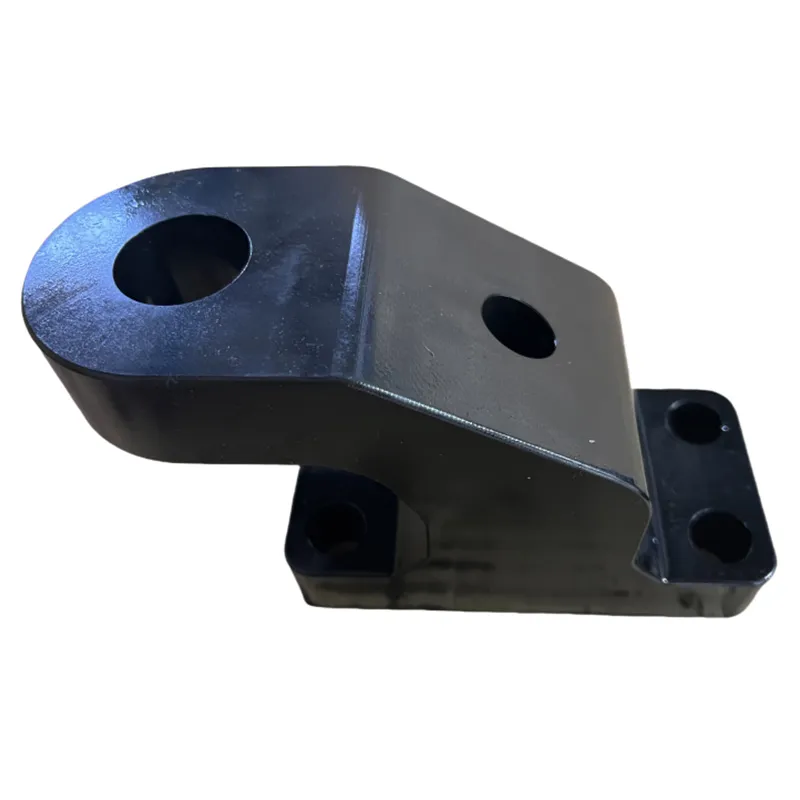
When most people hear 'lost wax casting system', they picture a straightforward, almost romantic process: make a wax model, build a ceramic shell, melt out the wax, pour metal. The reality in a production environment, especially one handling complex alloys, is a constant negotiation between material science, thermal dynamics, and sheer practicality. It's a system, not a single step, and that's where many specifiers and even new engineers trip up. They focus on the casting itself but underestimate the ecosystem—the wax formulation, the slurry room climate control, the dewaxing method, the firing curve—that truly determines whether you get a masterpiece or scrap. Having been through this for decades, the gloss wears off quickly; what remains is a focus on the chain of dependencies.
The Core of the System: It's All About Control and Repeatability
The first misconception to ditch is that investment casting is an art. In high-mix, low-volume job shops, maybe. But for a firm like Qingdao Qiangsenyuan Technology Co., Ltd. (QSY), which has operated for over 30 years, it's a controlled industrial process. The 'system' starts long before metal is poured. We're talking about the wax injection parameters. The temperature, pressure, and hold time for injecting the pattern wax directly affect dimensional stability and surface finish. A variance of a few degrees can introduce subtle distortions that compound later. I've seen projects fail because the wax room temperature wasn't stabilized, leading to inconsistent pattern sizes that made the shell-building phase a nightmare.
Then comes the slurry and stucco application. This isn't just dipping and dunking. The viscosity of the primary slurry, the zircon flour/silica binder ratio, the humidity in the dipping room—each variable is a knob you must tune. For nickel-based or cobalt-based superalloys, which QSY regularly processes, the shell needs to withstand extreme pouring temperatures without buckling or reacting with the metal. We often use a fused silica-based slurry for these, but the drying time between coats is critical. Rush it, and you trap moisture; wait too long, and the layers don't bond properly. It's a rhythm you learn by watching the shells, not just the clock.
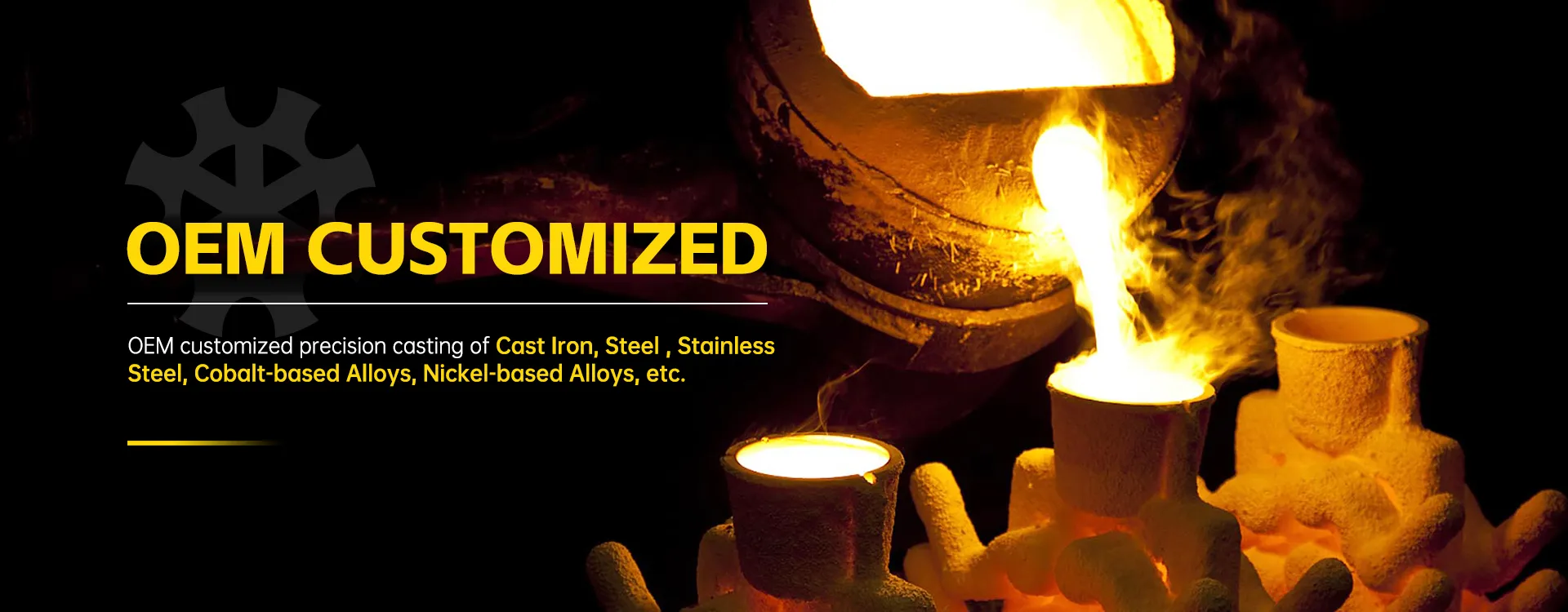
The dewaxing step is where the 'lost wax' part happens, and it's a violent moment for the shell. The two main methods are autoclave (steam) and flash fire. Each has its place. For thicker wax assemblies, flash firing can cause cracks from thermal shock. We generally prefer autoclave for complex geometries common in our shell mold casting and investment casting work, as it's gentler. But even then, the ramp rate and pressure must be matched to the wax type. Using a low-melt-point wax? Too much steam pressure too fast, and the expansion can still fracture a green shell. It's a balancing act that's more feel than formula sometimes.
Material Matters: Why Alloy Choice Dictates the Process
You can't separate the lost wax casting system from the material being cast. The process for ductile iron is fundamentally different from that for a nickel-based alloy like Inconel 718. This is a key strength at a facility like QSY. With stainless steels, the focus is on preventing surface carburization from the shell, so we might use a neutral or slightly oxidizing firing atmosphere. But with reactive alloys like titanium (though we don't cast it, the principle applies to our high-nickel alloys), you're fighting alpha-case formation. The shell composition becomes paramount—often moving to yttria or other exotic face coats.
For the common steels and stainless steels, the challenge is often feeding and shrinkage. The gating system design, which is part of the wax pattern assembly, is where the real metallurgical knowledge comes in. It's not just about getting metal into the cavity; it's about creating directional solidification. I recall a pump housing in 17-4PH stainless that kept showing porosity in a thick flange. We redesigned the wax tree, adding a chiller in the investment shell near the problem area to promote faster cooling. It worked, but it added cost and shell-building complexity. The system had to adapt.
Working with special alloys like Stellite (cobalt-based) introduces another layer: pouring temperature control. These alloys have a narrow 'superheat' range—too cool, and they won't fill thin sections; too hot, and they can erode the shell interior, creating inclusion defects. Our melting practice, whether using induction furnaces, is calibrated for each alloy group. The logbooks from decades of runs at tsingtaocnc.com are arguably as valuable as the equipment, providing a historical reference for what works and what doesn't with specific material grades.
The Critical Link: Integrating CNC Machining into the Casting Workflow
This is where many pure-play foundries fall short, and where an integrated operation shows its value. A lost wax casting is almost never a finished part. It has gate remnants, possible minor fins, and needs critical surfaces machined to tight tolerances. At QSY, having CNC machining in-house isn't a convenience; it's a necessity for quality control. Why? Because the machinist provides the first real feedback on the internal soundness of the casting.
If a tool bit suddenly wears out faster on a specific area of multiple castings, it signals a potential hard spot or inclusion cluster from the casting process. This closed-loop feedback is irreplaceable. We can trace the machining issue back to the specific shell batch, the melt heat number, the pouring temperature logged that day. Without this vertical integration, that feedback loop is broken, and problems become harder to diagnose and solve permanently.
Furthermore, the design of the wax pattern itself is often influenced by machining needs. We might add extra stock (a 'machine allowance') in specific areas knowing our CNC department will finish it. Or, we might position the part on the wax tree to minimize machining setup time later. This synergy between the casting floor and the machine shop is what turns a good casting into a reliable, high-performance component. It's the difference between making a shape and making a functional part.
Common Failures and the Lessons They Impart
Anyone who hasn't made scrap hasn't made anything. In the investment casting system, failures are expensive teachers. Shell cracking during dewaxing or firing is a classic one. Often, it's traced back to inadequate drying between slurry coats, especially in humid conditions. We combat this with controlled dehumidification in the dipping area—a simple solution, but one you only implement after losing a few shells.
Metal defects like shrinkage porosity or hot tears are another category. These usually point back to gating and risering design, or pouring temperature. A memorable case was a valve body in duplex stainless steel. We kept getting micro-porosity in a thermal center. The wax pattern and gating seemed sound. The breakthrough came when we reviewed the firing cycle of the shell. It turned out the high-temperature hold wasn't long enough to completely burn out residual pattern material from a complex internal core, creating a slight gas barrier that impeded feeding. Extending the firing soak time solved it. The lesson? The problem isn't always where you first look—it can be upstream in the shell preparation.
Dimensional inaccuracy is a slow killer. It might not cause outright rejection, but it kills profitability through excessive machining. This often loops back to the wax pattern stability. Using a reclaimed wax blend without testing its contraction rate for a new geometry is a common pitfall. We now rigorously test new wax blends or monitor the aging of our current blend, making small adjustments to injection tools to compensate. It's a continuous calibration of the very first step in the system.
The Real-World Ecosystem: From Inquiry to Finished Part
So, what does this system look like in practice at a long-standing operation? It starts with a review of the drawing and material spec. The engineers at QSY don't just see a shape; they see a thermal mass distribution, potential stress points, and machining datums. The wax tool design is proposed, often with input from the CNC team on fixturing. The wax is injected and assembled into trees.
The shell-building begins—a slow, methodical process of dipping, stuccoing, and drying that can take over a week for a robust shell for steel alloys. Each batch is logged. Dewaxing and firing transform the fragile green shell into a rigid ceramic mold. Meanwhile, the specific alloy—be it carbon steel, 316 stainless, or a nickel-based alloy—is prepared and melted under controlled conditions. The pour is quick, but the setup and temperature verification are not.
After cooling, the shell is knocked off, the parts are cut from the tree, and they move to initial finishing (shot blasting, cut-off). Then comes the critical hand-off to CNC machining. Here, the part is validated against the print. Final inspection, possibly including NDT like dye penetrant, closes the loop. The entire lost wax casting system, therefore, is this integrated chain: pattern making, shell building, melting/pouring, and post-cast processing. A weak link in any segment compromises the final component. It's this holistic view, built on thirty years of tackling problems across all these stages, that defines a capable supplier, not just the ability to pour metal into a mold.