You hear 'lost wax investment casting' and most people, even some in the trade, picture this flawless, almost magical process where you pour metal into a ceramic shell and get a perfect part. That's the brochure version. The reality, the day-to-day grind of it, is a constant negotiation with variables—wax composition, slurry viscosity, stucco grain size, dewaxing methods, preheat temperatures. It's less about following a perfect recipe and more about knowing which knob to turn when the humidity spikes or a new batch of binder acts up. The 'lost' part isn't just about the wax disappearing; it's about the countless hours of process tweaking that never make it to the spec sheet.
The Foundation: It All Starts (and Can End) with the Pattern
Everyone obsesses over the metal, but the real control point is the wax pattern. We used to think any injection wax would do, as long as it filled the mold. Big mistake. A pattern with internal stress or slight shrinkage distortion will replicate that flaw faithfully through every subsequent step, ending up as a casting with dimensional drift no amount of machining can fully correct. I remember a batch of valve bodies we ran for a client, where the patterns looked perfect to the eye. But during assembly, the ports wouldn't align. The culprit? The wax blend was too soft for our climate-controlled room that particular week; the patterns had slumped microscopically under their own weight on the tree. The entire pour was scrap. Now, we're fanatical about pattern inspection, using coordinate measuring on sample patterns for critical jobs, not just the final casting.
The assembly of the wax tree is another art masquerading as a procedure. It's not just sticking parts on a sprue. The gating design—angles, connection points, diameters—directs the metal flow and solidification. Get it wrong, and you introduce turbulence or create hot spots that lead to shrinkage porosity. We learned to use simulation software not as a crutch, but as a starting point for discussion. The software might suggest a layout, but our floor guys, with years of eye-balling fracture patterns in broken shells, often adjust the angles based on how the slurry drains off a particular cluster geometry. That hands-on feedback loop is irreplaceable.
And then there's the wax itself. Reclaiming and reusing wax is standard for cost, but the degradation of the polymer chains after multiple cycles changes its properties. It becomes more brittle, affecting surface finish. At our facility, we monitor the melt flow index of reclaimed wax batches religiously. Blending virgin and reclaimed wax to hit a specific performance window is a routine but critical task. It's one of those unglamorous details that separates consistent quality from erratic results.
The Shell Building: A Layer-by-Layer Battle
Building the ceramic shell is where the process earns its name 'investment'. You're investing time and material into a fragile negative that must withstand thermal shock. The primary coat is everything. It's the interface that captures the pattern's surface detail. We use a zircon-based slurry for most steel and alloy work—its fine grain structure gives a smoother 'as-cast' finish. But the viscosity has to be checked constantly, adjusted for temperature. Too thick, and you get coating build-up in fine features; too thin, and the shell lacks green strength.
The stuccoing process seems straightforward: dip, drain, sand. But the choice of stucco material and grain size for each layer is strategic. The first coat might get a fine 80-mesh zircon sand to replicate detail. Subsequent layers might use coarser alumina-silicate materials for better inter-layer bonding and permeability. I've seen shells fail in the dewaxing autoclave because the transition between stucco grades was too abrupt, creating a stress concentration point. It cracked like an egg. Now, we have a graduated stucco schedule written down, but the lead technician still has the discretion to add an extra intermediate-coat dip if the shell on a particularly bulky part of the tree looks suspect.
Drying between coats is the true time-sink. Rushing it is the most common pitfall. Inadequate drying traps moisture, which turns to steam during dewaxing and blows the shell apart from the inside. We've moved to controlled humidity rooms, but even then, airflow around a dense tree is uneven. We rotate trees manually between cycles—a low-tech solution for a high-stakes problem. There's no automation that can yet replicate the practiced tap of a knuckle on a shell to listen for that specific, hollow dryness.
Dewaxing & Firing: The Point of No Return
Dewaxing is the violent birth of the mold cavity. We use high-pressure steam autoclaves. The key is speed—ramp the pressure fast to melt the surface wax instantly and create a burst pressure that pushes the bulk of the wax out through the sprue. Too slow, and the wax expands thermally, cracking the shell. But there's a balance. For large, solid patterns, we sometimes drill relief holes in non-critical wax areas to prevent pressure build-up. It's a minor modification to the wax pattern that saves thousands in shell loss.
After dewaxing, you're left with a fragile shell full of residual wax ash. The firing cycle burns this out and sinters the ceramic into a strong, monolithic mold. The temperature ramp rate is critical. Too fast, and residual moisture or volatiles can cause catastrophic shell spalling. We fire to around 1000°C, but the hold time is as important as the peak temperature. It's about achieving full ceramic conversion and thermal equilibrium. A properly fired shell has a specific ring to it when tapped lightly—a dull thud means trouble, often insufficient burnout, which will cause gas defects in the casting.
The fired shell is then transferred to the pouring area. The time between furnace extraction and metal pour is a race. Let the shell cool too much, and you risk mist runs or cold shuts as the metal front solidifies prematurely. We aim to pour with the shell between 800-1000°C, depending on the alloy. This requires brutal coordination between the furnace crew and the investment casting team. There's no room for delay.
The Pour & Knock-Out: Where Theory Meets the Floor
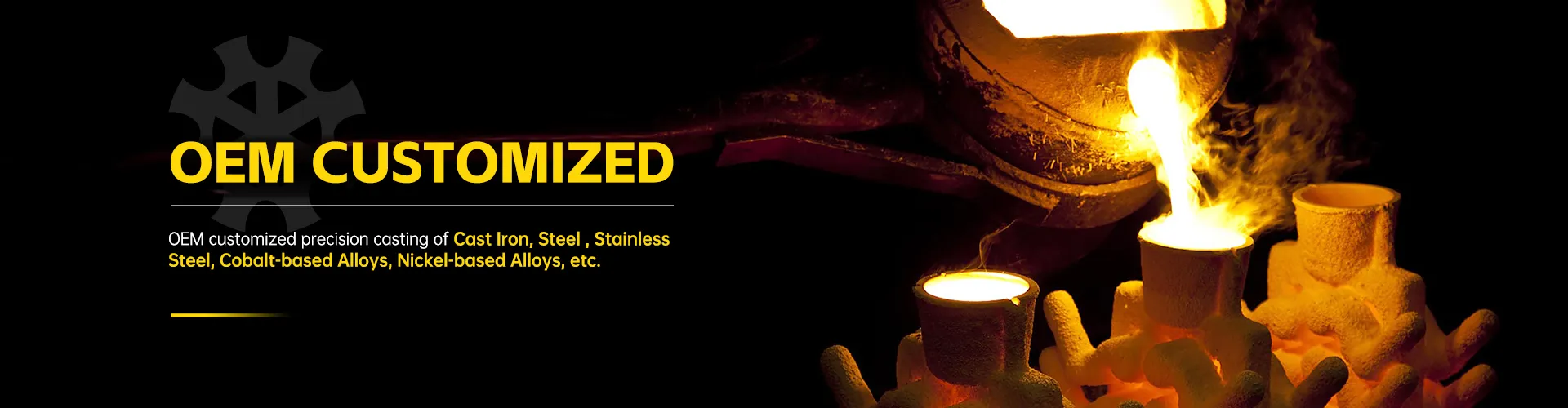
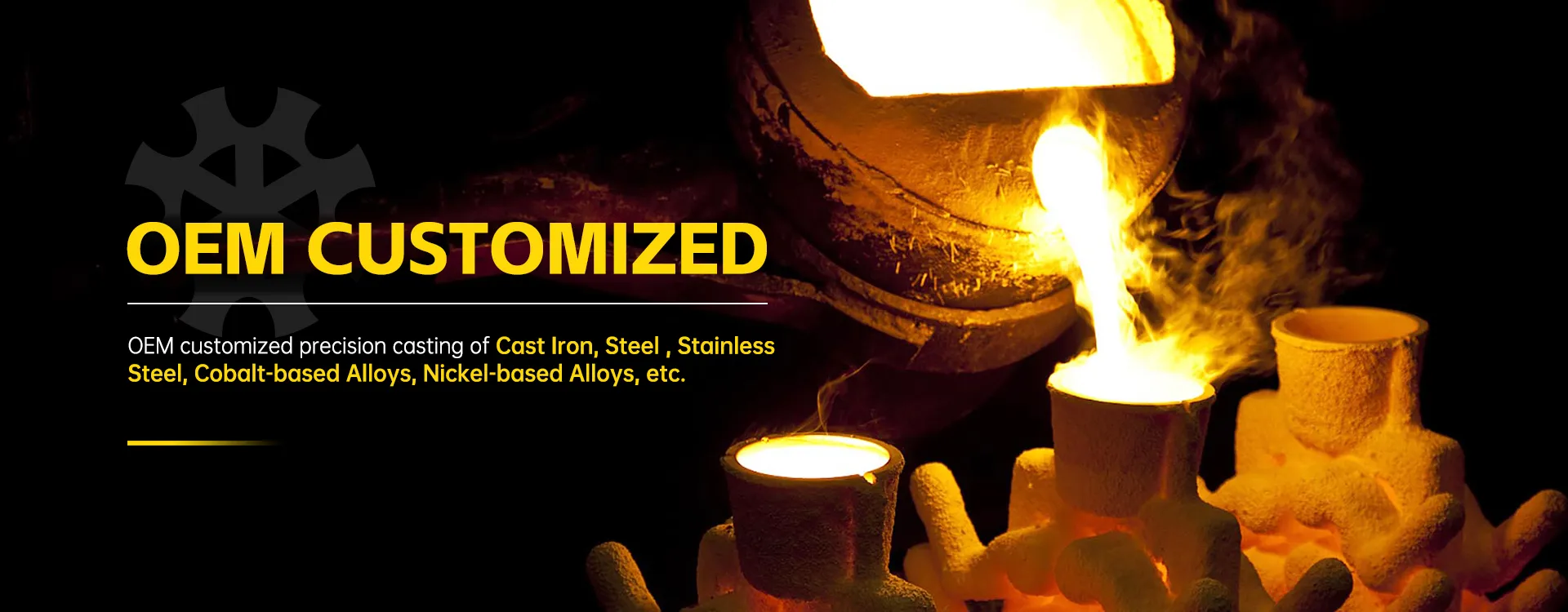
Pouring seems dramatic, but by this point, most of the fate of the casting is already sealed. The main goal now is to fill the mold quickly and cleanly. We use argon shielding for reactive alloys like nickel-based ones to prevent oxidation. The gating system designed weeks earlier during wax assembly now proves its worth. You watch the metal rise in the pour cup, hoping it's a smooth, laminar flow without vortexing that can draw in slag.
After solidification and cooling, it's knock-out time. This is cathartic but risky work. The shell is brittle but can be surprisingly tenacious. We use vibrating machines and sometimes pneumatic hammers for large castings. The goal is to remove the shell without damaging the fragile casting or putting undue stress on thin sections. For complex internal geometries, ceramic core removal is the next challenge. Some soda ash solutions work, but for intricate cores in alloy steel parts, we often resort to high-pressure water jetting or even careful thermal shock methods. It's a messy, labor-intensive stage that reminds you this isn't a clean-room process.
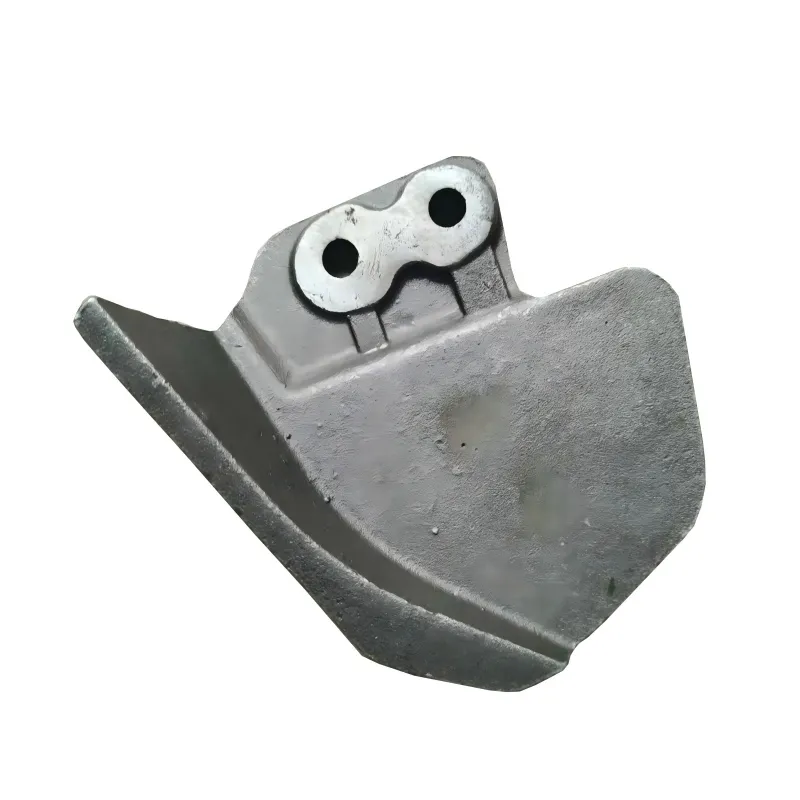
What you're left with is a rough casting tree, sprue, gates, and all. The first visual inspection happens here. Gross defects like massive shrinkage, cracks, or incomplete filling are obvious. But the more subtle issues—surface pinholes from shell reactions, slight distortion—require a trained eye. We'll often cut off a sample casting from the tree for a quick cut-and-etch to check for subsurface porosity before committing to full cutoff and finishing.
Finishing & The Real-World Compromise
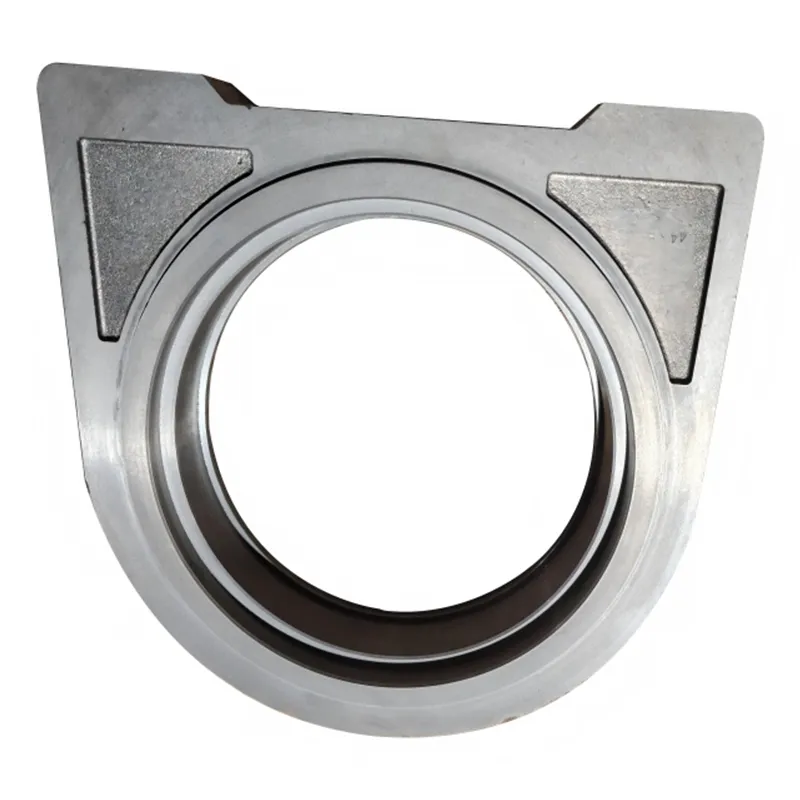
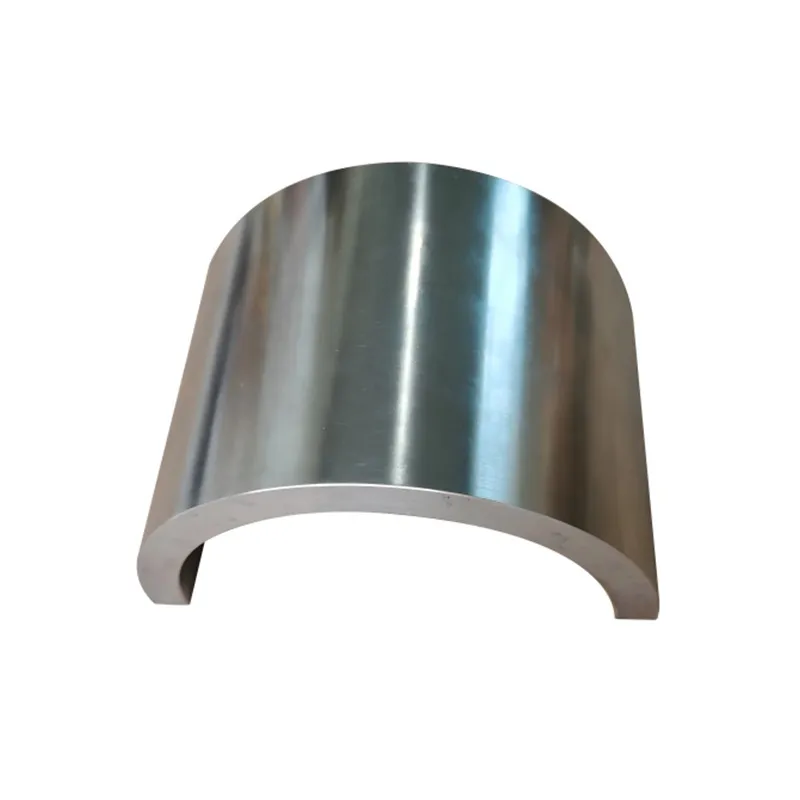
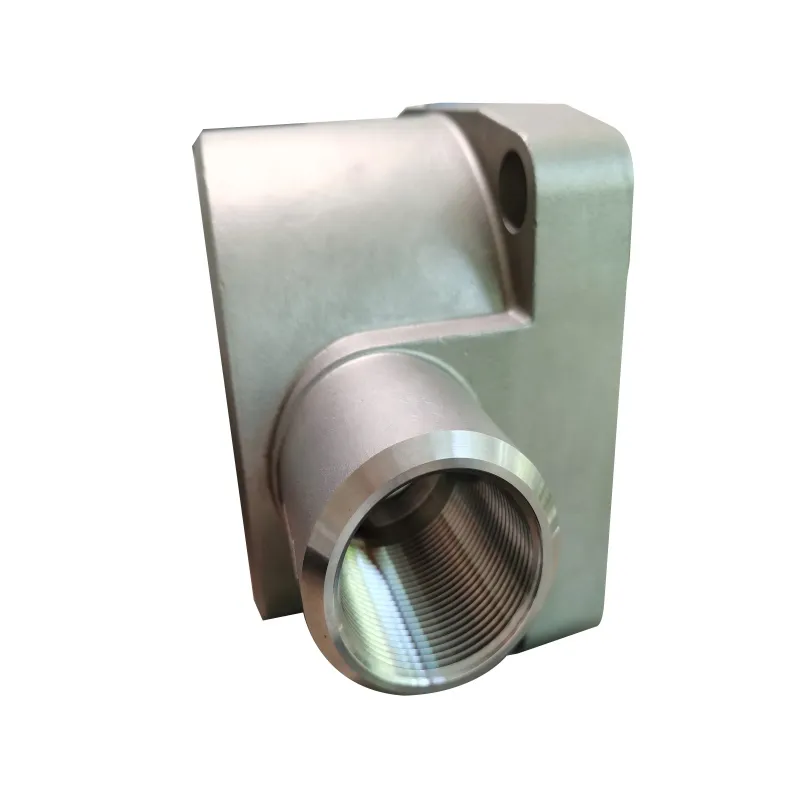
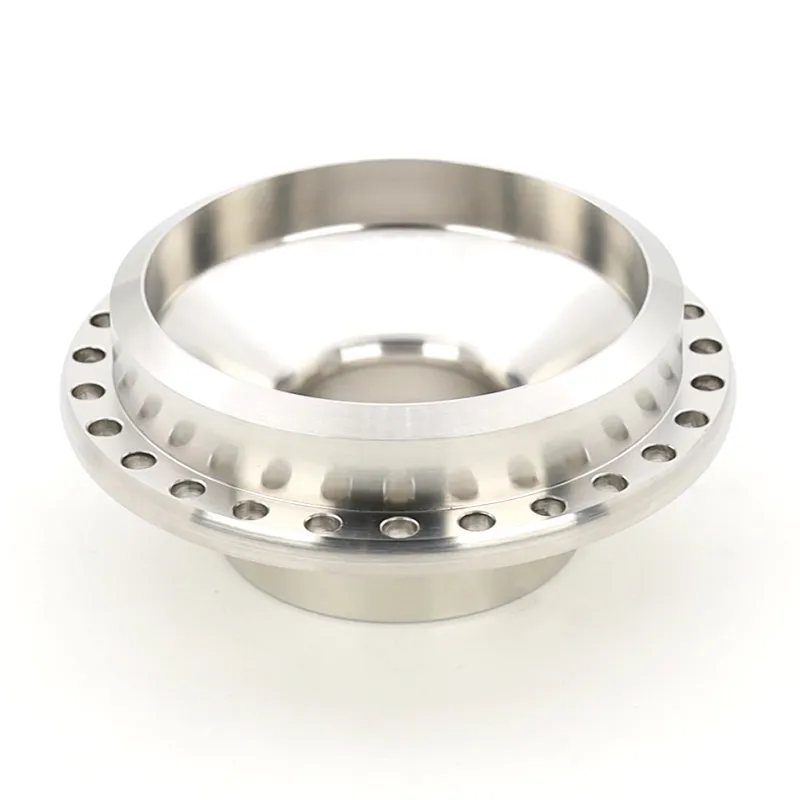
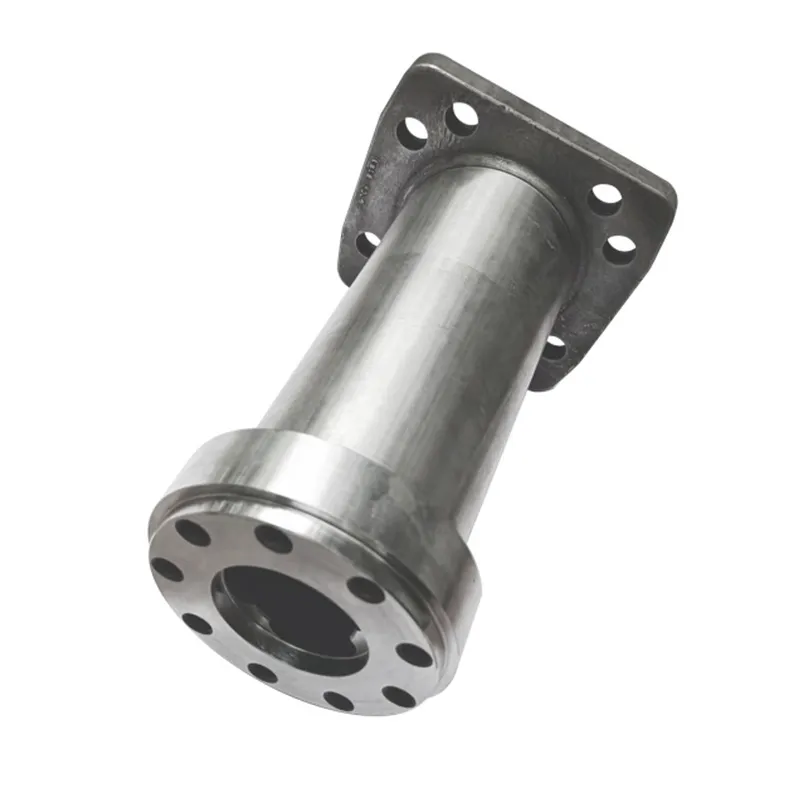
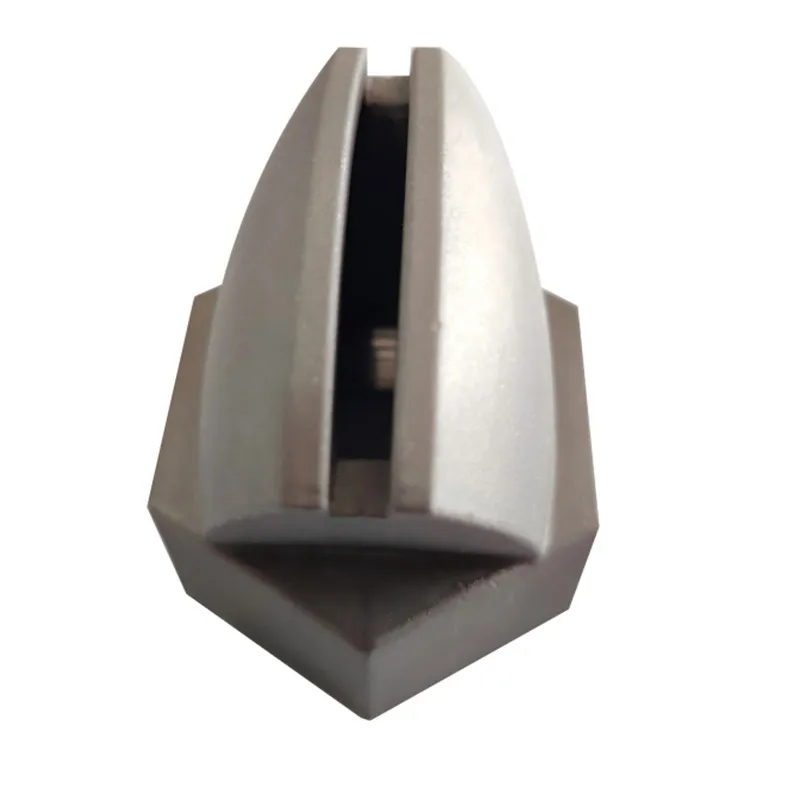
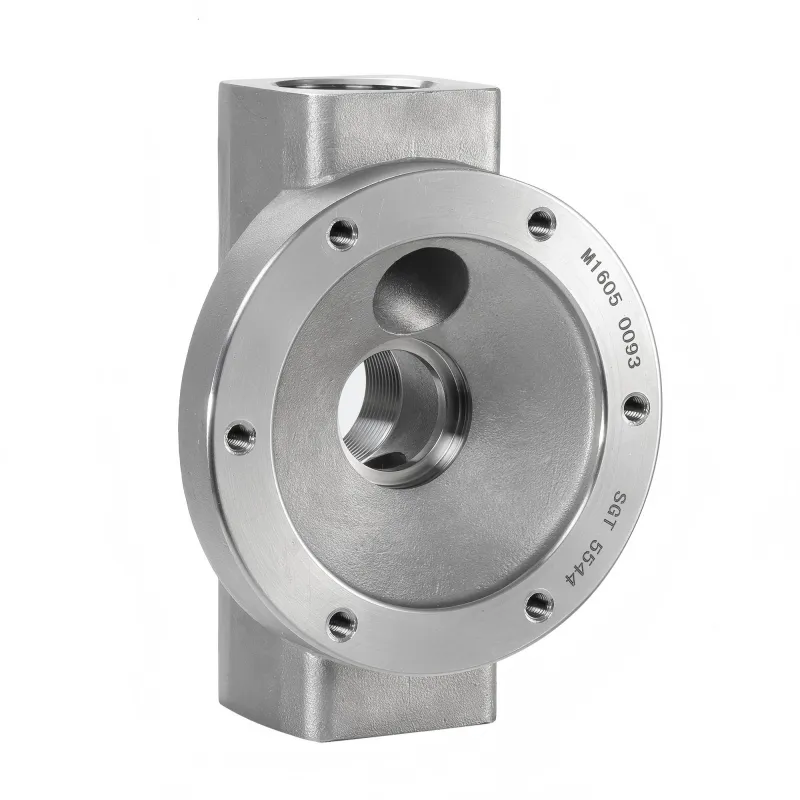
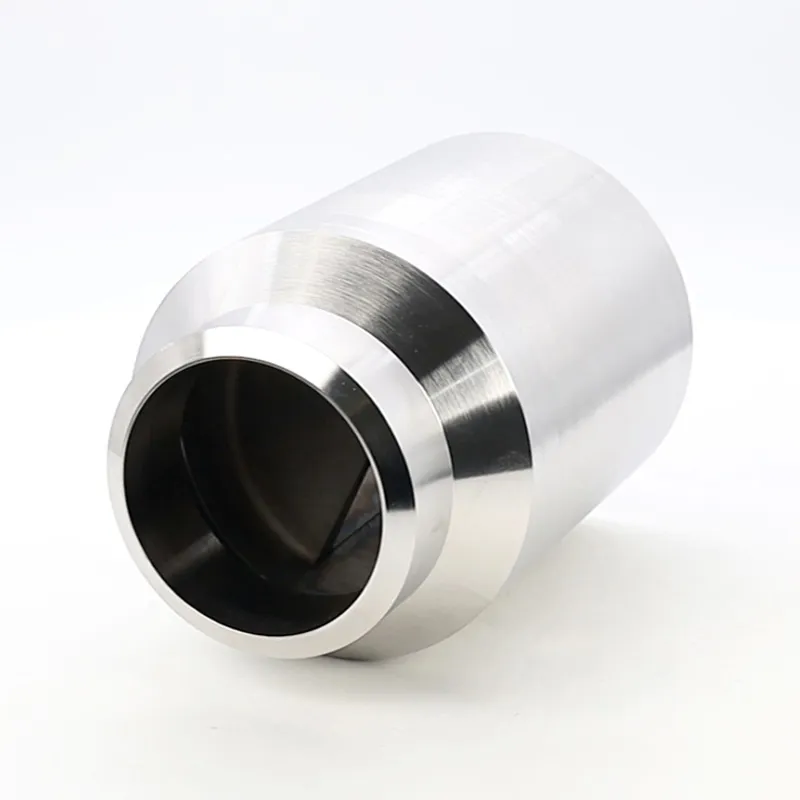
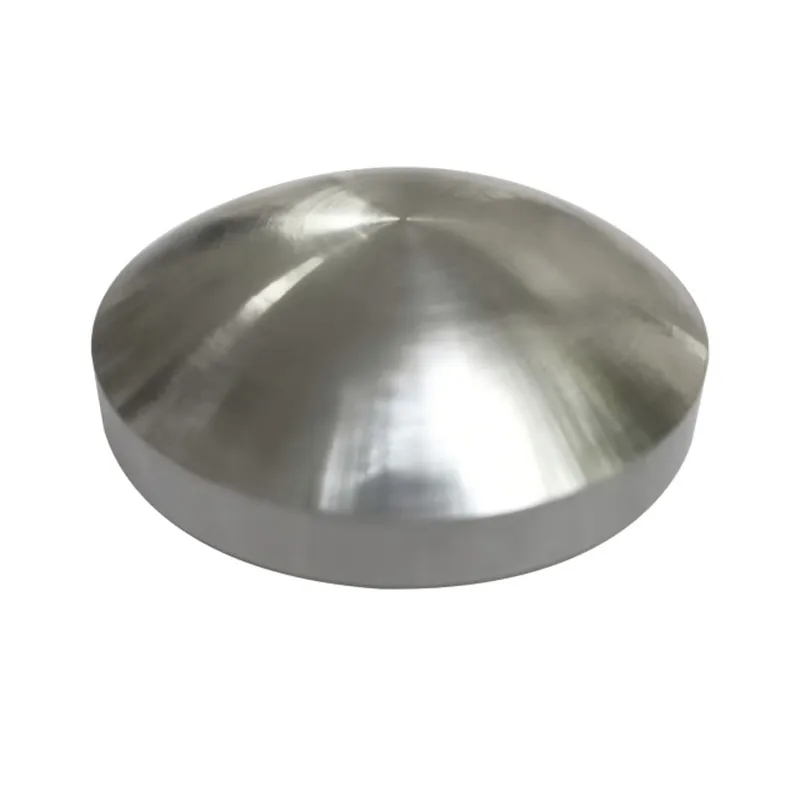
Cutoff, typically with abrasive wheels or band saws, is the start of finishing. Then comes grinding to remove gate stubs. This is where dimensional tolerances are finally realized—or not. A well-designed process leaves minimal stock for cleanup. We aim for near-net-shape, but a safety margin of 0.5-1mm is standard for most dimensions to account for minor casting shift. For a company like Qingdao Qiangsenyuan Technology Co., Ltd. (QSY), with its integrated CNC machining capability, this is a crucial link. The casting is designed with machining datums in mind. The foundry side produces a casting that is not just geometrically sound, but also has consistent wall stock for the machinists to work with. It's this vertical integration from shell mold casting and investment casting into precision machining that lets us handle materials from ductile cast iron to nightmare-to-machine cobalt-based alloys and deliver a finished component.
Final inspection is where all the process control pays off. Dimensional checks, dye penetrant testing for surface defects, X-ray for internal integrity. For high-spec components in special alloys, we'll do full material certification, tracing the heat number of the ingot back through the entire process. It's exhaustive, but it's the only way to guarantee performance in critical applications.
Looking back, lost wax investment casting is a chain of a hundred small processes. The strength of the chain isn't in any single perfect link, but in understanding how each link affects the next. It's about anticipating how a change in wax injection pressure might affect the shell drying time for a thick section, or how the choice of a stainless steel grade affects the shell preheat temperature needed for clean filling. It's a holistic, sometimes intuitive practice built on a foundation of controlled variables and hard-won experience. That's what thirty years in this business, like at QSY, really means—not just doing the steps, but knowing the deep, often unspoken connections between them. You can find a deeper look at their approach to integrated casting and machining at their site, https://www.tsingtaocnc.com, which reflects this practical, end-to-end philosophy.