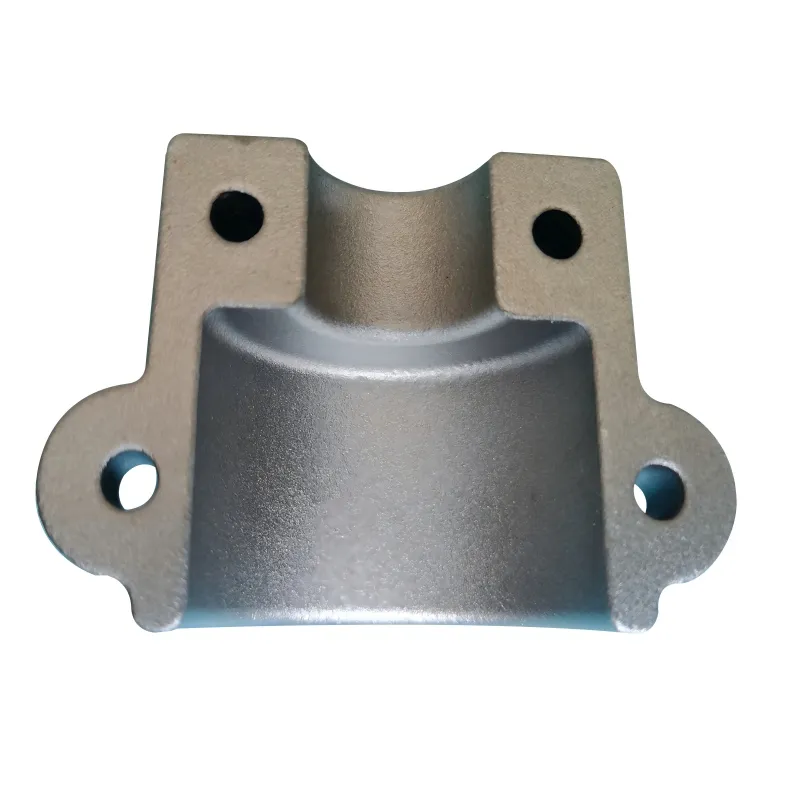
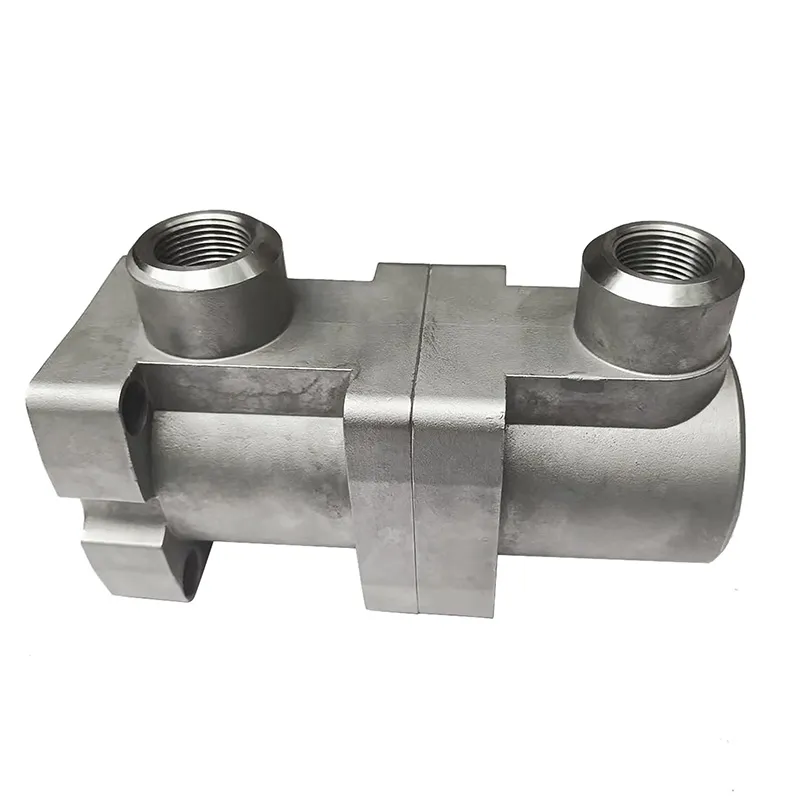
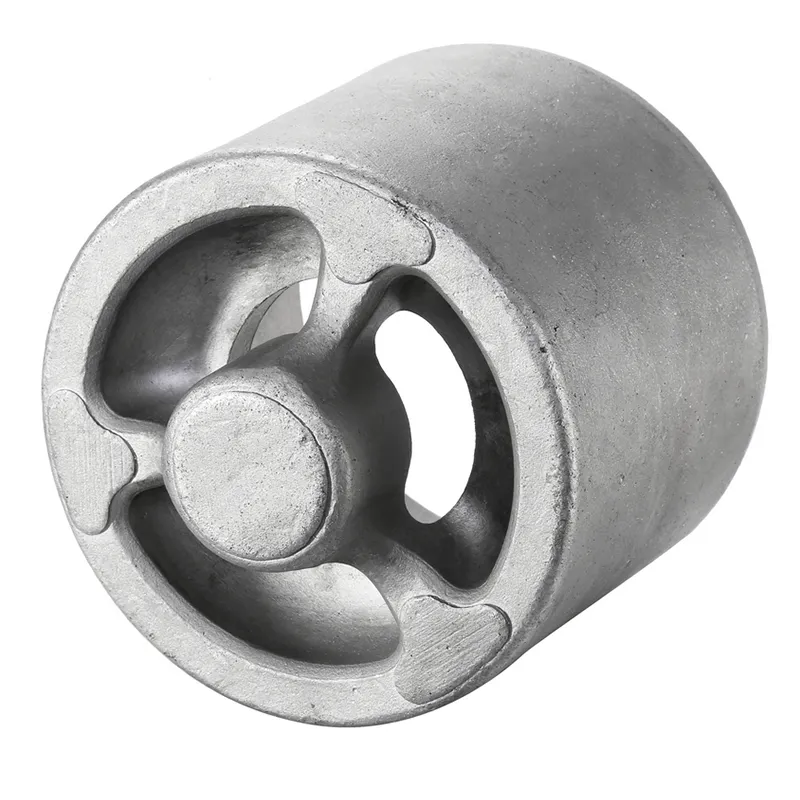
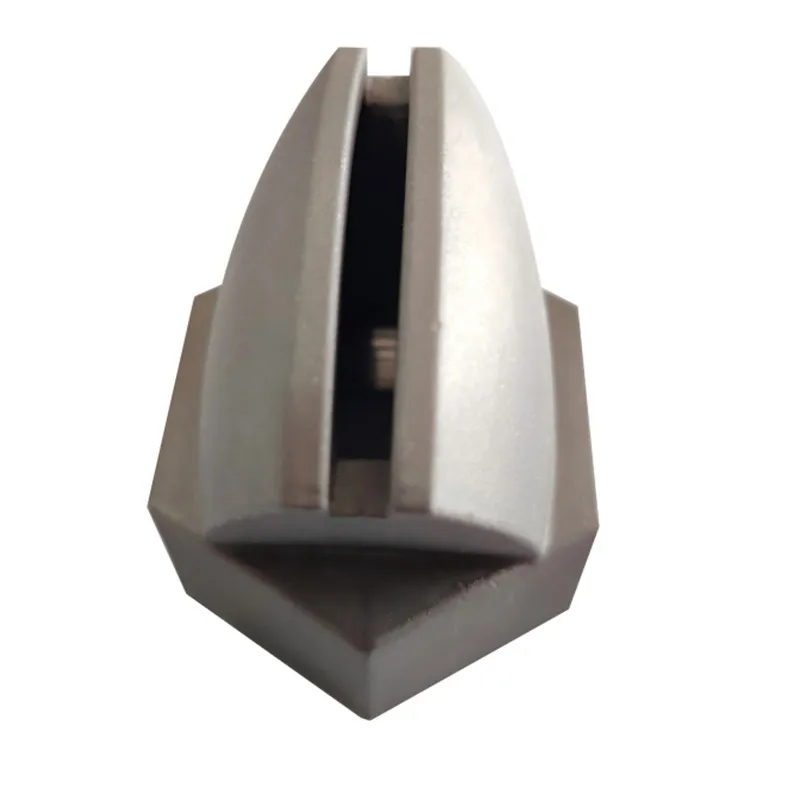
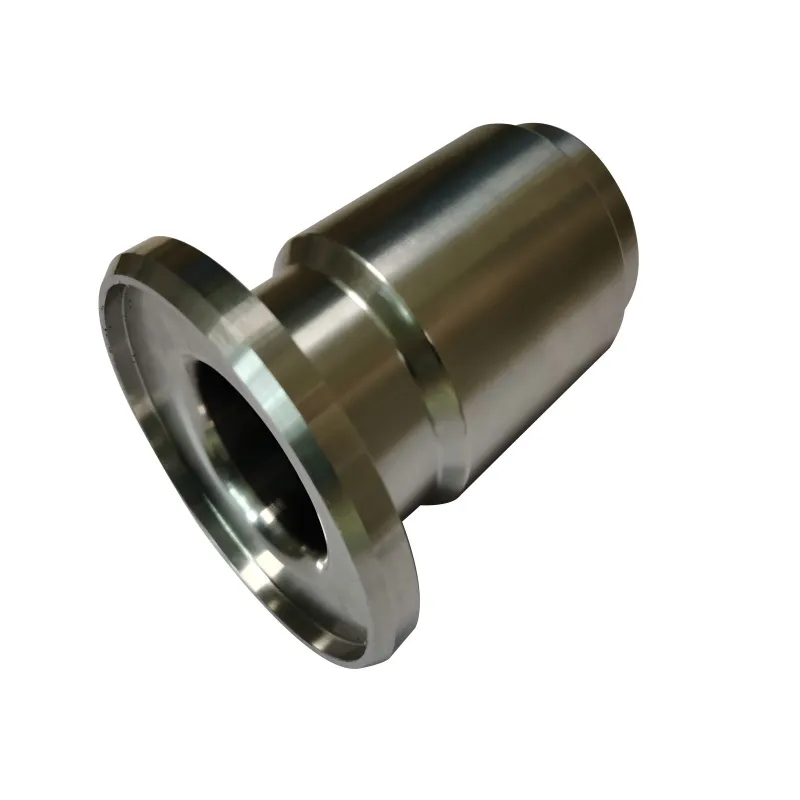
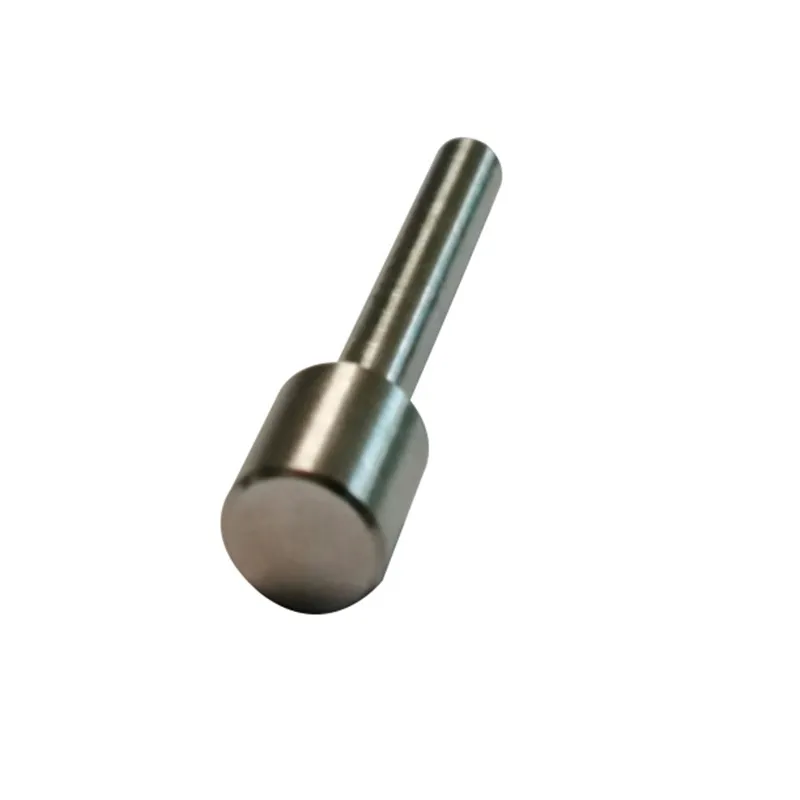
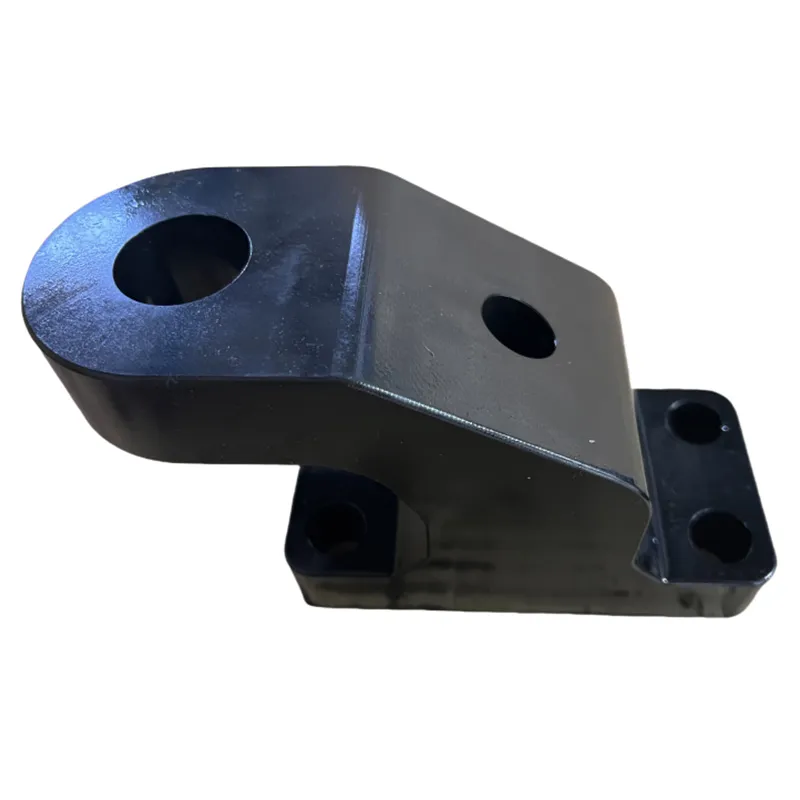
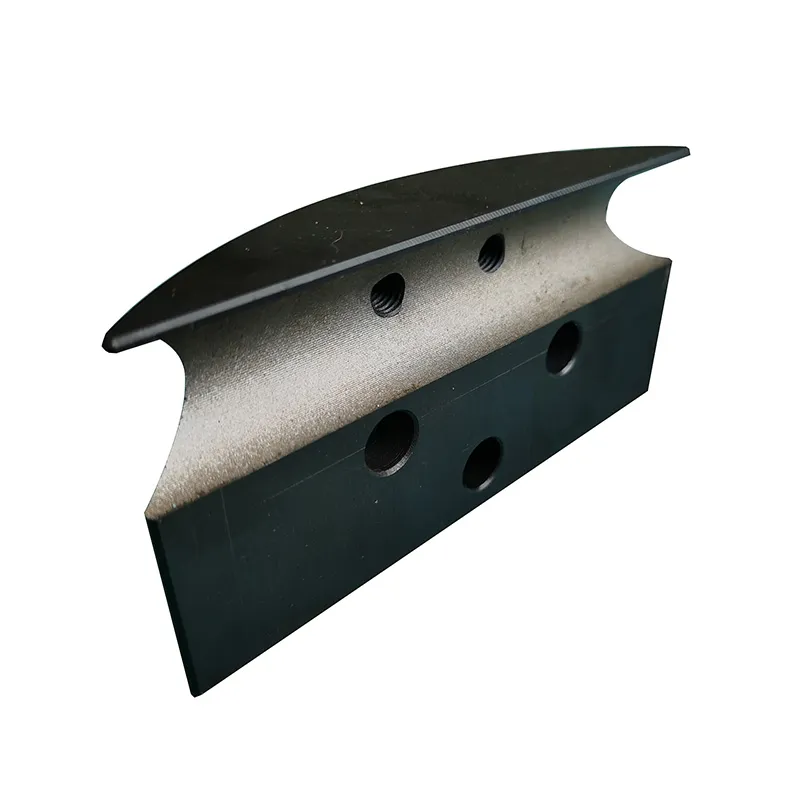
Let's be honest, when most people hear 'lost wax casting,' they picture a quaint artisan carefully pouring molten silver into a plaster mold for a piece of jewelry. That's not wrong, but it's a tiny, almost romanticized corner of what this process truly is in the industrial world. The term itself, lost wax metal casting, or more accurately investment casting, often gets oversimplified. The real challenge isn't just melting metal and losing the wax; it's about controlling the entire chain—from the first wax pattern to the final heat treatment—to achieve tolerances and material integrity that other processes can't touch. It's where art meets unforgiving metallurgy.
The Wax is Just the Beginning, and It's a Headache
Everyone obsesses over the metal, but the wax pattern is where you win or lose the job. The injection parameters for the wax—temperature, pressure, dwell time—they dictate everything. Too hot, and the wax shrinks weirdly, causing warpage that only shows up after you've built the ceramic shell. Too cold, and you get poor surface replication, maybe even flow lines. I've seen shops, good ones, scrap entire batches because they didn't account for ambient humidity affecting the wax's behavior that day. It's a living material, frankly.
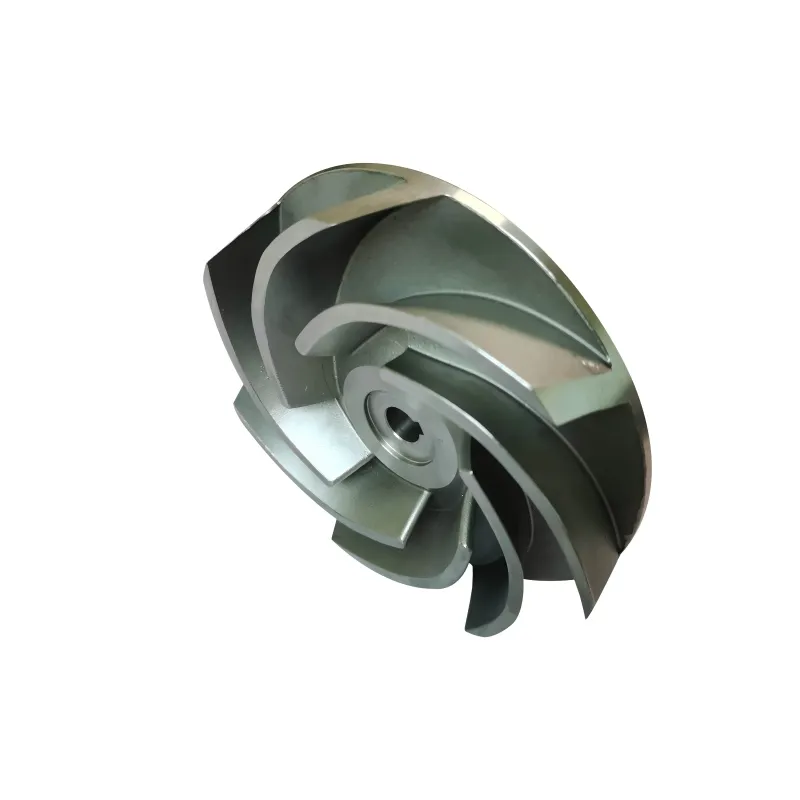
Then you have the assembly into wax trees. This is manual, skilled work. You're not just gluing parts on; you're engineering the gating system. The sprue, runners, and ingates have to be designed to allow the metal to fill the mold completely and directionally solidify to minimize shrinkage porosity. Get this wrong, and you'll have beautiful, dimensionally perfect castings with internal defects that fail under stress. I recall a project for a pump impeller in duplex stainless steel where we had to reposition the gates three times to eliminate a persistent hot spot that was causing micro-fissures.
This phase is where a foundry's experience screams. A company like Qingdao Qiangsenyuan Technology Co., Ltd.(QSY), with their three decades in the game, would have this down to a science. You can't fake that kind of process memory. It's in the fingertips of the workers assembling the trees, knowing exactly how much wax to use for a seal without creating a blob that ruins the shell coating later. Their long-term focus on investment casting means they've likely seen every wax failure mode imaginable.
Building the Shell: A Ceramic Skin, Layer by Layer
The shell-building process is deceptively simple on paper: dip the wax tree in a ceramic slurry, stucco it with sand, let it dry, repeat. But the devil's in the details. The slurry viscosity has to be monitored constantly—it changes with temperature and as material evaporates. The first coat, the face coat, is the most critical. It uses an ultra-fine zircon flour or something similar to capture every single detail. If this coat is contaminated or applied unevenly, the final casting surface will be pitted or rough, no matter what you do later.
Subsequent layers add strength. You move from fine stucco to coarser materials. The drying environment is crucial; too fast and the shell cracks from internal stress, too slow and you risk mold growth or sagging. In humid climates, this is a constant battle. We used to run dehumidifiers 24/7 in the drying rooms during monsoon season. Each layer must be completely dry before the next dip, otherwise, you trap moisture that turns to steam during the dewaxing stage and cracks the shell from the inside out. I've had a whole shell explode in an autoclave—a spectacular, expensive mess—because we rushed the drying on layer three.
The final shell thickness is a judgment call. Thicker is stronger for large castings, but it also means more material to heat up, affecting the metal's cooling rate. For thin-walled components, you need a shell robust enough to handle the metal's dynamic pressure but not so massive it causes chilling. It's a balance you learn from ruined batches.
Dewaxing and Firing: The Point of No Return
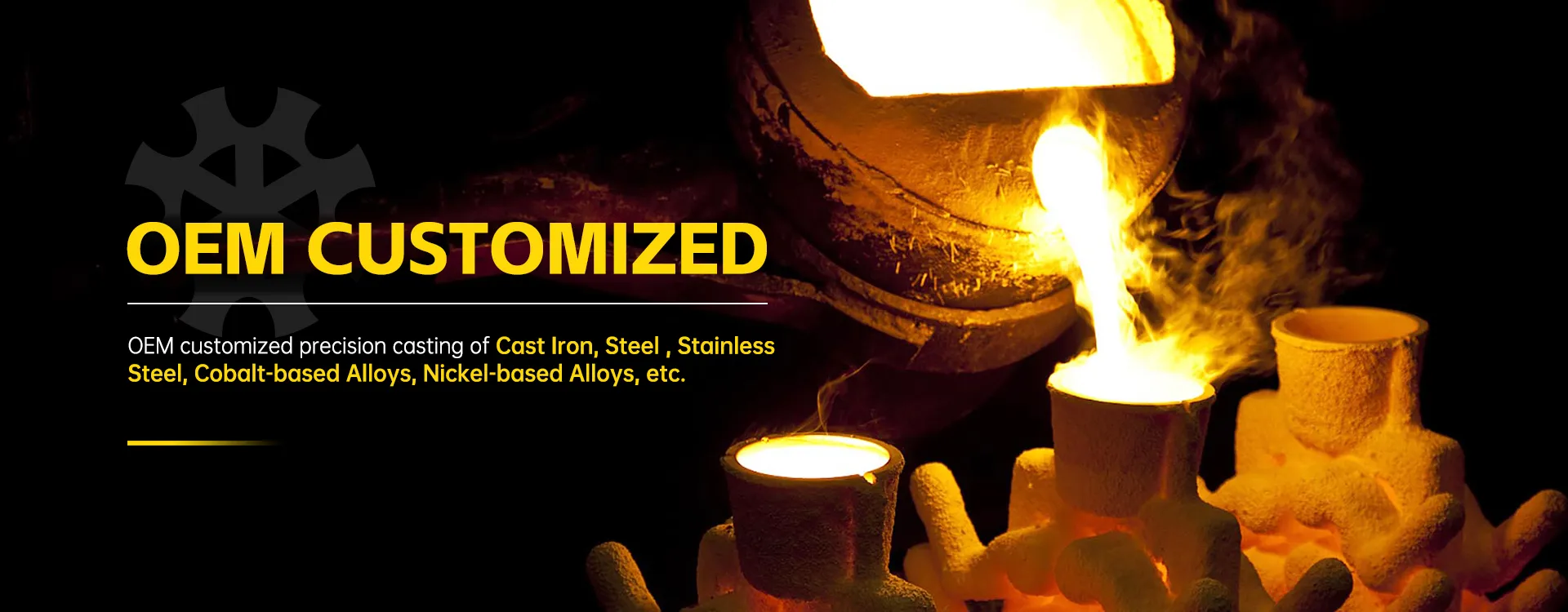
This is the lost part. You can't get the wax back. The two main methods are autoclave (steam) and flash fire. Autoclave is gentler on the shell, using high-pressure steam to melt and blow the wax out. But you have to collect the wax—it's recyclable, and for a high-volume shop, that's a significant cost saving. Flash firing is just that: sticking the shell in a furnace to burn the wax out. It's faster, but the thermal shock can crack weaker shells, and you lose the wax.
After dewaxing, you're left with a hollow ceramic mold. It looks fragile, but it's not fired yet. The firing stage, at around 1000°C, sinters the ceramic particles together, creating a strong, chemically stable mold ready for the metal. This firing also burns out any last traces of wax and moisture. The mold must be poured while it's still hot, often right out of the furnace. Pouring into a cold mold causes premature solidification and misruns. The logistics here are a dance—synchronizing the furnace melting the metal with the furnace firing the molds.
The Pour and What Comes After
The pour feels like the climax, but it's over in seconds. For alloys like nickel-based or cobalt-based superalloys—materials QSY lists as a specialty—the atmosphere is critical. Often, this is done under vacuum or in a protective argon atmosphere to prevent oxidation. You're dealing with metals that are incredibly reactive at pouring temperatures. A tiny leak in the vacuum system can ruin a heat of material worth thousands.
Then you wait. The shell has to cool down before you can break it off. This cooling rate is part of the heat treatment for some alloys. Once it's cool, you break the shell with hammers, vibratory tables, or even high-pressure water jets. What's left is the metal tree, your castings buried in a mess of gates and runners. The knockout process has to be aggressive enough to remove the ceramic but not so aggressive it damages thin casting sections.
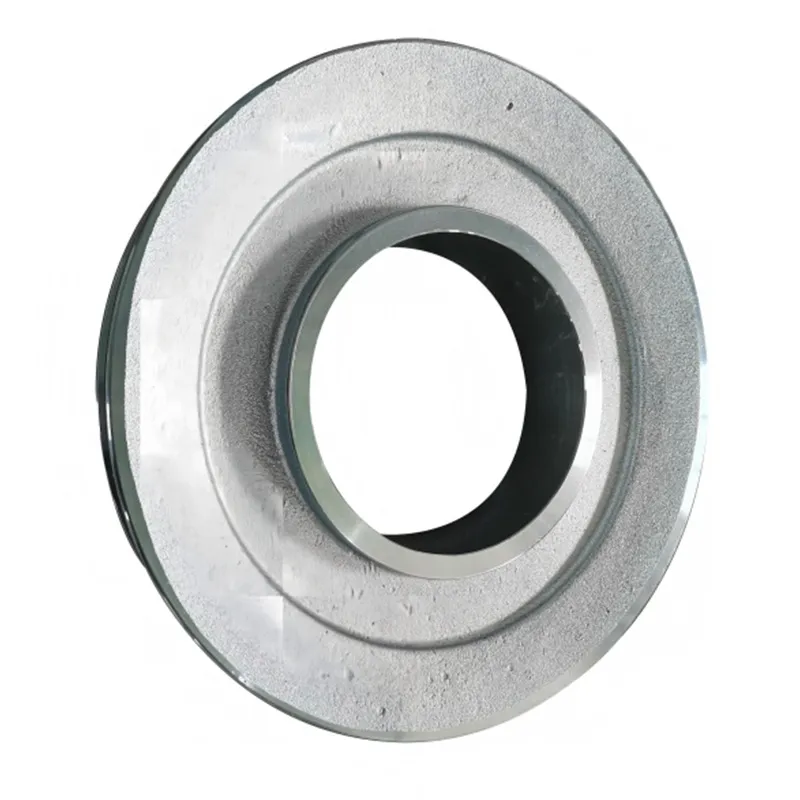
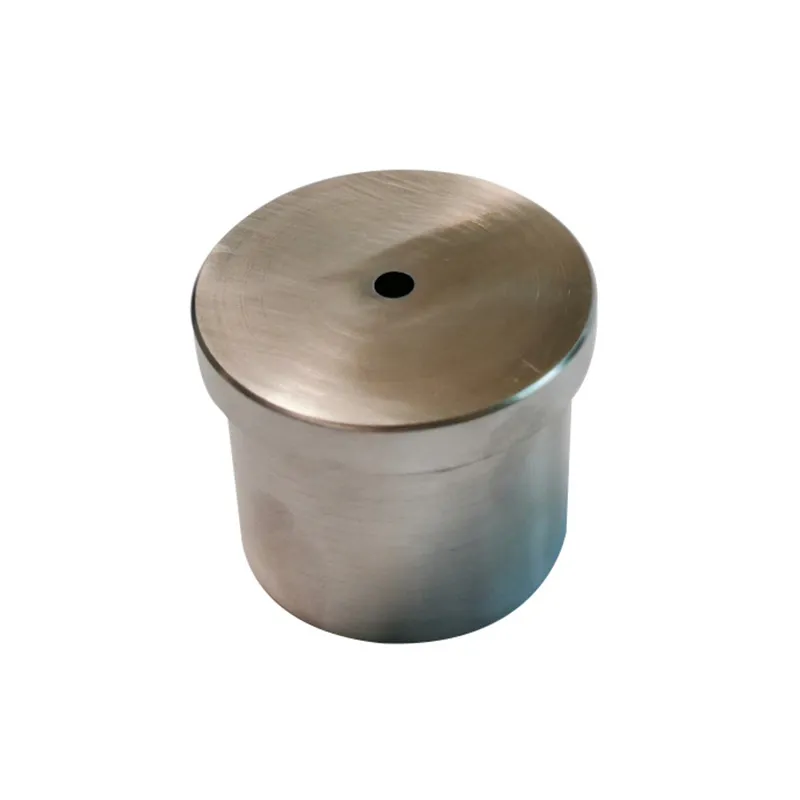
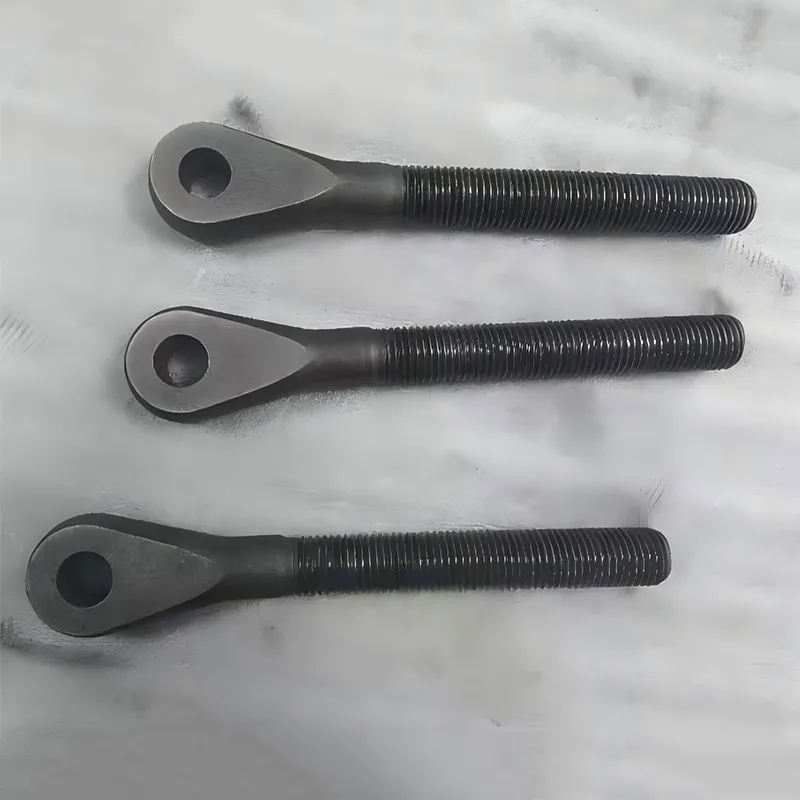
Next is cut-off. Removing the parts from the tree is typically done with abrasive saws or now, more commonly, CNC bandsaws for precision. Then you move to grinding, sandblasting, and finishing. This is where the near-net-shape advantage of lost wax metal casting really pays off. If you did everything right, there's minimal extra stock to remove. But if your pattern or shell was off, the machinists will let you know—loudly.
Why It Still Matters in a CNC World
With modern 5-axis CNC machining being so capable, people ask why bother with the messy, multi-step casting process. For one-off prototypes, they're right—just machine it. But for volume, for complex internal geometries (think turbine blades with internal cooling channels), or for certain material structures, casting is unbeatable. It allows for grain flow that follows the part contour, which can enhance fatigue life. It's often more material-efficient for complex shapes than machining from a solid block.
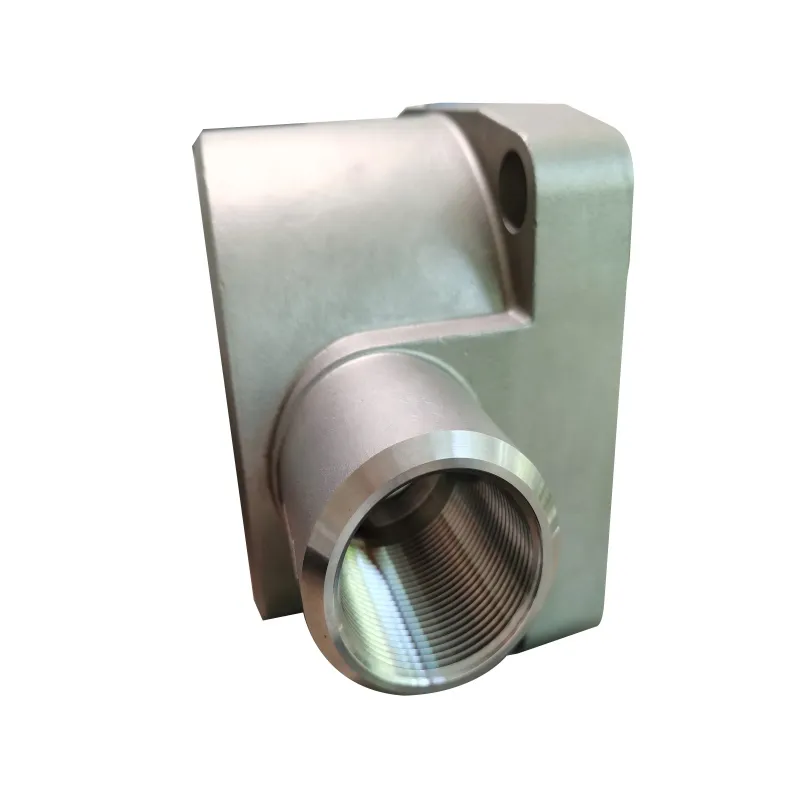
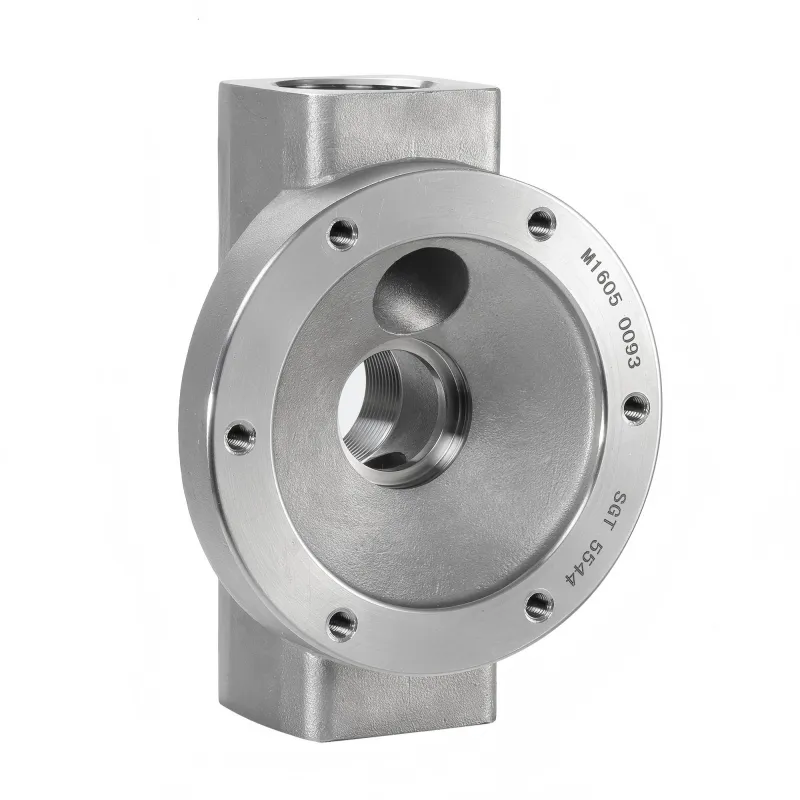
And for components that will later see precision machining, like many of the parts that come from a full-service provider like QSY (their site https://www.tsingtaocnc.com highlights their combined casting and CNC machining capability), it makes perfect sense. You cast to get the basic, complex form with good material properties, then machine the critical mating surfaces and holes to tight tolerances. It's a hybrid approach that leverages the strengths of both worlds.
The real value of a foundry isn't just in the equipment; it's in the accumulated knowledge of how to pair a design with the right material and process. When you see a company that has weathered 30 years, like the intro for Qingdao Qiangsenyuan Technology Co., Ltd. suggests, they're not just selling castings. They're selling the judgment to avoid the pitfalls that sink a project—the kind of judgment that only comes from having fixed a lot of broken shells and analyzed a lot of defective microstructures. That's what you're really buying into with a mature investment casting partner.