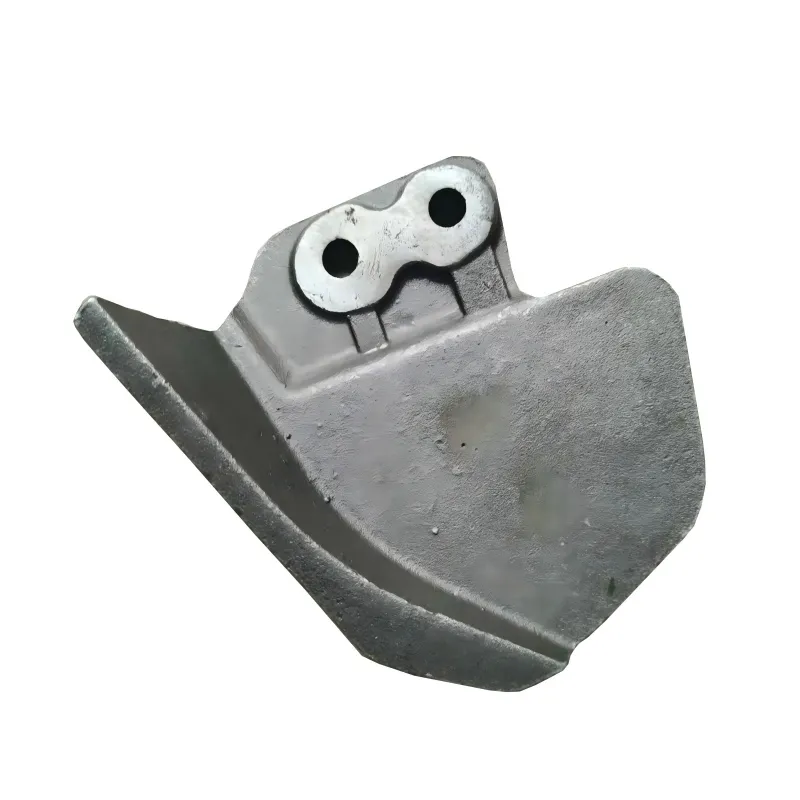
You hear 'lost wax casting' and most minds jump to jewelry or art pieces. That's the first misconception. In the industrial realm, we're talking about lost wax precision casting, or investment casting, and the gap between a delicate ring and a turbine blade component is about as wide as the Pacific. The core principle is ancient, sure, but the modern execution is a brutal dance of chemistry, thermal dynamics, and sheer patience. It's not magic; it's a controlled series of potential failures. Many clients come in thinking it's the answer to every complex geometry problem, without grasping the trade-offs: the cost of the ceramic shell process, the dimensional limits from wax pattern injection through to metal shrinkage. It's a fantastic process, but only when you know where its real strengths lie.
The Wax Room: Where It All Starts (And Can Go Wrong)
The quality of the final metal part is absolutely locked in at the wax pattern stage. This is where you need a partner who gets it. I've seen too many projects fail because the wax injection parameters were off—temperature, pressure, hold time. You get a beautiful wax pattern, but hidden internal stresses cause it to distort later during storage, or worse, during the dewaxing stage, leading to shell cracks. It's a silent failure that you only discover after pouring molten metal. At shops that know their business, like QSY (Qingdao Qiangsenyuan Technology Co., Ltd.), they've built that 30 years of experience into their wax room protocols. It's not just about making the shape; it's about making a dimensionally stable, stress-relieved wax replica that can survive the upcoming rigors.
Material choice for the wax itself is a whole science. Different blends for different geometries—some for easier melt-out, some for better surface finish. The assembly of wax patterns onto the central tree is another art form. The sprue angles, the spacing to ensure uniform shell coating and proper feeding during solidification... get this wrong, and you'll have shrinkage porosity in your premium stainless steel casting. It's these foundational steps, often overlooked in glossy brochures, that separate a precision foundry from a metal-pourer.
And let's talk tooling. The aluminum molds for injecting the wax patterns are a massive upfront cost and time sink. This is the first major decision gate. For prototyping or low volume, we sometimes use 3D-printed patterns directly, sacrificing some surface finish for speed. But for production runs, especially for the high-nickel alloys QSY often handles, you need that hardened metal mold. The lead time and cost here filter out the non-serious inquiries. You don't embark on this process for a run of 50 pieces unless the part is impossibly complex.
The Shell Building: A Ceramic Armor, Layer by Layer
This is the investment in investment casting. Dipping the wax tree into a ceramic slurry, stuccoing it with sand, and letting it dry. Repeat. Seven, eight, nine times. The room humidity and temperature control are critical—if the previous layer isn't dry to the core, the next one will trap moisture, leading to steam explosions during the high-temperature dewaxing in the autoclave. I've heard the pops. It's a sickening sound, meaning a shell is lost and days of work are gone.
The ceramic formula is another key. For standard carbon steel, a common silica-based system might suffice. But when you move to reactive alloys like the nickel-based or cobalt-based ones QSY lists, you need non-reactive facing layers, often zircon-based, to prevent surface contamination. The shell isn't just a negative mold; it's a chemical barrier. The choice of stucco sand (zircon, alumina-silicate) affects the shell's permeability and hot strength. Too weak, it cracks under the metal static head pressure. Too impermeable, and you get gas entrapment. It's a balancing act honed over thousands of builds.
After the final coat, the shell needs to be thoroughly dried and then fired in a furnace at around 1000°C. This burns out any residual wax, sinters the ceramic into a strong, monolithic mold, and brings it to temperature for pouring. Pouring into a hot shell versus a cold one dramatically affects metal fluidity and final grain structure. This is where the process connects metallurgy with ceramics. You can't just have a good melting department; you need the shell team and the melt team in sync.
The Pour & The Aftermath: Not the End of the Story
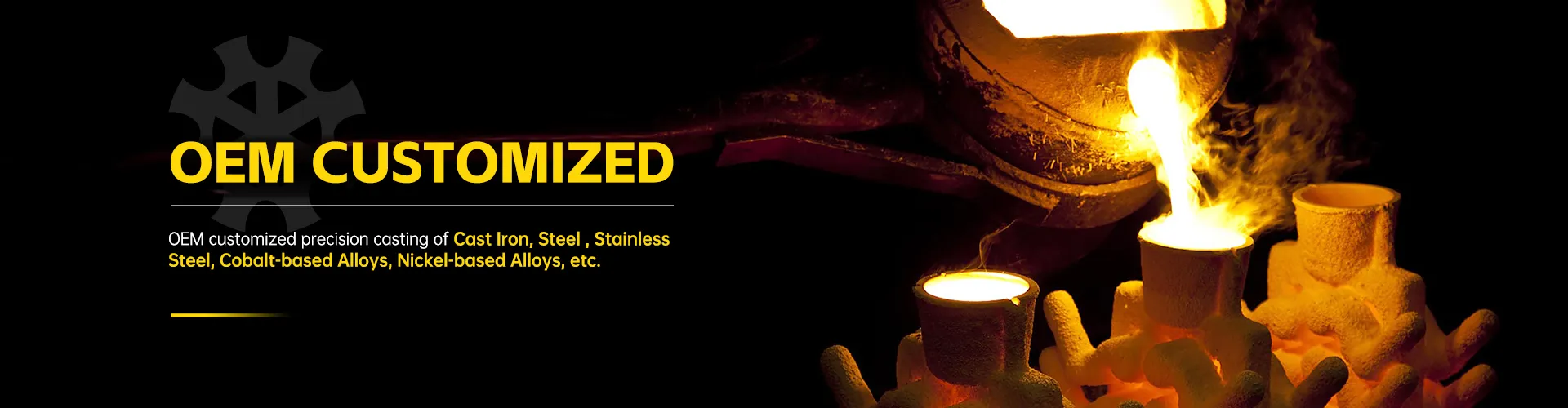
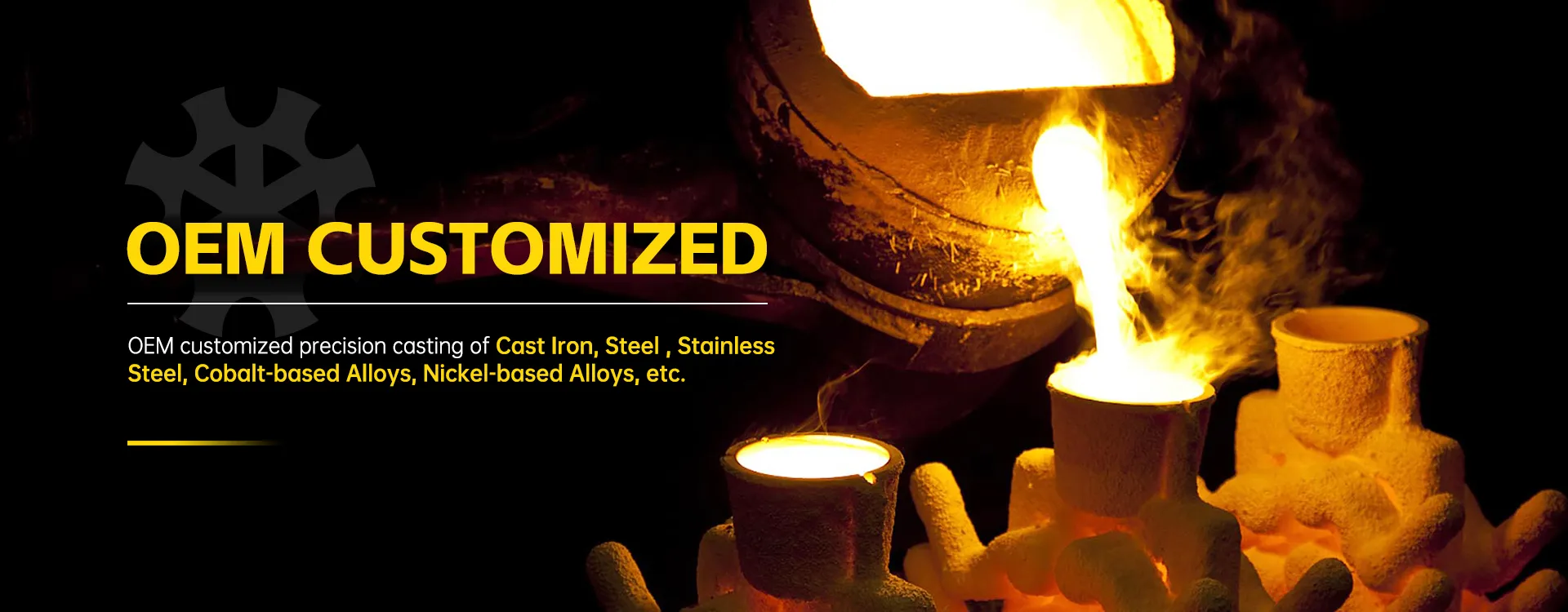
Pouring seems like the climax, but it's just another controlled step. The alloy is melted, often in a vacuum or atmosphere-controlled induction furnace, especially for those special alloys. Turbine blades, for instance, demand vacuum pouring to prevent oxidation. The metal is poured into the pre-heated shell. Then, the wait. Solidification must be controlled. Sometimes the entire tree is placed into a hot insulation blanket to promote directional solidification, feeding from the sprue to prevent micro-shrinkage in the part itself.
Knock-Out and Cut-Off
Once cool, the ceramic shell is violently removed by vibration or water blasting. What's left is a metal tree sprouting your parts, covered in a thin layer of fired ceramic that's fused to the surface. This is where the as-cast surface finish is revealed. A good shell process yields a finish that might only need light blasting. A poor one leaves massive scale and penetration that eats into machining stock.
Then comes the brutal cut-off. Using abrasive wheels or now more commonly, high-pressure waterjets or CNC bandsaws, individual parts are cut from the central sprue. This leaves a stub that must later be ground down. The cut-off operation needs care to avoid inducing stresses or damaging the delicate cast features.
When Precision Casting Meets CNC: The Necessary Partnership
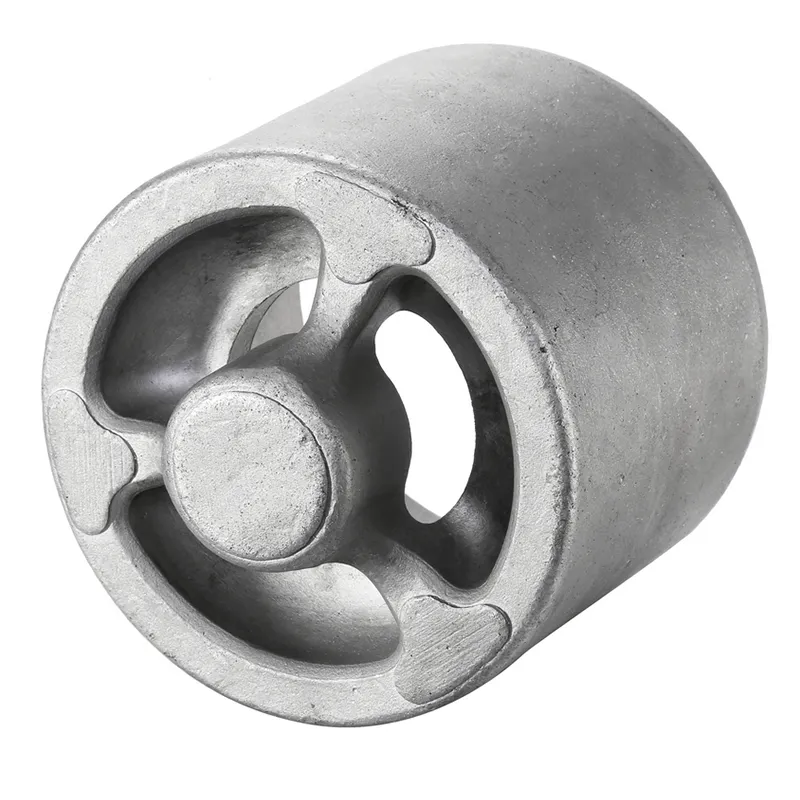
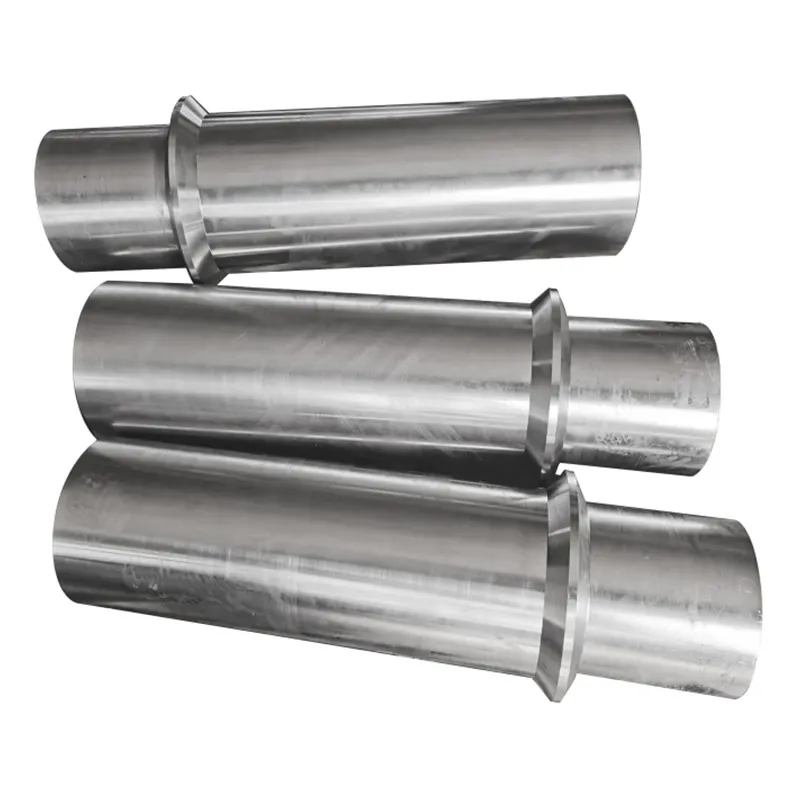
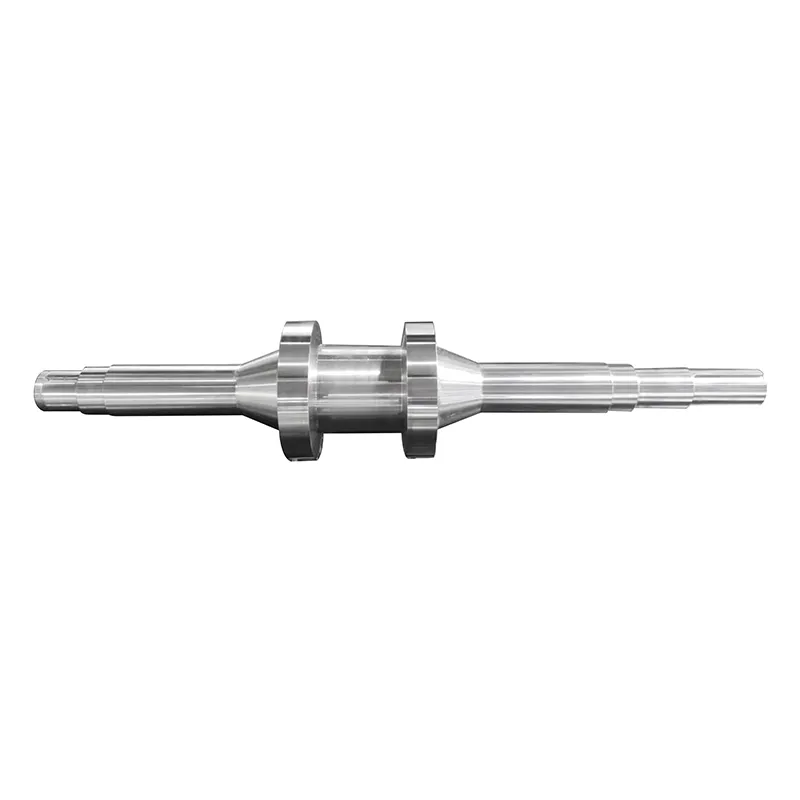
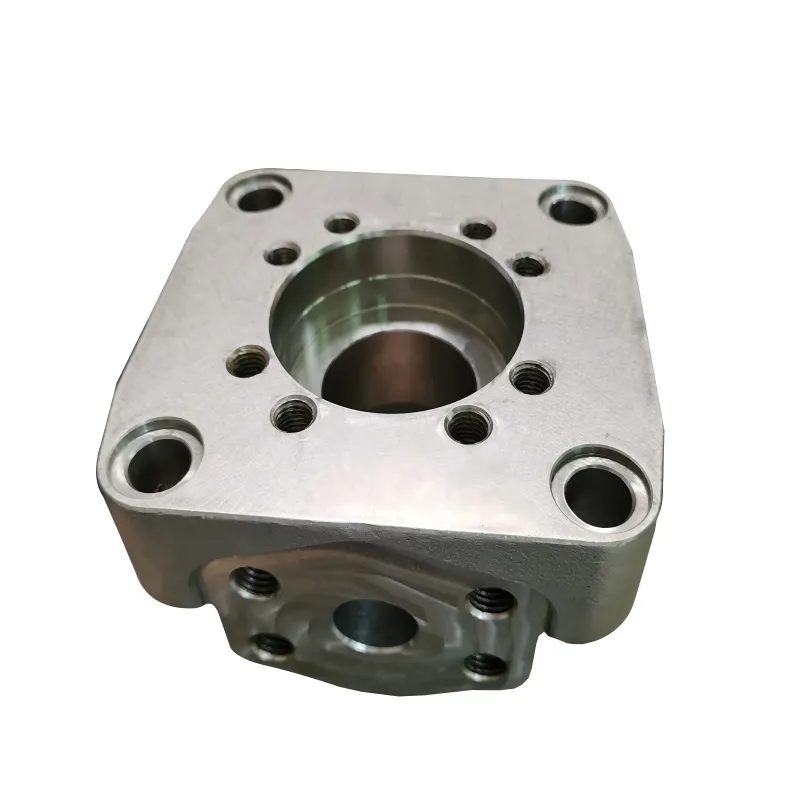
Very, very few lost wax precision casting parts are ready to use straight from the tree. That's the second big misconception. This process gets you close to net shape, but critical interfaces—bolt holes, sealing surfaces, precision bores—almost always require machining. This is why a foundry with integrated CNC capability, like what you see at QSY's operation (their portal at tsingtaocnc.com details this integration), has a huge advantage. The foundry and machine shop are speaking the same language. The casting designer knows to leave adequate but not excessive machining stock. The CNC programmer knows the potential hidden stresses in the casting and how to sequence cuts to maintain stability.
I recall a valve body in duplex stainless steel. The casting was beautiful, but during machining of the flange face, a small pocket of subsurface shrinkage was revealed. It was on a non-critical area, but it was a defect. Because the machining was done in-house by the same company that cast it, the feedback loop was instantaneous. The foundry team could trace it back to a potential gating issue on that specific tree location. The problem was solved for the next batch. If the machining was farmed out, that feedback might never have happened, or would have been lost in translation and blame.
The synergy is about more than just logistics. It's about shared responsibility for the final component. The machinist understands the casting's grain flow and potential hard spots from the shell interaction. This informs tool selection and cutting speeds. It turns a supplier relationship into a single-point manufacturing solution, which for complex, high-value parts in industries like energy or aerospace, is the only way to ensure reliability.
Material Realities: Not All Metals Behave the Same
The brochure says we cast stainless steel, nickel alloys, cobalt alloys. It makes it sound interchangeable. It's not. Each family behaves wildly differently in the lost wax precision casting process. Carbon and low-alloy steels are relatively forgiving, with good fluidity and predictable shrinkage. 300-series stainless steels? They have a long solidification range, which can make them prone to hot tearing if the mold rigidity and cooling aren't managed.
But the superalloys, the nickel and cobalt-based ones, are another beast. They have high melting points, which stresses the ceramic shell more. They're often reactive, demanding those inert facing layers. Their shrinkage can be highly directional. Pouring temperature windows are narrow. Getting a sound casting in something like Inconel 718 is a testament to a foundry's process control. This is where the decades of experience at a firm like QSY become tangible. It's not about having the furnace that can reach the temperature; it's about knowing exactly how to pour, cool, and heat-treat that specific alloy to meet the mechanical property specs. This knowledge is hard-won, often through past iterations that didn't meet spec.
Failure analysis is a key part of the job. A part fails radiography or penetrant testing. Was it a shell issue? A gating design flaw? A pouring temperature error? A material contamination? The answer is rarely simple. You tear the process back, step by step. This iterative, problem-solving aspect is the heart of real-world precision casting. It's messy, non-linear, and absolutely critical for progress. The companies that last in this field, the ones you find with a solid operational history behind a site like https://www.tsingtaocnc.com, have institutionalized this learning from failure. It's in their setup sheets, their process manuals, and the instincts of their floor technicians.
Closing the Loop: It's a Process, Not a Product
So, when evaluating lost wax precision casting, you're not really buying a part. You're buying into a process—a long, intricate, and highly technical chain of events with multiple feedback loops. The value isn't just in the final geometry; it's in the material integrity, the structural soundness, and the surface quality that the process can impart when done correctly. It's expensive and time-consuming, and for simple parts, it's outright overkill.
But for the right part—complex internal passages, thin walls, excellent surface finish, made from a difficult-to-machine alloy—there's often no substitute. The key is to partner with a supplier that sees the whole picture, from the wax injection machine to the CNC mill, and has the battle scars to prove they've learned from every misstep along the way. That's where true precision is born, not from a flawless first article, but from the relentless pursuit of controlling every variable in a famously variable-prone craft.