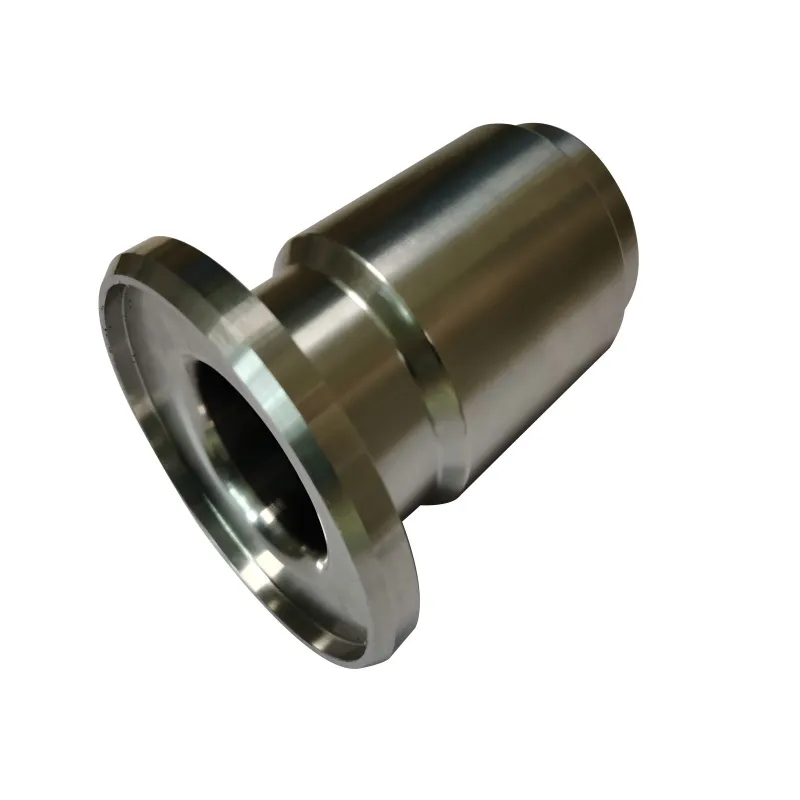
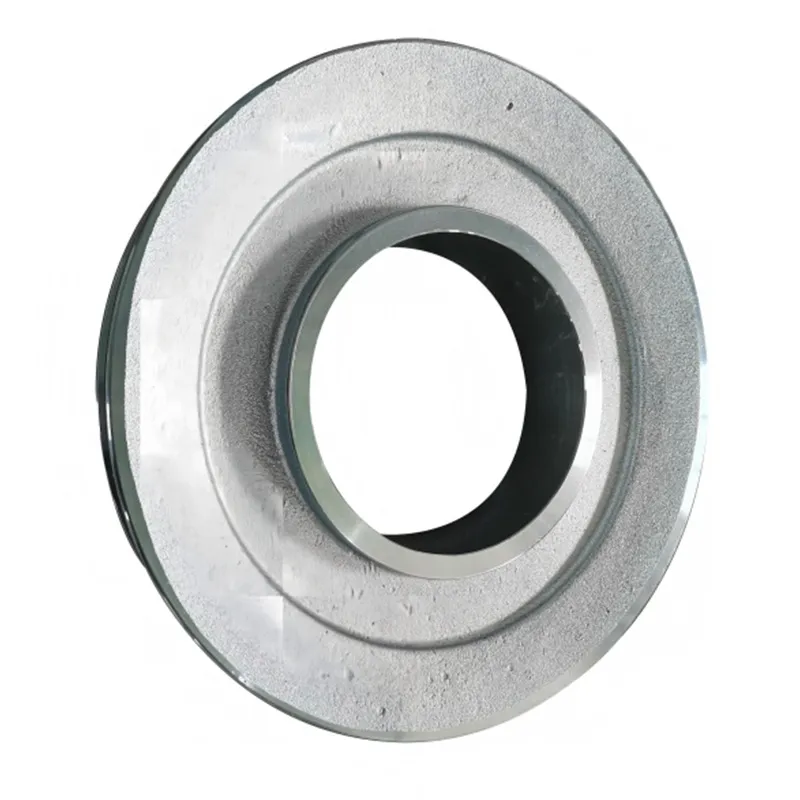
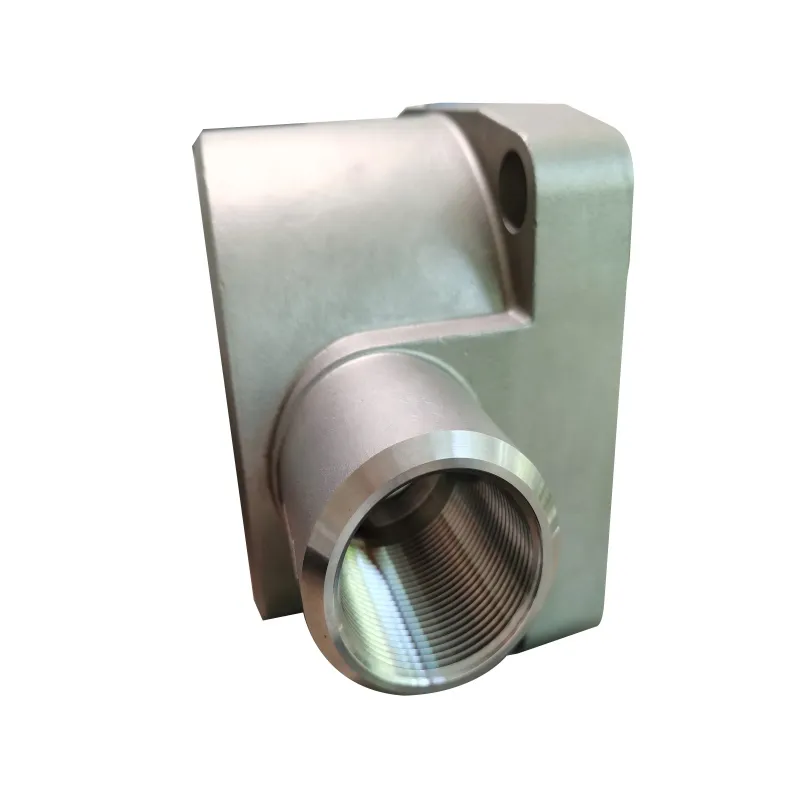
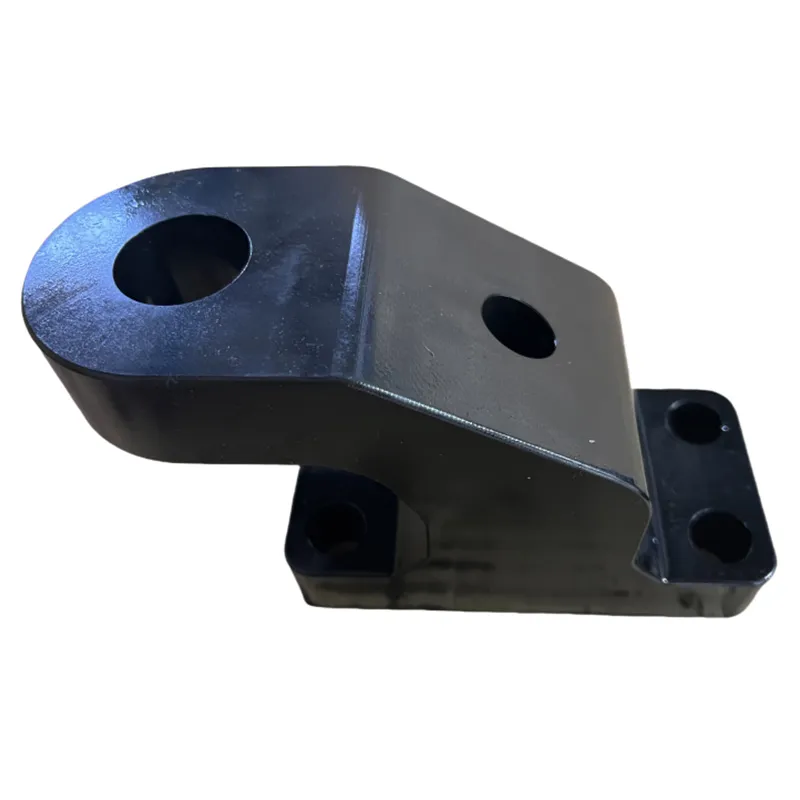
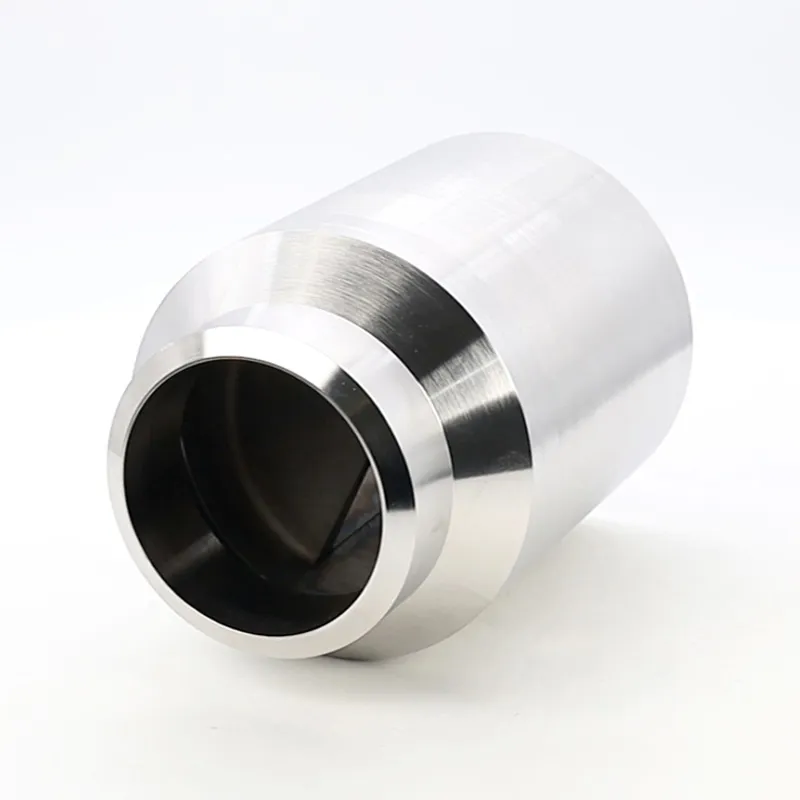
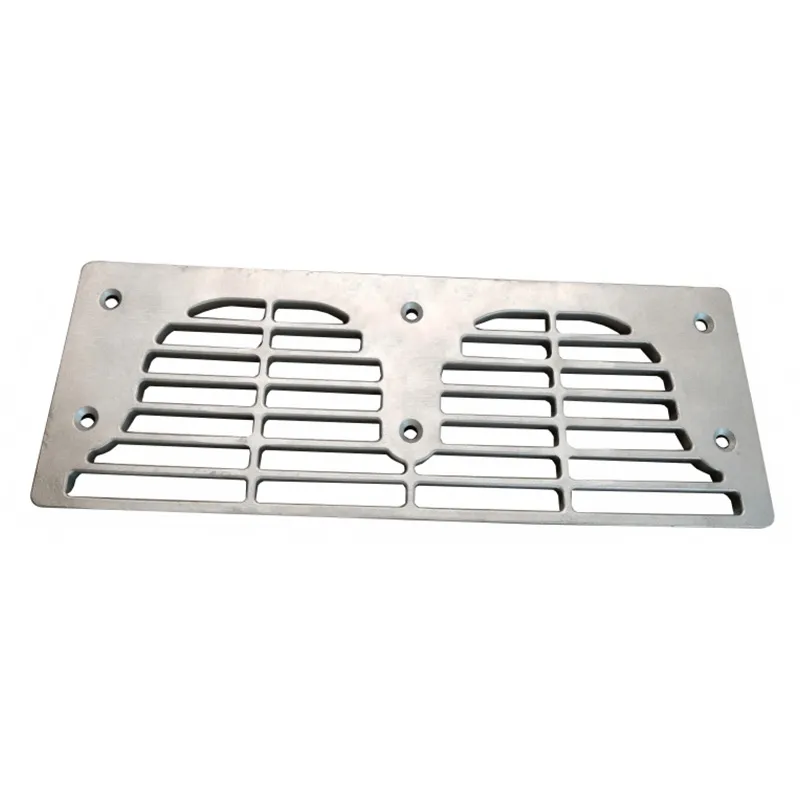
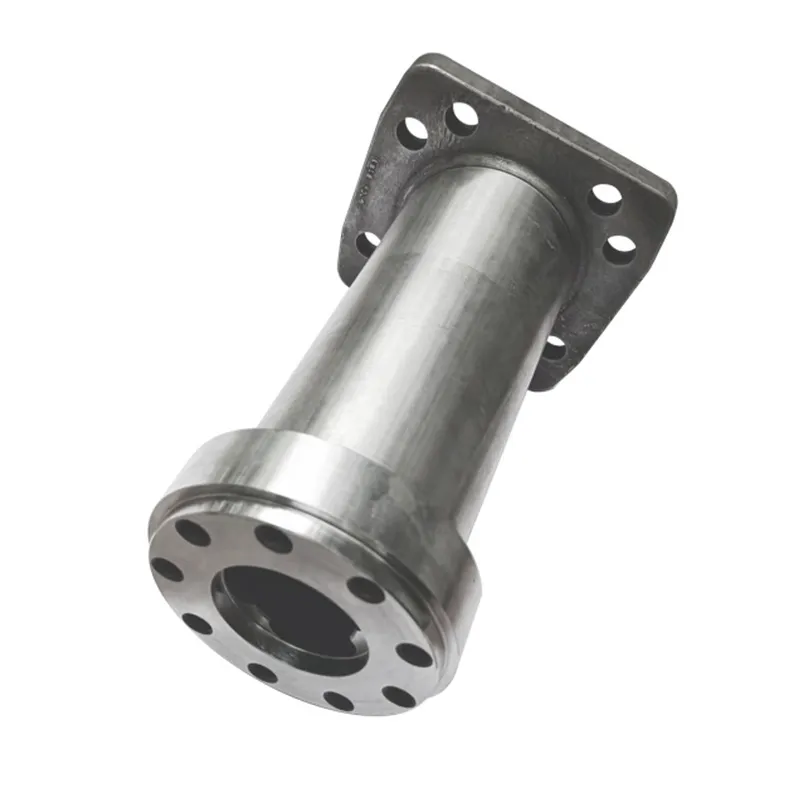
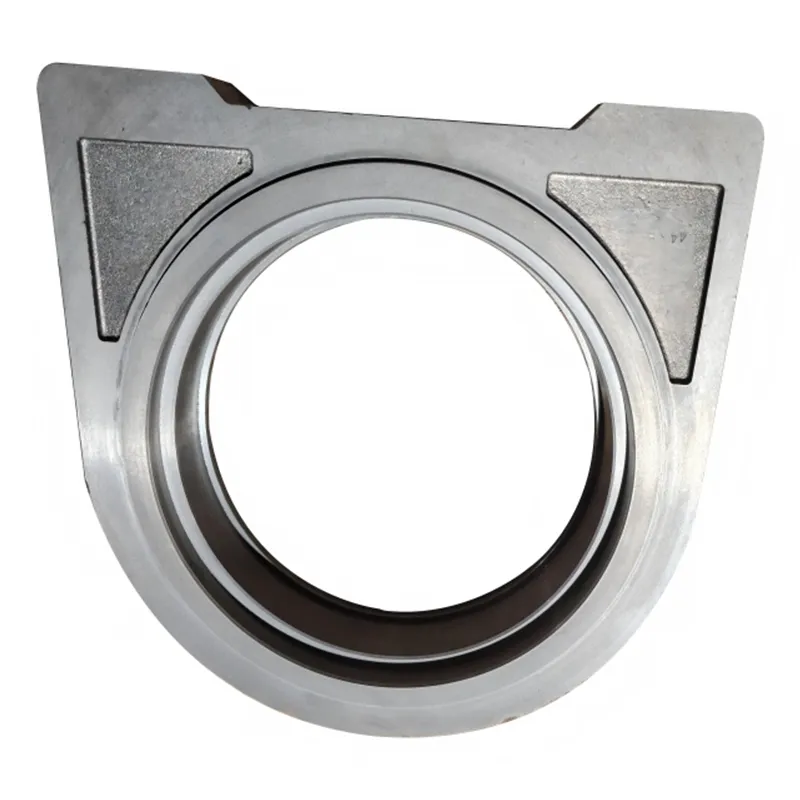
When you hear 'lost wax sand casting', most think of intricate jewelry or art pieces. That's the common trap. In industrial contexts, especially for complex, low-to-medium volume metal components, it's a different beast entirely. It's not just about making a mold; it's about managing the marriage between a precise wax pattern and a resilient sand mold, knowing exactly where the process will fight you, and having the machining backup to clean up the mess it inevitably leaves behind.
The Core Confusion: It's Not Pure Investment Casting
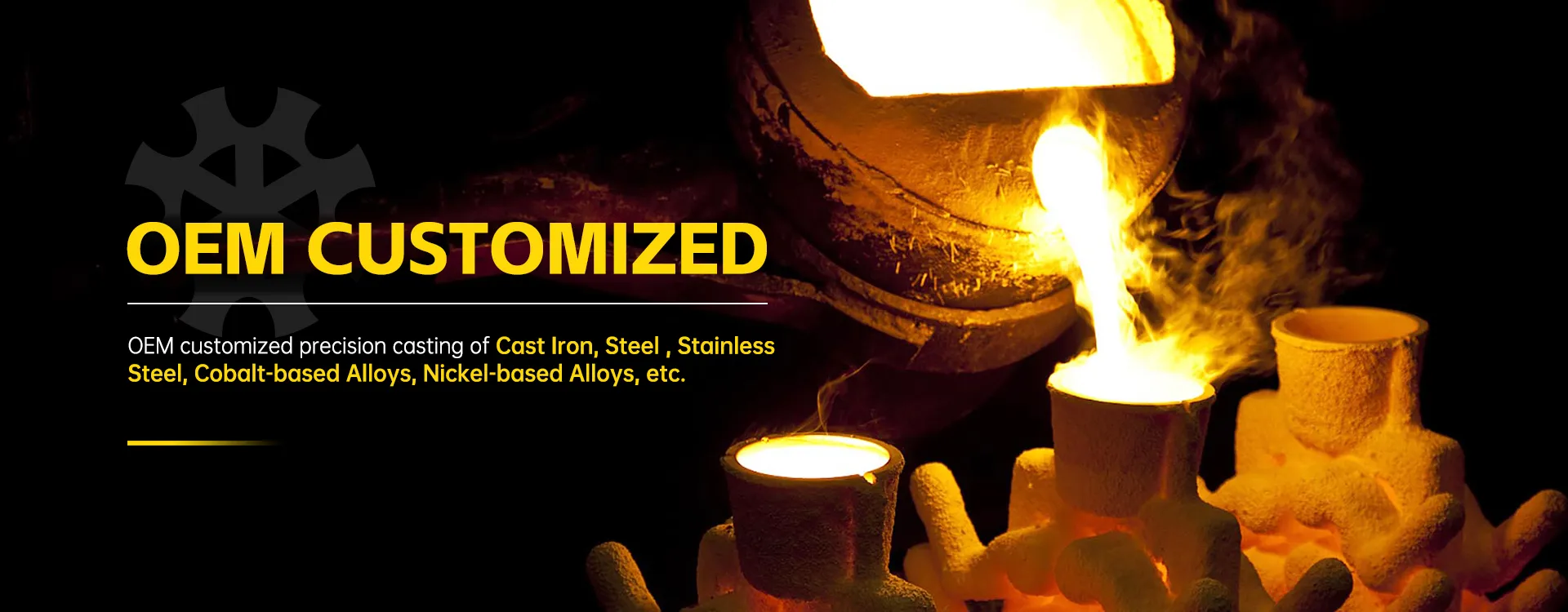
People often lump it all under 'investment casting'. But true investment casting uses a ceramic shell. Lost wax sand casting is its rougher, more pragmatic cousin. You still start with a wax or soluble pattern—that's the 'lost wax' part. But instead of building up ceramic layers, you pack that pattern into a sand flask, often using resin-bonded sand. You melt the wax out, pour metal in. The surface finish won't be as glassy as ceramic shell work, but for many functional parts, especially larger ones, it's a cost-effective sweet spot. The challenge is controlling the sand's behavior during burnout and pour.
Where you really see the difference is in draft. For ceramic shell, you can get away with near-zero draft angles on patterns. With sand, you need more. Not much, but enough to let the sand compact properly and release without tearing. I've seen projects fail because a designer, used to investment casting specs, sent a pattern with vertical walls for a sand process. The cores collapsed. It was a mess. You have to design for the mold medium.
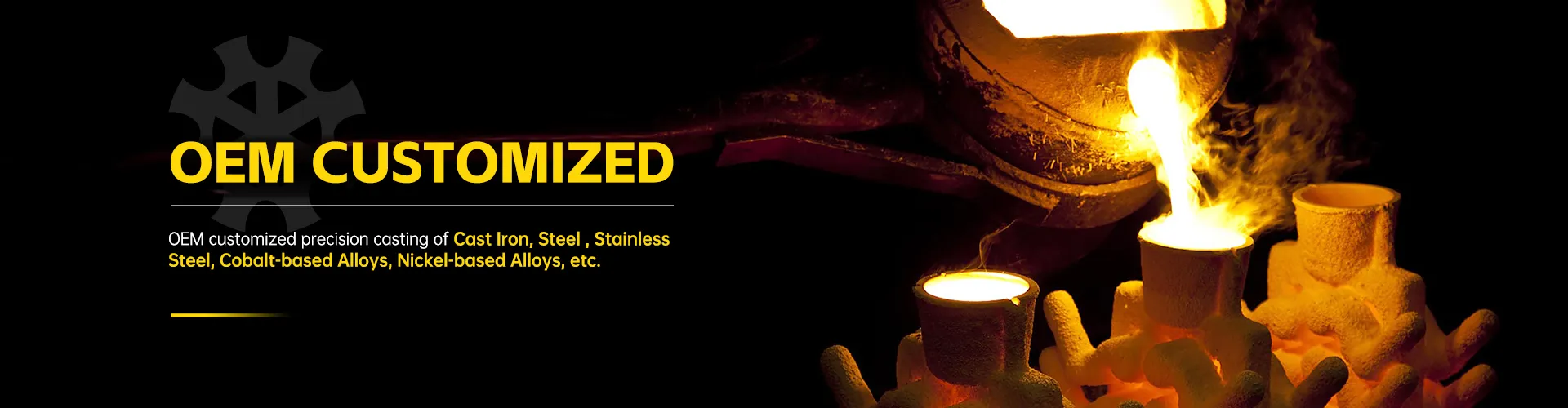
This is where a shop's experience is everything. A company like Qingdao Qiangsenyuan Technology Co., Ltd.(QSY), with their three decades in casting and machining, has likely seen every iteration of this. They list both shell mold (another term for ceramic shell investment casting) and investment casting separately on their site https://www.tsingtaocnc.com, which tells me they understand the distinction. When you work with special alloys—nickel-based, cobalt-based—that distinction matters even more. The gating system for a superalloy in a sand mold versus a ceramic shell is a world apart in terms of heat dissipation and potential for inclusions.
The Sand Itself: More Than Just Dirt
The 'sand' in the name is misleading. It's not playground sand. It's usually silica or zircon sand, coated with a resin binder—often a phenolic or furan system. The ratio, the mixing time, the curing temperature; these aren't variables, they are commandments. Get the mix wrong, and your mold strength is off. Too weak, it cracks during pouring. Too strong, it doesn't allow for proper metal shrinkage, leading to hot tears in the casting itself.
We learned this the hard way on a batch of stainless steel valve bodies. The sand was over-cured. The castings came out looking perfect, but ultrasonic testing revealed a web of micro-cracks near the thermal centers. The mold was too rigid, fighting the metal as it cooled. Had to scrap the whole lot. The fix wasn't complicated—just adjusting the curing cycle—but knowing what to adjust came from years of linking failure modes back to process parameters.
Another nuance is the sand reclamation. You can't reuse it infinitely. The binder breaks down, fines accumulate. A good foundry monitors the LOI (Loss on Ignition) of their reclaimed sand. I'd be curious to see how a long-standing operation like QSY manages their sand lifecycle, especially when switching between materials like cast iron and nickel alloys. Cross-contamination of sand from one alloy family to another can introduce trace elements that wreck the metallurgy.
The Wax Pattern: Where Dimensional Control Starts (and Ends)
Everything hinges on the pattern. For lost wax sand casting, you're often using a softer, lower-melting-point wax than for ceramic shell work. It needs to be rigid enough to handle sand ramming but soft enough to melt out cleanly without residue. The residue is the killer. Any leftover carbonaceous gunk from the wax will create gas defects in the casting.
Injection parameters for the wax matter more than most think. Pressure, temperature, and hold time affect the wax's shrinkage and surface quality. A slightly sunken surface on the wax might seem trivial, but it translates directly to a thin spot on the final metal wall. We once had a recurring defect on a pump housing—always in the same flat section. Took us weeks to trace it back to the wax injection mold cooling unevenly. The wax pattern was distorting as it cooled, but it was so subtle you could only see it with a jig check.
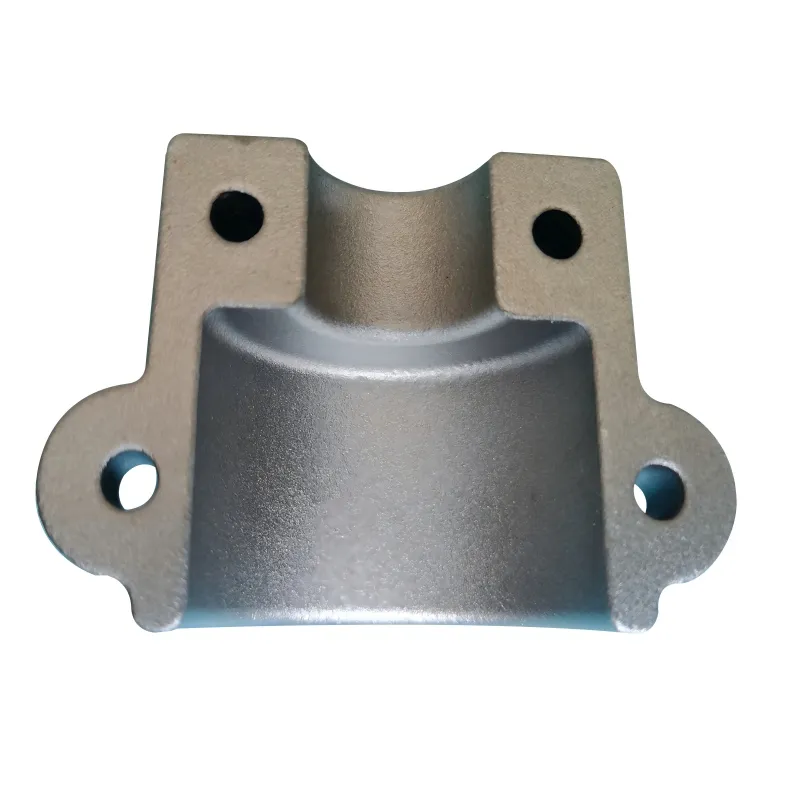
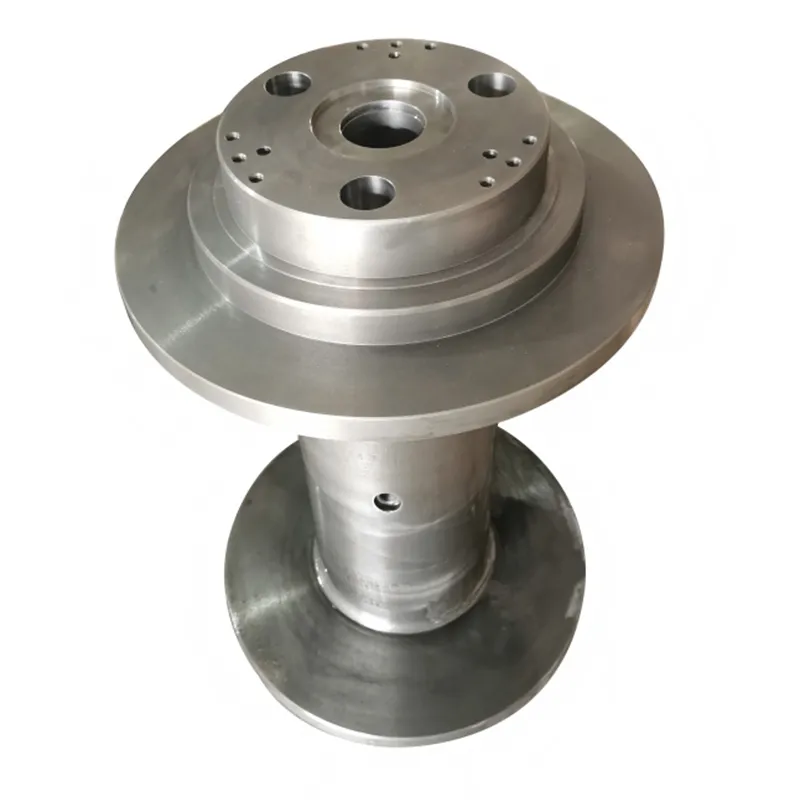
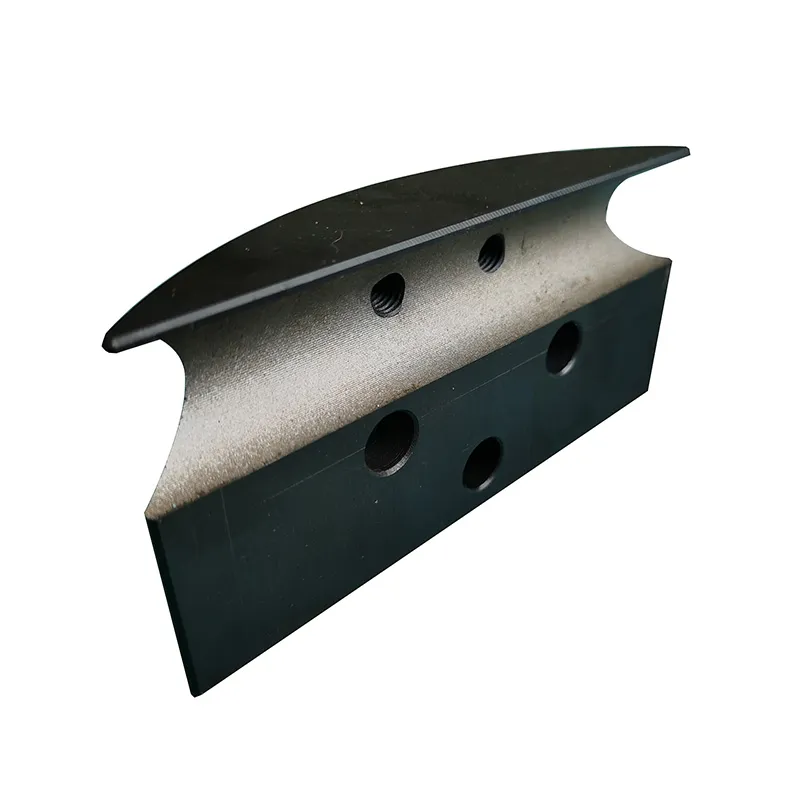
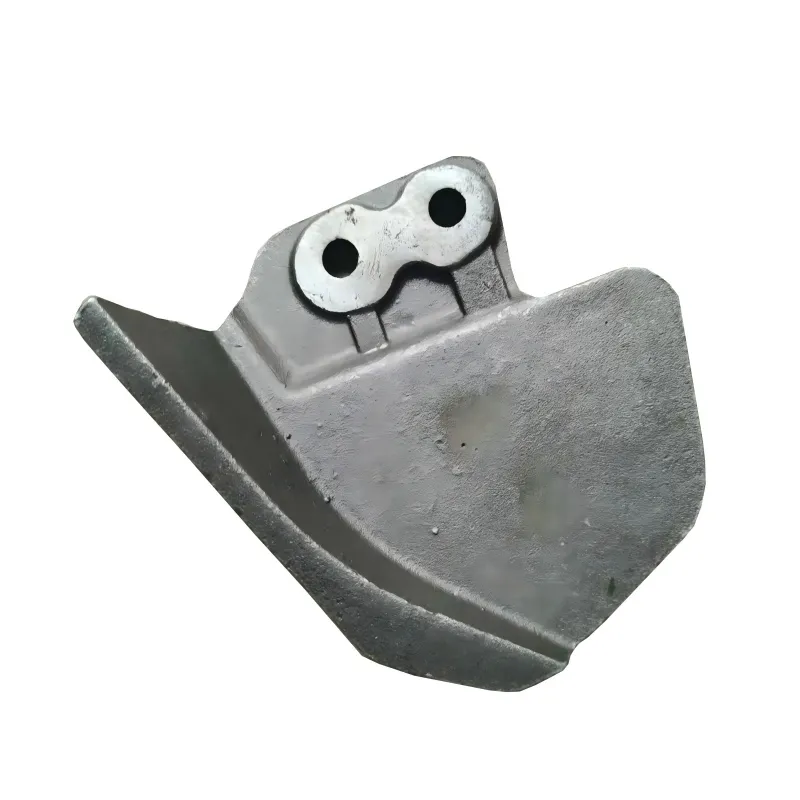
This is why the integration with machining, like the CNC services QSY offers, is non-negotiable. You rarely get a net-shape casting from this process, especially with complex geometries. The pattern equipment wears, the sand shifts minutely. The as-cast part is your rough stock. The CNC machining stage is where you hit the final dimensions and tolerances. It's a two-act play: casting gets you 95% there, machining delivers the final 5% with precision.
Gating and Feeding: The Unseen Engineering
This is the black art of foundry work. Pouring molten metal into a sand mold isn't like filling a bucket. You need a system—runners, gates, risers—to control the flow and feed shrinkage as the metal solidifies. For lost wax sand casting, this system is often built into the wax pattern assembly itself. Multiple wax patterns are attached to a central wax 'tree' that forms the pouring cup and runners.
Designing this tree is pure experience. Place a riser in the wrong spot, and you create a thermal hotspot that actually promotes shrinkage porosity. Use a gate that's too small, you get mist runs and cold shuts. Too large, and you create excessive turbulence that entraps sand and slag. I remember a project for a marine-grade bronze fitting where we kept finding sand inclusions. We tweaked the pouring temperature, filtered the metal, nothing worked. Finally, an old-hand pattern maker looked at it and said the gate was entering the mold cavity at too steep an angle, causing the metal to jet and erode the sand wall. He was right. A simple change in the wax assembly layout solved it.
This level of problem-solving is what you'd expect from a specialist. Looking at the materials QSY works with—stainless, special alloys—the gating design is even more critical. These alloys have different fluidities and solidification patterns than plain carbon steel. A gate design that works for cast iron might cause cracking in a nickel-based alloy. It's not a one-size-fits-all process.
Why It Still Matters in a CNC World
With modern 5-axis CNC machines, you might ask why bother with casting at all? Why not just machine from solid bar? For one-off prototypes, maybe. But for production runs of even 50-100 pieces, lost wax sand casting wins on material efficiency and cost, especially with expensive alloys. You're putting metal only where it's needed, not machining away 70% of a costly nickel alloy billet. The near-net-shape aspect saves not just material, but massive amounts of machining time.
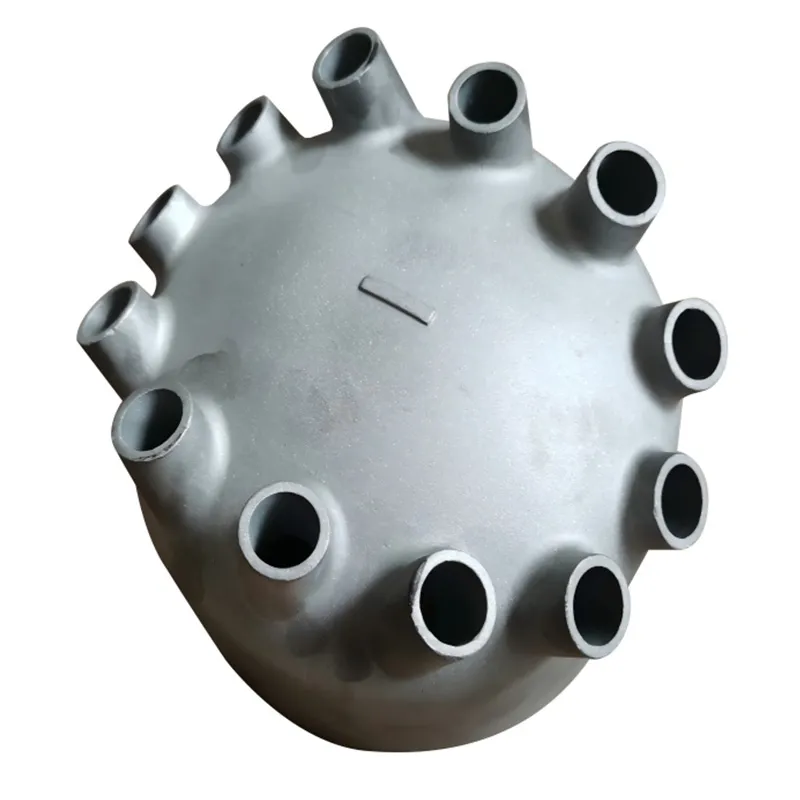
It also allows for geometries that are impractical or impossible with machining alone. Internal passages, undercuts, complex curved surfaces—these can be formed directly by the mold. The subsequent CNC work is then for precision faces, threads, and mating surfaces. It's a hybrid manufacturing philosophy. A company offering both casting and machining under one roof, as QSY does, understands this synergy intrinsically. They can optimize the part design for the entire manufacturing journey, not just one stage of it.
The real test is in the repair of old or obsolete parts. Reverse engineering a broken component, creating a wax pattern from a 3D scan or an old part, and running a small batch through lost wax sand casting is often the only viable solution. It keeps legacy equipment running. That's a practical, unglamorous, but hugely valuable application of this old-school process. It's not about high-volume automation; it's about flexible, skilled metalworking. And that, I suspect, is what has sustained operations through decades of industry change.