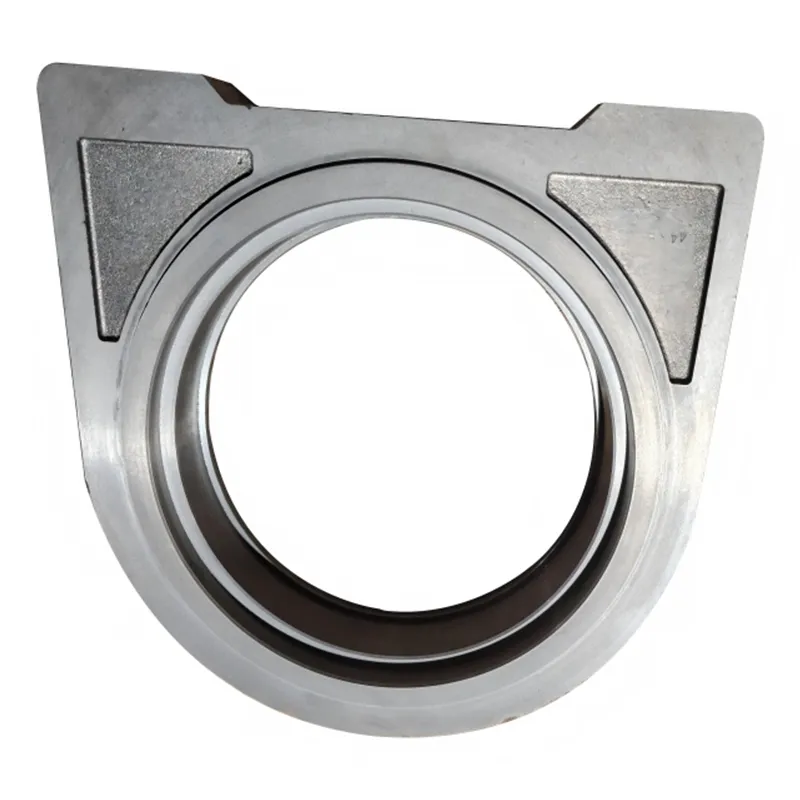
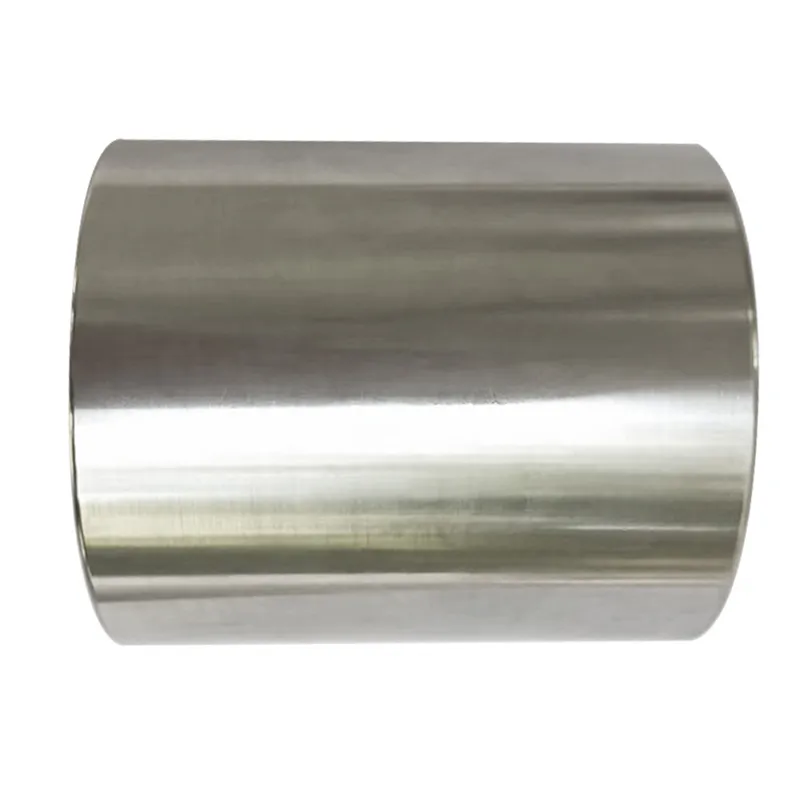
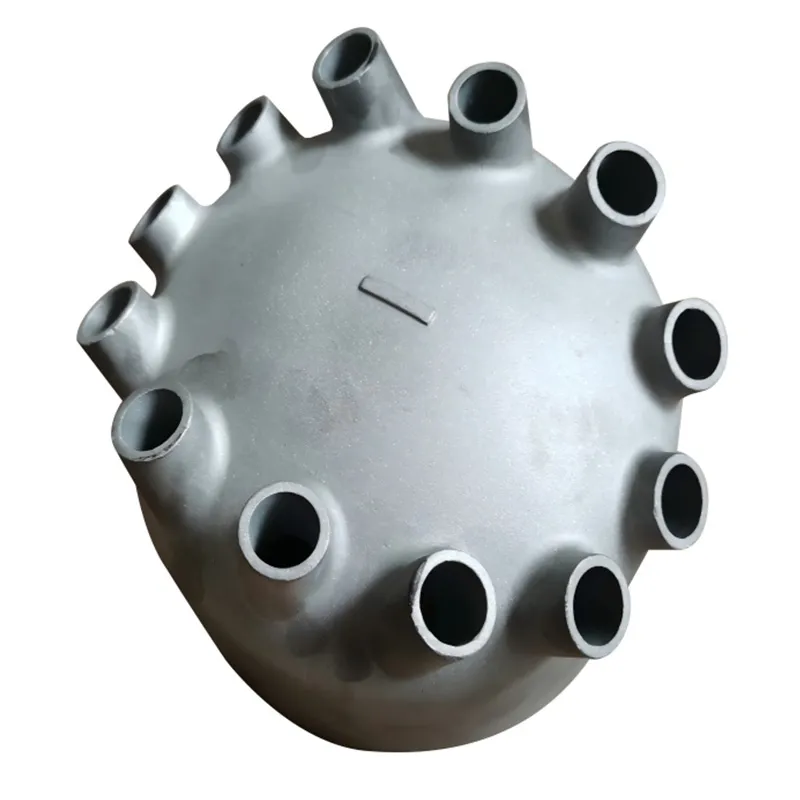
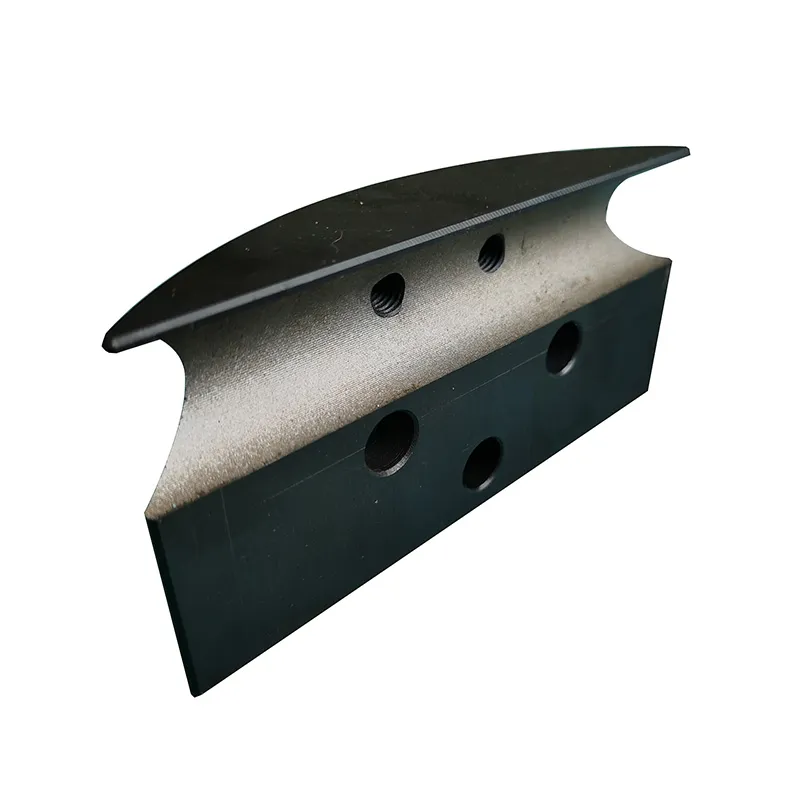
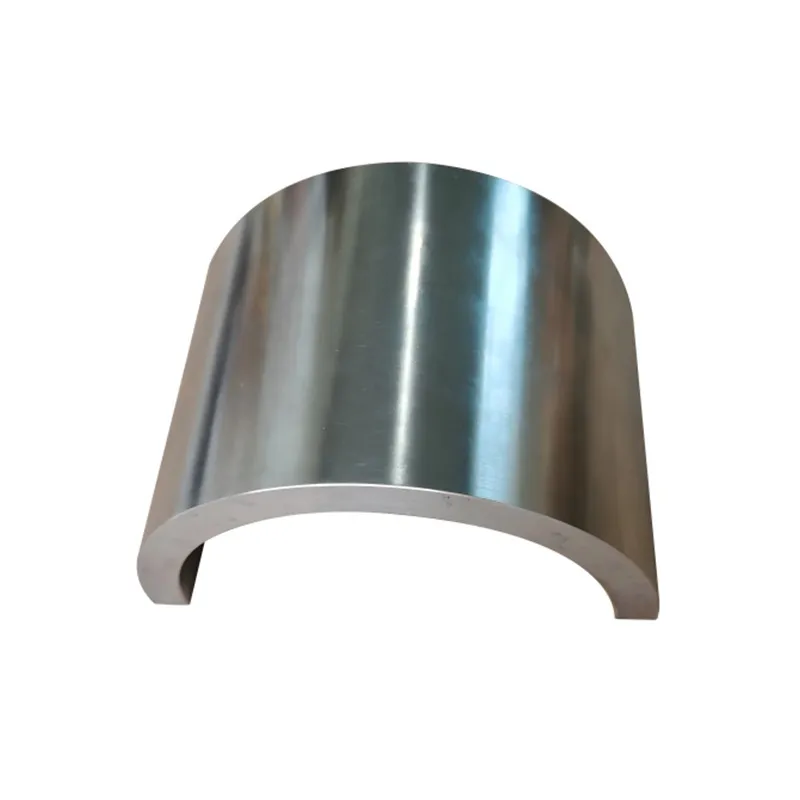
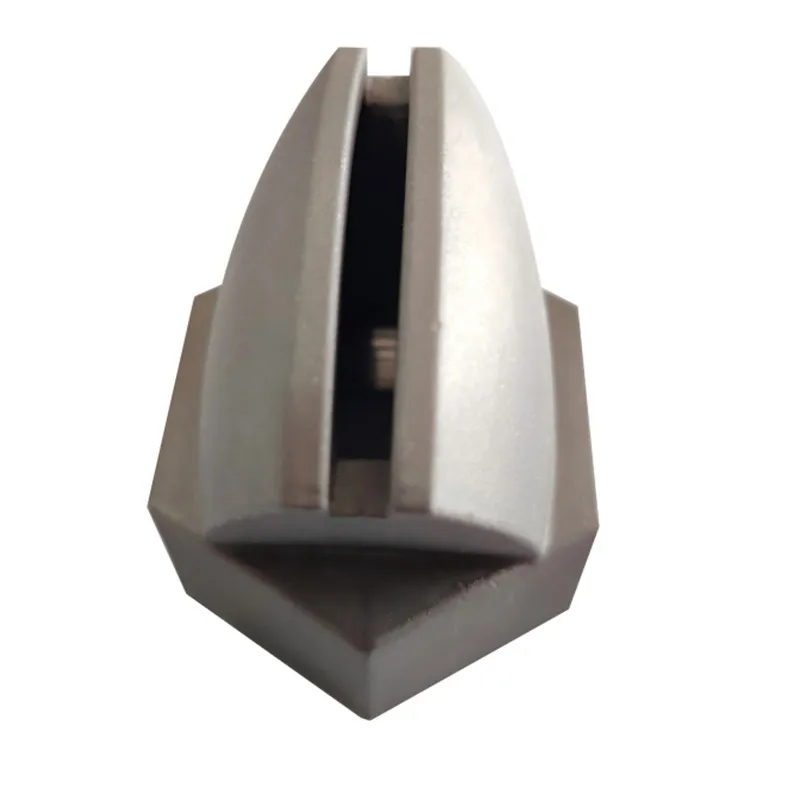
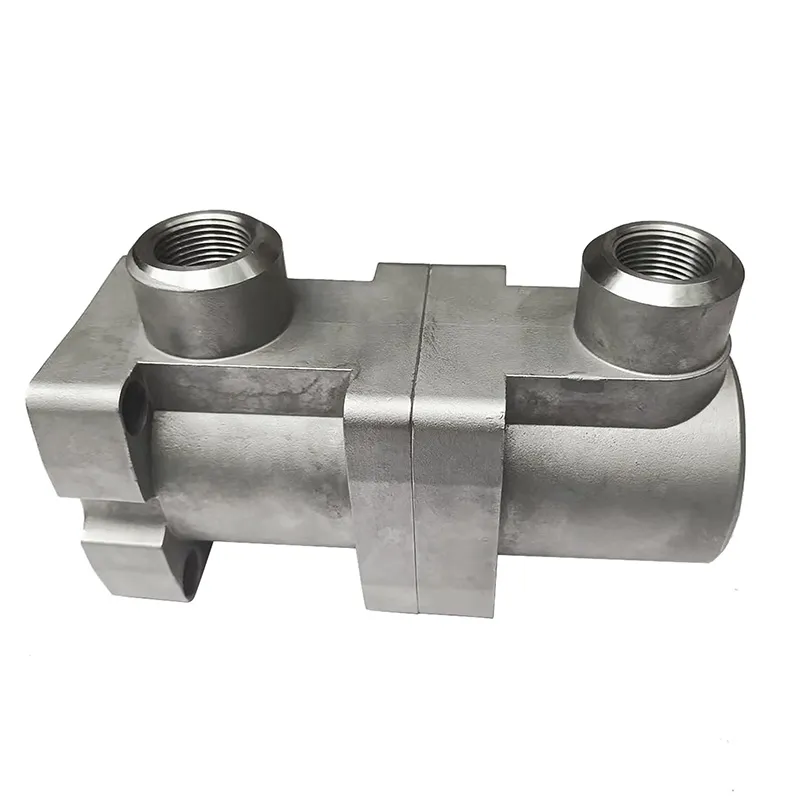
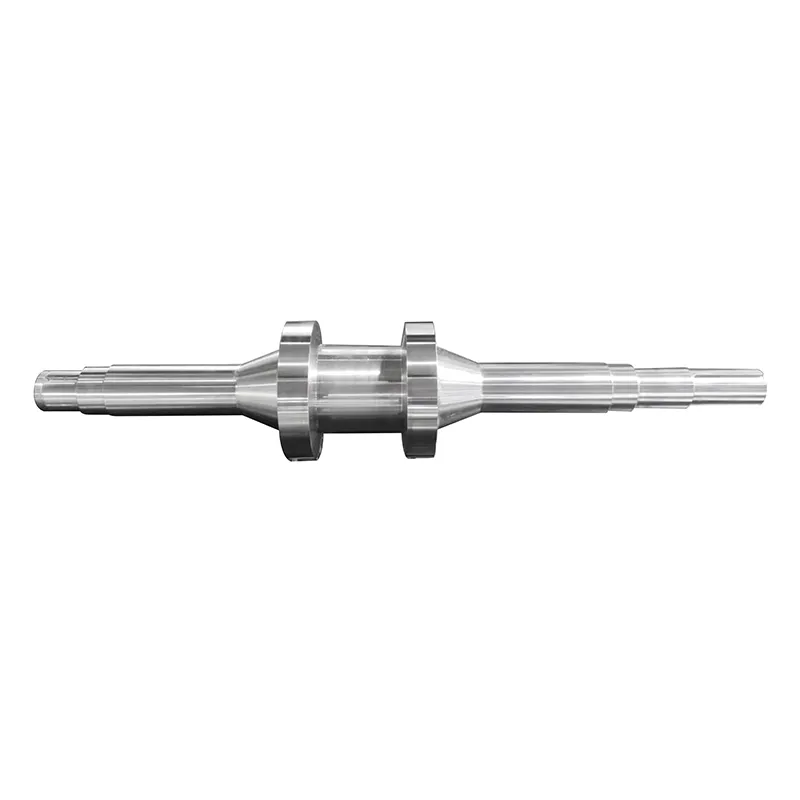
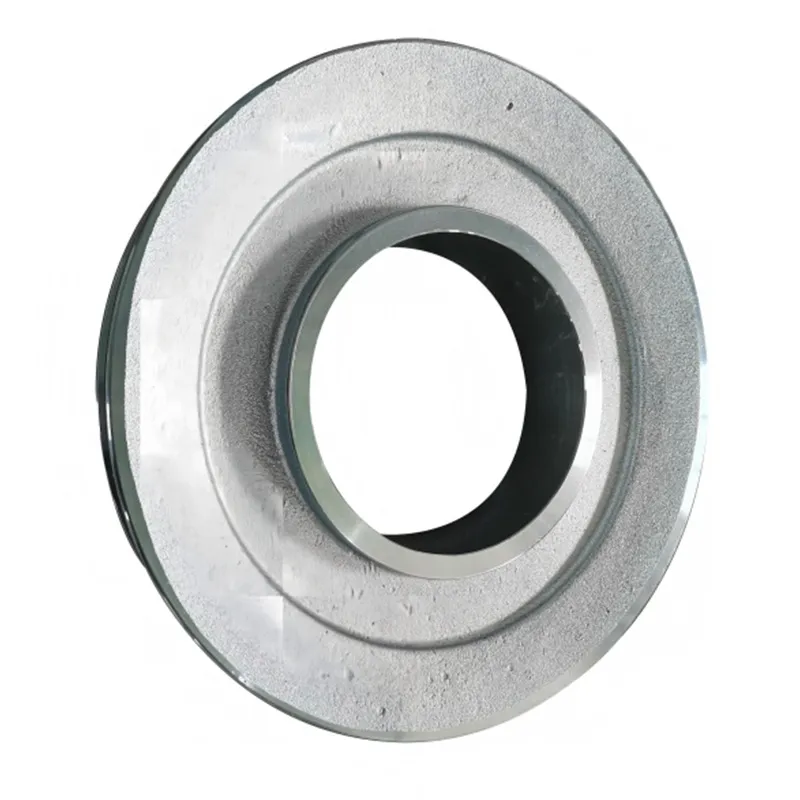
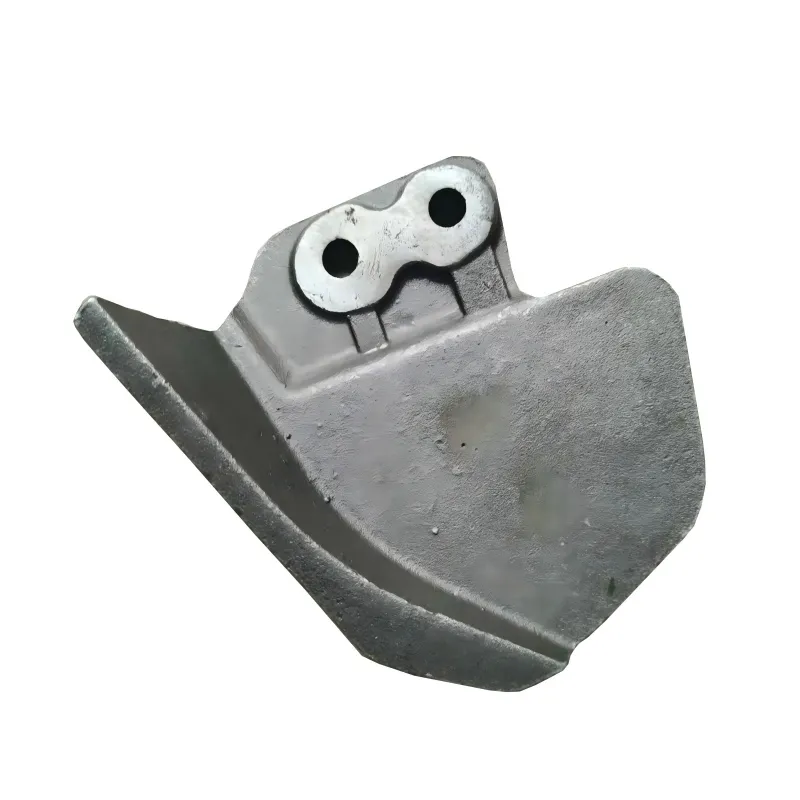
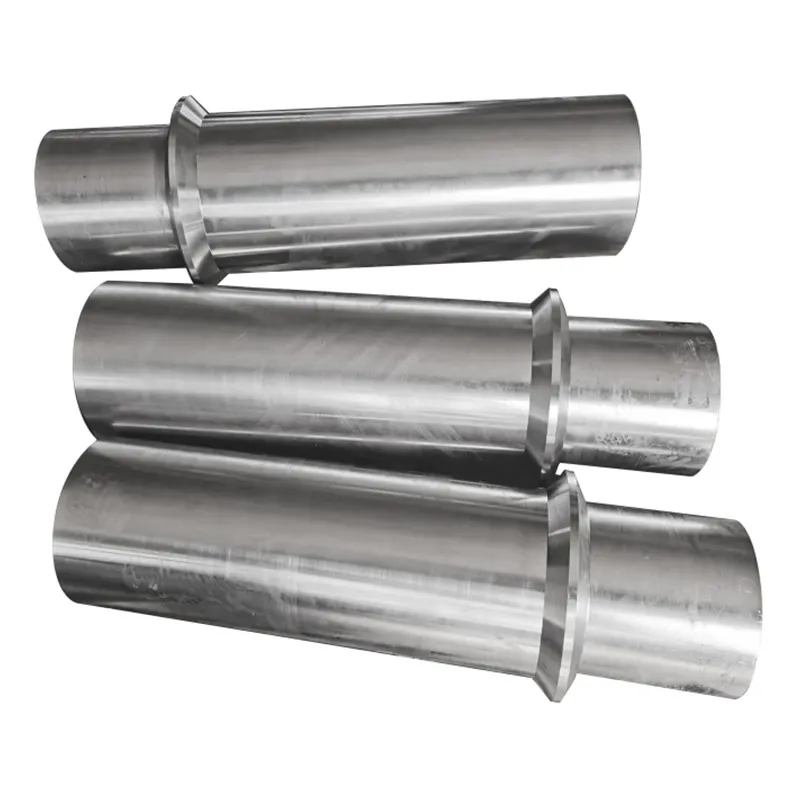
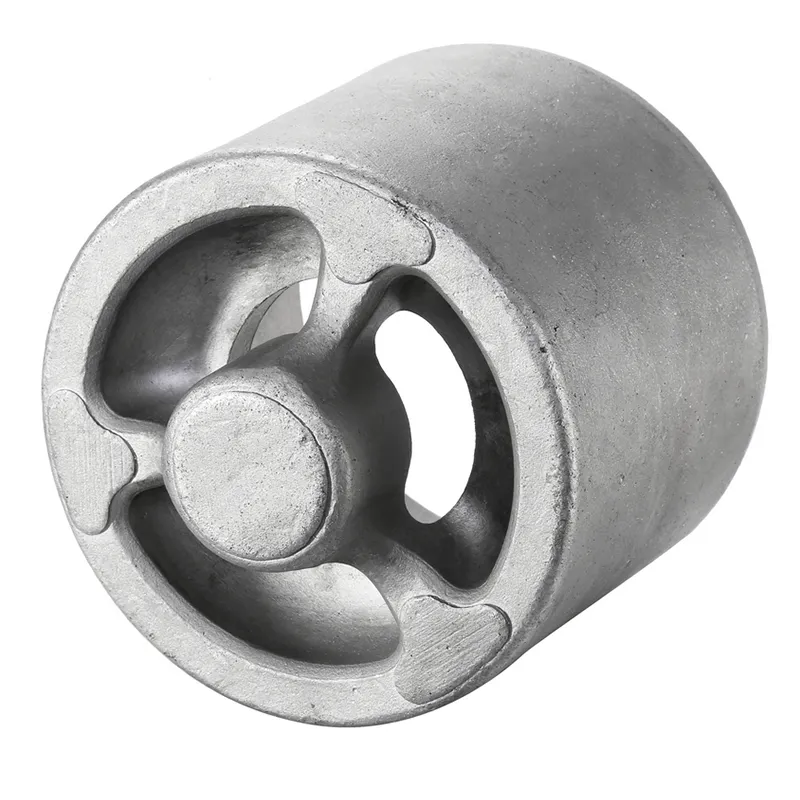
You see 'lost wax steel casting' on a spec sheet and think 'precision, intricate shapes, good finish' – and you're not wrong. But that's the brochure version. Where it gets real, and frankly where most generic suppliers stumble, is in the translation from that beautiful wax pattern to a functional, sound steel component ready for service. The gap between a casting and a good casting is where the decades of shop-floor hours matter.
The Wax is Just the Beginning, Not the End
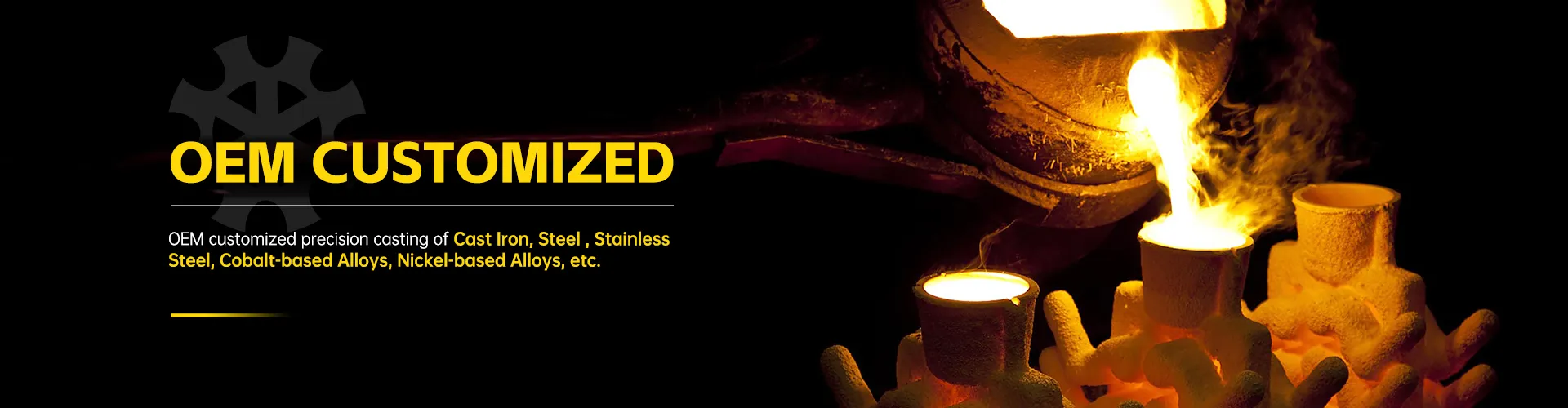
Everyone focuses on the wax. It's the visible art. But the real judgment starts after dewaxing, when you're left with a hollow ceramic shell. That's the negative space. How you fill it defines everything. Pouring steel isn't like filling a bucket; it's a controlled thermal event. With steels, especially the higher alloys, the window between a clean fill and a defect is narrow. I've seen pours where the temperature was off by what seemed a trivial margin – maybe 25°C – and it introduced turbulence that led to surface scars that no amount of grinding could fully erase. The mold might be perfect, but the process wasn't.
This is where a foundry's discipline shows. A place like Qingdao Qiangsenyuan Technology Co., Ltd.(QSY) doesn't just run a line; they've been at this for over 30 years. That longevity speaks to a mastered routine. It means they've likely seen the failure modes – the shell cracks from rapid heating, the inclusions from slag, the micro-porosity from gas. Their specialization in investment casting and shell mold processes isn't a bullet point; it's a library of corrected mistakes. You can't fake that depth.
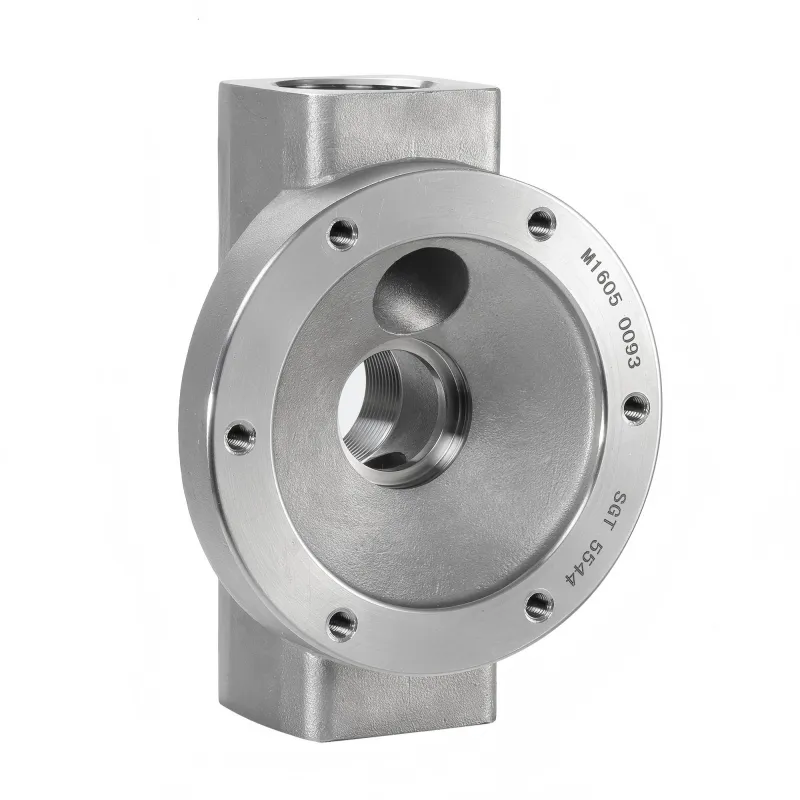
Take gating and riser design. It's not theoretical. For a complex valve body we once did in 316 stainless, the initial simulation looked fine. But the first pour showed shrinkage at a thick-to-thin transition junction. The fix wasn't just adding more metal (a riser); it was repositioning the in-gates to control solidification direction. We had to re-tool the wax tree. That's lost time and money. A shop without that problem-solving grit would just keep shipping marginally acceptable parts, and the client would deal with premature failure down the line.
Material is More Than a Grade Number
Specifying carbon steel or stainless steel is a starting point, but it's almost dangerously vague. Within 'stainless,' you have the austenitic 300 series, the martensitic 400 series, duplex grades – each behaves wildly differently during and after the cast. Their fluidity, shrinkage rate, and hot strength vary. Pour a 304 like you'd pour a 17-4 PH, and you'll have cracking. The post-cast heat treatment is utterly critical for some, irrelevant for others.
QSY's listed material range – from cast irons and standard steels to nickel-based and cobalt-based alloys – tells me they understand metallurgy isn't a sidebar. These special alloys are a beast. They're often poured for extreme service: turbine blades, chemical reactor parts. They're expensive, so scrap hurts. Their casting requires inert atmosphere protection, precise thermal controls, often vacuum melting. You don't just dabble in this. If their website, tsingtaocnc.com, shows capability in these, it implies a level of furnace technology and process control that separates them from a job-shop caster.
I recall a project involving a Monel (nickel-copper) alloy component. The wax and shell were flawless. The pour looked good. But during shell knockout, we found massive surface reaction – a sort of crusty, oxidized layer. The issue? The shell binder chemistry had a slight impurity that reacted aggressively with the molten nickel at that high temperature. We switched to a different, more inert refractory coating for the primary layers. Problem solved, but only because we had the metallurgical support to diagnose it. A shop just doing carbon steel would have been utterly lost.
The Finish is Forged in the Rough
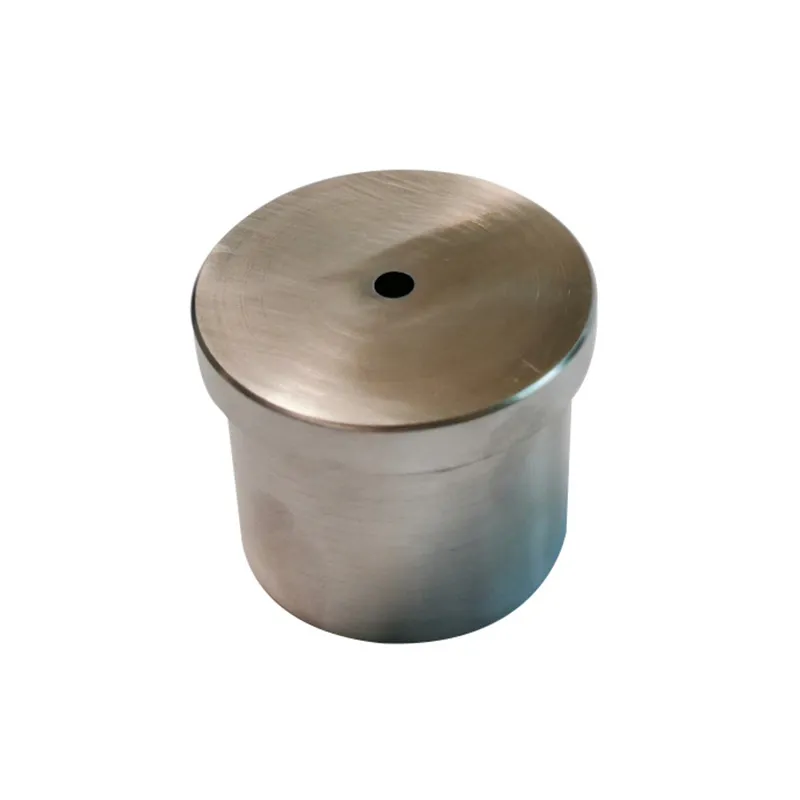
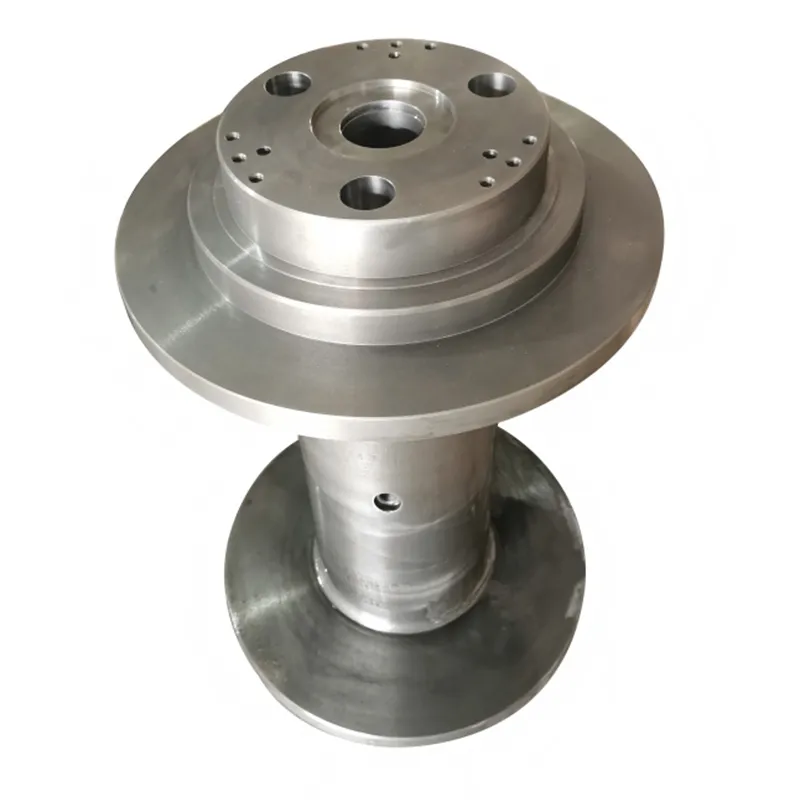
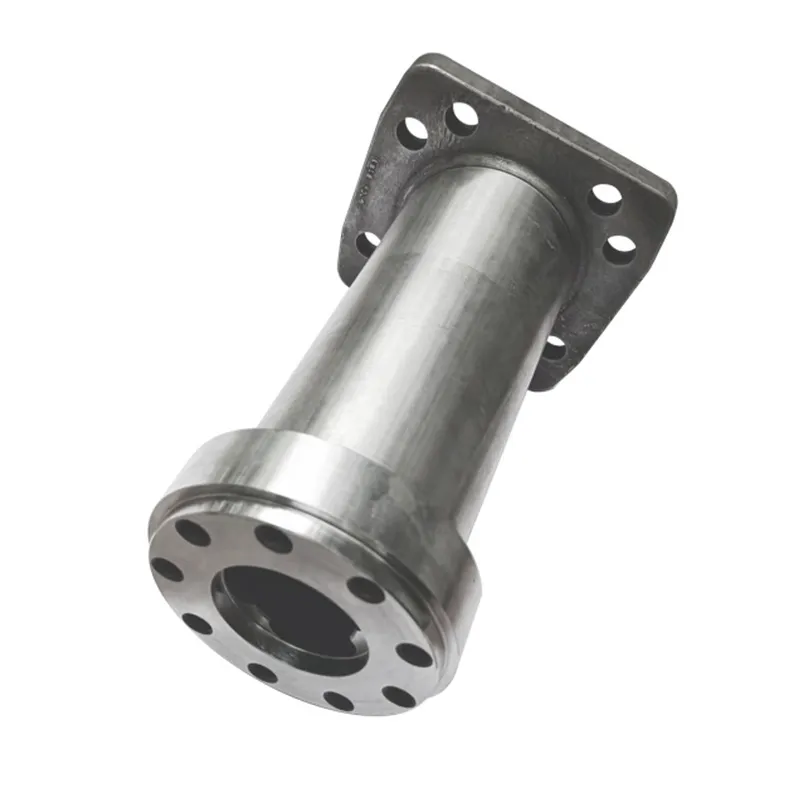
Another common misconception: lost wax produces a ready-to-use part. Rarely true. What it produces is a part with a good as-cast surface, often around 125 Ra microinches or better. But 'ready' depends on the application. Is it a decorative bracket? Maybe a light glass bead blast is enough. Is it a hydraulic manifold block? Now you need precision sealing surfaces, threaded ports, mounting holes. That's where the integrated CNC machining capability becomes non-negotiable.
This is the synergy a full-service provider offers. QSY combining casting and machining under one roof is a major logistical and quality advantage. They can design the casting with machining stock in mind, understanding how the part will be fixtured, where the datum points are. They cast it, heat treat it (if needed), then machine it in the same facility. This controls the entire chain. I've dealt with the nightmare of shipping raw castings to a separate machine shop, only to find a slight casting distortion or a hidden sand inclusion that wrecks a tool during drilling. The blame game starts. An integrated house owns the whole process.
The machining of cast steel, particularly from the lost wax process, has its own quirks. The material can have variable hardness spots if the cooling wasn't perfectly uniform. A good machinist, working with the foundry team, can adjust feeds and speeds. They share information. That internal feedback loop is invisible to the client but invaluable for consistency.
When Intricate Meets Functional
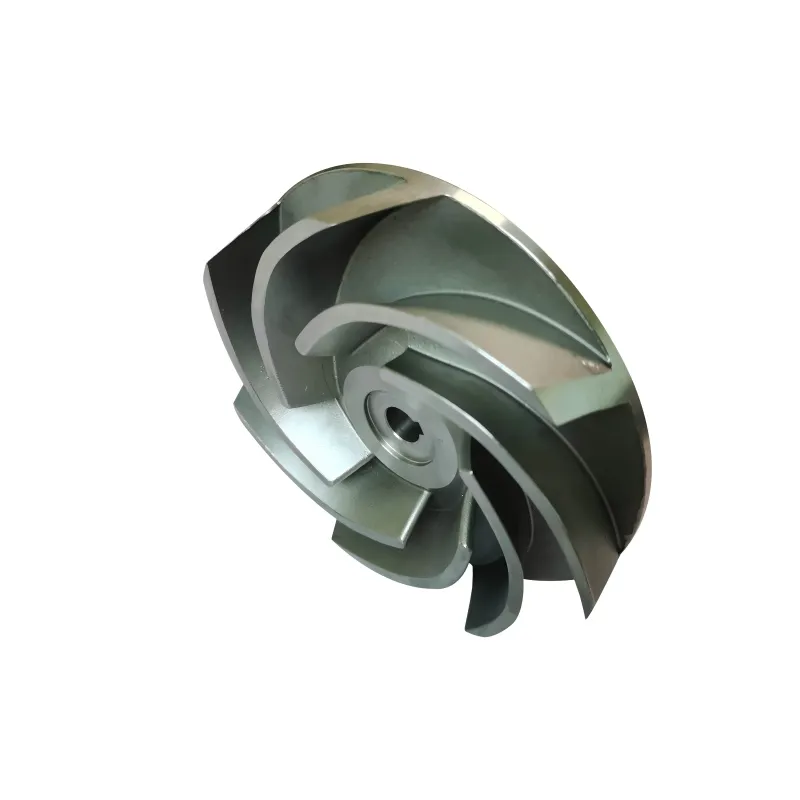
The classic showcase for lost wax is the ornate, lace-like geometry. And it excels there. But the tougher test is the part that looks simple but has hidden complexity. Think of a pump impeller with thin, curved vanes and a shrouded design. It needs internal hydraulic surfaces that are smooth to reduce turbulence. It needs balance. Machining this from solid would be a wasteful, multi-axis marathon. Casting it is the logical choice.
But here's the rub: those thin vanes must fill with molten steel without chilling prematurely, which creates cold shuts (a seam-like defect). They must also have enough strength to withstand the centrifugal force and cavitation erosion in service. This is where pattern design, gating science, and alloy selection converge. You might choose a 17-4 PH stainless for its castability and subsequent precipitation hardening, giving you the needed strength-to-weight ratio.
We prototyped a similar component once. First iteration, the vanes had minute folds. Not visible to the eye, but shown by dye penetrant inspection. The problem was metal velocity. We solved it by adjusting the pour cup height to increase the pressure head, forcing a more laminar fill. It was a subtle change with a dramatic effect. This isn't in any textbook; it's the kind of process intuition built from hundreds of similar pours.
The Real Measure: Consistency Under Pressure
Ultimately, anyone can make one good casting. The hallmark of a foundry like the one described is making the thousandth one identical to the first. This is about process control, not artistry. It's about documented melt practices, shell drying times, pour logs, and rigorous inspection – first-article, in-process, and final.
Their 30-year operation suggests they've built systems for this. It means they can likely handle the production run for a valve series or a line of surgical instrument components, not just one-offs. The shell mold casting expertise they mention complements the investment casting; sometimes a slightly less intricate but larger part is better suited to a resin-shell process. Knowing which process to recommend is part of the consultancy a good foundry provides.
So when I think of lost wax steel casting, I think less of the wax and more of the controlled chaos of the pour, the metallurgical discipline, and the seamless handoff to finishing. It's a chain. The strength of the final part is only as good as the weakest link in that chain. The real product isn't just the steel shape; it's the embedded knowledge that ensured it was made right.