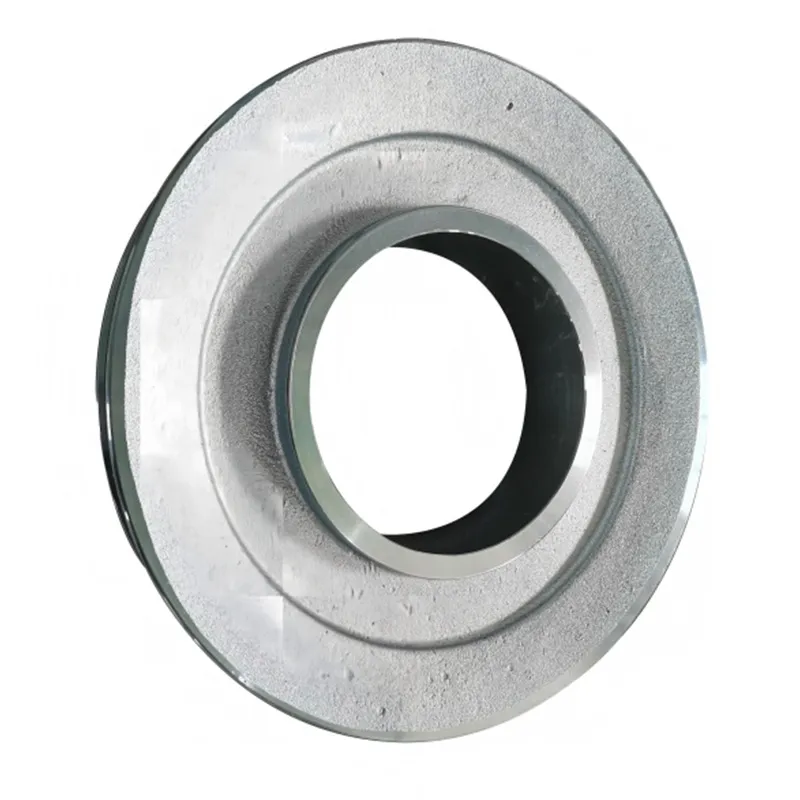
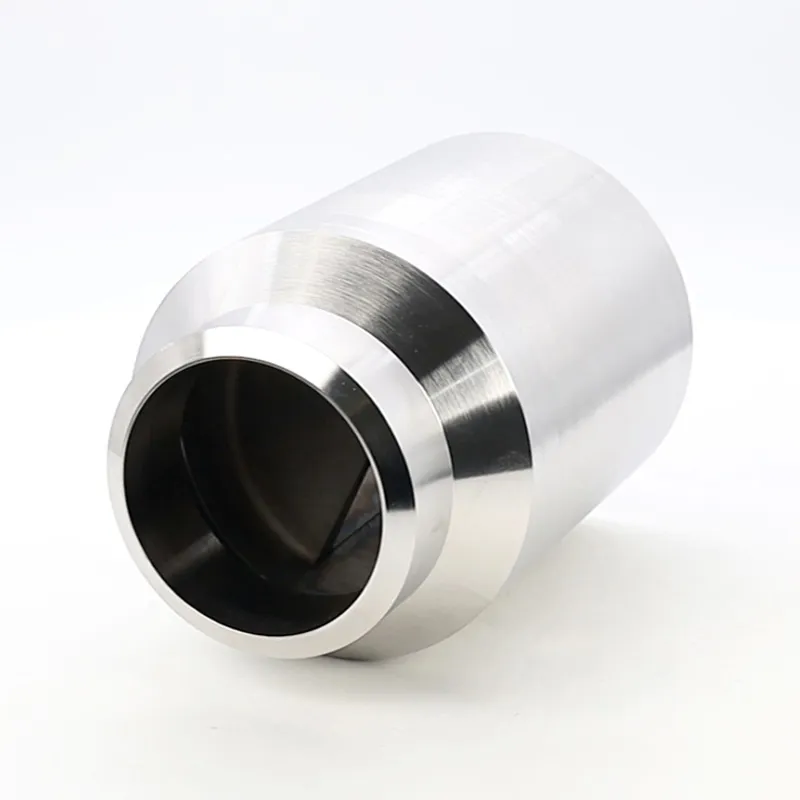
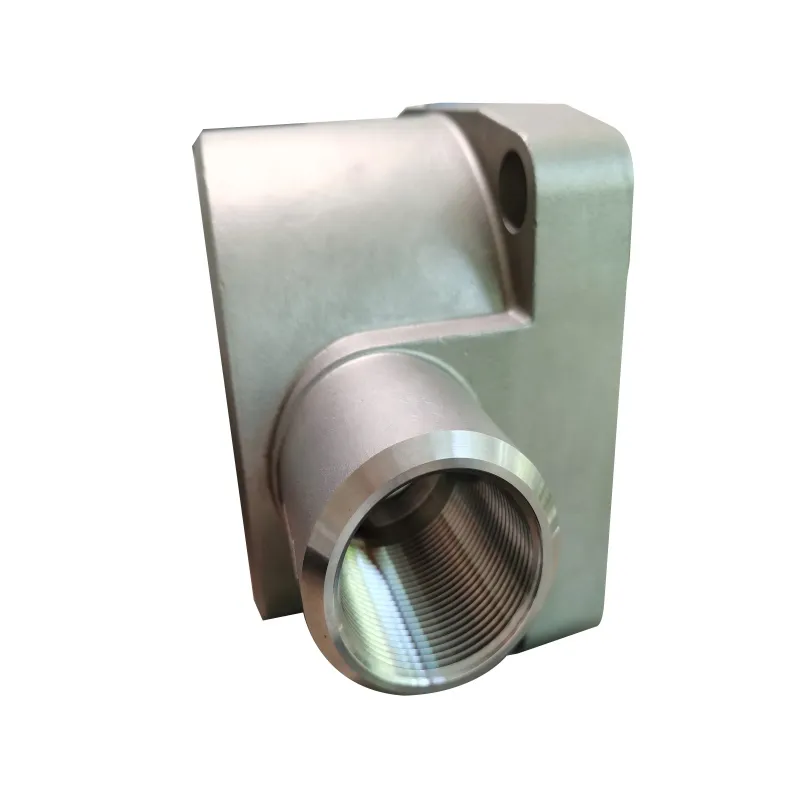
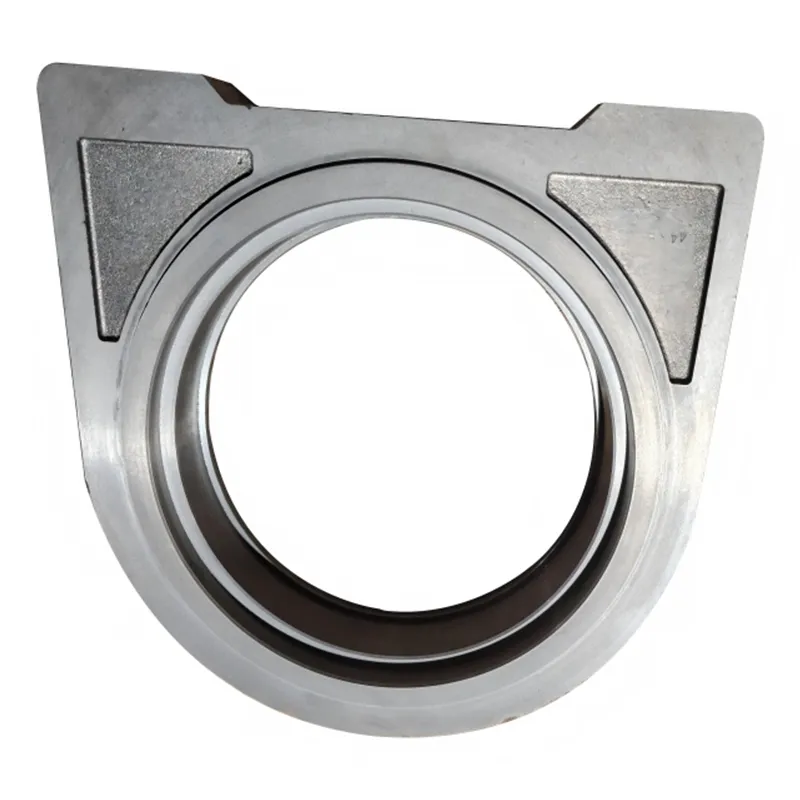
Let's talk about low pressure sand casting. It's often misunderstood, even by some folks in the trade. It's not just gravity sand casting but with a bit of air. The core idea is using controlled, low-pressure gas—typically dry air or inert gas—to push molten metal up a riser tube into a sand mold cavity from below. The pressure is maintained until the casting solidifies. The biggest misconception? That it's only for simple, non-critical parts. I've seen that assumption lead to more than one failed project.
The Mechanics and Where It Fits
The setup seems straightforward: a sealed furnace holding the melt, a riser tube dipping into it, and the sand mold clamped on top. You apply maybe 0.5 to 1 bar of pressure. It's that gentle push that makes the difference. Unlike high-pressure die casting, you're not forcing metal in at high velocity, which means less turbulence, less gas entrapment, and better metallurgical integrity. The controlled fill from the bottom up also promotes directional solidification towards the feed head, which is a big deal for soundness.
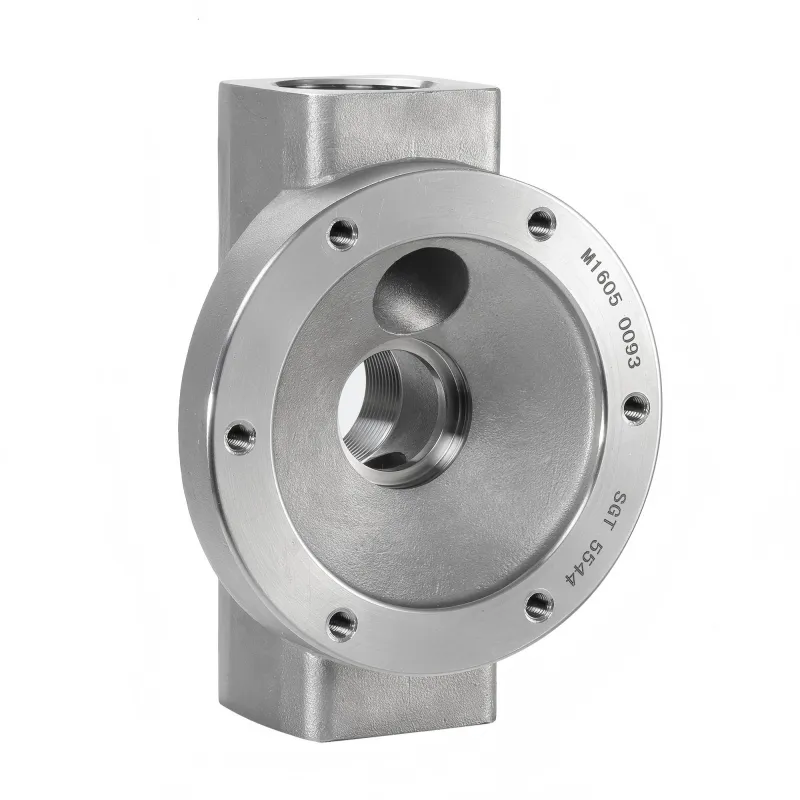
So where does it shine? It's fantastic for medium-volume runs of parts that need better quality than standard green sand casting but don't justify the cost of investment casting for the entire batch. Think of things like aluminum alloy housings for compressors, certain automotive structural brackets, or even some larger gearbox casings. It's that middle ground. Companies like Qingdao Qiangsenyuan Technology Co., Ltd. (QSY), with their decades in shell and investment casting, would look at low pressure sand casting as a complementary process for specific client needs where their other methods might be overkill or not quite right for the geometry.
You can't just throw any part design at it, though. The gating system design is critical—it's all about that single, bottom-fed gate. If the part has very thin sections far from the gate, you might run into premature solidification issues. You need a solid understanding of thermal gradients. This isn't a pour and pray process; it's a calculate, control, and monitor one.
Material Considerations and Process Nuances
While we see it mostly with aluminum and magnesium alloys, it's applicable to some copper-based alloys and even certain cast irons. The key is the metal's fluidity and how it reacts to the slow, pressurized fill. For instance, with aluminum, you get excellent mechanical properties because the quiet fill minimizes oxide formation. But you have to be meticulous about metal cleanliness. Any slag or dross in the furnace gets pushed right up into the mold. A good filtration system in the riser tube or at the gate is non-negotiable.
The sand itself is another variable. We're usually talking about resin-bonded sand molds—like phenolic urethane or sodium silicate—for better dimensional stability and surface finish. The mold strength has to withstand the pressure without distortion, but it also needs enough permeability to let air escape. It's a balance. I recall a job for a pump volute where we used a zircon sand facing for the cavity to handle the thermal shock and get a smoother as-cast surface. It worked, but it added cost. Every decision is a trade-off.
Pressure control is the real art. The curve isn't just on and off. You might have a slow pressurization stage to start the metal moving up the tube without splashing, a main fill stage, a boost pressure stage to feed shrinkage, and a hold. Getting that profile wrong means either mistuns or mold erosion. We logged data from every shot—pressure, time, furnace temperature—and correlated it with X-ray results. Over time, you develop a feel for it, but the data is what prevents costly scrap.
Real-World Challenges and Problem-Solving
Here's a practical headache: the riser tube, or stalk. It sits in the molten metal bath, so it suffers severe thermal cycling and corrosion. If it fails, you have a major leak. We experimented with different refractory materials for the tube lining. Some cracked too easily, others reacted with the alloy. Finding a supplier who understood the specific thermal and chemical demands was a project in itself. It's these ancillary components that can make or break your production reliability.
Another subtle issue is cooling rate. Because the mold is filled from a hot metal source and under pressure, the solidification structure can be different. For a client needing a specific hardness profile on an aluminum suspension component, we had to tweak the mold cooling by strategically placing cooling fins in the mold jacket and adjusting the pressure-hold time. It took several iterations. The first few batches had isolated shrinkage porosity in a thick mounting boss. The fix wasn't more pressure, but a change to the local mold geometry to create a better thermal path. Textbook solutions often need field modification.
Venting is crucial but tricky. Since the metal rises to fill the cavity, air must escape upwards. Inadequate or misplaced vents lead to back-pressure, causing incomplete fills or gas pockets. I remember a complex manifold casting where we kept getting blows near the top. We added more vents, but the problem persisted. Turned out the vent channels were too small and were getting blocked by condensed resin from the sand binder. Enlarging them and ensuring a straight, open path solved it. It's always the simple things you overlook.
Economic and Application Trade-offs
Is it cheaper than investment casting? For suitable parts, absolutely, especially on size. The tooling—the pattern for making the sand molds—is far less expensive than the wax injection dies and ceramic shells for investment casting. The per-part mold cost is higher than in high-pressure die casting, but the equipment capital cost is lower. It's a process for the middle ground: annual volumes from a few hundred to maybe 20,000 pieces, depending on part size and complexity.
Where it really wins is on material yield. The riser tube is often part of the casting's gating system, and un-poured metal drains back into the furnace when you release the pressure. Yield can hit 85-95%, compared to 40-60% in some gravity sand processes. That's a massive saving on expensive alloy ingots. For a shop like QSY, integrating such a process would be a strategic move to offer clients a high-integrity, material-efficient option for mid-range volumes, complementing their existing shell mold casting and investment casting expertise detailed on their site tsingtaocnc.com.
The limitation? Cycle time. Making the sand mold, clamping it, the fill and solidification under pressure, cooling, decoring—it's not a fast process. It's not for millions of parts. And part geometry is constrained by the need for that bottom gating. If you need multiple isolated thin sections fed from different points, you might need multiple riser tubes, which complicates the machine design immensely. Sometimes, you just have to tell the design engineer, This feature needs to move, or we need to choose a different process.
Concluding Thoughts from Experience
Low pressure sand casting isn't a magic bullet. It's a powerful tool in the foundry's toolbox for a specific set of problems. Its value is in delivering castings with good dimensional accuracy, excellent metallurgical quality, and high material yield for parts that are a bit too demanding for conventional sand casting. The learning curve is steep—it's about understanding the interplay between pressure, temperature, solidification, and mold design.
Would I recommend it for every job? No. For high-volume, small aluminum parts, die casting wins. For ultra-complex, super-alloy turbine blades, it's investment casting. But for that engine bracket, that transmission case, or that large pump housing where reliability is key and volume is moderate, it's often the smartest choice. It demands respect for the process variables. Get them right, and you produce near-net-shape parts with minimal machining stock and great properties. Get them wrong, and you have a very expensive way to make scrap.
In the end, success comes down to experienced process engineering and rigorous control. It looks simple on paper—just low pressure—but the devil, as always, is in the details. The shops that do it well, the ones you'd trust with a critical component, are the ones that have logged the hours, learned from the misruns, and developed that deep, almost intuitive grasp of how the metal will behave under that gentle, persistent push.