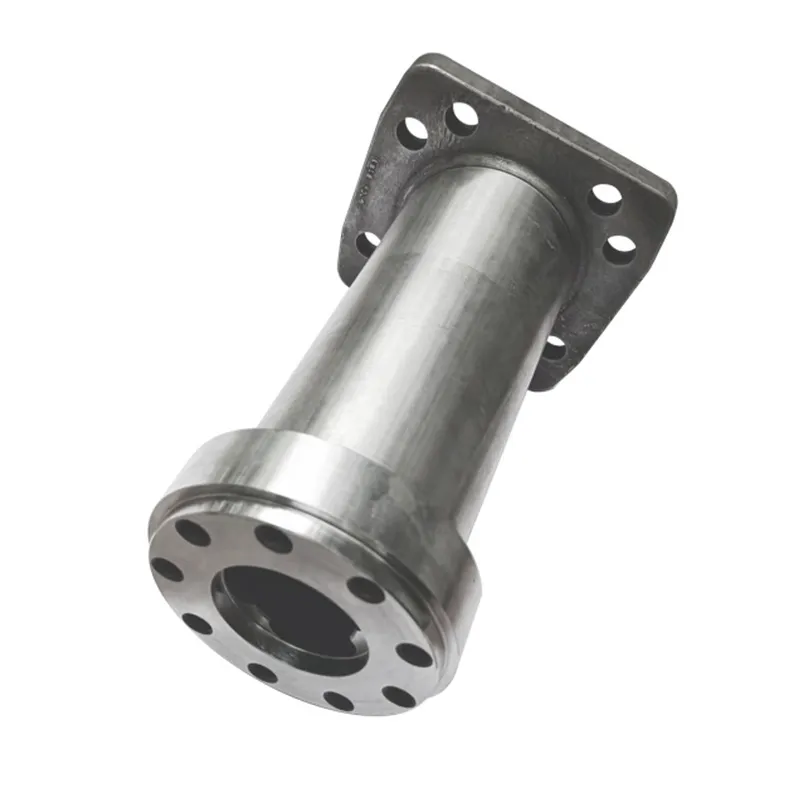
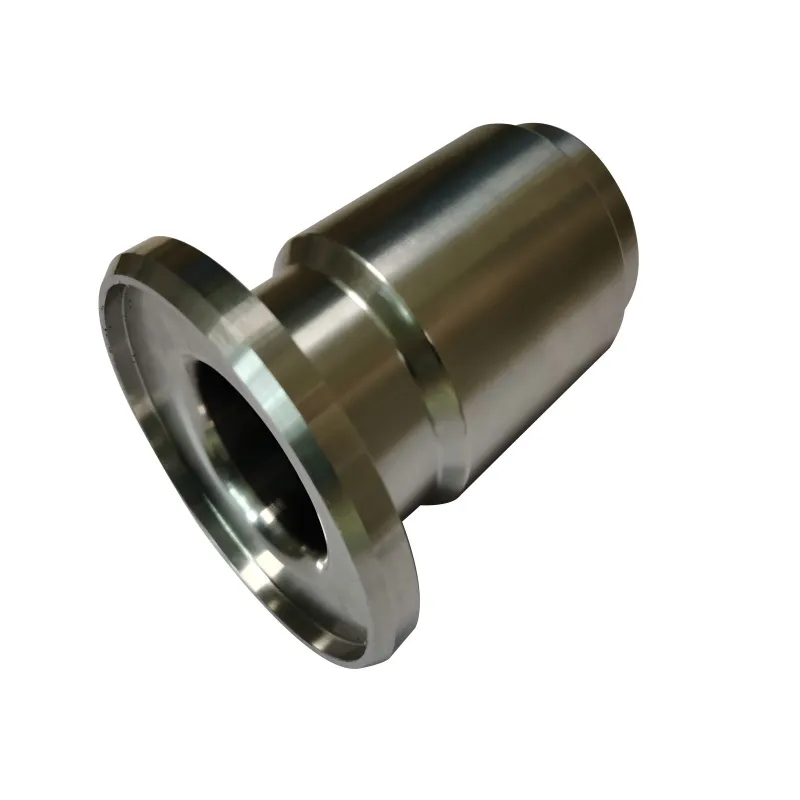
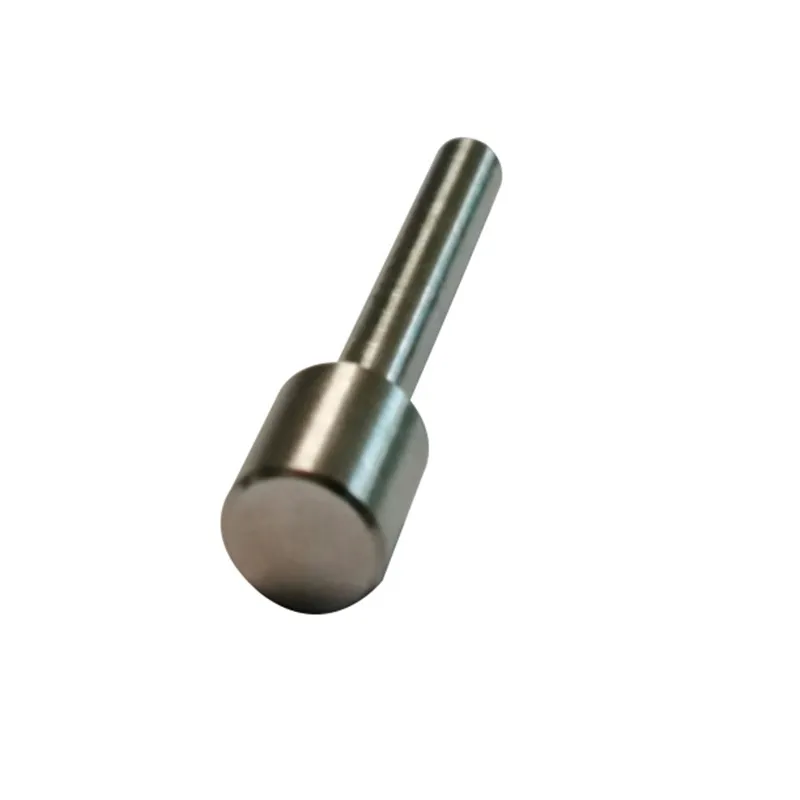
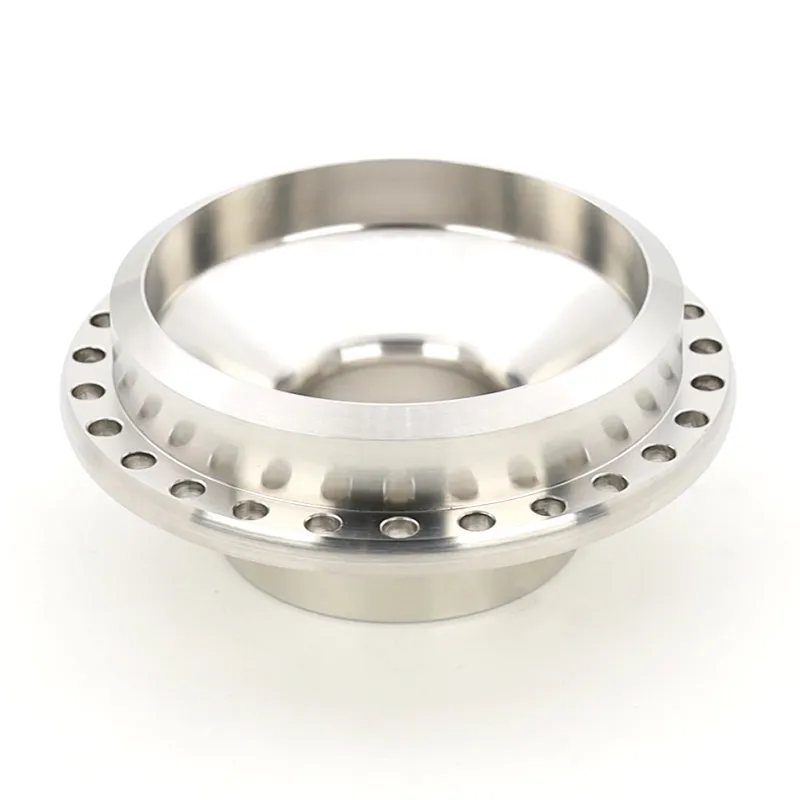
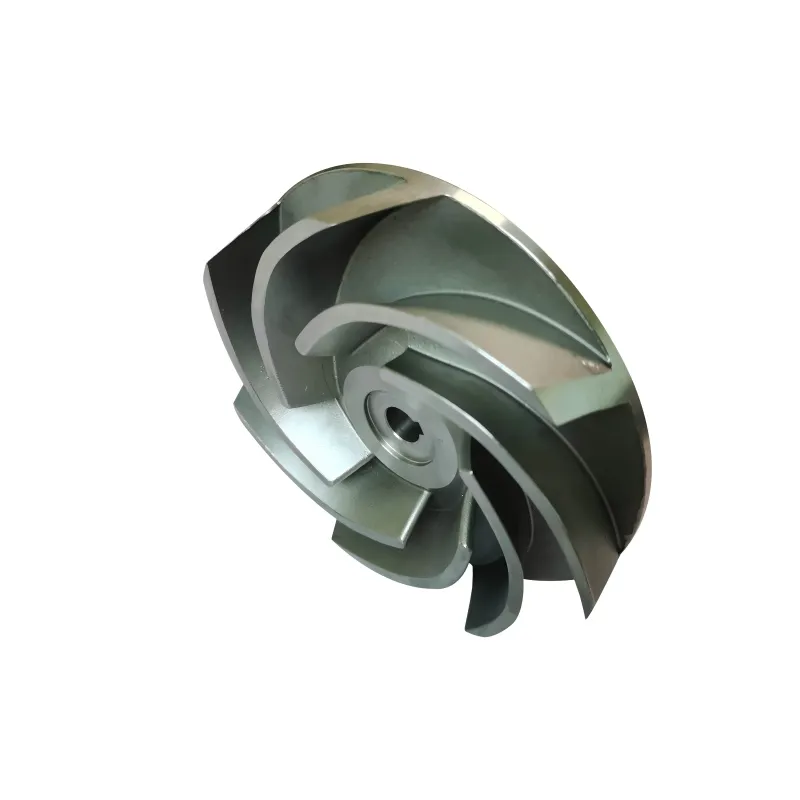
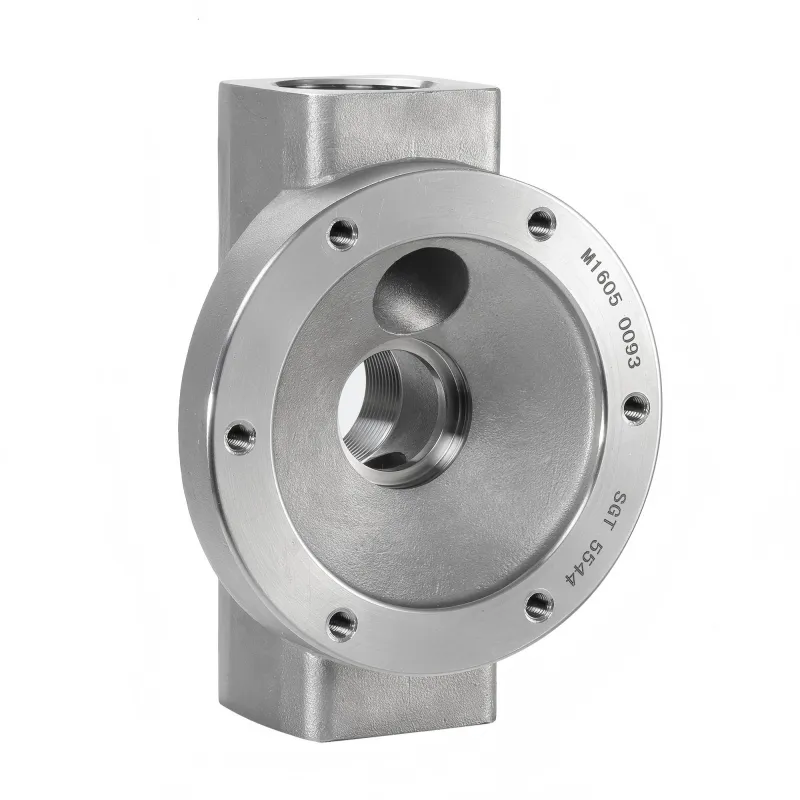
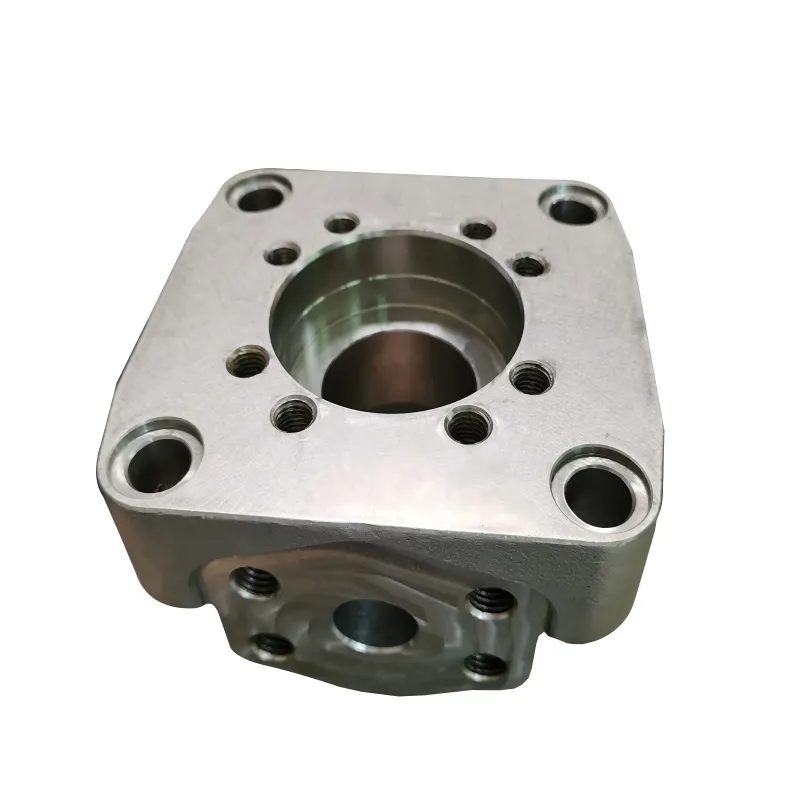
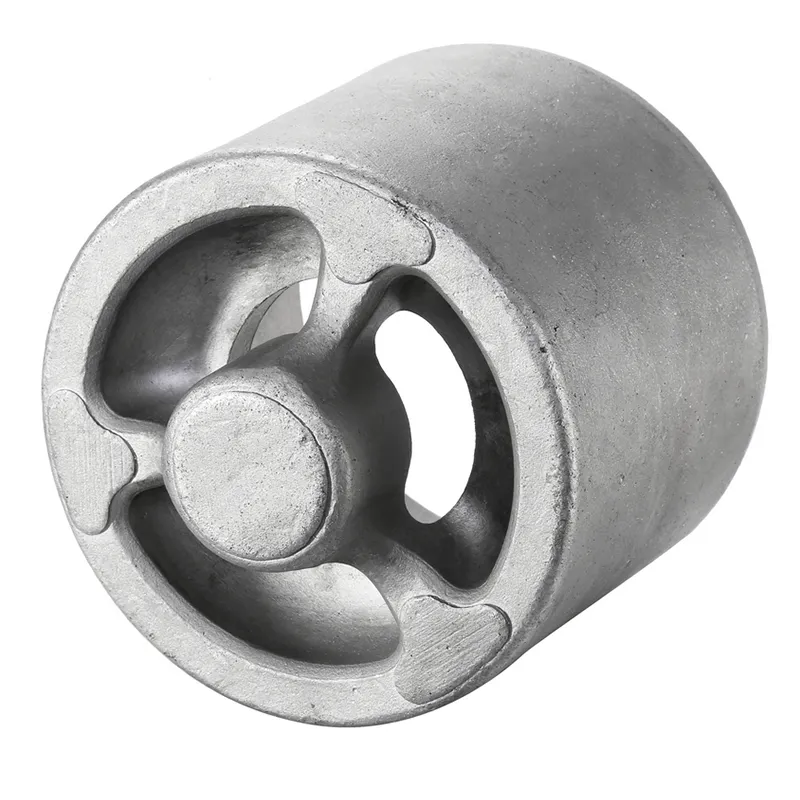
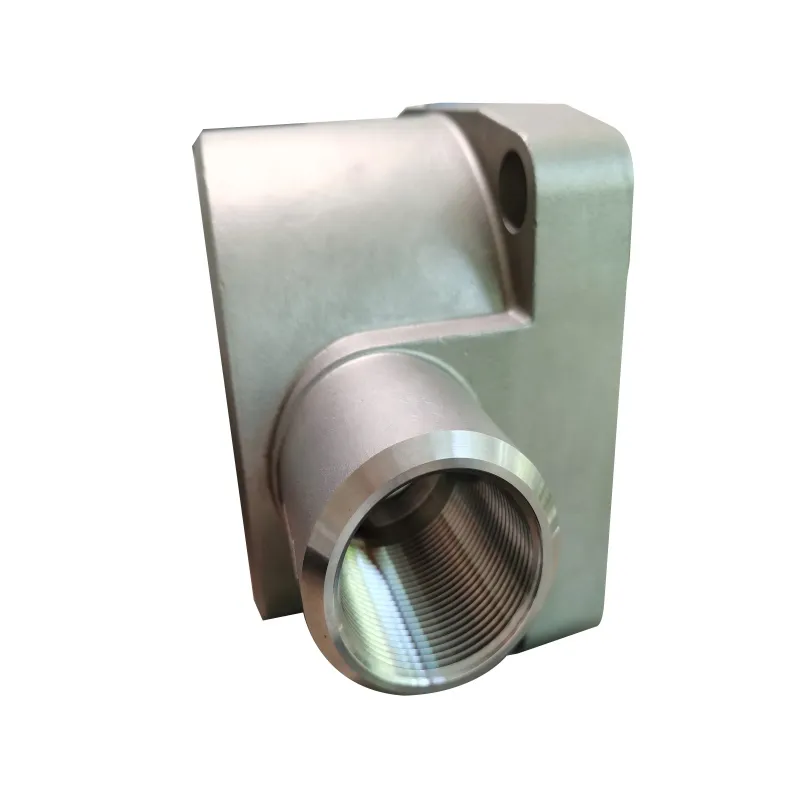
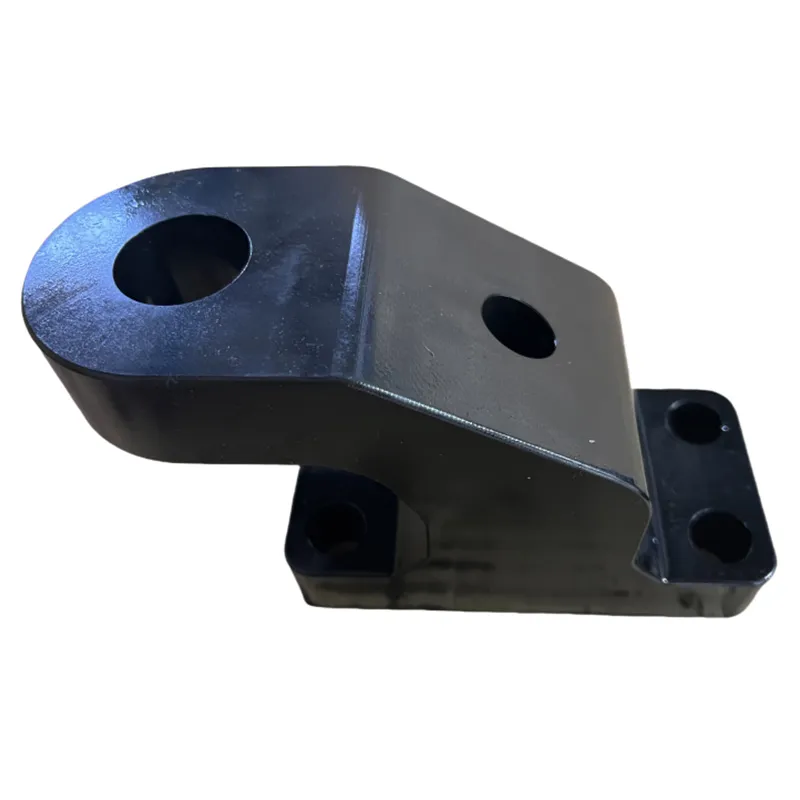
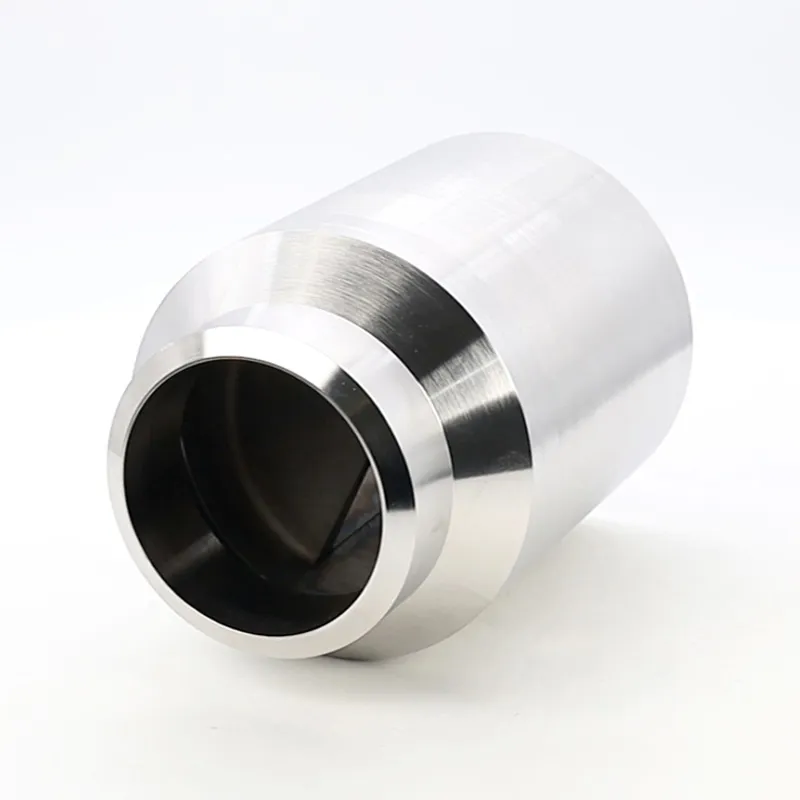
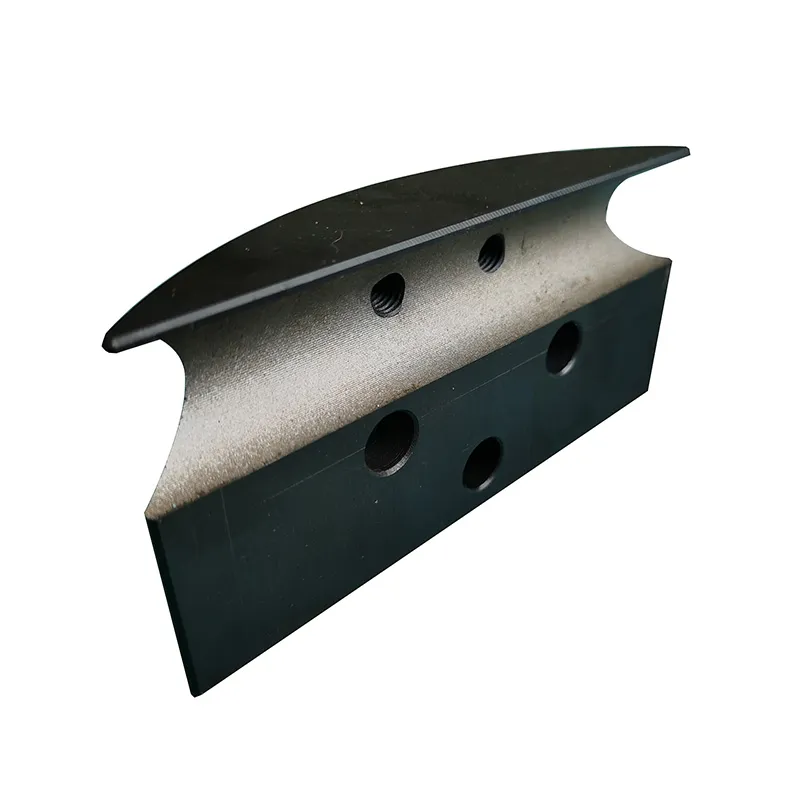
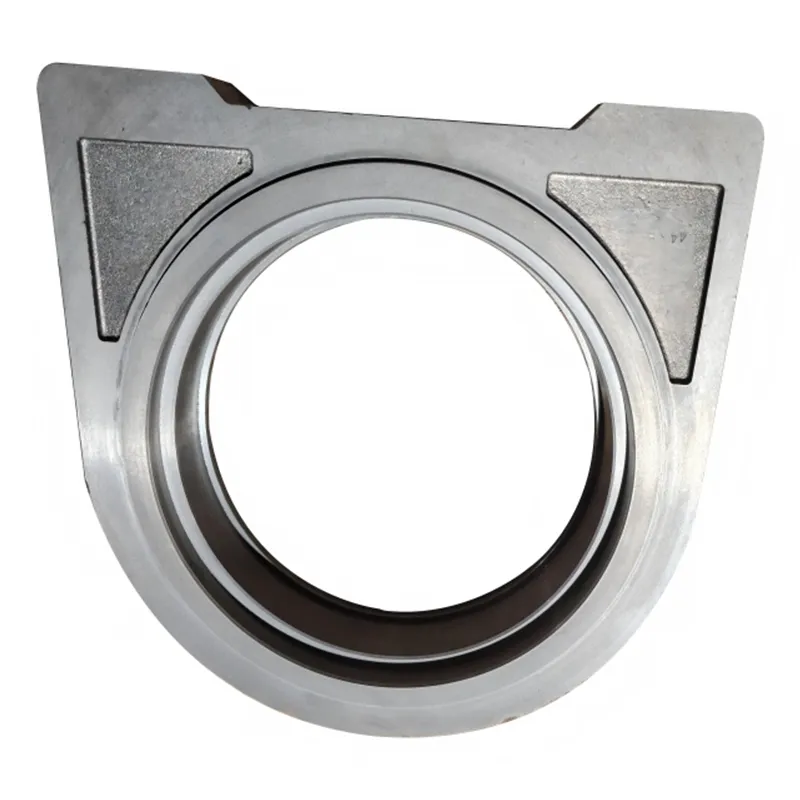
When most people hear 'machine parts,' they picture a CAD drawing or a shiny component in a catalog. That's the clean version. The reality, the one that keeps you up at night, is about the transition from that perfect digital model to a physical part that actually works under load, heat, and stress. The gap between a drawing and a functional component is where the real industry lives—and where a lot of money gets lost on assumptions.
The Illusion of Interchangeability
One of the biggest misconceptions is that a part is just a set of dimensions. You can have two machine parts from different suppliers that measure identically on a CMM, yet one fails in weeks and the other lasts for years. The difference isn't in the geometry; it's in the grain flow of the forging, the heat treatment curve, or the residual stress from machining. I've seen a batch of pump shafts that passed every dimensional check but snapped because the material certs were faked—the steel had the wrong hardenability. The print didn't specify the metallurgical path, only the final hardness. That was a $200k lesson.
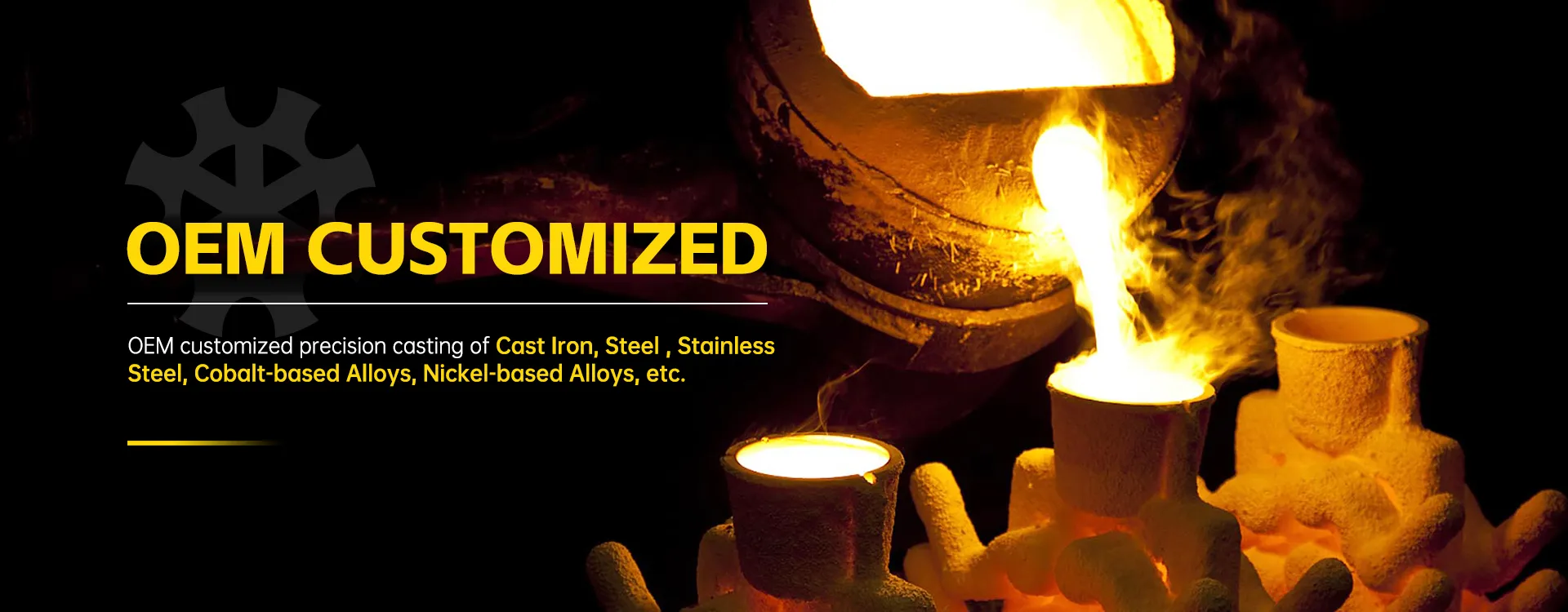
This is where the foundry and machining background becomes non-negotiable. You can't just outsource to the cheapest bidder with a CNC machine. The process is part of the product. For instance, at Qingdao Qiangsenyuan Technology (QSY), with their three decades in casting and machining, they'd tell you that a shell mold casting for a valve body will have a different surface integrity and near-net shape compared to a sand casting, even in the same grade of stainless steel. That affects how you design your subsequent CNC machining steps—your tool paths, your clamping points. If you machine it like it's a billet, you're introducing stress concentrations they spent 30 years learning to avoid.
It forces you to think backwards. You start with the failure mode. Is it fatigue? Wear? Corrosion? Then you work back to the material and the manufacturing process. A part for a food processing line made of 316L stainless isn't just about corrosion resistance; it's about how the machine parts are finished. A mirror polish might look great, but does it create micro-crevices that harbor bacteria? Sometimes a controlled, uniform roughness from a specific machining pass is better. The spec sheet won't tell you that.
Material is a Process, Not a Choice
Picking stainless steel or nickel-based alloy from a dropdown menu is the start of the conversation, not the end. Take Inconel 718. Fantastic properties. But how it's cast versus how it's forged creates wildly different microstructures. If you're machining it, the difference in hardness and work-hardening tendency will destroy your tools if you use the same parameters. QSY's work with these special alloys highlights this—they have to adjust their entire process chain based on whether the incoming stock is from investment casting or wrought bar. The post-casting heat treatment for stress relief is critical; skip it, and the part will warp during final machining, turning a precision component into scrap.
I recall a project for a turbine seal ring. The drawing called for a cobalt-based alloy, Stellite 6, specified for extreme wear resistance. We sourced a cast version. It machined terribly—chattering, tool wear was astronomical. The problem? The casting process created large, hard carbides in a brittle matrix. The solution, which we arrived at after some painful trial and error, was to switch to a powder metallurgy version of the same alloy, which gave a finer, more uniform carbide distribution. It machined cleaner and performed better. The lesson: the alloy name is just the recipe; the manufacturing method is the cooking technique. You can ruin a good recipe with bad technique.
This is why partnering with a supplier that controls both casting and CNC machining under one roof isn't a luxury; it's a risk mitigation strategy. When the machinist can walk back to the foundry manager and say, This batch is gummy, the tools are loading up, they can trace it back to a pour temperature or a cooling rate. That feedback loop is invisible to a pure trading company or a shop that only does machining. At a facility like QSY's, that integration is the product.
Tolerances: The Cost of Perfection
Everyone wants tight tolerances. It feels like quality. But specifying a ±0.01mm tolerance on every dimension of a complex casting is a good way to triple the cost and delay the project. You have to understand what the tolerance is for. Is it for fit? For function? For balance? Often, only one or two critical interfaces need that precision. The rest can be significantly looser. I've spent hours with engineers arguing down tolerances on non-functional surfaces, saving weeks of machining time and tooling cost.
The real challenge is managing tolerance stacks across different manufacturing methods. You might have a housing that's a cast iron shell mold casting from Qingdao Qiangsenyuan Technology Co., Ltd.(QSY), with a stainless steel sleeve press-fitted into it. The casting shrinkage, the machining datum, the thermal expansion coefficients—all of it has to be modeled. We once had a batch of assemblies that seized up at operating temperature. At room temp, the press fit was perfect. But we failed to account for the different thermal growth rates of the cast iron and the stainless steel. The fix wasn't tighter machining; it was a different fit calculation based on the service temperature. The drawings were correct for 20°C, but the machine didn't run at 20°C.
This is where the over 30 years of experience isn't a marketing line. It's a library of these thermal and mechanical interactions. A new shop might nail the room-temperature inspection and still deliver a failing part. An experienced one will ask, Where is this going to be used? What's the ambient temperature? Is it thermally cycled? before they even program the CNC.
Failure as a Deliverable
You learn more from a part that broke than from one that worked. Destructive testing isn't just for R&D; it should be part of the qualification process for critical components. We instituted a policy for high-stress machine parts: first article inspection includes cutting one up. Check the internal soundness of the casting, measure the case depth of a heat treatment, look for voids or inclusions. It's expensive, but cheaper than a field recall.
A specific case involved some ductile iron brackets for a heavy-duty conveyor. They passed all surface inspections and load testing. But during a random cut-up, we found shrinkage porosity about 2mm below the surface in a high-stress area. Under cyclic loading, that would have been a fatigue crack nucleation point. The foundry, in this case, adjusted their gating and riser design for that particular part geometry. The fix was in the mold, not the machining. If you only inspect the final machined surface, you miss the story happening underneath.
This mindset shift—from inspecting for compliance to inspecting for understanding—is crucial. It turns a quality control department from a gatekeeper into a source of process intelligence. It also builds a different relationship with a supplier. When you can have a technical discussion about eutectic cell count in cast iron or the sigma phase embrittlement in stainless welds, you move from a transactional buyer to a partner. Suppliers like the one behind tsingtaocnc.com engage differently when they see you're looking at the same fundamental problems they are.
The Good Enough Threshold
Finally, a hard-won piece of wisdom: not every part needs to be a masterpiece. The pursuit of perfection can be the enemy of functionality and profitability. There's a good enough threshold defined by the application. A bracket holding a non-critical cover panel doesn't need aerospace-grade billet aluminum with anodizing. A hot-rolled steel plate, laser-cut and deburred, will do the job for 1/10th the cost. The skill is in accurately identifying that threshold.
This is where broad experience across materials and processes pays off. Knowing that for a certain corrosive environment, a well-executed shell mold casting in standard CF8M stainless might perform as well as a much more expensive super duplex alloy, if the design is right. Or that for a wear surface, sometimes adding a simple, replaceable hardened steel insert is smarter than making the entire monolithic part out of a pricey wear-resistant alloy. It's about designing the system, not just the component.
In the end, machine parts are the physical manifestation of a thousand decisions—material, process, tolerance, finish, inspection. The blueprint is just the starting whisper. The roar comes from the foundry floor and the machine shop, where experience, often learned from past failures, turns specifications into something that simply works. It's less about brilliant individual design and more about robust, repeatable execution across a chain of linked processes. That's what you're really buying.