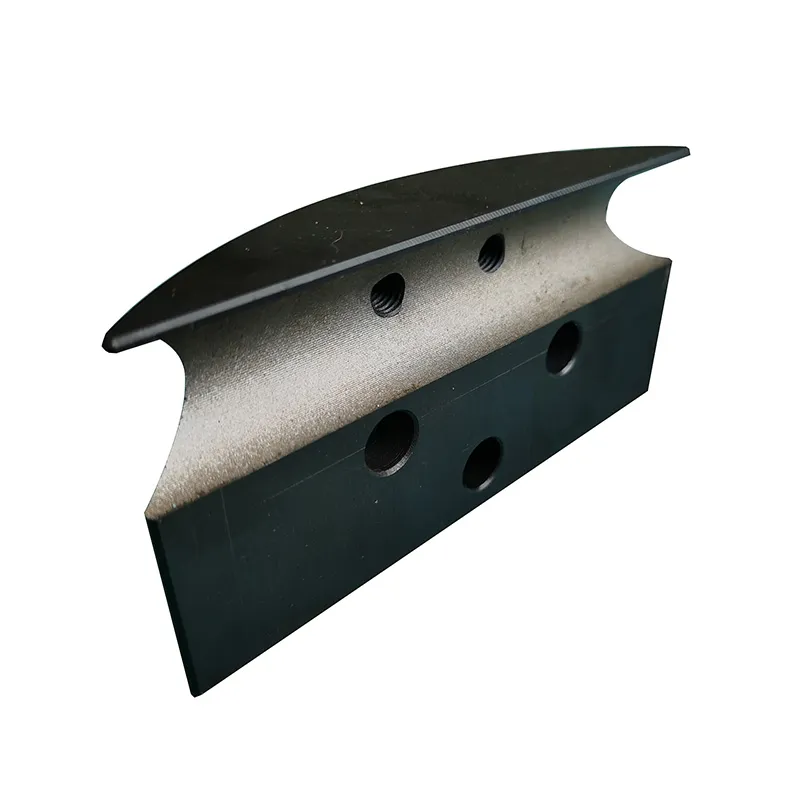
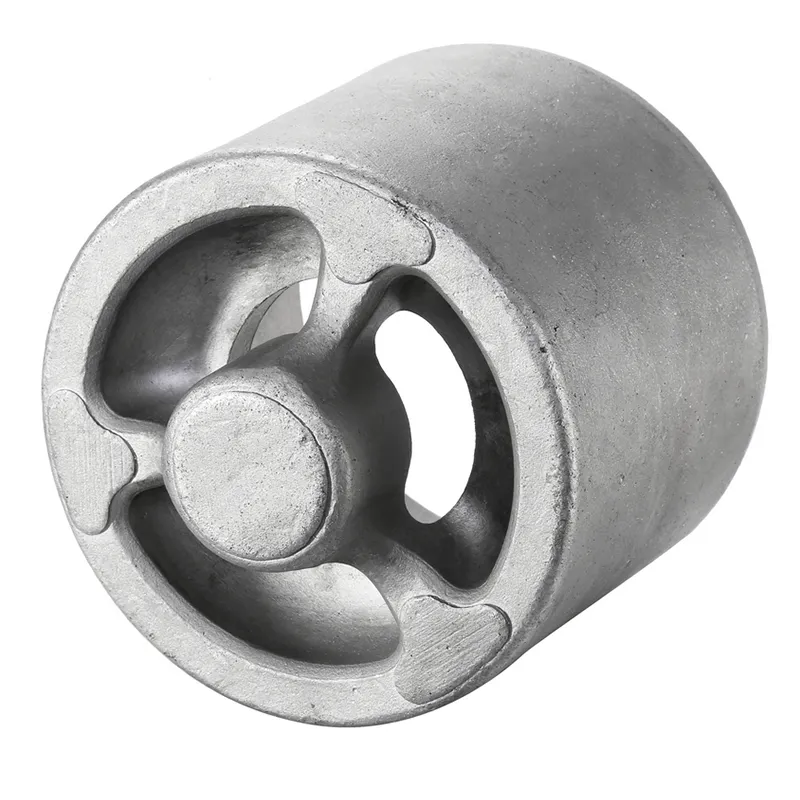
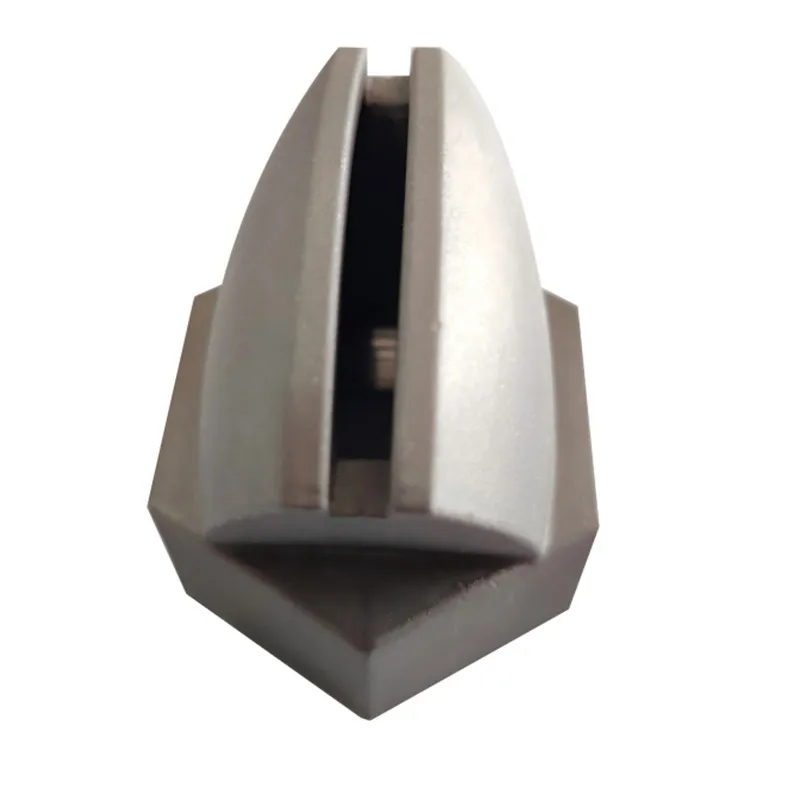
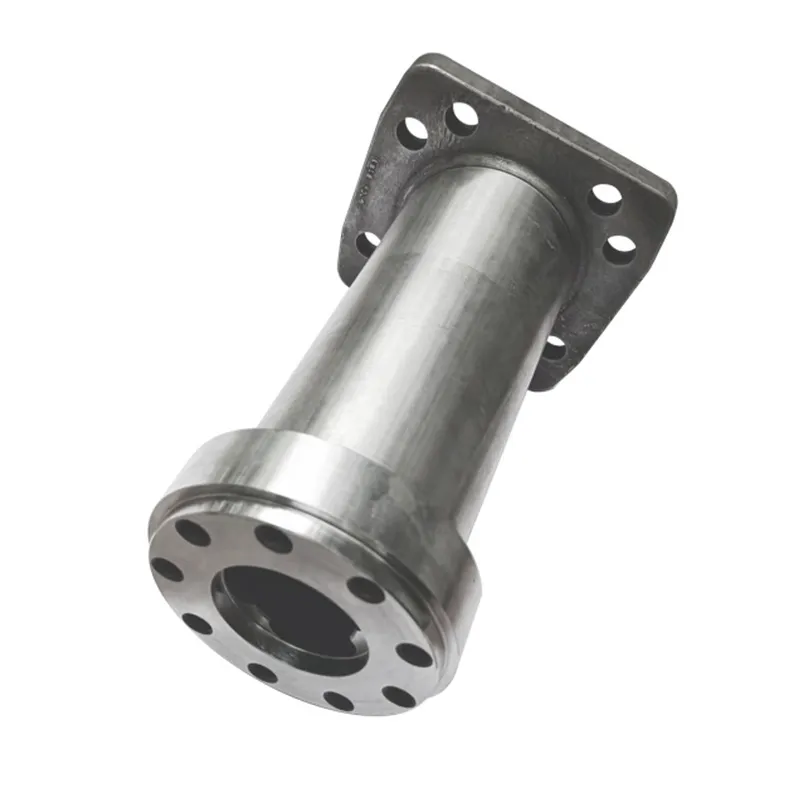
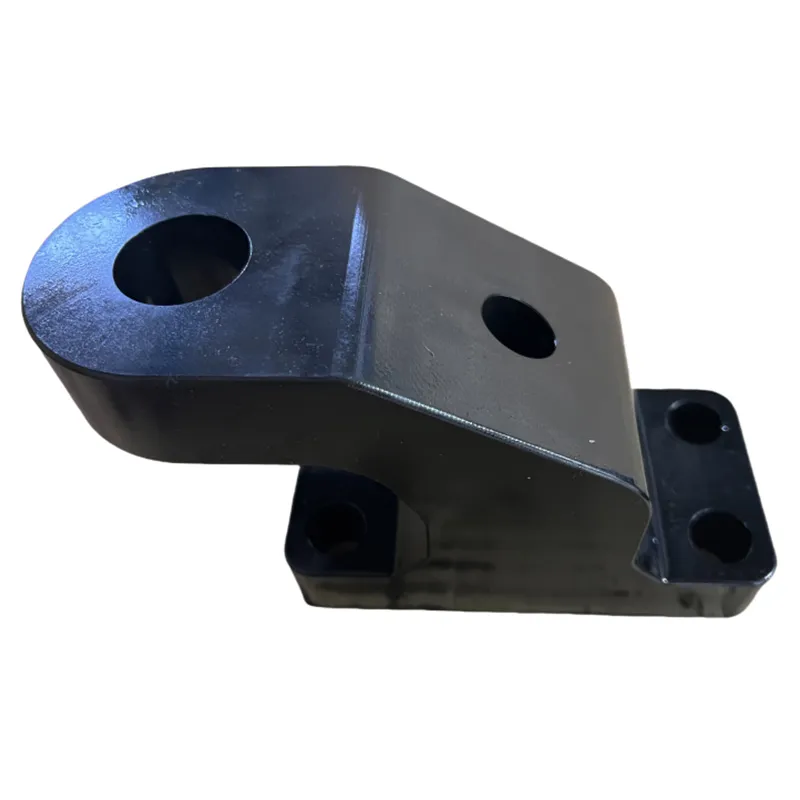
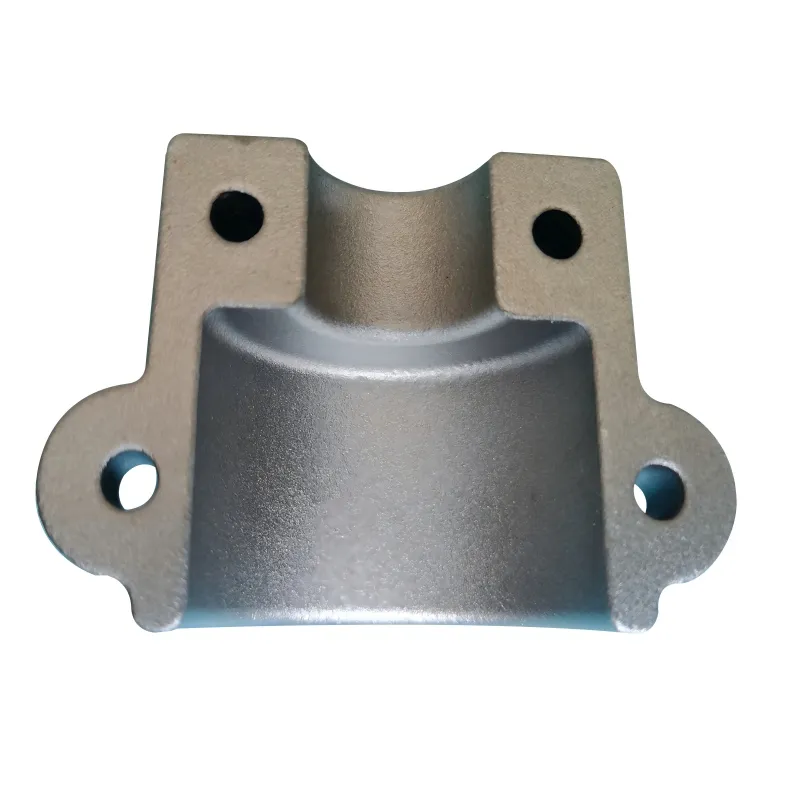
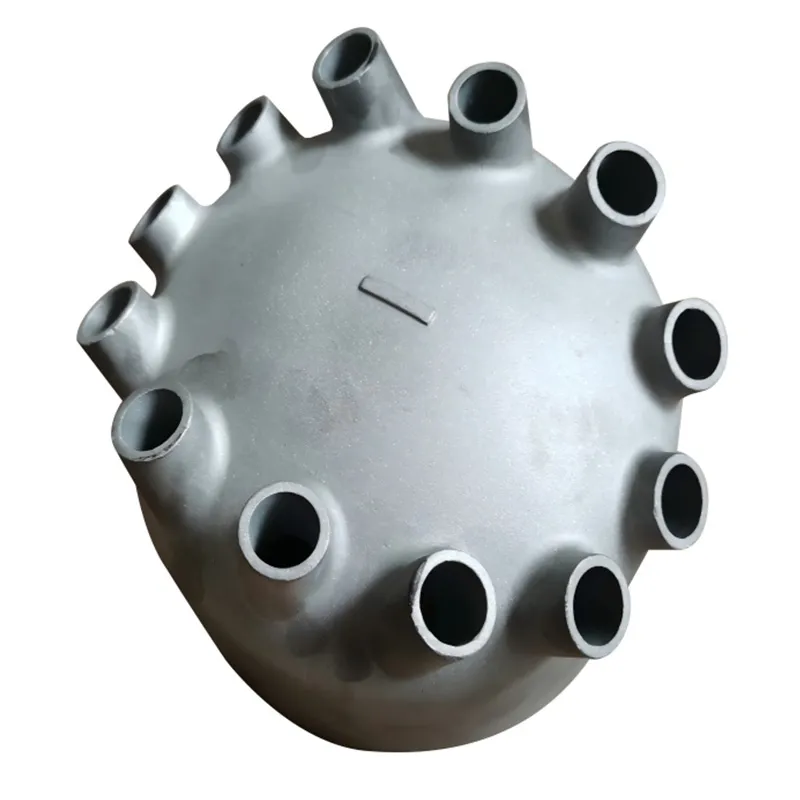
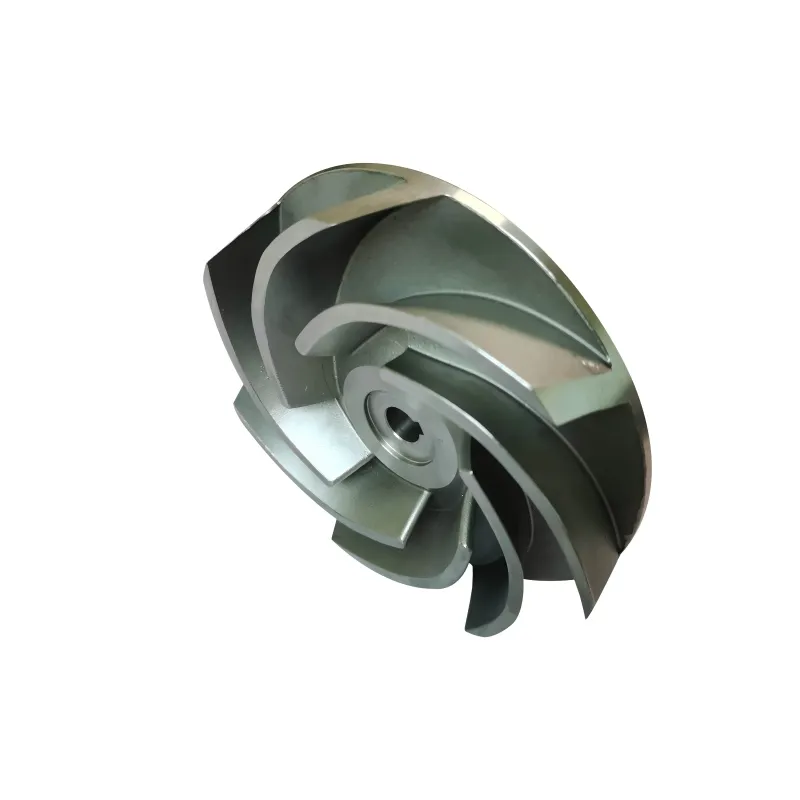
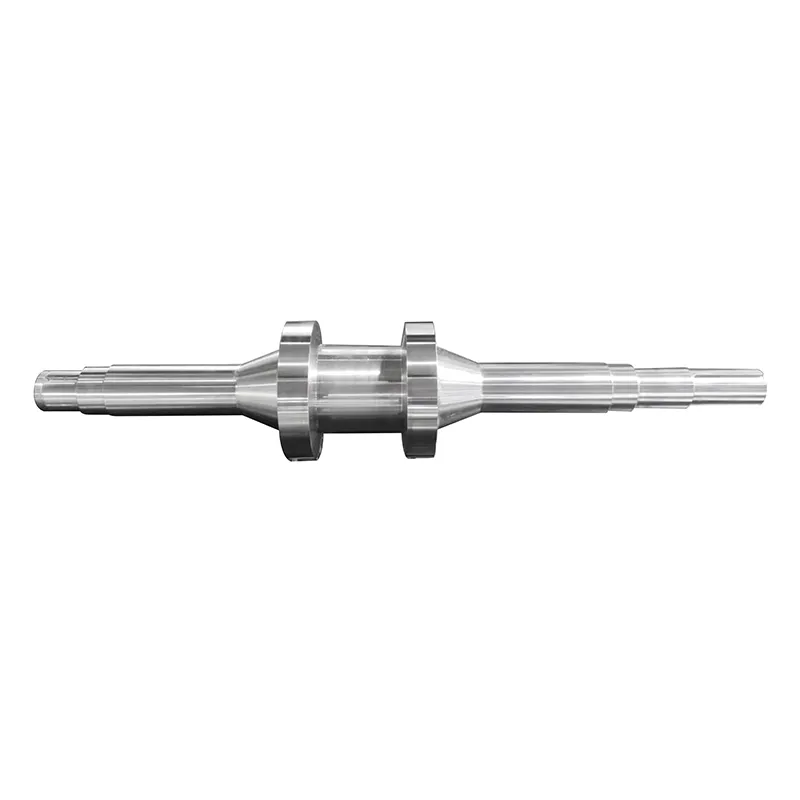
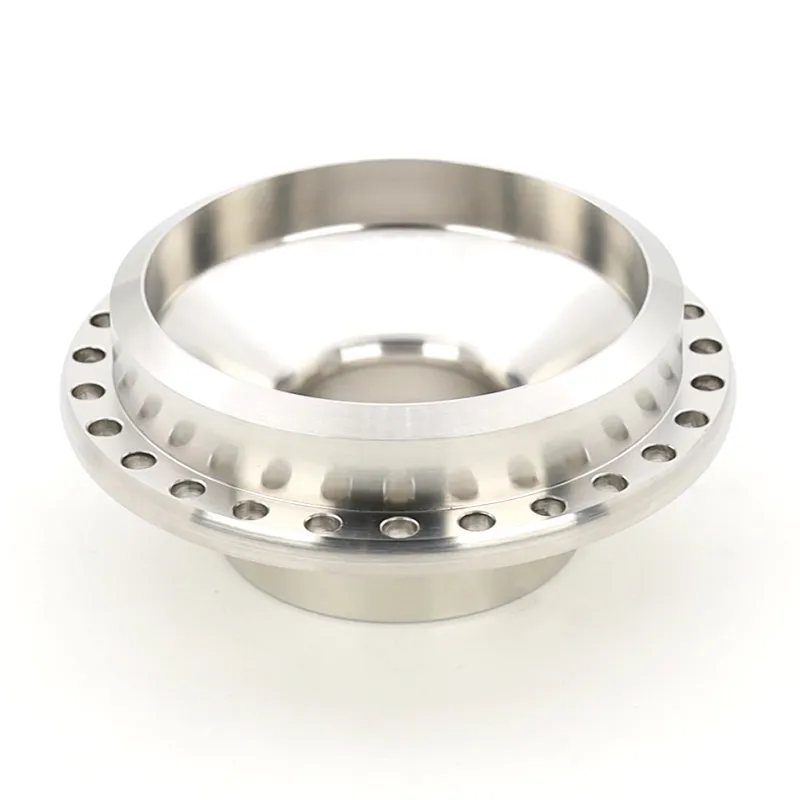
When someone says 'machinery part,' most think of a finished piece of metal, a commodity. The reality is messier. It's the gap between the CAD model and the part that arrives on the shop floor, the thousand decisions in material, process, and finish that determine if it works or fails. A lot of sourcing goes wrong right there, focusing on price per unit without grasping what goes into making a reliable component, especially for demanding applications.
The Foundation: It Starts with the Cast
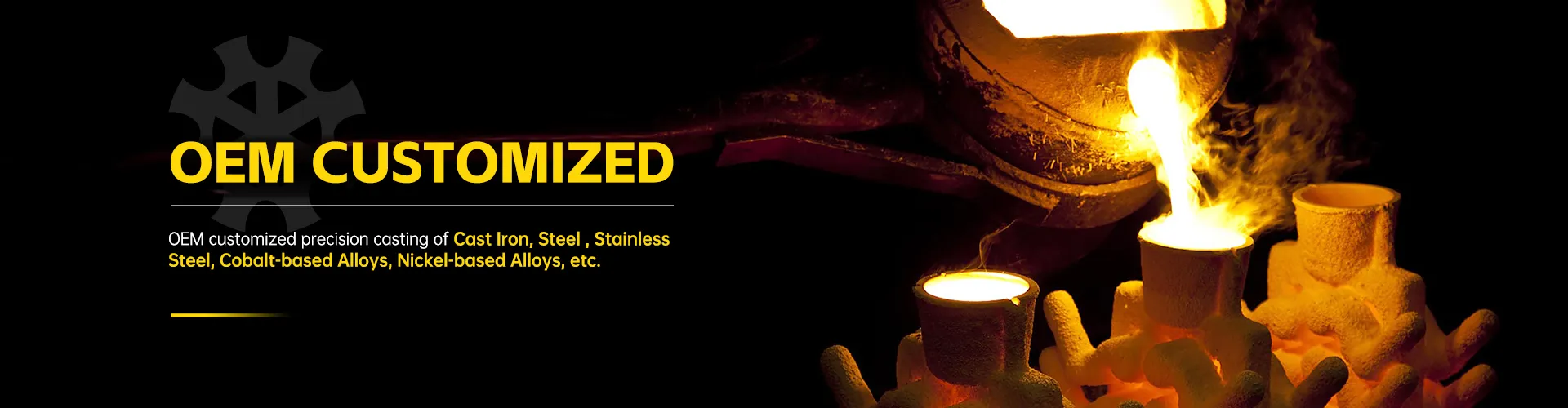
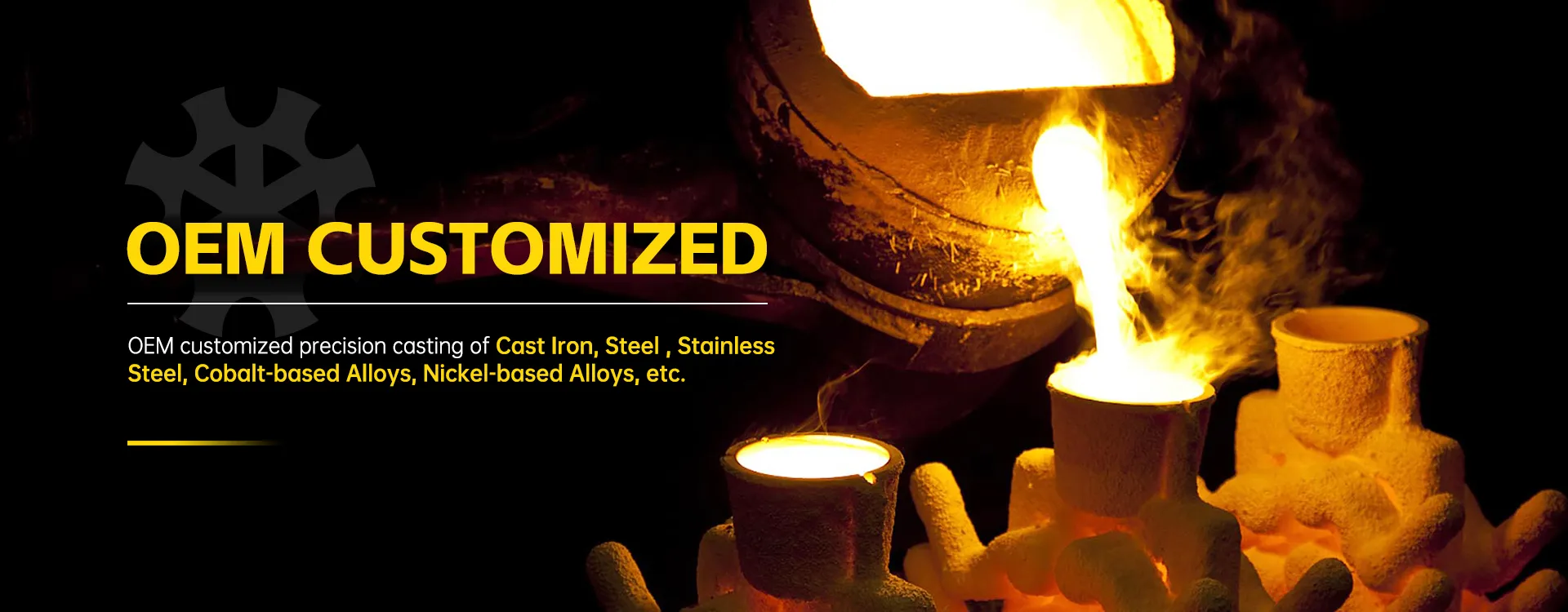
You can't machine a good part from a bad casting. I've seen too many projects stall because the initial cast had undisclosed porosity or inconsistent wall thickness. The choice of casting method isn't academic; it's foundational. For complex, near-net-shape parts with tight tolerances, investment casting is often the only viable start. It minimizes waste material and reduces subsequent machining hours dramatically. But it demands expertise. A company like Qingdao Qiangsenyuan Technology Co., Ltd. (QSY), with their three decades specifically in casting and machining, understands this interdependency. Their long-term operation suggests they've navigated the learning curve of controlling variables in the mold room, which is half the battle.
Shell mold casting is another beast, great for larger runs of slightly less intricate parts. The surface finish is better than sand casting, but the dimensional stability is the real win. It gives the machinist a more predictable starting point. The pitfall? Assuming all foundries have the same process control. Minor deviations in the curing time or resin mix can lead to 'springback' or soft spots that only show up during milling, turning a profitable job into a loss.
Material selection here is critical. Specifying stainless steel isn't enough. Is it 304 for general corrosion resistance or 316 for chloride environments? For high-heat or wear applications, that's where their mention of cobalt-based alloys and nickel-based alloys comes into play. These aren't materials you just try out. They work-harden, they're abrasive on tools, and they require specific machining parameters. Sourcing a machinery part in Inconel from a general machine shop is a recipe for broken tools and scrapped components.
The Machining Reality: Tolerances Aren't Free
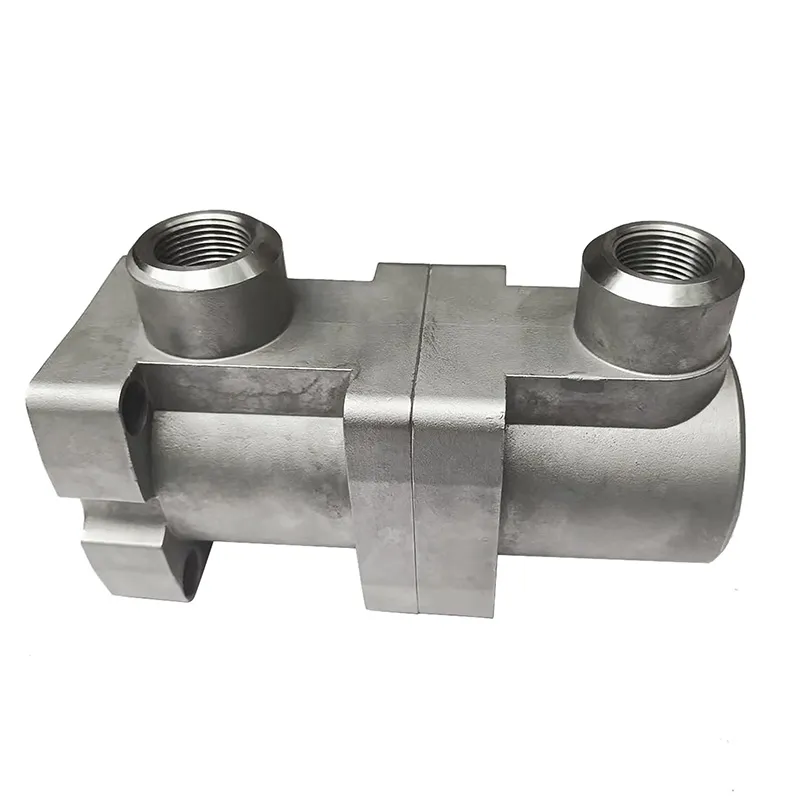
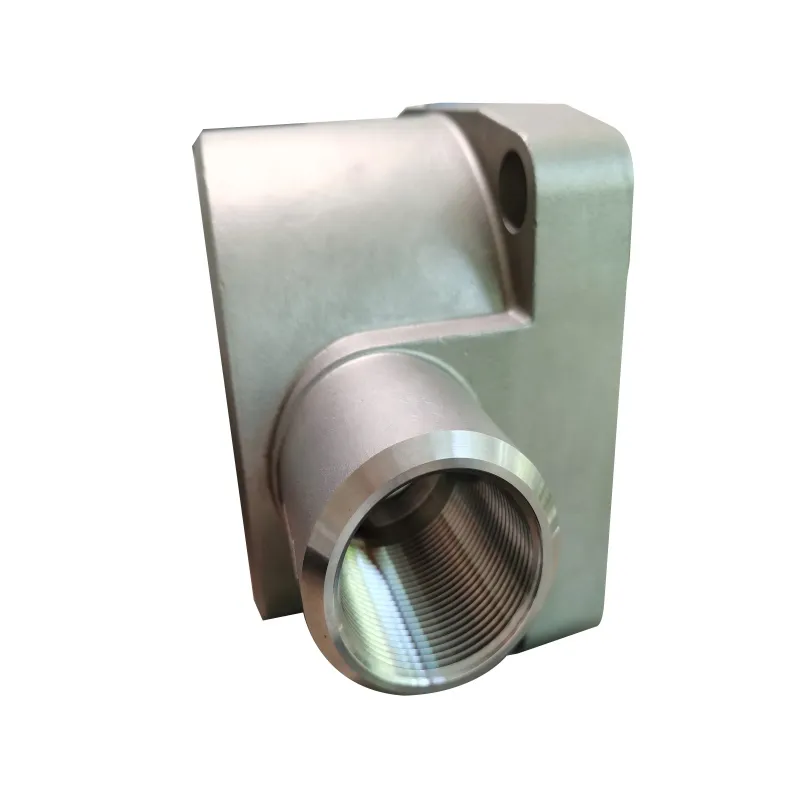
This is where the rubber meets the road. CNC machining turns a casting into a functional machinery part. The synergy between the casting and machining divisions under one roof, as seen with QSY's integrated service, eliminates a huge point of failure. When machining is outsourced separately, the machinist gets a casting they didn't produce. Any flaw becomes a blame game, delaying everything. In-house, the feedback loop is immediate.
A practical headache: holding a complex, uneven casting in a vise or fixture without inducing stress. You might design a beautiful fixture in software, but on the floor, you realize one clamping point is on a thin wall that deflects. You end up machining in stages, repositioning, and checking runout constantly. It's time-consuming but non-negotiable for precision.
Then there's tool wear, especially with those special alloys. You can't just run a standard feed and speed chart. You learn to listen to the cut, watch the chip color and formation. A blue chip on stainless might be okay; on a nickel alloy, it might mean you're degrading the material properties. This tacit knowledge separates a part that passes QC from one that performs for years under load.
When Good Enough Isn't: A Case in Point
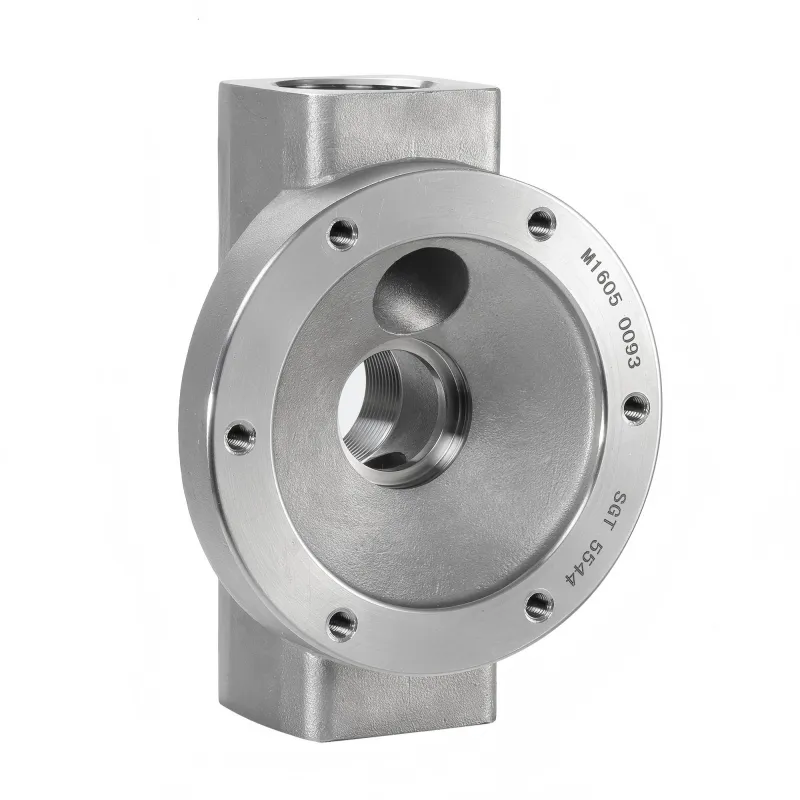
We had a project for a hydraulic manifold block for offshore equipment. The print called for a duplex stainless steel casting with intricate internal channels, machined to a surface finish of 0.8 μm Ra. The first supplier delivered parts that looked perfect but failed pressure testing. Leak paths through micro-porosity. The failure point was invisible to the eye and standard measurement.
The solution wasn't fancier machining; it was reverting to the casting process. We switched to a foundry that used a rigorous vacuum degassing process for the molten metal and implemented stricter non-destructive testing like dye penetrant inspection on 100% of castings before they even moved to the CNC bay. This added cost and time, but it was the only way. It underscores that the part's integrity is often determined before the first toolpath is even programmed.
This is where a supplier's longevity and specialization matter. A company that's been in the game for over 30 years, like the one mentioned, has likely encountered and adapted to these failure modes. Their website, https://www.tsingtaocnc.com, highlights their combined casting and CNC machining capabilities, which is exactly the integrated approach needed to solve such problems internally, avoiding the finger-pointing.
The Details That Get Overlooked
Post-machining treatments are frequently an afterthought but can be the difference between a short and long service life. A simple passivation process for stainless parts removes free iron from the surface, restoring corrosion resistance that machining can compromise. For cast iron parts, a stress-relief annealing might be necessary after heavy machining to prevent future distortion.
Thread quality is another silent killer. Tapping threads in a brittle alloy or at the edge of a casting wall requires careful technique. Using a spiral-point tap versus a spiral-flute tap changes chip ejection and can prevent thread tearing. It's a tiny detail on the drawing, but a stripped thread can render a whole assembly useless.
Finally, documentation. A professional operation provides more than just parts in a box. They provide material certifications, heat lot numbers, and first-article inspection reports. This traceability is not bureaucracy; it's essential for maintenance, liability, and understanding failures in the field. When evaluating a supplier, asking for a sample of their inspection paperwork tells you more than a glossy brochure.
Sourcing Mindset: Partnership Over Transaction
The biggest shift for engineers and purchasers is to stop buying parts like they're buying office supplies. A critical machinery part is a collaboration. The best outcomes come from engaging the manufacturer early, during the design phase. Can a radius be slightly larger to allow for a standard tool? Can a tolerance be relaxed from ±0.02mm to ±0.05mm without affecting function? These conversations can slash cost and lead time.
Look for suppliers who ask these questions, who push back on drawings with impractical demands. A yes-man factory will take your money and deliver to print, even if the design is fundamentally hard to manufacture. The experienced ones will call you. Their website intro isn't just a list of services; it's a statement of focused capability—shell mold, investment casting, CNC, specific materials. That focus usually indicates depth, not just breadth.
In the end, a machinery part is a physical solution to an engineering problem. Its quality is the sum of a hundred small, correct decisions made by people who understand the entire journey from molten metal to finished component. It's less about finding the cheapest source and more about finding the most competent collaborator who sees the part not as an isolated item, but as a link in a larger, moving system.