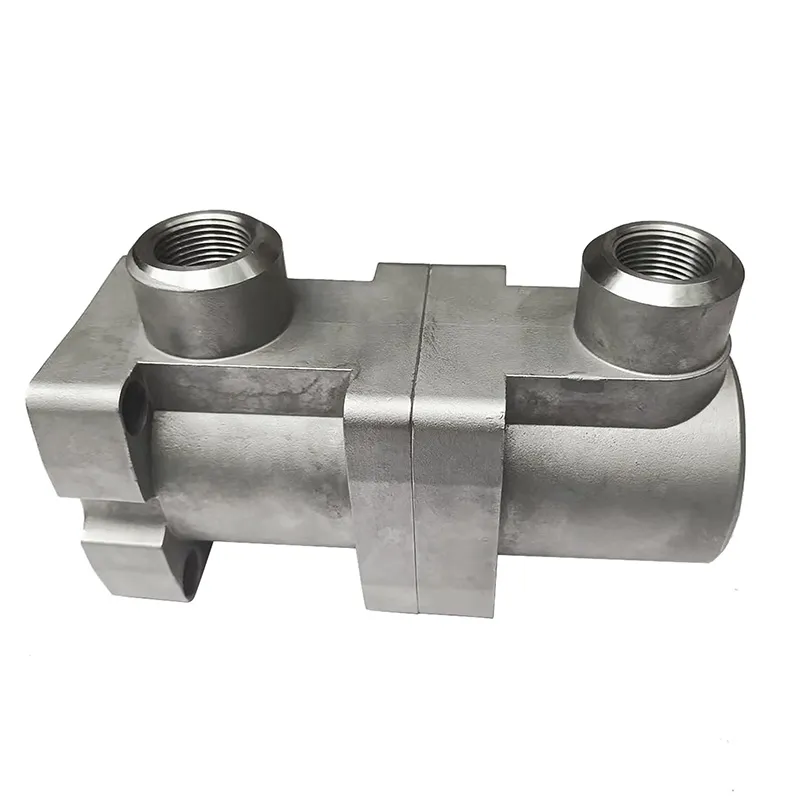
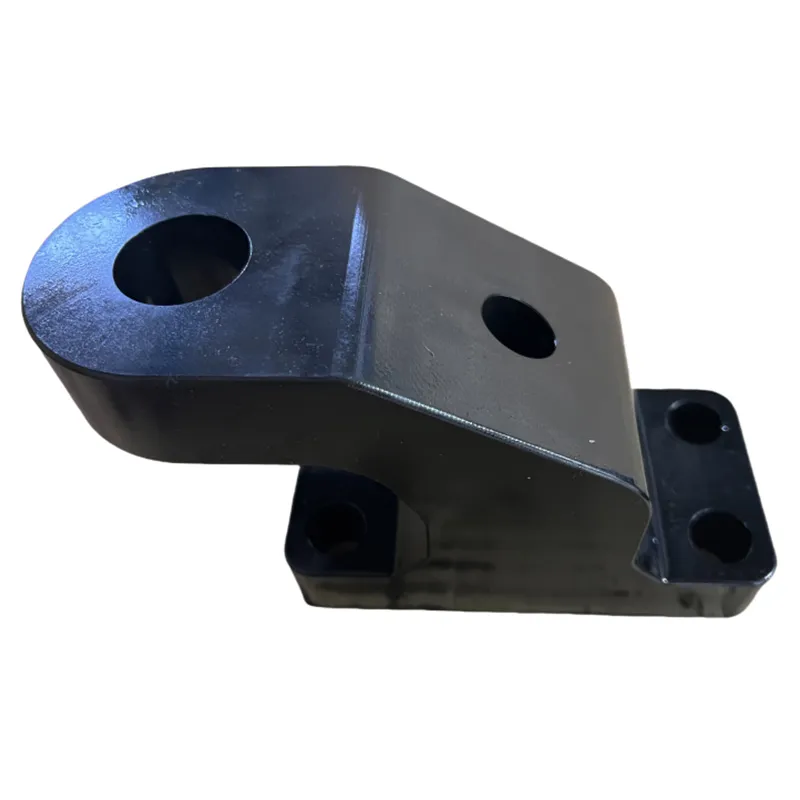
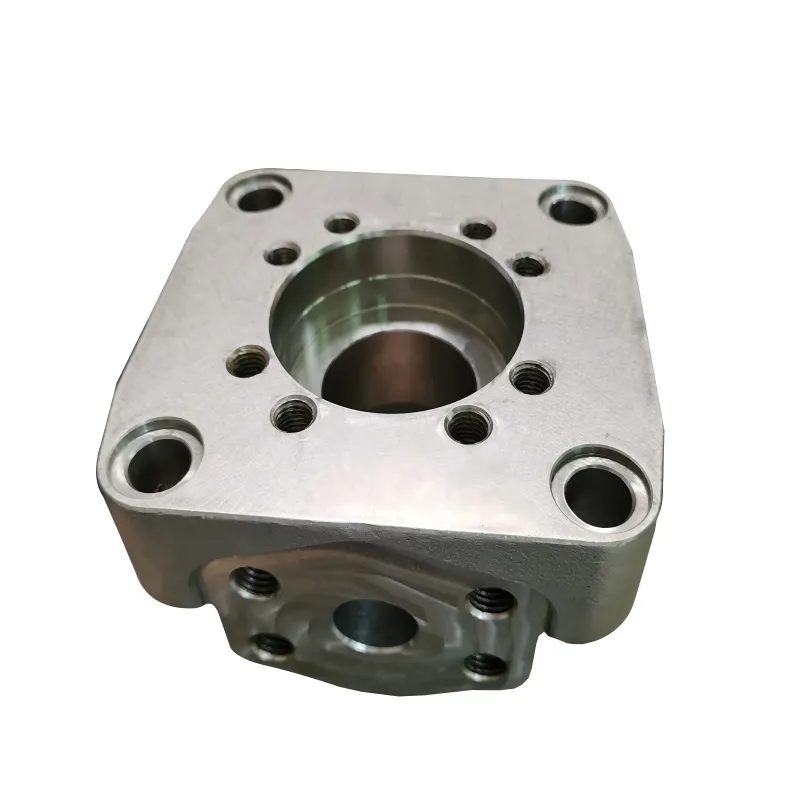
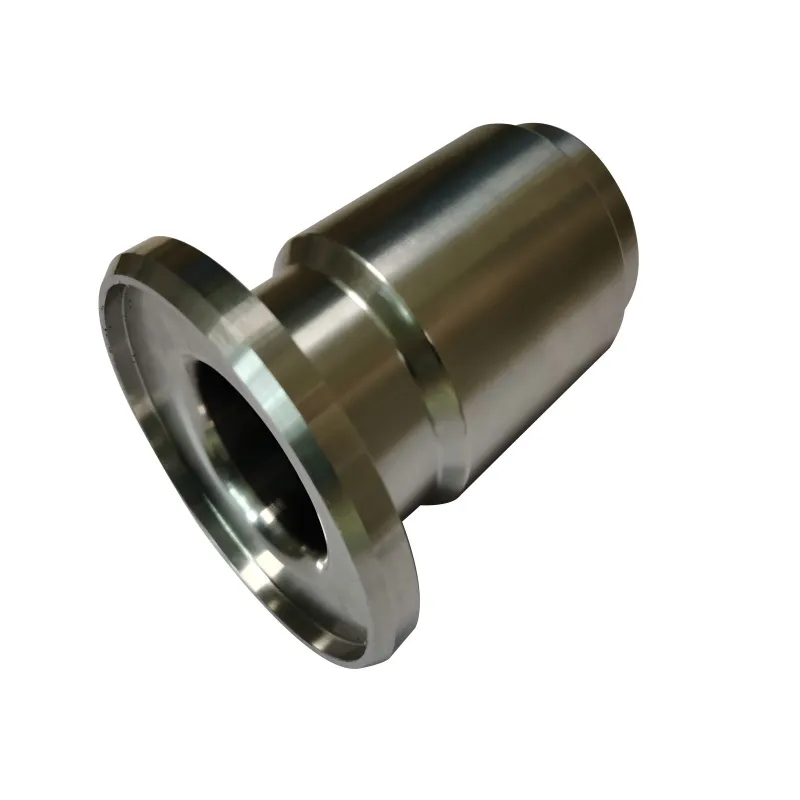
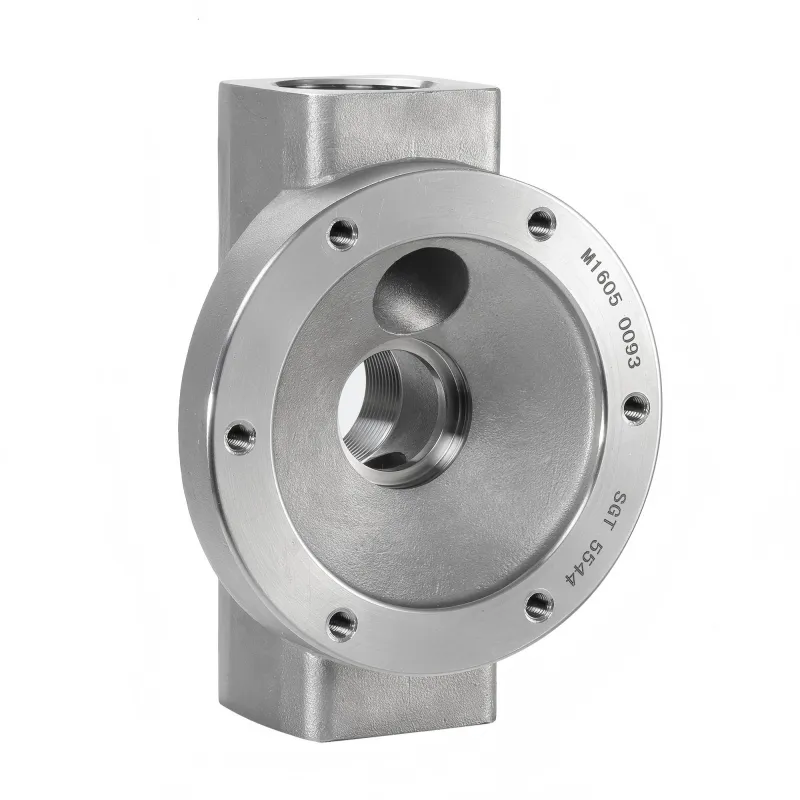
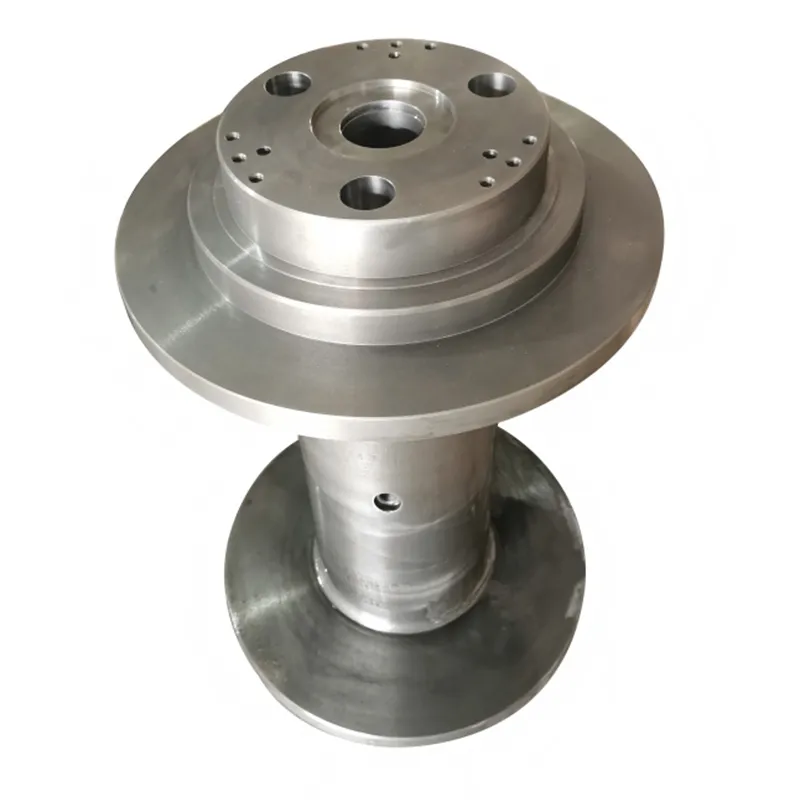
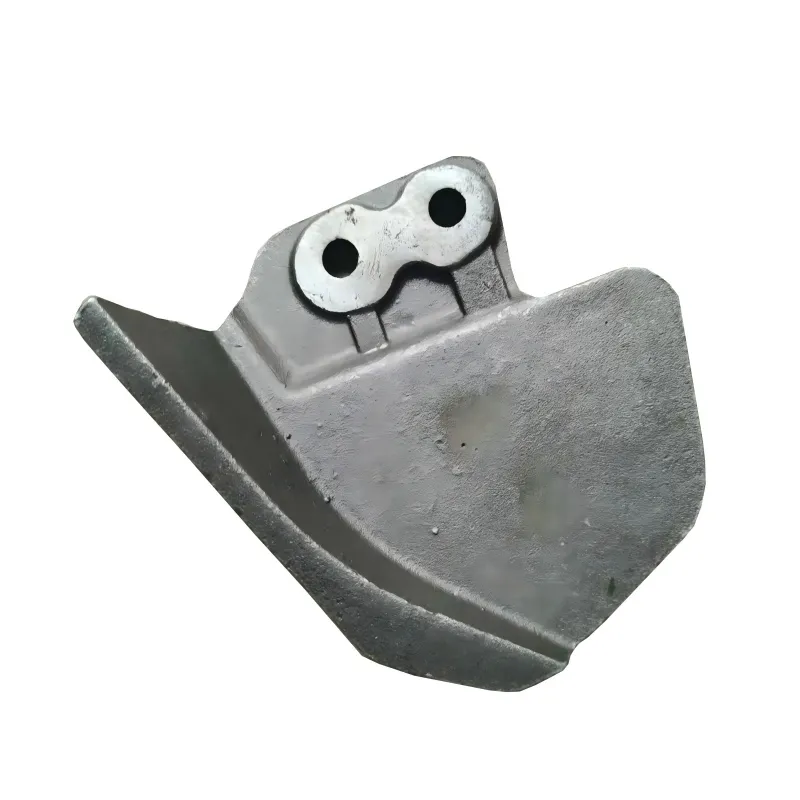
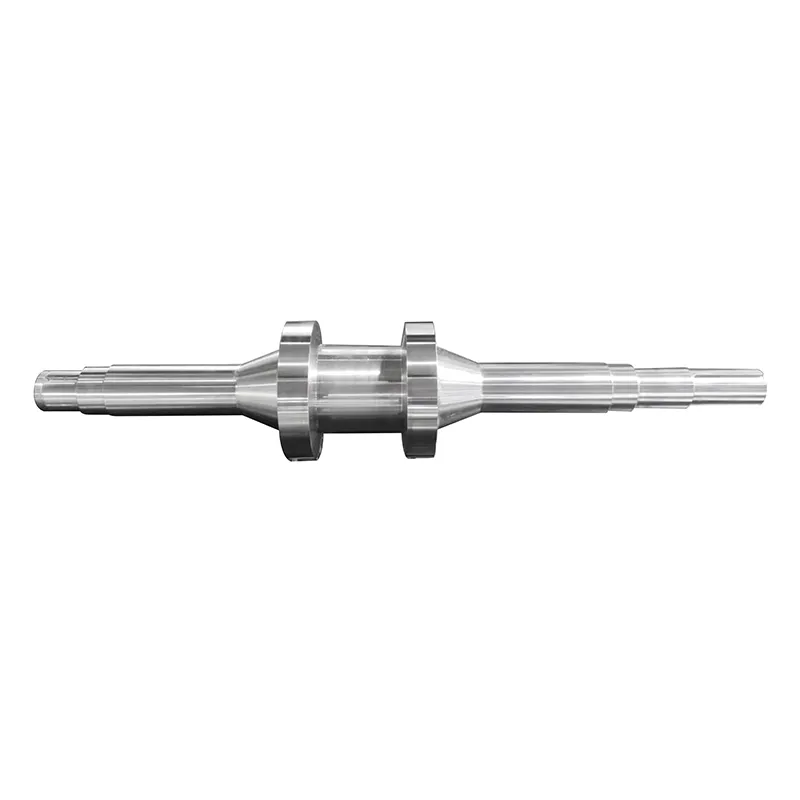
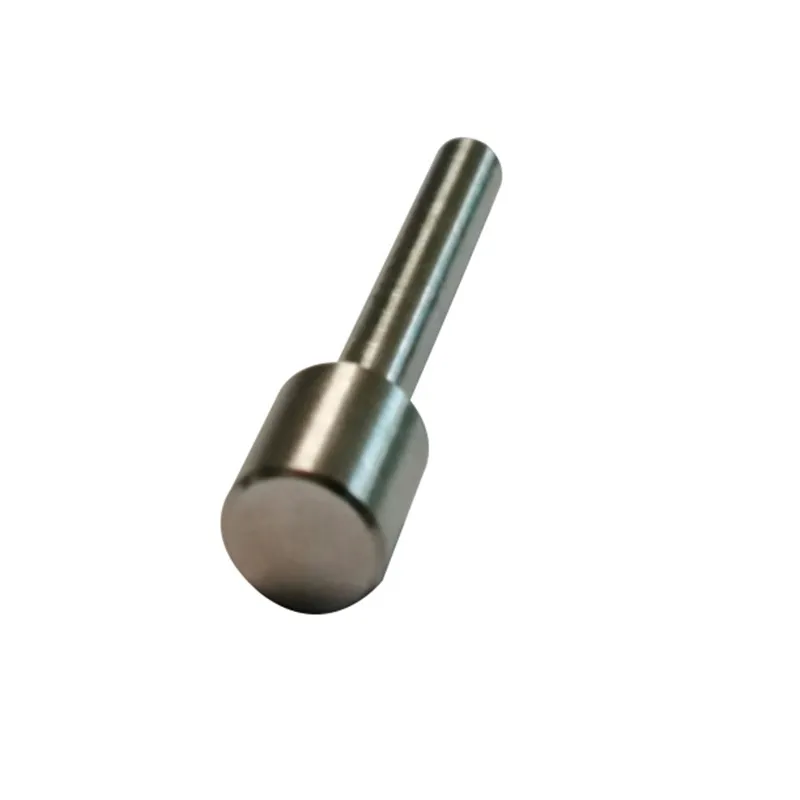
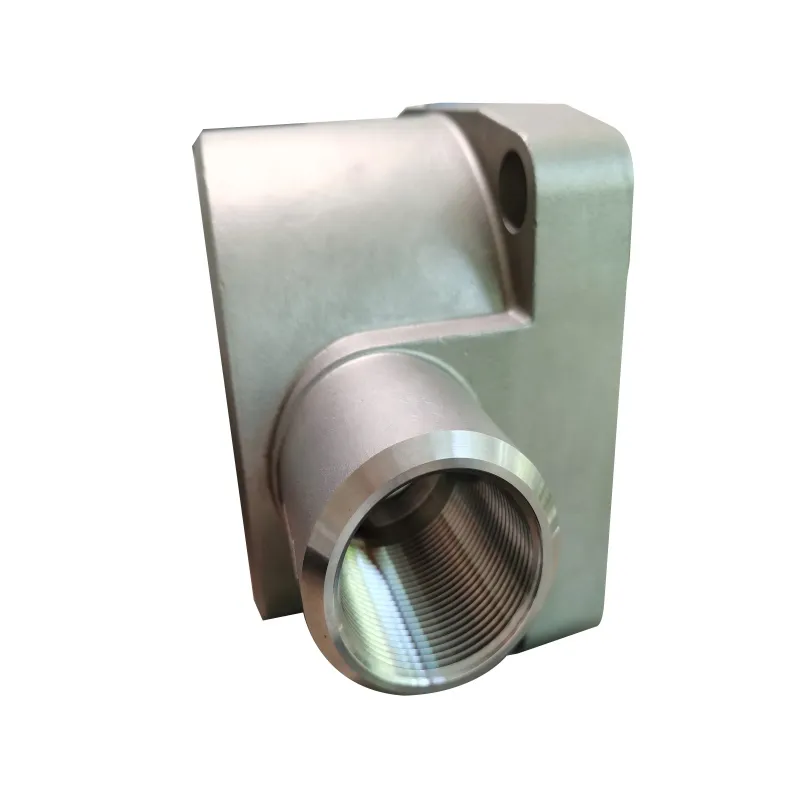
When most people hear machining service, they picture a shop that just follows a CAD file. Send a drawing, get a part. But that's where the first big mistake happens. The real work starts long before the first tool touches the stock. It's in the conversation about function, about the unseen stresses the part will face, about whether that tight tolerance on the drawing is truly critical for performance or just an expensive habit. I've seen too many projects run over budget because the service was treated as a commodity, not a partnership. The difference isn't just in the machines; it's in the decades of material knowledge living in the machinist's head.
The Foundation: It's Not Just About the CNC
You can't talk about precision machining service without starting with what you're cutting. This is where a lot of generic shops hit a wall. Working with standard aluminum or mild steel is one thing. But when you get into the heavy-duty or corrosive environments, the game changes completely. I'm talking about the nickel-based alloys, the cobalt-chrome series—materials that work-harden the moment you start cutting, materials that eat through standard tooling if you don't get everything exactly right.
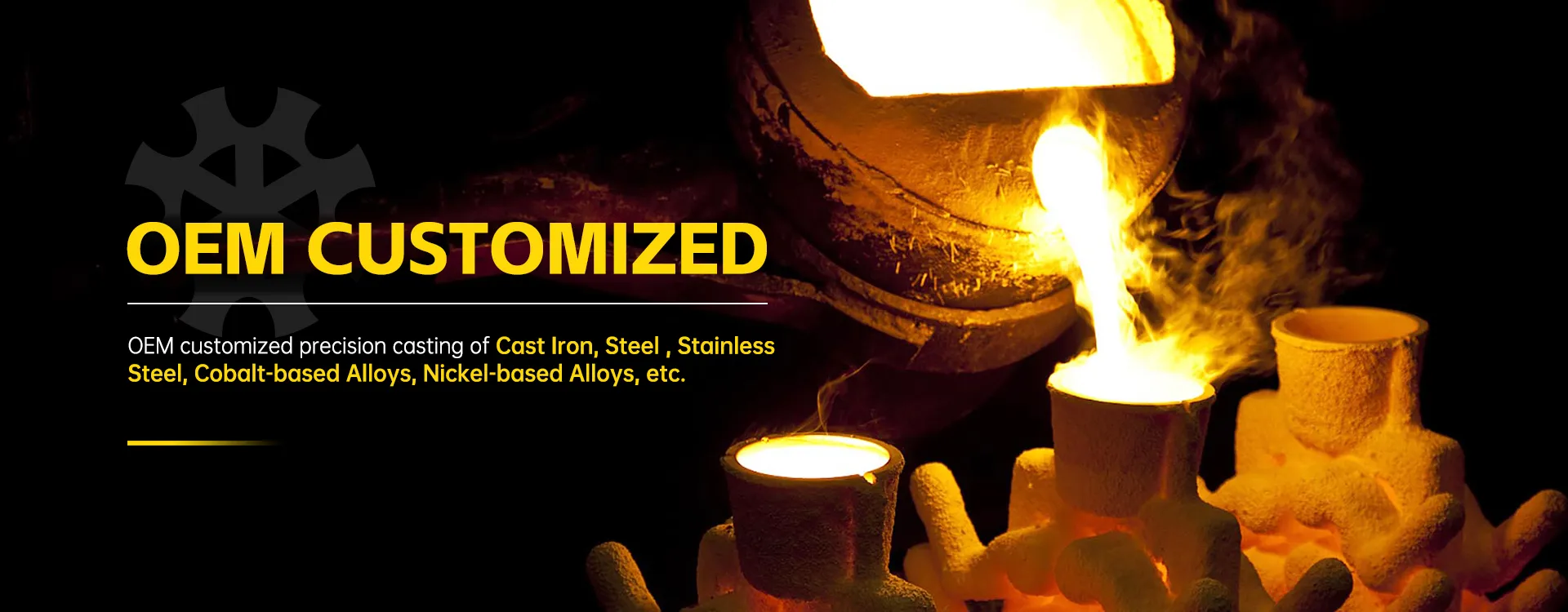
This is why the background of a shop matters. A place that's only ever done light fabrication will struggle. But a shop rooted in foundry work, like Qingdao Qiangsenyuan Technology (QSY), comes at it from the other side. They've been pouring metal for over 30 years before it even gets to the CNC. That means they understand grain structure, heat-affected zones from the casting process, and potential internal stresses from the get-go. When you send them a casting for finish machining, they're not just seeing a blank; they're seeing its history. That intrinsic material knowledge informs every cutting parameter, from feed rate to coolant type, in a way a pure machining shop can't replicate.
I remember a job for a valve component in a high-pressure steam system. The client provided a duplex stainless steel casting. The initial plan from a different vendor was a standard roughing and finishing pass. But the QSY team, looking at the casting report, suggested a stress-relief anneal before any major machining. Why? Their experience with the casting process told them residual stresses from cooling could cause distortion after we cut away material, throwing the final flatness out of spec. We did the anneal. It added a step, but it saved the part. That's the kind of judgment that comes from a vertically integrated understanding, from casting to final machining service.
The Simple Job That Wasn't
Sometimes, the most straightforward-looking parts are the trickiest. A client once needed a series of large, flat sealing plates from cast iron. The drawing called for a surface finish that looked achievable. But the catch was the size—just at the limit of our large bed mill's travel—and the requirement for absolute flatness across the entire plane, not just local spots.
We set it up, dialed in the tool paths, and started. The first piece came off and measured perfectly in the center. But when we put a straight edge across the diagonal, we saw a slight bow, maybe 0.1mm over 1.5 meters. Not much, but enough to fail the seal test. The immediate thought was machine deflection or a clamping issue. We re-checked everything, used a different clamping strategy, even flipped the part. The bow persisted, just in a different orientation.
After a lot of head-scratching, we went back to the material. It was a grade of cast iron known for being stable, but this was a large, thin-walled geometry. The theory we landed on—and this is where you rely on gut feeling built from years of mistakes—was that the internal stress relief from the initial roughing cuts was causing the part to move ever so slightly as we finished it. The solution wasn't more machine precision; it was a process change. We broke the final finishing pass into multiple, lighter cuts, allowing the material to settle between each, and alternated the machining direction. It took longer, but it worked. The lesson? The machine is only as smart as the process you give it. A true machining service has to be a problem-solving partner, not just an operator.
Communication: The Most Overlooked Tool
The best equipment is useless without clear, continuous dialogue. I've lost count of the times a project got delayed because of a assumption. A classic one is around deburring. The drawing says break all sharp edges. To one machinist, that's a quick pass with a hand file. To another, it's a specific radius. For a part that will handle hydraulic fluid under pressure, that difference can cause a stress concentration and lead to failure. Now, we explicitly ask: What is the function of this part? Will it see dynamic loads? Is it a wear surface? The answers dictate how we treat every edge, hole, and surface.
This is where a long-standing company's approach shows. At a place like QSY, with their deep history in both casting and machining service, the conversation often starts with the material and the application. They might ask, This nickel alloy part is for a turbine blade? Okay, then the surface integrity from machining is critical—we'll avoid any tool dwell and use specific tool coatings to prevent work hardening. That level of inquiry prevents problems down the line.
We once machined a series of pump housings from stainless steel. The client was happy with the first article. On the production run, we got a new batch of castings from their foundry. We machined them identically. The client called back, furious—the parts were galling during assembly. After a lot of back-and-forth, we discovered the foundry had changed the silicon content in the alloy slightly to improve castability, which made the material noticeably gummier during machining. We hadn't been told. We adjusted our speeds, feeds, and coolant concentration, and the problem was solved. But it was a costly lesson in assuming consistency. Now, we verify material certs for every batch, no exceptions.
When Precision Has Different Meanings
Tolerances on a drawing are a language, and they need translation. A ±0.005 tolerance on a bracket is different from the same tolerance on a fuel injector nozzle. One is about fit, the other is about fluid dynamics. The machining approach changes completely. For the bracket, you might use a robust end mill and a aggressive feed. For the injector, you're talking micro-tools, high-speed spindles, and a focus on surface finish over pure speed.
This gets even more nuanced with the special alloys QSY often handles. Machining a cobalt-based alloy for a medical implant requires a cleanliness and surface finish that is in a different league from machining the same alloy for a wear-resistant bushings in mining equipment. The processes might share a base, but the controls, the toolpath strategies, and the post-machining treatments (passivation, special cleaning) diverge wildly. A quality machining service doesn't just hit the numbers; it understands the why behind the numbers and tailors the entire workflow to it.
I learned this the hard way early on. We had a job for some connector pins from a precipitation-hardening stainless steel. The tolerance was tight on the diameter. We hit it dead on, beautiful finish. The parts failed in qualification. Why? In our focus on the diameter, we'd used a toolpath that created a slight helical pattern on the surface. For a structural part, fine. For this electrical connector, that micro-pattern increased the surface area and affected the plating adhesion. The spec didn't call out a specific surface texture direction, but the application demanded it. Now, we always ask about post-processing and end-use. The drawing is the law, but the application is the context.
The Value of Seeing the Whole Chain
This is the real advantage of a provider that sits at the intersection of casting and machining. Most of the real cost and time sinks in manufacturing are at the interfaces—when a part moves from one specialist to another. When the casting and machining service are under one roof, or at least in deep collaboration like they are with QSY's model, you cut out a huge amount of friction.
The machinists can feed back to the foundry: These parting lines are causing chatter, or Can we add a small sacrificial pad here for clamping? The foundry can advise: If you machine this surface first, it will stabilize the part for the other operations. This collaborative optimization is impossible in a transactional, send-it-out model. It leads to better designs. We've worked with engineers to add draft, adjust wall thicknesses, or suggest alternative alloys that are easier to machine without compromising performance, all because we see the journey from molten metal to finished component.
In the end, a great machining service is invisible. The client gets a part that fits, functions, and lasts. They don't see the failed tests, the material debates, the process tweaks. But that's what they're paying for: not just machine time, but the accumulated judgment that turns a design into a reliable physical reality. It's a craft, backed by science, and tempered by a lot of practical, sometimes frustrating, experience.