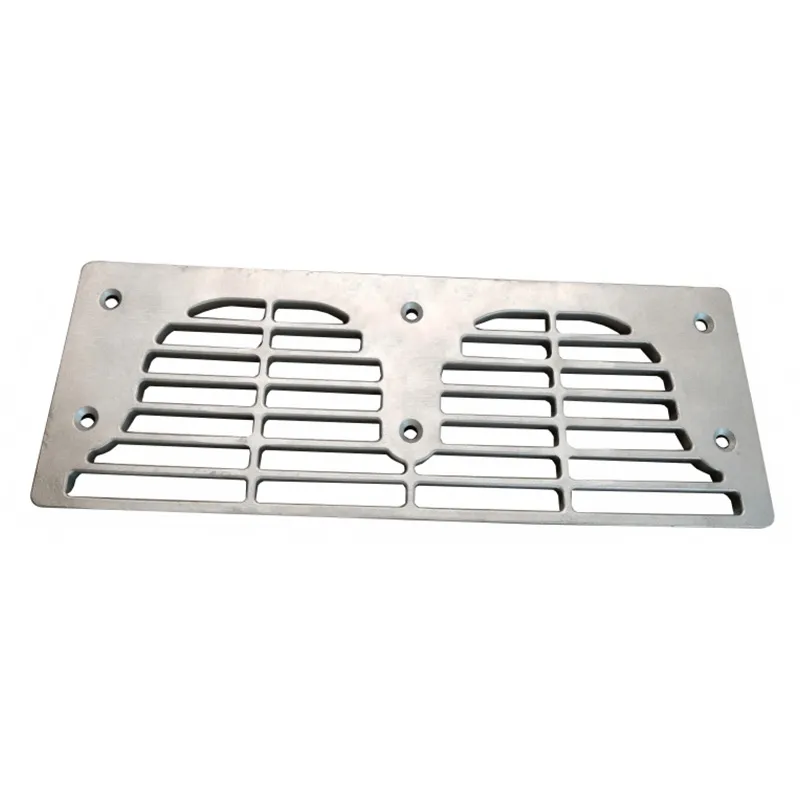
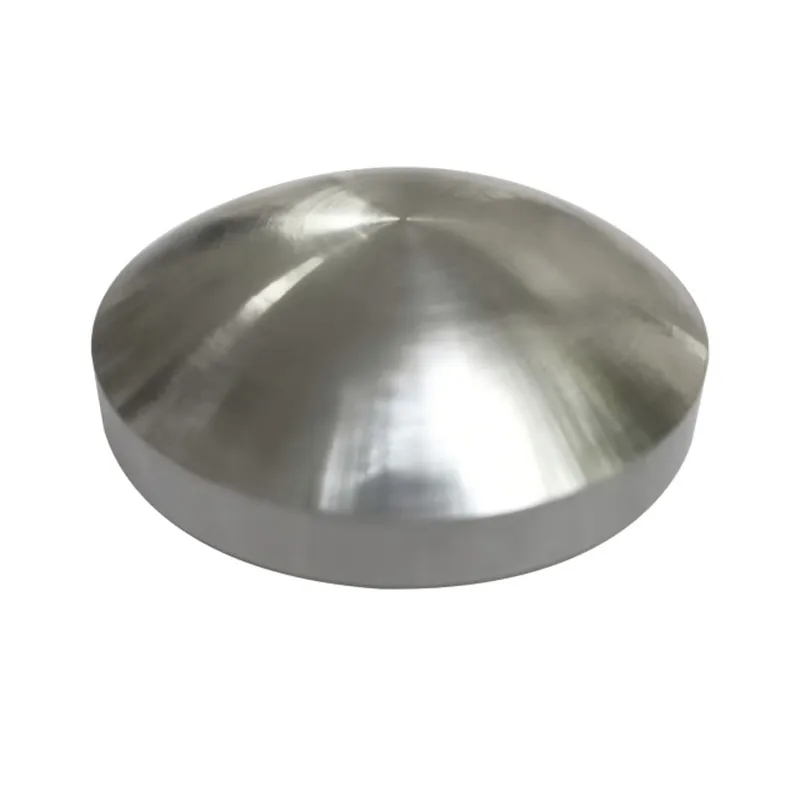
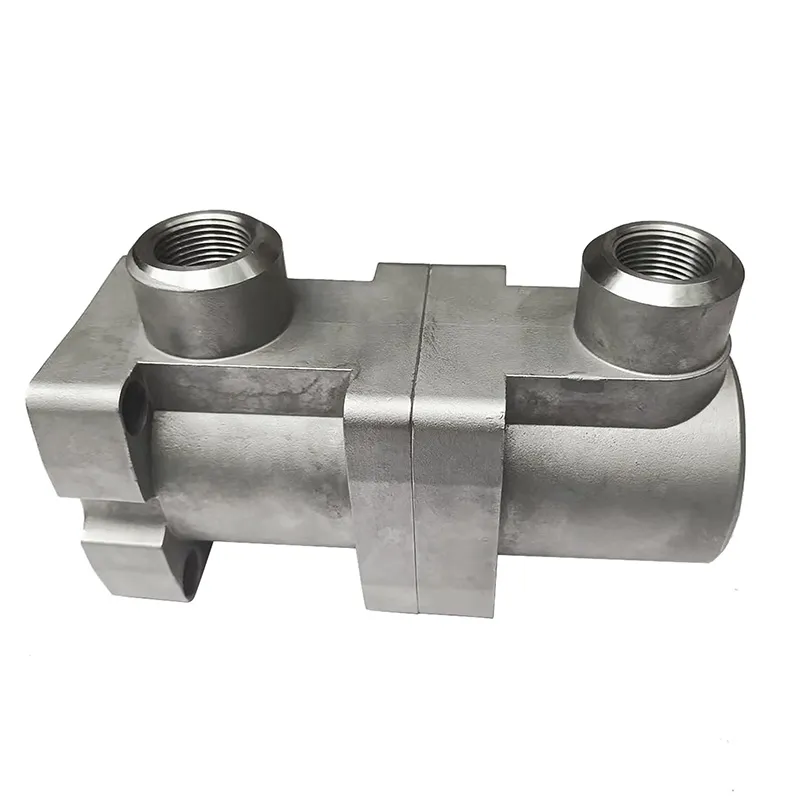
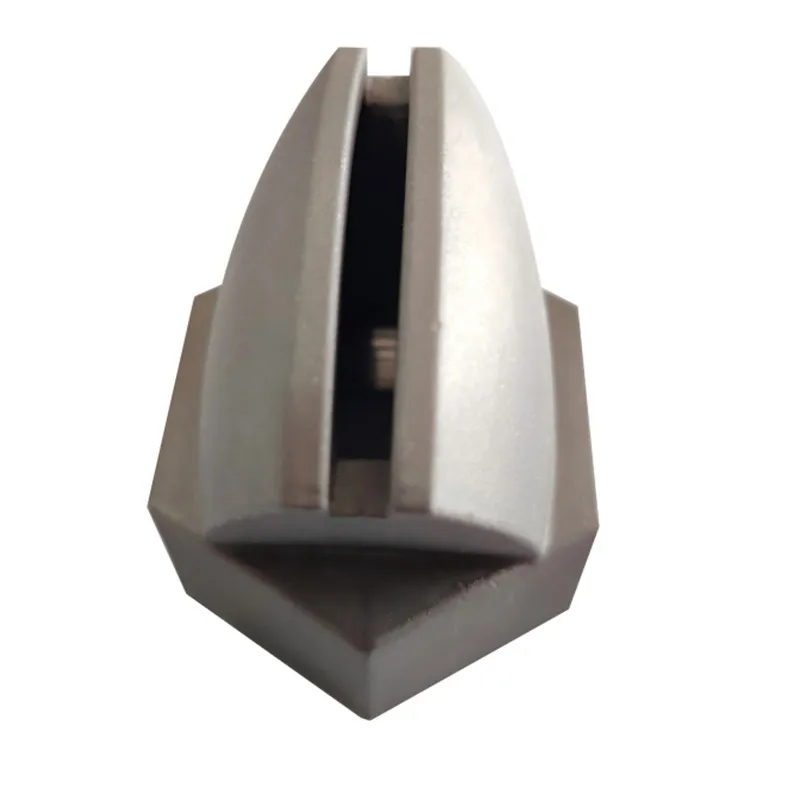
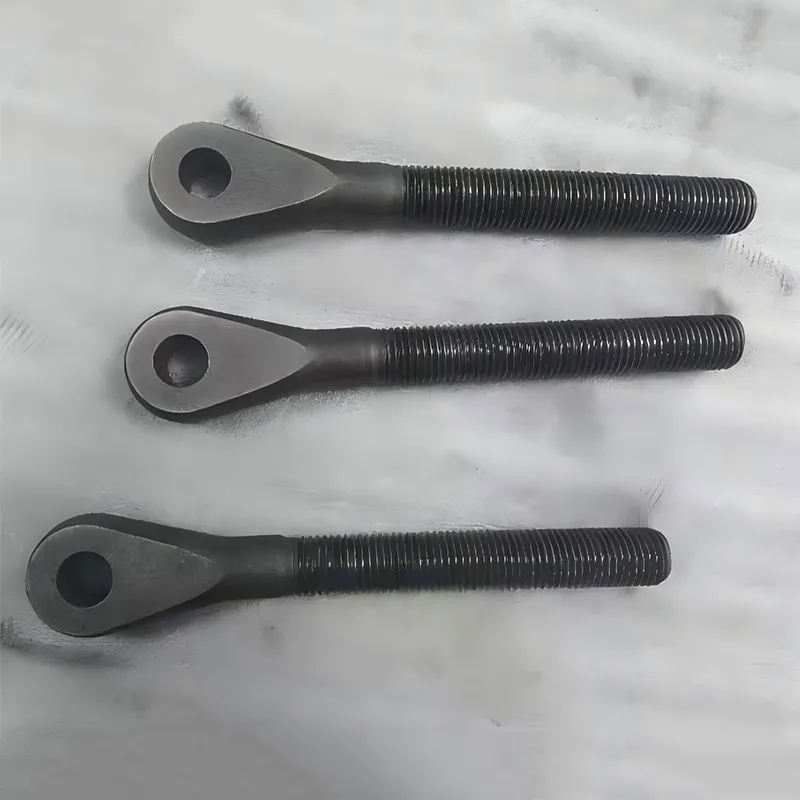
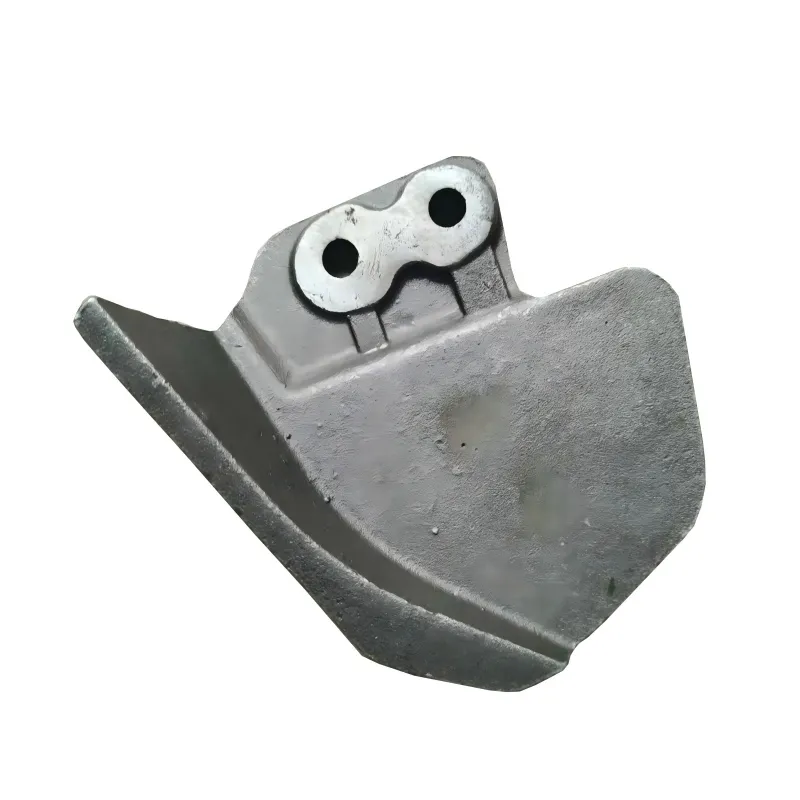
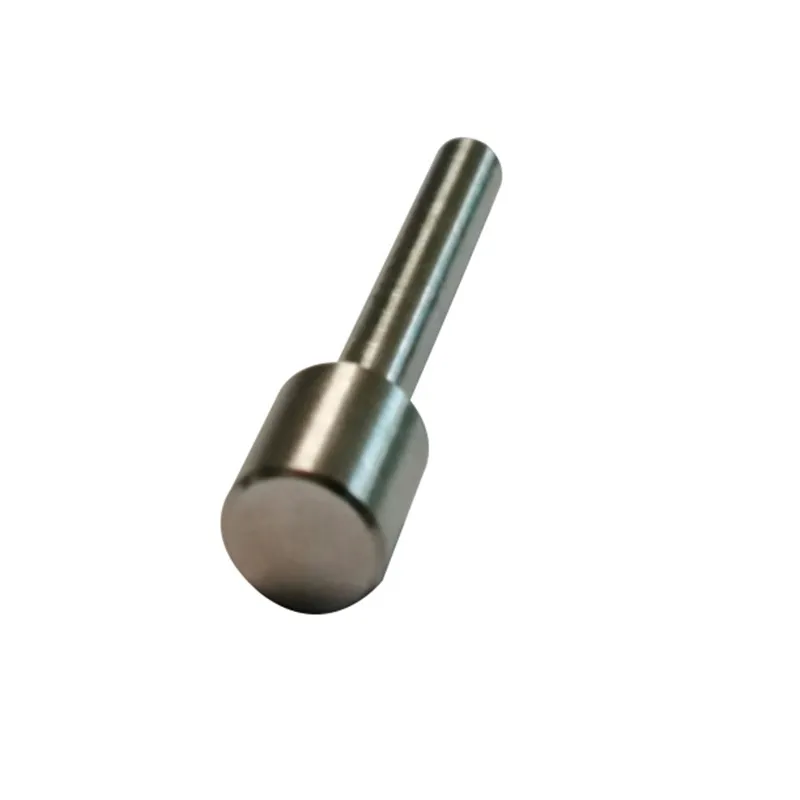
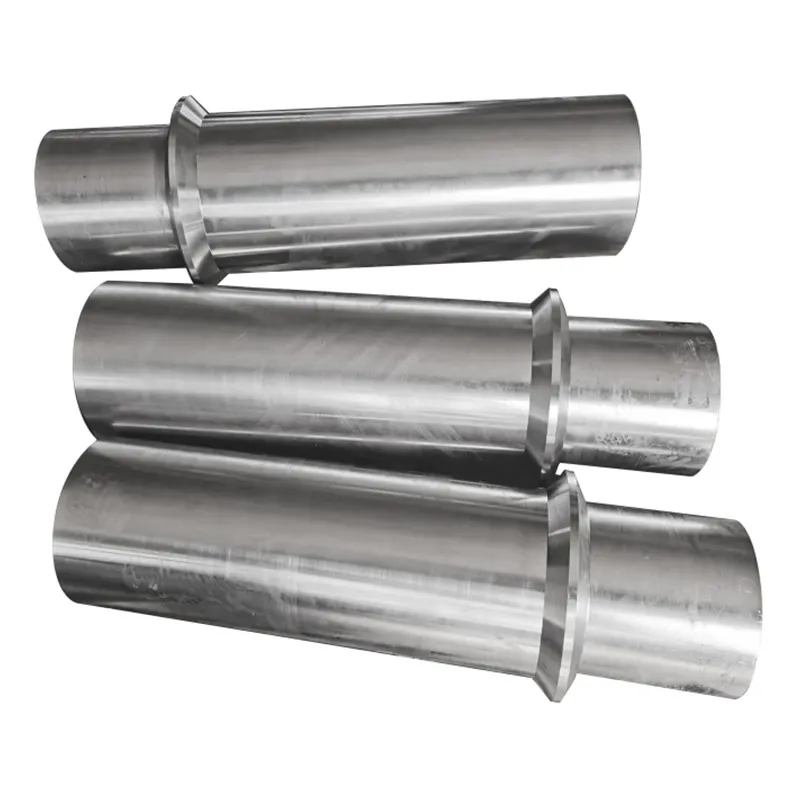
When most people hear 'marine hardware', they picture a shiny stainless steel cleat or a deck fitting. That's the first misconception. In reality, it's a universe of components where material failure isn't an option, and the definition of 'corrosion-resistant' gets tested in ways land-based engineers rarely consider. Saltwater doesn't just rust metal; it creates a brutal electrochemical environment that can turn a minor casting flaw into a catastrophic failure. I've seen too many projects where the hardware was an afterthought, chosen from a catalog based on price and a vague 'marine-grade' stamp, leading to expensive callbacks. The truth is, specifying marine hardware is a discipline in itself, balancing metallurgy, manufacturing process, and a deep understanding of the actual load cycles—not just the theoretical ones.
The Core Misunderstanding: Material vs. Process
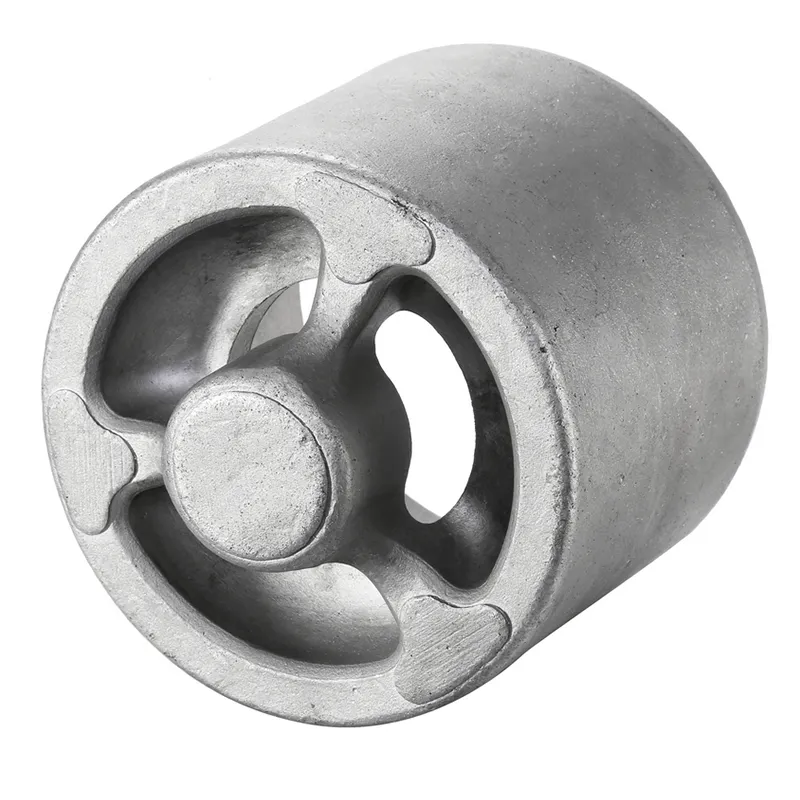
Everyone focuses on 316 stainless. It's the go-to. But specifying 316 is just the starting line, not the finish. I've received parts labeled 316 that failed pitting tests within weeks in a simulated splash zone. The issue? The marine hardware was investment cast, but the foundry's process control was off—maybe the pour temperature, or the mold material introduced impurities. The alloy certificate looked perfect, but the microstructure told a different story. This is where decades of foundry experience, like what you see with a specialist such as Qingdao Qiangsenyuan Technology Co., Ltd. (QSY), actually matters. They've been in casting and machining for over 30 years. That history isn't just a marketing line; it means they've likely encountered and solved the specific thermal stress problems that create weak points in a marine hardware component like a through-hull valve body.
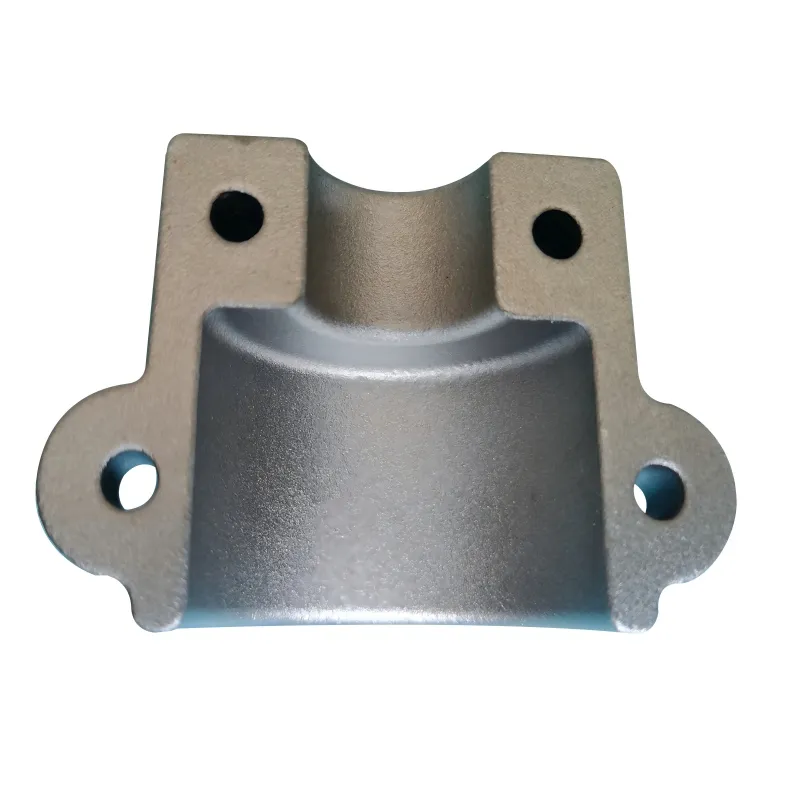
It’s the combination of shell mold casting for certain geometries and investment casting for others that makes the difference. A complex, thin-walled fitting for a hydraulic system? Probably investment casting for dimensional accuracy. A larger, structural pad eye for a tow point? Shell mold might be more robust and cost-effective. QSY's range across these methods is a practical advantage. They aren't locked into one process, which allows for recommending the right one based on the part's function, not just their equipment's capability. You can check their approach at their site, https://www.tsingtaocnc.com.
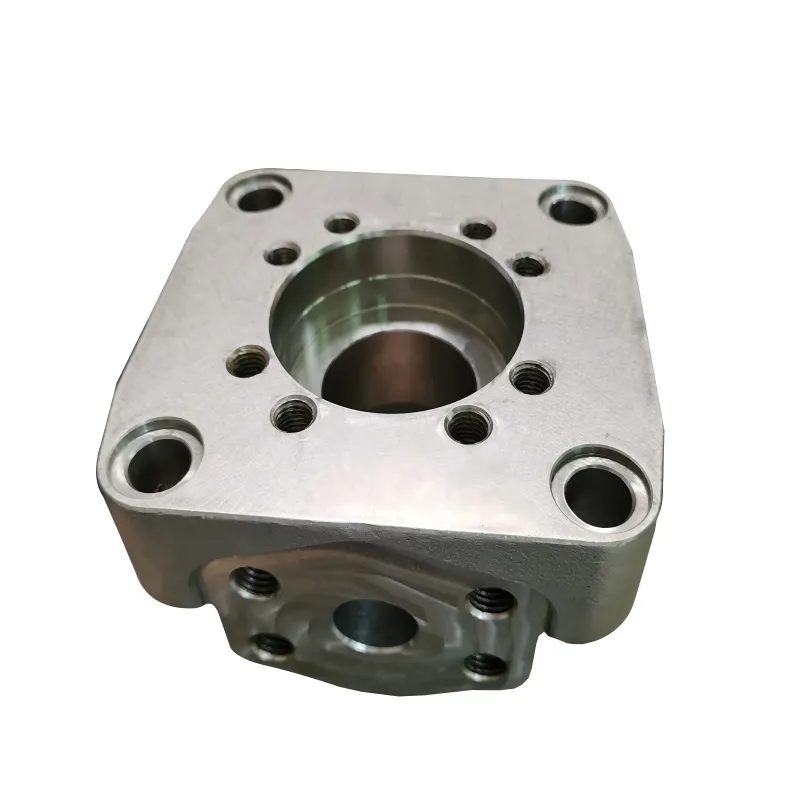
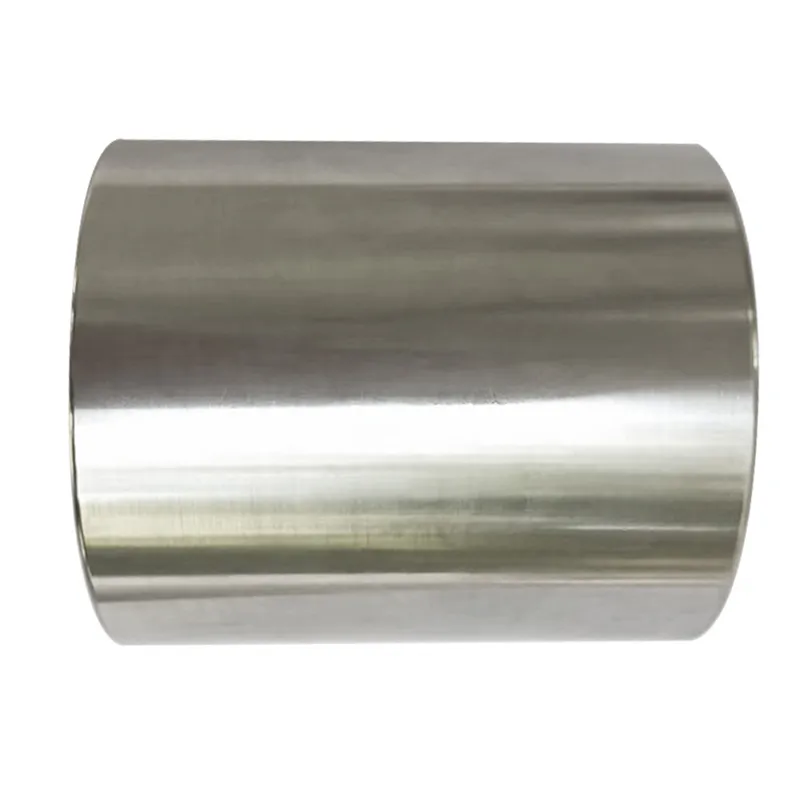
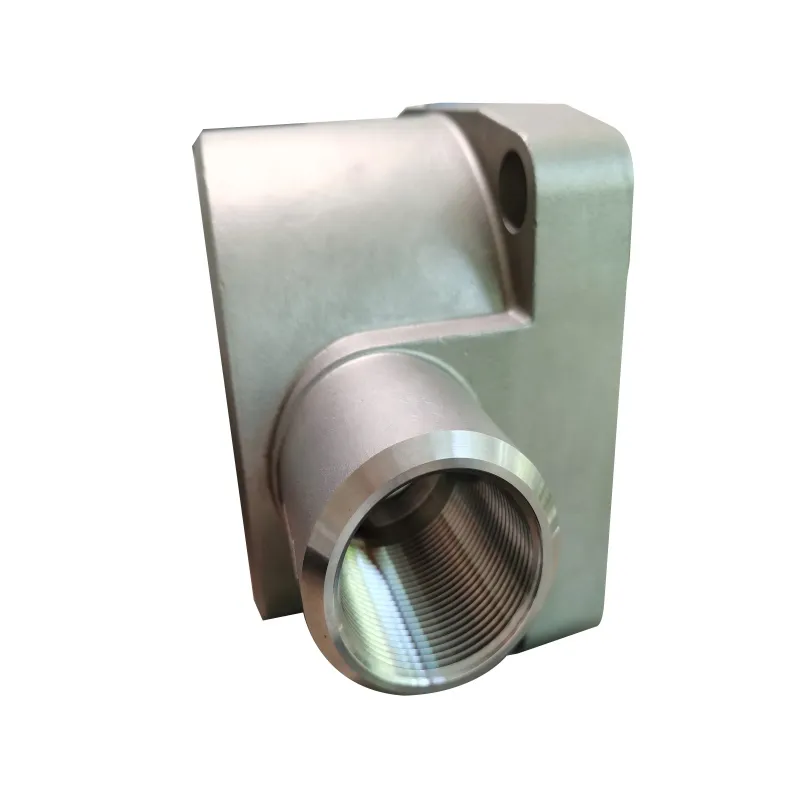
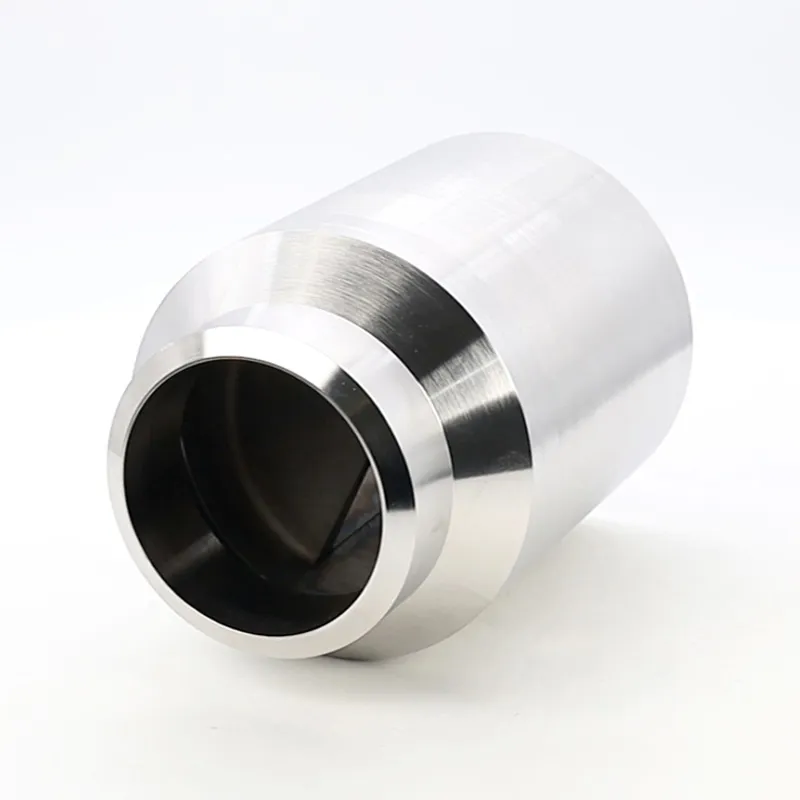
The machining finish is another critical, overlooked layer. A rough machined surface on a shaft seal area is a guaranteed leak path. It’s not just about Ra values; it's about the direction of the tooling marks, the edge breaks, and avoiding any micro-fractures from aggressive machining. This is where their CNC machining integration comes in. Having casting and machining under one roof isn't just for logistics; it allows the machining team to understand the casting's grain flow and potential hard spots, adapting their tool paths accordingly. A part can be perfectly cast but ruined in the final machining step if the teams aren't aligned.
Real-World Failure: The Tale of the Sheared Bollard
I recall a retrofit project on a mid-sized workboat. The client wanted to upgrade the aft bollard. The drawing called for a high-strength low-alloy steel, hot-dip galvanized. The part looked massive, felt solid. It passed its load test—a static pull to 150% of working load. Six months later, it sheared clean off at the base during a routine mooring operation in a following sea. No overload alarm. The investigation pointed to fatigue. The cyclic loading from the boat's constant, slight yawing at dock, combined with the dynamic load of the mooring line, created stress concentrations the design never accounted for. The galvanizing, while good for general corrosion, can mask or even contribute to hydrogen embrittlement if not processed perfectly.
This is where material choice gets nuanced. Would a duplex stainless steel have been better? Possibly. But the cost was prohibitive for the client. A better solution might have been a different casting design with radiused internal corners (not just external ones) and a switch to a more fatigue-resistant material like a quenched and tempered steel, even if it required a more rigorous paint system instead of galvanizing. It was a failure in system thinking—seeing the bollard as an isolated component, not a part of a dynamic load chain.
This experience directly relates to the value of a foundry's material range. A company that only works with standard stainless grades might have pushed for 316, which would have been wrong for this fatigue application. A partner like QSY, listing special alloys including nickel-based alloys, has the foundational knowledge to at least have the conversation about alternatives. They might not be the naval architect, but a good manufacturing partner should ask questions about the service environment when they see a drawing for a critical load-bearing piece.
The Devil in the Details: Fasteners and Compatibility
Nothing exposes poor marine hardware specification faster than fasteners. Mixing metals is a classic error. Using silicon bronze bolts to secure a 316 stainless steel deck plate? You're asking for galvanic corrosion. The bronze will sacrifice itself, and quickly. The rule is simple: match or carefully isolate. But even within stainless, there are traps. I specify 316L for almost everything now—the low carbon content reduces susceptibility to sensitization during welding or hot-working. For a machined stud or a custom fastener, this is a non-negotiable detail.
And it's not just the bolt. It's the washer, the locking mechanism, the bedding compound. I've seen a beautifully cast stainless steel chainplate fail because it was bedded with an acidic silicone sealant that initiated stress corrosion cracking. The hardware was sound; the installation chemistry was wrong. This is why when you work with a technical foundry, their documentation should include not just material certs but recommendations for post-processing and installation. Does their CNC machining department offer passivation for stainless parts? It's a simple electrochemical process that dramatically improves the passive oxide layer, and it's a service that separates a job shop from a true marine hardware specialist.
Looking at a supplier's portfolio, you want to see evidence of this systems thinking. Do they show assemblies? Or just individual castings? The fact that QSY highlights both shell mold casting for heavier sections and investment casting for intricate, corrosion-prone parts like impellers or valve components suggests they understand components live in a system. Their work with cobalt-based alloys, for instance, isn't just for show; it's for extreme wear applications like pump shafts in abrasive, sandy water—a very real marine hardware problem.
Beyond Casting: The Machining Integrity Check
A perfect casting is a blank canvas. The machining is where the functional geometry is created, and where hidden defects can surface. Porosity near a critical sealing face is a death sentence. A good marine-focused machine shop will have a protocol. First-cut inspection is crucial. Taking a light initial pass off a mounting surface can reveal subsurface gas pockets or inclusions that weren't visible on the raw casting. If found, the part should be rejected or downgraded to a less critical application immediately.
This requires tight integration between the casting floor and the CNC shop. They need a shared quality language. At a place that does both, like QSY, the machinists can feed data back to the foundry in real time: We're seeing porosity in this specific zone of the pattern. The foundry can then adjust gating or pouring parameters for the next run. This feedback loop is invisible to the buyer but is the core of reliable component manufacturing. It's what their 30 years of operation likely embodies—a slow accumulation of these corrective actions across thousands of orders.
Tolerances for marine applications are also unique. A flange for a ANSI Class 150 pipe connection needs standard machining tolerances. But a custom stern tube bushing or a rudder bearing housing needs tolerances that account for thermal expansion of both the metal and the surrounding structure, and possibly alignment adjustments during installation. The drawing must specify this, and the shop must have the metrology tools (like large-capacity CMMs) to verify it. It's this end-to-end control, from molten metal to final inspected part, that defines a capable supplier in this space.
Conclusion: Specifying for the Environment, Not the Catalog
So, what's the takeaway? Don't just order 'a stainless steel cleat.' Specify the environment: Is it in constant salt spray? Is it submerged? Is it in a high-abrasion area like a winch? Define the load: Static, dynamic, cyclic, shock? Then, engage with a manufacturer that has the material and process range to meet that specific profile. The website for Qingdao Qiangsenyuan Technology Co., Ltd. (https://www.tsingtaocnc.com) outlines their scope—casting, machining, a broad material palette. That's the baseline you need for a conversation.
The real work begins when you use that capability intelligently. It means sometimes choosing cast iron with a specialized coating over stainless for a large, low-motion component where galvanic issues are a nightmare. It means understanding that nickel-based alloys from a specialist caster might solve a high-temperature exhaust problem that standard steel can't. It's pragmatic, not glamorous.
Ultimately, reliable marine hardware comes from a chain of correct decisions: design, material selection, manufacturing process, finishing, and installation. The manufacturing partner is a critical link in that chain. Their job isn't just to make what's on the drawing; it's to question it if it doesn't align with the laws of physics and chemistry as applied to saltwater. That's the kind of partnership that keeps boats off the rocks and systems running when you're miles from shore.