When most people hear 'martensitic stainless steel', they immediately think 'hard'. That's not wrong, but it's the starting point for a lot of misunderstandings in procurement and application. The real story isn't just about achieving a high Rockwell C number; it's about the intricate dance between chemistry, heat treatment, and the inevitable trade-offs. I've seen too many projects stall because someone specified a generic 410 or 420 for 'corrosion resistance and strength' without grasping what that really entails on the shop floor. The quenching cracks, the dimensional warping post-hardening, the surprising lack of toughness in what looks like a robust component—these are the real lessons. This isn't textbook material; it's what you learn after scrapping a few batches.
The Core Identity and Its Practical Implications
Let's strip it back. Martensitic stainless steel is essentially a hardenable Fe-Cr-C alloy. The key is the martensitic transformation—a rapid quench from the austenitizing temperature that traps carbon atoms, creating a distorted, supersaturated body-centered tetragonal structure. That's the source of the hardness. But here’s the first practical catch: the higher the carbon for hardness (like in 440C), the more you compromise weldability and, somewhat counterintuitively for a 'stainless' steel, corrosion resistance. Chromium needs to bond with carbon to form carbides, which takes it out of solution, reducing the free chromium available to form that passive oxide layer. So, you might have a beautifully hard 58 HRC blade that still shows rust spots.
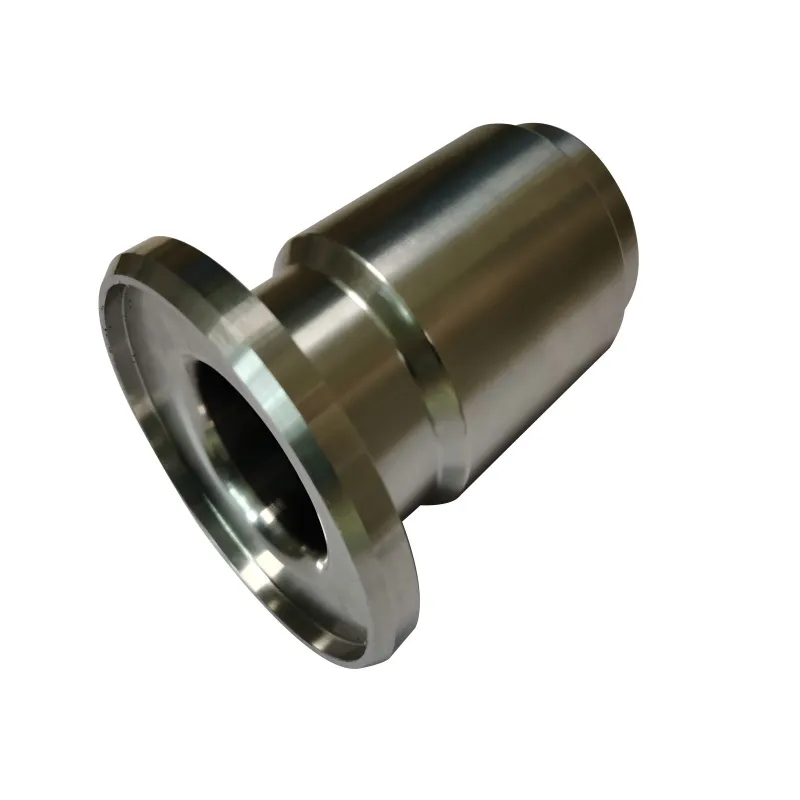
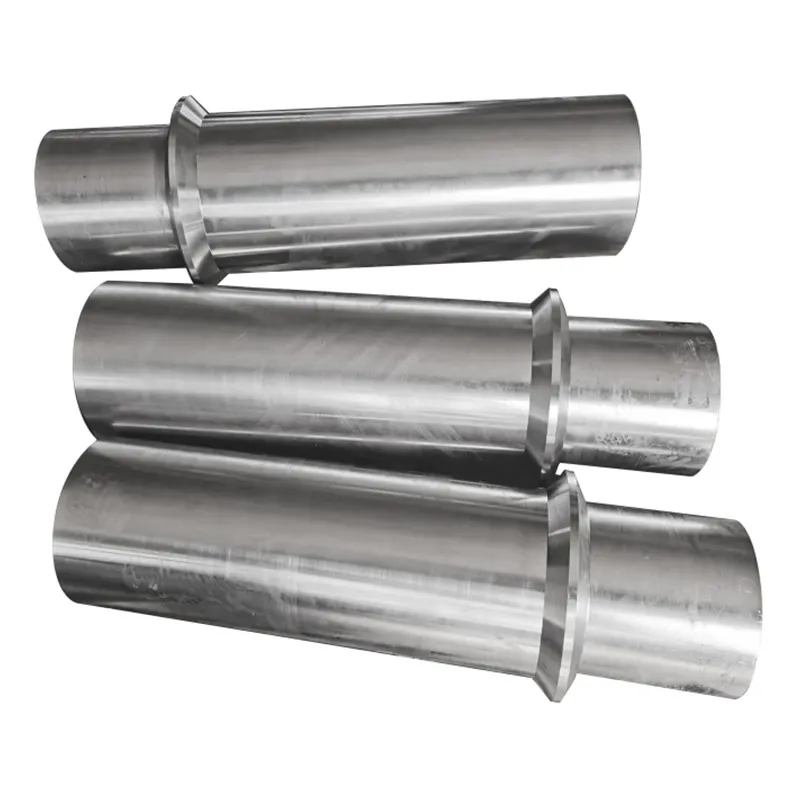
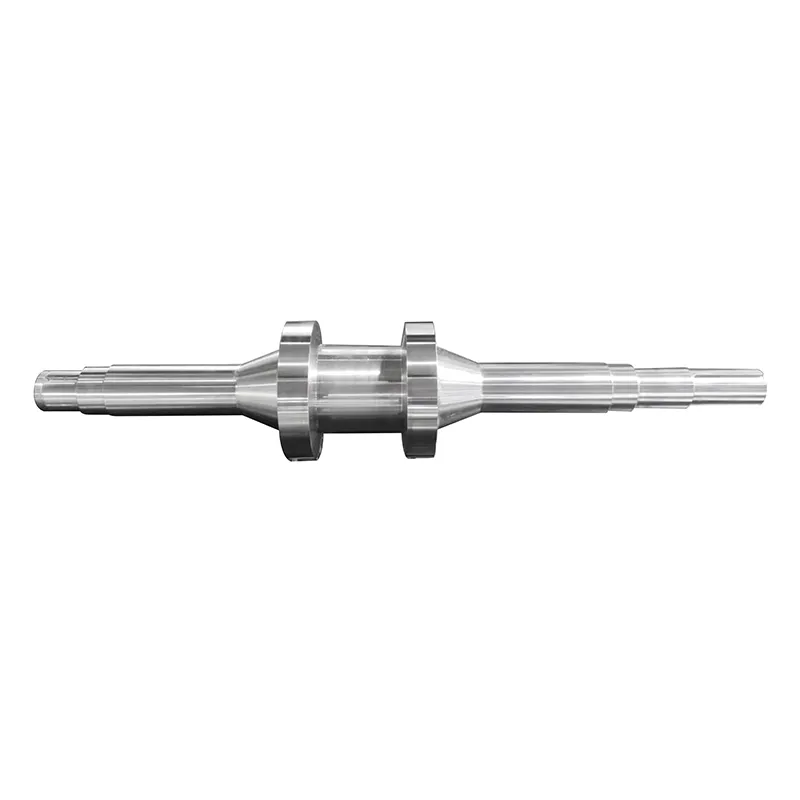
In our machining work at Qingdao Qiangsenyuan Technology Co., Ltd.(QSY), we frequently encounter this duality. A client will send a drawing for a valve component or a pump shaft in 17-4PH (a precipitation-hardening martensitic type, but let's group it here for discussion). They want the magnetic properties, the yield strength, and some corrosion resistance. The challenge begins at the raw material stage. The bar stock's inherent stress from its own manufacturing process can wreak havoc during our subsequent CNC machining. We've learned to always specify stress-relieved stock for critical dimensions, or budget for an intermediate thermal treatment ourselves. It's a cost, but it's cheaper than a part warping 0.1mm after final heat treat.
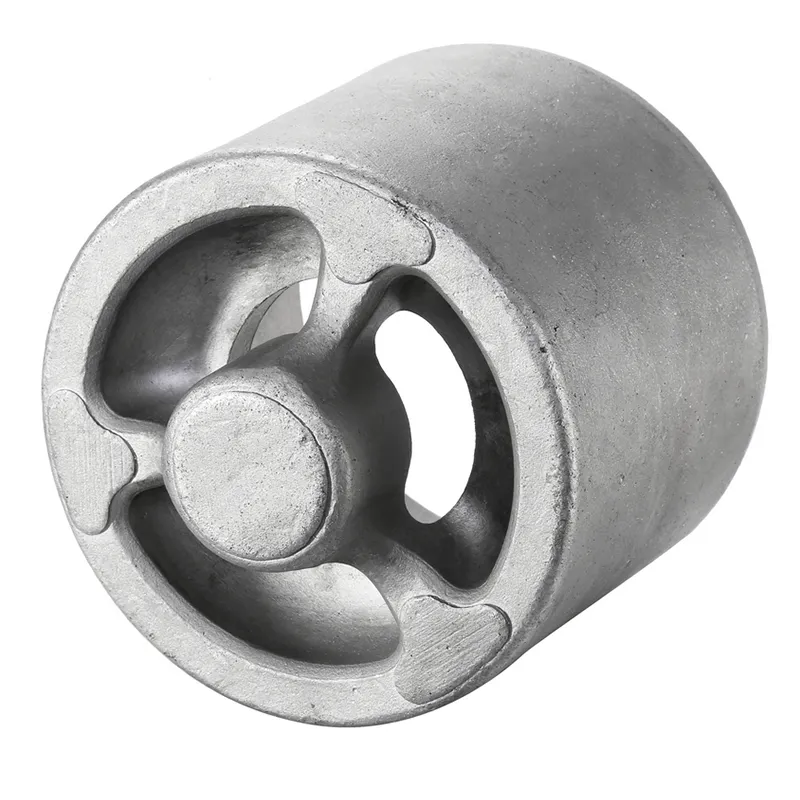
The heat treatment itself is where the art meets the science. It's not a 'set and forget' furnace program. The austenitizing temperature is critical—too low, and you don't get full solutioning; too high, you risk excessive retained austenite or grain growth. Then the quench: oil is standard, but the agitation and temperature of the oil quenchant matter immensely for minimizing distortion and cracking risk, especially on complex investment castings with varying cross-sections. We once had a batch of thin-walled investment casting prototypes in 410 crack almost audibly during quench. The lesson? For intricate shapes, sometimes a martensitic grade isn't the answer, or the design needs radii and uniform thickness we can argue for in the DFM (Design for Manufacture) stage.
Machining and Finishing: The Shop Floor Reality
Machining annealed martensitic stainless steel is a different beast from machining its hardened form. In the annealed state (typically done to around 85 HRB), it's gummy. It doesn't break chips cleanly like 303 austenitic; it tends to form long, stringy chips that can weld to the tool and ruin surface finish. Tool geometry, coatings (TiAlN works well), and high-pressure coolant to break and evacuate chips are non-negotiable. We run these jobs on our heavier, rigid CNC machining centers to dampen vibration.
Post-machining heat treatment is the point of no return. Once you harden it, any further machining is extremely difficult, limited essentially to grinding or EDM. This sequence is paramount. We had a painful learning experience years ago with a gear component. The client wanted teeth cut after hardening to ensure perfect geometry. We had to sub-contract to a specialist with CBN grinding wheels, and the cost and time overrun were significant. Now, our standard practice, and what we advise clients on our platform tsingtaocnc.com, is to machine to final dimensions in the annealed state, accounting for the predictable growth/shrinkage from the hardening and tempering cycle. This requires a deep library of historical data on how specific geometries in specific grades move, which we've built over 30 years in casting and machining.
Finishing is another nuance. A passivated martensitic stainless steel part will never have the corrosion resistance of a 316L part. The passivation process (usually nitric or citric acid) helps, but it's enhancing a weaker inherent layer. For applications in mildly corrosive environments, like certain food processing machinery parts or marine fittings, a high-quality electropolish after passivation can make a tangible difference. It smoothes micro-peaks, reducing sites for pitting initiation. It's an extra step, but it bridges the gap between material limitation and application requirement.
Material Selection: When to Use It, When to Walk Away
This is the core of professional judgment. Martensitic stainless steel shines where you need a combination of moderate corrosion resistance, high strength/hardness, and often, magnetic permeability. Think turbine blades in certain steam environments, cutlery, knife blades, surgical instruments, bearing races in non-submerged applications, and fasteners like high-strength bolts. The precipitation-hardening variants like 17-4PH are fantastic for complex, high-strength aerospace components that must hold tight tolerances after a relatively low-distortion aging treatment.
However, you should actively avoid it for fully welded constructions (except with extreme pre/post-heat treatment protocols), for applications in chloride-rich environments (like near seawater without protection), or where impact toughness at low temperatures is critical. The body-centered structure of martensite has a ductile-to-brittle transition temperature; it can become dangerously brittle in cold service. I recall a failure analysis for a fractured hydraulic piston rod used in an outdoor forestry machine in winter; the 420 material met the hardness spec but shattered on impact. Austenitic stainless or a low-temperature steel would have been correct.
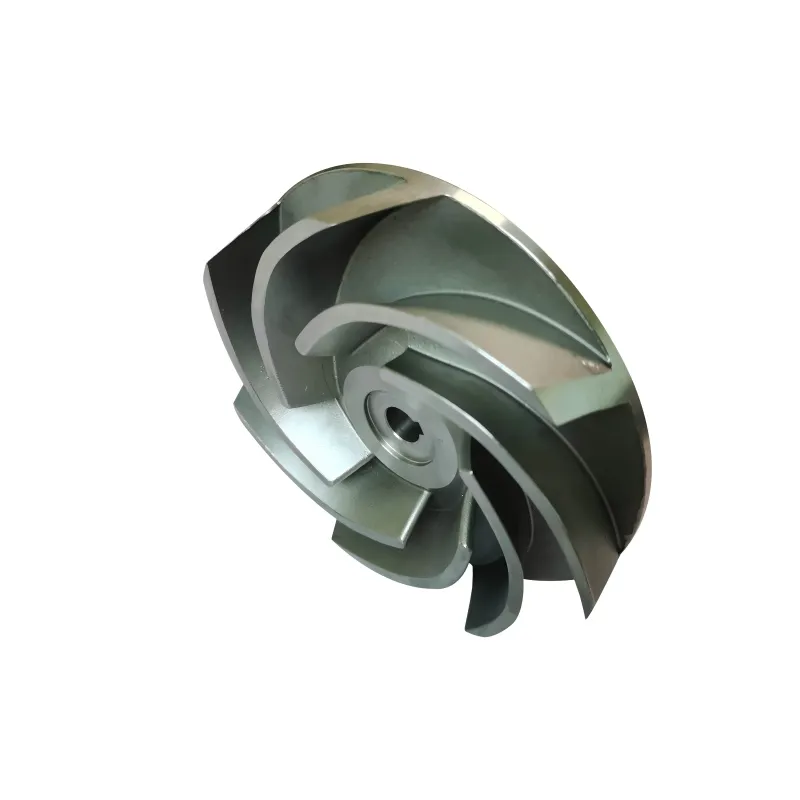
Working with special alloys like cobalt-based or nickel-based alloys sometimes provides a more elegant solution, though at a higher cost. For instance, for a severely abrasive and moderately corrosive slurry pump impeller, a hardened martensitic stainless like 440C might be considered, but a Stellite (cobalt alloy) weld-overlay or a solid investment casting in a nickel alloy like Alloy 255 could offer superior life-cycle cost despite higher upfront price. At QSY, we often have these conversations, guiding clients through this matrix of performance, manufacturability, and total cost.
Case in Point: A Valve Component Saga
A concrete example from our shop. A client needed a custom high-pressure valve stem. The spec called for good corrosion resistance to a mild chemical, high wear resistance on the sealing surfaces, and no permanent deformation under 900 MPa tensile stress. They initially proposed 316L for corrosion resistance. We pushed back. 316L couldn't be hardened sufficiently for the wear requirement. We proposed 440C for the wear surface but faced the corrosion resistance gap.
The solution was a hybrid approach. The main stem body was machined from 17-4PH in the Condition A (annealed), then aged to H900 after machining, giving it the core strength. The critical sealing land area was then locally surface-hardened using a laser process to create a hardened martensitic zone without affecting the bulk material's corrosion properties. It was a non-standard process that required close collaboration between our machining team and a heat treatment partner. The part succeeded, but the takeaway was that pure martensitic stainless steel wasn't the solo answer; it was part of a material system strategy.
This kind of problem-solving is where generic material data sheets fall short. They give you yield strength and corrosion rates in laboratory acid, but they don't tell you how the material behaves when you're trying to hold a 0.02mm tolerance on a thin flange that will see a 800°C quench. That knowledge comes from doing it, failing occasionally, and iterating. It's why companies with long histories in casting and machining, like ours with over three decades, accumulate a kind of tacit knowledge that's as valuable as the machinery on the floor.
Concluding Thoughts: Respect the Process
So, what's the final word on martensitic stainless steel? It's a powerful, versatile family of materials, but it demands respect. It's not a 'drop-in' replacement for carbon steel when you need a bit more corrosion resistance. Its behavior is fundamentally tied to its thermal history. Specifying it successfully requires thinking holistically about the entire manufacturing chain—from the mill condition of the stock or the design of the shell mold casting, through every machining op, straight into the heat treat furnace and onto the final inspection bench.
The biggest mistake is to treat it as a commodity. It's a high-performance material that needs a performance-oriented process. When you get it right, the results are exceptional: components that are tough, durable, and fit for purpose. When you get it wrong, the failures are costly and instructive. The goal is to leverage the former and minimize the latter, which in the end, is the essence of practical engineering with any material, especially one as demanding and rewarding as martensitic stainless.