When most people hear 'mechanical equipment repair', they picture a guy in greasy coveralls swapping out a broken part. That's part of it, sure, but it's like saying a surgeon just stitches skin. The real work, the part that keeps a plant running and prevents a $500,000 machine from becoming a paperweight, happens long before the wrench turns. It's in the diagnosis, the understanding of load paths, wear patterns, and the interplay between mechanical systems and the control logic that drives them. A common, costly mistake is treating symptoms—just replacing the noisy bearing—without asking why the bearing failed in the first place. Was it improper lubrication, shaft misalignment, or resonant vibration from a nearby pump? If you don't find the root cause, you're just scheduling the next breakdown.
The Foundation: It Starts with the Casting
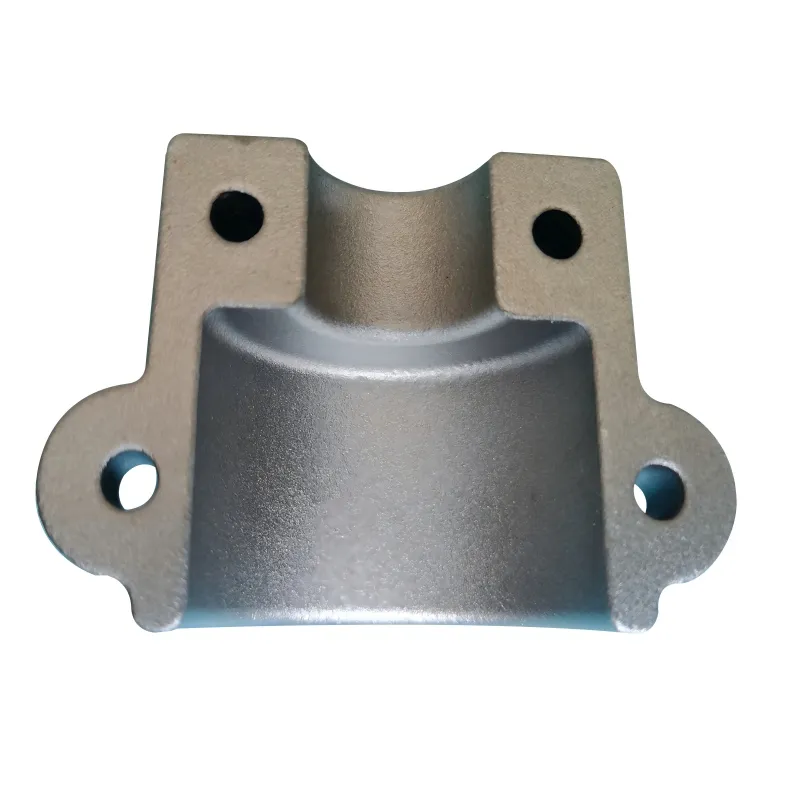
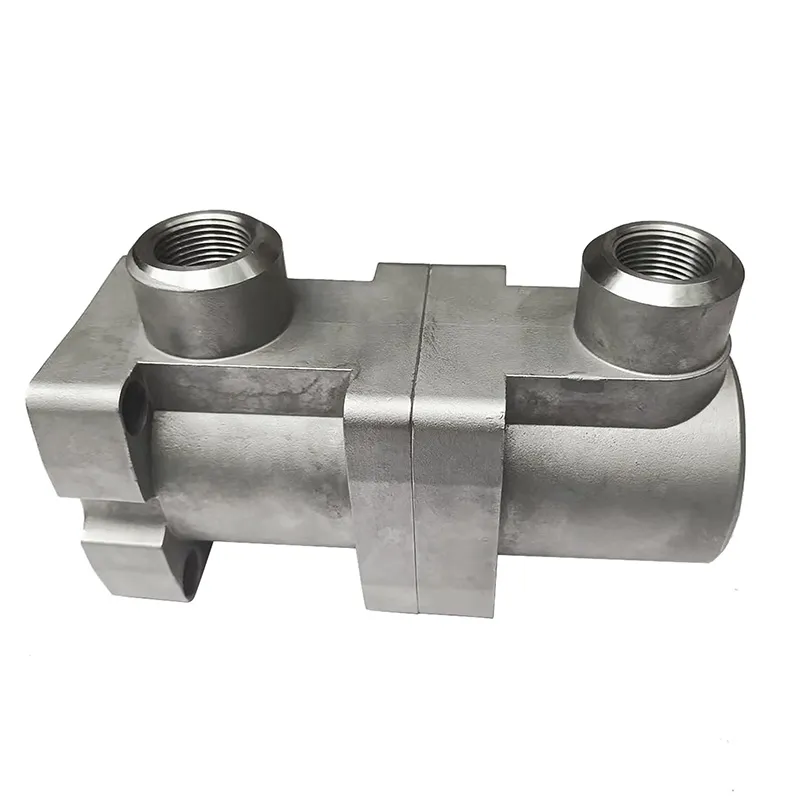
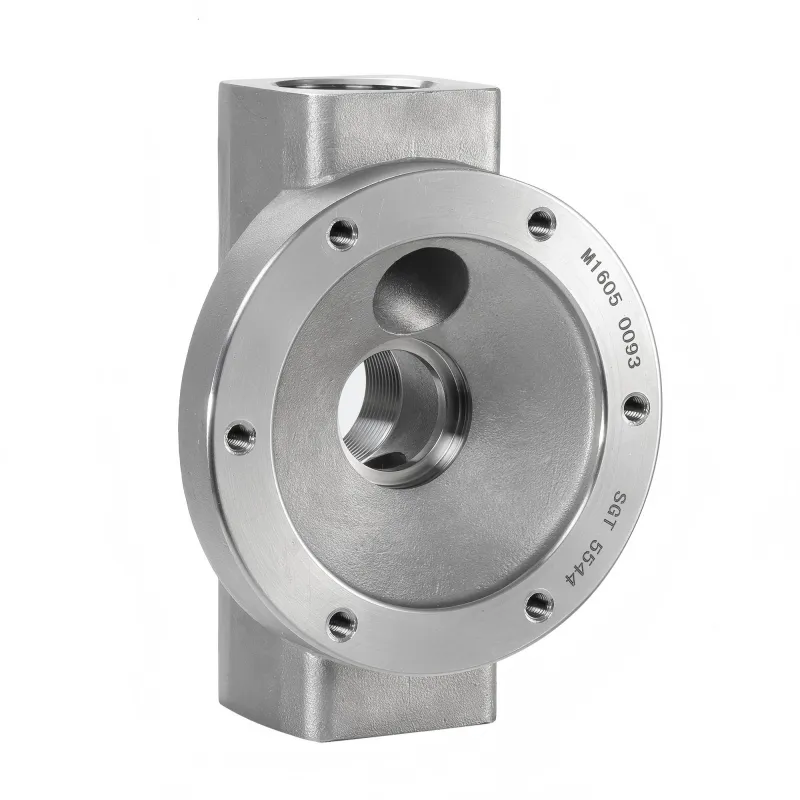
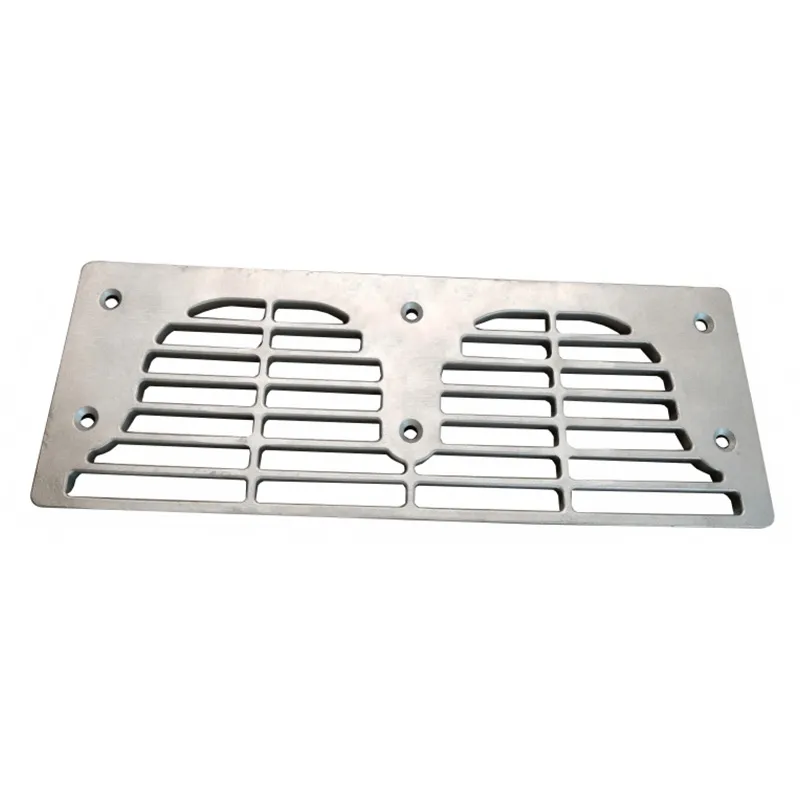
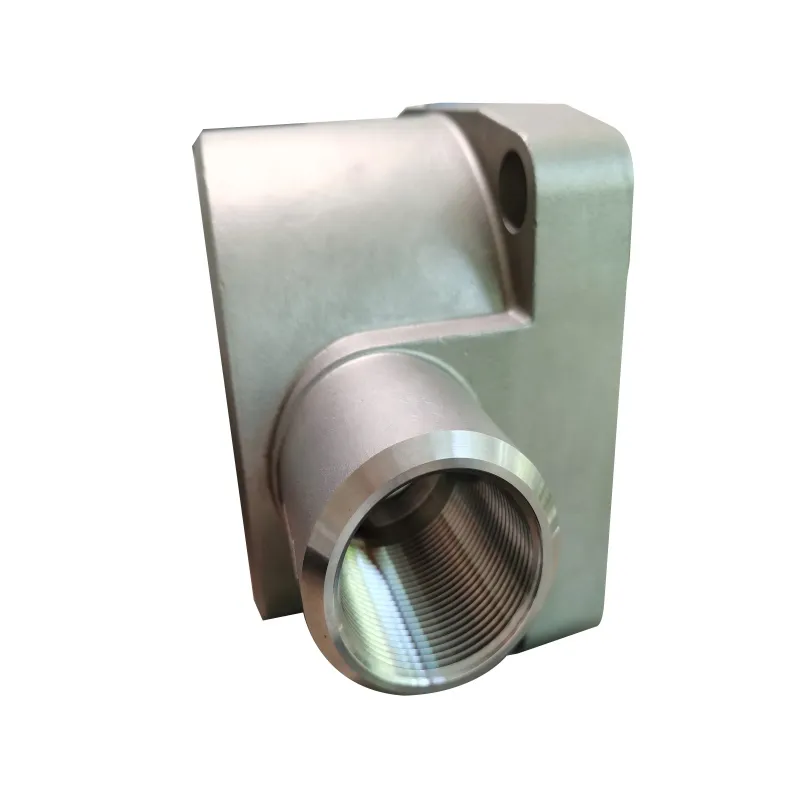
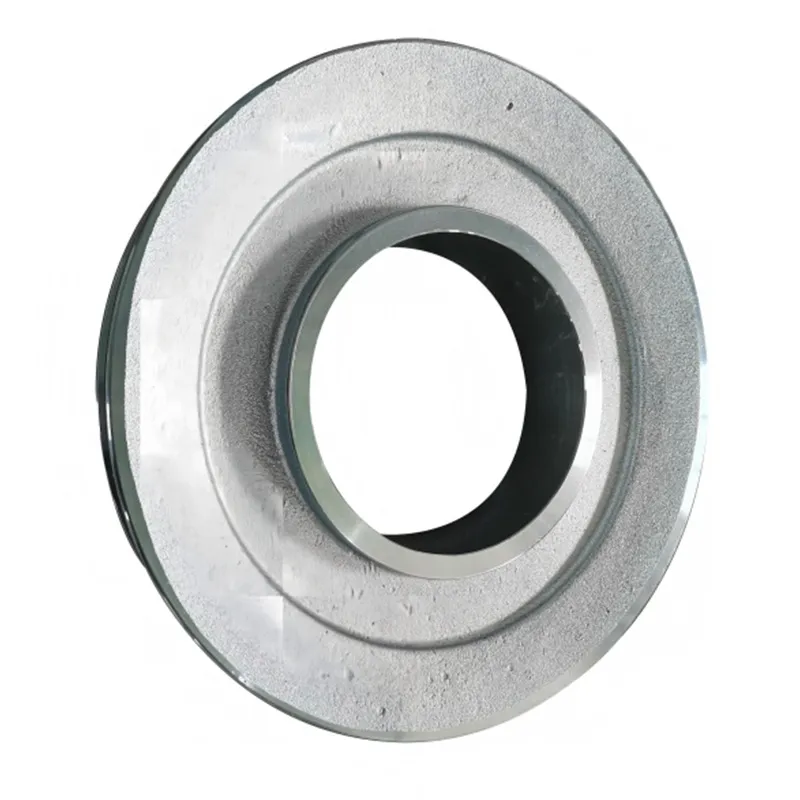
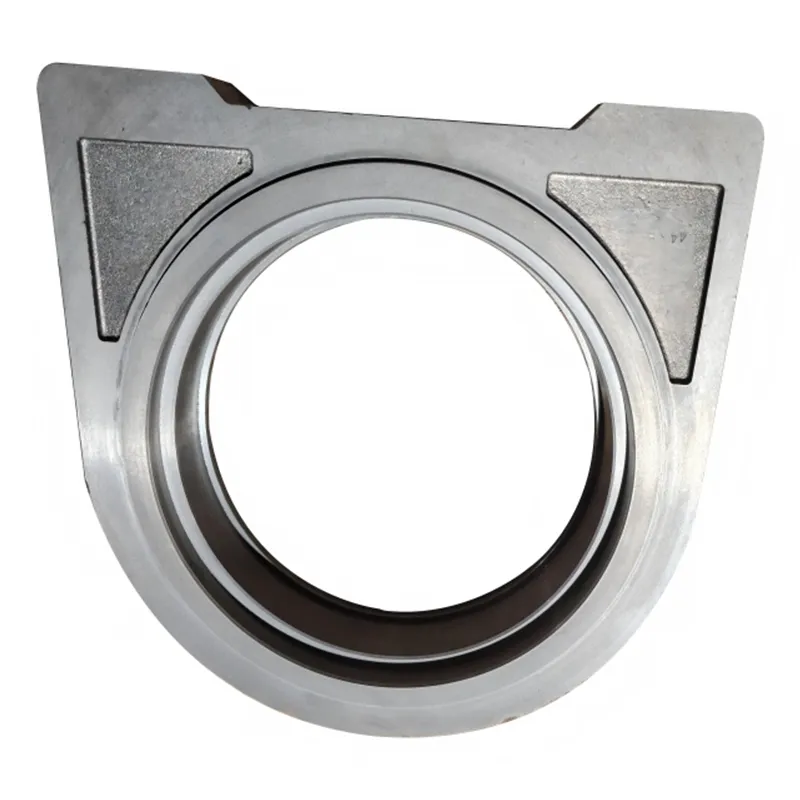
You can't talk about lasting repair without talking about the base material. I've seen too many repairs fail because someone welded a high-strength steel bracket onto a substandard casting. The weld holds, but the casting cracks three inches away a week later. The integrity of the original component is everything. This is where companies with deep foundry experience, like Qingdao Qiangsenyuan Technology Co., Ltd.(QSY), become invaluable partners, not just suppliers. They've been in casting and CNC machining for over 30 years, which means they understand grain structure, stress relief, and how a part is born affects how it lives and dies. When you need a custom replacement housing for a legacy gearbox that the OEM doesn't support anymore, that foundry knowledge is the difference between a one-year fix and a ten-year solution.
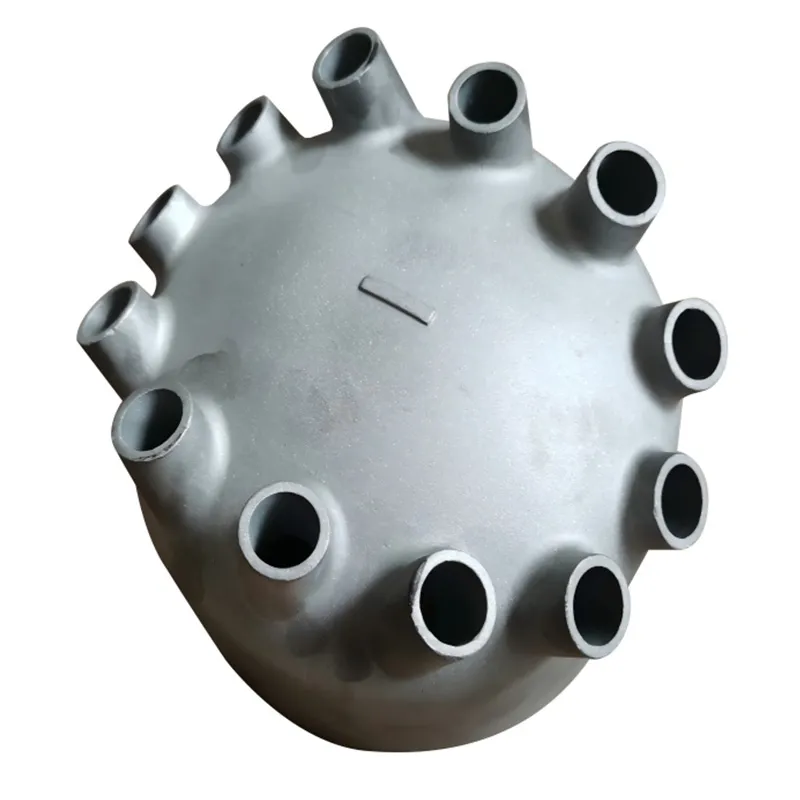
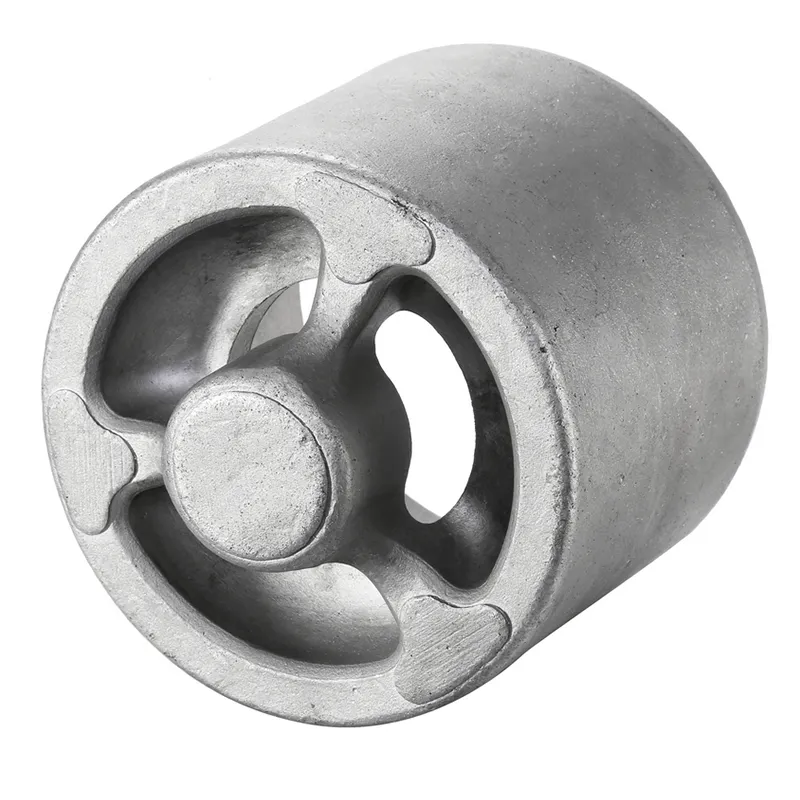
Their focus on shell mold casting and investment casting is particularly relevant for repair work. These aren't your rough, sand-cast blanks. They produce complex, near-net-shape parts with better surface finish and dimensional accuracy. For a repair technician, that means less machining time on a manual lathe to make a new impeller fit an old pump volute. It fits the first time. The material range they list—from common cast iron and steel to stainless steel and those special alloys like nickel-based ones—isn't just a catalog. It's a toolkit. Repairing a high-temperature valve in a chemical plant requires a different alloy than fixing a hydraulic press platen. Knowing which to specify, and trusting your supplier to deliver the correct metallurgy, prevents catastrophic in-service failures.
I recall a job on a large extruder. The main thrust housing, a massive nickel-alloy casting, had a fatigue crack. The client wanted it welded in-place. We pushed back. Welding on-site, with inconsistent heat control, would likely warp the part or create new stress points. Our recommendation, which we executed with a partner foundry (one with a profile much like QSY's), was to take precise laser scans, create a new pattern, and cast a duplicate. It was more expensive upfront and took longer. But the alternative was a rushed weld that might have failed in six months, causing weeks of downtime. The new casting is still running today. That's the mindset shift: repair isn't always about the fastest patch; it's about the most reliable restoration of function.
CNC Machining: The Bridge Between Old and New
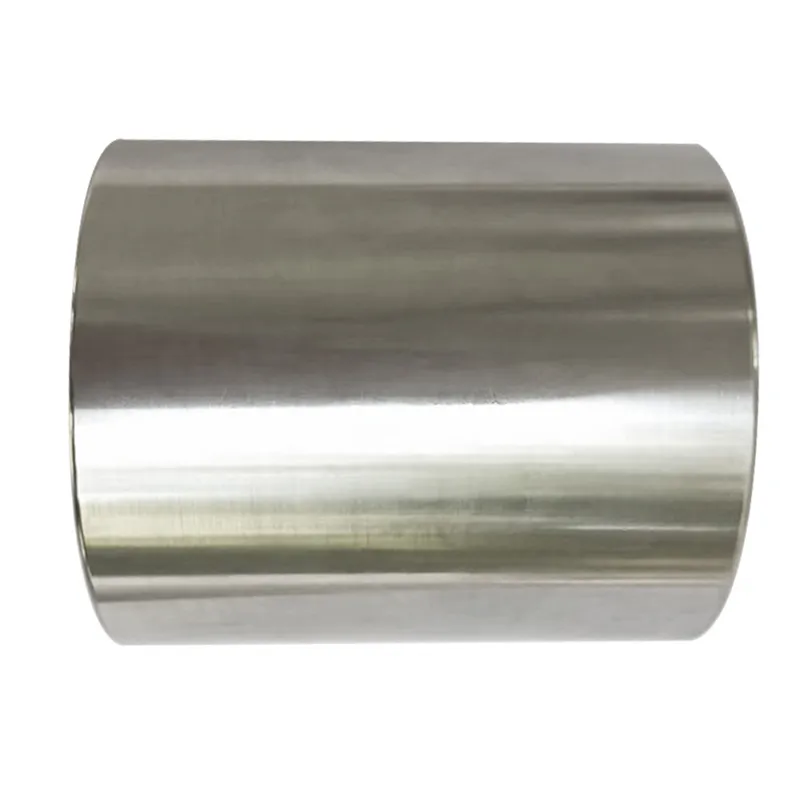
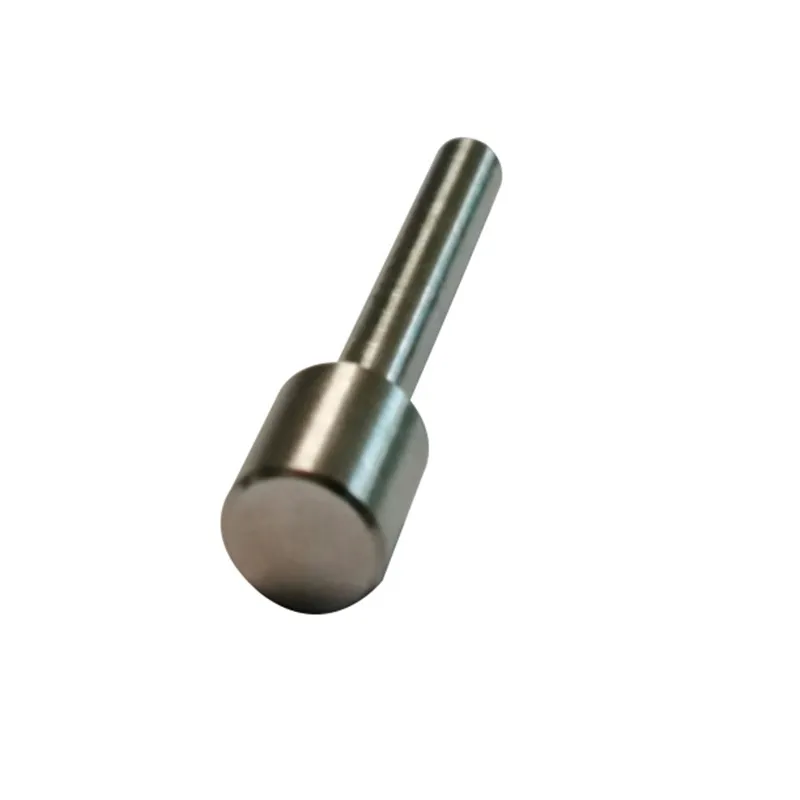
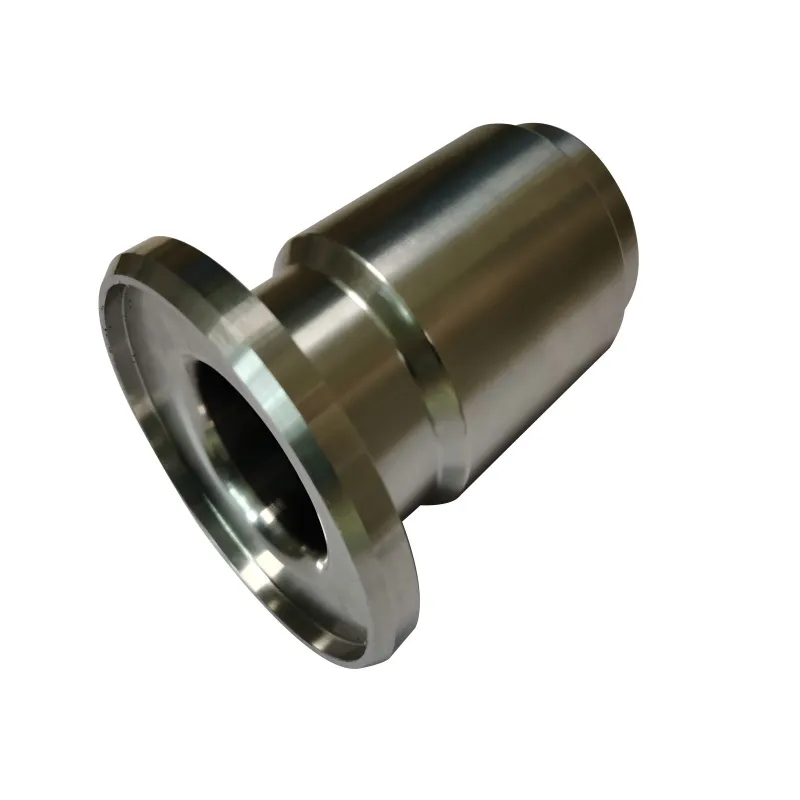
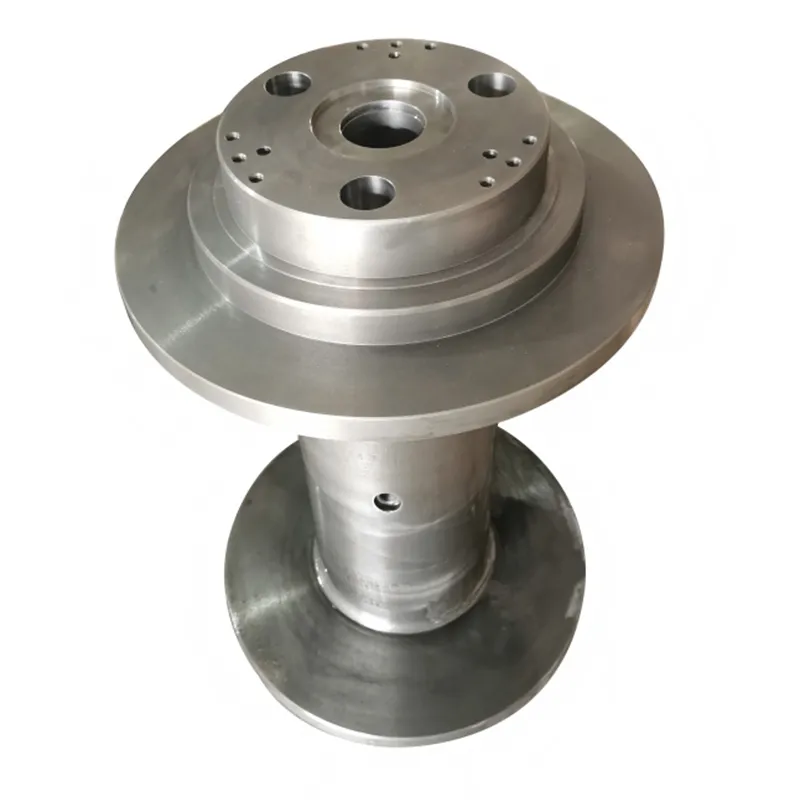
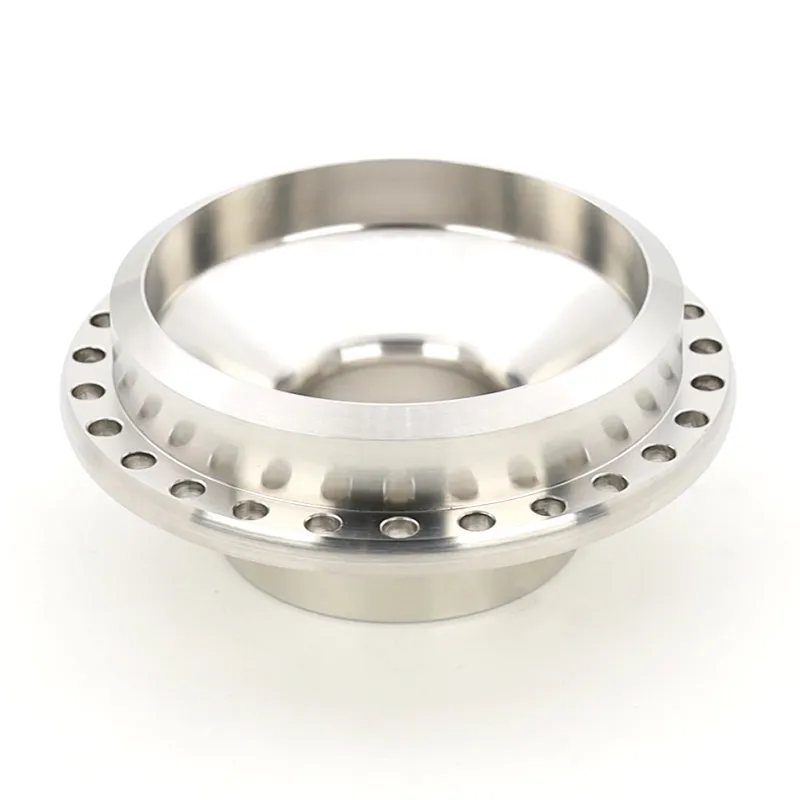
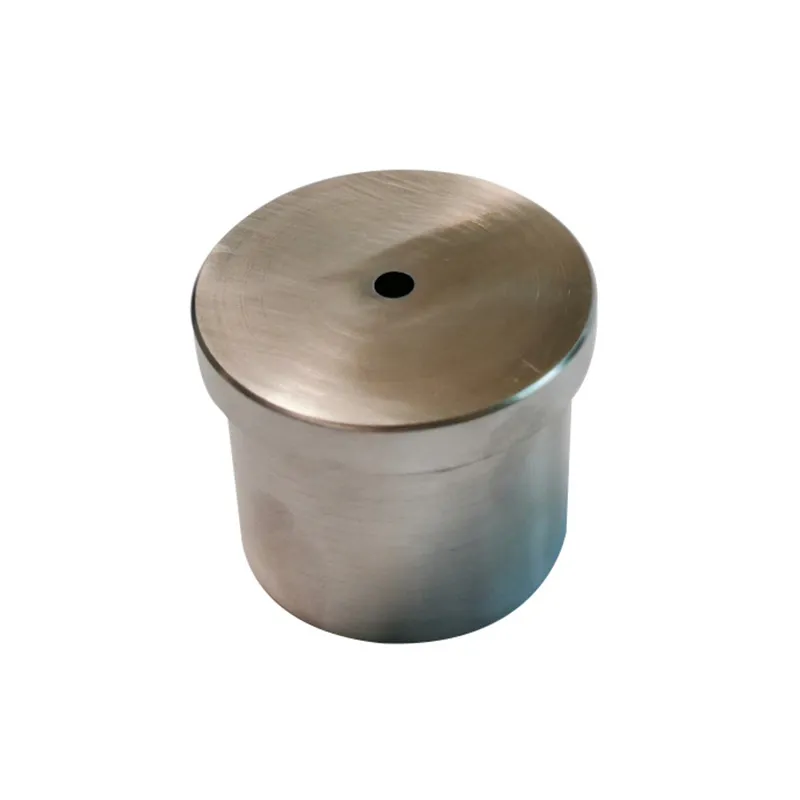
Even with a perfect new casting or forging, the repair isn't done. This is where precision machining takes over. The new part must interface perfectly with the old, worn machine. Tolerances are often tighter than in original manufacturing because you're not building a new system; you're inserting a new organ into a living body. This is another area where a vertically integrated operation shows its value. A company that controls both the casting and the CNC machining under one roof, as indicated on https://www.tsingtaocnc.com, eliminates a huge point of failure: communication.
I've been in the middle of a nightmare scenario where a separately sourced casting was sent to a machine shop. The machinists, working from a 2D drawing, machined critical locating features based on theoretical datums, not the actual, slightly warped as-cast state of the part. It was scrap. When the foundry and machine shop are part of the same conversation, the machinists can provide feedback on draft angles for easier milling, and the foundry can leave extra stock precisely where it's needed. It's a feedback loop that saves time, money, and sanity.
The practical reality is that a lot of repair machining is one-off or low-volume. You're not programming for a production run of 10,000. You're setting up for one critical piece. This requires a different kind of skill—improvisation, advanced fixture design, and sometimes even modifying tool paths on the fly after taking in-situ measurements. The goal is a part that doesn't just meet the print, but that installs without force, without shims, and without hours of persuasion with a sledgehammer. A silent, seamless installation is the highest compliment to a repair machinist.
The Diagnostic Dance: Listening to the Machine
All the perfect parts in the world are useless if your diagnosis is wrong. This is the most human part of mechanical equipment repair. You have to be a detective. The machine gives you clues: sounds, temperatures, wear patterns, vibration signatures. A high-frequency squeal might be a dry bearing, but coupled with a specific harmonic vibration at a certain RPM, it might point to a failing gear tooth. I keep a simple stethoscope—a mechanic's listening stick—in my top pocket. It's often more telling than the most advanced vibration analyzer for a first pass.
Thermal imaging cameras have become a game-changer. I was troubleshooting a paper mill dryer roll that was tripping on over-temperature. The control system said it was a bearing. The thermal camera told a different story: one specific zone of the massive roll was significantly hotter. The problem wasn't the bearing; it was a clogged steam siphon inside the roll itself, causing uneven heating and expansion. We fixed the steam system, not the bearing. The key is to use technology to inform your intuition, not replace it. You still need to get your hands dirty, feel the play in a shaft, smell if an oil is burnt.
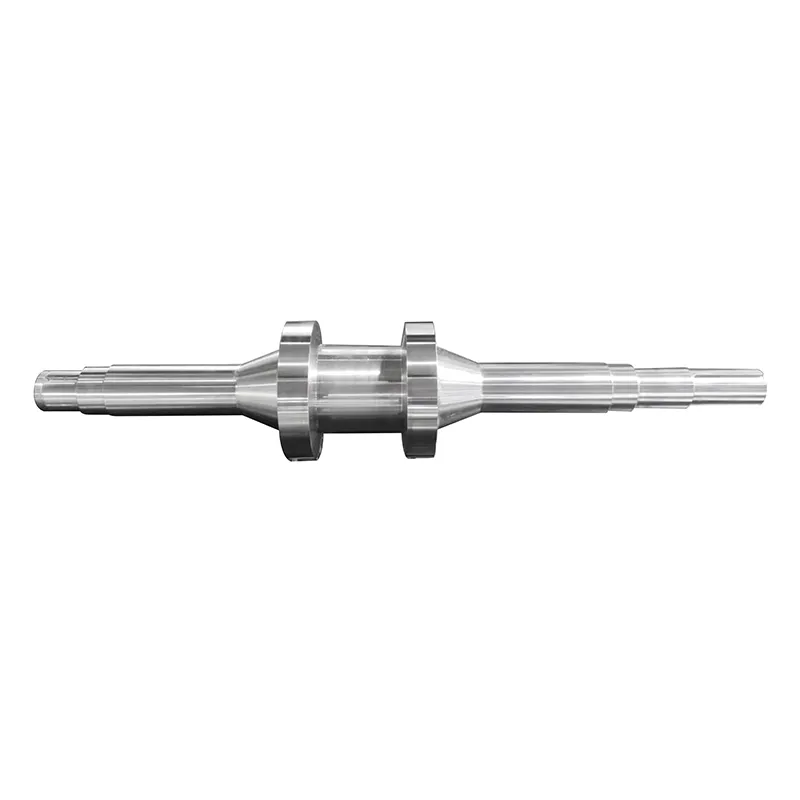
Failure analysis is a discipline in itself. When a shaft shears, don't just look at the break. Look at the fracture surface. Is it a single, smooth zone (fatigue) or a rough, jagged area (overload)? Are there beach marks indicating where the crack started? This forensic work informs the repair. A fatigue failure means you must also address the cyclic stress that caused it—maybe you need to increase a fillet radius in the new part. An overload failure might mean reviewing the operational procedures. The repair is the cure for today; the analysis is the prevention for tomorrow.
Integration and the Control System Blind Spot
Modern mechanical equipment is rarely just mechanical. It's a mechatronic system. A servo motor, a PLC, and a ball screw are one functional unit. I've seen brilliant mechanical repairs undone by ignoring the electronics. You replace a worn linear guide on a CNC tool changer, but if you don't recalibrate the home position sensor and retune the servo drive's following error parameters, the machine will jerk, fault, or crash. The repair isn't complete until the system cycles smoothly under automatic control.
This is a major gap in traditional repair thinking. The mechanical crew and the electricians/controls engineers often work in silos. The best practice, which we've had to learn the hard way, is to have a kick-off meeting for any major repair that involves both disciplines. Walk through the sequence of operation together. Often, the controls guy will say, Oh, if you're replacing that actuator, we should also update this decaying limit switch while we have access. That's proactive, integrated repair. It saves a second downtime event two months later.
Documentation is critical here, and it's often terrible. You might be working on a machine from the 90s with a handwritten schematic. Before you disconnect anything, take photos. Lots of them. Label wires with tape. Create your own as-found documentation. The time spent here is an investment that pays off when you're re-connecting everything and a wire's purpose isn't clear. I've seen a machine down for an extra two days because someone didn't label a 20-wire connector, and the pin-out diagram was lost. Don't be that person.
The Business of Repair: Value Beyond the Invoice
Finally, there's the philosophy of repair itself. In a world obsessed with buying new, a skilled repair operation provides immense value that's often hidden. It's not just about the cost of the new part versus the repair. It's about lead time. Can you get a new one in 6 weeks, or can we repair this one in 3 days? It's about knowledge. We understand this specific machine, its quirks, its history. A new part from the OEM might come with generic settings; our repair comes with custom adjustments for this exact application.
Building a relationship with a capable manufacturing partner extends your repair capabilities. It turns we can't fix that into let's see what we can make. For instance, having a reliable source for precision investment casting and machining for special alloys means you can tackle repairs in the aerospace or energy sectors that other shops would walk away from. It's a strategic advantage. You're not just fixing machines; you're providing continuity, preserving capital investment, and often, extending the service life of equipment beyond its original design intent.
In the end, mechanical equipment repair is a blend of deep technical knowledge, hands-on craft, forensic science, and practical business sense. It's messy, iterative, and deeply satisfying. The goal isn't perfection—it's reliability. It's hearing a machine you brought back from the brink settle into a smooth, rhythmic hum, knowing you've given it another lease on life. And you know the job is truly done when the operator, who's been watching you skeptically for days, gives a nod, hits the start button, and walks away without a second glance. That's the real sign-off.