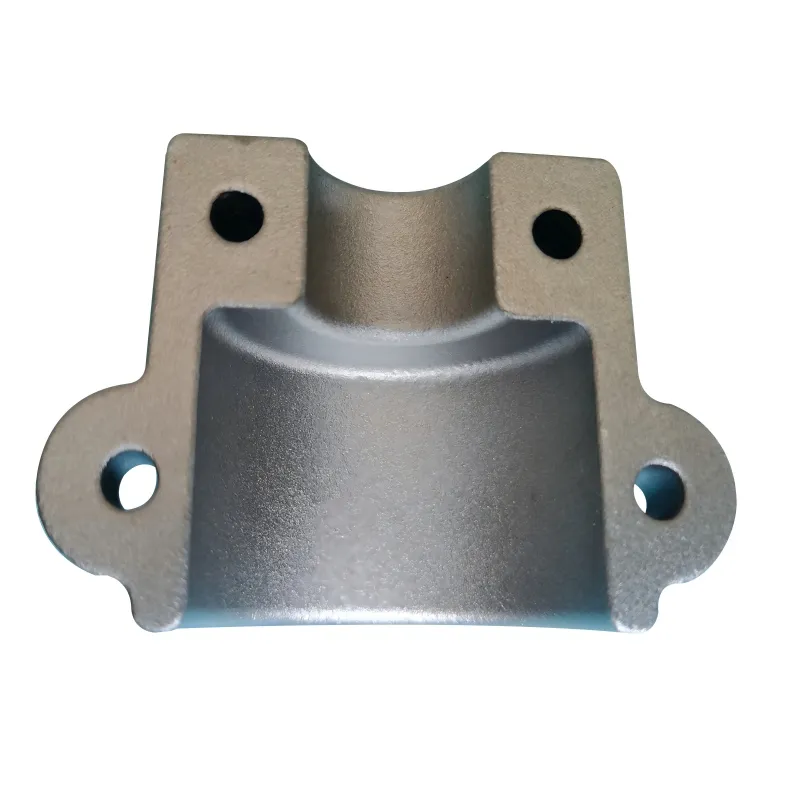
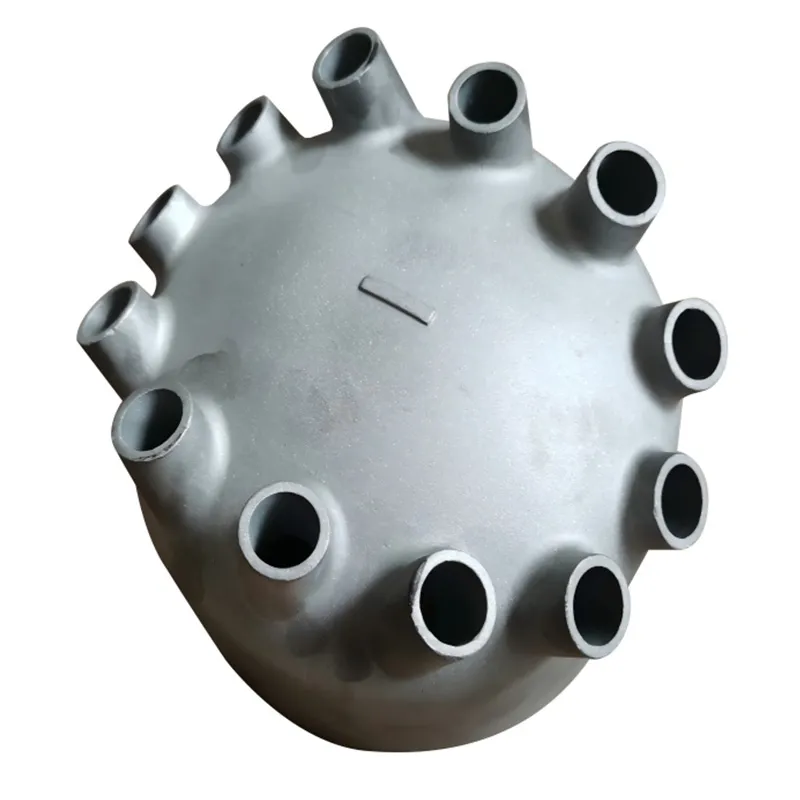
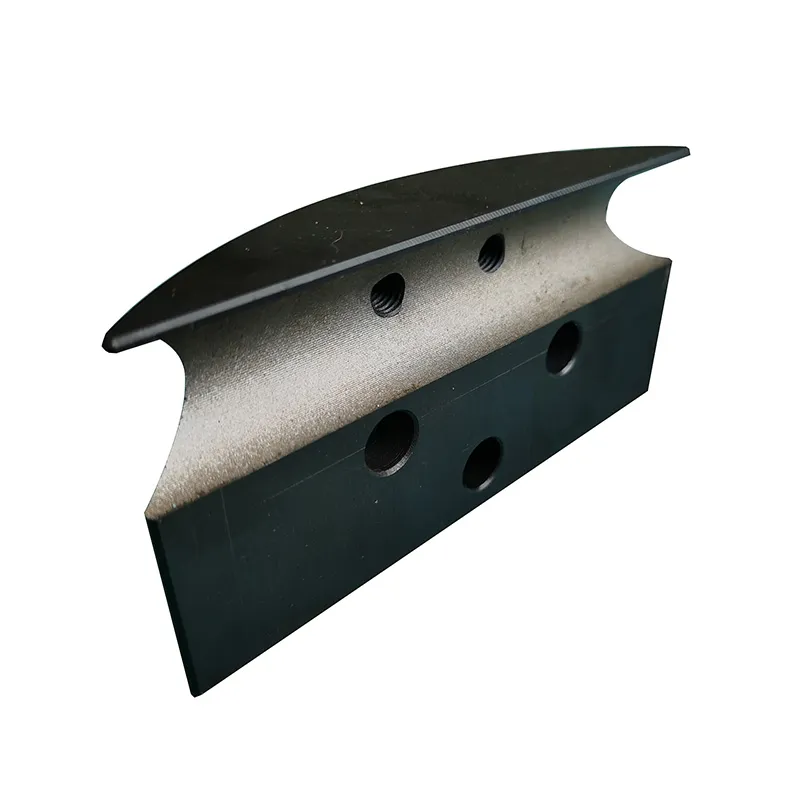
When people hear 'medical equipment parts', they often think of sterile, shiny components straight off an assembly line. The reality is grittier. It's about a casting that must hold vacuum integrity for decades, or a machined actuator that can't fail after ten thousand cycles in an autoclave. The gap between a drawing and a functioning part is where the real work happens, and that's where years get spent.
The Foundation: It Starts with the Cast
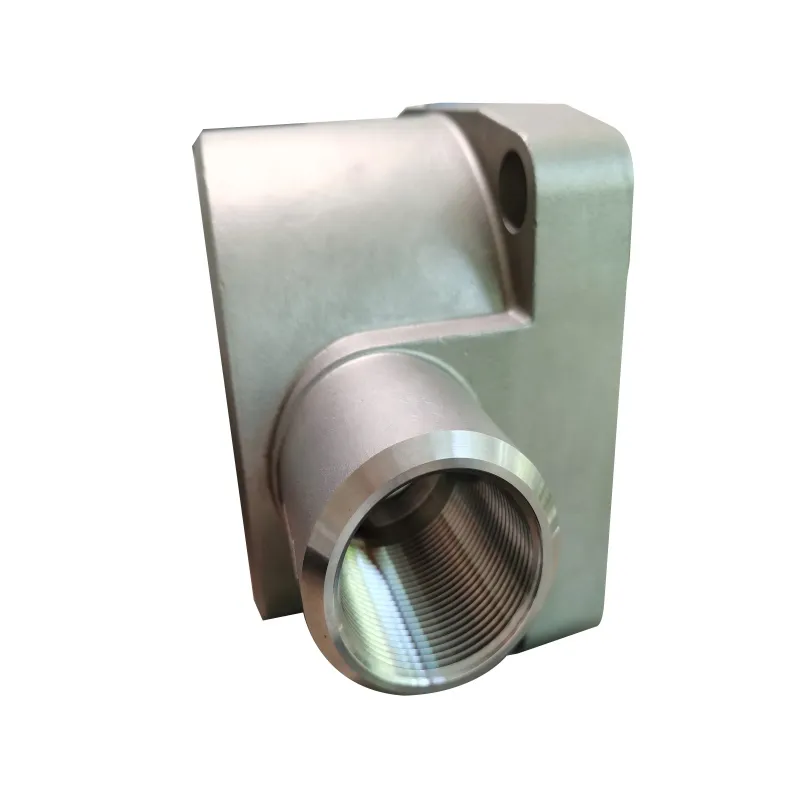
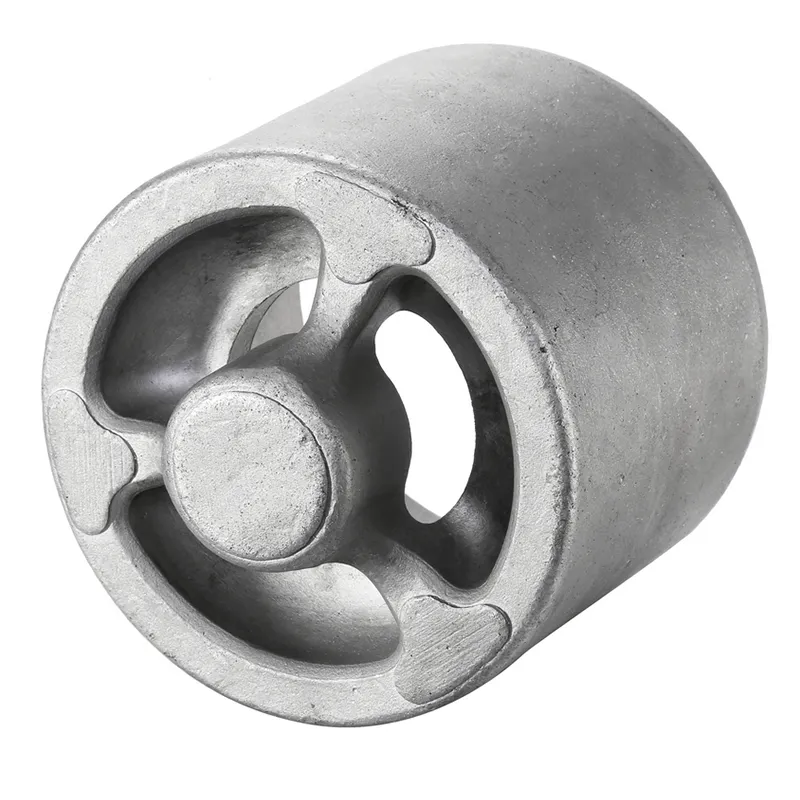
You can't machine a good part from a bad casting. That's the first hard lesson. For imaging equipment bases or radiation therapy gantry components, the material integrity is non-negotiable. We've seen projects stall because the initial investment casting had micro-porosity that only showed up during final machining. The cost of a scrapped, nearly-finished stainless steel housing is a brutal teacher.
This is where a foundry's experience dictates success. A company like Qingdao Qiangsenyuan Technology Co., Ltd. (QSY), with their three decades in shell and investment casting, understands that the thermal dynamics of pouring a cobalt-chromium alloy for a surgical tool are entirely different from standard stainless steel. It's not just about melting metal; it's about controlling the solidification path to prevent stress points that become failure points.
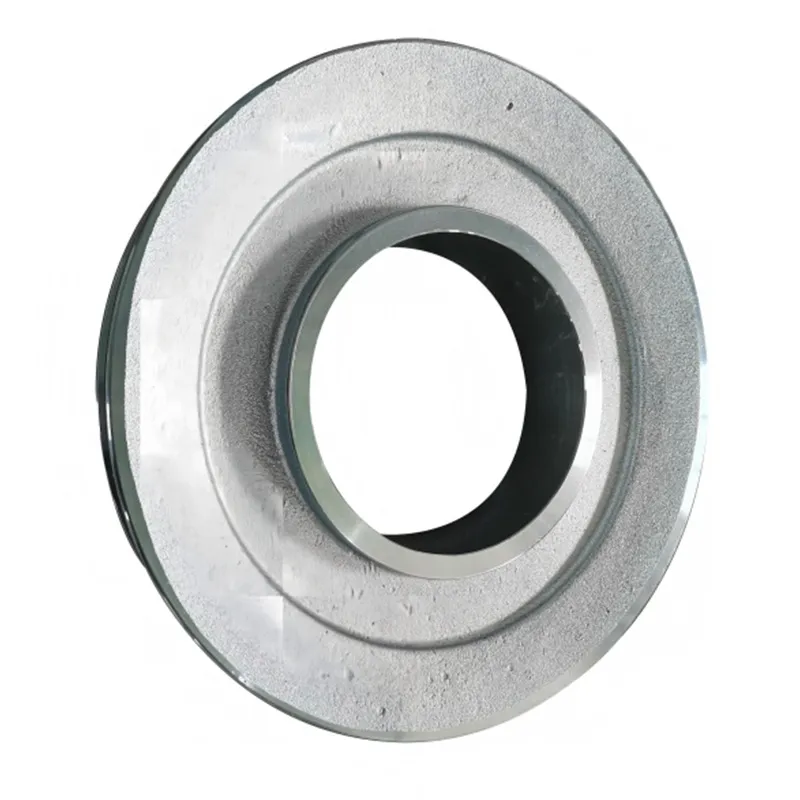
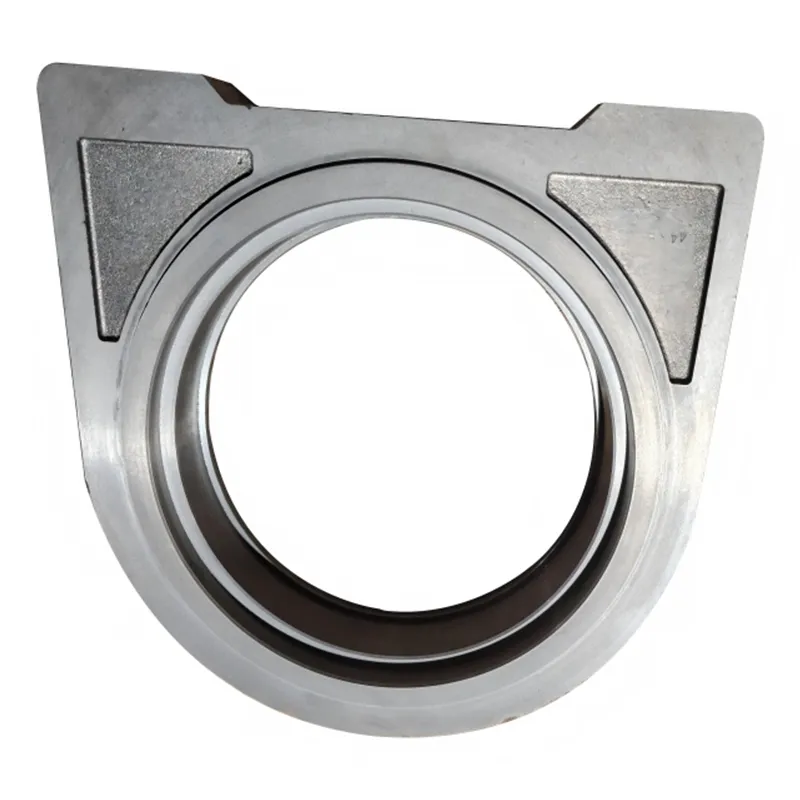
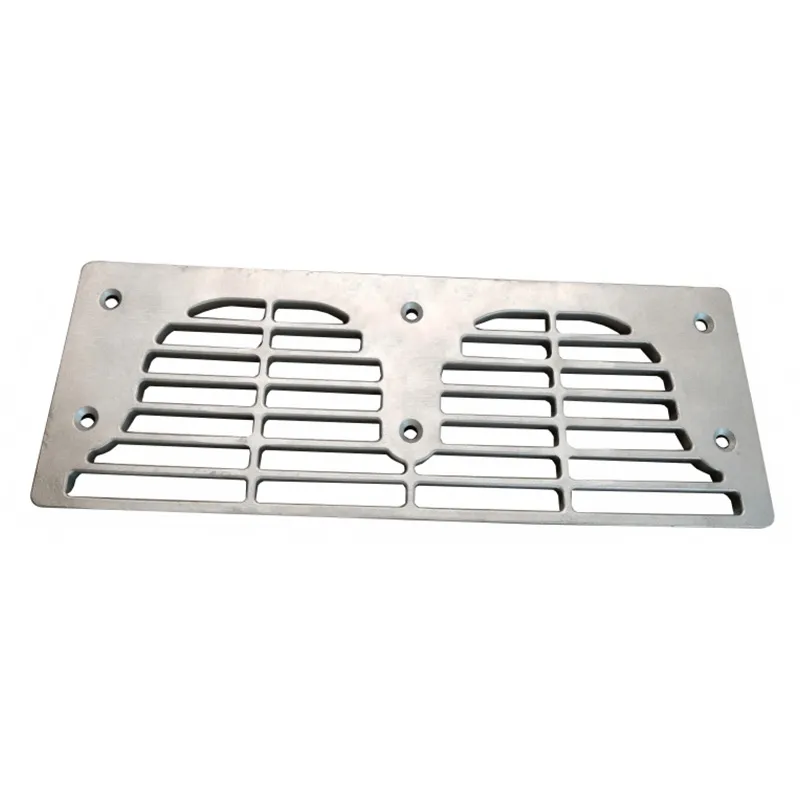
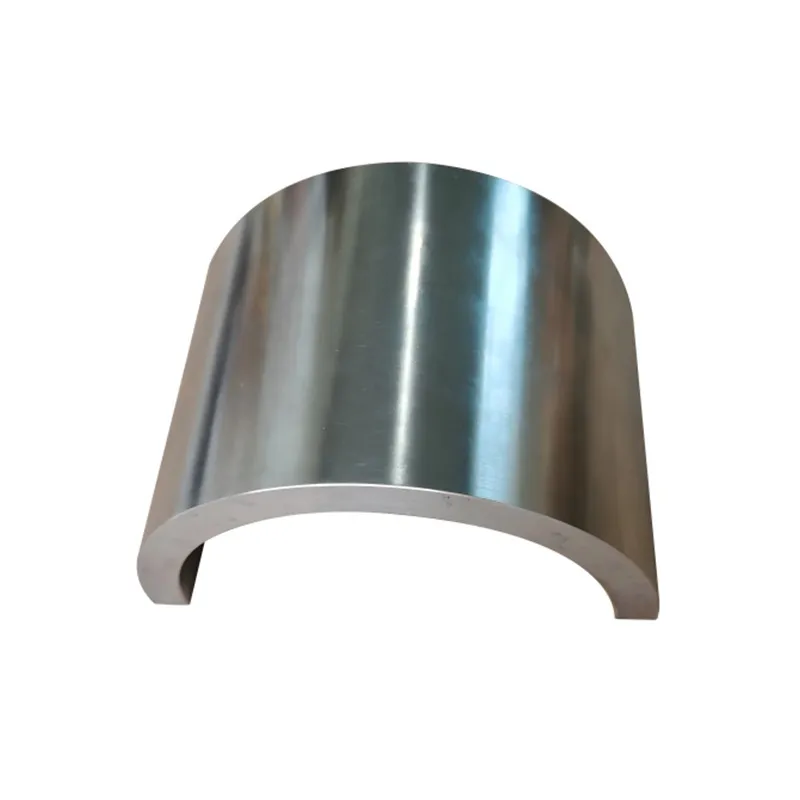
The choice between shell mold and investment casting for a given medical equipment part often comes down to geometry and surface finish requirements. A complex, thin-walled component for a dialysis machine pump? Likely investment. A larger, structural bracket for a hospital bed? Shell mold might be more economical without sacrificing performance. The decision isn't always clear-cut, and sometimes it requires prototyping both ways.
Precision Machining: Where Tolerances Bite Back
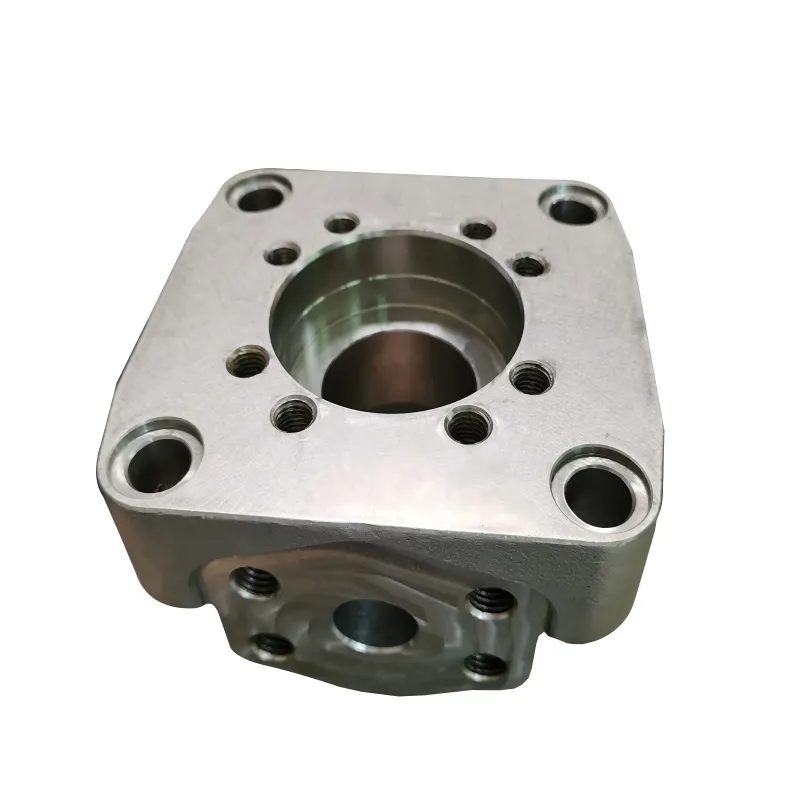
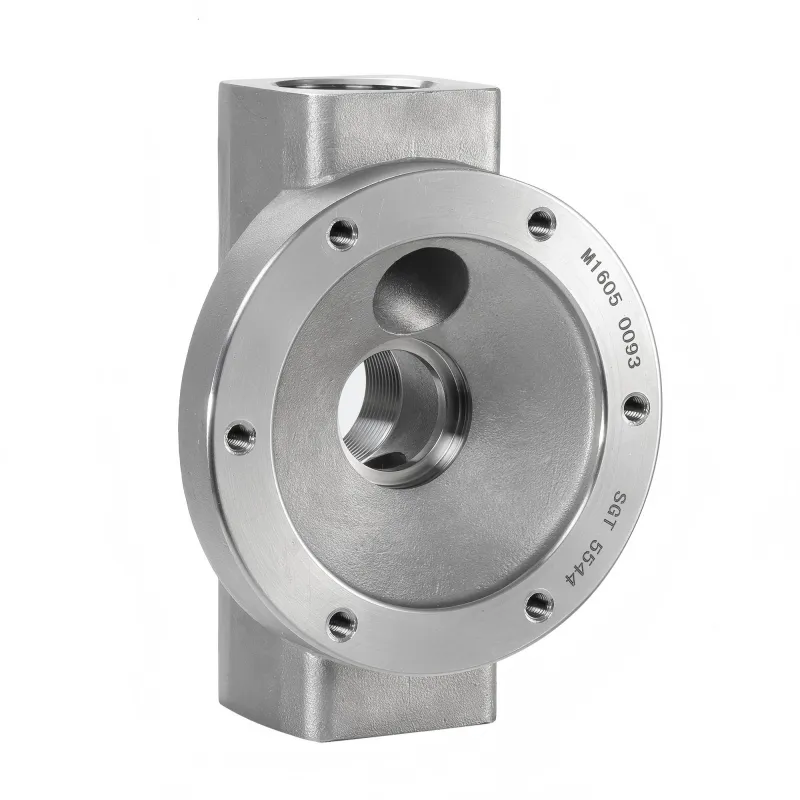
CNC machining medical parts feels different. There's a psychological weight. A tolerance of ±0.005mm on a bore isn't a suggestion; it's a boundary condition for a seal that contacts bodily fluids. I remember a batch of connector housings for patient monitors where we were chasing a 0.01mm true position callout. The machine was capable, but the fixtureing and thermal expansion from cutting the 316L stainless steel threw us off. We ended up having to control the shop ambient temperature more tightly—a detail not on the drawing.
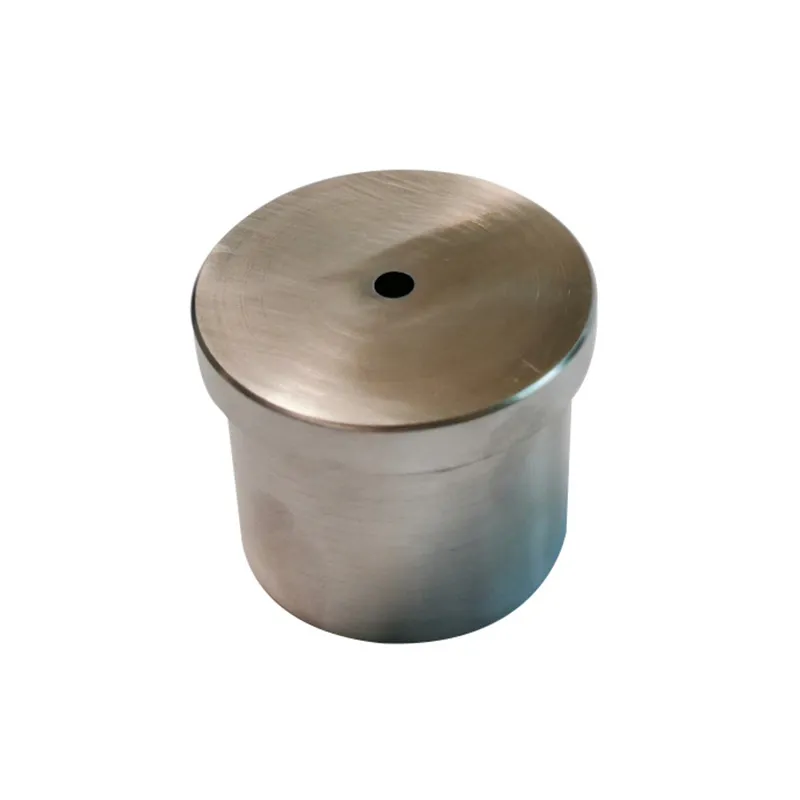
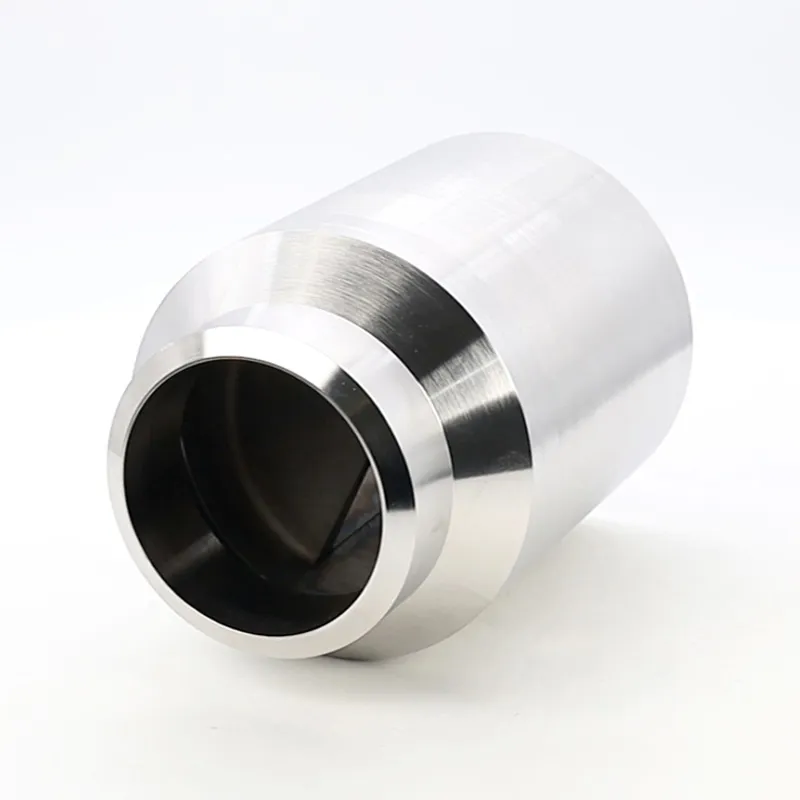
QSY's approach to CNC machining for medical components often involves dedicating specific machine lines for certain material groups. Running nickel-based alloys, which work-harden like crazy, on the same setup as cast iron is a recipe for inconsistent tool life and surface finish issues. Segregating them might seem inefficient on paper, but it prevents cross-contamination of material particulates and maintains process stability. That stability is what allows them to hit Ra 0.8μm surface finishes consistently on load-bearing joints, which is critical for preventing crack initiation.
The post-machining validation is another layer. It's not just a CMM report. For parts in implants or long-term contact devices, we often specify additional passivation processes or specific cleaning protocols to remove any embedded microscopic particles from machining. A part can be dimensionally perfect but biologically hostile if this step is rushed.
The Alloy Dilemma: Material is Not Just a Number
Specifying stainless steel is meaningless. Is it 304, 316L, or 17-4PH? Each behaves differently during casting and machining, and each has a different corrosion resistance profile in a clinical environment. 316L is the workhorse for good reason, but for parts requiring higher strength, like bone screw drivers or certain arthroscopic tool shafts, we lean into precipitation-hardening grades like 17-4PH or into the special alloys.
Cobalt-based and nickel-based alloys are in a league of their own. They're used in wear-intensive applications like prosthetic knee joints or in high-temperature autoclave racks. Their machining is notoriously difficult—low cutting speeds, specific tool geometries, constant coolant flow to manage heat. The benefit is exceptional wear and corrosion resistance. The cost is tooling expense and longer cycle times. I've seen projects where switching from a standard stainless to a cobalt alloy doubled the machining cost, but it was the only way to meet a 15-year service life requirement.
Working with a partner that has deep material literacy is crucial. It's not just about having the alloy in stock; it's about knowing how to heat-treat it post-machining to achieve the desired hardness without inducing distortion, or how to design the gating system for the casting to ensure uniform grain structure in a complex shape.
Failure Modes and the Why
Everyone talks about success criteria, but analyzing failures is more instructive. We had a case with a small actuator arm for a surgical robot. It passed all dimensional checks but failed in fatigue testing. The root cause was traced back to a slight variation in the shell mold casting process—a minor inconsistency in the ceramic shell thickness led to a localized cooling rate difference, creating a zone of slightly different microstructure. Under a microscope, it was visible. Under cyclic load, it was a fracture point.
This is why process control matters more than final inspection for critical components. You can't inspect quality into a part; you have to build it in from the first step of making the mold. Suppliers who get this, like QSY with their long-term focus on process rather than just output, tend to have fewer of these catastrophic, trace-back failures. Their 30-year history suggests they've seen—and solved—these kinds of problems before.
Another common, subtle failure is galvanic corrosion in assemblies. Using a stainless steel screw in an aluminum housing for a lightweight scanner arm might seem fine, but in the presence of certain cleaning agents, it can set up a corrosive cell. The part doesn't fail immediately; it fails after months of use, often outside the warranty period. Material compatibility analysis at the design stage is a non-negotiable step that's often overlooked.
The Realistic Partnership
Procuring medical equipment parts isn't a transactional purchase order. It's a technical collaboration that starts long before the RFQ. The best outcomes happen when the equipment designer engages with the manufacturing partner during the prototyping phase. Can this internal corner be radiused slightly to improve tool life without affecting function? Can this wall thickness be made uniform to avoid sinking in the casting?
A partner with integrated capabilities—from casting to CNC machining—provides a more holistic view. They can advise that a part designed as a machined weldment might be more reliably produced as a one-piece casting with minimal finish machining, improving structural integrity and reducing potential contamination points. This kind of design-for-manufacturability input is invaluable and comes from hands-on experience across the whole production chain.
Ultimately, the goal is reliability in the field. The part isn't an item on a bill of materials; it's a component in a device that a clinician relies on. That perspective changes how you approach every tolerance, every surface finish callout, and every material certificate. It moves the work from simple fabrication to engineered contribution. And that, in the end, is what separates a commodity supplier from a true manufacturing partner for the medical industry.