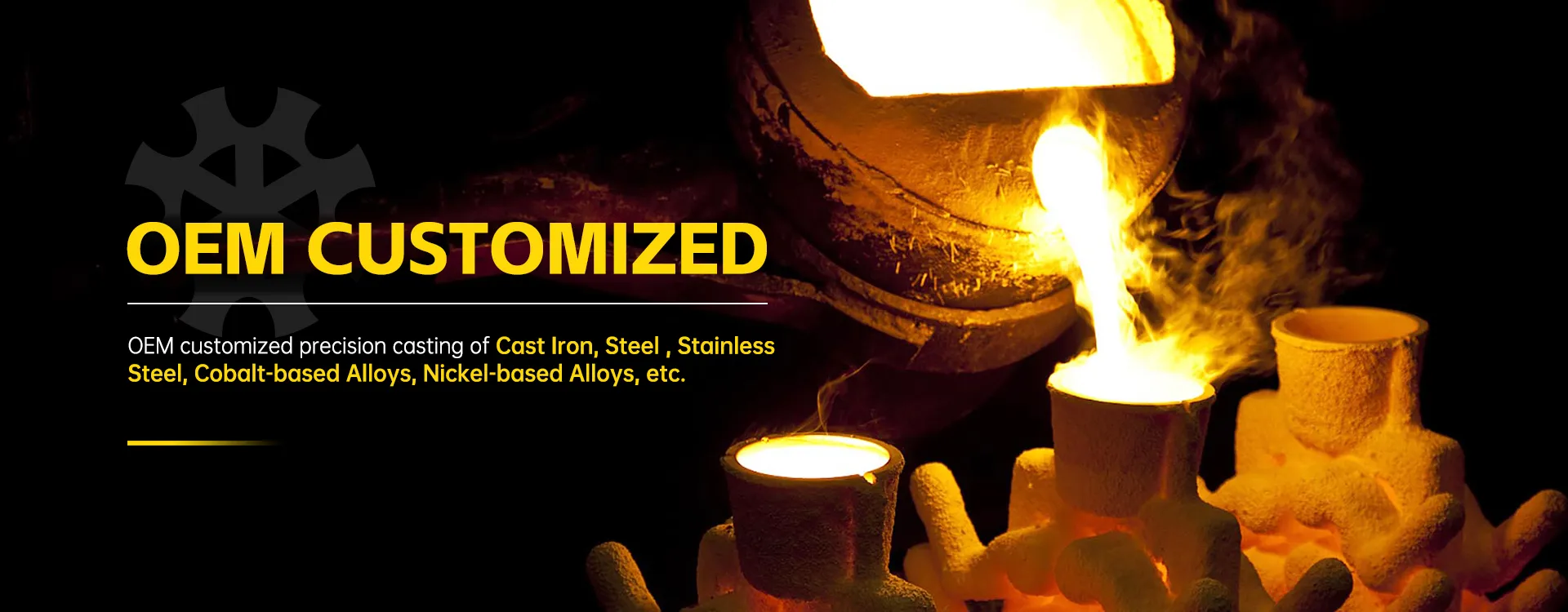
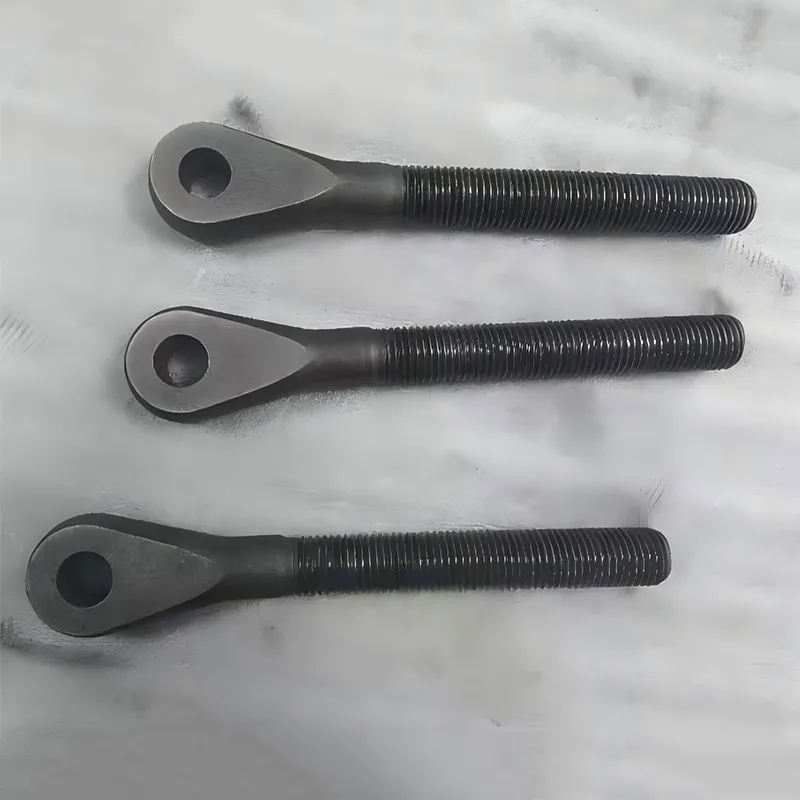
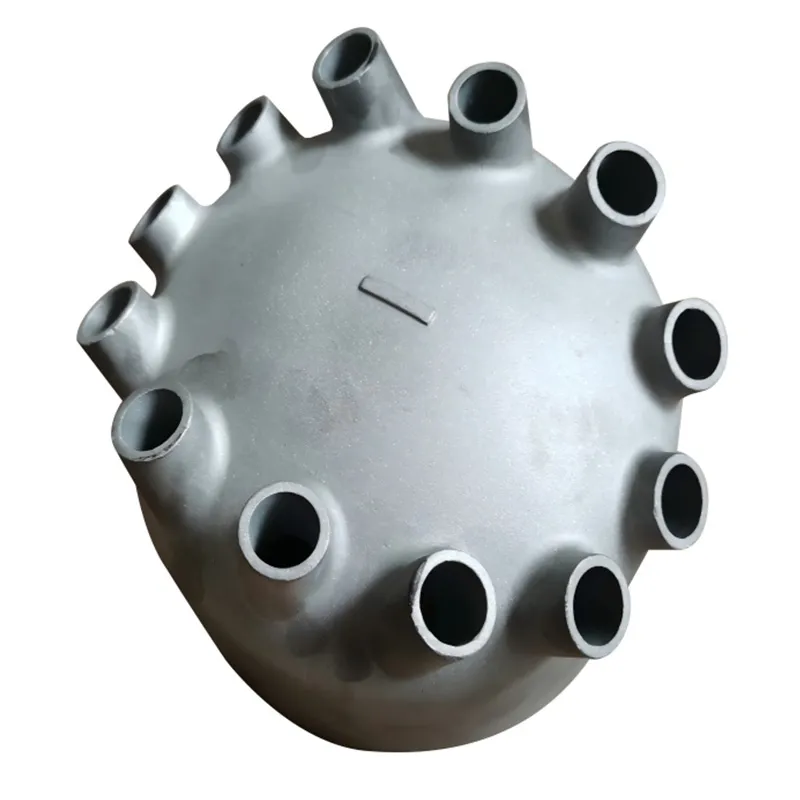
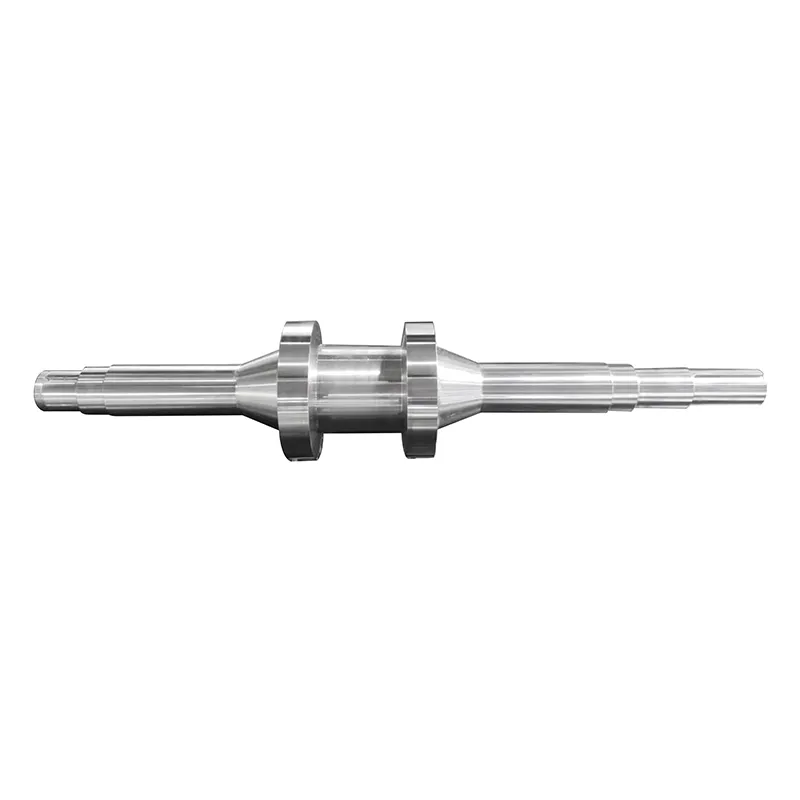
When most folks hear 'metal casting', they picture a guy in a leather apron pouring glowing liquid into a sand mold. That's not wrong, but it's like describing a car as a box with wheels. The real story, the one that keeps shops like ours running for decades, happens long before the pour and long after it cools. It's in the material choice, the mold engineering, the gating design, and the inevitable, sometimes costly, troubleshooting. A lot of clients come to us thinking it's just about melting and shaping metal. The truth is, the casting is often the easy part; it's everything that surrounds it that defines success or a pile of expensive scrap.
The Mold is the Message
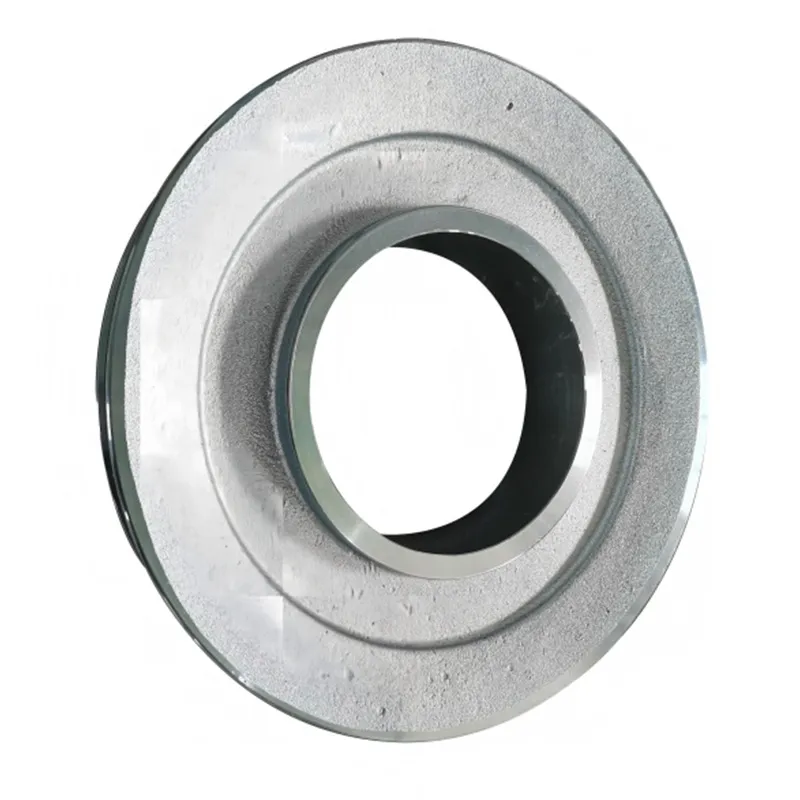
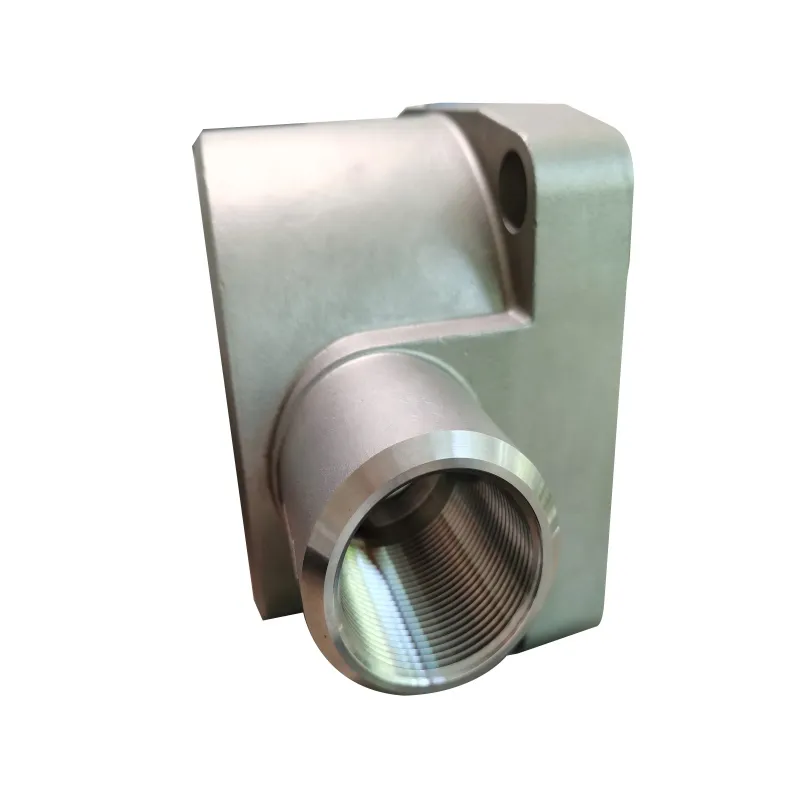
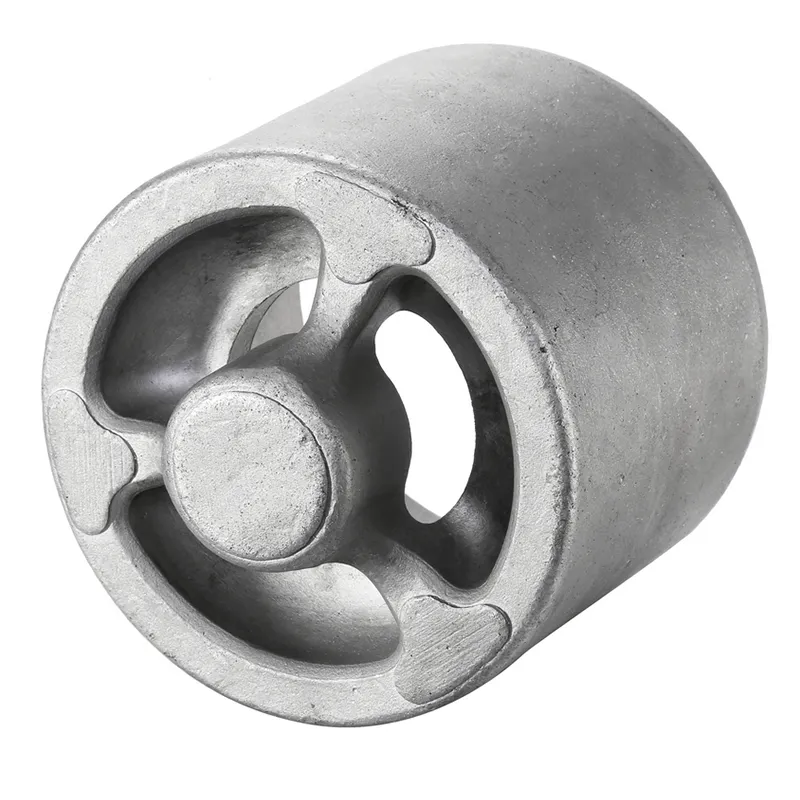
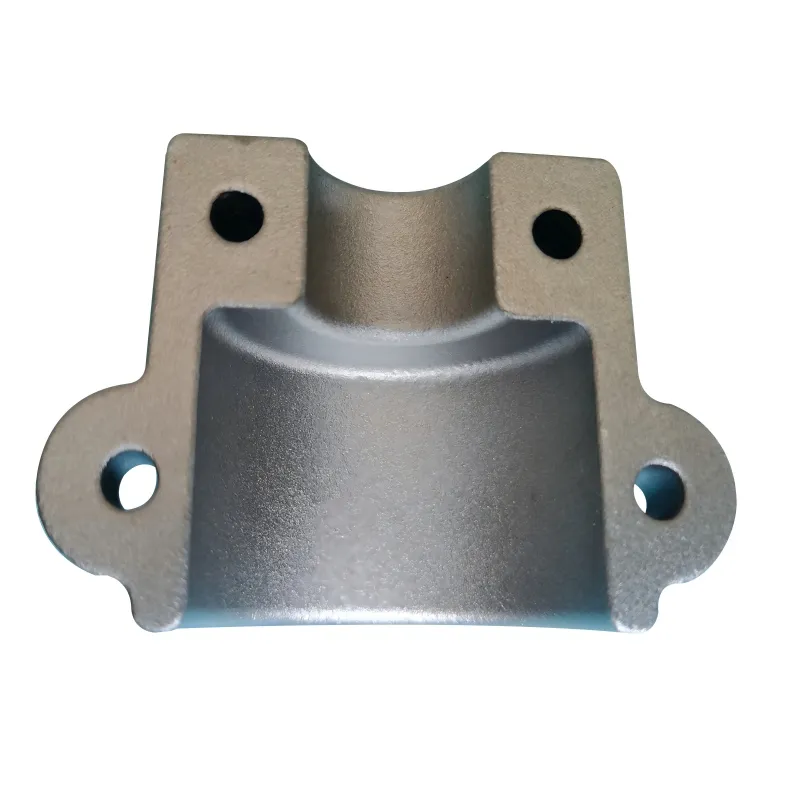
Let's talk molds. The choice between shell mold casting and investment casting isn't just a preference; it's a fundamental decision that dictates tolerance, surface finish, and geometry. We run both at our facility. Shell molding, using resin-coated sand, is fantastic for higher-volume runs of parts like valve bodies or gear blanks. You get a decent finish and it's relatively economical. But the dimensional stability? It has its limits, especially on complex internal passages. You're dealing with sand, after all, and it can shift or erode.
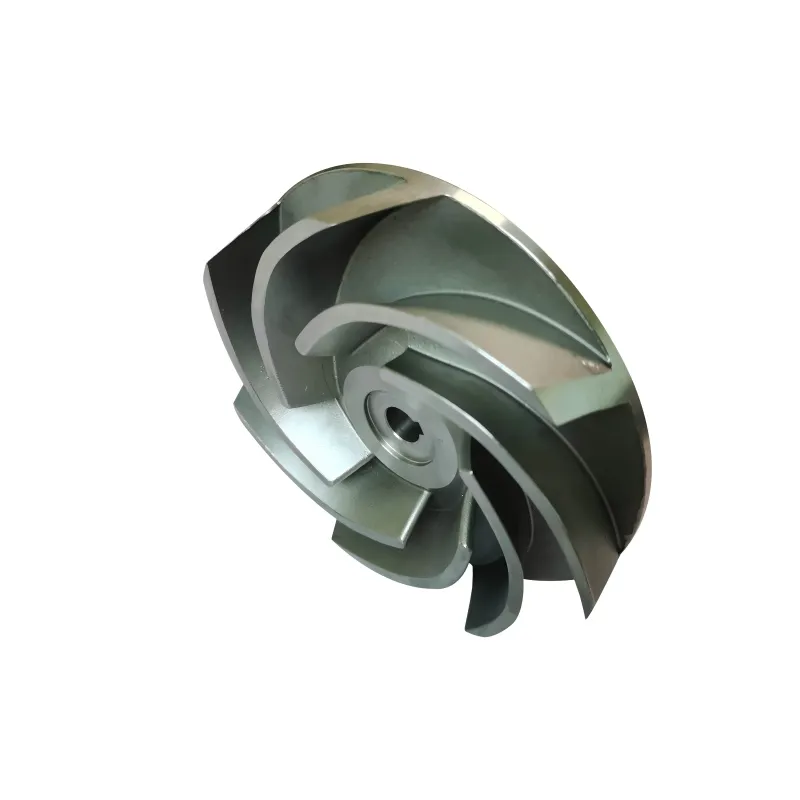
Investment casting, the lost-wax process, is a different beast. We use it for the intricate stuff—impellers, turbine blades, surgical instrument components. The ceramic shell captures detail like nothing else. But the process is unforgiving. A tiny flaw in the wax pattern replicates perfectly in the final metal part. I remember a batch of stainless steel brackets where we had a slight mismatch in the wax assembly. It wasn't visible to the eye on the wax, but it created a hairline flash on every casting at the parting line. The entire run needed hand-finishing, which blew the cost model. The lesson? In investment casting, your first perfect part is the wax pattern, not the metal one.
This is where a long-standing operation's experience pays off. At Qingdao Qiangsenyuan Technology Co., Ltd. (QSY), having done this for over 30 years, we've built libraries of process parameters for different geometries. It's not magic; it's a log of past mistakes and corrections. For a new impeller design in a nickel-based alloy, we don't start from zero. We know how the alloy shrinks, how the ceramic shell reacts to its thermal shock, and roughly where to place the vents to avoid gas entrapment. It's educated guessing, but the education was expensive.
Material is Not Just a Spec Sheet
Clients send us material specs: ASTM A216 WCB or 316 Stainless. That's the starting line. Cast iron, carbon steel, stainless steel—they all behave wildly differently in the molten state. Fluidity, shrinkage, hot tearing tendency. A high-carbon steel pours beautifully but shrinks like crazy, demanding carefully calculated risers to feed the solidification. Get the riser size or placement wrong, and you get shrinkage porosity inside the casting. It might pass a visual, but it'll fail under pressure or fatigue.
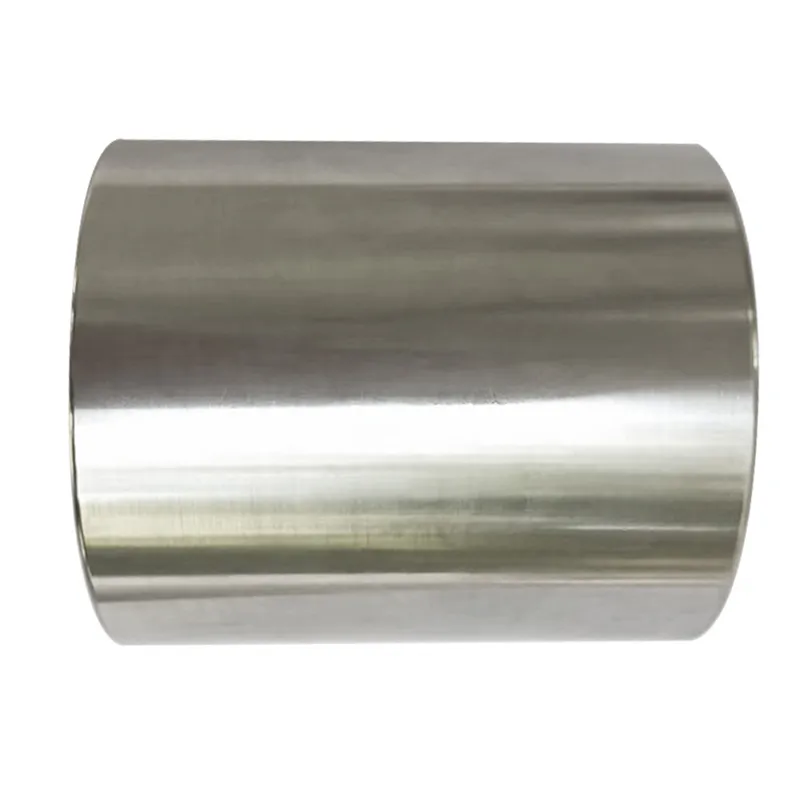
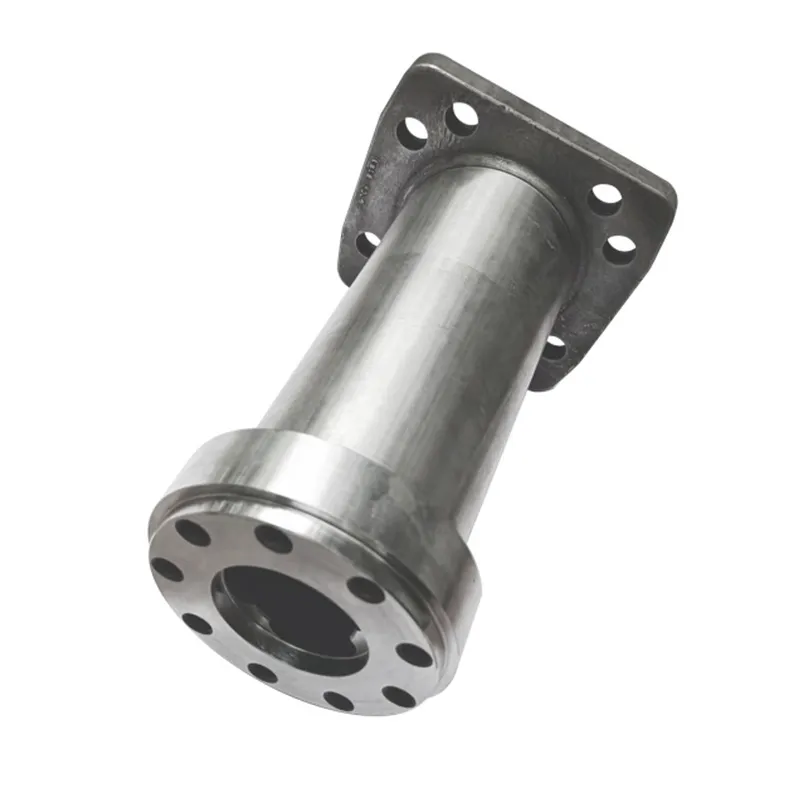
The real challenges come with the specials, like cobalt-based alloys. They're often for extreme environments—high heat, corrosion, wear. Their casting window is narrow. Too hot, and you burn out crucial elements or cause excessive grain growth. Too cool, and the metal won't fill thin sections. We once had a project for a wear-resistant pump sleeve in a Co-Cr alloy. The first few pours resulted in cold shuts and mis-runs. The metal was just freezing too fast. The solution wasn't just cranking up the furnace. We had to redesign the gating system to get the metal into the mold cavity faster and more turbulently, while also pre-heating the ceramic shells to a specific higher temperature. It took three iterations. The spec sheet doesn't tell you that.
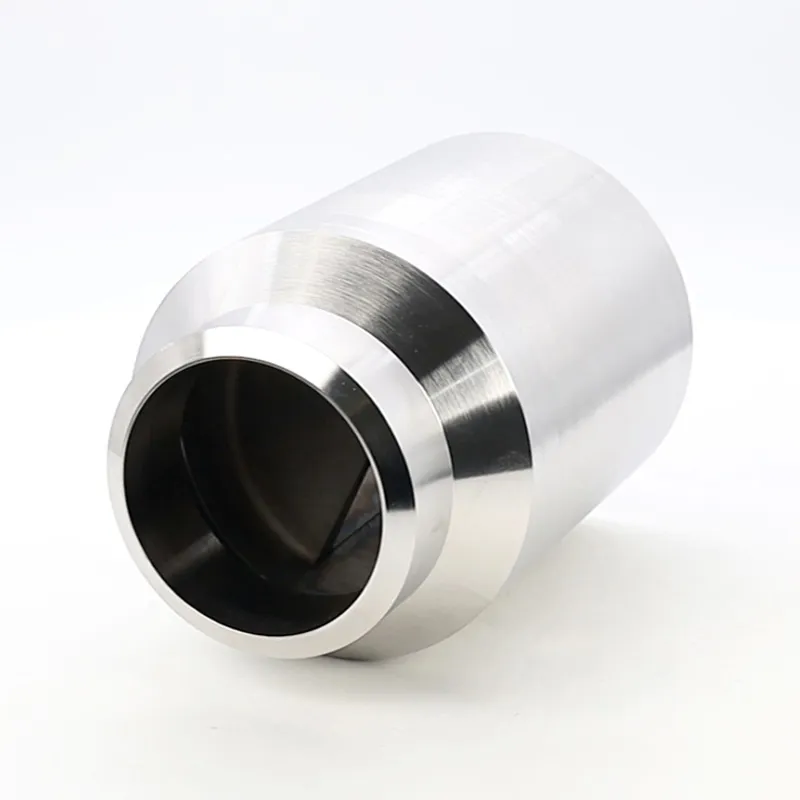
This material intimacy is why a shop that offers both metal casting and CNC machining under one roof has an advantage. We know how a casting will machine. That cobalt alloy? It's brutally hard to machine after casting. Knowing that, we might adjust the heat treatment process post-casting to slightly soften it for machinability, then do a final hardening treatment. If the casting and machining teams are separate entities, that feedback loop is slow and costly.
The Handoff: From Casting to CNC
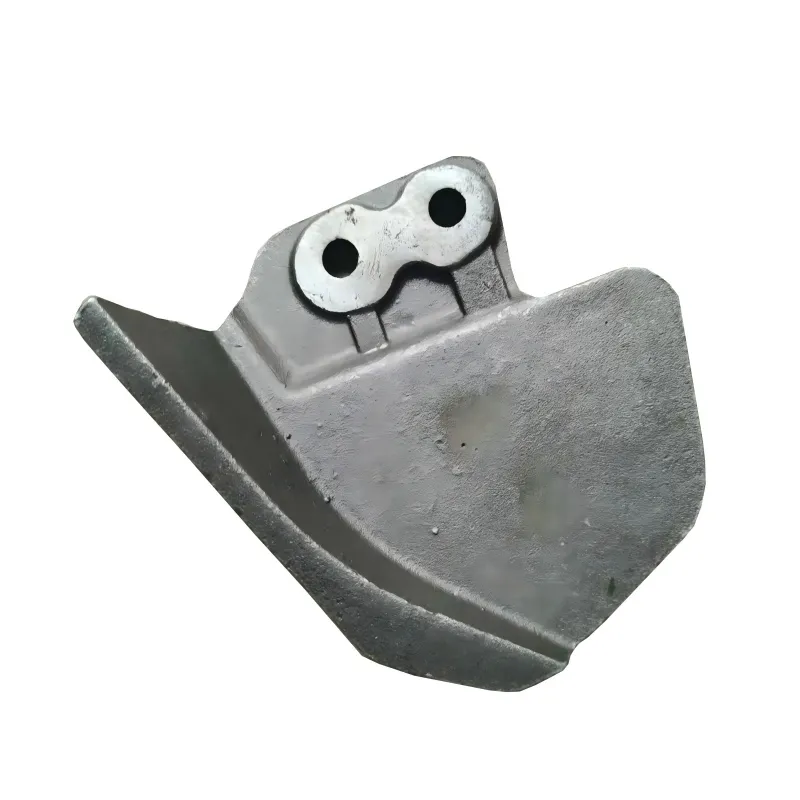
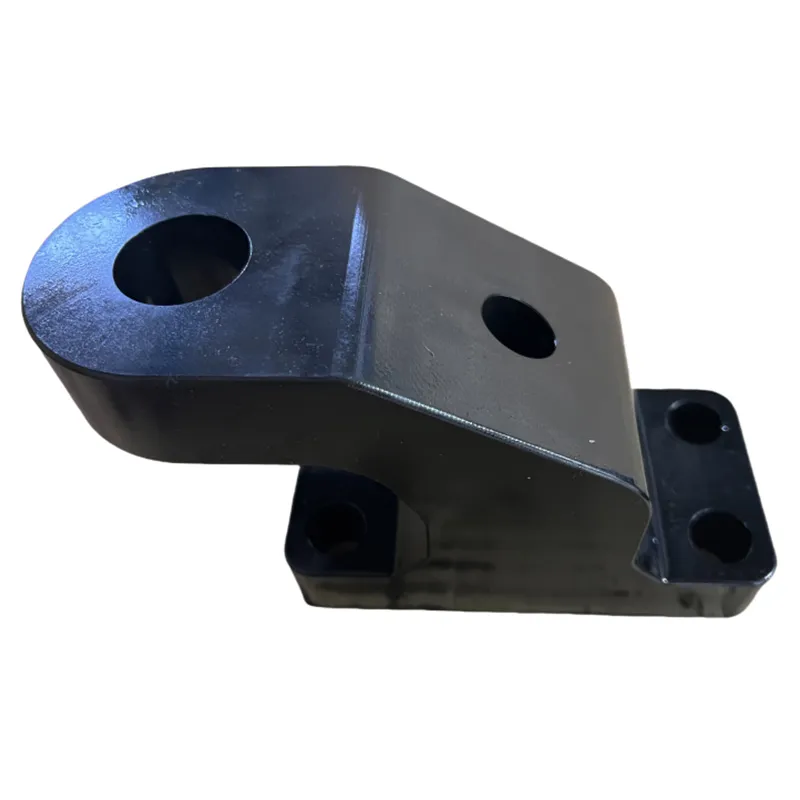
This is a critical, often overlooked, interface. A casting isn't a finished part; it's a near-net-shape blank. How it's presented to the CNC machinist makes all the difference. We've seen castings from other foundries that have no consistent datum features, or have critical dimensions buried in areas that can't be cleaned up. It's a nightmare for fixturing.
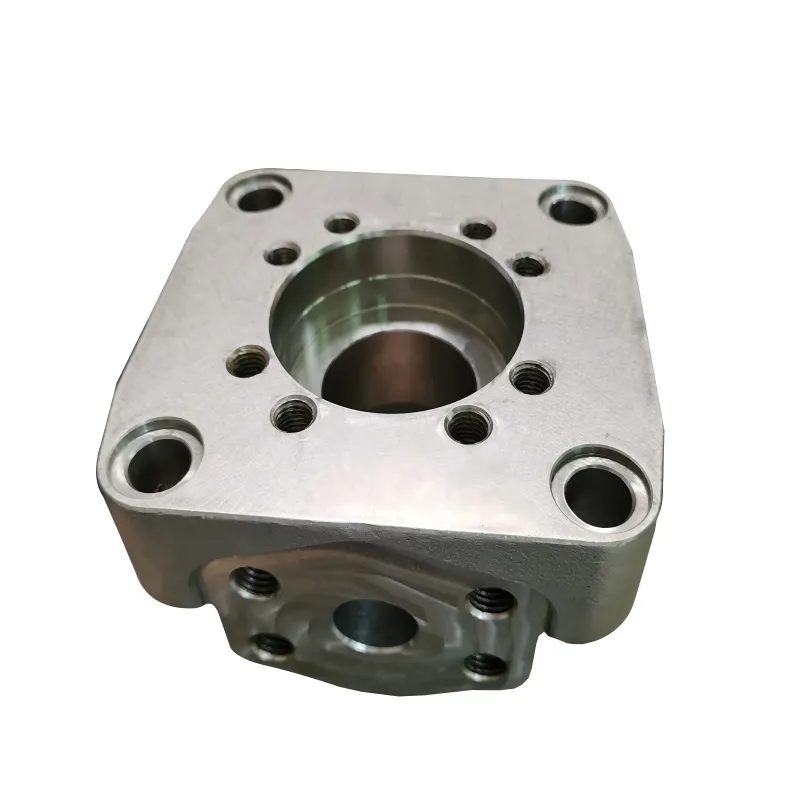
In our process, the casting design is reviewed with the machining team from day one. We might add small alignment pads on non-critical surfaces, or ensure a particular face is cast flat enough to serve as a primary datum. For a complex valve housing we machined last year, we cast in three small, raised bosses on the flange face specifically for the CNC vise to grip onto. They were machined off in the final operation. It added a tiny bit of complexity to the mold, but saved hours of fixturing engineering and guaranteed positional accuracy between the port holes and the seal faces.
It's this integration that a company like QSY, with its combined casting and machining capabilities, leverages. You can check out how this integrated approach plays out in real projects on their site at tsingtaocnc.com. The point is, the mindset shifts from making a casting to making a machinable casting that will become a final part. It eliminates the blame game between the foundry and the machine shop when a dimension is off.
Failure is a Data Point
Nobody likes to talk about scrap, but it's the best teacher. A perfect track record in casting usually means you're not pushing the boundaries. We've had our share. One that sticks with me was a large ductile iron gear blank. It passed all initial inspections but cracked catastrophically during a rough machining operation. The failure analysis pointed to degenerate graphite structure in the core—a condition called inverse chill. The iron had cooled too rapidly in the center of the thick section. The fix? We changed the inoculant type and amount, and placed external chills on the mold to actually encourage directional solidification from the bottom up, paradoxically slowing the cooling in the core. It worked. Now, for thick-section ductile iron, that's our standard protocol.
These failures build the tribal knowledge of a foundry. It's not always in a manual. It's the veteran pattern maker looking at a design and saying, We need a bigger radius here, or it'll tear, based on a similar part that failed five years ago. This accumulated, practical knowledge is what a 30-year-old company like Qiangsenyuan Technology is really selling, as much as the metal itself.
Another common pitfall is assuming a design that works in steel will work in stainless. The feeding requirements are different. Stainless steels have lower thermal conductivity, so they stay hot longer in the risers, which sounds good, but it also means the solidification front moves differently. We had to learn to use smaller, but more numerous, risers on stainless jobs to avoid creating isolated hot spots that lead to shrinkage.
The Real Deliverable: Predictability
At the end of the day, what any serious buyer of cast components wants isn't just a part. It's predictability. Consistent quality, consistent delivery, consistent performance. That's the holy grail. It's achieved not by any single brilliant technique, but by controlling a hundred small variables: the moisture content of the sand, the temperature of the metal when it's poured (not just in the furnace, but in the ladle), the pre-heat on the molds, the post-casting cooling rate.
This control lets us offer realistic guarantees. When we take on a project for shell mold casting of a series of hydraulic manifolds, we know we can hold the pressure-bearing passages to a certain integrity level because we've controlled the process from sand mixing onward. That reliability is the true product of experience. You can see the scope of this work, from material selection to finished part, outlined in the company profile for Qingdao Qiangsenyuan Technology Co., Ltd., which details their focus on these precise casting and machining pathways.
So, metal casting? It's a chain of a thousand links. The pour is just the most visible one. The strength of the chain comes from understanding and controlling all the others—the material science, the mold engineering, the thermal dynamics, and the seamless transition into finishing. That's where the craft lives, far away from the dramatic glow of molten metal.