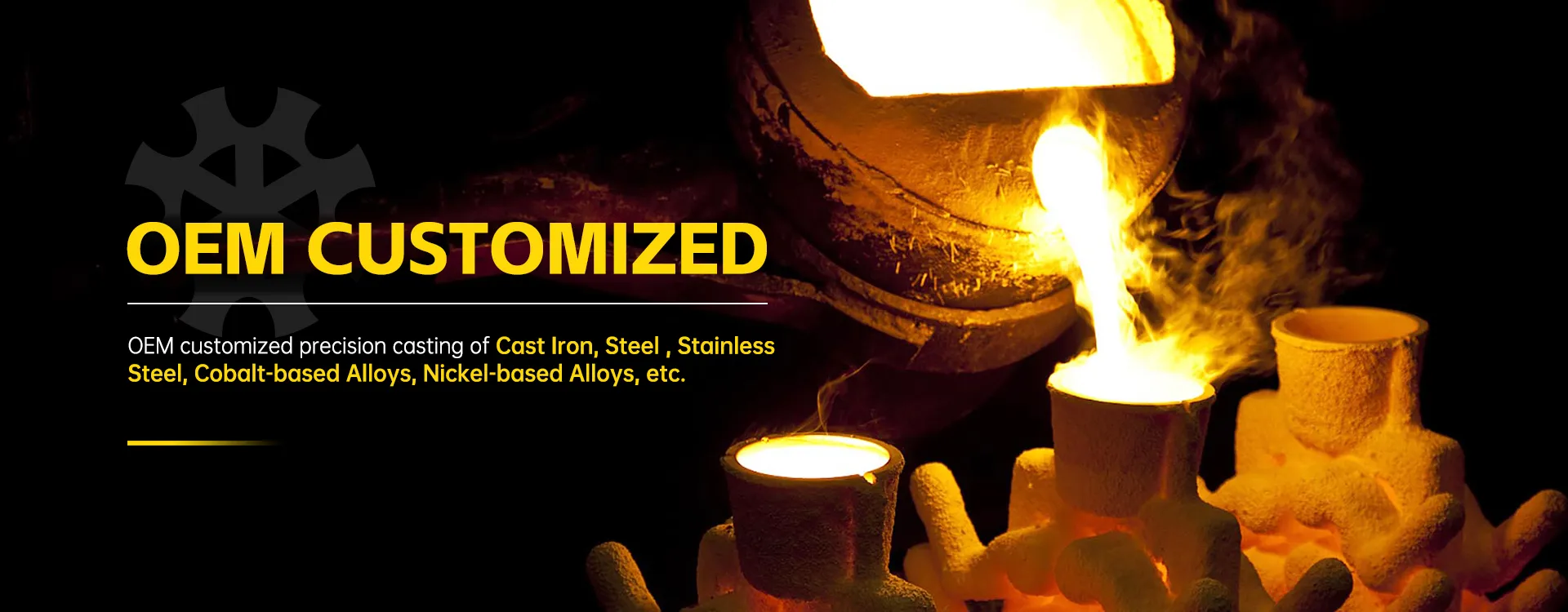
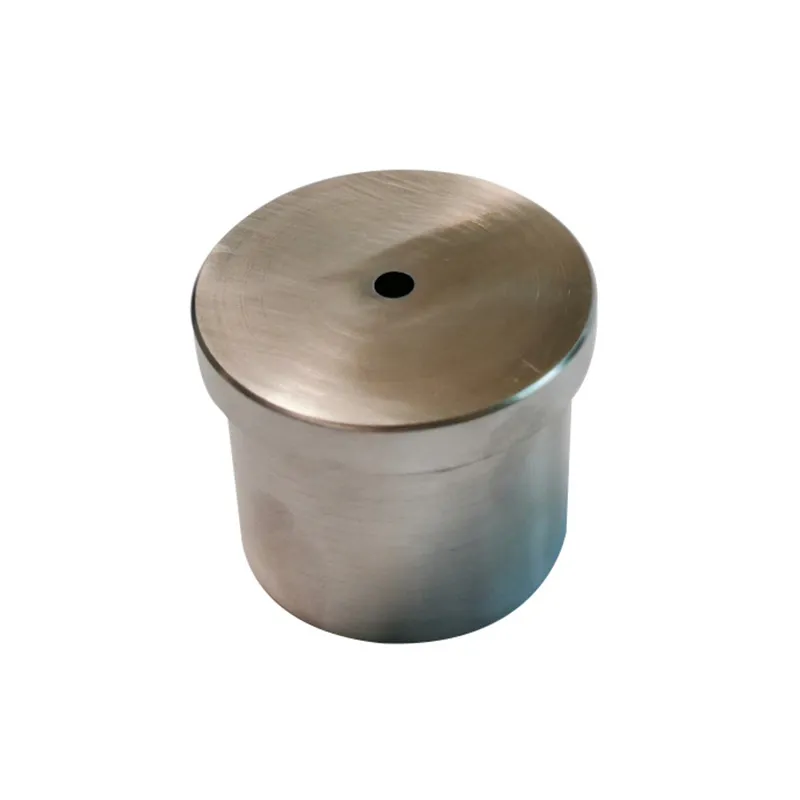
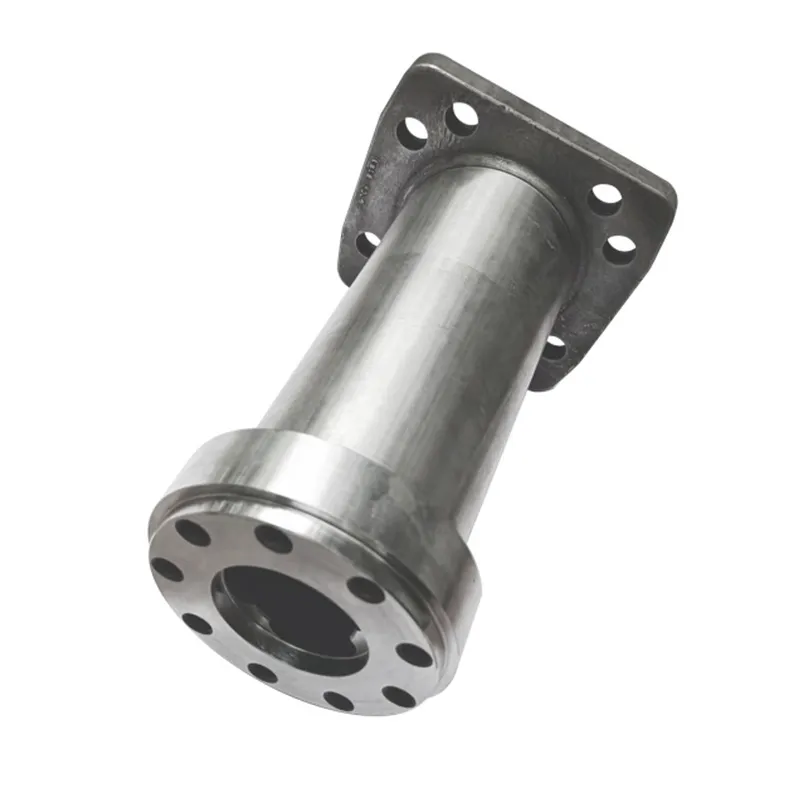
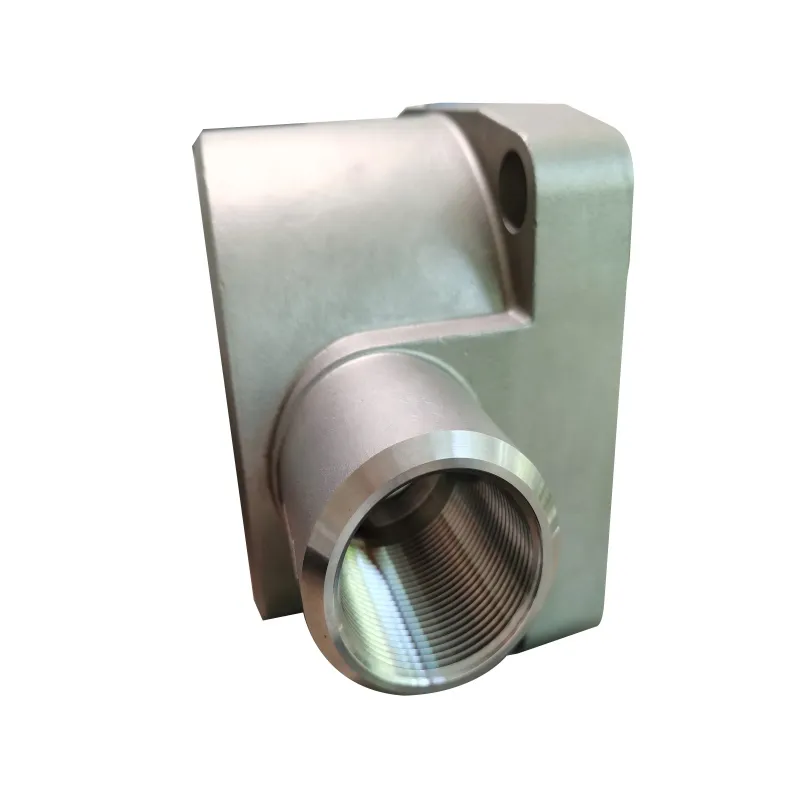
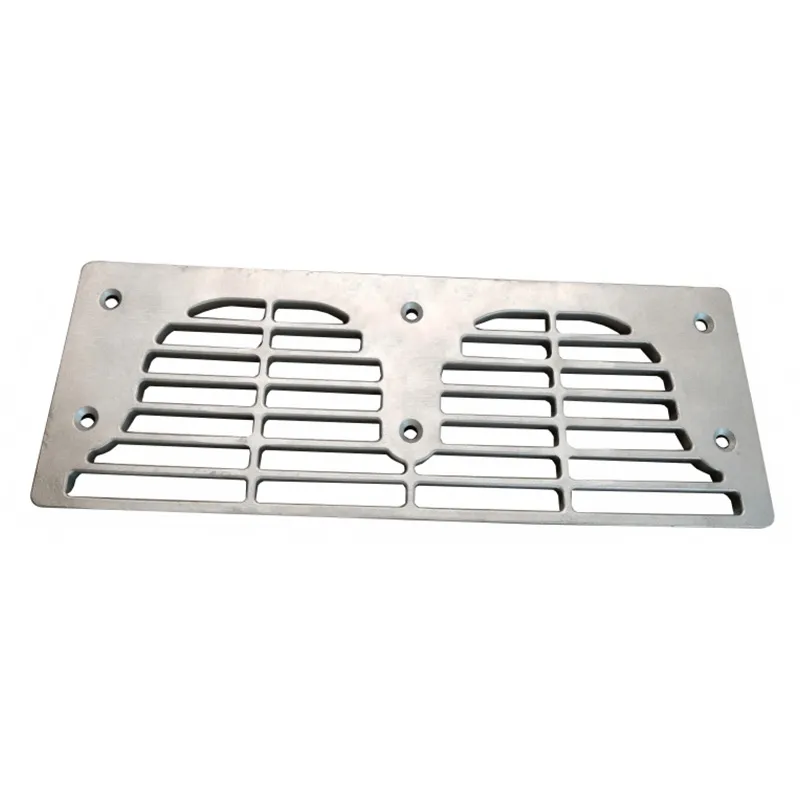
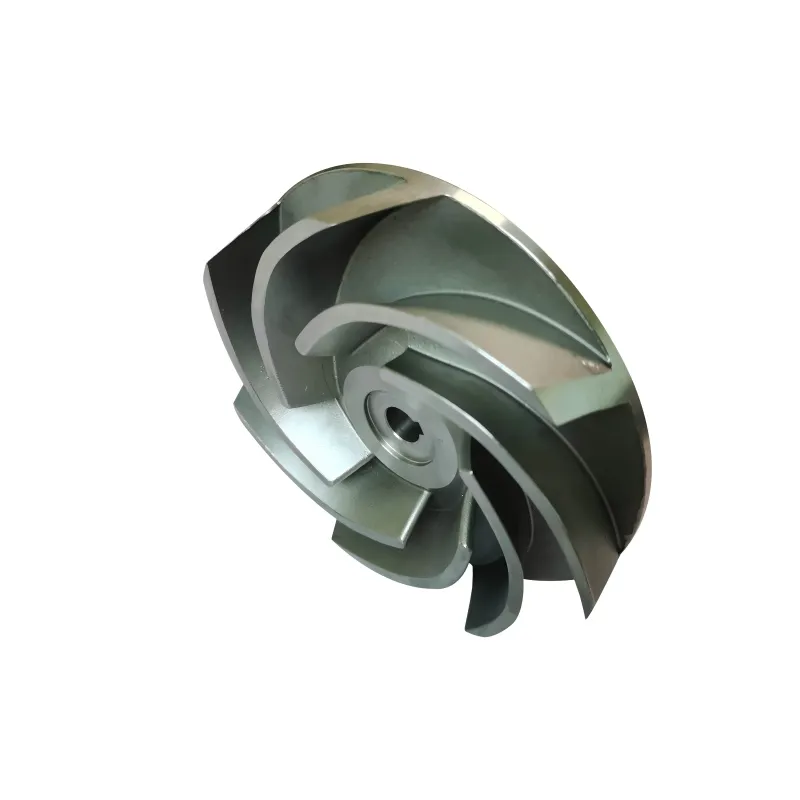
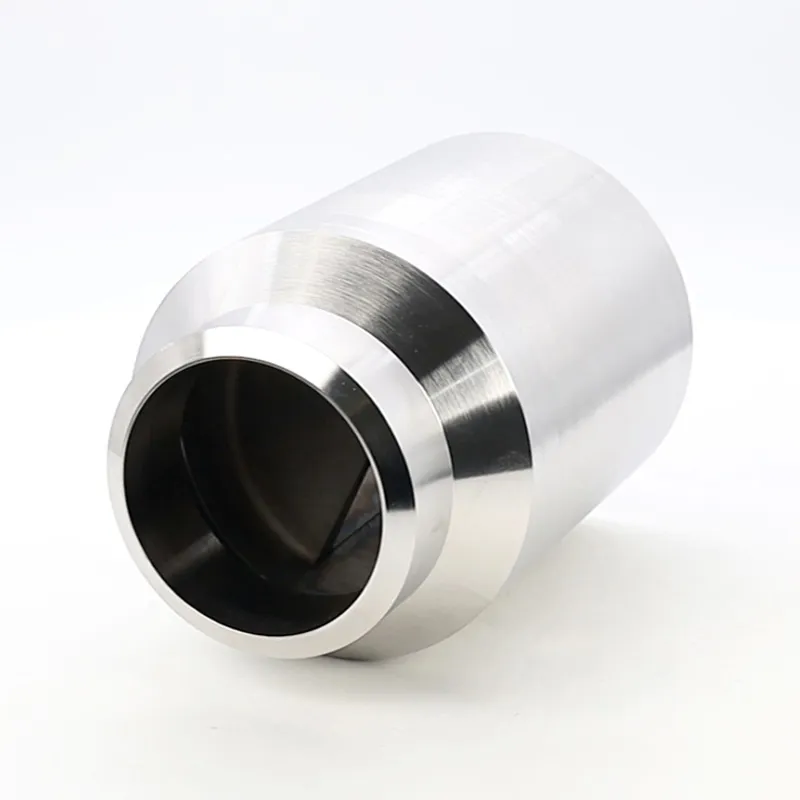
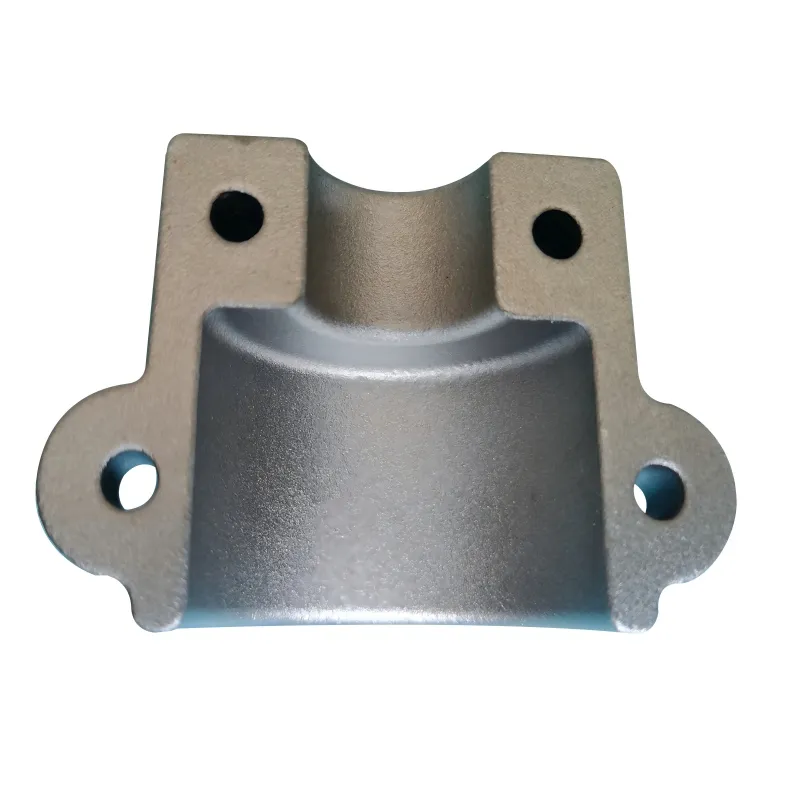
When most people hear 'metal casting company,' they picture a foundry floor—molten metal, sparks, heat. That's part of it, sure, but it's like describing a restaurant by its stove. The real story is in the decisions made long before the metal hits the mold, and the problems you solve after it cools. A lot of clients come in thinking it's just about melting and pouring; the headache starts when they realize dimensional tolerances, post-casting machining, and material selection aren't afterthoughts—they're the core of the job.
The Foundation Isn't Just Sand
Take shell mold casting. It's not just 'better sand casting.' The resin-coated sand forms that rigid shell, which gives you a finer finish and tighter tolerances than traditional green sand. But the trick is in the pattern. If your pattern isn't perfect, every single shell you produce carries that flaw. We learned this the hard way years ago on a run of pump housings. The client-supplied pattern had a slight draft angle miscalculation. It looked negligible on the CAD model, maybe half a degree. But after running a few hundred shells, the cumulative effect on ejection and surface finish was a nightmare. Scrapped the entire batch. That's the thing—the casting process starts with the design review, not the purchase order.
Investment casting gets even more intricate. You're building that ceramic shell layer by layer around a wax pattern you melt out. The geometry freedom is incredible, but the gating and riser design is more art than science. I remember a project for a turbine component in a nickel-based alloy. The alloy itself was a beast to work with—high melting point, tricky shrinkage. We went through three iterations of the riser configuration just to eliminate a persistent shrinkage cavity in a critical section. Each iteration meant new wax tooling, new shell builds, new pours. The cost added up, but there's no shortcut. You can't fix fundamental solidification issues with machining later.
That's where the 30 years in this business counts. It's a library of failed pours and successful ones. You develop a gut feeling for how a particular geometry in cast iron will behave versus the same shape in duplex stainless steel. The thermal dynamics are completely different. A company like Qingdao Qiangsenyuan Technology Co., Ltd. (QSY) doesn't stay operational that long by just taking prints and pouring metal. It's about having that accumulated judgment to anticipate problems before they're baked into the final part.
Material is More Than a Spec Sheet
Clients hand you a material spec—'ASTM A536, 65-45-12' or '316 Stainless.' That's the starting line. The finish line is a sound casting with the required mechanical properties. The gap between those two points is where foundries earn their keep. Ductile iron, for instance. Getting that nodular graphite structure consistently isn't just about adding magnesium. It's about controlling the sulfur content in your base iron, the inoculation practice, the cooling rate. A slight delay in post-inoculation can lead to carbide formation, making the part brittle. We've seen it turn a perfectly good casting into scrap because the timing was off by seconds.
Then you have the special alloys. Cobalt-based, nickel-based alloys like Hastelloy or Stellite. These are often for extreme environments—high temperature, high corrosion. The challenge is twofold: first, melting and pouring them without introducing impurities or burning out key alloying elements; second, they're often hell to machine afterwards. Their very properties that make them valuable (work hardening, abrasion resistance) make them a nightmare for CNC shops. That's why an integrated model, where the same company handles the casting and the CNC machining, makes so much sense. The machinists understand the casting's potential hard spots, the likely residual stress zones, because they were part of the conversation from the design phase.
I recall a valve body in a cobalt-chromium alloy. The casting came out fine, met all X-ray and dye-pen standards. But during machining, the inserts were wearing out at an alarming rate. The problem traced back to a minor segregation of carbides during solidification, creating localized areas of extreme hardness. It wasn't a defect per spec, but it killed tool life. We had to adjust the pouring temperature and the mold pre-heat for subsequent runs to promote a more uniform structure. That kind of feedback loop between the foundry floor and the machine shop is priceless. It's what you see with an integrated provider—their website, tsingtaocnc.com, lists both casting and machining for a reason. It's not just a service list; it's a workflow.
CNC Isn't an Afterthought; It's an Extension
This might be the biggest misconception. People think you cast a part 'close enough' and then machine it to perfection. That's a fast track to blowing your budget. If you don't design for manufacturability (DFM) with both processes in mind, you'll create machining challenges that are expensive or impossible to solve. You need to consider fixturing points on the raw casting. You need to leave adequate stock—too little, and you might not clean up the casting skin; too much, and you're wasting expensive machining time and tool wear, especially on hard alloys.
We had a component, a large mounting bracket in steel. The design had a critical bore that needed a fine finish and tight tolerance. The initial method was to cast it with a solid core, then drill and bore it on a CNC mill. The tool chatter was terrible, and we went through multiple boring bars. The solution was to cast the bore slightly undersized but with a pre-cored hole. This gave the boring tool a more uniform starting point and eliminated most of the chatter. It added a step to the pattern-making, but it saved hours of machining time and improved quality. That's the synergy. The metal casting company and the machine shop need to be in dialogue, ideally under one roof.
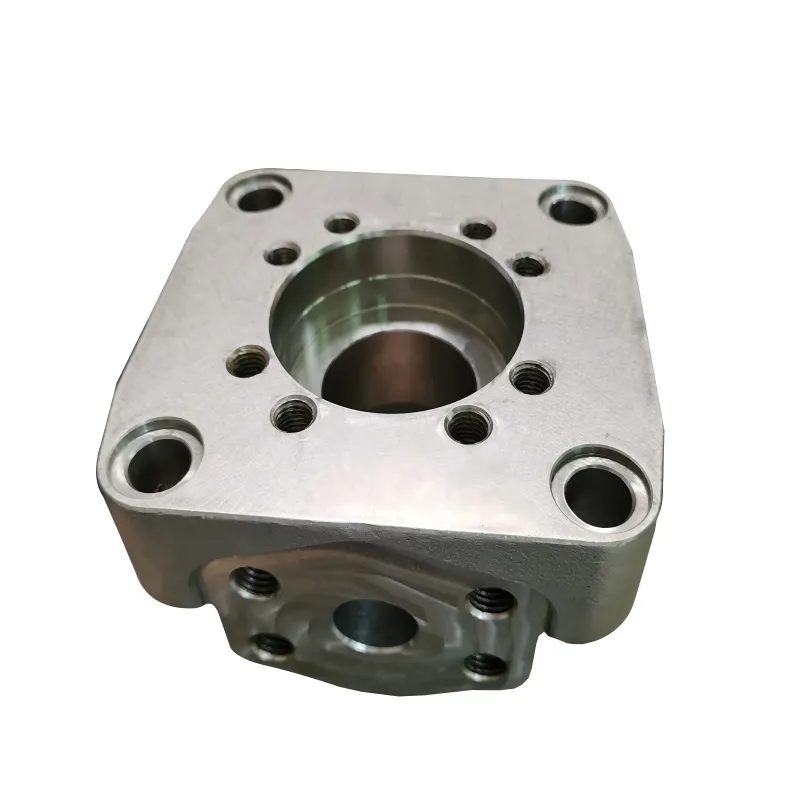
Looking at QSY's scope—shell molding, investment casting, and full CNC machining—that integration is the implicit value proposition. They're not just a foundry or a job shop. They're controlling the entire value chain from pattern to finished, machined component. This controls variables. The machinist can go back to the foundry manager and say, This batch is running harder, and they can trace it back to a heat lot or a mold temperature setting.
The Real Cost is in the Rework (or Lack Thereof)
Price per kilogram of casting is a dangerous metric to shop on. The cheapest pour can become the most expensive part once it hits your assembly line. A surface porosity that passed visual inspection might cause a seal failure in a hydraulic system. An undetected inclusion could lead to a catastrophic fatigue failure. The cost then isn't the casting; it's the warranty claim, the production downtime, the reputational damage.
Quality systems in a foundry aren't paperwork. They're the non-destructive testing (NDT) protocols—liquid penetrant, magnetic particle, radiographic testing for critical parts. They're the first-article inspections, the statistical process control on dimensions. For high-integrity parts, you might need a certified material test report with mechanical properties from a coupon cast alongside the production run. This all costs money, but it's the insurance you're buying.
It comes down to risk management. Are you making decorative hardware or a component for a subsea valve? The processes (shell mold vs. investment), the material grade, the inspection level—all scale with the consequence of failure. A serious metal casting company will ask about the application upfront. They'll push back if a design is uncastable or will be prohibitively expensive to machine. That pushback, born from experience, is what you're paying for. It's not a service; it's a partnership to avoid the hidden costs.
So, What Are You Actually Looking For?
If you're sourcing cast components, you're not really looking for a metal casting company. You're looking for a solution provider for a near-net-shape metal part. The casting is just one phase. You need a partner that understands the entire journey from your CAD model to a part bolted into your product. That means expertise in the casting process itself (like the shell and investment methods QSY highlights), deep material knowledge that goes beyond the datasheet, and crucially, integrated machining capability.
The website and the 30-year history are signals. They signal persistence, accumulated knowledge, and likely, a client base that has stuck with them because they deliver reliability. In this industry, you don't survive three decades on flashy sales pitches. You survive by consistently delivering castings that don't fail in the field, by solving problems like how to machine a cobalt alloy without destroying your tools, and by being honest when a design needs tweaking.
The next time you evaluate a supplier, don't just ask for a quote. Ask about their typical solidification simulation process. Ask how they handle feedback between their machining and foundry teams. Ask for a case study where a design change improved manufacturability. Their answers will tell you far more about their capability as a true metal casting company than any glossy brochure ever could. The rest is just molten metal.