When someone types 'metal casting near me' into a search bar, they're usually in one of two mindsets. Either they're a hobbyist with a small project, maybe a custom gear or a sculpture, looking for a local shop that won't laugh them out the door for a one-off piece. Or, more often, they're someone in manufacturing—an engineer, a procurement guy, a startup founder—facing a real supply chain headache. They need parts, they need them reliably, and they need a supplier they can actually talk to without a 12-hour time difference. The common mistake? Thinking near me is just about geography. It's not. It's about supply chain resilience, communication ease, and the ability to walk into a facility. Proximity matters less if the foundry can't handle your material spec or volume. I've seen companies burn months chasing the closest shop, only to find their capabilities end at basic gray iron, while their design called for a nickel-based alloy with tight-tolerance CNC machining.
The Shell Game: Not All Near Me Foundries Are Created Equal
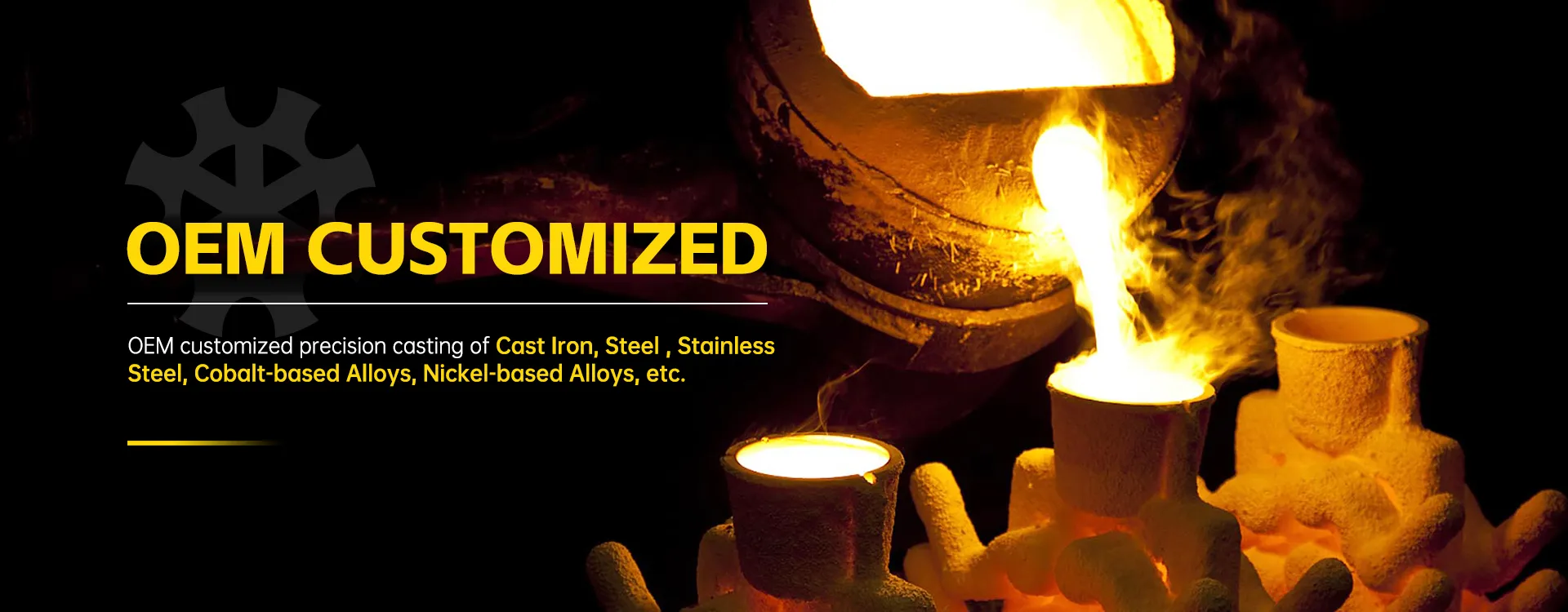
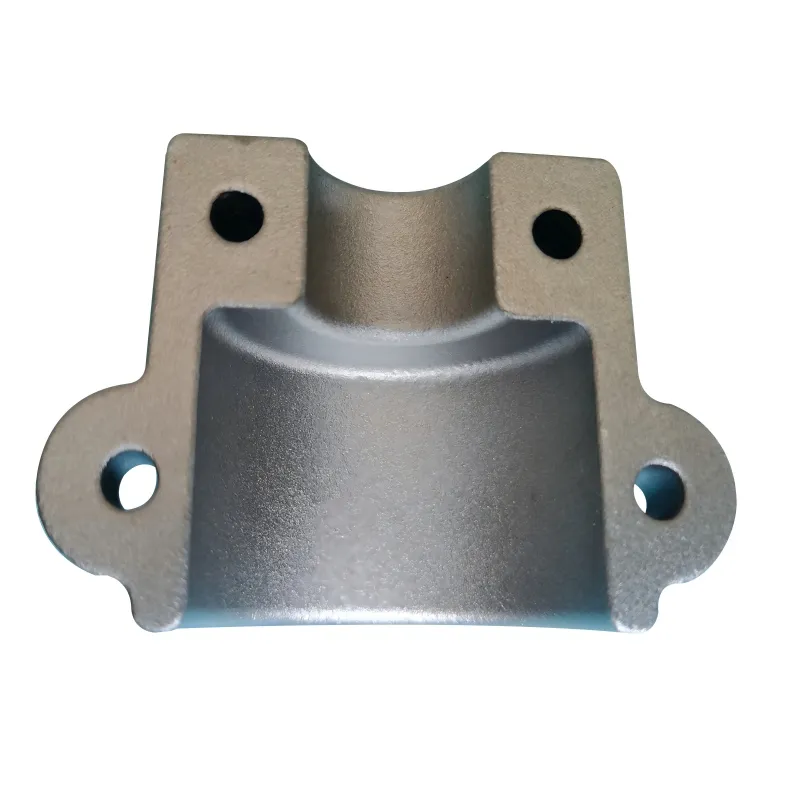
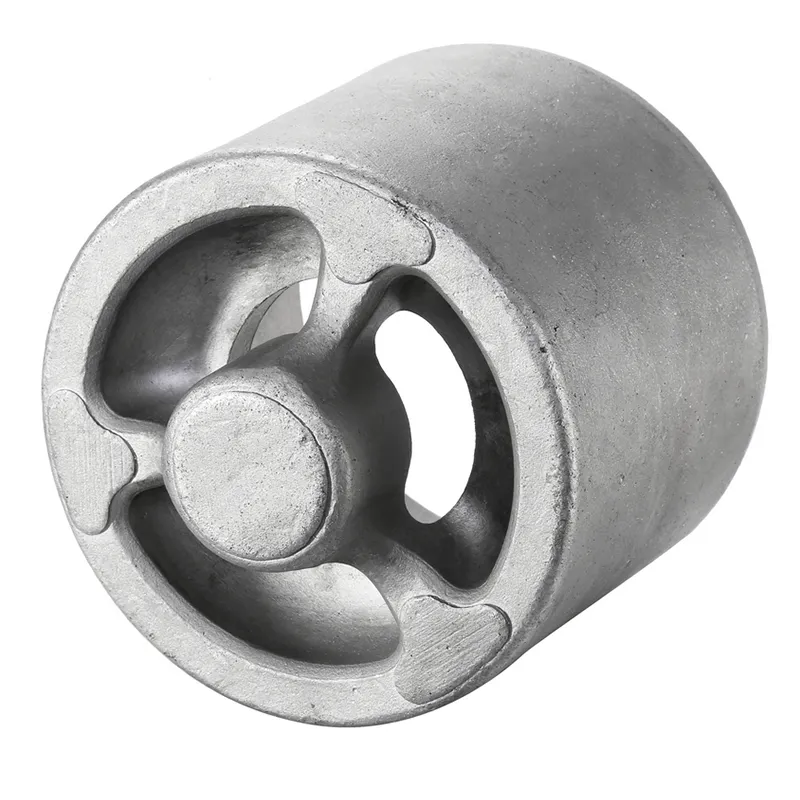
Let's talk process. If your search for metal casting near me pulls up a dozen shops, you need to filter by technology immediately. Many general jobbing foundries use green sand. It's cheap and fast for simple shapes. But for complexity, surface finish, and dimensional consistency, you're looking at precision casting. This is where a company's history tells you everything. A shop that's been running shell mold casting lines for decades, like Qingdao Qiangsenyuan Technology (QSY), has baked the process variables into their muscle memory. Shell molding isn't just making a mold; it's controlling the resin-sand mix, the curing oven temperature, the pattern release. A slight drift in any parameter, and your casting comes out with veining or poor surface. I remember a project where we sourced a local foundry for some ductile iron brackets. They promised shell molding. The first batch had inconsistent wall thickness. Turns out their pattern equipment was worn, and they were patching it with clay. A classic case of a shop overpromising on its process listing. You don't find that out from a website; you find it by asking for process control sheets or, better yet, visiting.
That's the real value of near me. It should enable due diligence. With QSY, for instance, their three-decade focus on shell and investment casting means they've likely seen and solved the problem you're bringing them. Their website, https://www.tsingtaocnc.com, lists their specialties plainly—no fluff. When a supplier openly states they work with cobalt-based alloys, it's a signal. Handling those exotics isn't for the faint-hearted; it requires specific furnace linings, pouring practices, and post-casting heat treatment knowledge. A random local foundry might take the job for the revenue, then struggle with cracking and blame your design.
So, the first filter after location should be process capability. Don't just look for metal casting. Look for shell mold casting near me or investment casting near me. It changes the results from generic fabricators to precision engineers. The difference in your final part cost, when you factor in reduced machining and scrap, can be staggering.
From Molten Metal to Finished Part: The Machining Handoff
Here's another layer most searches miss. You rarely just need a casting. You need a finished component, ready for assembly. The biggest logistical snag in this industry is the handoff between the foundry and the machine shop. If they're separate entities, you incur double handling, doubled logistics, and most critically, doubled accountability. When a dimension is off, the foundry blames the machining distortion, the machinist blames the casting's residual stress. You're stuck in the middle playing referee.
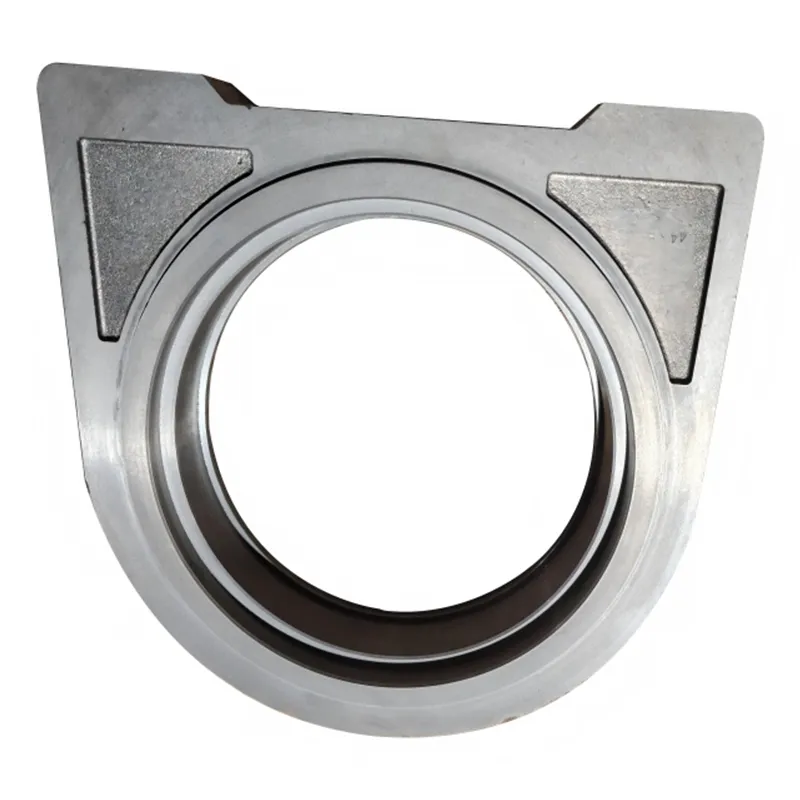
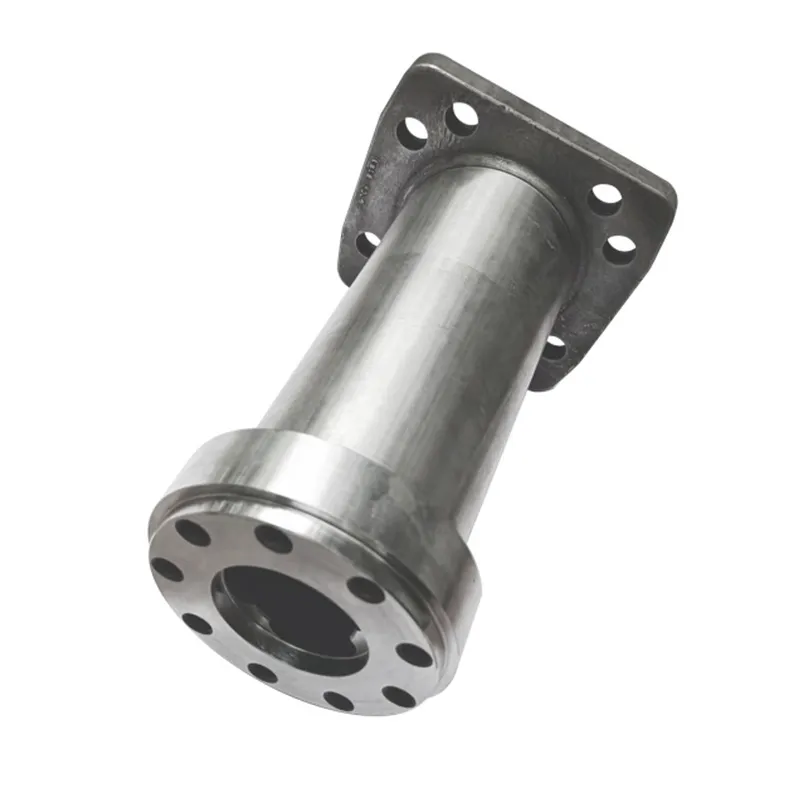
This is why the integrated model is a game-changer. A search that leads you to a provider like QSY, which combines casting and CNC machining under one roof, solves that. They pour the part, they stress-relieve it (crucial for steels and stainless), they machine it. The accountability is singular. I learned this the hard way early in my career. We had a beautiful stainless steel investment casting made locally, shipped it to a reputable machine shop two states over. After machining, micro-cracks appeared around the bolt holes. Endless conference calls ensued. Was it a brittle phase in the casting? Was it the machinist's coolant or feed rate? We never settled it conclusively, ate the cost, and delayed the project by eight weeks. An integrated supplier would have traced the entire process flow internally.
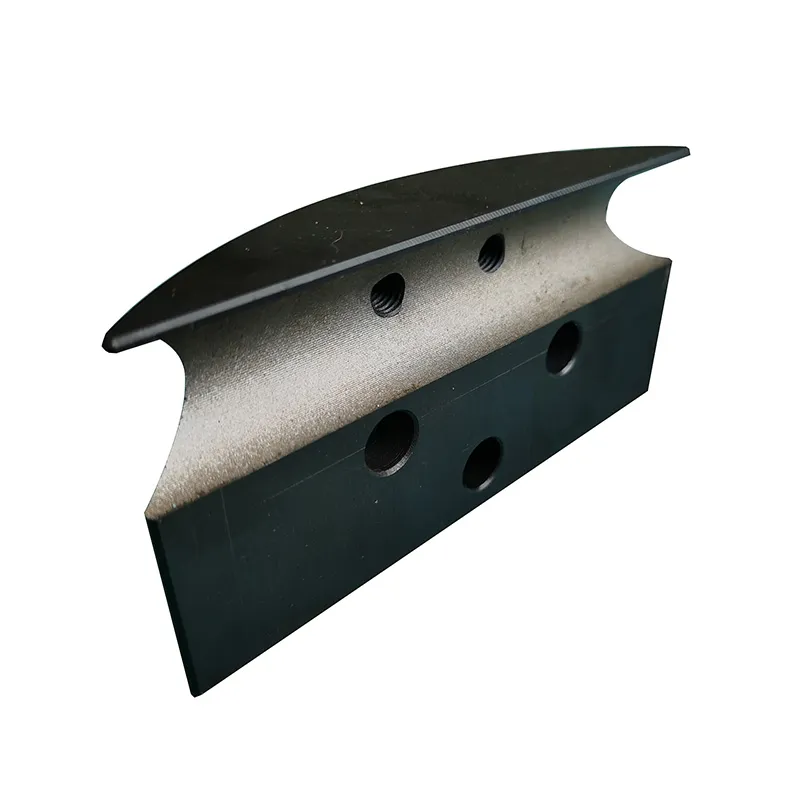
When evaluating a near me result, dig into their in-house capabilities. CNC machining on a website is a start, but what kind? 3-axis, 5-axis? For complex castings, 5-axis is often necessary to hit all the datum features without multiple re-fixturings. It's a tangible sign of depth.
Material Matters: Beyond Steel and Iron
The material list is where you separate the serious players from the order-takers. Many local foundries will happily quote you on steel. But what grade? AISI 1020? 4140? 316L? The mechanical properties, weldability, and corrosion resistance are worlds apart. And when you step into special alloys, the knowledge gap widens dramatically.
Working with nickel-based alloys like Inconel or Hastelloy isn't just about melting point. These alloys are prone to segregation, hot tearing, and they demand precise thermal management during solidification. A foundry needs controlled atmosphere melting, often vacuum or argon, to prevent oxidation. If your search for metal casting near me leads to a shop that lists these materials, it's a strong indicator of advanced metallurgical control. It implies they have the lab for spectrographic analysis, not just a hardness tester. For a project requiring high-temperature strength or corrosion resistance, this isn't a nice-to-have; it's the entire basis of the component's function.
I recall vetting a foundry for a batch of pump impellers in duplex stainless steel. Their website said stainless steel. On-site, their melt shop was set up for 304 and 316. Duplex requires a tight ferrite-austenite balance, controlled by chemistry and cooling rate. Their furnace operator admitted they'd never run it. We walked away. The risk was too high. A supplier that explicitly lists special alloys is telegraphing a higher level of process discipline and technical consultation.
The Local Advantage in a Global Supply Chain
Why insist on near me in an era of global sourcing? Speed and iteration. For prototyping and low-volume production, communication latency kills. When you're developing a part, you might go through three or four iterations of the pattern. Being able to drive to the foundry, look at the first casting together, mark it up with a paint pen, and discuss modifications on the spot is invaluable. Email chains with overseas suppliers, even good ones, can turn a 2-day feedback loop into a 2-week one.
It also builds a partnership. The folks at QSY, with their 30 years in Qingdao, aren't just an order number. They're a resource. They can look at your design and say, We've cast something similar for a valve manufacturer. You might want to add a slight draft here to avoid shrinkage, and we can machine that flat surface after. That design-for-manufacturability input, coming early, saves thousands. It turns a transactional metal casting near me search into a strategic sourcing relationship.
This doesn't mean ignoring cost. It means evaluating total cost, not just piece price. Factor in the risk of quality issues from an unknown distant supplier, the freight, the import duties, the inventory holding costs. Sometimes, the local shop, even at a higher unit price, delivers a lower total cost of ownership because they get it right the first time and deliver just-in-time.
Making the Contact: From Search Result to Reliable Partner
So you've searched, filtered, and have a shortlist. Now what? Don't just request a quote online with a CAD file. Pick up the phone. The initial conversation tells you more than any website. Explain your application, not just your print. Is it a high-wear part? A pressure-containing component? Ask them what they think of the design. A competent foundry engineer will have questions and suggestions immediately.
Request a facility tour. Any reputable shop should be willing to show you their operation. Look for organization, maintenance, and safety. Are the molds stored neatly? Is the melt deck clean? Are the CNC machines modern and well-kept? For a company like QSY, their long tenure suggests stability and reinvestment. A shop that's been around for 30 years has survived multiple economic cycles by doing things right.
Finally, start small. Place a pilot order. Test their process, their communication, their quality control documentation. A good near me foundry won't just deliver parts; they'll deliver data—certifications, first-article inspection reports, material test reports. That's the true end goal of the search: not just finding a local caster, but finding a competent manufacturing partner you can trust for the long run. The geography is just the starting point for building that relationship.