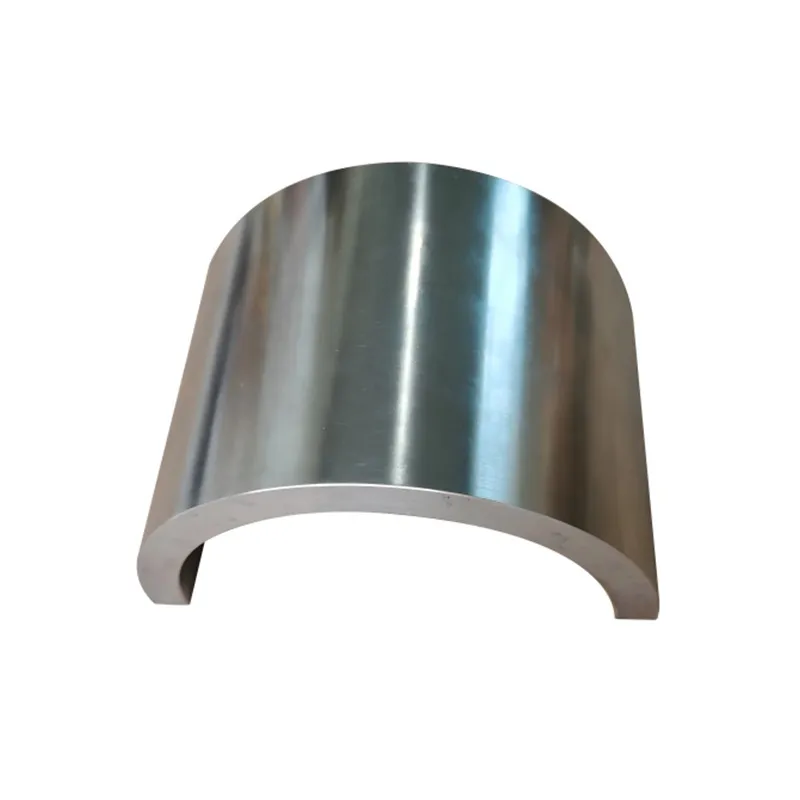
When most folks hear 'metal fabrication', they picture a guy welding two pieces of steel together. That's part of it, sure, but it's like saying cooking is just stirring a pot. The real story starts way before the sparks fly, with the choice of material and the method to shape it. I've seen too many projects get hung up because someone specified a generic 'steel' on a drawing for a part that needed to withstand constant salt spray, or ordered a complex geometry through the wrong forming process, blowing the budget. The fabrication is just the final act; the play is written in the foundry and the machine shop.
The Foundation: It Starts with the Cast
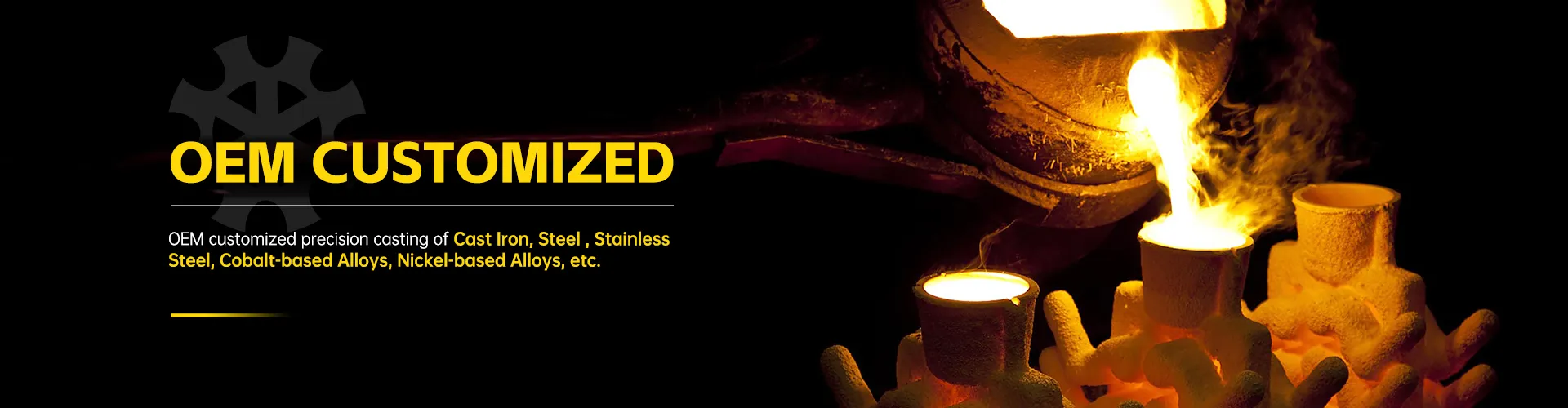
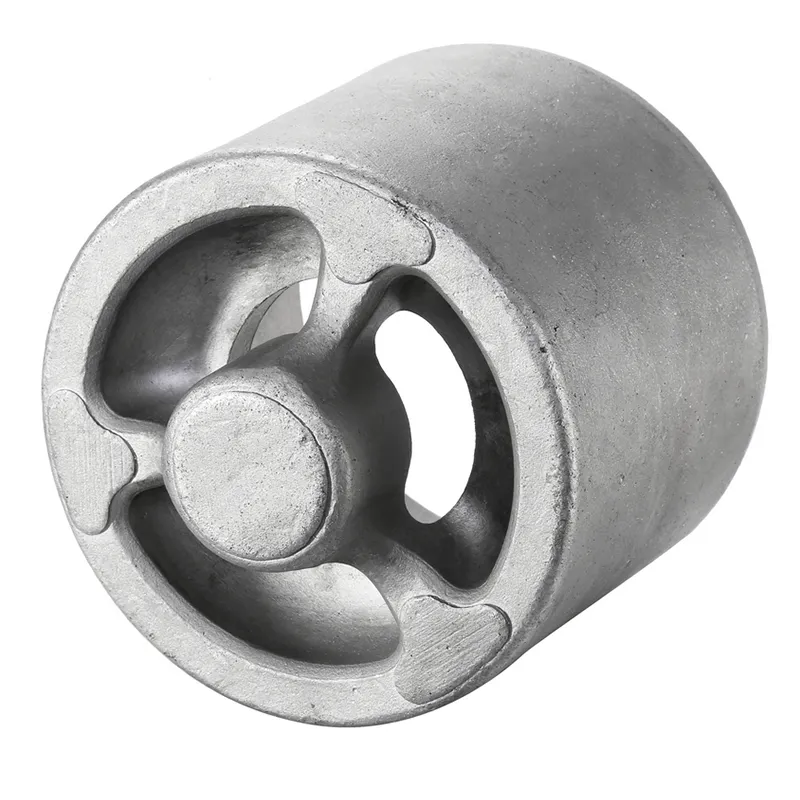
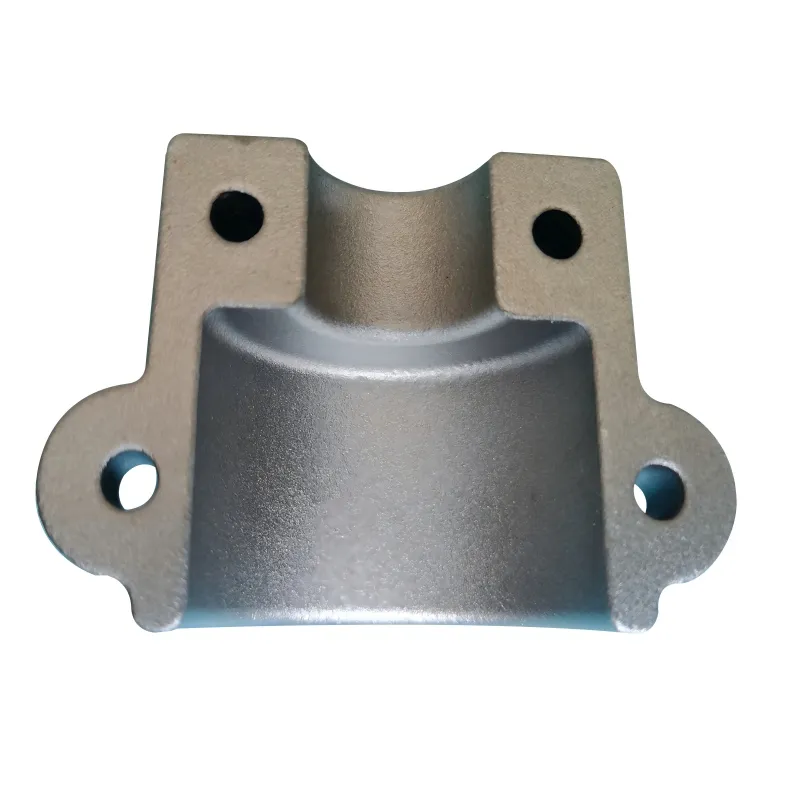
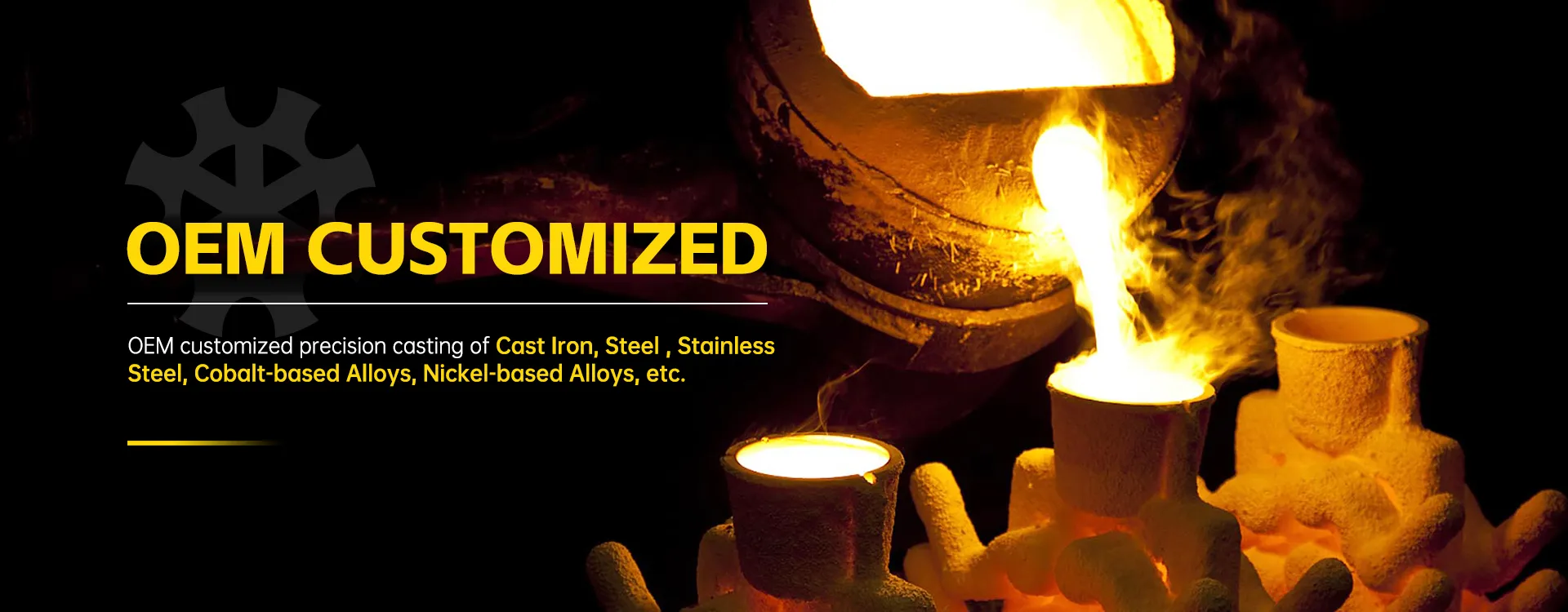
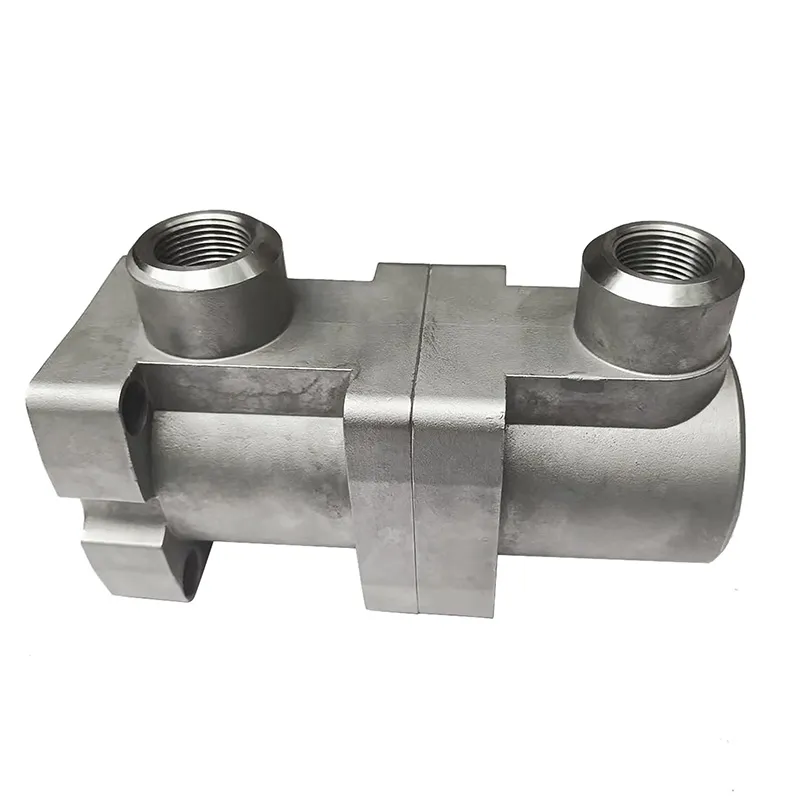
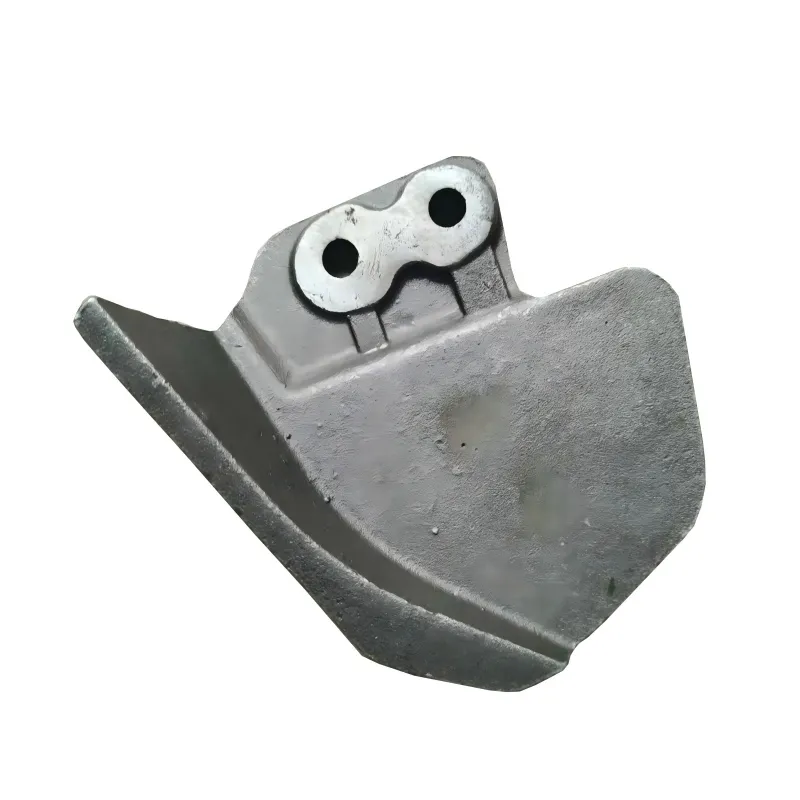
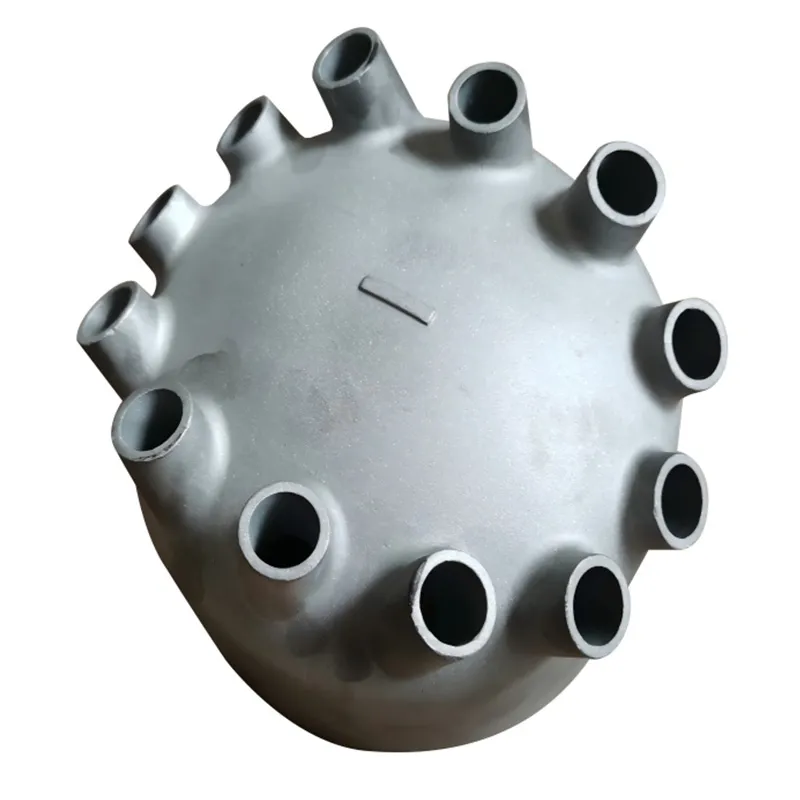
You can't fabricate what you don't have. A lot of our work begins with a raw casting. This is where companies with deep material knowledge, like Qingdao Qiangsenyuan Technology Co., Ltd. (QSY), become critical partners. They've been in the casting and machining game for over 30 years, which means they've seen what works and what fails. When they talk about shell mold casting for better surface finish on a pump housing or investment casting for that intricate turbine blade with internal channels, you listen. It's not just sales talk; it's based on decades of pouring metal.
The material spec is another minefield. Stainless steel isn't a single thing. Is it 304 for general corrosion resistance, or 316 for the chlorides? Or are we talking about a nickel-based alloy for high-heat applications? I recall a job for a chemical processing client where we initially used a standard 304 stainless fabrication. It passed all initial tests, but within six months in the field, we started seeing stress corrosion cracking at the weld joints. The environment had trace chlorides we hadn't accounted for. We had to re-fabricate the entire assembly using 316L. That mistake was a brutal lesson in material science being non-negotiable. QSY's experience with special alloys like cobalt and nickel-based ones is a signal they understand these high-stakes environments.
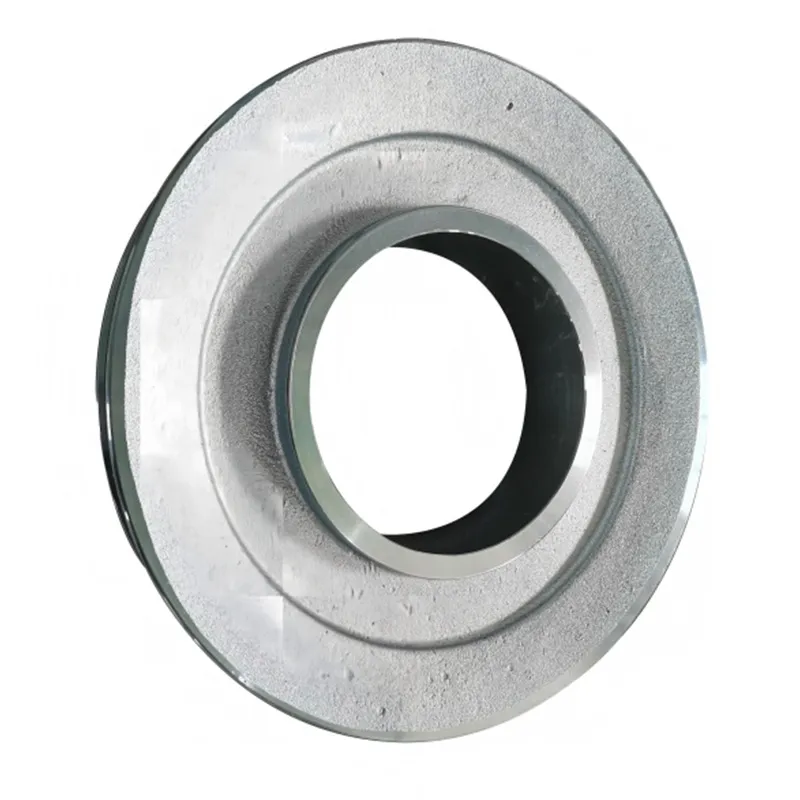
Getting the casting right is 70% of the battle. A poorly gated casting with internal shrinkage or inconsistent wall thickness turns the subsequent metal fabrication process into a nightmare of warping during welding or impossible machining tolerances. A good foundry partner delivers a near-net-shape part that's actually fabricable.
CNC Machining: The Precision Interlude
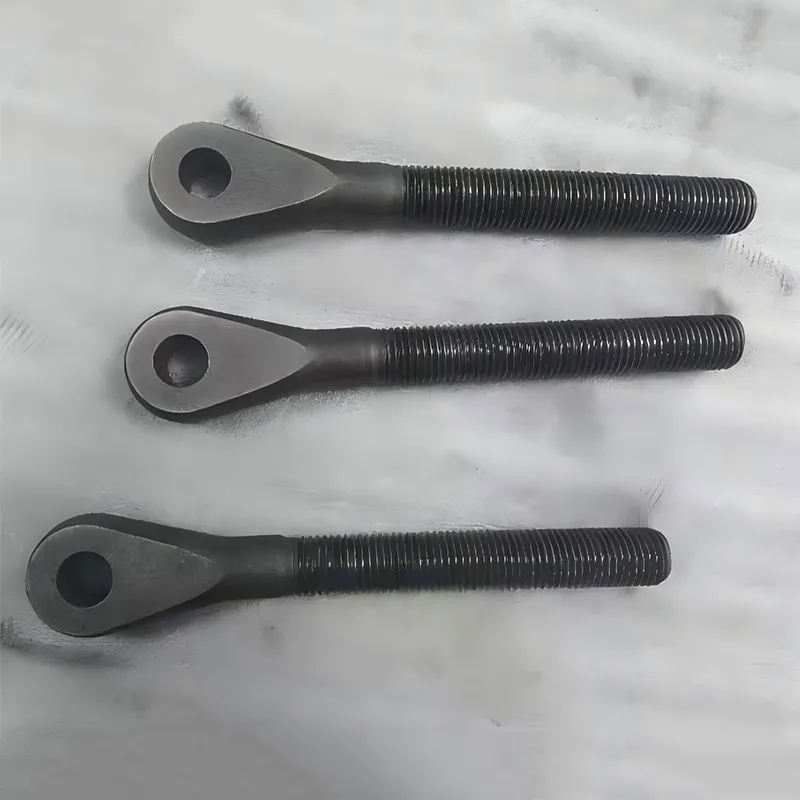
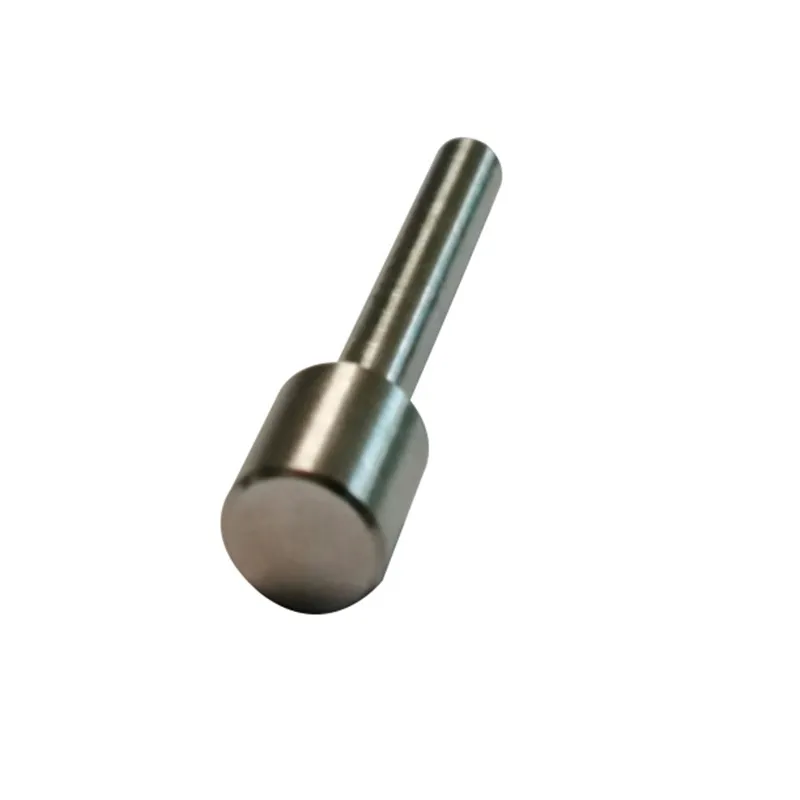
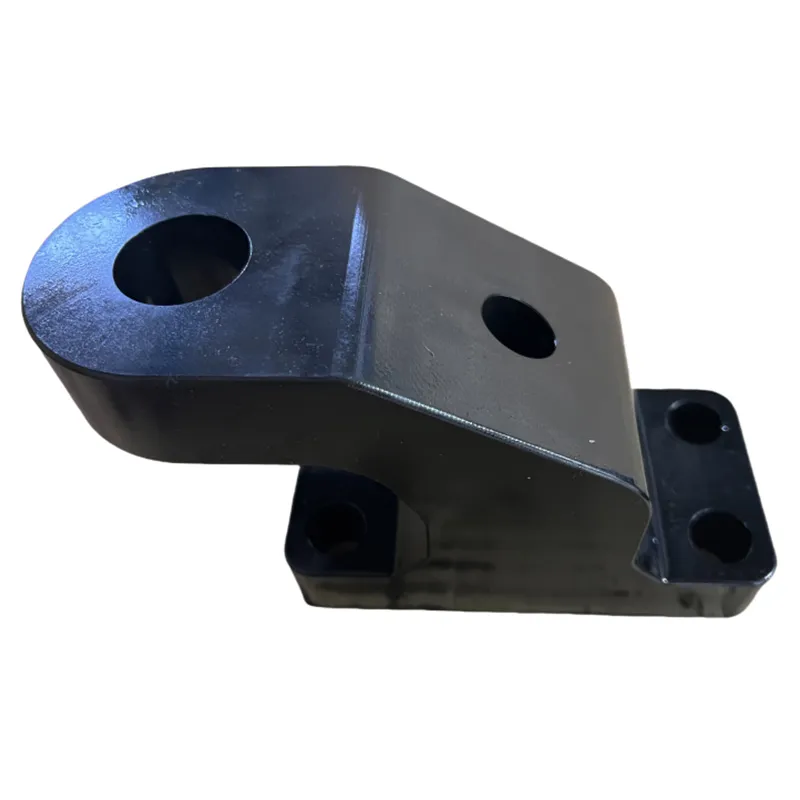
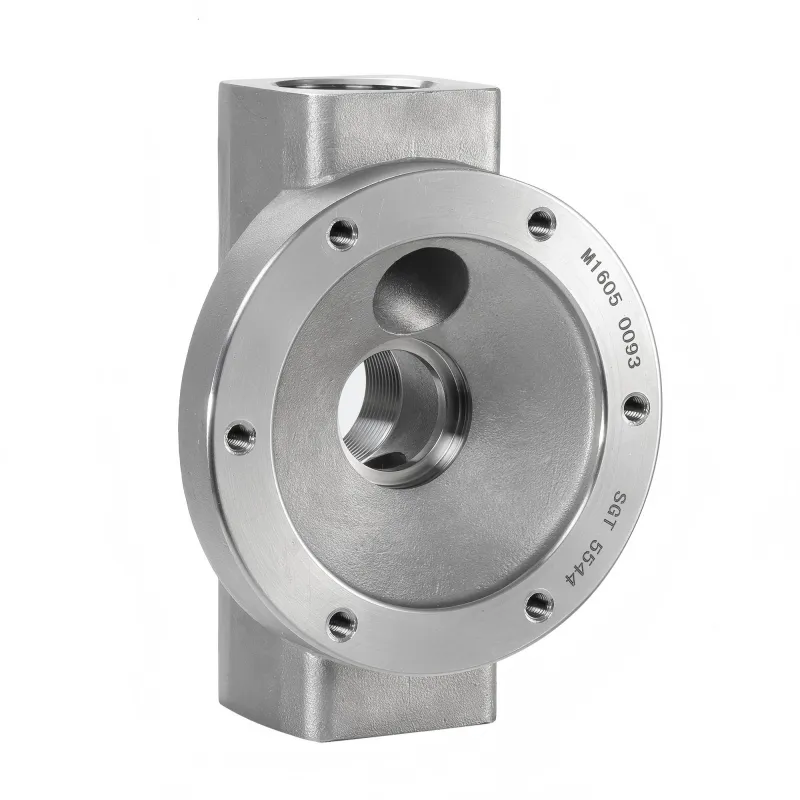
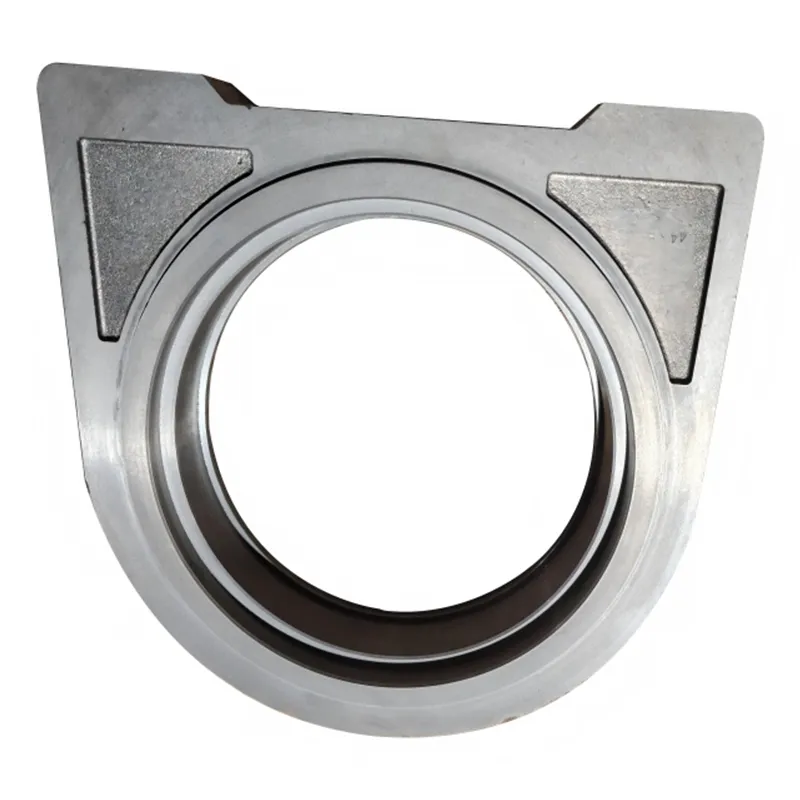
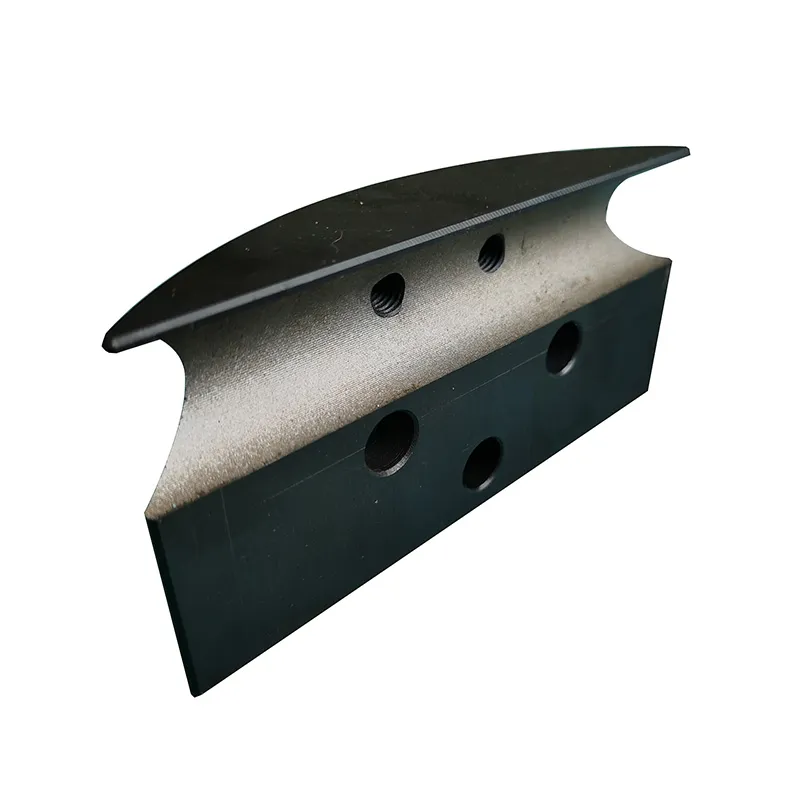
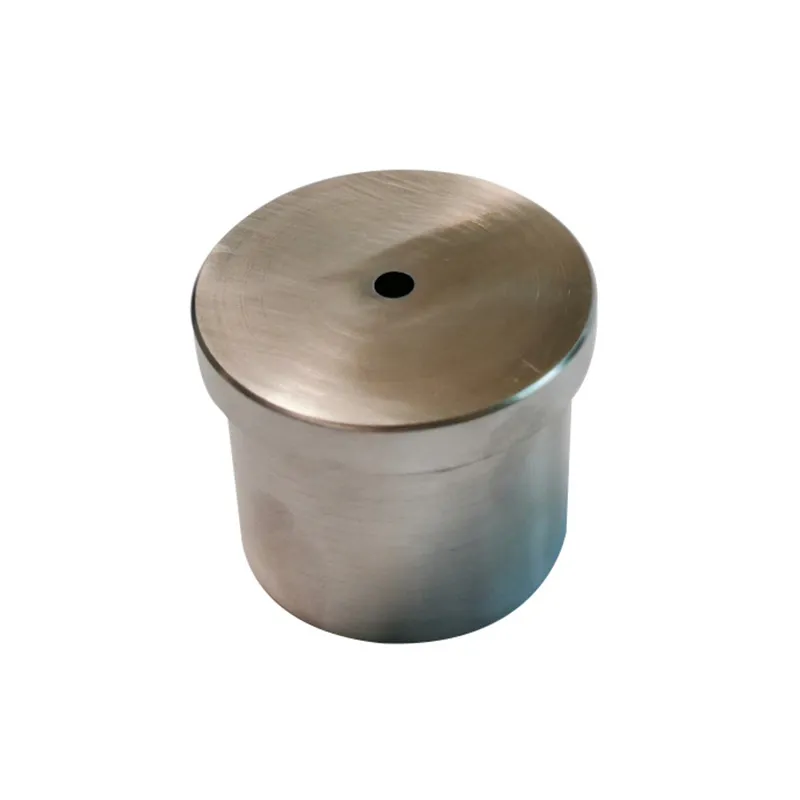
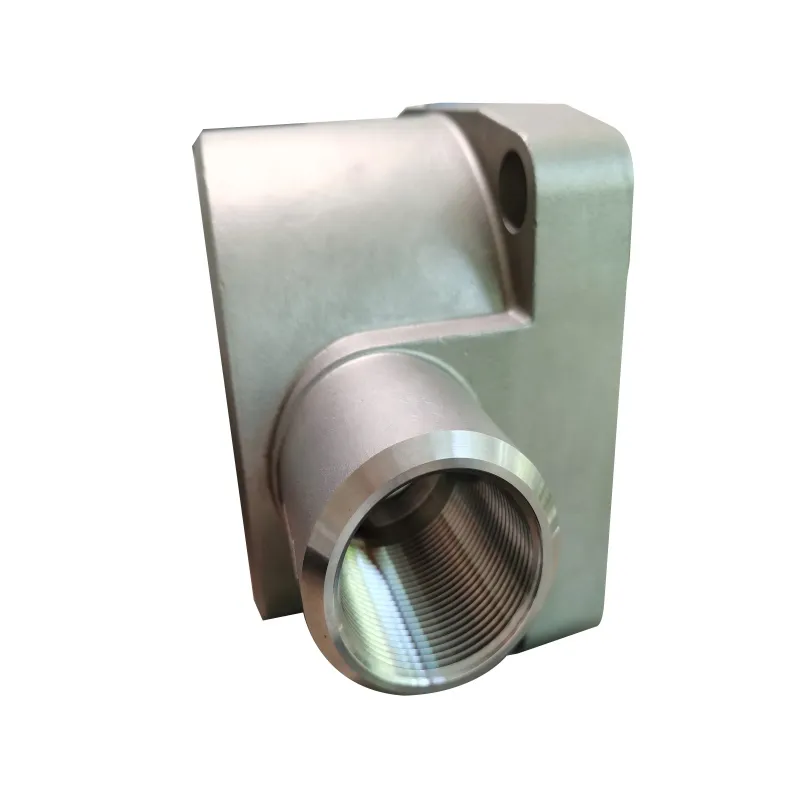
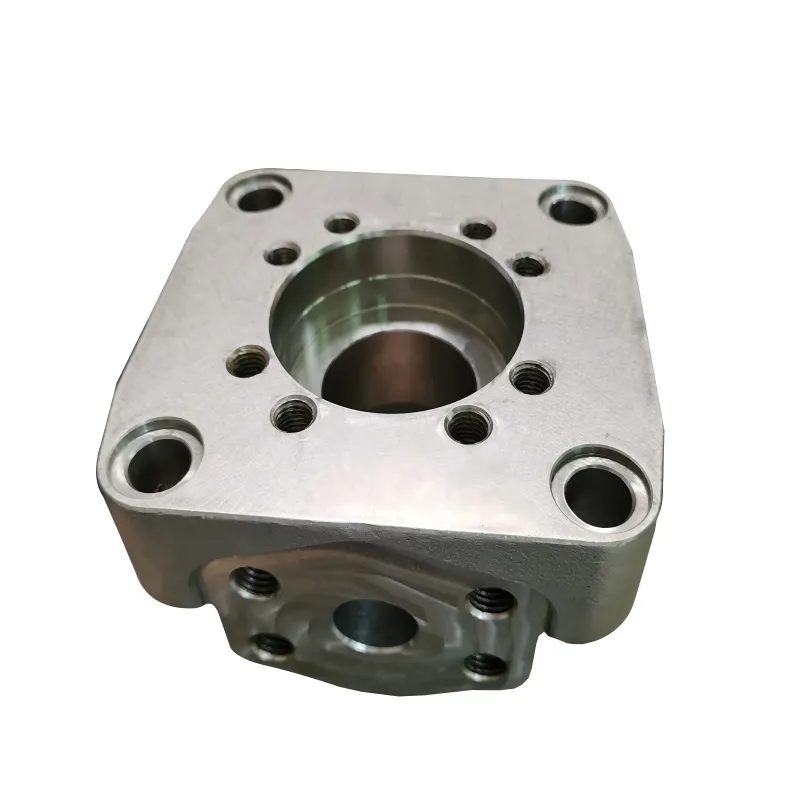
Now, the casting arrives. It's rarely ready to bolt on. This is where CNC machining enters the metal fabrication workflow. Drilling bolt patterns, facing mounting surfaces, creating sealing grooves—this is precision work that defines how well the final assembly fits. QSY integrates this, which is a huge advantage. It means the same team that understands the casting's grain structure and potential stress points is also doing the machining. They know where to avoid taking too heavy a cut on a thin wall, or how to fixture a oddly-shaped investment casting without distorting it.
I learned the hard way that separating casting and machining vendors can lead to a blame game. The machinist says the casting is soft or moves, the foundry says the machinist is using wrong speeds/feeds. Having it under one roof, like at their facility (you can see their approach at https://www.tsingtaocnc.com), eliminates that. The feedback loop is immediate. If a tool is chattering on a specific alloy batch, they can adjust the machining parameters or even flag it back to the melting process. This cohesion is something you only appreciate after dealing with the alternative.
The goal of machining in fabrication prep isn't just to hit dimensions on a print. It's to create reference surfaces and features that will allow the fabricator to assemble components predictably. A thousandth of an inch error on a machined leg mount can translate to a quarter-inch misalignment when you're trying to weld a large frame.
The Fabrication Floor: Where Theory Meets the Torch
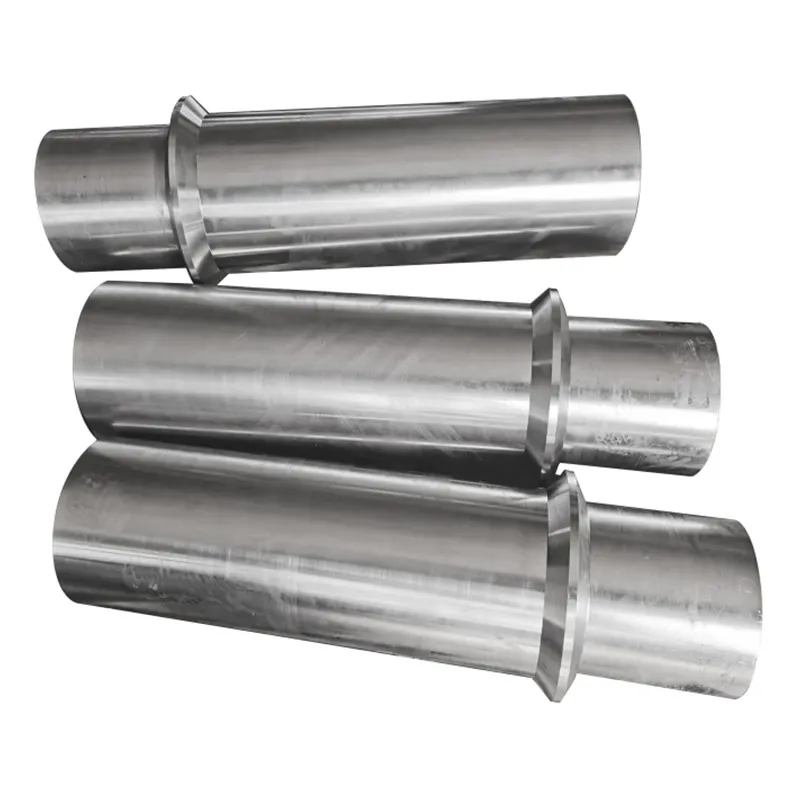
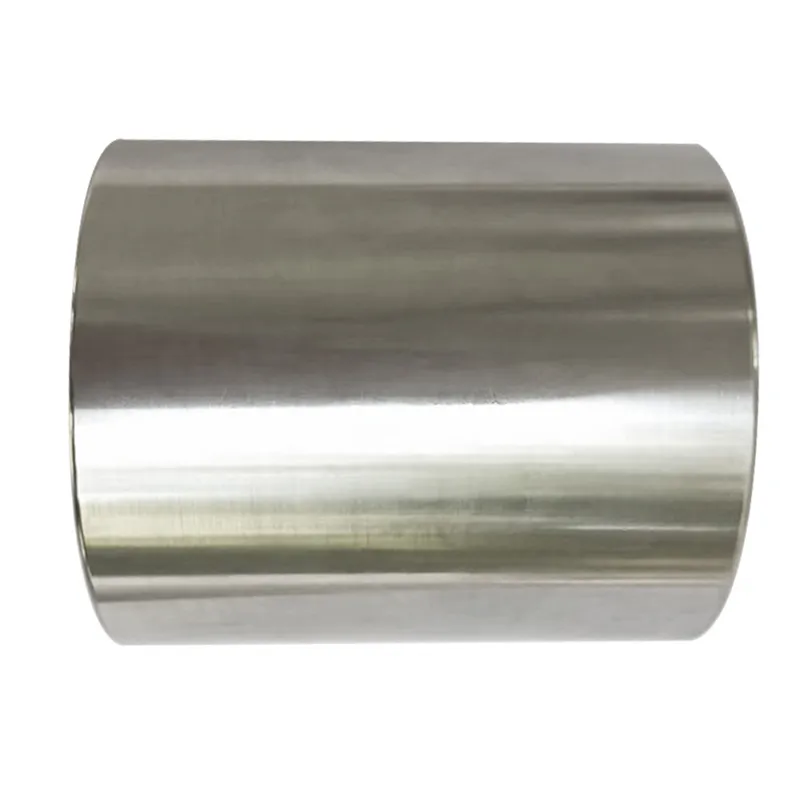
This is the messy, loud, and glorious part. You've got your machined castings, your cut plate, your bar stock. Now it all has to come together. Welding a nickel-based alloy is a different beast from welding mild steel. The heat input, the interpass temperature, the filler metal—it's a recipe. Get it wrong, and you precipitate carbides in the heat-affected zone, making it brittle. We once had to weld a cobalt alloy sleeve into a steel housing. The differential thermal expansion alone was a headache. Pre-heat, specific weld sequence, controlled cool-down... it was more like a chemistry experiment.
Jigging and fixturing are the unsung heroes. For repeat fabrication work, the time spent building a solid, adjustable jig pays for itself ten times over. But for one-offs or prototypes, you're often improvising with clamps, magnets, and temporary tack welds. The trick is knowing when a temporary tack will induce enough stress to pull the whole assembly out of square. Sometimes you have to let it move, then correct it, rather than fighting it into submission.
Distortion control. That's the constant battle. You're applying intense, localized heat to join metals, and they want to move. The sequence of welds is critical. On a long beam with multiple stiffeners, you might stitch weld in a specific pattern, jumping from side to side, to balance the pull. Sometimes you even pre-bend components in the opposite direction, anticipating the weld pull. It's not an exact science; it's feel and experience.
Quality: The Unseen Steps
Fabrication isn't done when the last weld bead is laid. That's when the inspection begins. Visual inspection first—looking for cracks, undercut, porosity. Then come the non-destructive tests. Dye penetrant for surface flaws on those critical stainless or alloy welds. Maybe ultrasonic testing for internal defects on thick sections. For pressure-containing fabrications, hydrostatic testing is a must.
But one of the most important, and often overlooked, steps is post-weld heat treatment (PWHT). For many alloy steels and especially for heavy-section fabrications, PWHT is essential to relieve the residual stresses locked in from welding. It's a time and energy-consuming process—sticking the whole assembly into a giant oven and bringing it up to a specific temperature for a specific time. It's tempting to skip it to meet a deadline, but I've seen the consequences: a massive fabricated baseplate for a compressor that cracked audibly months later just sitting in a yard, simply from the internal stress trying to equalize.
Documentation is part of quality too. A proper fabrication record, with material certs, weld procedure specifications (WPS) used, heat treatment charts, and inspection reports, is what turns a pile of metal into a traceable, reliable component. This is where partnering with a vertically integrated provider shows its value again. The material certs from the casting, the machining reports, and the fabrication records can all be part of a coherent package.
The Integrated Advantage
So, circling back. True metal fabrication isn't an isolated trade. It's the culmination of a chain: material selection, forming (like casting), precision machining, and finally, joining and finishing. When these stages are siloed, you lose information. The fabricator doesn't know why a certain area of the casting is harder, the machinist doesn't understand the weld sequence that will follow.
That's why the model of a company like QSY is interesting. Operating for over 30 years in casting and machining gives them a foundational understanding of the material's behavior from its liquid state onward. When they then engage in or supply components for fabrication, they're bringing that entire history to the table. They're not just selling a casting or a machined block; they're selling a component with known characteristics, predictable behavior under the torch, and a reduced risk of downstream surprises.
For an engineer or project manager, this integration is a risk mitigation tool. It simplifies the supply chain, tightens the feedback loop for problem-solving, and inherently builds in quality checks at more stages. The end goal of fabrication isn't just to make something that looks like the drawing. It's to make something that performs, reliably, under real-world conditions. And that performance is forged long before the final weld is made.